Metaphor and Early Warning Systems in Psychotherapy with Narcissistic Patients

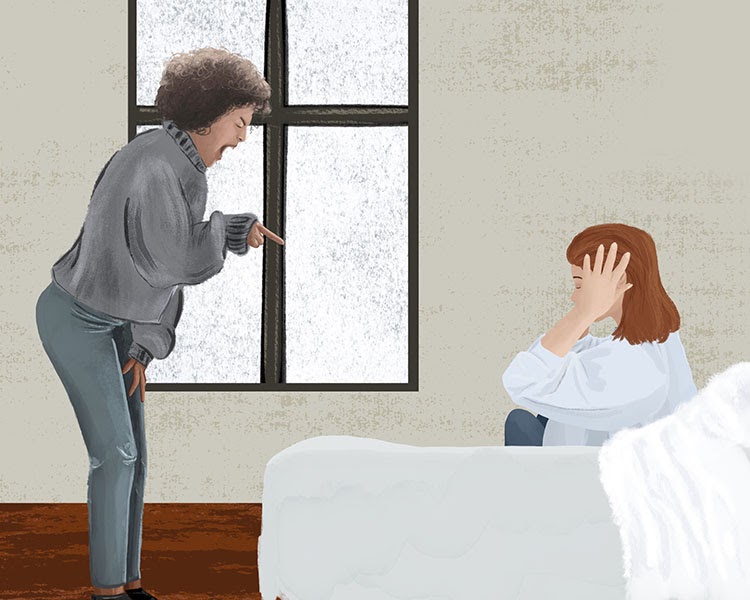
The other day, my patient Jeremiah was explaining that he could not sleep because he felt “blackmailed” by a former employee who was demanding excess severance pay. He was in what we had come to identify in our clinical work as narcissistic rage, feeling that the employee’s demands were an assault on his sense of self. But we both knew from prior work that his rage was typically triggered when he felt he had done something wrong that contributed to the situation, which brought with it a sense of shame, a common narcissistic dynamic.

Like what you are reading? For more stimulating stories, thought-provoking articles and new video announcements, sign up for our monthly newsletter.

Jeremiah’s use of the word “blackmail” was the key—you can only be blackmailed if you believe or feel that you have done something wrong and can be compromised if that information is revealed. Once we figured out what he felt guilty about, Jeremiah could acknowledge that he had a choice about paying the severance or not. In our subsequent work, the term “blackmail” has become a shared metaphor. We both now understand that it means he feels forced to give someone something that he does not want to give but feels in danger because of his guilt.

I have found that creating and maintaining a working alliance is difficult with patients suffering from narcissistic and/or borderline personality disorders. However, developing shared metaphors and creating an early warning system has been very useful in my therapeutic efforts with these particular patients.

In psychoanalysis, the core concept of transference is based on a metaphor—the patient is responding to me as if I am their parent. Within that macro-metaphor, a multitude of micro-metaphors emerge in psychotherapy—both the patient’s and my own. There is usually a great deal of unconscious material to be mined from the patient’s metaphors (e.g., the analysis of dreams is based on interpreting unconscious metaphors). The therapist’s use of metaphors is also important, because it can betray countertransference and/or can be a tool to cut through the patient’s resistance.

I have come to appreciate that these shared metaphors create what Winnicott called a “transitional space” in which the patient’s and therapist’s unconscious and conscious overlap. At its best, psychotherapy takes place in that metaphoric, or play, space. The therapist’s job is to bring the patient into a state of being able to engage fully in the metaphoric, as-if scenario—to play. With narcissistic patients, I have found it particularly difficult to develop enough trust for them to be willing to play, which requires a degree of unmonitored spontaneity, vulnerability and trust. Sometimes, when Jeremiah and I are in that play space, I forget that if I go beyond the mirroring response and make an interpretation, I might trigger his narcissistic rage. However, having inhabited that play space together over a course of years, we have developed an early warning system.

Our warning system is reciprocal—sometimes he warns me that I am treading on dangerous grounds, while other times I warn him I’m going to say something he might not like. After ten minutes of inhabiting the same play space we may have a warning interchange as in the following:

Roberta: Maybe you got drunk to get Diana to break up with you?

Jeremiah: Please be careful here.

Roberta: What just happened?

Jeremiah: I don’t want to end the session feeling the connection between us is broken.

Roberta: What did I say that threatened to break our connection?

Jeremiah: You’re making me feel ashamed.

Roberta: I’m sorry. I didn’t mean to do that. [I could have focused on his shame but thought repairing our connection was primary.]

Jeremiah: I know. I’m okay. You can go on now.

In this interchange, Jeremiah gave me a warning that he experienced what I said as a shaming response and that he was in danger of sinking into narcissistic rage.

At other times I give him an early warning:

Roberta: I want to take a risk here.

Jeremiah: Yes, it’s okay. Go ahead.

Roberta: Do you think you are experiencing your partner as if he’s your brother?

Jeremiah: Yes, I can see that. Yes, that’s right.

By warning Jeremiah that I was going to make an interpretation, he was more able to tolerate it. The warning neutralized his potential experience of humiliation.

***

I have come to value the therapeutic play space in which patients and I use various metaphors to deepen our connection and their self-awareness. The use of shared metaphors with patients like Jeremiah has allowed me to create a safe creative space for our analytic work. This has been particularly important with narcissistic patients with whom I have been deeply challenged to create a working alliance. Since these patients have a special sensitivity to injury and shaming, I have made good therapeutic use of this early warning system to reduce the chances of the rupturing the working alliance and increasing my patients’ resilience when it is broken.

To Text or Not to Text: A Vacationing Therapist

It was the second day of my vacation. Wrapped by the noonday heat and sitting on the terrace of a charming Thai house, I looked like an ordinary, relaxed tourist—shorts, a t-shirt from the local market and a glass of freshly squeezed mango juice. This time I had managed to avoid scheduling client sessions during vacation, for which I praised myself. However, my head was like a busy rush hour interchange, with work-related thoughts buzzing quickly in all directions. Even a monkey, clearly lacking in boundaries and social etiquette who decided to gobble half of my breakfast couldn’t distract me from this mental traffic. I decided that it would be a good time to sort out the emails that had accumulated during my brief absence from practice.

Like what you are reading? For more stimulating stories, thought-provoking articles and new video announcements, sign up for our monthly newsletter.

I moved to a pleasantly chilled room and opened my laptop, and as I hurried to remove spam, I nearly deleted an email with the subject line “Quality literature on social anxiety. Help!" It was the call for help that caught my eye. “N” asked me to recommend self-help books on social anxiety. In the email, he stated that psychotherapists could not help him, and that instead he had to rely on himself and the self-help literature. Although I had become accustomed to people who don’t believe in psychotherapy, the phrasing of his request seemed somehow different. I recommended what I thought would be useful books to N and then asked him how he arrived at the idea that psychotherapists could not help him. His quizzical response, and possibly a hidden challenge or invitation was “Because no single session with a psychotherapist has happened.” At that point, I became curious, and so decided to continue our conversation.

It turned out that N's social anxiety precluded both face-to-face and online visits with a therapist. He had previously approached several specialists asking for text-based sessions but was consistently refused. The psychotherapists with whom he had made these requests typically responded in a manner suggesting that they had no idea how to conduct such sessions and expressed concern that doing so would be ineffective. Interestingly, N’s written language skills suggested that he was an educated and thoughtful person, and I could feel the pain in his written words. I thought, “Despite the negative experiences he had with those therapists, he still seems to be hopeful that psychotherapy, albeit in text format, could help.”

At that moment, the promise I had made to myself not to work with clients during vacation melted like sugar in the tea I had just brewed. I agreed to having a text session with N. He became extremely enthusiastic and started thanking me, perhaps a bit too soon. The entire first session was devoted to the discussion of his feelings in connection with the multiple refusals of psychotherapists to help him. With each refusal, he had felt “even more worthless, rejected and condemned” and “did not want to interact with people at all, since even those who could help did not want to do that.” However, N had managed with impressive effort not to fall into despair but instead to keep searching for a way to battle his social anxiety. Contacting a psychiatrist for pharmacotherapy was not an option for N, at least at this point, because he clearly understood that he would not be given any prescription without a personal appointment. N tried to read papers and books on the subject, but he was not getting any better. It was at that point he had decided that perhaps he was reading improper literature, so decided it might be more effective to ask a psychotherapist for a recommendation. That is how he came to me.

I admired N’s guts and resilience, as well as his desire to cope with this illness which had created many obstacles in his life. N had read online forums suggesting that people with similar problems tend to rely on alcohol and illegally-obtained benzodiazepines to ameliorate their anxiety and alleviate their anguish, at least temporarily. N had not considered this medicinal route as a solution and understood that these would only provide short relief followed by a worsening of his symptoms. I had met similarly mindful and purposeful clients in the past, so I already admired his tenacity. He truly seemed to have faith in himself and his capabilities and wanted to re-enter the social world but needed professional psychotherapeutic support to get there.

After that first text session, N said that for the first time in a long period, he felt that he had found an ally. His hope of a successful outcome therefore strengthened while my attempt to spend a vacation without clients completely failed—we decided to keep working together.

In subsequent text sessions with N, I did pretty much the same as I would during online or face-to-face sessions, except that it took more time because typing is far more cumbersome to me than simply talking. At the end of the fourth session, N actually suggested holding the next session online, saying that “the calluses that had developed on my fingers required treatment.” While I believed that this was actually the case, I also thought that his desire to see me face-to-face represented a significant step towards progress in dealing with his social anxiety. After the seventh session, N started leaving his house, and by the eleventh, we were already “rehearsing” an appointment with a psychiatrist, which took place soon thereafter. His belief in himself and in our work, as well as our mutual commitment to the goals of therapy, helped N to progress rapidly. In a few months, he could already spend time with people including strangers while experiencing a tolerable anxiety of 6 points out of 10 according to his own assessment.

Can I be sure that I wouldn't have been among the therapists who refused N in his request for a text session? Unfortunately not. I discussed this issue with colleagues, and many of them admitted that they would not be ready to hold therapy sessions in text format. Our teachers and supervisors direct us towards face-to-face sessions, sometimes touching the nuances of online therapy, but therapy in text format is often considered with skepticism. How is it possible—not to see and hear the client? Safety is an important factor in the therapeutic relationship, and in this case, N clearly did not feel safe in any social sphere, let alone therapy. Texting felt safe for him, and I believed it was my role to honor his need for safety, so I accepted the format of our relationship on his terms. In general, but particularly after working with N, I believe therapists should honor and respect the client's desires as long as all possible and foreseeable risks are considered. In this case, it was important to understand N’s reasons for requesting text-based sessions, which seemed fair. I trusted my intuition that he was yearning for connection, but it had to be on his terms. It was for that reason alone, despite it being contrary to my typical way of practicing and being on vacation, that I accommodated him.

***

Working with N reminded me of one of the fundamental rules of psychotherapy: therapy is for the client, not the client for therapy. We spend years studying the rules of psychotherapy, and then for the rest of our professional lives, we learn to break these rules sensibly and for the benefit of the client. The “don't work on vacation” rule should probably also be considered with certain flexibility. I discovered, although somewhat reluctantly, that conducting sessions on vacation can work if the therapist has the sea, sun, and a brazen monkey nearby; and the client has a desire to change.
 

Grief, The Dismissed Yet Common Experience

When I mention grief and loss to my clients, I see their eyes widen with concern. Some will quickly offer, “Oh but wait, no one close to me has died.”

One day it hit me, everyday grief is not normalized nor validated in society. We are so quick to acknowledge the death of someone but not quick enough to acknowledge ended relationships, loss of a job, divorces, loss of finances, loss of friendships, miscarriages, loss of identity, expectations, aging, or retirement.

Like what you are reading? For more stimulating stories, thought-provoking articles and new video announcements, sign up for our monthly newsletter.

As I continue to advance my knowledge and practice in grief, I realize it’s not that grief is not acknowledged, but that instead many—clinicians likely included—don’t fully appreciate its innumerable forms, both great and “seemingly” small, especially, perhaps, if they have not directly experienced it. Recently, this awareness hit me when a client in my grief group expressed with sadness, “I don’t think I belong here.” This person had joined the group after losing their eyesight, while others were in attendance due to losing someone from either suicide or homicide.

I remember feeling the urge to tear up, hearing someone who was experiencing a huge loss invalidate their own pain. In that moment I realized just how dismissed the common experience of grief and loss truly is.

I then offered the client a list of commonly experienced feelings including sadness, anger, confusion, heaviness, pain, disbelief, fear, numbness. They answered, “Yes, I've felt every single one of those.” I then explained to the client that grief is not a “one size fits all” type of experience. It is unique to every individual, not linear. Nor are there rules to grieving, which often make it seem complicated. Some clients simply don’t have a vocabulary that extends to emotions, so providing a list such as this one has been helpful in my work with grieving clients.

It was my goal to help this client understand that grief is a reaction to loss, which explains why they not only belong here in the group, but they also belong in their grief. The truth is, grief does not have to be recognized by others to be validated.

As time went on and the group members became closer, the “who/what” of their grief no longer mattered because they eventually started to bond over the “why.” They began to realize that their pain was the same. Sure, they were all there for different reasons, but their tears looked the same, and their voids felt similar. Eventually, they found comfort and healing within each other’s experiences and words.

After realizing that grief has no face, just different cases, my client no longer felt as if they didn’t belong. Their differences are what made the group feel full. They provided support and balance for each other. The group became a safe space to feel their grief that was either dismissed by themselves, society, or by those around them. Dismissed not because it did not matter, but because it was simply not understood or spoken about.

This client felt that they didn’t belong because the discussion of grief had been shoved under the table for far too long. Discussions around or about grief can be easily dismissed because they are heavy and can be scary. Yet it is something that can’t or at least shouldn’t be avoided. All will someday experience loss, and grief will inevitably follow. Working with grieving clients has taught me that opening a space in clinical conversations can and has helped my clients feel normal, something that loss takes from them. I always say, “Awareness can lead to understanding, and understanding can lead to healing.”

I then ask the next question, “Do clients dismiss grief out of fear that if they talk about it, the pain attached to it becomes real or too much of a burden to bear?” No one likes feeling sadness, pain, anger, and irritation, but ignoring these feelings doesn’t make them go away. If anything, dismissing them will only make them come back harder. The sadness they feel isn’t there for no reason. It’s there because what they are experiencing is part of being human.

If I were to have dismissed my client’s pain and referred them to a colleague, who knows what their grief would have morphed into—it would have likely expanded to include loss-of-clinician. Dismissing the client’s grief would not have made their eyesight come back, nor would it have made the emotional pain they felt lessened or disappear. Yes, this client’s loss differed from others in the group, but if we crossed out “loss of eyesight” and had that same client explain the feelings of loss they were experiencing, we would see that the “who/what” attached to our losses doesn't make them more or less painful. Yet the “who/what” attached to our support system can increase chances of healing and acceptance.

***

It is my hope that one day no one will say, “My loss does not belong here,” but until that day, I will welcome all losses and forms of grief into my therapy group and in conversations with my clients. I will open similar doors to these experiences in my own life.

Battling Stigma: Serving Previously-Incarcerated Clients in the Community

Another week has ended. I am feeling those familiar pangs of disappointment—the kind that make me shake my fists and yell to the sky as I continue to battle decades and layers of systemic challenges outside of my control. I’ve watched my team work tirelessly to find yet another needle in a haystack which itself seems to be on fire. From a systemic standpoint, I work with arguably one of the most difficult-to-place populations—those with a history of incarceration and major mental illness. To be clear, this is not the fault of any of the clients I serve, but clearly a societal issue characterized by a continued and seemingly unrelenting stigmatization of its incarcerated citizens with mental health needs. It’s an ugly truth, but that doesn’t change that it needs to be confronted.

Like what you are reading? For more stimulating stories, thought-provoking articles and new video announcements, sign up for our monthly newsletter.

Ned (not his real name) is a man with a complex case history, not unusual to corrections. He is dually-diagnosed and no stranger to the criminal justice system. His supports are extremely limited, and he, not unlike most of his peers, feels that he has a real sense of community and care in the mental health unit at our facility. Ned once said something that profoundly impacted the staff who work with him. It was a typical day of patient care when Ned walked into the room full of clinicians and told the team members how simultaneously sad but wonderful it was that he felt so at home and cared for inside the correctional facility. This was not an easy win with Ned—it took much time and consistency in his relationship with the staff and unit to really feel that he was and is looked after.

Ned is an exceptionally charismatic and humorous individual who deserves the opportunity to have a life outside of the correctional system, no matter how well cared for he feels there. He is someone who responds to redirection and is the epitome of how and why Rogerian therapy can be so impactful, despite its many detractors. Building rapport and a strong therapeutic alliance with Ned has allowed the team members to assist him in moving forward in his life and to spend less time in the justice system than he may have without such extensive support.

The disappointing aspect of all this is that the community mental health system does not know how to respond to Ned. He deserves competent and caring outpatient mental health care, access to substance use treatment, and opportunities for vocational rehabilitation. He has many strengths and is much more likely to stay connected to providers if he feels they are genuinely invested in his well-being. However, despite all of his strengths, he requires a lot of contact with staff members Living in the time of COVID-19 has only made it more challenging for community providers to stay fully staffed and for resources to be obtainable; as a result, the patience that Ned deserves from community caregivers may not be as plentiful. Ned was removed from a community placement twice within the last year, and typically within a very short amount of time. Any time a community setting doesn’t work out, it’s hard to not let the disappointment set in because we are so genuinely invested in the outcomes and well-being of those we serve.

We live in a nation that incarcerates more individuals per capita than any other developed nation, which means that many of us and our clinical colleagues have had professional, or perhaps even personal contact with someone who has been incarcerated. Yet despite this fact, I have found that there is so much fear in the field of human services when it comes to working with previously-incarcerated individuals with mental health needs. Time and time again, the job of finding placements for these individuals has proven to be excruciating. Community providers often want assurance that these individuals aren’t too psychiatrically sick or require resources beyond their capability or willingness to provide. There may even be the implicit fear that previously-incarcerated clients, especially those with a history of mental illness, may be violent and/or physically dangerous. And these are but a few of the barriers for placement and treatment once these individuals are released from prison.

To be fair, we are living in the time of a pandemic, and staffing and resources in the human service world are at an all-time low. Closures are happening left and right, and the competition for resources has intensified. I appreciate the gravity of this, but the fact is that we were struggling with this long before the pandemic began. Deinstitutionalization had a direct impact on the criminal justice system, leading prisons and jails to become the largest providers of mental health in the nation. John F. Kennedy had the right idea with the Community Mental Health Act in 1963—unfortunately, America has never had the infrastructure to support the aftermath of deinstitutionalization in community settings. Pair this with the time of the pandemic, and people with mental health needs are becoming psychiatrically sicker and for longer periods of time, which has immense consequences on their long-term prognosis.

The weight of this has often felt crushing to me and my clinical colleagues in corrections. Agencies need to be equipped to provide treatment to individuals like Ned who have been incarcerated and also live with major mental illness. People reintegrating into society from prison or jail may need more assistance to get on their feet and figure out the fast-moving world that they were removed from and to which they are returning. Yes, individuals with major mental illness may require more staff time and patience. Yes, as those providers, we should step up to the plate and meet this challenge head-on. Furthermore, as clinical providers, we cannot expect marginalized people who often have become very adept at pushing others away or having people ignore them or reject them to instantly acclimate to new surroundings and not need anything from us.

***

So why do I write all this? I write this because I’m betting there are other correctional social workers and clinicians out there who feel the weight of this just like I do. Society has an interesting way of tucking away those it sees as “undesirable” and then looking away, assuming either that these individuals will not reintegrate into society or somehow magically will. These individuals will of course be walking down our streets with us, they may live next door, or they may stand behind us at the pharmacy. If we know people who end up incarcerated will return back into society, why are we not providing them access to services? If services continue to screen for those who are “high-functioning” and “less needy,” then we are truly perpetuating stigma and preventing people like Ned from having the opportunities that they not only deserve, but are fully capable of having. A friend of mine once told me, “We’re all just walking each other home.” I hope community, psychiatric, and correctional providers can work together to make this journey better for our fellow walkers.

Melting Fear with Love

Walking up the back stairs, I heard someone yelling and cursing loudly. I pressed the red button releasing the door lock and came onto the third-floor unit. The fire of her fury had burnt out rapidly, and a 32-year-old young woman—I’ll call her Gwen—now sat hunched and sobbing in the nook at the end of the hallway. I thought if I spoke or approached too closely she would dismiss me, so I sat quietly 10 feet away. Her breathing slowed, she sighed and looked questioningly at me. I introduced myself and my role as a therapist, and she began to tell me of her frustrations: with her medical problems, her mood shifts associated with bipolar disorder, and feeling trapped in a nursing home with people ordering her around.

Like what you are reading? For more stimulating stories, thought-provoking articles and new video announcements, sign up for our monthly newsletter.

During her stay, Gwen had many similar fiery outbursts aimed at authority figures, and weekly conversations with me in which she spoke of being trapped and tormented as a child in foster care. She felt furious with her biological mother for abandonment, and with her abusers. As a child, her proficiency with math was a saving grace for Gwen, and her most keen desire was to teach young children about the delights of mathematical thinking. Gwen had been burned by betrayal as a child, and suffered inflammatory medical problems and destabilizing bursts of inflamed emotions that limited her progress in pursuit of her goals of a stable life and a teaching job. She loved being a teacher of young children and wanted to stabilize her physical and mental wellness so she might obtain an apartment and a return to work.

Yet Gwen could easily erupt in dragon’s breath fury when frustrated or challenged or limited by an authority figure. We talked of how her suffering as a child was unjust, and how her feelings of anger were understandable, yet how the heat, hammer, and anvil of her anger needed to be forged into steel-strength skills for successful adult functioning.

Watching the movie Frozen with our grandchildren, I was reminded of Gwen, and reflected further on the emotional themes she and the fictional character Elsa had played out in their lives. Each an orphan with a gift, overwhelmed by circumstances and emotional reactions to them and fleeing into unhelpful and alienating defenses—either with ice or fire—and as yet unable to assume full adult responsibility until brought home by love.

***

In the movie Frozen, the initially playful child, Elsa, has been endowed with special powers over the piercingly beautiful yet dangerous elements of winter.

In Norway, the setting for the movie, the freezing powers of winter exert tremendous influence over the lives of the Norwegians. It seems only natural to mythically imagine reversing the dynamic and exerting unique and personal control over cold, ice, and snow.

Elsa is not only endowed from birth with ice magic, but she is also likewise enlisted from birth to inherit grand royal authority as the Queen. Yet with a lack of parental or adult guidance or guardianship, she is left unprepared to understand or to cope with either form of power. With no guiding principles or instruction, she can only rely on her increasingly troubled and difficult-to- control emotions for direction.

In her journey from fear towards love, Elsa magically conjures two characters: Olaf and the Snow Monster, which represent differing elements of her character and of her reactions to the overwhelming circumstances enveloping her. Olaf represents the playful joy of Elsa’s childhood with her younger sister Anna, and the Snow Monster embodies the ferocious defensiveness Elsa has developed as a coping strategy.

Elsa learned only fear and cover-up as ways of managing her special gift. Added to that were the burdens of unresolved grieving over the deaths of her parents and her misguided estrangement from Anna. Under the additional burden of authority as a newly crowned queen, Elsa fails and flees; from the sister she ostensibly wants to protect—even when Elsa knows that Anna is actively endangered by a conniving scoundrel—and as well from her responsibility for the needs of the people she is destined to rule.

Elsa experiences an initial, albeit illusory, euphoric sense of release—which is anything but genuine freedom—as she isolates herself ever further inside a grand though chilling fantasy of solace through solitude.

Elsa, sadly, is not—at least not yet—a heroic figure. She never risks herself for the sake of another. Elsa is a tragically lonesome figure who withdraws from others into an ever-deepening coldness. Elsa even rejects her sister after Anna has come to call her back to family and community and responsibility.

The real heroine of the movie is Anna, who remains hopeful even while enduring a childhood of rejection and imposed isolation. Anna always believes the best about her older sister Elsa, and Anna departs immediately, and on her own, to find and rescue the sister who has run away.

Anna awakens love and heroism in the character Kristoff. It is their budding love for each other, along with the vestiges of Elsa’s hope and joy in the figure of Olaf, which prepares the way for Anna to give of herself to the end in a successful attempt to save Elsa through an act of true love.

***

Two years after my initial encounters with Gwen, I had the opportunity to work again with her in a different nursing facility after she experienced another medical flare-up. This time, her attitude and outlook were far more mature and optimistic than when we first met, yet she still struggled with unstable medical and emotional distress. She was considering the short-term goal of moving in with a family—a lady and her two young adult daughters—under a foster family care program. One morning she was crying heavily when I came to her room. Gwen said, “I know it’s different, it’s not the same as foster care when I was a kid, but it reminds me of that.”

The host family was patient and kind and invited her six times to their home, so she might gradually consider the option of living with them, without any rush to decide. Gwen reflected with me on each contact she’d had with the potential host family—what they said and did, and how kind they had been and how hard it was for her to trust that it might turn out well. However, she also felt reassured to learn that the host family would hold no authority over her, and that she would be free to move on from their home to her own when it became available. She could live in a house with a friendly family—with ordinary routines and with full opportunities and encouragement to pursue her dreams.

Here finally was a chance for the stability she yearned for without the need of flame-throwing defenses. For me, Frozen was the perfect illustration of the challenges of coping with losses and misfortunes and injustices, while learning to love and care for others and to responsibly develop one’s particular gifts. As a psychotherapist, I was able to draw from the riches of mythology, fairy tales, literature, and cinema to elicit analogies and insights to formulate broader understanding of the trials encountered by my client.

Two weeks after moving in with that family, Gwen returned in triumph to the nursing facility to share her relief and satisfaction. The gentle and loving support of the host family helped to melt her dreadful fear and allowed her to enjoy the ordinary, yet for her rare pleasures of family life.

Anger and Powerlessness in the Era of COVID: Changing the Narrative

Anger seems ubiquitous in our society, a pandemic, perhaps, if not an epidemic. Our clients come to us angry about a great many things, and have a right to be angry about many, if not most of them. Furthermore, while anger is usually thought of as a dangerous, uncomfortable, or even “negative” emotion, it can actually be very healthy—an emotion that alerts them to the fact that they might be in danger—that things are not okay. That a boundary has been crossed. That they are not safe or someone else isn’t. Anger can provide our clients with important information—that action needs to be taken to make things right or to create safety.

Like what you are reading? For more stimulating stories, thought-provoking articles and new video announcements, sign up for our monthly newsletter.

That said, just like any emotion, while the initial feeling of anger might be justified, our clients’ understanding of the feeling, and the narrative that accompanies it, might not be. In other words, feelings are never wrong, but interpretations or narratives about them (and what to do about it) often are.

To give a simple and common example, a patient of mine, Jonathan, has struggled mightily with road rage. If he was driving and another driver made a dangerous move in front of him and nearly caused an accident—or even simply made a move he considered to be “inconsiderate” of him—he often felt a surge of adrenaline, experienced initially as fear and then as anger. Here his anger was telling him—in some cases rightfully—that the person made a dangerous choice that was not safe for him.

However, as we slowed down and analyzed his reactions and looked into the narratives he created around these incidents, we learned that there were layers of interpretations. The first was obvious and caused anger from feeling unsafe: that the other driver was being unsafe or not considering other drivers. But Jonathan was also creating a second narrative with that anger: he was interpreting the other driver’s behavior to mean that they didn’t care about him or, worse, that they were recklessly disregarding his safety on purpose. It is this second narrative that would cause him to become even angrier and lash out at the driver in some way that would lead to intimidation or unsafe behavior by him or both parties.

In our work together, Jonathan became able to suspend his second narrative and hold the possibility that it could have simply been that the person wasn’t paying as close attention as they should have at that moment—something that happens to almost all of us. Or that they were rushing to the hospital because of a medical emergency and paying less attention to safety in the interest of speed. Or perhaps something flew into their eye, and they were temporarily blinded. Or maybe even that people’s definition of consideration was different than his, and that was okay. In time, he was able to understand that he didn’t actually have the information that would allow him to attribute motive or intent to the other driver.

Allowing his anger to create that second narrative might have made him feel good or righteous at that moment, but ultimately it wasn’t based on fact and, more importantly, it frequently led to less safety rather than more. Most often, the reason he created that second level of the narrative was because of rage’s closest companion: powerlessness.

When hurt, our clients’ safety has typically been threatened, or a boundary has been crossed. It is not just anger that they feel, it is powerlessness. They feel out of control. Someone, or some group, has made a choice or choices that had an effect on them (or people they cared about, or the planet), and they hadn’t been consulted. The choice was made without them.

This points to an experience that is deeply uncomfortable and yet an undeniable fact of life: our clients don’t always get to choose how things go, even when it is painful for them. They come to recognize that to a degree, powerlessness is part of life.

This fact of the human experience is so difficult to accept. And it’s especially difficult to accept for clients who were traumatized as children—they were taught that powerlessness brings victimization and pain, so they feel terrified of being powerless again. This was certainly true in the case of Jonathan, who was severely abused as a child. Experiences of powerlessness would trigger that childhood trauma, and he would respond with rage and actions that instantly created a feeling—for a moment at least—that he could feel safe through feeling powerful, even if it was at the expense of the comfort of others (or ultimately even his and their safety).

But even among those who were treated well as children, our clients would all so much rather feel in control of their lives. Make no mistake—they should feel empowered to do all that they can and make the best of the life that they have. But the hard truth is that their power is limited. For some more than for others, but no amount of money or status will create immunity from powerlessness. If it rains when we are out for a walk, we will all get wet. Anyone could get cancer. Bullets won’t bounce off any of our flesh. If the global climate catastrophe in front of us continues, none of us will survive.

And so it is with COVID. Our clients feel deeply powerless when faced with the virus that is circulating the globe and wiping out millions of people in its wake. They come to understand, slowly in some cases, that they are all, to a greater or lesser extent, dependent on everyone else in order to create safety for themselves—in essence, as individuals they are powerless to stop it. This profound powerlessness is deeply uncomfortable and, along with the anger that naturally comes from feeling unsafe, many of our clients have coped with that by creating a second level of narrative to try to regain a sense of power.

Helen is an elderly patient in her late seventies whose husband of over fifty years had a kidney transplant several years ago due to a genetic disorder that caused kidney failure. Because of the transplant, he is on daily, lifetime immunosuppressants so his body doesn’t reject the kidney. Unfortunately, these immunosuppressants also make it impossible for his body to effectively fight off illness or respond to a vaccine in a way that would create immunity from COVID-19. Given his age and compromised immune system, he would in all likelihood die from COVID were he to contract it.

Helen and her husband are still full of energy, creative, and sharp of mind. They want to visit their children and grandchildren, travel, volunteer, and spend time with their friends. Instead, they are forced to be extra cautious and conservative in their actions and activities, reducing their world to one that is much smaller and less fulfilling than they would like. They feel trapped at home. When Helen reads on the news that people in her community are choosing not to get vaccinated because it’s their “right” or “COVID isn’t as bad as the hype” or “the government can’t tell them what to do,” she is deeply enraged. She talks bitterly about how they are “selfish” or “uneducated” and that perhaps dying from COVID as a result of their actions “is what they deserve.”

Helen is feeling enraged at the people who aren’t getting vaccinated or wearing masks. Some would argue justifiably so—their actions are denying her and her husband safety and dramatically affecting their lives. However, by attributing a lack of empathy, lack of intelligence, or malicious intent to those people, Helen is adding a second narrative to counteract her feelings of powerlessness about the situation.

Thus, whether our clients are calling the unvaccinated “stupid” or they are protesting mandatory vaccines or mask mandates, purchasing medicines not advised by the medical community, or grasping on to conspiracy ideology in order to feel more empowered by having “insider” information, these actions, amongst so many others, are ways in which Helen and others in similar or related circumstances are reacting to an experience of powerlessness and anger.

***

Anger and powerlessness are understandable under the circumstances described above in the cases of Jonathan and Helen, but their reactions, like most of those my clients experience, end up being destructive to self and others. As a therapist, I have found it useful to help my clients understand their feelings and then hold the discomfort of their powerlessness while letting the anger move through them. It has also been very helpful for me to guide them in avoiding the creation of secondary narratives, through which they attempt to grasp feelings of empowerment through frantic and unhealthy action that only serve to feed their rage. Instead, I encourage them to remain as safe as possible in this COVID era, while living with the uncomfortable feelings that powerlessness often brings.

The Day My Life Turned Upside Down

The call came at 5:45 in the morning from an unknown number in a familiar area code, an auspicious beginning to any day. An emergency room nurse was calling to inform me that my twenty-six-year-old son had been in an accident and had arrived at the hospital unconscious with a traumatic brain injury. He was nearly 2000 miles away and his prognosis was unclear.

I was due to see my first patient on Zoom in a little over an hour and had a full day scheduled. As panic set in, I literally started walking in circles and I knew that, “COVID be damned,” I was getting on a plane as soon as I could to be with him. I also knew that I could not take care of anyone else at that moment. I was channeling all of my energy to will him back to health.

Like what you are reading? For more stimulating stories, thought-provoking articles and new video announcements, sign up for our monthly newsletter.

For someone who is a planner, I have a professional will as well as a personal will, disability insurance, and life insurance. I was thoroughly unprepared to have my life upended so suddenly. I have maintained a solo psychotherapy practice for more than thirty years, and I’ve always managed my own schedule. There have been days when I woke up ill or had a sick child which required last-minute cancellations, but typically my absences were thought-out and scheduled. This was different. I quickly realized I was incapable of determining what next steps needed to be taken at that moment.

Operating on instinct and adrenaline, I called a close friend who offered to contact everyone on my schedule for that day. This was a godsend, because I knew I was unable to speak to anyone at that moment with any semblance of professional decorum. She also canceled the next day’s appointments, which gave me through the weekend to figure out what I would need going forward.

Just as I longed to have someone reassure me that my son would make a full recovery, I found myself wishing I had been better prepared for such an emergency. No one wants to have a dress rehearsal for trauma, but feeling so out of my depth only added to my distress.

Ironically, because of COVID-19, I had been working remotely for over a year and a half, which meant I had all my patients’ contact information on hand. In the past it would have been in my office and inaccessible to me from afar. Having up-to-date patient contact information readily available made it possible for me to draft an email to all my patients. Before writing to my patients, I called a colleague and asked her to cover my practice for me. In the email, I informed my patients that due to a family emergency I was taking a leave of absence from my practice for the month of July. I included contact information for my colleague in case they had an emergency. I promised to be back in touch by the end of the month with an update regarding when I might be able to resume work. In the email I tried to walk the line between providing sufficient but limited information about my son’s accident. Since I didn’t trust my ability to communicate clearly, I asked my colleague to proofread my email and kept her in the loop of what information my patients had.

Traumatic events rip the Band-Aid off our belief that we are in control of our lives. Without this protective layer it can be hard to regulate emotions. At other times when there was stress in my personal life, work often offered a respite from these concerns. But this time was different. Living out of a hurriedly-packed suitcase in an unfamiliar city and spending long hours at the hospital each day was exhausting. Although my son’s prognosis improved, the timeline for traumatic brain injuries is not clear cut. In the early days of my son’s hospital stay, I was consumed with fear and anxiety for his well-being and future. Both my husband (who went on FMLA for the month of July) and I were riding the waves of our son’s recovery and setbacks, unsure of when we could return home and resume our life.

Having been immersed in a pandemic for over a year was a good lesson that plans need to be held delicately and that caveats are the rule, not the exception. As we spoke with the medical personnel about discharge plans for my son and the possibility of his returning home with us, I began to do a self-assessment about my capacity to work.

Therapists are not interchangeable, and the particulars of each case are privy only to those in the relationship. This puts additional pressure on clinicians to return to work. When I am on vacation, thoughts of various patients enter my mind. Often, I have found those periods to bring fresh insights into my work. But this was far from a vacation, and I had no bandwidth to think about my patients. This was one measure I used to assess whether or not I thought I was ready to work. The first time I found myself on a walk with thoughts of a patient entering my awareness, I took that as a sign of my own road to recovery.

Fortunately, my son improved more quickly than anyone predicted, and we were able to bring him home with us. Despite his favorable outcome, the remnants of this traumatic event left me emotionally raw.

As promised in my first email, I sent another email to all my patients at the end of July. I updated them about my son’s progress and my decision to return to work at the beginning of August. As a way to check in and allow each of them to ask questions without using their clinical hour, I decided that I would call each of them before scheduling a session. I wasn’t able to talk easily about my son’s condition, and I was afraid of getting overwhelmed with my own emotions during their clinical hour. I scheduled four phone calls a day with time in between each one. After a month, or more in some cases, since our last appointment, I didn’t think it was fair to use their time with me to update them on my situation.

As with any significant interruption in a therapy relationship, each patient handled the break differently. One patient said, “I know in the back of my mind that you’re a mother, but I never think about you that way. I was so worried for you because I know I couldn’t bear to lose one of my kids.” Other patients were afraid I might never come back to work and felt selfish for having this concern. A few patients decided not to resume sessions, reporting that the month away had given them an opportunity to decide that they were doing well. I wasn’t surprised by this reaction and tried to process it with each one to bring closure. Two patients gave birth during the month I was away, and both spoke about how differently they reacted to my situation because of their new role as a mother. All of my patients expressed concern for me and appreciation for our connection. I found this especially meaningful at a time when I was questioning so much about the vagaries of life.

Initially there were some bumps in the road as I returned to work. Some patients struggled to share their concerns without feeling self-conscious. They compared their situations to mine and felt foolish to be upset over seemingly trivial matters. This is a common concern in therapy and one I have encountered many times over the years. As I struggled with managing my own anxiety, I was afraid I wasn’t projecting my usual self-assured presence to my patients. A few colleagues of mine have had to navigate more difficult life events, such as sudden deaths and personal medical crises while continuing to work, so I reached out to some of them for support and guidance.

To take care of myself, I started back to work slowly, spacing out sessions when possible. Not surprisingly I was exhausted at the end of each day, yet I found sleep hard to come by. Three weeks after returning to work, I took a previously planned vacation. This further disruption to my practice was admittedly quite difficult for some of my patients, but it felt crucial for my own well-being. During my two weeks off, I noted all the ways a vacation felt so different from an emergency leave, and I returned to work in September more refreshed. This additional break had an unexpected outcome in that it allowed my patients to express a wider range of feelings about my absence. As one patient said, tongue in cheek, “You won’t be doing that again for a long time!” She was in the middle of a painful divorce, and the timing of my absences was especially hard for her. She could express her feelings after my vacation, but not when I returned from my leave.

Modeling self-care is different from talking about it. As therapists, we know “actions speak louder than words,” but often we communicate “do as I say, not as I do.” I thought back to all the times I’ve encouraged patients to take a leave from work or make other life changes to support their own mental health. I could sense how carefully some of my patients were watching to see if I was truly okay. For those who are invested in keeping me on a pedestal, the illusion of my perfect life was shattered, and this was an uncomfortable intrusion into the transference. For others, knowing that something bad had happened to me helped them trust that I could actually understand their pain. Still others expressed an increase in their fear that if I wasn’t safe from harm, then no one could protect them. Processing this variety of responses while tending to my own anxiety was challenging.

***

Throughout my career, there have been stories from my life that I occasionally share with patients as points of illustration or connection. One day I hope I will be able to draw from this recent traumatic experience in a similar way, but for now it is still too raw. As we near the sixth month mark from the accident, the timeframe given by the medical professionals for the fractures to fully heal, all indications are that my son will make a full recovery. I am truly grateful for this outcome, but tears are still close to the surface for me. It takes time to integrate such a life-changing experience, but with support from others I trust I, too, will heal.

Being a psychologist is one of my life’s greatest pleasures. It gives me a sense of purpose and allows me to engage fully with other people. Relying on myself for so many years in private practice comes naturally to me, but this recent experience was my wake-up call that I need to be better prepared to make sure my patients can be cared for in the event that I can’t do it by myself.

Then My Christianity Kicked In

My father told me that his grandmother practiced Santeria by wearing amulets and skirts of various colors and surrounding herself with stones in order to honor the various deities. She also made herbal remedies. I remember him explaining to me that this practice was no different from other religious traditions, that it was not witchcraft, did not hurt others, and was deeply spiritual. He believed that it was looked down upon because of its origins in slavery and false association with witchcraft.

Like what you are reading? For more stimulating stories, thought-provoking articles and new video announcements, sign up for our monthly newsletter.

However, I grew up mostly with my mother’s side of the family, in which everyone is (was) actively involved in the Christian faith. I, too, practiced Christianity for many years, although not as devoutly as they did. My family actively distanced itself from those who practiced Santeria. While they acknowledged it as a religion, they even more deeply believed that it was about hurting others, did not honor God in the way that Christians do, was equivalent to witchcraft, and sought to lead followers down a path of misery and suffering. My family also believed that according to Santeria, we bring spirits with us when we die, which for them was the equivalent of demonic possession.

Recently, while interning as a counseling trainee at a local Hospice facility, these two religious pathways intersected most dramatically for me. I had stopped by the room of one of our residents, a middle-aged Cuban woman who had recently suffered a stroke and whose life had been cut short by cerebral arteriosclerosis. She would soon be leaving behind two sisters and two daughters.

As I stood in the doorway to her room, about to knock, I noticed her stones, crystals, and spirit dolls, material staples of Santeria practice. While I know people who practice the religion, I have never had, nor taken, the opportunity to speak with them about it. While the religious adornments in her room were not what I would call “extreme,” I was immediately uncomfortable. I remember thinking, “Oh, wow, what do I do now? and “Why does she have this around,” and “I don’t want to touch these things.” In looking back at that moment, I worried that my lack of experience with and knowledge of the practices of Santeria might taint my interactions with this woman.

It was at that moment that my Christianity kicked in. All those negative messages I had heard over the years about Santeria swirled in my head as I stood there unable, or perhaps unwilling, to enter. I felt caught between the competing pulls of my rigid, conservative Christian religious upbringing and my desire to enter the patient’s space and in some way be helpful. It was like trying to simultaneously focus on two discordant melodies, and not being able to clearly hear either. I realized that I was there to help this woman, to be present and open to “her,” but felt guilty for somehow betraying the values of my family. My Christianity had never been put to this kind of test.

While I so wanted to help ease her burden of impending death, I also felt guilty for not being able in the moment to fully put aside the biases I had been exposed to regarding Santeria. I remember telling myself to stay open-minded, but was painfully aware of feeling that I wasn’t going to be able to help her at all. I took a deep breath and entered her room, trying as best I could to free myself from the gravitational pull of that doorway and my inherited beliefs. I really had no choice but to push forward, at least for the moment. I knew as I entered the room that I would have to revisit this painful moment of conflict if I was to become the therapist I hoped someday to be.

When I later spoke with the patient’s daughters and sisters, each of them kind and compassionate, I realized that they, too, were having difficulty, but not for the same reasons I was. They were struggling to come to terms with the impending loss of their loved one rather than with her religious practices. I worked hard to focus on their pain so that I could be there for them as they were attempting to be there for my patient.

During that first meeting with the patient and her family, I had difficulty freeing my gaze from the dolls and scent of Florida water perfume, said to bring peace, luck, and fortune. We did not discuss Santeria—that was my issue, although I probably could’ve asked how Santeria played a role in their lives and that of my patient. They shared that my patient was the one who had been responsible for bringing most of her family from Cuba and how she was this larger-than-life person. This small but deeply significant piece of family history helped me almost instantly to see my patient as someone larger than the small, frail woman who just happened to practice a faith so different from the one in which I had been raised.

Subsequent family meetings focused on their efforts to accept the impending physical loss of their loved one and how they were attempting to build a support system around one of my patient’s daughters who was in the grips of addiction. They, like every other family in Hospice, irrespective of religious practice, were trying to come together. When my patient finally passed, they were saddened but relieved that she was no longer in pain.

I have not historically viewed myself as a closed-minded person, but in retrospect see how my faith, my religion, came with blinders. I won’t soon forget that initial feeling of discomfort when I stood in that doorway, caught between two different worlds and self-focused. My biases were laid bare that day, and thankfully, I was able to hold them in check just long enough to be of use to that dying woman. I now realize that moments of growth and self-awareness are not always accompanied by good feelings. I am, however, willing to learn, and I am taking the opportunity to better understand Santeria, and what it means to take a giant step away from certain aspects of my family history without feeling diminished or disconnected. It helps that in this my second-to-last semester of graduate studies that I am enrolled in a diversity course and am trying to be a better version of myself, so that the next time I stand in an uncomfortable doorway, I will walk inside with a lighter step.

Countering Client Hostility with Radical Candor

“No offense, but I don't need self-awareness,” said Michelle. “That's not what I'm paying you for.” After a brief pause for emphasis, she proceeded. “I am not telling you how to do your job, but I need tools!” she demanded forcefully with a pen and notepad in her hand.

Michelle was self-referred after receiving multiple messages from friends and family that she was “difficult to deal with” and that she did not know how to “empathize” with others.

Like what you are reading? For more stimulating stories, thought-provoking articles and new video announcements, sign up for our monthly newsletter.

Caught off guard, I sat silently and nodded. At that moment I felt powerless and ineffective. I also noticed my abdomen brace, as if preparing for a fight. I thought I had been doing well by actively listening to my client and helping her to feel understood. She had a gift for verbosity, which made it almost impossible for me to get a word in. By the end of the first session, however, I felt an impulse to refer her out. I even recall mentioning to her that I would find a list of providers who conducted strict CBT, as it appeared she would benefit from the structure. However, something in me then uttered out, “Let’s try my way first and if, after a few sessions you aren’t happy, I can provide you with some referrals.” I don’t know if I was slightly intrigued by the challenge or that I knew it would be difficult for Michelle to receive treatment elsewhere.

While Michelle’s intensity continued session after session, I began noticing patterns. The session would begin with some pleasantries, move seamlessly into an onslaught of reprobation, and then conclude with a slight glimmer of hope. I had never experienced anything like this.

She would admonish me for the session by saying that “it’s only me talking”—despite not allowing me to speak—and demanding that “in one of these sessions, I am going to need you to do most of the talking.” Further, she compared being in counseling to being in a “hospital” (the first time I had heard this reference).

“Don’t enact your rage on her,” said my own therapist, after I vented extensively about my exasperating and confusing sessions with Michelle. In my therapy, I would go on ad nauseum about how I wanted her to drop out of treatment. I even mentioned how I had dreams of Michelle being much larger than me and picking me up and repeatedly slamming me down. My therapist cleverly pointed out that being with Michelle felt like a rollercoaster ride (I am terrified of roller coasters). My therapist also helped me to realize that despite my criticism and Michelle’s seeming intractable intensity and displeasure with me and our work, she kept returning.

I persisted and became more optimistic over time as I noticed Michelle becoming easier to deal with, which I disclosed to her. She dismissed my praise by stating that I was lying and that the positive reinforcement was incentivized by the fact that she was paying me. I reminded her of how she had been telling me that her family noticed positive changes as well.

One of the strategies that seemed to be effective with Michelle—in addition to the basic attending skills—was my authenticity and self-disclosure. For instance, I disclosed the fact that working with her felt like entering a boxing match, and how I experienced her attitude as an attempt to push me away—even my dream about the rollercoaster.

With regard to payment, Michelle had mentioned the transactional nature of our relationship numerous times. For instance, she once accused me of using her to pay my phone bills. I wanted to be gentle but honest. “You think this is really about the money?”—pausing while Michelle nodded affirmatively—“I lose $700 per month by working with you, not including if you skip a session.” I noticed Michelle smiling. After inquiring about how she experienced my disclosure, Michelle mentioned that this was “good to hear” and inquired further about why I continued to see her at a reduced rate. This led me to mention that based on the way she initially presented herself, it would have been very difficult for her to find another therapist (she also had complained about struggling to find one in the past) and that it would cost her a lot more money for treatment that might not have been as effective (i.e., brief CBT as opposed to more ongoing relationship focused work).

***

Michelle still has moments that make it painful for me to work with her, but I do consider our work to be successful. She is recently much more likely to notice her maladaptive behavior in the moment. She often praises me for her progress, but I do not think I deserve it. I was simply the first person in her life whom she couldn’t push away. I was also honest about how her behavior affected me without discarding her.

I believe that we can do good work with most—if not all—clients if we are willing to travel with them despite their efforts to avoid meaningful connection. I also know that honesty is the best policy when it comes to engaging people who are resistant. Sitting with the discomfort that hostile clients like Michelle can stimulate and being the one person that stands by their side has often resulted in positive change for these clients—and for me.

Where Do the Therapist’s Tears Come From

I would like to think that as a psychotherapist, I know where the tears of my clients come from. Perhaps, in the moment, they are experiencing an emotional breakthrough, an encounter with an estranged part of themselves, which has come into consciousness. Or perhaps they are bravely reliving a past trauma, which will hopefully result this time in a different, less painful imprint on their soul. But at the same time, moments like these have also been important ones for me, as I witness this cathartic unfolding in the safe space that I have helped craft, in which the client can face and express some of their most difficult feelings. And in that shared moment, I encourage the client not to hold back, not to feel embarrassed, but to acknowledge their tears and allow their emotion to spring to the fullest. But could it also be that such special moments have also elicited powerful emotions in me? Is it my role to simply welcome them in the context of the healing relationship, or is there something more in it for me, more personal and sensitive in what I feel in these moments? Most of us have watched films where the therapist dives headlong into the emotional wave of their client’s story. In the film Good Will Hunting, we witness a heart-warming scene in which the misty-eyed, unconventional psychologist, Sean, played by Robin Williams, embraces young, delinquent but traumatised Will, played by Matt Damon, when the latter sobs after a profound emotional breakthrough. How often do we encounter something like this in “real” practice? Probably not that often. Indeed, the landmark TV series In Treatment takes an approach that arguably resembles much more the “real” practice of psychotherapy. The series takes us through the sessions of the protagonist-psychotherapist, Paul who practices from a psychodynamically-informed, relational therapeutic model. Even though Paul does indeed connect with his clients in a deep way, and even if many of their struggles trigger strong emotional reactions in him, he never lets them become too visible, nor does he allow himself to become tearful. Instead, following “standard” professional practice, he brings his reactions and feelings to his own personal therapist or to his supervisor, whose validation seems quite important to him. So, are the therapist’s tears “allowed” in front of clients or not? What does psychotherapy research actually say about this? Not much, actually! Even though there has been a good amount written on how to manage the client’s tears within the therapeutic encounter, the therapist’s tears—in the presence of their clients—have until recently been almost entirely ignored in the literature. Could this be because this is such a rare phenomenon that is not even worth investigating? Maybe, but then again, maybe not, as one of the few studies addressing this issue revealed that a large number of the surveyed psychologists and trainees reported having cried at some point with their clients, and almost a third of them had experienced this within the last four weeks. An interesting related finding was that crying in session did not actually correlate with the therapist’s personality, gender, or with other demographic factors, except for that older and more experienced practitioners seem to become tearful in therapy more often as compared to their younger colleagues. And these more senior therapists exhibited a lower frequency of crying in their daily lives, which discredits the assumption that their in-session tears more likely reflected a generalized increased emotionality, or even psychological instability. In any case, such feelings seem to be important for a great number of therapists, as approximately half of them bring this topic to their supervisors and possibly even more are concerned about but never discuss them, as they are among the “most-avoided” topics in supervision. So it seems that while many therapists have dealt with this issue of crying in session with their clients, very few actually talk about it, and even fewer researchers and authors write about it. Could this be because we still largely view this phenomenon as a weakness, as an embarrassment for a healing profession, and we would much rather not expose this weakness to others and to the public in general? But is it really a weakness? Does it happen just because we are unable to control our emotions, and does it really harm clients when they witness it? Would it make sense then to ask the clients themselves how they actually perceive it? As it turns out, a survey was performed on clients, indicating that the way they perceived their therapist’s tears depended on their overall perception of the therapist. For example, a client may already view their therapist as empathetic and sensitive, so would perceive emotional displays such as tears as being related to these qualities of caregiving. But if the clinician spontaneously bursts into tears in response to an otherwise neutral narrative, the client might understandably associate this reaction with something very personal to the therapist which may be largely irrelevant to them. In this latter scenario, this seemingly unrelated emotional display on the part of the therapist could compromise the client’s confidence in their clinician or might even activate feelings of guilt for causing them psychological distress. It seems fair to conclude that clients do not necessarily interpret their therapist’s tears as “this is too much for me to handle,” but may also interpret them as “I can feel how sad this is for you.” As a therapist, tears rarely come to my eyes in session. Usually I can hold them back, especially if the client is already too emotional. But I may occasionally allow myself to become misty-eyed if I feel they could use some non-verbal encouragement to visit a difficult area of their lives. However, the last time I experienced this, it actually reflected a mix of sadness, release, and contentment—sadness about the painful feelings my client was expressing, release about the arrival of their realization and insight, and contentment for the opportunities for their future that came with this insight. I had been working therapeutically for some time with a couple. Despite their challenges and their somewhat turbulent relationship history, they did love each other, wanted to live together, and discussed a shared future. However, something invisible was getting in the way that prevented this from happening. Towards the end of one particular session, one of the clients was talking about his persistent worries of being inadequate, should he and his partner decide to live together. I suggested that this worry might be getting in the way of committing to her and that perhaps he believed that no matter what and regardless of how much he tried, he would once again and eventually let her down, that she would never really accept him for who he is, and that he would ultimately be rejected. I wondered aloud if this fear was coming from a different place, perhaps earlier attachments which stopped him from giving himself into this relationship? This client became emotional and began sobbing as his girlfriend embraced him, saying, “I love you and accept you as you are, I don’t expect you to change anything, I know you are not perfect, but I have chosen you.” In that moment of his emotional release, I experienced a sense of vicarious catharsis as I re-experienced the familiar feeling of letting out a hidden, inner burden from a space deep inside of me, where it had resided for far too long. Once liberated, that painful feeling leaves room for an even deeper sense of trust in the other and openness to merging. As if sitting front row in an ancient Greek drama and experiencing by proxy the protagonist’s catharsis, the essence of drama, according to Aristotle. My eyes welled up with tears, and my clients, upon seeing my emotions laid bare, said, “we better go now, otherwise we will make Nicholas cry, too!” As they said that, I happily left them with each other and said goodnight, closed the lid of my laptop, and stared at the English rain outside of my window.

***

So, where do therapists’ tears come from? It seems as if they are coming from so many different places that trying to track and trace their roots could just end up in drying up their wellspring… they may not always be so welcomed or comfortable, by either the therapist or client, but they do carry something rich, deep, and ineffable that words possibly cannot express.