Psychotherapy and Multiple Sclerosis: Behind The Mask of Joy

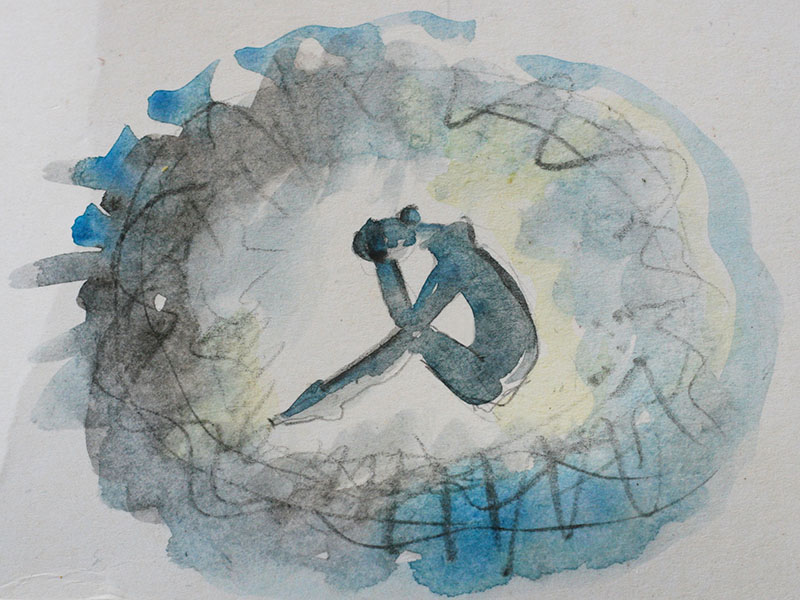
Marion was the last of seven children in her family who grew up in a rural part of Maine. Family and schoolmates formed her social world, and she delighted in the freedom, adventure, and playfulness of her childhood. She loved boating, fishing, bike riding, star gazing, and silent walks in the woods. Marion spoke lovingly of her family, their home, and the natural beauty and peace where they lived. As a secure and robust and cheerful child, Marion had earned the nickname “Joy.”

Like what you are reading? For more stimulating stories, thought-provoking articles and new video announcements, sign up for our monthly newsletter.

Marion completed high school and briefly worked different jobs until receiving a diagnosis of Multiple Sclerosis and experiencing a gradual diminishment of her physical capabilities. She grieved over the loss of her dreams of marriage and a family of her own through which she might show and teach her children the many things she had learned and loved. The dreadful progressive disease had eroded many of her hopes and dreams and abilities, as she became increasingly dependent on others for all daily care and mobility.

The Burden of Multiple Sclerosis on Joy

When I began meeting with her for supportive psychotherapy at the nursing facility where she lived, Marion was limited to moving her neck and one arm. While she could speak, Marion experienced mild cognitive deficits, which to a degree further increased her dependence. Over time she lost contact with her siblings, who were older, and who had either died or had health problems of their own.

As in childhood, Marion continued to be known to family, friends, and both the residents and staff of the nursing facility by her childhood nickname due to her usually cheery outlook. Sustaining a public image of cheerfulness allowed her to retain a central component of her personality, and to preserve a partial degree of control in her life.

As the burden of life’s troubles weighed more heavily on “Joy,” which began as an appropriate nickname, it gradually came to reflect a mask over her sorrow more than an expression of her native temperament.

Everyone at the nursing facility knew her simply as Joy. They believed her to be genuinely joyful because she would always greet others with an almost exaggerated cheerfulness and claims of feeling happy. “Hi Joy, how are you doing today?” would be cheerfully met with “I’m great, super, I’m good.” Some staff persons would marvel at her upbeat demeanor, despite her debilitating disease.

The nursing aides would use a mechanical lift to move her from bed to a wheeled recliner, and then I would wheel her to the facility library where we would meet for psychotherapy. On the way to the library, passing staff would smile and greet Joy and ask how she was doing, and she would respond by stating, “I’m fantastic, terrific!”

But when the library door closed behind us, Marion would cry or rage as she shared her feelings about her predicament and her losses. “I need you to know how I feel inside, but I don’t want the others to know,” she desperately explained.

Finding Grace in Grieving Through Psychotherapy

Marion felt so little control over her life circumstances, over her body, and over her privacy. It offered her a bit of control, though, to publicly maintain her lifelong persona as someone happily delighting in life. At the end of therapy sessions, she would ask to pause so it might not look like she’d been weeping, and so she might regain her composure. Then, during the ride back to her room, she would again sing out her cheerful assurances to others that she felt “wonderful.”

Marion got along nicely with some of the nursing aides who cared for her, yet she would squabble with some of the others. One day the aide with whom she sometimes quarreled asked me, “Why does she like the others, and not us?” In our next session, I offered Marion feedback about the observations and concerns of her caregivers, and she was willing to explore the matter.

“What do you do differently with the aides that you get along with?” I asked. “Well, I give them compliments,” she answered. Maybe you could experiment, I suggested, and try giving compliments rather than criticisms to the other aides. Within a few days, Marion and all her aides were pleasantly working together. “I guess they’re like me; you like someone more when they’re nice to you,” she said.

In retrospect, that particular session, and our psychotherapy in general, provided Marion with the opportunity to verbalize and learn from her emotional reactions to the situation. Adjustment to a disability condition is always a complicated and painful process.

For Marion, her M.S. had been slowly progressing over decades. She felt some resentment towards others who could walk, whom she thought might take their good luck for granted. At moments, she felt cheated by her illness.

Generally, the process of adaptation includes grieving the losses that result from an illness or injury. During therapy with Marion, we focused on her personal strengths: her resilience, her humor, her motivation to keep trying without giving up. We also repeatedly talked through her feelings of loss and grief, while highlighting the truly exciting and delightful experiences she had enjoyed as a child. We focused on the meaningful ways that she strove to be herself, even under such difficult circumstances.

Marion felt she had a supportive alliance through psychotherapy, a relationship that helped her to cope in her own ways, and that allowed room for the full range of her emotions.

Final Questions for Thought and Discussion

What was your reaction to the author’s work with Marion?

How might you have worked similarly or differently with her?

What challenges have you experienced working with physically challenged clients?

Should Transgender Youth Care be Guided by Beliefs or Science?

Introduction

The current American approach to transgender-identified youth and adults is strongly affirmative. Many professional organizations in the United States have endorsed the safety and efficacy of social transition, puberty-blocking hormones, cross-sex hormones, and breast, genital, and facial surgeries as the ideal treatment of gender dysphoria.
 

These prestigious decade-old endorsements have led to the development of gender specialists in over 70 US clinics where children, adolescents, and younger and older adults are seen. It also has led to affirmative care being taught in medical schools, residency training programs, and various mental health continuing educational programs. For half a century, WPATH has been the key nongovernmental organization that has gathered specialists, provided courses that promulgate clinical principles, and published standards of care. WPATH represents itself as an advocacy, policy, and scientific organization.

Its membership recognizes a great need for social change as discrimination in housing, employment, health care, intrafamilial and peer relationships, and incarceration are significant cultural sources of stress for the transgendered. WPATH considers its recommendations to be scientific, even though its author-committees recognize a need for improved scrutiny of outcomes of social, medical, and surgical interventions. While it recognizes that the quality of supportive evidence is objectively low, nonetheless, it treats affirmative care as a settled scientific matter. DSM-5-TR and ICD-11 diagnostic criteria exist, elective treatment sequences have been defined, and many clinicians and patients consider affirmative care to be life-enhancing and sometimes lifesaving. 


Affirmative care, however, is not a scientifically settled matter. There is much justifiable ferment. Affirmative care is far more fraught and uncertain than WPATH and professional associations have suggested. (1-3) It is a paradox for WPATH to portray itself as a trustworthy authoritative advocacy, policy, and scientific organization in the face of uncertainties about long-term treatment outcomes, the unexplained dramatic explosive incidence of new gender identities, and the increasing recognition of de-transition.

There is an ongoing culture war within the US about the treatment of transgender youth who are uncomfortable with their bodies. (
4) The political aspect of this culture war addresses transgender treatments as a conflict between those who support and those who oppose the civil rights of LGBTQI+ individuals. Those who question the wisdom of affirmative care are described as “anti-trans.” A medical perspective begins with a different question: Is the scientific basis for affirmative care sufficiently established? If the answers are either no or uncertain, three other questions follow.  

  • Can gender specialists separate their beliefs from what is scientifically known about etiology, incidence, psychopathology, and the long-term benefits and harms of affirmative interventions?  
  • Can these specialists provide parents and patients with the legal and ethical requirements for informed consent? (5)    
  • Can high-quality research be designed and funded to answer the current relevant clinical uncertainties?  


Usually when health is the topic the medical profession leads the way, relying first on rigorous science, and second on the values of individual patients and their families. In the arena of trans care, however, values have historically played a more important role than science. This may be summarized as eminence-based or fashion-based medicine dominating over evidence-based medicine. As has been seen with the COVID vaccine, mask mandates, the opioid epidemic, and the FDA approval of a drug for Alzheimer’s disease, trust in the medical profession is far from universal. Consequently, what individual doctors, gender care clinics, professional societies, and mental health professionals may have to say about the ideal care of trans persons may not be the most powerful force governing social policy.    


Forces Shaping Attitudes About Transgender Care

Transgender phenomena elicit intense feelings among laypersons and professionals. Such passion, which is destructive to objective scientific appraisal, derives from many personal sources. While numerous factors influence attitudes toward transgender care, their confluence makes it difficult to judge their relative contributions to how individuals and institutions regard trans healthcare.  

There are five universal potential influences.      

1. Fascination with sex change. The intriguing question, “Can sex be changed?” has long been explored in the arts, where men and women have for centuries been presented as the opposite sex in humor, drama, dance, opera, drag, and popular music. Today, it is better understood that in a basic biological sense, sex cannot be changed, but gender presentation can, with or without medical assistance. 

2. Political sensibilities. The Left may consider transgenderism the courageous pursuit of self-expression, a civil right, a movement to improve diversity in all walks of life, and a praiseworthy social movement to eliminate discrimination. Their political values lead them to view studies and clinical services with trust. The Right, on the other hand, may consider transgenderism morally wrong, threatening to societal health, and dangerous to the health and well-being of individuals and families. These assumptions lead to a skeptical approach to studies and clinical services.

3. Religious sensibilities. These value-laden thought patterns derive from theological assumptions. They may resemble the Right or the Left. In the United States, the most vocal religious institutions on this topic lean to the political Right. 

4. Sexual orientation sensibilities. Membership in the heteronormative or sexual minority communities often generates opposite responses — the former may have initial unease with, and the latter, initial comfort with trans phenomena. One’s sexual orientation, per se, does not guarantee a particular attitude any more than one’s political or religious affiliations do. However, many of the leaders who advocate trans care identify as a sexual minority.

5. Intuitive age-related sensibilities. Intuitive sensibilities are best reflected through age. Younger and older generations have different life experiences with which to be intuitive regarding attitudes toward the transgender experience. The very existence of sexual minority communities and their entitlement to civil rights are far more visible today than was the case when older persons were growing up. These generational differences reach into each group’s system of values. 

There are four influences that are unique to professionals.  

6.Personal clinical experience. The 7th edition of WPATH’s Standards of Care (SOC) downgraded the importance of a comprehensive assessment of psychiatric co-morbidities in determining the next step. 6 The process of evaluation was then pejoratively referred to as gatekeeping. Prior to 2012, adults who immediately wanted hormones or surgery were often impatient, demanding, rude or dishonest about their histories. With the 2012 guidance, adults and older adolescents were assumed to know best what should be done. Respect for Patient Autonomy became the primary ethical principle to follow. The frequency of unpleasant clinical experiences dramatically diminished. When professionals experience unpleasant patients, those with conspicuous emotional impairments, or those who deteriorate with hormonal treatment, they are more likely to be avoidant of future encounters. Positive experiences with appreciative patients and families yield more willingness to engage

7. Knowledge of clinical reports from clinical innovators. Positive outcome studies of transgender treatments typically consist of retrospective case series without control groups and without predetermined measurement instruments. Such outcome reports are numerous for each intervention. Positive results tend to be more often published than negative or uncertain outcomes. The most influential studies for minors were published in 2011 and 2014, and while they too lacked a control group, they were interpreted as establishing the concept that selected prepubertal cross-gender identified children could benefit from affirmative social, endocrine, and surgical care. (7),8 

Clinicians cannot be expected to keep up with the burgeoning literature; they trust what they read, heard about, or were taught. Such learning reflects a chain of trust that is basic to all medical education. It has become apparent that the chain of trust is not necessarily trustworthy, as positive studies are published in peer-reviewed journals only to have their conclusions criticized by knowledgeable academics. Once clinicians begin to facilitate patients’ transitions based on the studies they have seen, they believe they are facilitating happy, successful, productive lives even without having the reassuring follow-up information to verify their beliefs.


8. Scientific studies. Groups of studies demonstrate patterns that individual studies do not. Scientific data are widely assumed to dominate institutional policy. This is not necessarily so, however. For example, high desistance rates in trans children have been demonstrated in 11 of 11 studies, (9) but a committee of pediatricians created a policy of supporting the transition of grade school children. (10) As a result of these often-conflicting processes and sources of data, comprehensive evaluation and psychotherapy rather than affirmative care are increasingly being recommended

9. Source of income. With 70+ clinics in the United States, with many individuals in private practice who practice affirmative therapies, and with special units within prisons to support trans inmates, the attitudes of new-to-this-arena clinicians may be quickly determined by their work environment. In these settings, disapproval of affirmative care, which may grow with experience, as it did for many psychologists at the Tavistock Clinic, means resignation or job loss. 


Sources of Controversy about Affirmative Care

1. Morality — Conservative citizens, religious denominations, politicians at local, state, and federal levels, and some gay, lesbian, and feminist groups view affirmative care as dangerous. They ask, “What are we doing to these young people? What will be the outcome for them and their families? Do doctors really know what is best for my son or daughter? Why is it acceptable to sterilize young people? Why is the suicide rate high after completion of medical and surgical interventions?” Such questions burrow down into moral values.

Some religious groups assert that since God made male and female, this provides fundamental guidance to decision-making. However, because these groups have historically been similarly against homosexual lives, the power of this theological assumption is politically diminished for many others.

Some gay and lesbian organizations see affirmative care of feminine boys and tomboys as an attempt to eliminate gay and lesbian people. Almost all groups recognize that cross-gender identification is nothing new. What is new is its dramatically increased incidence and Medicine’s response to it. 


2. Questions Emanating from Medical Ethical Concerns

  • Are children and adolescent patients experienced enough, cognitively mature enough, to make life-altering decisions that will predispose them to known challenges such as sterility, sexual dysfunction, decades-long medical care, discrimination, and loneliness (11, 12)  
  • Do their frequent co-existing psychiatric diagnoses further impair their ability to thoughtfully consider the consequences of each of the steps of affirmative care? 
  • Are affirmative professionals knowledgeable about the limitations of their recommendations? 
  • Do they know the inadequacies of the outcome data supporting the policies of socialization of children and endocrine and surgical interventions with adolescents?
  • Do they know the fate of most patients given hormones a few years after they age out of pediatric endocrinology?
  • Are they aware of the rates of complications, physiological consequences, long term unhappiness after the surgical procedures that they recommend?
  • Are parents sufficiently informed about the limitations of outcome data?
  • Are they told of Sweden’s, Finland’s, UK’s, and France’s shifts towards psychotherapeutic-first interventions?
  • Are they informed about the social, economic, vocational, physical, and mental health problems of transgendered adults? 
  • Are they told about detransition following hormonal and surgical treatments? 
  • Are they told about the elevated suicide rates after surgical treatment of adults? 

3. Confirmation bias — When defending a particular position, authors tend to quote studies supporting their position and ignore contrary findings or glibly dismiss them as methodologically unsound. This confirmation bias creates important scientific concerns on both sides of the debate. Science advances by defining controversy and designing a study that may better answer a specific question. Independent reviews have concluded that the evidence is not convincing that puberty blockers and cross-sex hormone administration lastingly improve mental health, decrease suicidal ideation, or eliminate gender dysphoria. (13) 

The Endocrine Society acknowledges a low level or very low level of supportive evidence. Advocates, however, portray certainty that science has already demonstrated these lasting benefits without significant harm. When they list supportive studies there is no mention of the published criticisms of them. A scientific review is characterized by balance; it is not performed only by those who deliver the treatment. (
14,15) Trustworthy reviews point out the limitations of studies and ideally suggest a study design to answer the specific question.  

4. Political — Nowhere in Medicine has free speech been as limited as it has been in the trans arena. Skeptics are being institutionally suppressed. Critical letters to the editor in journals that published affirmative data are refused publication, symposia submitted for presentation at national meetings are rejected, scheduled lectures are canceled, and pressure has been exerted to get respected academics fired. A notable exception to this pattern occurred when a paper investigating the long-term mental health outcomes of trans adults (a basic unanswered question) was published in the American Journal of Psychiatry.

It, of course, had undergone a peer review process by experts in gender care. When the authors asserted in their online publication that their data supported increased access to surgeries, the editor received seven critical letters. In response, Dr. Kalin had two independent statisticians review the work. They agreed with the twelve authors of these letters to the editor that the data did not demonstrate improvement in mental health. The editor published the original article, the seven letters, and the authors’ response. The authors retracted their conclusions. (
15,16) When critical letters have been sent to other journals, they have been rejected. As a result, they are published in separate journals.

This makes it more difficult for clinician readers of the original journal to know about the critique. Unless published with open access, the original flawed article’s limitations are difficult to access in another journal. A significant paywall is often encountered to obtain articles in journals to which the professional does not subscribe. Given the well-known attacks on those who question the prevailing wisdom of affirmative care, it is not surprising that many mental health professionals avoid working with these individuals and their families for fear of being labeled as anti-trans, transphobic, or conversion therapists. 


5. Familial — The parents, siblings, and extended family members, each of whom have different relationships and responsibilities for the trans-declared person, typically have intense feelings about their relative’s gender change. Family members’ affects, attitudes, and behaviors derive from one or more of the five sources discussed above but take on a new poignancy. While parents are the only ones that professionals deal with, the intrafamilial ramifications affect everyone.

Parents have realistic, reasonable concerns. What will gender change mean for my child’s developmental future physical, social, and mental health? Their assumptions that the outcome will be negative often create an acute 
depression. This intensifies when their expectation of informing the mental health professional (MHP) about the child’s development, personality, and previous challenges.

Many parents are distressed when the MHP seems far more interested in making the diagnosis and declaring their belief in affirmative care. Parents who have not previously seen behavioral evidence or heard expressions of cross-gender identifications prior to puberty want this new identity to be taken away. Other concerns emerge over time. How will the gender change impact siblings and grandparents? How to discuss it with others? How to ensure we don’t lose our relationship? What to do with one’s anger at the child and one’s guilt of not seeing this earlier? How to find an MHP who will not quickly affirm but is willing to spend time understanding the family situation?
 

Parents who are not supportive are often described as transphobic by their child. They often learn this accusation on the Internet. A more accurate and kinder description of these parents might be trans-wary or trans-opposed. When transphobic is used, it induces some adolescent patients to behave hatefully toward their parents. While the medical profession focuses on the patient, parents are immersed in a dramatic conflict within the home. Gender specialists only gradually become aware of this when they follow the family. This is one of the reasons for an extended evaluation process. (8, 17)   


Problems Facing Transgendered Persons

There is agreement about the challenges that transgender adults as a group are facing. The medical profession has been repeatedly told that the explanations for the poor state of physical and mental health and the diverse health disparities are minority stress, discrimination, and barriers to health care. (18) There is no mention in such discussions of the possibility that the mental health of a trans person may be intrinsically compromised even though many studies have shown the poor mental health of children before the diagnosis of gender dysphoria is made. (19) 

Rather, discrimination experienced by some in healthcare settings and fear of mistreatment in health facilities by others are emphasized. Higher rates of cardiovascular diseases, obesity, cancer, sexually transmitted diseases including HIV, syphilis, hepatitis C, and papillomavirus, and shorter life spans have been noted. Higher rates of depression, anxiety, substance abuse, suicide attempts, and suicide, (
20) as well as seeking psychiatric services have been documented. 21 Gender minorities are more likely to live in poverty, be unemployed, be victimized by domestic partners, be homeless at some time, and be on disability. (20)   


Nowhere in these well-documented patterns is the suggestion that what is known about adult trans populations should create more caution about affirmative care for minors. Rather, many articles urge better medical education to promote affirmative care for young persons, (20, 22) or for medical institutions to fight against the legislative forces that are attempting to limit affirmative care to minors. (23, 24) These authors ignore the more cautious approaches developing in Europe.  
 

Affirmative Care Assumptions

The following concepts, sometimes articulated as principles of care, (6) enable the conviction that more, rather than less, affirmative care is indicated. When these ideas are presented as unproven, those who practice or support affirmative care of youth

In a Volatile Post-Roe World, Morals and Medicine Clash

Having kept in touch with one of my former clients (EN), an OB-GYN, I (LR) was curious about the personal and professional impact on him of the recent Supreme Court decision in the Dobbs v. Jackson Women’s Health Center case that overturned Roe, and with it, federal protection of womens’ reproductive choices.

While EN neither sought me out for counseling, nor was the following conversation part of a therapeutic interchange per se, I hope that excerpts from that conversation might be useful to fellow psychotherapists, counselors, supervisors, and trainees who are or will be working clinically with medical health care professionals who serve women.

***

Morals, Ethics, And Medicine

LR: I was thinking of you and wondering, as a practicing OB/GYN, how the Supreme Court’s decision to overturn Roe has affected you both personally and professionally.

EN: It's challenging because there's EN, who has very strong political views, and then there's Dr. N, who is supposed to separate his political views from his medical practice — and EN doesn't necessarily care about offending people. But Dr. N doesn't want to offend anybody because people are entitled to their opinions. With that said, as a women's health care provider, obviously my first concern is women's care, women's health, women's access to care, what women can do with their own bodies. And having anybody try and place limitations on that is disconcerting.

In Florida, the new rule is 15 weeks. But there are loopholes, and you can read into it, and read around it; but it's up to the doctor's discretion. I personally don't perform terminations anywhere near that gestational age, but we’ve certainly had plenty of patients who have required it for one reason or another. It's one thing to refer somebody down the street; it's another to have to refer somebody out of state. And we've had that issue.

Typically, when you're referring somebody for those reasons, they're not happy about it because they've already likely been dealt a somewhat devastating diagnosis for their desired baby. Then they have to make a very challenging decision, and are forced to do so in an uncomfortable, unfamiliar environment, likely without the support of their family and friends that they would have at home. So, it's easy to say, “Sure, just travel to this state or that state,” but not everybody has the means or support to do that. There are so many different angles that you can come at which create their own additional set of problems.

LR: In thinking of the last one or several women that you had to refer out of state for pregnancy termination, what were some of those interactions like for you — since many of them, I would imagine, you've had ongoing relationships with?

EN: Fortunately, there haven’t been many, but those I’ve referred were due to major fetal anomalies that were diagnosed after the legal limit for termination. That in and of itself was a tremendous challenge. Most of our conversations were focused on their devastation and processing of the diagnosis — not about having to travel to get it done. I think that part of it was a bit on the backburner. But that was just for them. I think that the more cases one has the more complications that are going to arise.

LR: How did these conversations impact the relationship you had with these particular women as well as you personally?

EN: I don't think they impacted our relationship because they know that I don't perform the procedure anyway. It is a challenging procedure with more risks and more complications, regardless of where you have it. And many of us have chosen not to do it for that reason. I'd rather have someone who has quite a bit of experience do it. So, whether I'm referring them down the street or three states over, they know that I'm not the one who's going to do it. And so, I don't think that has any negative impact on our relationship. It's more just a matter of the logistics of finding somebody — helping them to locate somebody and them having to arrange their plans.

LR: Have you stopped performing procedures completely or just after 15 weeks?

EN: My limit was always about eight weeks. And it's never been something that I advertised doing. It's more if I have an existing patient who finds herself in that situation, it's something that I can offer to my existing patients. There are plenty of other resources. There are plenty of physicians who welcome referrals for it. That's a controversy that I've tried to avoid. But for my own existing patients, my preference has been, “I'd rather be the one to help you through this than have to refer you elsewhere.” But I have my limits also. And that's just out of comfort medically for the procedure and nothing else.

LR: Have you grown more wary or vigilant that somehow, you'll raise attention of a regulating body, or someone will launch a complaint, or someone will hear or mis-hear this or that and report you? I guess what I am asking is, have you become more fearful or threatened in this post-Roe environment?

EN: Not yet, because again my practice routines are well within the limits of current legality in the state. Should that change? Yeah, of course I'm concerned about the ramifications. But like I said before, I try to limit my exposure. I don't want it necessarily out there well known in the community that this is something that I do or offer, because no matter how you look at it, there's a stigma and there's controversy associated with it. And it's just something I'd rather avoid. I want to be there as a physician for my patients, and offer them what they need, and avoid all the other drama that might come with that.

LR: Have there been clients or patients you've consulted with or treated where your political and personal views clashed and were difficult to suppress?

EN: Yes, but not necessarily for that patient's particular healthcare needs, but more so because we'll strike up a conversation and they'll make an offhanded remark, not necessarily understanding all the medical implications. You know, it's very easy for somebody to pass judgment and say, well, 15 weeks seems very reasonable. But the reality is, it's incredibly challenging to diagnose a genetic abnormality, a chromosome abnormality, a major fetal abnormality prior to that time. And so, there are medical limitations to what we can do and when we can do it. So those tests aren't really available and they're not confirmable. You can't confirm it until right around that time at the absolute earliest. So, it's easy to say, ‘well, 15 weeks sounds reasonable’, and patients have had plenty of time to make a decision. That may be the case for an elective termination. But for medical purposes—which once you're extending into the second trimester, the great majority of them are for medical purposes anyway. It's not enough time to make that decision.

LR: Is it the case that genetic anomalies might not be manifest in an observable way at 15 weeks?

EN: We typically begin screening for chromosomal abnormalities — the most common example being Down syndrome — at around 12 weeks.

LR: Tight margin, but that’s a screening test which is by definition non-definitive.

EN: Correct! So, if that test comes out abnormal, the typical recommendation is for amniocentesis, which historically was performed after about 16 weeks. You can't make a screening test any more than it is, and they are inherently designed to have false positives. And so, you can't make a definitive diagnosis and a definitive management plan with just a screening test. And if you don't have the ability to confirm, then, you know, you're stuck. That's for chromosomal abnormalities.

In the case of fetal anomalies — let's just call them birth defects — the first full anatomy ultrasound is done somewhere between 18 and 20 weeks (about 4 and a half months). So, yes, you can see some vital anatomy earlier than that for sure. But not all the structures, not everything.

LR: And neurological sequala of these chromosomal or genetic anomalies won't show up until after birth?

EN: Right! That, there’s no way to screen.

LR: Do you get a sense that this 15-week window was determined after comprehensive consultation with medical specialists or the result of political footballing?

EN: I'm sure it was some kind of a behind-the-scenes compromise, and I don't know who came up with that 15-week gestational age. But, you know, I'm sure there was something behind the scenes.

LR: What about the overflow of the Roe decision into your personal life—conversations with your wife, with your friends, with family members, where the EN who is free to express his political views is not tethered by his professional obligations? How has it affected you outside of the consulting room?

EN: For the most part, the people I converse with are like-minded people. And even if some of these people vote Republican — which some of them do — they’re voting Republican for other reasons like Israel and taxes. And so, when we talk about this, it's easy to have a room of like-minded people, and just get angry, and talk about how ridiculous it is.

LR: In your deepest, most personal place, what has been your visceral reaction as a person, as an OBGYN, or some combination of the two? What has it been like for you since the overturning?

EN: It's frightening because there was always the threat that Roe would be overturned. But most people felt it would never happen, that it was established law. Look, even the most recent Supreme Court nominees would say it’s established law, and yet here we are. So, we all were fearful that it could happen but didn't really think it would happen. Now that it has happened, it's frightening. And then for a while afterwards, it was the thought of what's next? Is gay marriage next on the docket? Or contraception? You know, where are we going here?

LR: So, frightening in terms of what rights would be taken away from women and other groups next—frightening ideologically, frightening from a humanistic standpoint. What about this is personally frightening to you, perhaps as a father? I know you have sons.

EN: This country is regressing. I have sons who are perfectly capable of impregnating someone else. But, you know, we try to teach them responsibility. I don't have any intention or feel like I'm ever going to have the need personally to have a termination. And so, my fears and my anger are more because of how it affects others and because of the type of practice that I'm in and it affects me at work. So no, this is one of those issues that doesn't have a direct impact on me as a person, but I feel incredibly strong about it. And that's the part that has the deepest effect.

LR: So, the most frightening personally is, as a citizen of a country that seems to be going backwards?

EN: How about as a conscientious human recognizing that not all political issues are personal? I have no intention to marry someone of the same sex as me. But I feel unbelievably strongly that everybody should have the right to marry whoever they want. That's not affecting me directly. But that's deep down in my core.

LR: Do you see yourself as an active or increasingly active outward advocate in some way in your professional future?

EN: I’ve always emphasized prevention because I think it’s the right way to go anyway. So, I think termination is a choice. And you've got the morals and you've got the ethics and then you've got the medicine, right? So, from a strictly medical perspective, prevention is better. And so I've always pushed that, I've always emphasized it. But now, I'm doing so even more because while there might be certain limits now, those limits might become stricter down the road. And so, patients should want to be proactive in prevention anyway. Number two, they may not have the same options later. And who knows what kind of access they're going to have to birth control later on? You know, is that in jeopardy as well?

It's a ridiculous hypocrisy, because they want to limit access to birth control; they want to limit access to pregnancy termination. But they also want to limit the social programs that might help with these unwanted children once they're forced to be born to parents who can't afford to have them and don't want to. I don't think I am going out on a limb to say that a solid, substantial number of those who advocate pro-life have somewhere at some point in their life been in a situation either directly or indirectly where they probably needed a termination.

LR: In closing, are there particular patients that you've had over these last few months that have really struck a chord in you and sort of torn you up inside? And if so, how did you deal with it?

EN: How I dealt with it personally is different. Professionally, it's hard not to have empathy. It's hard not to feel for someone who was given the diagnosis that their baby, who they wanted, is not going to survive the pregnancy. And so now they had to make a very difficult decision, and it was just made that much harder for them.

I'm grateful that I don't have that many patients yet who I’ve had to refer out for terminations due to chromosomal anomalies. A fair number of those end in early miscarriage before you get to that point. But it's still there, and it's always going to be there. It's the nature of the field.

LR: Thanks so much for sharing with me today.   

Trauma Survivors React to Overturning Roe

At the start of every day, I check the news – not because I’m a responsible citizen, but because doing so helps me prepare for my work as a psychotherapist who specializes in working with complex trauma. George Floyd’s murder, the COVID outbreak, the war in Ukraine: in the wake of these each of these events, I had to take deep breaths before seeing my clients. On the morning of 6/24/22, I read that Roe v. Wade had been overturned, and deep breathing was no longer enough. Instead, I held back tears as several of my clients bravely unpacked the ramifications of this historic decision for their safety, autonomy, and sense of self-worth.

Like what you are reading? For more stimulating stories, thought-provoking articles and new video announcements, sign up for our monthly newsletter.

“When Will I Matter?”

Ruth is 72-year-old black heterosexual cis woman and complex trauma survivor who suffered from years of childhood sexual abuse as she was continually raped by her father. She participated in talk therapy for years with little progress and began seeing me in order to try EMDR, Internal Family Systems Therapy, and Somatic Experiencing. This combination of theoretical perspectives and interventions appeared to be successful, as Ruth reported feeling safer, an improved sense of self-worth, and the courage to begin exploring her sexuality (which had been developmentally delayed for most of her life). The day following the Supreme Court’s ruling on Roe v. Wade, Ruth arrived at our session appearing irritable and stated, “Don’t ask me how I’m doing, you don’t want to know.”

Even though she often presented herself to others as “the nice old lady” (which is a response to complex trauma that many mental health professionals refer to as “fawning” or “people- pleasing''), fortunately Ruth and I had developed a relationship in which she was comfortable feeling and expressing her emotions.

“What if I had gotten pregnant by my father?” she asked. “Some of these states would have forced me to give birth like it was my fault. It’s taken me most of my life to realize that it wasn’t my fault and that it was my father’s illness, but now it feels like there are people who believe that I would have been to blame and that I should have suffered the consequences.” Ruth’s voice began to quiver as her anger morphed into grief. “It’s like my father mattered more than me, my mother mattered more than me, and if I had gotten pregnant now, that fetus would have mattered more than me. When will I matter?”

Complex trauma creates and fuels low self-worth. Ruth was treated like a second-class citizen for most of her life: as a child, as a woman, and particularly as a black woman. The overturning of Roe v. Wade re-awakened and exacerbated past experiences that had nearly destroyed her self-worth. It’s difficult to sustain a healthy sense of self-worth when you are constantly barraged with messages – perpetuated by systemic racism and misogyny – that you are not, in fact, inherently worthy of life, liberty, happiness, or respect; that your life is disposable or only, at best, peripherally or instrumentally considerable. Under such circumstances, how can I help Ruth sustain the self-worth that she has fought so hard to obtain ?

“I’m Next, They’re Coming For Me!”

Leigh is a 32-year-old white married gay man and complex trauma survivor who experienced childhood neglect, abandonment, and emotional abuse. At 14, he was outed by a sibling and subsequently kicked out of his home. He lived on the streets and eventually found his chosen family. After Roe was overturned, he arrived at session making no eye contact, which wasn’t like him. He began the session stating, “I have to start by reading you one of my favorite poems.” I encouraged him to read the poem, which was written by Martin Niemöller.

“First, they came for the Communists
And I did not speak out
Because I was not a Communist
Then they came for the Socialists
And I did not speak out
Because I was not a Socialist
Then they came for the trade unionists
And I did not speak out
Because I was not a trade unionist
Then they came for the Jews
And I did not speak out
Because I was not a Jew
Then they came for me
And there was no one left
To speak out for me”

We sat in silence as his eyes darted around the room, desperately trying to find the words to express what he was thinking and feeling. “I’m next, they’re coming for me,” he whispered. Some therapists might categorize this thought as paranoia, but I didn’t. There are now rumblings to suggest that overturning Roe v. Wade will become a precedent for overturning same-sex marriage and legal consensual gay sex. Clarence Thomas has even explicitly suggested this.

Leigh arrived to therapy 2 years ago experiencing severe anxiety in social situations, sexual situations, and intimate relationships. He worked hard to address his trauma with attachment-based therapy, EMDR, and Animal Assisted Therapy in order to feel safe and secure in his relationships, sexuality, and social interactions. Now, once again, his safety is threatened. Every therapist knows that if your client doesn’t feel safe, they can only make so much progress. The client’s mind and body are focused on reestablishing safety, leaving little energy to focus on recovering from trauma or coping with the demands of their daily lives. Trauma survivors need to feel safe in order to heal, and now Leigh no longer feels safe.

“I’m Just a Vessel For Others To Use”

April is a 24-year-old nonbinary heterosexual Latina who survived multiple sexual assaults. At age 9, they were raped by an uncle, at age they were molested by a baby sitter, and at 15, gang raped at a college party. As a child, April was taught that they had no agency over their body. They were forced to hug and kiss their relatives on command, and thus they learned that adults get to decide what happens to their body – an experience that is all too common in many cultures. Unfortunately, these experiences caused April to internalize a lack of autonomy that made them unable to report their sexual assaults.

“Déjà vu,” April said, smiling wryly.
“Déjà vu?” I asked.
“My body isn’t mine, remember?”
“Yes, I do. Does this feel like before?
“Exactly like before.”

Due to a greater awareness of child sexual abuse and the importance of bodily autonomy, there is a movement in the psychology community that urges adults to ask children for their consent to acts of physical intimacy (e.g., hugs, kisses, snuggles, etc.) rather than command or coerce them to engage. There is a hope that these children will experience and internalize the value of bodily autonomy, practice establishing physical boundaries with adults, and be able to report violations of their boundaries. April never experienced bodily autonomy, and each sexual assault reinforced this lack of autonomy.

Over the past year, April addressed their trauma with Somatic Experiencing, EMDR, and Art Therapy. Slowly, they began to feel safer with others and in their body and were better able to establish boundaries in their relationships. I remember the first time they were able to say “no” on a date. They arrived at the session stating, “I didn’t want to go to his place and I didn’t care if he got angry.” Yet, after the overturning of Roe v. Wade, April experienced intense triggers that made them feel as if they were back at the beginning.

“I’m just a vessel for others to use,” April said as if it were a fact.

Once a trauma survivor is denied bodily autonomy, they are deprived of safey. The overturning of Roe v. Wade undercut April’s sense of autonomy, thus interfering in her trauma recovery. Will Ruth reclaim her self-worth? Will Leigh feel safe again? Will April reclaim her sense of bodily autonomy? I believe they will, but now they’ll have to struggle to do so more than anyone ever ought to have to. They have all made gains in their treatment that are still present at a deep level, and none of them are giving up.

As April proudly proclaimed at the end of their session, “ You know what? Fuck that, I’m not going back.”

How to Survive Pandemic Pandemonium in Nursing Facilities

“We were left too alone at times, in these incubators of COVID at the nursing home, and we experienced true fear, and that fear is still present for me.”
 

“I’ve learned that if you allow yourself to go arm in arm with someone else, you can really accomplish something.”
 

The COVID-19 pandemic has had a tremendously disruptive impact on multiple aspects of personal life and on society across the United States. Yet the impacts in hospitals and in nursing facilities have been especially catastrophic, with shocking numbers of deaths, and severe effects on care providers.

Like what you are reading? For more stimulating stories, thought-provoking articles and new video announcements, sign up for our monthly newsletter.

Nursing facilities continue to experience dramatic changes because of the pandemic. As a psychotherapist providing treatment in these facilities, I lost many therapy clients to coronavirus, as 20 residents died in this facility, 30 in that, and 36 in another facility, for example.

In the spring of 2020, during the early stages of the pandemic and as the level of risk rose, my employer placed us on a temporary furlough. Many workers at the facilities, though, had to persevere in the face of cascading catastrophes. I felt so relieved to be home and to feel safe, yet I felt guilty to not be in the facilities when the need was greatest. I recall the anxiety I felt upon returning to the devastated facilities as I dressed in surgical gown, mask, face shield, and gloves before entering the buildings—something I’d never done before.

Plastic sheeting covered the entrances into some of the units, and at one facility the doors of residents’ rooms were covered with plastic sheeting with a zipper in the middle. A 55-year-old man with schizophrenia unzipped the plastic as I approached and handed out two dollars, asking if I’d get him a soda from the vending machine in the staff lunchroom.

A 51-year-old female resident had recovered from COVID infection and was aware of many fellow residents having died, yet she asked me if I really thought it (COVID) was real—she was strongly influenced by ill-informed and insincere information she’d gathered on TV and on social media, despite her direct experience. Such fearful spellcasting continues unabated, and I, along with my fellow workers have had to rely on critical thinking skills to help dispel, or de-spell, malign messaging wherever it appears.

As a mental health professional, I know that isolation can be kryptonite for persons experiencing mental health issues, and yet, to protect vulnerable persons from imminent danger, we needed to subject them to unprecedented degrees of isolation—weeks at a time closed in their room, months with no dining room, no group activities, and no family visits.

There was an early rise in mental health and behavioral symptoms in these facilities, and then an unexpected phase of collective self-suppression—passivity and apathy—as an apparent mode of coping. I was puzzled as one resident after the next stated that they were “okay” when they were immersed in this unusually unpleasant and lonely and anxious time. Were they okay or collectively experiencing a blunting of affect as an element of PTSD, or a type of useful detachment linked with dissociation?

It is still too soon to measure or appreciate the scale of the impact, as facilities continue to experience occasional positive tests for staff or residents. Many facilities have achieved a semi-normal state of daily activity, yet staffing has been decimated, and the need for new staff persons too often goes unfilled. Many TV and print news reports have described the negative impact of the pandemic on hospital staffing, yet few have examined the erosion of staffing at nursing facilities.

In some nursing facilities in Massachusetts, we have National Guard men and women in uniform performing non-clinical tasks: helping in the kitchen, folding laundry, and mopping floors, among others. It is wonderful that the Governor of the Commonwealth of Massachusetts has provided this support, yet it is shocking to see their presence and to know how much they are needed. Some facilities are leaning heavily on the National Guard’s men and women, and on expensive and budget-busting agency staffers. From where will the much-needed workers be found when the National Guard departs?

I admire the valiant, and exhausted, workers—the nurses, aides, directors of nursing, administrators, social workers, housekeeping, maintenance, laundry, food service, and floor care workers grinding on daily through risk and hardships. Call them heroes and they’d shake their head and roll their eyes—dead tired and just trying to get on with it, they’d say, instead.

It’s a challenge for my employer to hire enough clinicians to cover the needs for behavioral health service at the nursing facilities. Some clinicians seem to shy away from nursing facilities, and too many psychotherapists have migrated to telehealth jobs. We are still awaiting the phoenix phase of the pandemic, the rebirth of a personal and a shared sense of mission, as individuals recover from severe and sustained burnout.

For this article, I asked two questions of several residents and staff persons at different nursing facilities. Their responses vividly illustrate the range of poignant human reactions.

What has it been like to live through this period of pandemic in the nursing facility?

Resident: “It was a life changing situation. I’ve had to learn to survive—through all my mental issues; it’s been difficult.”

Resident: “It’s been frustrating, because of the repeated COVID testing.”

Director of Nursing: “It has been awful, stressful, and heartbreaking. But it was impressive to see, in the early stages, how all the people in the building came together to take care of the residents. I still feel like I haven’t coped with it, like I have post-traumatic stress disorder. I’m getting better, but I’m not yet coping as well as I want to.”

Director of Social Work: “It has been very traumatizing, actually, with so many residents passing away and being urgently sent out to the hospital in those early days of the pandemic. We had residents getting sick so quickly, and ambulance and fire people who wouldn’t go up to their rooms to get them—we had to rush sick residents down to the lobby in the elevator to get them out.”

Social Worker: “There’s been a heaviness about it, with unending changes and a sense of not-knowing every day, and a lot of fear. But also a lot of people who have stepped up with great compassion. We were left too alone at times, in these incubators of COVID at the nursing home, and we experienced true fear, and that fear is still present for me.”

Director of Nursing: “It has been extremely difficult for me, emotionally and professionally.”

Resident: “It has been a mixed experience. On one hand, I received good care from the aides—at least in the early stages, and when I was sick with COVID, and I got good physical therapy, and that got me walking again. I also got a little insensitivity, at times, because the workers needed to take care of their needs rather than mine, or so it seemed.”

Social Worker: “It has been sad, and challenging. We lost so many residents. Two years ago today, I came down with COVID. When everyone was in isolation we used Facetime, and we took photos of residents and posted them online, and the families were very grateful. But many of those pictures turned out to be the last ones of their family members. It is still very traumatic for me [said with a quavering voice and streaming tears].”

Administrator: “It has been extremely challenging and emotional. I’ll never forget family members visiting their loved ones—separated by glass windows, talking on the phone, and crying. It has been life changing, and points out things we often take for granted.”

What lessons have you learned from coping with the pandemic?

Resident: “To be kind, to ask for help, to reach out to other people, to accept my circumstances for what they are, and that every day is a new adventure.”

Resident: “You just try to keep your distance from people who are coughing and sneezing.”

Resident: “Being ill with COVID was rough for me, and I learned a lot by surviving it. I was grateful to be in a nursing facility rather than an assisted living program because of the greater amount of care I got here.”

Resident: “I guess I’ve learned that you’re stronger than you thought you were—or we all are.”

Social Worker: “I’ve learned that if you allow yourself to go arm in arm with someone else, you can really accomplish something. I’ve learned tolerance, especially around faulty systems, and I’ve learned to be more grateful than I ever have been.”

Director of Nursing: “That it is okay to feel vulnerable, and not strong; and how important is the gift of life, and how family is the priority.”

Director of Social Work: “I have learned the importance of teamwork. It taught us to work together, and to lean on each other for support. It is important to surround ourselves with a support system when dealing with such unfortunate circumstances.”

Nurse’s aide: “I learned more about a new disease, and that added to my knowledge. It has encouraged me more in my job. When I recovered from COVID , it made me stronger, and made me want even more to help people through my work.”

The process of asking these questions of staff and residents was emotionally powerful. It prompted me to spend time reflecting on my own reactions to the pandemic, and it pointed to the need for additional support to help staff persons manage the pandemic’s impact. So I developed a plan for “Pandemic Processing: In Search of Healing” support groups. Management staff at each of the facilities where I work were keenly interested to hold such groups. The meetings start with a simple relaxation exercise, then comments to set the context for conversation, and then a list of uncompleted sentences that act as springboards to the sharing of emotions.

The purpose of the support meetings is to step from coping toward healing. Coping is short-term efforts to function amidst an enduring stressor. Healing is a gradual process leading to lasting relief. Even while we continue to battle this enormous dragon of COVID, we need to reach out to one another and exchange support and encouragement so that we may emerge as stronger, more resilient, and more compassionate individuals—persons readier and more willing to devote themselves to the service of others.

Anger and Powerlessness in the Era of COVID: Changing the Narrative

Anger seems ubiquitous in our society, a pandemic, perhaps, if not an epidemic. Our clients come to us angry about a great many things, and have a right to be angry about many, if not most of them. Furthermore, while anger is usually thought of as a dangerous, uncomfortable, or even “negative” emotion, it can actually be very healthy—an emotion that alerts them to the fact that they might be in danger—that things are not okay. That a boundary has been crossed. That they are not safe or someone else isn’t. Anger can provide our clients with important information—that action needs to be taken to make things right or to create safety.

Like what you are reading? For more stimulating stories, thought-provoking articles and new video announcements, sign up for our monthly newsletter.

That said, just like any emotion, while the initial feeling of anger might be justified, our clients’ understanding of the feeling, and the narrative that accompanies it, might not be. In other words, feelings are never wrong, but interpretations or narratives about them (and what to do about it) often are.

To give a simple and common example, a patient of mine, Jonathan, has struggled mightily with road rage. If he was driving and another driver made a dangerous move in front of him and nearly caused an accident—or even simply made a move he considered to be “inconsiderate” of him—he often felt a surge of adrenaline, experienced initially as fear and then as anger. Here his anger was telling him—in some cases rightfully—that the person made a dangerous choice that was not safe for him.

However, as we slowed down and analyzed his reactions and looked into the narratives he created around these incidents, we learned that there were layers of interpretations. The first was obvious and caused anger from feeling unsafe: that the other driver was being unsafe or not considering other drivers. But Jonathan was also creating a second narrative with that anger: he was interpreting the other driver’s behavior to mean that they didn’t care about him or, worse, that they were recklessly disregarding his safety on purpose. It is this second narrative that would cause him to become even angrier and lash out at the driver in some way that would lead to intimidation or unsafe behavior by him or both parties.

In our work together, Jonathan became able to suspend his second narrative and hold the possibility that it could have simply been that the person wasn’t paying as close attention as they should have at that moment—something that happens to almost all of us. Or that they were rushing to the hospital because of a medical emergency and paying less attention to safety in the interest of speed. Or perhaps something flew into their eye, and they were temporarily blinded. Or maybe even that people’s definition of consideration was different than his, and that was okay. In time, he was able to understand that he didn’t actually have the information that would allow him to attribute motive or intent to the other driver.

Allowing his anger to create that second narrative might have made him feel good or righteous at that moment, but ultimately it wasn’t based on fact and, more importantly, it frequently led to less safety rather than more. Most often, the reason he created that second level of the narrative was because of rage’s closest companion: powerlessness.

When hurt, our clients’ safety has typically been threatened, or a boundary has been crossed. It is not just anger that they feel, it is powerlessness. They feel out of control. Someone, or some group, has made a choice or choices that had an effect on them (or people they cared about, or the planet), and they hadn’t been consulted. The choice was made without them.

This points to an experience that is deeply uncomfortable and yet an undeniable fact of life: our clients don’t always get to choose how things go, even when it is painful for them. They come to recognize that to a degree, powerlessness is part of life.

This fact of the human experience is so difficult to accept. And it’s especially difficult to accept for clients who were traumatized as children—they were taught that powerlessness brings victimization and pain, so they feel terrified of being powerless again. This was certainly true in the case of Jonathan, who was severely abused as a child. Experiences of powerlessness would trigger that childhood trauma, and he would respond with rage and actions that instantly created a feeling—for a moment at least—that he could feel safe through feeling powerful, even if it was at the expense of the comfort of others (or ultimately even his and their safety).

But even among those who were treated well as children, our clients would all so much rather feel in control of their lives. Make no mistake—they should feel empowered to do all that they can and make the best of the life that they have. But the hard truth is that their power is limited. For some more than for others, but no amount of money or status will create immunity from powerlessness. If it rains when we are out for a walk, we will all get wet. Anyone could get cancer. Bullets won’t bounce off any of our flesh. If the global climate catastrophe in front of us continues, none of us will survive.

And so it is with COVID. Our clients feel deeply powerless when faced with the virus that is circulating the globe and wiping out millions of people in its wake. They come to understand, slowly in some cases, that they are all, to a greater or lesser extent, dependent on everyone else in order to create safety for themselves—in essence, as individuals they are powerless to stop it. This profound powerlessness is deeply uncomfortable and, along with the anger that naturally comes from feeling unsafe, many of our clients have coped with that by creating a second level of narrative to try to regain a sense of power.

Helen is an elderly patient in her late seventies whose husband of over fifty years had a kidney transplant several years ago due to a genetic disorder that caused kidney failure. Because of the transplant, he is on daily, lifetime immunosuppressants so his body doesn’t reject the kidney. Unfortunately, these immunosuppressants also make it impossible for his body to effectively fight off illness or respond to a vaccine in a way that would create immunity from COVID-19. Given his age and compromised immune system, he would in all likelihood die from COVID were he to contract it.

Helen and her husband are still full of energy, creative, and sharp of mind. They want to visit their children and grandchildren, travel, volunteer, and spend time with their friends. Instead, they are forced to be extra cautious and conservative in their actions and activities, reducing their world to one that is much smaller and less fulfilling than they would like. They feel trapped at home. When Helen reads on the news that people in her community are choosing not to get vaccinated because it’s their “right” or “COVID isn’t as bad as the hype” or “the government can’t tell them what to do,” she is deeply enraged. She talks bitterly about how they are “selfish” or “uneducated” and that perhaps dying from COVID as a result of their actions “is what they deserve.”

Helen is feeling enraged at the people who aren’t getting vaccinated or wearing masks. Some would argue justifiably so—their actions are denying her and her husband safety and dramatically affecting their lives. However, by attributing a lack of empathy, lack of intelligence, or malicious intent to those people, Helen is adding a second narrative to counteract her feelings of powerlessness about the situation.

Thus, whether our clients are calling the unvaccinated “stupid” or they are protesting mandatory vaccines or mask mandates, purchasing medicines not advised by the medical community, or grasping on to conspiracy ideology in order to feel more empowered by having “insider” information, these actions, amongst so many others, are ways in which Helen and others in similar or related circumstances are reacting to an experience of powerlessness and anger.

***

Anger and powerlessness are understandable under the circumstances described above in the cases of Jonathan and Helen, but their reactions, like most of those my clients experience, end up being destructive to self and others. As a therapist, I have found it useful to help my clients understand their feelings and then hold the discomfort of their powerlessness while letting the anger move through them. It has also been very helpful for me to guide them in avoiding the creation of secondary narratives, through which they attempt to grasp feelings of empowerment through frantic and unhealthy action that only serve to feed their rage. Instead, I encourage them to remain as safe as possible in this COVID era, while living with the uncomfortable feelings that powerlessness often brings.

Psychocardiology: Psychotherapists Helping Cardiac Patients

According to the Centers for Disease Control, one person in the U.S. dies every 36 seconds from cardiovascular disease (CVD). And heart disease is the leading cause of death for men and women of most racial and ethnic groups.

Obviously, this is a huge challenge for cardiologists. But cardiologists aren’t the only ones working to slow the encroachment of these deadly diseases. The psychotherapy community is also getting involved through a field known as psychocardiology. Researchers in this area are interested in understanding how psychological factors, such as depression, anxiety, stress disorders and substance abuse, contribute to CVD and vice versa.
 

Like what you are reading? For more stimulating stories, thought-provoking articles and new video announcements, sign up for our monthly newsletter.

For example, a study in the European Heart Journal by Sripal Bangalore and colleagues found that individuals with a history of CVD are more likely to experience symptoms of depression than those without such a history. Conversely, the risk of developing CVD increases by as much as 65% in individuals with depression. And in those who are already being treated for heart diseases, psychological problems can cause further complications. All of this suggests a deep, bi-directional connection between the heart and the brain.

Let’s consider what therapists need to know to put this information into practice.

What we Know About the Brain-Heart Connection

We’re only just beginning to understand the deep connection between the heart and the brain. We know, for instance, that psychological stress can put extra strain on our hearts. When our bodies are in “flight-or-flight” mode, our blood pressure increases and our brains release adrenaline, along with other chemicals that can cause our hearts to spasm.

Although these physiological changes can help us survive immediate threats to our lives, when we spend most of our time in “flight-or-flight” mode, as is the case with most of our patients, the odds of developing heart disease greatly increase. In fact, one large scale study by Salim Yusuf and his team which involved 25,000 participants in 52 countries, found that psychological factors accounted for about 30% of heart attacks and strokes.

One explanation for the increase here is that stress hormones can cause damage to our hearts when constantly released into our bloodstreams over long periods of time. Additionally, mental stress increases inflammation of the brain and the heart, which can also lead to further complications.

The Need for New Interventions

Stress Management
Armed with the information above, many psychocardiologists are focused on stress management. The hope here is that cardiac patients who learn how to better manage stress through behavioral change will not only improve their symptoms of depression, but will also see improvements in their heart symptoms.

Such findings suggest that stress management training administered by therapists and psychologists would be beneficial for every cardiac rehabilitation patient. And when compared to the cost of other interventions, like angioplasty or bypass surgery, stress management is quite cost efficient.

Improved Quality of Life
Other psychocardiologists look for ways to improve quality of life. Yes, many heart patients end up with depression after surgery or other medical treatment for cardiovascular disease. And yes, depressed people often don't exercise, eat well, or take their medications. But there may also be physiological connections between CVD and depression.

Because we know that cognitive behavioral therapy combined with talk therapy can effectively reduce depression and anxiety, there is reason to believe these interventions can also reduce levels of stress hormones, decrease elevated heart rates, and calm hyper-active responses to physical stressors.

Challenges Remain
Unfortunately, while acceptance of psychocardiology is growing among the medical community, there are still challenges. For one thing, it’s difficult to get insurance companies to pay for any cardiac rehabilitation, let alone adding a psychological component. And with hospital stays getting shorter in the U.S., there’s little hope for inpatient rehabilitation and outpatient rehabilitation tends to focus on physical therapy, since insurance refuses to pay for other services.

However, none of the above has to get in the way of therapists’ treating their own patients, inquiring about heart disease symptoms, and making them aware of the heart-brain connection. Additionally, we all need to look for ways to treat the whole patient and to partner with cardiologists or other clinicians to ensure that our patients receive the best care possible.

Case Application

Jeffrey, a 48-year-old male with symptoms of depression, was referred to my office by his cardiologist for an evaluation. Jeffrey presented with both anxiety and depressive symptoms. His symptoms of depression had been present for nine months. Jeffrey was an avid cyclist who had recently suffered a myocardial infarction (MI) that required a cardiac catheterization, medication management and a cardiac rehabilitation program. Even though Jeffrey recovered from the MI, it left him with damage to his heart muscle, and he was advised by his cardiologist to continue to exercise but that he must also “slow it down.” This meant that Jeffrey could no longer ride with his buddies, something he used to look forward to all week long, since they rode at a level that would cause too much strain on his heart.

Even though Jeffrey was given clearance by his cardiologist to ride again, over the past nine months he had been struggling to get started. Jeffrey was becoming increasingly anxious that riding would put too much strain on his heart and possibly cause another cardiac event to occur. He worried about what would happen to his wife and two children if he had another MI and did not survive. He would ruminate over the possibility of never being able to keep up with his cycling buddies, a group that he had been riding with for over ten years.

The worry was starting to negatively impact Jeffrey. He now had low energy during the day, no motivation to exercise or join his family and friends in weekend activities, difficulty concentrating at work, poor sleep, weight gain, and feeling “down” on most days.
After taking Jeffrey’s medical and psychological history, I explained the mind-body connection, the concept of psychocardiology, and the comorbidity between psychiatric disorders and heart diseases. I also explained the bi-directional relationship between the heart and mind and how his heart problems were negatively impacting his mental health state, and that by working with him to help his mood, he would feel better physically.

To alleviate some of his anxiety and to highlight his body–mind connection, I incorporated breathing exercises and other relaxation techniques, such as guided imagery and body scanning to reduce stress and muscle tension. Body scanning is like meditation; it enabled Jeffrey to get in touch with his physical symptoms and their meaning. Jeffrey started to realize that cycling was a coping mechanism that he used to alleviate his anxiety and that now he needed to discover new methods. He identified his all-or-nothing thinking, e.g., “If I cannot ride my bicycle a certain way, I would consider myself a failure.” In sessions we addressed how this rigid thinking made it difficult to recover when something unexpected occurs.

CBT exercises helped Jeffrey explain the link between cognitions (beliefs that he would never be able to keep up with his riding buddies) and emotions (fear, failure) and safety (he may have another MI and not survive this time). Cognitive restructuring helped to identify old and new stressors, understand what response they trigger, and find alternative responses. During sessions, Jeffrey identified and processed the negative feelings that surfaced during his forced time away from riding. To increase self-confidence and reduce anxiety, measurable, realistic, performance-based goals were developed and monitored in each session.

***

Jeffrey’s unexpected cardiac event resulted in an immediate imbalance and disruption to his life. The inability for him to continue cycling was devastating and hindered his recovery process and negatively impacted his mental health. Jeffrey’s deeper understanding of the role psychological well-being played in his physical functioning resulted in greater motivation to work on his mental and physical health. The collaboration between two specialties, cardiology and mental health, enabled Jeffrey to have his psychological and physical needs managed simultaneously.
 

Psychodermatology: Understanding the Mental Health Component of Skin Conditions

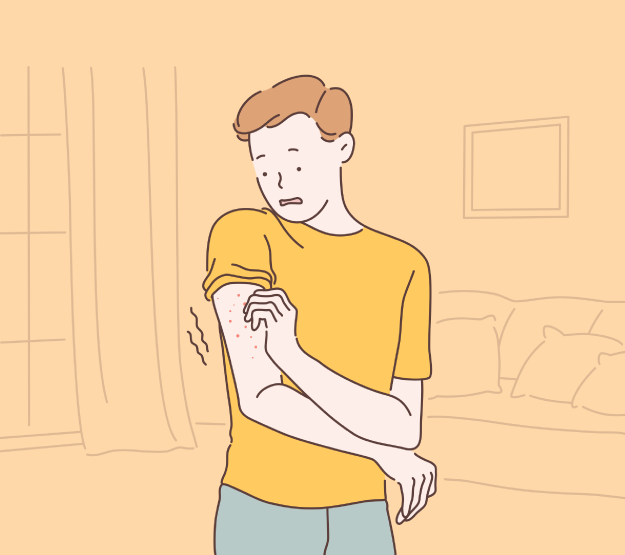
There is a relatively new subspecialty within dermatology that is of interest to therapists. Psychodermatology, the study of the connection between the “mind” and the skin—or an understanding of the psychosocial context of skin diseases—is giving many patients a new lease on life. While we’ve always known that there is a connection between mental health and certain skin conditions, we’re now finding that this connection runs much deeper than scientists first believed. For example:

  • Among patients with disfiguring, chronic skin conditions, the prevalence of psychiatric disorders is 30% to 40%.¹
  • Significant stress and anxiety have been reported in 44% of patients before the initial flare of psoriasis, and recurrent flares have been attributed to stress in up to 80% of individuals.²
  • The prevalence of psychiatric disorders among patients with skin conditions is greater than in patients with brain disorders, cancer, and heart issues combined.³
So, what can psychotherapists do to recognize patients who could benefit from seeing a psychodermatologist or drawing connections between their skin conditions and their mental health? Continue reading for tips to guide your recognition and treatment of psychodermatologic conditions. How to Identify and Treat the Symptoms Symptoms to look for in patients include any skin condition, including severe acne, eczema, pruritus (itching), psoriasis, vitiligo, and others, that may arise at the same time as particular mental health challenges. If you notice a skin condition, ask your patient to tell you about it. Find out what makes it worse or better and when they notice flare-ups. You have to become a bit of a detective at first until you can teach your patient how to start connecting dots for themselves. Certain patterns may be obvious, while others will require further investigation. But once you discover a connection between the brain and skin, you can dig deeper to better understand the nature of the connection. The goals of psychodermatology are:
  • To investigate the emotional impacts of a patient’s skin condition,
  • To help the patient work through these emotional impacts,
  • To reduce the threats posed by these emotional impacts,
  • To help the patient develop coping mechanisms for if and when a recurrence occurs
With patient-centered approaches to explore the patient’s feelings, concerns, and experience regarding the impact of their condition and with cognitive behavioral therapy, you can begin to reveal a clearer picture of what stimuli and stressors contribute to the physical manifestations of a patient’s emotional condition. For example, suppose you have a patient who you’re treating for depression and social anxiety. During one therapy session, you notice eczema on the back of your patient’s hands. You enquire—just as you would when assessing any physical behavior. Your patient discloses that ever since they started a new job, their eczema has gotten worse. Armed with this new information, you can have your patient jot down when flare-ups occur and bring their notes to sessions with you. Together, you can collaborate to spot patterns, which can help you create a timeline. From here, it’s time to focus on healing from the inside out. Working with Other Health Professionals While many conditions can be eliminated through psychotherapy alone, patients experiencing any of the above symptoms often benefit from an interdisciplinary approach. Many dermatologists understand that while they can treat the physical manifestations of a patient’s mental health condition, patients often also need mental health professionals, like psychologists, psychiatrists, or psychiatric mental health nurse practitioners, to target the source of the skin condition. One good strategy may be for therapists to seek out partnerships with dermatologists in the know.? Also, if you see patients who suffer from compulsions or skin conditions, such as skin picking or hair pulling, which you know have a psychological component, referring them to a psychodermatologist can be especially productive. While any dermatologist can prescribe drugs to treat the physical skin condition, working with someone who understands the deeper connection can be the ticket to deeper healing for particular patients. Ultimately, psychodermatology is all about improving quality of life by healing the skin condition and enhancing the patient’s emotional state. When we give our clients the tools they need to find true healing from the inside out, we show them that the journey to healthy skin and mental stability is a path they can walk. Case Application Glenda, a 21-year-old-woman, was referred to my office by her dermatologist because of anxiety that heightened when asked questions about her visibly red, scaly and raw-appearing rash on her hands and forearms. She insisted that she must be allergic to the soap she had been using and possibly the prescription cream that her primary care physician (PCP) had prescribed. Glenda had been examined by her PCP for her rash three times over the past few months and diagnosed with contact dermatitis, allergic dermatitis, and possibly eczema. Her PCP also prescribed a steroid cream and instructed to wash her hands with hypoallergenic soap and apply Aquaphor healing ointment daily. Glenda’s dermatologist took a thorough medical history and asked her about having repetitive thoughts that may be causing her distress. Glenda started to talk about the stress she has been experiencing over the past year due to COVID. She talked about staying up late at night worrying about getting infected with COVID and spreading it to others. She began to wash her hands multiple times a day. She shared that she had always frequently washed her hands, but now felt compelled to carry out a hand washing ritual—hand washing, turning the cold water on and off four times, then washing her hands, scrubbing until she counted to 30, turning the cold water on and off four more times, then applying hand sanitizer and rubbing it into her skin for 30 seconds. Lately she had been washing her hands every half hour and had been applying extra hand sanitizer to make sure her hands were clean, since washing her hands made her feel less anxious about getting COVID. She believed that carrying out this ritual had the additional benefit of protecting her family. At that point, the dermatologist explained that her skin rash and anxiety were interconnected, prescribed a hand ointment that promoted healing, and referred her to my outpatient mental health practice for an evaluation. After taking her medical and psychological history, I asked Glenda “What is your story?” to provide her with an opportunity to construct her personal narrative and share her experiences and beliefs about her current psychosocial circumstances. She opened up about her repetitive hand washing behaviors and worries about COVID that “hijacked” her brain. As a first-line intervention, cognitive behavior therapy for OCD directed at her behavior (compulsions) and cognitions (obsessions) made good sense. Sessions with Glenda included cognitive restructuring, psychoeducation, imagery exposure, self-monitoring, relaxation training, coping skills development, and self-care to alleviate her OCD-related distress. Relapse prevention was used to reduce the occurrence of initial lapses and to prevent any lapses that might escalate into a full-blown relapse. For homework, journaling was used to help Glenda identify harmful patterns of thoughts, emotions and actions and to develop techniques to help her better cope with uncomfortable feelings.

***

The collaboration between two specialties, dermatology and mental health, enabled this patient to have her psychological and physical needs treated holistically and simultaneously.  References: 1.  Goldin, D. (2020). Concepts in Psychodermatology: An overview for primary care providers. The Journal for Nurse Practitioners, 17(1), 93-97. 2.  Jafferany M. (2007).Psychodermatology: A guide to understanding common psychocutaneous disorders. Prim Care Companion J Clin Psychiatry, 9(3), 203-13. 3.  Ghosh S, Behere R.V., Sharma P, & Sreejayan K. (2013). Psychiatric evaluation in dermatology: An overview. Indian J Dermatol., Jan;58(1), 39-43. 4.  Azambuja R. D. (2017). The need of dermatologists, psychiatrists and psychologists joint care in psychodermatology. Anais brasileiros de dermatologia, 92(1), 63–71.

Countertransference to Sexual and Developmental Trauma in the Psychoanalysis of a Disabled Patient

Our First Meeting

Referred to me by a colleague, Tanya was an elementary school principal who had polio as a child. When I initially asked my colleague how severely Tanya had been affected, she told me, “It isn’t too bad.” When I opened the door to my waiting room to greet my new client for the first time, I was shocked to see that Tanya had a deformed arm and leg. She struggled to get out of the chair and when she stood up, I was struck by the contrast between my colleague’s description and the reality before me. I wondered what made my esteemed colleague deny the severity of Tanya’s deformity.

Tanya settled into the chair in my office and was silent. Although she was in her late thirties and a successful professional, she was dressed like a pre-adolescent in short white socks and sneakers. When I asked what brought her for psychotherapy, she said she wanted to feel sexual.

“Everyone else has somebody,” she said. “They have a husband, they have children. I have nothing. I hate my life. I need something, help me, help me,” she cried. “I need something. I want someone to love me. I want to get married. I want a family."

In her third session, Tanya began talking about her deformity.

“Nobody can see it,” she said. “Nobody knows I had polio, that’s why nobody says anything about it. You can’t tell, can you? Can you?”

Shocked that she could be in such a state of denial, I hesitated a moment.

“Yes,” I said as softly as I could, “I can tell you had polio.”

“I’m sorry. How can you say that?” she yelled. “You’re horrible. I’m sorry. I’m not coming back.” She hugged her purse but did not leave.

Tanya’s pleading for me to deny her deformity and the repetition of “I’m sorry” continued for many months. It grated on me. I wanted to yell at her: “Stop it, I can’t stand it.” Session after session as the same scene unfolded over and over, I felt tortured by her, and I felt guilty for feeling tortured.

““I think my mother couldn’t stand me,” she said. “She wanted me to go away.””

Finally, to my great relief, I realized that this was an enactment of her experience with her mother.

When Tanya was ten, she complained that she had intense back and neck pain, but her mother told her “it was nothing” and to go to sleep. But Tanya could not sleep. Finally, when she was in such pain that she couldn’t walk, her parents took her to a doctor, who said she had polio and needed to be hospitalized immediately. Her parents did not explain it to her. The doctors explained it to her parents, but not to her. She did not understand that she would have to remain in the hospital for several weeks. Her parents did not visit every day because the hospital was far from their house, and when they did visit, they only stayed for an hour. Tanya was filled with anxiety and rage.

When she was finally released from the hospital, recuperating at home, Tanya often pleaded for her parents to tell her she would not have to go back to the hospital. Her parents said, “No, don’t worry.” They knew that was not true, but they could not bear her reaction to the truth. When she had to go back a second time, she was enraged that her parents had lied to her.

“Tanya felt betrayed and unprotected”. Her parents said they would visit and didn’t come; they said she would be fine, and she wasn’t. After a while she felt that she could not trust anything they said. Later, when she went through puberty and the curvature of her spine worsened, her mother assured her that no one could tell she had had polio.

I knew that telling Tanya that I could see her deformity would enrage her. But if I had tried to avoid it when she communicated “Don’t you dare say you can see it,” I would have communicated that I was unable to deal with the reality of her polio—just like her mother.

Nevertheless, I continued to feel I was between a rock and a hard place with Tanya. I did not want to lie to her as her mother had, but telling her the truth enraged her.

“Do you think I’ll get married?” she pleaded over and over.

I felt a wave of meanness. The lyrics to “Que Sera Sera” came into my head:

“When I was just a little girl
I asked my mother
What will I be
Will I be pretty
Will I be rich
Here's what she said to me.”

I knew any answer other than “yes” would result in her fury and threats to quit treatment.

“I cannot predict the future,” I said. “I don’t know if you will get married.”

“You’re horrible,” she yelled, picking up her purse from the floor and embracing it. “How can you say that to me? I’m sorry. What’s wrong with you? I’m sorry. I’m not going to come back anymore…”

“What would you like me to say to you?” I asked. My head throbbed.

“That I’m going to get married like everyone else. What’s wrong with you?” she yelled.

“Do you want to get married?” I asked.

“Of course, I want to get married. But who will want to marry me?” she cried.

“I could hear my heart thumping. What am I going to say to her?” She was right to feel her chances were diminished because of her disability.

“You’re right,” I said. “There are some men who will not be interested in you because you had polio. But there are some men who don’t have perfect bodies either or who are more interested in finding someone who they can feel close to than whether her body is perfect.”

She was quiet.

“You had polio, and it affected your arm and your leg,” I said. “That is part of who you are, but that is not all that you are.”

Tanya had not been able to accept that she had polio and tried to cope with it by joining in her mother’s denial that it was visible. I realized that my referring colleague had also been drawn into the denial.

Being a Sexual Person

As the treatment deepened, it became clear that Tanya’s overwhelming anxiety was not simply the result of her polio. One session was a turning point in our understanding Tanya’s level of anxiety and confusion. She began by talking about seeing her doctor for dizziness.

“I went to see Dr. Roberts, and he took my blood pressure,” she said. “It was lower than it has been since this whole thing began. But then he took it ten minutes later and it went up. But it still wasn't as high as it has been in the last few weeks.”

Tanya sat with her legs spread apart. Her crotch was in full view. She did this often when she was wearing a skirt. I was trying not to look at her crotch while she was talking to me, but I thought she was not wearing underpants. I thought to myself that perhaps she was just wearing dark underpants. At first, I questioned whether I was imagining things, but I knew what I was seeing. I started thinking about how to handle it. If I ignored that she seemed to be exposing herself to me, I would be denying the reality. On the other hand, I knew that however I said it to her, she would be mortified and furious at me if I brought it up. In the past I felt the mortification would be too much for her, but this time I felt I could not ignore it.

“Are you aware of how you're sitting?” I asked.

Tanya immediately put her knees together.

“What are you talking about? What are you saying? I'm sorry. You hate me. You think I'm bad. What are you saying? You want me to leave?”

“I don't hate you,” I said. “I don't want you to leave. You were sitting with your crotch exposed to me, and I think that has some meaning. Don’t you?”

“I'm sorry. I like you and I respect you. I don't know what you're saying,” she cried. “You think I'm bad. I'm sorry. You want me to leave.”

“I know you like me and respect me, and I don't want you to leave,” I said. I leaned forward in my chair. “I don't think you are bad. You don't need to apologize. I just think that sitting like that means you have some feelings about yourself and about me that we need to understand.”

“I'm sorry. Sitting like that doesn't mean anything. I just don't think it matters how I sit.”

“You mean it doesn't matter if your crotch is exposed or not?” I asked.

“”I just don't feel like a sexual person. I don't feel like a woman”. Look how I dress. Look how I take care of myself. I just don't feel like a sexual person; that's why it doesn't matter how I sit.”

“You mean you feel like there's nothing between your legs?”

“That's right. What's between my legs is dirty and smelly and bad and disgusting. You don't want to see it.”

“So you think that I am pointing out how you're sitting,” I said, “because I feel your vagina is bad and smelly and disgusting.”

“I offended you. I'm sorry. I won’t do it again. Don’t worry about it.”

“You didn't offend me. But I think exposing yourself is a way of telling me something.”

“You know, you're really inappropriate sometimes. I can't believe you said that to me. Who would say such a thing? I don't know anyone who would say such a thing.”

““You mean you would rather I act like your mother and make believe that there's nothing between your legs or that it's too disgusting to talk about?””

“Maybe it's like the polio. I don't want you to see that I have it. I want you to say you can't tell I have it. But I also don't think I have anything. I am completely out of touch with my body,” she said, crying. “I don't feel connected to it. I can't touch myself still. I don't feel like a woman. Even now with the operation, I still don't really have breasts. Sometimes I don't even bother to wear a bra.”

“What about underpants?”

“What do you think is wrong with me? Do you think I don't wear underpants? Of course I wear underpants.”

“If you don't feel you need to wear a bra because you don't feel you have breasts, I wondered if you don’t wear underpants because you feel you don't have a vagina or clitoris."

“Of course I wear underpants, what do you think is wrong with me?” she yelled. “How could you say that. I can’t believe it. You must think I’m disgusting.”

She got up and walked out of the office. I was not sure she would come back.

When Tanya did come back for the next session, she was angry for the first few minutes. But then she told me that after the session she remembered her mother sitting in the living room on the couch with her legs spread and touching herself.

“You mean your mother was masturbating in front of you?” I asked.

“Yes. She did it in front of my brother too. I wasn’t sure what she was doing. I asked her to stop, but she said she wasn’t doing anything.”

Tanya explained it was like listening to her older brother masturbate. She told her mother that her brother was making strange noises and she didn’t want to share the same room with him, and her mother told her it was nothing and she should just go back to bed. Tanya grew up in a dark, one-bedroom apartment. Her parents slept in the living room, and she and her older brother shared the bedroom. Her parents could have afforded a larger apartment and were even offered one for modest cost in the same building, but her mother did not want to move.

Her mother and brother overstimulated Tanya, and her mother’s denial gave Tanya no protection from the anxiety created by it. Tanya was forced to develop other ways of coping—being confused, not knowing if she was hearing things or not. Her anxiety was so overwhelming it interfered with her thought processes and her reality testing. Years passed in therapy before Tanya brought in a dream she identified as sexual.

“My car was damaged, someone hit it and the door and fender were all bent. I looked underneath, and it was perfect. I felt surprised and happy.”

“When did you have the dream?” I asked.

“I had the dream after our last session. I think it’s about myself. I am finally accepting that I am damaged on the outside, but I am all right inside.”

“Yes, it sounds like a positive dream. What comes to mind about looking underneath?”

“It was underneath the hood. Inside. But it sounds sexual doesn’t it? Maybe I realize that I am damaged outside, but I am not damaged sexually.”

“And you're surprised?” I chuckled.

“Yes, I have always been afraid of sex. Something is wrong with me. When I go to the gynecologist, she can’t even examine me.”

“Because you are so frightened that you have a spasm?” I asked.

“Yes,” she said. “”I have always been terrified of touching myself or someone touching me”. I’m terrified. I just see a man with a suit eating pizza and I think he’s cute and I feel terrified.”

“I think you have sexual feelings,” I said, “and then imagine he wants to have sex with you right there in the pizza store and then you are terrified.”

“Yes, I only feel the terror, but I must be having sexual feelings,” she said.

“I think you become overwhelmed by your sexual excitement and project it onto the other person and then feel terror. You know when you would lie in bed listening to your brother masturbating and coming, that was overstimulating. You knew it and went to your mother, but she denied the whole thing and told you to go back to your room. You couldn’t get any help protecting yourself from the overstimulation.”

“It was normal for him to masturbate. I know kids masturbate, but I shouldn’t have been in the same room. I should have had my own room, and when she just told me to go back to bed and ignore it, I must have felt flooded.”

“Exactly,” I agreed.

“You know, she said, “I had another dream last night. “I was watching somebody teach somebody how to dance. This young girl was very graceful, and she was moving very well. She knew how to dance. They were getting ready for a wedding.”

“How did you feel in the dream?”

“I felt good,” she chuckled. “I felt I could learn to dance. You know, they had dancing at my beach club on July 4th, and I didn’t dance. But next week, they’re having a DJ and they are doing line dancing, and I’m going to get up and learn how to do it. I’m going to join in.”

The following session, Tanya came in saying she had a dream about tongue kissing the night after the last session.

“I was eating dog food, and my mother was telling me I was eating dog food. I was licking the bowl like a dog and I got nauseated after she said that, and I threw up in the dream and, in my bed. I was gagging and choking.”

“What comes to mind about dog food?”

“Dogs go right for sexual gratification, they’re animals. They can’t delay gratification. Maybe I’m the one who’s bad because my mother tongue-kissed me in my dream. I was acting like a dog.”

“Maybe we're acting like a good dog—a loyal dog does whatever the master wants,” I said.

“Dog food looks like shit. I was eating shit. All my life I was eating shit. I was an obedient dog. Every day I was choking and gagging before I went to school. In the dream I said, ‘I must get it out of me.’ Something was stuck in my throat. It’s a feeling of fear. You know, my brother can’t swallow pills; he gags also.”

“Really!?”

“What could be stuck in my throat? Do you think this is at the bottom of why I can’t touch myself or have sex?” she asked.

“Yes, I think that your mother was crazy, and she masturbated in front of you and acted like nothing was happening and kissed you sexually and acted like it was normal. When you told her your brother was masturbating and you didn’t want to share a room with him, she said it was nothing and you should forget it. I think this is only the tip of the iceberg. I think there’s a lot you haven’t been able to tell me yet. Maybe you’re afraid I’ll think you’re bad.”

“Yes, I think so. You know, she would sit with her legs spread apart and pull her underpants to the side and play with herself. She did it while we were watching TV. My father was there sometimes, and he never said anything. My brother was there. If I asked her to stop, she would ignore me.”

Homosexual Feelings

Tanya was angry because I did not hear the doorbell—she had to ring twice, and the clock in my waiting room was four minutes fast. Anything that questioned reality (e.g., what time is the session) threw her into questioning everything. I also thought it might make her feel that I was out of control or her feelings toward me could get out of control. Maybe she felt I was like her mother if the time was wrong and I didn’t hear her. It threw her into a panic attack and made her question reality.

The next session, Tanya came in saying that she was upset and sad after our last session. It might have been from talking about how sexually stimulating her house was and that she might have felt aroused by it, or it might have been about my clock being wrong. She said the erroneous clock made her feel crazy. Then she moved on to talk about being angry at a teacher with whom she worked. She thought he was gay but that he could not deal with it because he was religious. Then she talked about being angry at her friend’s husband, who always talked about women he wanted to screw. Tanya thought it was a defense against his homosexual feelings.

“It’s interesting that in both cases you’re angry at people who are denying their homosexual feelings,” I said.

“Do you think I’m homosexual?”

“No,” I said, “but I think you might be afraid that you have sexual feelings about me.”

“That would be inappropriate, wouldn’t it?”

“No, I don’t think feelings are appropriate or inappropriate—they just are what they are. We don’t have control over our feelings, only our actions. Considering your mother’s sexually provocative behavior toward you, I don’t think it would be surprising if you had sexual feelings about me.”

“How would you feel if I had sexual feelings toward you?” she asked.

“I would feel happy for you that you were able to be in touch with your sexual feelings, whatever they are. You haven’t been able to experience them at all.”

“After the last session I had this tension in my inner thighs. Do you think that was a sexual feeling?” she asked.

“Yes, I think that was sexual tension.”

“How do you get rid of sexual tension?” she asked.

“Well,” I said, “you could masturbate or have sex with someone else. Sexual tension gets built up and then released when you have an orgasm.”

“I have to get a Pap smear on Wednesday. I’m afraid I won’t be able to do it. I feel like canceling it.”

“Are you afraid of having sexual feelings during the exam?” I asked.

“Yes, what if I have sexual feelings during the exam? What should I do?”

“You don’t have to do anything. You can just have them, and eventually it will pass.”

“Oh,” she said, seeming relieved.

Fear of Driving Me Away

Tanya walked into my office and sat down clutching her purse on her lap.

“I couldn't find a parking spot. It's getting harder and harder to find a spot around here. It makes me so frustrated,” Tanya said.

“What about that?” I asked.

“It makes me feel so annoyed and angry.”

“Maybe you're annoyed and angry at me?”

“No, I just can't stand how hard it is with all the traffic and it's so hard to find a spot. It makes me not want to come.”

“Maybe you had some feelings about coming today?” I asked.

“I was thinking about stopping,” she cried. I have too many feelings about you. I'm sorry, my feelings are too strong…”

“What are you sorry about?” I asked.

““You don't want me, you wish I'd go away,” she said angrily”.

“What is it about you that makes me want you to go away?”

“I'm sorry, I have too many feelings about you.” She picked up her purse and hugged it.

“You mean I can't stand your feelings about me?”

“I'm sorry. I want too much; you won't want to give it and you'll want me to go away.” Tears flowed down her cheeks.

“Why would your feelings be so intolerable to me?”

“I want to talk to you all the time. I'm sorry.”

“If you want to talk to me all the time, do I have to do it?” I asked. “Why can't you want whatever you want?”

Tanya looked surprised. “Because I want you to do it!”

“If I felt I had to do whatever you want, I wouldn't be able to stand your feelings. But I don't feel I have to do things just because you want them, so I can allow you to want whatever you want.”

“I don't think my mother could stand my feelings,” she whimpered.

“No,” I agreed, “because she felt she had to do something about them and she couldn’t, so she wanted you to go away.”

Transference and Countertransference

Tanya’s transference changed during various times in the treatment. At the beginning, she experienced me as if I were her mother who wanted her to go away. But this was not a neurotic transference onto me; rather, she induced in me the feelings her mother had about her. She pleaded for me to lie to her but wanted to believe me. She wanted me to feel what her mother had felt but be a better mother than hers had been. It was a struggle for me; I felt harassed by her pleading and guilty for not feeling empathic. I found it difficult to bear her pain and her rage at the hand she had been dealt. Her demands for reassurance made me feel helpless, which is probably how her mother felt. I had to find a way to help her accept reality but also console her.

Later in the treatment, when she was finally able to deal with her sexual feelings, the transference shifted. She was not able to tell me what had occurred with her mother. Rather, she created an enactment of it so that I would understand what she had felt as a girl. I became confused about reality just as she had—e.g., is she wearing underpants?

Final Thoughts

Tanya would remain in treatment with me for over ten years. When she terminated, she was a much more integrated person. She felt like a sexual woman and got over her social phobia enough to develop close friendships with both men and women. Tanya was able to accept the gaslighting, denial, and lack of boundaries in her family. She became closer to her brother and convinced him to seek treatment.

Of course, there were many other issues in her treatment that I have not dealt with in this article—e.g., her envy of me for not having a misshapen arm and leg. I have only highlighted the issues of denial of her disability and the lack of boundaries and sexual overstimulation in her family.

I think it was important that I told Tanya her disability was visible for two reasons. First, she knew that it was. If I denied it, it would imply that it was so horrible that I couldn’t deal with it. I would be like her mother – distorting reality because I could not tolerate Tanya’s pain. Second, Tanya did not trust her parents because they consistently lied to her. She called me constantly to confirm our appointments. And when applying for a handicapped license and being told she would have to wait 60 days, she called them daily to confirm it. So I had to be truthful to build her trust, even though it enraged her.

Some therapists might have avoided confronting Tanya about exposing herself to me. It was awkward and uncomfortable for me, and it enraged her. However, I think it was a major turning point in the treatment. As a result, she was able to tell me about her mother’s exhibitionism; she became more able to identify and process her own sexual feelings, which reduced her projection of them onto men. She also made progress in being able to comfort herself.

Although Tanya was not able to have a sexual relationship with a man, she bought a dog and named him “Sigmund” as a testimony to how much psychoanalysis had helped her. She did the macarena with the husband of her friend and felt sexually aroused. She understood that her sense of sexual abnormality had more to do with her mother than polio.She also made progress in being able to find comfort. Although she was not able to have a sexual relationship with a man, she was finally willing and able to treat herself to massages regularly and was able to masturbate. Overall, Tanya had come a long way. Her social and sexual anxieties were greatly diminished and she had a much more fully developed sense of self. It was very hard work for Tanya, and in a different sense, for me as well. 
2020, The Summer of No

The calendar has turned to September, and leaves have begun to change color, but before completely turning my attention to fall, I want to reflect on how strange a summer it’s been. Due to COVID-19, I have had to grapple with more unwanted changes in my psychotherapy practice than ever before. It is best summarized as the summer of “No.” In an attempt to capture the breadth and depth of my experience, I’ve created a list of the Nos that have been hardest for me.

Like what you are reading? For more stimulating stories, thought-provoking articles and new video announcements, sign up for our monthly newsletter.

No break. As a psychotherapist, summer is typically the time of a reduced schedule for me. Between my own vacation plans and those of my patients, I usually have more openings in my schedule. Typically, the warmer weather also decreases the number of new patient inquiries. For those like me who practice in parts of the country where summer sun invites us to be outside, there is less demand for psychotherapy. In contrast, during the summer of 2020, the demand for psychotherapy increased as people tried to cope with the impact of the pandemic. It was hard to say no to those seeking help when the need was so great.

No office. I, like many other therapists, became a front-line responder even as I moved out of my office and online. The scramble to learn Zoom, fashion a home office offering some semblance of professionalism, and establish new protocols with patients I’ve never met in person was a steep learning curve. Questions about HIPPA and collecting co-pays electronically became a common thread on listservs. As I lost the separation between my private and professional domains, my life became limited by lock-downs. The line between working and not-working was blurred. The dreaded commute looked less awful from the rearview mirror of nowhere to go. Six months out, my beloved office has become a very expensive post office box where I go and collect my mail on a weekly basis. Each time I open the door, I feel a bit like Miss Havisham in Great Expectations—the calendar says March, and the magazines are out of date. The water in the cooler is no longer cool or potable, most likely.

No variety. One of the deep satisfactions of my work is the individuality of my patients. The variability of the human experience set against the sameness of my physical space has kept me engaged in my work. But this summer, each session was characterized by universal angst about the pandemic. The particulars were different—the patient who was stuck in an unhappy relationship versus the mother surrounded by bored children—but the plea for reassurance was similar. Even more striking was the lack of separation between my own worries and those of my patients. I suffered from pandemic dreams and changed my routines to avoid falling ill.

No reset button. Every therapist I know complained of feeling burnt out, with little prospect of finding a way back to equilibrium. With gyms closed, travel out of the question, and social activities greatly curtailed, I found it increasingly challenging to practice self-care. As I lost track of the date and the day of the week, it was difficult to determine how to take care of myself. With no museums, movies, or plays, finding ways to let my mind rest and reset took unusual effort.

No way to meet new people. People struggled with the isolation of living alone. Figuring out how to date during the pandemic made dating apps feel even scarier than usual. Women worried about the window of fertility closing without an opportunity either to find a partner or feel safe to get or be pregnant during the pandemic. All of these fears were real, and trying to sort out how to encourage growth for my patients while respecting the reality of living through a pandemic was painful.

No joy. There was so much loss—deaths unattended, weddings canceled, and newborns not held by grandparents. There were no graduations, no proms, and no parties. Summer holidays were scaled back or nonexistent. It was hard work to find the joy in activities that now required masks and social distancing. Four of my patients, however, did get married this summer. After scaling back their plans, in the end, each celebration was a testament to flexibility and changed priorities.

No faith in our leaders. People searched for answers they could trust. Mask or no mask? Six feet apart or ten? Was flying safe or not? The discouragement and at times outrage about the failure of our leaders to lead kept our sessions focused on current news cycles with an abundance of hopelessness.

No more only pretending that Black Lives Matter. Pretending no longer passed as good enough, and although this was a positive change, the challenge was great. The reckoning of how to understand our country’s long, sordid history of racism was dissected within the safety of the therapy relationship. For many of us, especially those of us who are white, the painful and raw experiences of racist feelings and behavior were relatively new to include in our conversations.

No jobs. As patients were furloughed or laid off, economic worries became paramount. Some careers all but disappeared, such as event planners who found themselves not only without a job, but also without a career future. Recent graduates’ dreams of starting a new life were dashed. Older patients felt the sting of ageism in the workforce. For some people, it became a matter of choosing between their jobs and risking their health.

No end in sight. There was no timeframe I could offer for when things would be better. Future plans remained uncertain, and even now there is still no end in sight. Exploring topics of mortality and challenging our very American notions of invincibility and superiority evoked existential crises about the meaning of life. Patients pleaded with me for assurance that things would be all right. Holding out hope, but not false promises, for the future required striking a tenuous balance.

As I and others steel ourselves for the one-two punch of the pandemic and the election this fall, it is worth pausing and acknowledging the toll COVID-19 has taken on our own well-being, not just that of our patients. It has been exhausting. I am committed to find a way to greet the crisp, cooler autumn air and fulfill my professional responsibilities. For despite all the “Nos,” one thing I do know is that human connections are what make life worth living, especially during challenging times like these.