The Day My Life Turned Upside Down

The call came at 5:45 in the morning from an unknown number in a familiar area code, an auspicious beginning to any day. An emergency room nurse was calling to inform me that my twenty-six-year-old son had been in an accident and had arrived at the hospital unconscious with a traumatic brain injury. He was nearly 2000 miles away and his prognosis was unclear.

I was due to see my first patient on Zoom in a little over an hour and had a full day scheduled. As panic set in, I literally started walking in circles and I knew that, “COVID be damned,” I was getting on a plane as soon as I could to be with him. I also knew that I could not take care of anyone else at that moment. I was channeling all of my energy to will him back to health.

Like what you are reading? For more stimulating stories, thought-provoking articles and new video announcements, sign up for our monthly newsletter.

For someone who is a planner, I have a professional will as well as a personal will, disability insurance, and life insurance. I was thoroughly unprepared to have my life upended so suddenly. I have maintained a solo psychotherapy practice for more than thirty years, and I’ve always managed my own schedule. There have been days when I woke up ill or had a sick child which required last-minute cancellations, but typically my absences were thought-out and scheduled. This was different. I quickly realized I was incapable of determining what next steps needed to be taken at that moment.

Operating on instinct and adrenaline, I called a close friend who offered to contact everyone on my schedule for that day. This was a godsend, because I knew I was unable to speak to anyone at that moment with any semblance of professional decorum. She also canceled the next day’s appointments, which gave me through the weekend to figure out what I would need going forward.

Just as I longed to have someone reassure me that my son would make a full recovery, I found myself wishing I had been better prepared for such an emergency. No one wants to have a dress rehearsal for trauma, but feeling so out of my depth only added to my distress.

Ironically, because of COVID-19, I had been working remotely for over a year and a half, which meant I had all my patients’ contact information on hand. In the past it would have been in my office and inaccessible to me from afar. Having up-to-date patient contact information readily available made it possible for me to draft an email to all my patients. Before writing to my patients, I called a colleague and asked her to cover my practice for me. In the email, I informed my patients that due to a family emergency I was taking a leave of absence from my practice for the month of July. I included contact information for my colleague in case they had an emergency. I promised to be back in touch by the end of the month with an update regarding when I might be able to resume work. In the email I tried to walk the line between providing sufficient but limited information about my son’s accident. Since I didn’t trust my ability to communicate clearly, I asked my colleague to proofread my email and kept her in the loop of what information my patients had.

Traumatic events rip the Band-Aid off our belief that we are in control of our lives. Without this protective layer it can be hard to regulate emotions. At other times when there was stress in my personal life, work often offered a respite from these concerns. But this time was different. Living out of a hurriedly-packed suitcase in an unfamiliar city and spending long hours at the hospital each day was exhausting. Although my son’s prognosis improved, the timeline for traumatic brain injuries is not clear cut. In the early days of my son’s hospital stay, I was consumed with fear and anxiety for his well-being and future. Both my husband (who went on FMLA for the month of July) and I were riding the waves of our son’s recovery and setbacks, unsure of when we could return home and resume our life.

Having been immersed in a pandemic for over a year was a good lesson that plans need to be held delicately and that caveats are the rule, not the exception. As we spoke with the medical personnel about discharge plans for my son and the possibility of his returning home with us, I began to do a self-assessment about my capacity to work.

Therapists are not interchangeable, and the particulars of each case are privy only to those in the relationship. This puts additional pressure on clinicians to return to work. When I am on vacation, thoughts of various patients enter my mind. Often, I have found those periods to bring fresh insights into my work. But this was far from a vacation, and I had no bandwidth to think about my patients. This was one measure I used to assess whether or not I thought I was ready to work. The first time I found myself on a walk with thoughts of a patient entering my awareness, I took that as a sign of my own road to recovery.

Fortunately, my son improved more quickly than anyone predicted, and we were able to bring him home with us. Despite his favorable outcome, the remnants of this traumatic event left me emotionally raw.

As promised in my first email, I sent another email to all my patients at the end of July. I updated them about my son’s progress and my decision to return to work at the beginning of August. As a way to check in and allow each of them to ask questions without using their clinical hour, I decided that I would call each of them before scheduling a session. I wasn’t able to talk easily about my son’s condition, and I was afraid of getting overwhelmed with my own emotions during their clinical hour. I scheduled four phone calls a day with time in between each one. After a month, or more in some cases, since our last appointment, I didn’t think it was fair to use their time with me to update them on my situation.

As with any significant interruption in a therapy relationship, each patient handled the break differently. One patient said, “I know in the back of my mind that you’re a mother, but I never think about you that way. I was so worried for you because I know I couldn’t bear to lose one of my kids.” Other patients were afraid I might never come back to work and felt selfish for having this concern. A few patients decided not to resume sessions, reporting that the month away had given them an opportunity to decide that they were doing well. I wasn’t surprised by this reaction and tried to process it with each one to bring closure. Two patients gave birth during the month I was away, and both spoke about how differently they reacted to my situation because of their new role as a mother. All of my patients expressed concern for me and appreciation for our connection. I found this especially meaningful at a time when I was questioning so much about the vagaries of life.

Initially there were some bumps in the road as I returned to work. Some patients struggled to share their concerns without feeling self-conscious. They compared their situations to mine and felt foolish to be upset over seemingly trivial matters. This is a common concern in therapy and one I have encountered many times over the years. As I struggled with managing my own anxiety, I was afraid I wasn’t projecting my usual self-assured presence to my patients. A few colleagues of mine have had to navigate more difficult life events, such as sudden deaths and personal medical crises while continuing to work, so I reached out to some of them for support and guidance.

To take care of myself, I started back to work slowly, spacing out sessions when possible. Not surprisingly I was exhausted at the end of each day, yet I found sleep hard to come by. Three weeks after returning to work, I took a previously planned vacation. This further disruption to my practice was admittedly quite difficult for some of my patients, but it felt crucial for my own well-being. During my two weeks off, I noted all the ways a vacation felt so different from an emergency leave, and I returned to work in September more refreshed. This additional break had an unexpected outcome in that it allowed my patients to express a wider range of feelings about my absence. As one patient said, tongue in cheek, “You won’t be doing that again for a long time!” She was in the middle of a painful divorce, and the timing of my absences was especially hard for her. She could express her feelings after my vacation, but not when I returned from my leave.

Modeling self-care is different from talking about it. As therapists, we know “actions speak louder than words,” but often we communicate “do as I say, not as I do.” I thought back to all the times I’ve encouraged patients to take a leave from work or make other life changes to support their own mental health. I could sense how carefully some of my patients were watching to see if I was truly okay. For those who are invested in keeping me on a pedestal, the illusion of my perfect life was shattered, and this was an uncomfortable intrusion into the transference. For others, knowing that something bad had happened to me helped them trust that I could actually understand their pain. Still others expressed an increase in their fear that if I wasn’t safe from harm, then no one could protect them. Processing this variety of responses while tending to my own anxiety was challenging.

***

Throughout my career, there have been stories from my life that I occasionally share with patients as points of illustration or connection. One day I hope I will be able to draw from this recent traumatic experience in a similar way, but for now it is still too raw. As we near the sixth month mark from the accident, the timeframe given by the medical professionals for the fractures to fully heal, all indications are that my son will make a full recovery. I am truly grateful for this outcome, but tears are still close to the surface for me. It takes time to integrate such a life-changing experience, but with support from others I trust I, too, will heal.

Being a psychologist is one of my life’s greatest pleasures. It gives me a sense of purpose and allows me to engage fully with other people. Relying on myself for so many years in private practice comes naturally to me, but this recent experience was my wake-up call that I need to be better prepared to make sure my patients can be cared for in the event that I can’t do it by myself.

Ancestral Narrative Building: A Path to Healing Generational Trauma

“I am so afraid to be like the men in my family when I am angry. I find myself holding in so much rage because I do not want to be like my dad or my grandfather. I also refuse to be part of the angry Black man stereotype.”
“What didn’t you like about their rage?” I ask my client to examine his narrative of his ancestors’ rage in order to understand his own.
“The way it was framed in my family is that it got them in trouble. It got them both killed.”

Like what you are reading? For more stimulating stories, thought-provoking articles and new video announcements, sign up for our monthly newsletter.


We take time to process these situations about the men in my client’s lineage. Both his father and grandfather had been killed at the hands of the state, and my client began to believe at an early age that if he had less rage inside of him, he would live longer and safer.

I tell him I am not convinced that their rage was unwarranted, knowing that the United States has unjust systems that impact the lives of Black and Brown people daily. I believe that micro- and macro-aggressions pile up and that our reactions, or non-reactions, to them can be survival tactics or indications of insidious trauma. And we can still create new narratives around their deaths and “rage.” We have to understand the social and physical contexts they were born into and living in, to make sure we can make these claims about their rage, since it is coming up in therapy. Although I can guide him through it, my client needs some deep ancestral healing, and he has to do it himself. He has to be the one who is committed to researching, asking questions, and making meaning.
 

I start by creating a reading list for the client. I read the books, too. At first, he doesn’t quite see the point. I explain that we have to study the time and place in which both of these ancestors lived. We read Isabel Wilkerson’s The Warmth of Other Suns, Langston Hughes’ The Ways of White Folks, James Baldwin’s The Fire Next Time, and Zora Neale Hurston’s Their Eyes Were Watching God in order to get a sense of the time periods his family lived through. We research articles from the relevant time periods in the cities his family resided in and take a deep look at the cultural climate of the cities. We find research about the impacts of Jim Crow laws, the GI Bill, and redlining, policies that impacted his family directly and indirectly.

“I have only heard the stories and the warnings from my mom, aunts, uncles, and grandma. Stay inside! Stay calm! Don’t be too forward! Don’t speak up! We don’t want you to get killed out there! Reading about other people from the same time period gives me more information than what was passed down to me. Black people were unsafe even if they did stay calm and remained inside. My family was so fearful of more death that they played into the respectability politics—‘Be good and nothing will happen.’ But the truth is, things still happened.”

This kind of ancestral digging creates a new narrative that allows the client to build, expand, and contextualize his sense of self. Prior to our research, he had limited information from which to make sense of his childhood and the messages he received both implicitly and explicitly. The messages he received growing up are important and tell him a lot about his lineage, but he needs to do more digging to get a fuller story. Intentionally getting new information about people similar to him and his generational trauma allows him to make space for new framing of his paternal lineage.

“I learned about the political climate my grandfather was living in. I saw an article about a man killed for looking at a White woman the wrong way in the city we lived in. I realized that my grandfather might not have been angry, he might have been just living his life, and that there are not actually any stories about him being angry or reactive at all.”

Though he has limited people alive to discuss this with, we create a list of questions he has for his extended family. My client is able to make new meaning about his father by doing some interviewing of distant family members. He asks about the time periods, the rituals they had in their family related to his Black American culture, and anecdotes about his grandfather and father. He records their responses to his questions in order to keep a record of what he found for his future son. He reckons with the fact that after his grandfather was unjustly killed by the county police, his father became an advocate to make changes in his community. His father became an activist and fought for the rights of Black Americans in his city.

“My mom always made it sound like when we speak up we are likely to be hurt, because we are putting ourselves at risk, but that is because she had trauma from my dad’s dying during a protest. She always seems so strong, but my aunt told me she was different after my dad died. She didn’t want him to go that day, and he told her he had to make a better life for his kids. Understanding that my father was fighting for what is right has totally changed what I understand about my anger.”

***

The old adage of becoming your parents is more than just a saying. Clients and therapists alike carry forward and live ancestral history and messages that have the power to impact and influence triggers. We may find ourselves reacting similarly to our ancestors, or reacting completely opposite from the way they did, without a lot of knowledge about why they acted the way they did in the first place.

Ancestral trauma impacts us in ways we don’t realize, and we need to investigate our lineages, whether we have direct access or need to gain access through texts and articles, to make sense of who we are and who we want to become. And therapists, along with developing an anti-racist framework that appreciates the racial climate of the country in which the client resides, must guide the ancestral trauma towards ancestral resilience when the client is ready to do their deep exploration.

A Path Towards Self-Compassion and Healing

Foundations of Relationship

To be in an intimate and interdependent relationship with another person is one of the most challenging endeavors in life, which is why conflict in relationships is one of the major reasons many come to me for therapy.

Clients often reach out to me because they are in pain and struggling with a significant relationship break-up. It is particularly difficult for my clients to be in a close relationship with others if they do not have a conscious relationship to their own self. Thus, an important task in therapy is to identify what it means for them to first be in an intimate relationship with themselves. This may include learning how to sit with their feelings of emptiness, being present with their bodily sensations and emotions, and examining their past. Therapy can be challenging, but it also offers clients the opportunity to heal wounds and to reclaim the forgotten and disconnected parts of themselves that may be unconsciously re-enacted in current relationships.

Many women come into my office suffering with low self-esteem, depression, and anxiety. They feel isolated, alone, and long for a sense of purpose in their lives. They long for connection and believe that closeness with another will help them feel complete, that being in love will alleviate their emotional pain. Close contact with others in reciprocal and enduring relationships is both a biological and psychological need, which increases their urgency to be in close partnerships with others.

Many of the relationship problems I work with are fueled by the belief that another person can fill their emptiness and replace the pain with feelings of love and passion. However, as my very wise mother once said, “we fall in love to the same degree that we are lonely,” fall being the operative word. In this context, if a client falls in love out of distress, to fill a void or erase the emptiness, there is a good chance it will lead to more distress. Family therapist John Fogarty asserts that our emptiness and pain are related to our relationship to our most distant parent. If that is accurate, then healing comes when we can help clients reclaim the hurt child of the past and repair their wounds there. If not, they are at risk of getting trapped in the past and replaying their early stories in adult relationships. To help ensure that dysfunctional patterns of the past do not get re-enacted, unlocking and facing the past becomes an important goal in therapy.

The Case of Alana

Alana was referred to me by a clinician from an inpatient substance abuse program who had diagnosed her with Post-Traumatic Stress Disorder (PTSD) and a severe Cannabis Use Disorder. Her clinician explained to me that since Alana entered the program and stopped using marijuana, she had become flooded with horrific memories of child abuse. The referring therapist was concerned that Alana would be at risk of relapse if her PTSD symptoms, which included flashbacks, were not addressed. I have found that it is not uncommon for people to turn to the use of substances to manage their PTSD symptoms of flashbacks and hypervigilance.

When Alana walked into my office for our very first session, her fragility was immediately apparent. She was small in stature, five-feet tall and thin. Her head was down, her shoulders drooped, and she did not make eye contact. She talked softly, almost inaudibly, and had long pauses between sentences. She was easily startled, and when she heard the door in the waiting room close, she jumped, and her body tightened. This was certainly a shaky start for this fragile and uncertain woman.

A year into treatment, Alana entered one particular session smiling and happy. She had had a lunch date with someone she had met through a friend. During lunch they discovered they had a number of commonalities: they both loved animals and had dogs, they loved to hike and travel, they were both teachers and enjoyed working with young children. At the end of lunch, they exchanged numbers and he “promised” he would be in touch. Alana was happy, and I was happy for her. She had worked hard in therapy and was gaining a stable foundation in her life without the use of substances. I interpreted her desire to reach out and make a connection with another person as a sign that she was moving forward in her recovery. Four days after this particular session, I received a call from Alana who asked for an “emergency session” because, in her words, “I am not doing well.” During the session, Alana was shaking and could not stop crying. She said she felt she was going down a dark abyss and was fearful she would never return. She had reached out to me because she was desperately trying not to “spiral out of control.” She was afraid she was going crazy. Contacting me for that emergency session was her attempt to anchor and ground herself. Alana explained the trigger that brought her into the emergency session was that Michael, the man with whom she had been on a lunch date, had “promised” he would be in touch with her but she had not heard from him. In the four days since they had lunch, Alana texted him and tried calling him a number of times, but he was not responding. She drove to his house to check if his car was there and if he was home. The lack of contact with Michael was bewildering, and Alana began to doubt if the positive feelings she experienced during lunch were “one way” and “all in my head.”

Alana’s levels of fear and anxiety were high. In general, I have found that when a client’s feelings are exaggerated and seemingly out of proportion to the current situation, it is a signal that their emotional response has roots in unresolved experiences from the past. When these clients are in a highly emotional, reactive, and anxious state, a rational response actually raises their level of apprehension and serves to exacerbate the client’s sense of disconnection from the therapist. With this in mind, I asked Alana if she was willing to slow down, breathe more deeply, and focus her awareness inward on her body. We had done similar exercises in the past, and Alana was not new to this type of therapeutic inquiry. However, familiarity does not always make this journey any less challenging. It takes courage to sit with and explore the bodily sensations and feelings that are experienced as overwhelming.

I was aware of Alana’s abuse history and her terror associated with feeling abandoned and alone. As a result, I used phrases like “You are not alone—we can take a look at this together.” I could see she found these words soothing and the words helped her to self-regulate. Her face relaxed, her breathing became easier, and her words and the quality of her voice softened. The following is a segment from the session (C represents client and T represents therapist):

T: Is it okay to take a few moments to breathe and go into your body?
C: Yes.
T: What part of your body wants to talk now?
C: My stomach and throat.
T: How do you know your stomach and your throat want to talk?
C: My stomach and throat feel tight.
T: Anything else?
C: My stomach feels tight, like it wants to throw up, and my throat feels like it is hot and on fire.
T: Your stomach feels tight like it wants to throw up, and your throat feels tight like it is hot on fire—anything else?
C: No.
T: Which do you want to take a look at first—your stomach or your throat?
C: Stomach.
T: Is it okay to stay with the sensations in your stomach?
C: Yes.
T: Your stomach is tight and wants to throw up. If you could give it a feeling, what would the feeling be?
C: I don’t know.
T: Breathe… What would tight and wanting to throw up be—mad, sad, glad, or scared? Breathe into the tightness in your stomach, just for a moment. Can you give the tightness in your stomach permission to relax? Then it can tighten up again.
C: It feels scary.
T: Can you stay with scary?
C: Yes—I am alone, and it’s dark.
T: Is it okay to give room for scared and alone in the dark?
C: [With eyes closed she nods yes]
T: Breathe… I am right here with you. What might happen if you let yourself feel scared and alone in the dark?
C: I would disappear and never come back.
T: What would happen if you disappeared and never came back? Breathe and stay with the tightness in the stomach.
C: I would never be able to find my way out of the darkness.
T: What would happen if you could not find your way out of the darkness?
C: I would disappear and be lost forever—I would not know how to find my way back.
T: Can we go into the nausea?
C: [Nods. After a few moments] The tightness and nausea help keep me in my body.
T: So the tightness and the nausea in your stomach protects you and keeps you connected to your body so you do not get lost in the darkness?
C: Yes.
T: Is it okay if we go to the sensations in your throat?
C: Yes—It is tight and hot like it’s on fire.
T: If tight and hot like it's on fire could talk, what would it say?
C: There are no words—just a sound.
T: What sound would it make?
C: A long, wailing cry.
T: Can we stay there?
C: Yes—the wailing cry is the sound of all the fear and pain in my stomach.

Alana started to sob. She was finally able to put words to her visceral experience which, until this moment, was out of her awareness. As the session continued, Alana was able to explore the childhood event that was fueling her current experience with Michael.

C: For as long as I can remember, my father would beat me and pushed away my attempts to get close to him.
T: When was the first time you can remember being pushed away from your father when trying to get close to him?
C: I can remember when I was three or four years old and my father was sitting in the living room chair watching television, sipping on what I know now was a glass of scotch. I was staring at him from across the room. I knew I needed to be quiet and almost invisible so as not to get him upset. While sitting on the floor, I slowly and quietly moved closer and closer in proximity to where he was sitting. I just wanted to be near him and hear him breathing. I wanted some kind of connection. When I finally got close to him, he stood up from the chair, and without a word he kicked me and I curled up in pain. I could hear the door slam behind him as he left our apartment.

Alana was able to stay with the bodily sensations that eventually led her to this memory. As the session continued, Alana made the link between her past and the pain and fear she felt when Michael did not contact her. Over time, Alana came to understand that her relentless and arduous pursuit to contact Michael served as a protective function—to avoid the pain associated with the memory of her father’s abuse. Michael’s lack of contact triggered the despair that she struggled with in dealing with her most distant parent—her detached, angry, cold, and physically abusive father. Alana had spoken about this emptiness and pain in previous sessions. She was keenly aware that her substance use that began at the age of 11 was a way to soothe the pain of rejection and abuse from her father. At these crossroads, when the present felt like the past, Alana was at risk of relapsing and resorting to past mechanisms to self-soothe. For Alana, this included drinking alcohol and using substances.

In later sessions, Alana named this trigger as “wanting connection and being kicked by my father.” Naming the trigger allowed Alana to achieve awareness and take control of her emotions and behaviors when she perceived a disengagement from others. The awareness allowed her the space and time she needed to self-regulate, re-evaluate, and think of more appropriate and rational responses to perceived rejection.

When Alana finally heard from Michael, he explained that he had not been in contact because his father had a heart attack and Michael was called home to be with family. Michael also explained to Alana that he did not think this was a good time for him to begin a relationship, because his free time would be spent with his parents during his father’s recovery. I also assumed that Michael was overwhelmed by Alana’s frantic attempts to get in touch with him. Alana’s desperation had its origins in her early life experiences. Michael became an object of Alana’s distress, which was manifested in the barrage of compulsive texts and phone messages. This objectification contributed to the rupture in their relationship—a rupture that occurred soon after meeting one another, when the lack of a strong relational history did not promote efforts towards a possible repair.

As with most of my clients who experience trauma-related distress, Alana expressed a desire for a secure, comforting, and safe relationship. Despite this desire, Alana’s connections with others could be depicted as highly dysregulated, frantic, and fraught with friction and misunderstanding. Many of the women I have worked with who have histories of trauma are more likely to undergo autonomic nervous system (ANS) responses of fight/flight and/or shutdown/collapse. These physiological states are mechanisms that assisted them in surviving overwhelming physical and/or emotional experiences. However, over a long period of time, after the threat passed, these states no longer served a protective function. Instead, fight created more animosity, flight kept them running in fear, and collapse didn’t allow them energy to live life fully. Eventually, these protective states interfered with their ability to think clearly and make thoughtful decisions. In Alana’s situation, the lack of response from Michael put her in a hyper-aroused state, causing her to be vigilant and unable to maintain calm, think about consequences, and come up with alternative solutions. From this hyper-aroused position, Alana misinterpreted Michael’s distance as rejection and responded with a high degree of emotional intensity and pursuit behaviors. Her attempts to restore the connection was her misguided approach of trying to soothe the feelings of terror associated with being kicked and rejected by her father. Alana believed (just as her three-year old self had) that her only relief from the pain and emptiness was through reconnecting with Michael.

My goal with Alana and clients with similar challenges is to bring the unconscious to conscious awareness by remembering and examining the early experiences and emotions that fuel their current reenactments. One method I have used in many cases is exploration of core beliefs, which creates a psychic prism from which all experiences and relationships are perceived. In therapy, I explore core beliefs with my clients, the feelings attached to each belief, the origins of the belief, and how the belief and feelings are exhibited in present-day behaviors and one’s worldview. Beliefs often include, but are not limited, to such thoughts as “I am defective,” “unlovable,” “a misfit,” “alone,” or “a failure.” The associated feelings are just as varied and include feelings of grief, sadness, loneliness, shame, anger, and fear. If an individual’s core beliefs and the source of those beliefs remain out of awareness, then the person is at risk of reenacting the past in the present, always with the hope of a different and more affirming outcome. The chronic, painful, and recurring patterns of our lives can be reframed as our younger and fragmented parts of self that are calling out for attention.

The child in all of us hopes to be seen and heard, yearning to be found and reclaimed. This can be framed as a call to bring us back to ourselves. It is in reclaiming our earlier selves that our emancipation and release from the past begins, and that we can start our journey toward rebuilding lives that resonate with our authentic intentions, desires, and values.

Clients with complex and relational traumas share stories of unthinkable acts of abuse that they experienced as children. For many clients, the therapeutic process challenges what they have learned in order to defend, protect, and keep themselves safe and, for some, to stay alive. The therapeutic journey requires the client to expose their vulnerability, fragility, and imperfections. For survivors of trauma, to be vulnerable is equivalent to being weak and at risk for being hurt. Thus, to allow themselves to be vulnerable takes great courage. Courage is the place where they confront fear, anger, sadness and/or shame. However, clients also bring hope—hope that somewhere, in all the confusion, desperation, and negative internal dialogue, life can be different, and that on the other side awaits a better way of being and living in the world. When the client doesn’t have hope, the therapist can hold it for them.

***

The women I interviewed for my book on survivor moms emphatically stated that their relationships to their therapists served as the model they used to develop healthy relationships. The therapist and the therapeutic process taught them how to effectively communicate. In therapy, they learned how to listen, ask questions, talk about feelings, solve problems, tolerate strong emotions, and stay composed when engaging in difficult conversations. Their therapists offered the means to increase feelings of self-worth, enhance self-care, and create a compassionate connection to themselves. This fostered inner confidence and the capacity to develop healthy and intimate relationships with others. Their therapists’ abiding presence offered them an opportunity to sit with, feel, and explore their deepest wounds in a safe and contained relationship. The therapeutic process also afforded the opportunity to become more deeply attuned to themselves and others and enabled an understanding of both the vulnerability and resilience of being human. The knowledge, tools, and wisdom that comes from one’s own healing could then be transferred to the ways they interacted and responded in their relationships with intimate partners, family, friends, and, as importantly, with children—the next generation.

Therapeutic Reflections of a Former Gang Member

A Special Niche

“What population do you work with?” is a question that often induces mild anxiety in me. It seems like a convenient excuse for therapists to exclude groups that they don’t enjoy working with. As an example, I have heard several clinicians state that they refuse to treat people with personality disorders. While we have a right to choose (no one wants to be miserable at work), I think this attitude alienates those who may need our help most.

“Blasphemy!,” you might cry out, “We can’t be everything to everyone.” I understand. However, I got into this profession to help people. I try my best to accept people unless I believe I am unable to help from an ethical standpoint. There is something to be said about advanced training for more complex disorders. Even so, I believe that the therapeutic alliance is what matters most.

To tackle my resistance to the above question, I took a deeper look at my work over the past few years and came to realize that there is no specific population I focus on. Between private practice and a local outpatient clinic, I see clients ranging in age from five to 82 who have disorders across the mental health spectrum. If I were forced into choosing a specialty, however, it would be gang-affiliated children. I have been working with self-reported gang members since 2017, and even co-founded a clinical think tank to address their mental health needs.

Despite running the think tank and conducting individual psychotherapy with this population, I don’t consider it a niche. Instead, I view it as working with children who struggle with a wide variety of mental health challenges—especially trauma. However, admittedly, there is a part of me that may be failing to fully “claim” this population because of its associated stigma. Therapists often mention “I don’t work with those people,” or “that’s not my cup of tea,” when I share my work in this area. I also sometimes get reactions from them that appear to fetishize violence. It causes me to feel alone and ashamed.

While working with gang members may not sound appealing, it has been very meaningful for me. I credit my work with these clients as the reason for most of my clinical competency. Working with children is not easy in its own right, but working with children who are marginalized due to their gang status poses an even greater challenge. Another layer of complexity is that I, too, identify as a former gang member.

I Was a Gang Member

There is a common assumption that I might have more in common with these clients than other therapists. Sometimes this is the case, but often it is not. In fact, very few of my clients are aware of my former status. Though I am a big proponent of self-disclosure when it is useful, I rarely feel the need to disclose. The main reason is that most of what they bring to sessions are age-appropriate stressors just like other children’s: video games, struggles with parents, relationship issues. Their gang membership often comes up more as a cultural identity than an area of focus. Perhaps there could also be a small part of me that does not consider myself a “real” gang-member. After all, you can’t Google what I was a part of, and it neither made the news nor even extended very far beyond my local neighborhood.

Nevertheless, my past affiliation as a member (and leader) helps me to understand some of the nuanced challenges that these children face. I have experienced them myself. There are systemic barriers that are next to impossible to overcome, such as racism, oppression, and self-hate. My clients also share complicated feelings that they grapple with, such as feeling unwanted, constant fear, and pressure. Further, there is often confusion about who they really are.

At school I was viewed as a “nice” and “honest” child who showed respect to adults and completed assignments on time. I also had a side of me that could be aggressive and intimidating when I wanted to be. Was I the aggressive kid that some of my friends knew me as? Was I the nice child that aimed to please all of his teachers? This schism resulted in frustration about who I was and how I presented myself to different groups of people. My clients struggle with the same plight.

As I reflect on my personal experience in working with gang-affiliated clients, I often feel conflicted. I am cognizant of the ugly side of being in a gang. I am also aware of some of its benefits. This may sound distorted, but there are some strong emotional needs that are met from being gang-affiliated. For instance, I have not been able to replicate the sense of nurturance that I felt from knowing that there were multiple people willing to stand up for me at any given moment. My clients experience something similar.

I also learned leadership skills that I would later use to lead multiple organizations in the future. For example, there are ways to utilize your tone of voice to get almost any message across. I also learned the power of “the look”—a way of looking at people that makes them feel like they are the only person that matters in that moment. I would be negligent if I did not highlight some of these positive attributes. One of my clients recently told me that he watches for how people “squinch their eyes” to get a sense of who they are as a person. It took me back to my past as well.

The conflict continues. Do I act as a salesman who cleverly convinces these children to desist from gangs? The media and law enforcement would certainly suggest it. I know this is inappropriate. Gangs have been around forever, and they aren’t going anywhere; they also aren’t only present in urban neighborhoods. I know that my clients would stop trusting me if I tried to dissuade them. A break in trust could result in their losing a connection with the one person who “gets” them.

Instead, I utilize my unique skill set to help promote prosocial behaviors. For instance, I can convey that I am on their side. While I personally have not been able to replicate the sense of nurturance I felt while gang-involved, I try to help these particular clients realize that they can receive nurturance and loyalty outside of their gang. I offer a sense that I am willing to take on some of their emotional burden as we collaborate to figure things out together. I can read body language to get a sense of how I am affecting them. I can utilize self-disclosure in a manner that brings me closer to them.

The big question is, does it work?

I can only use my own experience and those of the clinicians in our think tank (it is next to impossible to find therapists that positively affirm that they work with these children). If we are using the metric of “getting kids out of gangs,” then no. However, when considering helping these children to open up, look at their lives more critically, and feel accepted in a society that is intolerant of them, then yes.

Some of the things I have heard recently from my clients are: “You’re one of two people that I feel like I can talk to,” “Talking to you eases my pain,” and even “I love you.” This is significant, considering that most of my gang-affiliated clients are impacted by stereotypical masculinity.

The Case of Jay

Jay is a thirteen-year old African American boy who struggles with symptoms associated with ADHD and Oppositional Defiant Disorder. Up until this point, he has been living with his mother and two siblings. However, due to his “attitude” and problematic interactions with his older sister, he was recently sent to live with his godmother, who lives nearby. He is engaged in school but has been declining academically. Some of his interests include playing basketball and internet gaming. While Jay has a difficult time opening up to people and is very easily agitated, he comes across as bored, disengaged, and angry.

I began working with Jay in 2018. During the first session, he sat slumped in his chair and sucked his teeth for most of the time (I later learned that Jay had a long list of therapists he didn’t like). Jay was described in the notes I received as “non-communicative” and “guarded.”

At the time of that first meeting, I was freshly out of graduate school and desperate to do a good job. “How are you?” I asked. Jay gave me a look of exasperation and continued staring off into space. Uncomfortable with silence, I proceeded to introduce myself and explained that I had been assigned to work with him (dumb move, but it helped to ease some of my anxiety). Jay didn’t budge.

This went on for the majority of the first session and the next. Anything I asked was either dismissed with one-word responses or ignored entirely. Somewhat desperate, I decided to do something unorthodox towards the end of the second session. I noticed he had been wearing some trendy sneakers that matched the rest of his outfit.

If I was going to get anywhere with this client, I had to relate with him. The only issue was that I had an unwritten, self-imposed, rule that I didn’t want to sound like some kind of camp counselor (I had some insecurities about being called a “counselor,” as it can easily be confused with a non-clinical role). I was there to be a clinician. I told myself, “Forget it!” (replace “forget” with an expletive) and went with my gut.

“I see you like to get fresh,” I noted while nodding my head and pointing at his sneakers. Something interesting happened.

“You like my drip?” (slang for nice outfit), Jay replied with a slight smile, and gave me a handshake. It was progress. I felt like a fool. Why hadn’t I tried this earlier?

Fast forward a bit. Although subsequent sessions remained generally anti-climactic, Jay did begin arriving to them a little earlier. Nothing dramatic occurred, and to an outsider, it may have appeared like wasted time. Jay insisted on telling me about the latest games he had been playing and eventually started challenging me to play him as well.

Once I felt like a strong rapport had been developed, I casually asked Jay why he thought he was in counseling. He revealed that he had been in counseling for several years before and that his family did not “like” him. He mentioned his perception of how he was disciplined more harshly than his other siblings.

Now we were getting somewhere. As time went on, the sessions oscillated between video games and minor disclosures about how upset he was with his family. “I don’t care” was one of Jay’s favorite responses.

One day I asked him to draw a picture of his family. It was not a specific intervention. I just knew, by this point, that it was one of the activities that younger kids enjoyed doing. The drawing looked like a few beetles, with his mother being slightly larger than the rest. He took the picture home with him without saying anything further.

During the following session, Jay revealed how drawing the picture helped him to realize how much he did care about his family. I was annoyed. Really? After all the sophisticated interventions I learned in graduate school, this is what stuck? I was happy with the small progress but was distressed by how random the occurrence seemed to be. Was this something that could be replicated with other clients? I soon learned that this was not necessarily the case; every client was different. Jay helped me to learn that.

A big milestone for us occurred when Jay asked if he could visit with me twice weekly at the clinic. This was not possible due to insurance restrictions, but it suggested that I had been doing something right. He became much more talkative about his life and what mattered to him.

It was not a miracle. Over time, Jay continued working well with me, but he also developed habits such as daily marijuana usage and decreased engagement in school. His mother also complained about his being “influenced” by the wrong crowd. He was no longer fighting with his older sister, but he also was not actively speaking to her either.

I could relate with his feelings of being excluded by most peers but included by other teens in his neighborhood. I told him this. Jay continued working with me as he realized I was not much different from him. I “got” him.

No Fairy-Tale Ending

This case does not have a fairy-tale ending. Due to scheduling conflicts, Jay was no longer able to work with me. Admittedly, he mentioned also becoming tired with counseling, as he had been working with therapists since he was ten. I respected it.

Jay mentioned that though he no longer wanted to continue therapy, he refused to work with anyone else (his mother was insistent upon his staying). One of the things he mentioned during our last few sessions was “you helped me control my anger,” and “now I know how to ignore people” in lieu of lashing out.

As I reflect on my work with Jay, I realized that most of what I learned in graduate school did not help me connect with him. He appreciated me for being real, being on his side (when the world—including other therapists—seemed to be against him) and disclosing parts of my life when it was relevant (i.e., the fact that I often felt unwanted in many social settings as a teen).

Further, and most importantly, I approached him as a child (now teenager) before a gang member.

I am still apprehensive when asked what population I work with. However, it is getting easier, as I remind myself of the gifts that these clients have brought to me as a clinician. My work with gang-affiliated clients has made me a much stronger clinician. I know what it is like to connect with “treatment-resistant” people. That has made me much better at connecting with clients overall.

The Flash Technique: A Useful Tool in Treating Trauma

I first heard of the Flash Technique (FT) in March 2019 when attending Dr. Philip Manfield’s therapy training on Eye Movement Desensitization and Reprocessing (EMDR) in Oakland, California. Unlike EMDR, FT does not require the client to commit to a lengthy process, nor does it require the client to focus on the traumatic memory for an extended period of time. The FT process starts with the client’s identifying a memory or fear and ranking the level of disturbance they are feeling in that moment. The scale, which is known as SUDS (Subjective Units of Distress), ranges from 0-10, with 10 being the most disturbing. Next, I ask the client to think of something positive or exciting that they can talk about for the next 10-15 minutes (i.e., a hobby, a pet, a movie, a trip). This is known as the Positive Engaging Focus (PEF). When FT was first developed, the therapist would say “flash” while the client discussed the PEF and instructed them to briefly think of the target memory. It later became evident that this was not necessary, and now when the therapist says “flash,” the client is instructed to blink instead of flash on the target memory. Once the PEF is identified, I demonstrate for the client how to cross their arms over their chest (a butterfly hug) and tap their arms. They tap while describing the PEF, during which time I periodically ask them to blink several times in rapid succession. After five or so sets of blinks, I ask them to pause and reflect on the target memory/fear. They rank the disturbance and tell me what they notice about the memory. Usually the target is less vivid and harder to pull up. Then we continue with the PEF accompanied by more blinking and tapping, after which we pull up the target again. This process continues until the target is no longer disturbing. FT can be used as a part of EMDR treatment or on its own. I thought FT was an interesting tool and started using it along with the standard EMDR protocol. Sometimes I use FT to lower the intensity of the target, and then process the remainder by using traditional EMDR. My practice has been both online and in person, and I have used FT with both virtual and in-office clients. I have found no major difference between in-person or virtual use of FT. I show the client how to cross their arms and tap the same way virtually as I would do in person. My interest in FT grew over time as I was observing positive results. As of this writing, I have used FT with dozens of clients for two years. I have found it easy to use and very effective when working on a variety of disturbing memories and fears. It usually takes about 15 minutes to implement FT, making it very easy to fit into the standard 50-minute session. In contrast to conventional trauma therapy interventions like EMDR, FT is minimally intrusive, in that it does not require the client to consciously engage with the traumatic memory. The client can therefore process traumatic memories without feeling distress. In the following session, usually a week later, I recheck the target memory or fear to see if there is still any disturbance. Some targets resolve in one session and the results hold over time. Typically, the easiest cases are single-incident traumas—an event that took place at one time and does not have any related memories. For example, someone who was in a car accident once and developed a fear of driving can often process the incident in one session without any need for additional work. In other cases, usually where there are many related memories, it generally requires additional sessions of FT or EMDR to fully resolve them. Multiple incidents can also be processed but may require additional sessions. I should note that FT, like EMDR, does not completely remove all fear. I would not want my clients to put themselves in unsafe situations following FT. Rather, FT and EMDR aim to relieve the extreme disturbance associated with a traumatic event. The client still remembers that the event took place and experiences a normal level of anxiety in appropriate situations. FT does not provide superpowers or magical thinking. It helps remove the irrational fear so that the client can comfortably engage in everyday activities. Below is a case example of my use of FT with a client who had been mugged. Della, a 33-year-old Caucasian female, was mugged seven years ago on the street. Since then, she had been unable to walk alone at night. She always had to have someone walk her places after dark, or she avoided going out altogether. Della lived in a safe suburb and did not have an urgent need to go anywhere at night. She stated, “I want to be able to walk alone at night if I need to.” Recently, Della’s company offered to relocate her to Paris. She was excited about the opportunity but realized that she needed to work on this fear if she was going to move to a big city. We discussed the mugging in more detail. The incident happened when she was in college. She was studying late at the library and drove home to her apartment at around 2 a.m. She had parked her car in a garage a block away from her apartment. As she was walking home, three people came up behind her, kicked her to the ground, grabbed her backpack containing a laptop, and drove away. When asked to rank the disturbance associated with this memory, Della stated it was a 9 on the SUD scale. For FT, we chose Paris as her PEF. “I’m excited to move there,” Della said. After five sets of FT which took about 10 minutes, Della ranked the SUD at 1 before the session ended. Two weeks later, Della reported that she had chosen a safe area in her suburb as a test for an evening walk. She walked alone at around 8 p.m. Della stated, “This is something I haven’t been able to do since the mugging seven years ago.” She said that it felt good to walk around and look at the lights. “This time, I didn’t have any physical symptoms,” said Della. She described that she did feel a little nervous, ranking the SUD at 1-2. However, it felt like a normal amount of anxiety compared to the paralyzing fear she had experienced previously. She felt good about the outcome. “I wanted to be able to walk alone at night if I had to, and now I can do that,” Della remarked.

***

In addition to the previous case, I have successfully used FT with other clients, focusing on a variety of negative memories and fears. Some examples include a parent’s suicide, childhood bullying, extreme fear of bugs, chronic pain with fear of becoming disabled, fear of contracting COVID-19, sexual assault, car accident/fear of driving, and near drowning/fear of swimming. In some cases, the problem resolved after only 15 minutes of FT, with no resurgence. In other cases, FT provided some benefit, but additional EMDR work was required to fully re-process the event and maintain results over time. To date, I haven’t observed any negative experiences with FT. Most clients have found FT to be helpful and enjoyable. I should note that FT, like any therapeutic intervention, may not be effective for every client or situation. Clients should be aware of potential risks and limitations of FT before starting therapeutic treatment. Useful Articles Related to the Flash Technique: EMDR and The Flash Technique: A Match Made in Heaven? Manfield, P., Lovett, J., Engel, L., & Manfield, D. (2017). Use of the flash technique in EMDR therapy: Four case examples. Journal of EMDR Practice and Research, 11(4), 195–205.

Emergent Anxiety: Facing a Post-COVID Life

A New Normal

During the past year, therapists and patients alike have become habituated to the familiar routines of telehealth sessions, new grocery shopping habits, Zoom school for the kids, figuring out what to watch on Netflix, and (re)discovering pastimes and hobbies. At the time, we were faced with the Herculean task of tending to our patients while taking care of ourselves and our families as we adapted to a world filled with COVID-related anxiety.

Here we are at another crossroads. There’s not going to be a singular event that demarcates the age of COVID and the post-COVID era. It will be a gradual process, and it will generate excitement and relief. In fact, there will be a lot of jubilation as we move to this next phase. Hugging grandchildren, going to movies, seeing friends (in person!), and attending special events such as weddings and graduations will take on a special meaning, and many, if not most of us, will feel a deep sense of appreciation for what we used to take for granted.

But there will be a cross-current that we will be facing with our patients—an uncertain future, which includes how to live as they transition to the New Normal.

The term “emergent anxiety” describes the phenomenon of anxiety following the initiation of a psychotropic medication. I believe it should be repurposed to describe the upcoming post-COVID adjustment period. In fact, the irony of an increase in anxiety during the introduction of a medication whose purpose is to alleviate anxiety has an unmistakable parallel to the future uptick in anxiety around the vaccine, reduction in cases, and ultimately, a return to normal life.

It is important to consider that “COVID and the upcoming emergence of related anxieties is one of those rare occurrences where we are having a shared experience with our patients”. We have been providing treatment to those suffering from depression, anxiety, and unwanted behaviors such as overeating, drinking, and screen time while we have been attempting to manage our lives.

Emergent Worries and Concerns

As I listen to my patients’ concerns, these are some of the many questions that are emerging:

  • Once I'm vaccinated, how do I handle people in my life who refuse to do so?
  • How long will immunity last?
  • Will the vaccine cover the variants? When will boosters become available?
  • Will there even be a “Post-COVID” age? Will we always be social distancing and wearing masks?
  • When can I safely visit my children, grandchildren, and friends? At what point can I hug and hold them?
  • When can I start going to movies again? A museum? A restaurant? Should I only dine outside?
  • When can I schedule routine doctor visits and obtain tests (mammograms, colonoscopies, etc.)? When should I resume going to the dentist? My barber/hairdresser?
  • When can I begin to travel safely? Will airlines, hotels, trains, and cruise ships require people to be vaccinated? Will I need to obtain a digital vaccine passport?

From discussions with colleagues, additional questions are emerging about the future of therapy:

  • When will I go back to seeing people in person? Should I wait for herd immunity to go back to the office?
  • Will I continue to provide telehealth full-time, part-time, or not at all after herd immunity? What will my patients want to do?
  • If there’s a shared waiting room, how will we make it safer for everyone?
  • When I start treating patients face-to-face again, can I legally ask them if they have been vaccinated?
  • Can I treat vaccinated patients face-to-face and unvaccinated patients (including those who refuse to be vaccinated due to a disability) through telehealth – thus creating a two-tier system – without inadvertently running afoul of laws that prohibit discrimination against people with disabilities?
  • Will we wear masks during the therapy hour even though the threat of infection is lower?
  • How is the ventilation in my office? Will I be buying an air purifier? Will that help?

Understanding Emergent Anxiety

In general, a certain amount of anxiety is necessary to help us survive in our day-to-day lives. As a species, we wouldn’t be here if not for the capacity for the fight-flight-freeze response.

Yet anxiety can become too much of a good thing. Our minds have been adapting to the stresses related to COVID, and just because the threat decreases, it doesn’t mean that we will snap back to feeling normal.

In fact, the new adjustment may make some people more anxious. During the course of the pandemic, our reactions seemed completely rational. Like a lion in front of our foreparents’ caves long ago, COVID and its related anxieties—a racing heart, sweaty palms, discombobulation, and panicky feelings—made sense to us. Once the threat of the “lion” (COVID) has gone away, continued physiological and psychological responses will be inexplicable. That is, the residual symptoms will no longer make sense to us.

This post-trauma phenomenon reminds me of what happened when we emerged from the worst of the AIDS crisis. As new medications reduced the chances of horrible illness and death, it was assumed that people with AIDS would feel relieved and happy.

Many if not most of my patients with AIDS weren’t simply happy or relieved that new medications would save them. Actually, it threw many of them into a tizzy, especially those who had resigned themselves in one way or another to the probability that their lives would soon be ending.

The parallel I’m drawing here highlights the disconnect between the intellect and our emotional responses to being “saved” from COVID. Once the major threat of COVID has passed, we will not be one happy, relieved, functional family. It’s far more likely we’ll be witnessing a concomitant increase in anxiety and confusion, and our services will be required more than ever (as is already happening, as many of us have full practices).

Related Conditions

It’s important to be on the lookout not only for anxiety, but a kind of post-pandemic depression. Symptoms may include avoiding others, agoraphobia, other fears and phobias developing in otherwise healthy patients, and a rise in panic attacks and full-blown panic disorder. Social anxiety will also be on the rise. Some younger children and adults will have a new or reemerging separation anxiety as well as “stranger danger” as they continue to skirt around people when in public places.

Other maladaptive strategies that we’ll be treating more often will run the gamut from increased phone/internet/video game use, compulsive gambling, substance abuse and drug addictions, overeating, and other dependencies and compulsions.

Regarding relationships, many couples are holding it together for fear of moving out during the pandemic. Other couples are hanging on by a thread. Expect a post-COVID “divorce boom” and an epidemic of relationship break ups, as well as couples trying to save their relationships.

Post-COVID reactions are also going to include a unique brand of PTS(D),including unpleasant reactions to being in social situations and public places, an increased vigilance about health, COVID-related nightmares, constant vigilance for symptoms of COVID, an over-reaction to catching a cold or another minor bug, and not wanting to return to the workplace.

Many children have been regressing—wetting the bed after months or years of not doing so, refusing to play with friends, and wanting to crawl into bed at night with a parent due to insecurity and fear. But children aren’t the only ones who are regressing. Adults regress as well, and many of us are reverting to old coping strategies, becoming more quick-tempered, and fighting and bickering with our partners more often.

Treating Emergent Anxiety

My personal philosophy about mental illness is that heredity, biology, and brain chemistry cause many types of mental illness (schizophrenia, autism, ADHD, etc.), but more often we develop “mental illnesses” not because the brain gets sick, but because it adapts. The main illnesses I’m referring to are depression, anxiety, addictions, and PTSD. The following are some of the techniques I have found useful with my clients around emergent anxiety.

  • Normalize their experience. Developing post-COVID anxiety will be a normal response to a highly abnormal situation. So the first intervention is to normalize your patients’ responses and reassure them that their coping strategies—which picked them (we do not choose our coping strategies)—are the natural backwash to a major tsunami.
  • Self-disclose more often. In the past year, I have been more disclosive than pre-pandemic. I have told several patients that I have to watch my diet more closely, for example, and I share some of my concerns and fears about the future (not to heighten their anxiety, but to remind them they are not alone).
  • Be a witness. Every trauma victim needs a witness. Part of our role is to be a container and a holder of memory. I listen carefully when a patient describes the pain associated with COVID, and I make sure that every important milestone (including deaths of loved ones, when they got their vaccines, how this has impacted their jobs) will be remembered and commented on in the future.
  • Look for delayed grief. Be on the lookout for delayed grief reactions, not just to lost loved ones but to a lost year (and counting), whether it has been a career/job, socializing with friends and family, a lost school year—basically all routine life. As we have been focused on our day-to-day survival, many have not had the “luxury” to grieve. Much of our work will be on helping patients to heal from their buried grief.
  • Interrupt the “anxiety process.” I have a particular way of treating anxiety, and emergent anxiety can be treated this way as well. I see anxiety as a process as well as a state. We develop one or more feelings that are highly uncomfortable. Over time they get bunched up (very technical, but it’s how I describe the process to my patients) and it can become overwhelming.
  • Help with Meaning-Making. During this time, a lot of existential questions have surfaced. Just because COVID becomes a manageable disease, it doesn’t mean that we should squander the opportunity to help make meaning out of this “lost year.”

Over several sessions, we break down anxiety into its component emotional parts, and we usually find that the emotions that turn into anxiety are particularly difficult for the patient to tolerate (which varies by individual). Next we find ways to better cope through emotional regulation. Once we identify their emotions, I help the patient to understand and modulate their response.

The “No Wonder” goal is a way for patients to eventually be able to say, “It’s no wonder I experience a lot of uncertainty about the future and feel so helpless to do anything about it.” The No Wonder goal—which can be achieved over several sessions for patients to make sense of their anxiety—can help to reduce patients’ anxiety about being anxious.

I also explain to my patients that when they have anxiety, their bodies are engaging in natural processes to keep them alive—such as increasing their heart rate, moving blood away from the abdomen, and heightening the senses in order to flee if necessary, among others. With enough effort and trial-and-error, they can tell themselves that their bodies are becoming more alive and alert (rather than shutting down) while a bout of anxiety or a panic attack is occurring.

***


My hope is that this article can assist my fellow clinicians by providing some new tools to help your patients and motivate you to think about and discuss what will surely be in our future. We will be an even more integral part of our patients’ lives as we help to prepare them for emerging into a post-COVID world.
 

Dangerous Intimacies: Racism, Risk, and Recovery

I Have These Fantasies

“I have these fantasies,” Ivan told me, his voice low and cold as stone, his eyes sliding away from mine and fixing on the wall behind me. “I wait for one of those women outside the building. I get her alone, and then I strangle her with my bare hands.” As he said this, his hands tensed and grasped, as if wrapped around someone?s throat. “I can almost feel it,” he said.

An African-American man in his early 60s, Ivan (a pseudonym) was in therapy with me for PTSD when he made these statements. I was surprised he expressed these feelings to me. Not because of the intensity or violence of Ivan?s words, but rather by the mere fact that he actually allowed himself to utter them out loud. We had been working together for over two years at that point, and this was the first direct expression of anger he had ever shown in session. Ivan had talked often about feeling angry—stating it in a vague and matter-of-fact way—but he had refused to do more than that. When I would encourage him to elaborate, he would just shake his head, press his lips tightly closed, and wring his hands. As I later learned, this was not resistance in the classic psychotherapeutic sense—it was something altogether different. By the time Ivan finally spoke his anger, I had come to appreciate what was at stake for him in doing so.

Resentment: A feeling of indignant displeasure or persistent ill will at something regarded as a wrong, insult, or injury (Merriam Webster)

Three years before this encounter, Ivan—a thirty-year seasoned social worker and substance abuse counselor who had received numerous commendations—found himself in an unexpected situation. During a session, a client told him she had herpes and was planning to go out to spread it to as many men as she could. Alarmed, Ivan told her that was unacceptable, and that she absolutely could not do such a thing. The client became angry and stormed out. On her way past the front desk, she told the receptionist that Ivan had grabbed her and sexually assaulted her. Rather than come to Ivan and ask him what happened, or asking anyone else if they saw anything untoward during Ivan?s session (he always left the door part way open during sessions with female clients), the site manager broke protocol and went directly to the police. Ivan, unaware of the accusation, went about his day.

The following day, the police came for Ivan, hauled him down to the police station, and harshly interrogated him for four long hours. They pressured him. They threatened him with violence. They yelled in his face. They laughed as they told him they could plant drugs on him and throw him in jail anytime they wanted to, so he might as well just confess to what he had done. This kind of scenario would be a harrowing event for anyone, but for Ivan—a black man who grew up in the inner city—interrogation by the St. Louis police was especially fraught. “I really didn?t know what they would do,” he told me. “”When you grow up in the city like I did, you stay away from the cops at all costs”. I was completely at their mercy. I honestly didn?t know what would happen to me in that room.”

Ivan was eventually released and, following a thorough investigation by both the police and the Department of Mental Health, was completely exonerated of any wrongdoing. Meanwhile, the client in question had recanted, admitting that she made up the allegation because she was angry. But it was too late—Ivan?s life was in tatters. Word had gotten out among both the professional social work community and the neighborhood that Ivan was a “sexual deviant” of some sort, though in typical gossip fashion, the details became contorted. He came home to see “child molester” spray painted on his garage. He had rocks thrown through his windows. Neighbors crossed the street to avoid him, and he was asked to leave neighborhood gatherings. His girlfriend of two years left him because of the rumors.

But worse than all of this were the symptoms of PTSD Ivan developed in the wake of his interrogation at the police station. He had nightmares and flashbacks. He would spontaneously start shaking uncontrollably and pouring sweat. He paced incessantly. He became completely unable to function, let alone work. And most intense and troubling for Ivan was his absolute terror of women. “I can?t be anywhere near women,” he told me. “I?m terrified of what they?ll do, if they might accuse me of something, of what would happen then. I can?t go back to that police station. So, I stay as far away as I can from females.” This might strike you as ironic, as I am a woman, and Ivan was telling all of this to me. In fact, we talked about this often, and I will return to it in a moment.

Ivan, understandably, harbored a great deal of resentment about everything that had happened to him. Notably, however, he was not upset with the client who accused him: “The client is, well, a client. You don?t expect them to act rationally,” he said. Nor was he upset with the police who interrogated him: “The police were doing their jobs. I was just some guy they thought had done this thing.” Rather, his resentment became directed at the coworkers—all of them women—who called in the police rather than following company protocol. “That?s what I don?t understand,” he said. “My coworkers, those women—they knew me. I had worked there for six years. That?s what really gets me.” In other words, Ivan?s resentment derived from the intimacy and vulnerability he had cultivated with the people—women—who then turned on him and put him in danger. The fact that some of these women were Black women particularly upset him. “They know exactly what calling the cops on a Black man can mean,” he stressed. “They put me directly in harm?s way. I can?t believe they did that.”
Re-Sentiment:
To feel something again, to experience the past in the present.

The Burden of Being Black

In contemporary American psychotherapeutic practice, therapy is supposed to be a safe space where clients can connect with and express their deepest and most vulnerable thoughts and feelings. The reigning ideology is that many of the troubles that people experience can be ameliorated by talking through what is bothering them, expressing unexpressed emotions, giving voice to submerged or disavowed feelings. Feeling again—or maybe for the first time—sentiments that have been foreclosed for any number of reasons. This is often a frightening prospect for clients, but for Ivan it took on additional significance.

When we first began meeting, about six months after the incident in question, Ivan insisted we keep the door open—not just a crack, but wide open. He was afraid to be alone with me behind closed doors. As he explained it, “What if you felt uncomfortable or just decided to interpret something some way and accused me of something? The police told me I could get twenty years for sexual assault. Twenty years! I?m 62—that?s a lifetime. If there was another accusation, they would put me away for the rest of my life.”
Given Ivan?s fear of women and his refusal or inability to become angry in session, it quickly became clear to me that the standard therapeutic interventions for PTSD were not going to be helpful. Not because Ivan didn?t have PTSD or that they wouldn?t have helped to relieve the internal push of some of his most troubling feelings, but because these interventions assume that a person is situated in a particular way in the social and relational world… or, rather, NOT situated in a particular way. As a Black man, some of the many harmful stereotypes Ivan had to contend with were that of being construed as scary or threatening, prone to violence or loss of control, hyper-sexed. Not only is it likely that such stereotypes prompted his coworkers to call the police, it affected Ivan?s relationship with his own emotionality, especially his anger.

One day, as he sat in my office trembling and sweating and talking about how his life had become a shambles, I tried to get him to express his anger about what had happened to him. After a few minutes of this, he looked up at me, incredulous. “I?m sitting here in this room with a White woman and you?re telling me to get ANGRY? You?ve got to be kidding me. I can?t do that.” I assured him that it was ok, that this was part of his process of healing, and he just scoffed. “Doc, I know you mean well but seriously, you don?t understand. I just can?t do that. I?m a Black man. You?re a White woman. I can?t get angry around you. I?ve learned my whole life that that?s a dangerous thing to do. I just can?t do it.” Despite my assurances that it really was ok to do so, Ivan was adamant. It was, he said, for my own protection. “Not that he would ever actually hurt me, but, rather, that I might become afraid of him”. And that, he felt, would be its own kind of violence. It could also put him in danger. “What if you get scared? What if you call the cops? I?d be right back down there looking at twenty years.” Anger, in other words, was not a discrete, personal emotion or feeling for Ivan, at least not in the context of his relationship with me and others who look like me. It was part of an interpersonal anger/fear dynamic with deep social and cultural roots steeped in race, gender, and sexual bias that shaped not only how Ivan expressed his anger (or didn?t) but also how he experienced himself as a person and how others experienced him—as a potentially threatening, scary force, regardless of his actions or intentions.
Ressentiment:
The persistent indignation of the historically oppressed
(Nietzsche)

“In Ivan?s case, it was obvious to me that race likely played a role in his coworkers? assuming he was sexually dangerous and calling the police”, and that it also likely played a role in how he was treated at the police station. But Ivan himself did not bring up these issues. I waited for many months for him to do so, but he didn?t. So after about a year, as he became somewhat more stabilized, I did.

One day, as Ivan sat on my couch jiggling his leg and wringing his hands, I said, “I wonder how your being a Black man might have figured into what happened to you. Do you have any thoughts about that?” He immediately stopped jiggling his leg and looked up at me, intently. I worried that perhaps I had offended him. “Doc,” he said. “It has everything to do with it. But I didn?t know if it was ok to talk about that in here.” I assured him that it was, and this opened up a whole new line of exploration in our work together. It was only in the wake of this that he was able to tell me why he was afraid to get angry in session, and for us to work toward making that a safe thing for him to do.

Ivan doesn?t blame racism for everything, though. “I keep thinking I must have done something to bring this down on me,” he said. “I must have. Otherwise, why me?” Though at the same time he is adamant: “If I had to do it all over again, I wouldn?t do anything differently. Not one single thing. You cannot go out and spread herpes to a bunch of people. No! You cannot do that! So, I would tell the client the same thing. I wouldn?t do anything different. That gives me comfort.”

Resentment, Race, and Recognition

We have, then, three facets of the feeling of “resentment” with and within which Ivan is operating (resentment, re-sentiment, and ressentiment), each having to do with his positionality as a Black man in 21st century St. Louis, MO, and each significantly impacted by the relational context of being in therapy with me, a White woman. This reminds us that affects such as anger, fear, and resentment don?t just function in one certain way for all people, at all times—or even the same person at different times. Affects and emotions are not stable, whole, inviolable states that we either have or don?t have, like the flu. They have texture, context, and dynamism. Importantly, how we experience and express affects and emotions is deeply culturally and historically shaped. Therapies that isolate and target them as abstract phenomena (“anxiety,” or “depression,” or “fear”) dislodge these feelings from their lived realities and can, as in Ivan?s case, compound a client?s sense of alienation and disconnect rather than foster recognition and healing.

As I write this now, Ivan is doing well. We are down to one session every three weeks. He still gets triggered and has moments of intense rage or panic, but now he can go to the grocery store and complete a shopping trip without having to leave if a woman walks too close to him, and he can ride the bus without having to sit way in the back to make sure no women are behind him. He?s even considering dating again. “I never would have believed it,” he told me. “When we first met, I thought ?Oh Lordy, how is this White girl going to help me?? I thought, ?God has a pretty sick sense of humor.? But you know what, Doc? I?ve learned a lot; you?ve taught me a lot.”

Perhaps. But Ivan taught me a great deal as well. Among other things, he taught me that, even as we care for our clients, they care for us, too, and often in ways that remain invisible. But more than this, Ivan?s caring for me by “protecting” me from potential fear (and, by extension, protecting himself from the possible consequences of that fear) led me to reflect on the fact that all emotional expression is not created equal, and not everyone has the freedom or the luxury to “get in touch with their feelings” or “use their words to say how they feel.” Affect and emotion are highly racialized in the United States, and for some people, the honest expression of those feelings can be literally—even fatally—dangerous. This understandably can evoke deeply ingrained cultural scripts about who is allowed to feel what feelings and in the presence of whom, which can affect the process and course of therapy in ways that are both subtle and profound. Clients of color, and especially Black clients, carry with them not only their personal histories but also centuries of oppression, racism, and accommodations to White privilege. It?s not enough for a therapist to be informed or to feel they are open-minded and treat all clients equally. Because the world is not an equal place. “Equal” is not what clients of color have grown up with and live on a daily basis. It?s not the world they walk into when they leave the therapy room.

So what to do? Does this mean that clients of color should only see therapists of color, and white therapists should only see white clients? No. But it does mean those of us who are White clinicians are ethically obliged to educate ourselves about racial dynamics and injustices and be prepared to discuss them from a place of respect and openness with clients of color. We need to be willing to take an honest and hard look at our own privilege and how it shapes our beliefs about health and healing. And we must recognize that the theories and interventions we have learned as “best practices” are based on White norms and do not take into account the legacies of bias and oppression that shape Black clients? emotional experiences and expression. This does not make these tools useless or ineffective. But it does make them partial and in need of active interrogation and adjustment (for a collection of excellent resources on where to begin, see Race and Racism: Resources for your Practice).

I am incredibly fortunate that Ivan took a chance on me. He was traumatized and vulnerable and he took an enormous risk working with a woman, and a White woman at that. He says I taught him a lot, but what he has taught me is infinitely more valuable: he taught me to recognize how much I don?t yet know.

References

Merriam-Webster. (n.d.). Resentment. In Merriam-Webster.com dictionary. Retrieved July 7, 2020, from https://www.merriam-webster.com/dictionary/resentment.

Nietzsche, Friedrich. (1989). On The Genealogy of Morals. (W. Kauffman & R. J. Hollingdale, Trans.). Vintage Books. (Original work published 1887)

Imagine If We Could All Love This Way: Connection, Healing and Love in the Therapeutic Relationship

People Fascinate Me

Stories fascinate me. The mind, spirit, and the richness of the human condition have always captivated me. I came into this field at a unique time in my life — I was older, with a different life behind me of working in advertising and media for 10 years, a marriage and three children. My childhood was that of an immigrant with extraordinarily devoted parents who gave me a lot of love and nurturance, a good education, and a zest for helping others. Yet the loneliness that accompanied me as an only child often felt overwhelming. I created a vast, imaginary world from my yearning to understand, love, and connect with other humans. I had a deep, intrinsic ache in my soul that made me want to look at the horrors of the world and not turn away, but instead to try to “love it away.” There was, and is, so much love in my heart that it hurt. I wanted to give it to as many people as I possibly could — almost in desperation — constantly questioning if this was some unmet need longing to be filled. I still question this sometimes.

If we really think about it, we will never truly know the internal climate of any other human being. “I often wonder, does anyone get to witness or know the innermost thoughts or feelings of another?” Can we know what somebody is thinking as they drift off to sleep? Can we step into their deepest longings and most genuine desires? Do we get to witness their silent tears and harrowing, aching pain? Can we understand how they look at a sunset and appreciate the beauty of its rays? Can we feel the love they experience when their cup is so full that their heart is about to burst? What are they afraid of? What do they search for? What do they experience? The work of therapy is the closest I have come to truly understanding another’s heart. It is the closest thing that I have come to finding a pure, soul-to-soul connection. When this happens, it’s magical. I can feel the energy shift and, for that moment, come to understand why we are all here: to connect and be seen — truly seen.

Human beings are born into this world to connect. The autonomic nervous system is a relational system tuned in and to experience others. Throughout the course of our lifetimes, we rely on connections with others to find meaning in our lives (Dana, 2018). In his work on attachment theory, John Bowlby masterfully explains that human beings have an innate need and instinct to attach and form bonds and relationships with those closest to us. These bonds become a mirror for all the interactions we have later on in life. And what happens when this innate need and biological longing are unmet and there are various forms of mis-attunement? If the very people who are supposed to love and nurture you are seen as a source of terror and neglect, the impact is profoundly shattering. Hence, we cannot look at the darkest and deepest pain outside of human relationships and the wounds they cause in human connection. At its very core, trauma involves incredibly painful relational loss (Perry, 2006).

A Very Personal Journey

This was the reason why I changed my life and decided to become a psychotherapist. I went through my schooling eating up all the knowledge and information I could gather, breathing into my internships, feeling anger, frustration, pain, and sorrow for the system, my clients, the calamities of the world, and sometimes my utter helplessness to stop it all. But above all else, I felt an immense love — a love for the people I treated, who were brave enough to share their stories and trust me to walk beside them through their journey. I moved through my clinical hours at hospitals, private practices, intense higher level of care at an IOP/PHP, and finally owning my own group practice. I met amazing and wonderful people in the field who are dedicated and loving and want to help the ones they so diligently serve. But more often than not, I felt outside of it all — an ode to my childhood feelings of “aloneness.” I felt my ideals and ideas were out of the box; my perception of healing was not always in line with what the majority was prescribing as adequate care. I questioned, scratched my head, and felt confused by the notion of the us vs. them attitude that so many in the field still seemingly live by. In essence, the very core of the social work profession is equality — so how could we possibly think we know more about people’s lives, experiences, and what they need to heal than they do? Evidence-based practice, boundaries, protocols, treatment plans, and so on. I came into the field having been drilled with these teachings — entering treatment spaces robotically, feeling that if I followed this script of CBT, or that script of DBT, or any other three or four letter abbreviation for a theory, that I would somehow magically be able to do my job and change people’s brain chemistry. But how does that constitute the essence and core of what we are actually supposed to do?

Thankfully, I discovered wonderful theories and “giants” I felt aligned with — the work of Irvin Yalom, Diana Fosha and her AEDP model, Daniel Siegel, Daniel Gottlieb, Relational-Culture Theory, to name just a few — which gave me the platform to understand my own deep instincts around what helps people heal. I went to work at an IOP/PHP, treating individuals with substance abuse and mental health concerns. Working there often felt like a free fall. Running multiple groups per day with a variety of individuals who often didn’t even fit in with one another, intakes, evaluations, family sessions, and crisis, crisis, crisis. Every day, my fellow colleagues and I had to follow the check-in script during group sessions — “What is your mood? Do you have any suicidal thoughts? Homicidal thoughts? What was the time of your last use?” Intake evaluations asked questions like “Have you ever been sexually, physically, or emotionally abused?” This, after meeting the person 10 minutes ago. I had to get as many people in and out as I could — individualized care was looked down upon, and if I spent too much time with a client, I was somehow “over-involved.” I felt confused and bewildered practicing something I felt innately in my heart was wrong to do. My heart told me to sit and listen to these people’s stories, to move my chair closer to them, look into their eyes, hold their hands, and listen — sometimes not asking any questions at all, but just holding space when tears fell, anger erupted, or laughter ensued. “The Zulu term Ubuntu perfectly describes the importance of relationships in helping us thrive. Ubuntu means that a person becomes a person only because of other people”. I am human because I belong. As a result of decades of studies, we know that being separated from social connection and isolated from other people is a lifelong risk factor affecting both physical and emotional health. We live in a culture that encourages autonomy and independence, and yet we need to remember that we are wired to live in connection (Fosha, 2000). I felt guilty that I wanted to sit with these people and hear their stories, to pay a little closer attention to them, to tell them I cared, to show them love, compassion — to go the extra mile. After all, we aren’t supposed to do that. It shows poor boundaries and can cross ethical lines. Our administrators instructed us to limit the amount of time spent with our people and abide by clinically sound evaluations. I once snuck a tea kettle and put it in my office. What would one simple gesture of asking somebody if they wanted some tea mean to another human soul? It meant that “somebody actually cares about me.”

There was a thread that ran through almost every story that I heard — unimaginable trauma. To this day, I am still shocked and surprised to witness and hear about the triumphs of the human spirit and what people can live through. Don’t get me wrong, there were some people (and still are) who completely infuriated me. It seemed like it was the same problems over and over again, the same excuses, consistent behaviors that had no end in sight. I fought hard to fix them because I thought fixing it for people was what would make it better. I thought fixing it was the right thing — but it was the very thing that actually went against what I intuitively knew was the cornerstone of healing: connection. Why did I fight against this so? Why was I so afraid that my love for my clients was wrong? That being tenderhearted was a weakness and not an asset? I examined my own psyche and self, judging myself for feeling deeply and knowing all too well that I was doing something that I told my clients not to do: harshly judging myself.

Not Afraid to Love

Once, a client I had been working with for a long time and was going through a particularly difficult moment became extraordinarily physically sick in my office, in front of me. It was at night, when the only other staff members were the receptionist and another clinician running group. My client was evidently not well. She had recently been through a series of incredibly difficult traumatic incidents in the span of several days, was temporarily homeless, and was now vomiting profusely into any and every garbage can I could find, incoherent, barely able to stay awake. I did not know what was going on, but I knew I needed to get her to the hospital. I called an ambulance, and they arrived through the back door to take her to the nearest emergency room. After the ambulance took her, I noticed one of her bags left sitting in my office. I grabbed it and, without thinking, got in my car to take it to the hospital. As I was walking out the door, I told my fellow counselor where I was going — she looked at me and nodded — I still think of that and thank her in my heart for not questioning my intentions. I got to the hospital and sat with my client while she lay on a gurney until one of her family members arrived. I sat with her mostly while she slept, but I still sat with her. As Bonnie Badenoch so eloquently stated in The Heart of Trauma, “the essence of trauma isn’t the events but our aloneness with them.” I am not afraid to say I loved her, and I did not want her to be alone.

It is during these types of “ethical dilemmas” not taught in school that we must decide how we are to proceed when we enter the real world of the client. When I told a couple of my friends in the field about the incident, I got a few raised eyebrows and snide remarks, which of course made me question my own judgment. Boundary crossing. Went too far. But when I go back to that incident, I know that the only place it came from was from a place of love, from a place of humanity — that in that moment, the boundary separating client and therapist had no meaning. It was purely two people being human. Always, human first.

Don’t get me wrong — I don’t approach any situation with my clients lightly. I theorize, ponder, contemplate, go to supervision, examine and think about some things before and after they happen. I can utilize the most up-to-date techniques and skills, the most provocative questions, and evidence-based treatment that is “proven” effective for the specific issues the person is facing. Do they have results? Absolutely. But do they resonate? It is attunement that is the real language of love. Having another person deeply feel that they are not just understood, but that the other feels with them, and can internalize them, as Diana Fosha explains “existing in the mind and heart of the other.” I have found that the great difference for our people is knowing that somewhere out there is another soul that sees them and is ok with it. This person (therapist) cares deeply, is brave enough to talk about anything, can call you out but not make you feel small, and can sit with the darkest demons and still stick around. It’s this feeling that resonates — that feeling of being gotten and understood. Those are truly the moments that envelop the therapy relationship with healing.

“And yet there are some of our people whose wounds run so deep that even our best efforts can’t seem to penetrate”. Day after day, year after year, the magnitude of the experience, the heaviness of the ghosts don’t go away. At this moment, I often break down and sob for my own limitations in helping others move out of grief — for thinking I had some omnipotent cure that will rescue them. It’s ok to have those moments. Having them means I’ve been human. Having them means I have love in my heart. I think when we start to push them away and resist the feeling — even towards our client — is when we deny the very essence of the complexity of every human relationship. I hate to admit that I often still want to find a way to “fix it,” thinking that if I do then everything will be ok. But I have found that this is not what my people need. Instead, even after months or years have passed and I feel like I am stuck and question my own competence, they communicate growth, resilience, and gratitude for my simple act of being a witness to their stories and not turning away in fear, not giving up, and not looking away.

As I look at my clients and myself in the context of relationships, I realize the process of both our spirits, not just theirs. Therapy is as much my own journey as it is that of my clients. I would be foolish to say that my clients do not deeply impact me, change me, make me grow, and play a profoundly important part of my life. As a clinician, I must be expertly aware of my emotions, body sensations, and reactions to and from the people I sit with day in and day out. I don’t always hit the mark — I often mis-read, mis-attune, and just don’t get it. My hope is when I realize these things, that I have the courage to share them with my people. After all, where else than within this relationship do we get to talk about it, all of it, and still go on? The great dance of rupture and repair is some of the most impactful work I do in therapy. The social construct of the relationship between therapist and client is that of power. I set the limits of what I want to share and when, what I am willing to give or not. Does that not defeat the entire purpose of healing? If I am mad and frustrated with my clients, am I to hold back or to be open with the feelings and sensations that are evoked, to notice how we each conduct a dance, how we both have to shift to come to connection? How both of our vulnerabilities often get in the way of moving forward in the work we are entrusted to do. Furthermore, I worry over getting stuck in “cookie cutter therapy” — one glove fits all approaches, evidence-based practice, staying within the lines of “normal practice.” This may work for some, but in recognizing the truly complex nature of every individual that walks through my door, I see that the needs and wants of what will facilitate their healing may be different for all of them. To practice “in the box therapy” is unethical — there, I said it.

And what about love? I love my people, I truly do. Do I say this to all of them? No, I don’t. Have I said it to some of them? Yes, I certainly have. Why wouldn’t I? If we are free to express anger, frustration, concern, and all the other things within the therapeutic relationship, why not love, the most powerful force on this planet? And yet, as I write these words, I fear the judgement and criticisms of so many who are probably reading this — my own insecurity I guess, I’m working on that. I’m working on knowing it’s ok to feel and give love to somebody purely for being human, especially in this work.

One of the most amazing and painful realizations I’ve had while doing this work is that “I get to see people as they really are — in their rawest, purest form, in anger, in tears, in laughter, and in pain”. I see them like most people in their lives do not. I so long for others to see these humans as I do. To me, the unfairness of this situation and the mourning I have learned needs to happen when entering this relationship is the fact that this type of connection can only exist in this sort of vacuum. This place where the storms and influences of the outside world don’t have as much influence to touch the sacred resonance that is often created. This makes me incredibly sad for the world we live in — that some of the most authentic relationships we can have with another human being have to be sealed in this cup and tucked away far from anyone else to actually know about. That these powerful moments of painful magic and deep connection only live in the safe confines of this relationship. I sometimes long to scream from the rooftops, “Look at all these amazing people I know!!! They are breathtaking! Look at the courage they have to take me into the depth of their souls and trust me to hold their stories!” I only get to scream this inside my own heart. Perhaps these moments only have the capacity to survive within this type of safety — but, just like John Lennon, I’m a dreamer, imagining a world where everyone gets to be seen and to connect on that level. How would things be different?

References

Badenoch, B. (2018). The Heart of Trauma: Healing the Embodied Brain in the Context of Relationships. Norton & Company, Inc.

Dana, D. (2018). The Polyvagal Theory in therapy: Engaging the rhythm of regulation. Norton & Company, Inc.

Fosha, D. (2000). The Transforming Power of Affect: A Model for Accelerated Change work. Basic Books.

Perry, B. (2006). The boy who was raised as a dog. Basic Books Hachette – Book Group.

Treating the Somatic Sequelae of Moral Injury

Moral Injury

I recently read a terrific Psychotherapy.net article about moral injury entitled “Beyond Resilience: Addressing Moral Distress During the COVID-19 Pandemic,” and it resonated with me in a way few articles have lately. It was an interoceptive resonance that was simultaneously cognitive, emotional, visceral, kinesthetic and proprioceptive. Some of these words are quite new to my vocabulary, as I am a clinical psychologist trained in the depth psychology traditions of classic and modern psychoanalytic thought — Gestalt therapy and Jungian analysis. But more recently, I was trained in a 3-year program of trauma resolution developed by Peter Levine called Somatic Experiencing, and I began to develop some powerful new perspectives on the human condition that, in this piece, I would like to apply to the understanding of moral injury.

Moral injury is a term coined by Jonathan Shay¹ that describes a traumatic act of omission or commission that crosses a personal boundary of conscience. Shay, a psychiatrist, developed the concept of moral injury through his long and meaningful work with Vietnam veterans and other combat veterans at the Department of Veteran Affairs. The primary feelings of moral injury are shame, dishonor and ignominy. Frequently cited examples of how moral injury can occur include military personnel electing to follow an illegal or immoral order, law enforcement officers engaging in the use of deadly force, people participating in state-ordered executions, doctors and nurses involved in end-of-life decisions or with a decision to save one?s own life while another?s is lost.

Shay?s writings and perspectives are compelling and contribute immensely to broadening our understanding of trauma. His conceptions have developed almost exclusively from his work with adults, but the psychological literature on child development is replete with evidence that conscience and the “moral self” develop at a very early age, primarily from the internalization of parental values and the quality of the parent-child relationship. Studies have shown that infants as young as 3 months can show a preference for shapes that behave “prosocially” to ones that behave “antisocially.”

Two distinct dimensions of conscience have been identified: a) one relating to the emotional capacity to experience guilt and to be empathic to others and b) one relating to rule-oriented compliance to authority and authority figures. The child?s sense of themself as a moral being — with feelings of pride, guilt, shame, and embarrassment — is believed to be clearly developing by the age of 5. Findings like these from developmental psychology become especially important when considering the impact that incidents of childhood trauma can have on the delicately budding moral self. For example, research has shown that Adverse Childhood Experiences (ACEs) are predictive of moral injury in adulthood. Furthermore, survivors of childhood abuse may seek out positions in the military, law enforcement and other danger-filled professions in order to escape the perpetrators of their abuse, making them more likely to expose themselves to life-threatening situations and consequentially to exacerbation of their original trauma.

“The spiritual, emotional, or physical scarring of a child wounds their conscience as well and is deeply damaging”. Endemic to these woundings are important somatic sequelae that bind the guilt- and shame-filled experiences, making them long-lasting and difficult to undo later in life. It is my proposition that a somatic examination of these sequelae can enhance our understanding of moral injury, how to ameliorate it and how to help resolve it. After providing a brief overview of a somatic approach to healing trauma, I would like to discuss a case that I hope will bring to life the application of somatic psychotherapy in resolving the wounds of shame and injury to the moral self.

A Somatic Approach

For years, somatic practitioners like Peter Levine², Pat Ogden and Bessel van der Kolk³ have appreciated that the wounds of trauma do not linger simply in the form of cognition or within the limbic system, but are also stored in the body in muscular, skeletal and visceral forms and structures — stored in what is commonly known as “muscle-memories.” And while there has been a great deal of research supporting the perspective that trauma takes a cognitive-emotional form and can be resolved through a process of exposure and catharsis, the conceptualization of how human beings retain and reenact past trauma took an evolutionary leap forward with the development from neuroscience of Stephen Porges? polyvagal theory?.

Up to this point, we had believed that the autonomic nervous system had two functions operating in two branches: the sympathetic (energizing) branch and the parasympathetic (calming) branch. Polyvagal theory states that there are actually two branches to the parasympathetic nervous system that are activated during the threat response that developed in evolutionary sequence. The most primitively formed of these parasympathetic branches defends the organism by simply shutting down, immobilizing and conserving its energy to survive — death feigning, “playing possum,” thanatosis, or “freezing.” Co-developing in early vertebrates and reptiles was the capacity for the fight/flight response — defensive responses activated by the sympathetic nervous system. Finally, the “social engagement system” developed, through which mammals became capable of identifying areas of danger and safety and communicating this information about what was safe and what was unsafe to others. This second branch of the parasympathetic system gave mammals an additional way of managing their threat response. What was revolutionary about Porges?s work was that it identified two distinct anatomical structures of the vagus nerve corresponding to each of these parasympathetic functions. What was previously thought of as a single parasympathetic system was actually two separate structures and functions — each of which plays their own essential role in the management of threat.

“Whenever we are threatened in any way, our body goes through a rapid sequence of automatic responses that are hard-wired into our nervous system”: a) movement stops, b) we orient ourselves to the environment and begin scanning it, c) we evaluate whether it?s safe or dangerous, d) we begin to initiate protective responses, if needed, like flight, fight, freeze, or reaching out to others for help, and e) when the danger has passed, the arousal dissipates and we naturally discharge our excessive energy and begin to settle. Based on millions of years of evolution, the human body knows how to do this automatically. This defense cascade — arousal, intentional motionlessness, flight, fight, tonic or collapsed immobility (freeze), and then rest — corresponds to unique neural patterns in the amygdala, hypothalamus, periaqueductal gray, ventral and dorsal medulla, and spinal cord.

When it comes to everyday experiences, we have long known that they are stored in two ways: in explicit memory and in implicit memory. Explicit memory stores the general knowledge of facts, ideas, and concepts (semantic memories), and it stores the memories of event locations, times, and sensory images that can be explicitly stated (episodic memories). Implicit memory stores things like how to ride a bike, use a hammer, walk, or button our shirt — what are called procedural memories. Explicit memories are available for conscious recollection; implicit memories are not, and it is in these implicit procedural memories where trauma is stored. With experiences that feel life threatening, we can become stuck somewhere in the defense cascade and procedurally fail to complete it. Implicit memory is where the memories associated with these incompletions are stored, and they are out of our conscious awareness. By attending to the somatic sequelae of a traumatic event, a client is able to gently release the somatic constriction and associated emotion-laden reminders of the experience by completing uncompleted defensive action sequences.

“While somatic trauma practitioners may vary in the particular categories, they all typically encourage their clients to notice their own bodily experience” — what?s called interoceptive awareness — they all try to attend to a derivative of the following somatic aspects of humanness:

a) sensations coming from inside the body (kinesthetic awareness of muscle tension, movement impulses, bracing, involuntary sensations like heart rate and respiration, and awareness of posture, balance and other proprioceptive processes)

b) inner images (memories, dreams, symbols, and input from the five primary senses)

c) behavioral movements (facial gestures, rocking, emotional expressions, postural shifts, yawning, tearing, swallowing, trembling, shifts in breathing pattern and stillness)

d) emotions (including those expressed and unexpressed by the client and those sensed by the therapist)

e) meaning-making (beliefs, judgments, thoughts, analyses, and interpretations)

To illustrate some examples of the interoceptive awareness integral to somatic trauma therapy, I would like to describe some of my somatic reactions while reading the essay “Beyond Resilience” mentioned at the outset of this essay. As I began reading, I quickly noticed a heaviness developing in my chest and a feeling that my face and shoulders were opening. An image of a butte or plateau came to mind, where I was imagining a new level of understanding, and the thought came to me, "What a fascinating line of thinking about something I have been familiar with for years but never really thought about in this very succinct way." I found myself leaning into the computer screen, my back arching backwards, and I noticed feelings of excitement emerging from within me, especially in my cheeks and jaw, where I felt a subtle tingling sensation. I began to feel grateful to the authors and to Psychotherapy.net for publishing their piece. I could also feel little micro-movements, movement impulses really, in my arms and hands, which were anticipatory responses later manifesting when I wrote Victor Yalom to tell him how much the article deepened my understanding of this very important aspect of trauma. As I noticed the richness of my own internal life, a memory came to mind. It was of Jessie.

Jessie

Jessie was 38 and had been raised by a family in the Ku Klux Klan. He was the oldest of three children and had been conscripted to parent his younger siblings in his parents? frequent absence. He also was a survivor of severe childhood physical abuse, which he had been indoctrinated to believe was his fault. Somehow he survived and, in his teens, managed to escape the family clutches, learning a specialized trade in healthcare and, remarkably, developing and maintaining, by the time he came to me, a healthy marital relationship of some 18 years.

When Jessie first came to my office, you could feel the frozenness in his gait. As he told his story, there was a stiffness in his posture and there were very few facial movements, but I could see, almost imperceptibly, the muscles in his lower legs flexing and tightening with a kind of rhythmic regularity. His authenticity about the life he had lived was both touching and tragic. As I took comfort in developing my bond with this man, I could feel my own visceral reaction to his story, which elicited my empathic responses while simultaneously interfering with my ability to do so. My own humanness was on full display.

Despite all that he had been through, Jessie was remarkably adept at learning how to reflect on his own somatic experience. While a client?s narrative themes are essential to track, a greater emphasis in somatic trauma work is placed on the story that the body tells. Two fundamental principles guided my somatic work with him: a) to focus first on what traumatic material was most available and accessible and b) to titrate and process only small changes in arousal level before proceeding to deeper levels of emotion. This is one of the biggest distinctions between somatic approaches to trauma work and exposure therapy. Somatic psychotherapy pays meticulous attention to taking small but manageable steps in order to avoid excessive cathartic releases that, while seemingly helpful, can themselves be retraumatizing. The goal of somatic trauma work is to assist the client in learning how to reregulate their own nervous system in the context of their traumatic memories.

Like all other psychotherapeutic approaches, somatic psychotherapy does not progress linearly, and there were ups and downs in my work with Jessie. At one point, though, we began to deal directly with more of the core of his moral injury, which for Jessie was two-layered: a) the stubborn belief that because he did not fight back against his father?s physical abuse, he was a living betrayal of what it meant to be a man and b) his belief that he had betrayed his younger siblings by failing to protect them from their abusers. As a society, as a culture, and even cross-culturally, we tend to shame others who don?t fight back, who cry for help, or who run away. We are expected to fight our perpetrators (or at least flee from them) but never cower, collapse, or freeze. This is consistent with Porges? notion that survivors are shamed and blamed because they didn?t mobilize, when in actuality, their bodies were involuntarily incapable of movement.

When we have transgressed, episodic shame is a healthy response. Awareness of our shame motivates us to apologize, to acknowledge our wrongdoing and to repair the injury we may have inflicted on another. Likewise, when we witness someone doing something harmful to another, we call it out. We inform them of their wrongdoing. Their momentary shame is healthy because it encourages peaceful cooperation and fosters a sense of social fairness. But when we call out someone?s wrongdoing, it is imperative that we also exercise our responsibility to repair their momentary shame by honoring and reinforcing their human dignity—to communicate to them that they are much more than the identified transgression. For example, when we interrupt a child from intentionally hurting their sibling, we are guiding them about what is acceptable in a family and in a society. But we must also commit ourselves to repair their shame by letting them know we continue to love and respect them. It?s chronic shame — the kind of shame we stay stuck in and can?t shake — that?s not healthy. Chronic shame demeans, degrades and obliterates human dignity — it kills the spirit. “Many clients who have been chronically shamed carry these wounds with them…and this was true for Jessie”.

My therapy with Jessie progressed, and in a particularly important session I noticed he began it with his eyes looking downward, his head lowered, his back curved forward and his breathing shallow. This kind of kinesthetic and postural presentation is typical of the shame-based, collapsed immobility (freeze) characteristic of moral injury. I asked Jessie if he noticed that his gaze was averted, which he acknowledged, so I asked him if he could become curious about it and see what might happen next. At first, he was out of touch with what he was introceptively trying to observe, until he said, “It?s kinda comfortable to look down … and not be judged for it.”

I asked Jessie how it might be for him if we were to just sit with and notice the comfort together. As we did, his breathing became fuller, which we both acknowledged. When addressing such potentially powerful traumatic states — which are being expressed somatically and almost certainly out of the awareness of the client — it?s so important to help them first establish a strong-enough connection with their own inner resources — what one of my Somatic Experiencing teachers described as “islands of safety.” Pausing on these soft places to rest and to moderate and titrate traumatic pain is essential to anchor and center a client and to stay off, for the moment, the rush of feeling overwhelmed that is almost certainly waiting in the wings.

I then asked Jessie if he noticed his downturned posture and invited him to take his mind?s eye and go into his curved back and see what he noticed. After a time, he said, “It feels dark … I know this feeling, but I can?t name it … I don?t like it.” Because traumatic emotions are stored in implicit memory and not readily accessible to awareness, they often cannot be identified with semantic labels like anger, sadness or shame. As I mentioned earlier, emotions are only one of the critical memory elements of trauma. Equally important to somatic trauma work is accessing the procedural memories themselves — those kinesthetic, proprioceptive and neuroceptive containers of trauma. I sensed Jessie was adequately tolerating his discomfort, but I asked him anyway to be sure, which he confirmed. I then suggested a little experiment to see what might happen if he were to curve his back downward a little further, but only just a very small amount. As he did so, a memory emerged of himself kneeling, pleading with his father not to beat him as his father yelled, “You?re a pussy! Quit your cowering! Take it like a man!”

As he recalled his humiliation, Jessie became aware of greater tension in his back. I asked him, “If your back could move in any way it wanted, what might it want to do right now?” When he said he didn?t know, I invited him to become curious about what it might be like if he were to very slightly lower his head even further. As he did so, his hand became tremulous as he said, “He hurt me so badly!” I wondered if I might have been pushing him past his window of tolerance, so in order to lower his activation level, I then empathized with his pain. This is a good example of an important choice-point in psychotherapy, and in somatic work in particular — that is, I made the decision to go a little deeper into what Peter Levine calls the “trauma vortex.” This is reliably going to raise the client?s level of arousal and can be quite helpful, but a) only when it?s done slowly and in small steps and b) only when the client is ready and able to contain the added arousal. To gauge the appropriateness of this kind of intervention, the clinician must rely on their observations of their client?s somatic markers and the clinician?s own felt sense.

I asked Jessie to consider what it might be like to raise up his head and back a bit. Doing this calmed his tremble, more color returned to his face, and his breath became more regular as he stated clearly and with some conviction, “I wish I would have stood up to him.” “I asked him what it felt like to raise his head and back, and he said that it felt “freeing” and that he “felt taller.”” We took the time for his nervous system to reregulate to what he had just experienced, and we just sat with his calm sense of freedom and taller-ness for the rest of the session. This was a big part of Jessie?s moral injury — the notion that he had abandoned being true to himself by not confronting his father and not fighting the abuse he was forced to endure. For years, he had worn his valueless humiliation as a scarlet letter of his own worthlessness, until he returned to an essential element of his trauma that was yet to be completed — physically embodying the posture of standing up for himself.

As my sessions with Jessie proceeded, he became better able to honor and stand up for his own moral beliefs of fairness and respect. He also became more comfortable with articulating his belief that what his father had perpetrated against him and his siblings was wrong, while moderating his nervous system activation and later feeling the calm and peaceful presence of embodying his budding moral convictions.

* * *

Everything in the universe oscillates — the tides come in and they go out, day turns into night and into day again, the seasons change, the breath goes in and the breath goes out. This is the natural way of things. With trauma though, that pendulation — the natural flow between physiological polarities — gets shunted and needs to be repaired. With Jessie, there was much work that followed, but a key to his recovery was embedded in his newly acquired ability to regulate his arousal and return to a safe-enough place so he could repair and repair again what he had been forced to internalize.

References

Shay, J. (2011). Casualties. Daedalus, 140, 179-188.

Shay, J. (2014). Moral responsibility. Psychoanalytic Psychology, 31, 182–191.

(2) Levine, P. (2015 June 10). Peter A Levine, PhD on Shame – Interview by Caryn Scotto D?Luzia [Video]. YouTube.

(3) Van der Kolk, B. A. (2014). The body keeps the score: Brain, mind, and body in the healing of trauma. New York: Viking.

(4) Porges, S. W. (2001). The polyvagal theory: phylogenetic substrates of a social nervous system. International Journal of Psychophysiology, 42, 123-146 
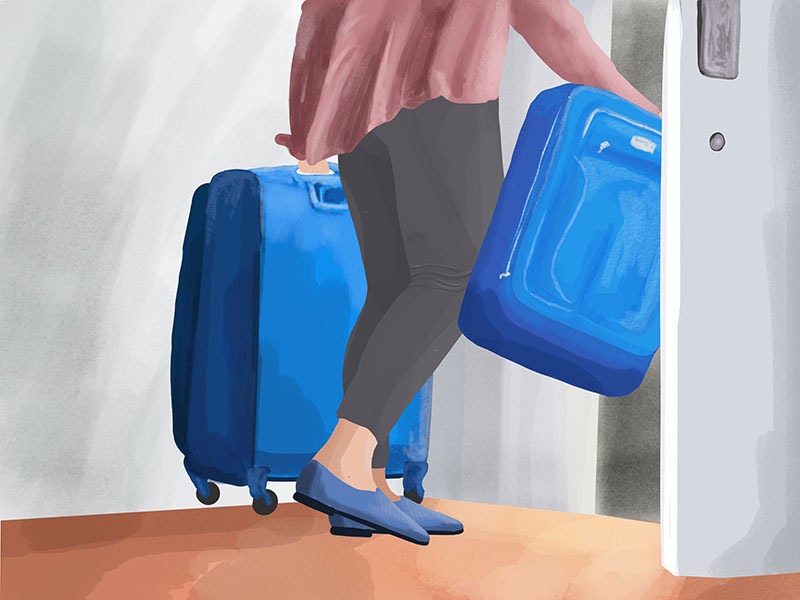
Beyond Resilience: Addressing Moral Distress During the COVID-19 Pandemic

Rachel Smith was deployed to Iraq as a nurse at the height of the war in 2003. When she returned to the States, she recognized she was changed by the war, but didn't speak to anyone about her experiences. She closed off that part of herself and began to question the purpose of her deployment. Rachel did not believe she had PTSD — she wasn't plagued by flashbacks or hypervigilance, but she did feel sad, guilty and helpless over what she experienced. She went on to become a physician assistant and pushed her memories of war to the back of her mind. In 2018, an article in STAT about people in healthcare suffering from moral injury went viral. “Rachel had never heard the term “moral injury” before”, and read this article several times – the concept resonated on a deep level, describing how she felt about both her military experience and her current struggles providing care in a broken system as a physician assistant. She felt a sense of freedom and relief to finally have the vocabulary to describe what she was feeling, and this gave her the starting point to begin processing what she had experienced.

Moral Distress

Right now, everywhere we look, there are articles, both popular and professional, about how to manage, cope and reduce stress. Mental health providers are dispatched to COVID treatment sites to help care providers with the crisis they are experiencing. Apps such as Calm or Headspace, which focus on self-care and breathing, have come into focus to help with the overwhelmingly stressful situations that frontline healthcare workers find themselves in. This is crucial and important primary prevention, but it is only a starting point, not a solution. The challenge is not only about handling acute trauma. The COVID experiences of healthcare workers are slow-moving and life-altering, with important moral features.

By the time healthcare workers finally visit a therapist’s office (for those who do), therapists need to be prepared for more than helping people manage acute anxiety and addressing trauma. They will need to recognize the vocabulary of moral distress and to have internalized its meaning.

Distress is not new to healthcare workers. It is part of their normal routine and work; they experience days where people are sick and cannot be cured, and witness pain, suffering and death. They expect this as part of their role and are accustomed to its happening and to witnessing it. They often feel a sense of privilege at being able to be there for people during these challenging moments of grief, pain and loss.

With COVID, there are unexpected experiences. People around COVID patients suffer, but the resources to which they are accustomed are simply not there. There is not enough equipment or staff. Patients are alone when they die. Healthcare workers may be charged with triage decisions that make them feel they are “playing God,” or they may be following protocols to make those life-or-death decisions that constrain them from making a different choice, resulting in feelings of powerlessness or self-blame. Furthermore, the lack of personal protective equipment or leadership support can result in feelings of anger or of being sacrificial, even disposable. Because of COVID’s unpredictable and devastating nature, “working in a healthcare role right now can lead to more helpless or sad feelings than usual, and potentially a questioning of purpose. When these feelings are associated with one’s belief that he or she is participating in moral wrongdoing, this is “moral distress.””

It is not too early for therapists to get a head start on learning about moral distress. This is what many healthcare workers will be experiencing. We can learn more, and professional organizations can educate their constituents to avoid the potential problems that can happen if we ignore this aspect of what is coming down the pike.

Another concept, “moral injury”, is typically discussed in the context of military populations who had field experiences where they perpetrated, failed to prevent, and/or bore witness to acts that were transgressive and that went against their deeply held moral beliefs. Although such events may additionally give rise to post-traumatic stress symptoms or disorder, moral injury is not a psychiatric disorder.

The concept of moral distress, on the other hand, first arose in the field of nursing literature and has now been discussed in relation to other healthcare professions. In general, the term moral distress has been used to describe one’s inability, due to perceived constraints, to fulfill the moral obligations that those in healing roles assume to others. As a result, one’s core values and duties are violated. Within the nursing profession, some uses of the term reflect experiences of working within traditional hierarchies of decision-making. For example, in some cases, nurses are certain of the right thing to do, but feel constrained to carry out physicians’ orders or abide by other policies which make it impossible to pursue the actions they feel are morally right. Others in healthcare, in addition to nurses, may experience constraints due to power differentials or other obstacles. When any healthcare worker is not certain about the rightness of an action (for example, taking someone off life support), the decision is morally hard as well, and deep distress can arise out of having to make these decisions. Allocation of resources in the healthcare setting can at times lead to problems with unsafe staffing, unsafe practices and sometimes subsequent codes of silence in speaking out or reporting mistakes. These factors may all contribute to moral distress.

“Like moral injury, moral distress is a not a psychiatric disorder”. It is a psychological experience or state, a response to situations that are morally challenging. It is a disorienting feeling, a way one might feel that what they are doing does not fit in with their role as a caregiver, a healer, a health professional. Importantly, moral distress not only occurs at the moment of the morally challenging situation, but can linger for an indefinite period of time after the initial triggering event passes. Those who experience moral distress can be impacted for some time. It is and will become increasingly important for psychotherapists to appreciate the complexities of working with clients experiencing moral distress.

Suggestions for Amelioration of Moral Distress

1. Our primary goal is not to “fix” moral distress. Not only is this impossible, it overlooks something important for the person. Instead, we need to help them integrate their experience into their life and see it as life-altering but not life-impairing, in some ways similar to how we work with other losses and death. Don’t tell someone that you are sure you know what will help. No one knows exactly. But say what you do know — that therapy can give one the opportunity to better understand one’s thoughts, feelings and behavior and to gain insight into our pasts and futures.

2. Early recognition is important. When someone seeks help acutely, we must help them with general wellness in body and mind, and also acknowledge that they may need to make sense of this entire experience later on. Some people may think they are depressed — and in some cases there will be clinical depression or other significant psychiatric symptoms — but there is risk in not also incorporating the concept of moral distress.

3. Be cautious about diagnosis. Don’t make assumptions or over-pathologize moral distress. Depression and PTSD are psychiatric conditions. Burnout is a constellation of symptoms that correlates with psychiatric illness. But moral distress might in some cases resonate better with patients who don’t feel distorted in their thinking, feeling or behavior. In fact, some people might experience the stresses during COVID and attribute their experiences to “doing their job” or an “occupational hazard” and not feel distress, instead coming for other reasons to therapy. The same experiences might cause deep, abiding distress in others. “For some, COVID may be amplifying something they already felt, while for others it is an entirely new set of feelings to contend with.”

4. Use what you already know. Don’t over-specialize the emotional states of moral distress on one hand, yet at the same time recognize the particulars of it as unprecedented. Sit with a patient to listen and understand what happened to them. Develop a narrative that makes sense by revisiting facts and experiences about moral events, particularly those that engendered shame, self-blame, sadness or anger; and ask what else they could have done in those moments or not, to help them move toward the future. This is different for every person and depends on their own individual values and priorities. They can adapt and incorporate what happened and move forward.

5. Use compassion. Bearing witness, being non-judgmental, sitting with intense feelings and acknowledging normal human reactions are important tools to keep the individual well and better able to handle the reactions and feelings they have.

6. All theoretical orientations are welcome. We all practice from different theoretical perspectives: psychodynamic, cognitive-behavioral, relational, mindfulness-based. All of these can be helpful. We also know how to ask people about experiences where they felt powerless, harmed, abandoned, mistreated, overwhelmed, or witnessed others’ suffering. But it is important we have language to discuss what we see, and that patients have some language to use as well. We do not need to be trauma specialists to provide excellent care to healthcare workers and others with moral distress coming to terms with how COVID has affected them.

7. Avoid saying “I know how you feel.” Psychotherapists can relate to some aspects of this. When healthcare systems put in place decisions we might otherwise not make, we may feel our efficacy is undermined by not being able to provide high quality or even adequate care. This can literally feel “demoralizing” to the individual. But here, it is important not to say you know what it is like to be trying to save someone dying from severe hypoxemia while others also need your attention, while at the same time being terrified of catching the virus. Instead, focus on reflecting and supporting, and encouraging people to debrief and connect with trusted colleagues who share their lived experience.

8. Make room for non COVID-related experiences as well. “Healthcare workers seeking help in the coming months are not only about COVID — their lives bring context”. Some may come for psychotherapy for the same reasons many others will — to deal with general worry, sadness, questions about life and relationships, even to seek care for mental health concerns that predate COVID — so we can’t make assumptions that all will experience moral distress.

9. Pursue Purpose and Meaning. Finally, it is important to recognize that our work is not only about making someone feel better, though this is important. But to address moral distress we also need to make room for meaning-making and cultivating the sense of purpose that brought people to healthcare in the first place. Rachel found this by moving into the field of patient safety and quality improvement in health care. At Ariadne Labs, she works on developing solutions to improving healthcare delivery. She is completing a doctorate in Public Health, which will give her the ability to improve the care of patients on a large scale. For some, being able to address the system and effect change in some way is very therapeutic, and attempts to change structures to prevent morally distressing situations in health care systems in the future can help people heal.

***
 

We need more understanding about what best “treats” moral distress across situations and people, and there is great need to invest in research. We need to ask people over time what helped them or would have helped them. But for now, at least, we psychotherapists have the tools we need to carefully listen to our patients affected by COVID and can avoid mistakes if we keep these concepts in mind in the coming months.