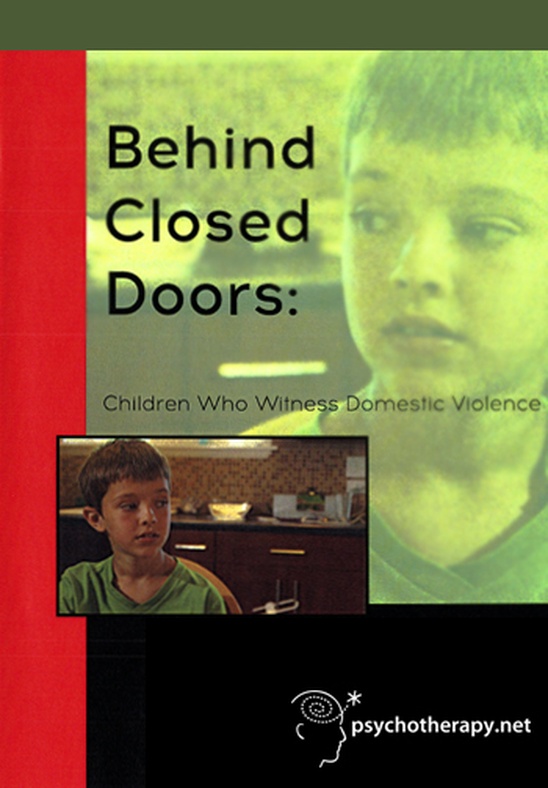
Domestic violence is a stressful, upsetting, frightening issue for any adult involved. But how does violence in the home affect children? Behind Closed Doors takes a closer look at the often taboo subject and clearly illustrates the different areas of a child’s life impacted by violence.
Behind Closed Doors is hosted by psychologist Sandra Wieland, who provides rich, clear clinical content throughout the video. Common domestic violence situations are reenacted, and Wieland explains the neurological, developmental, emotional, and social effects on children.
The video not only states the ways in which children are affected by violence, but provides thorough, scientific explanations of just how children’s brains and development are affected. Wieland teaches viewers the way the brain processes positive or negative experiences as early as infancy, and explains how babies learn to self-soothe from comforting interactions with the adults in their lives. And when children witness violence, it heightens their arousal system while causing their soothing systems to be underdeveloped.
The video also addresses several key aspects of domestic violence, including the effect it has on parents’ interaction with their children and how it changes children’s behavior. Wieland discusses the importance of parents’ emotional availability and how violence in the home interrupts this crucial piece in a child’s development.
Finally, Behind Closed Doors offers useful tools and techniques for helping children—and the entire family—through the healing process. Wieland recommends soothing activities such as music and walking for children dealing with the stress of domestic violence, and emphasizes the importance of communication with school staff as well as counseling for children and their parents.