Resolving Trauma in Psychotherapy: A Somatic Approach
$89.00

Looking to purchase for a business or organization?
Explore our solutions for universities and for practices.
Overview
Trauma overwhelms the nervous system and its effects can make traditional therapeutic approaches ineffective. In this online course featuring clinical demonstrations and discussions by Peter Levine, you’ll learn how to address trauma on a physiological level so clients can reclaim their lives and heal.
Therapists working in the area of trauma often either over-focus on thoughts and intellectual insights or compel clients to ‘re-live’ the traumatizing experience — approaches that are ineffective at healing trauma. With over four decades of research and clinical practice in stress and trauma, Somatic Experiencing® developer Peter Levine knows that true healing requires re-regulation of the nervous system. By both watching him in action with Ray, an Iraqi war veteran with PTSD and severe tic-like symptoms, and discussing his methods, you will learn how to help your own traumatized clients move from pain and hyperarousal to relief, control, and freedom to live more fully.
What’s Included
Because trauma overwhelms the nervous system, it can trap clients in a cycle of distress. This course equips you with tools to help clients regulate the nervous system, restore equilibrium and reclaim their bodies. Working over five sessions, Levine introduces several essential trauma resolution techniques that greatly improve Ray’s Tourette-like symptoms, as well as his overall pain and emotional outlook.
Peter Levine and Victor Yalom on Adding Somatic Techniques to Your Practice
- Why movement is an important therapeutic tool for helping clients process trauma
- How to cultivate your own interoceptive awareness and use that awareness to deepen your clinical work
- Two key techniques to use when working with intellectualized clients that create space for growth and healing
- How to use somatic resonance to strengthen the therapeutic bond and invite curiosity
- How to read interoceptive cues and use them to help clients feel positive emotions again
- Simple adaptations for using somatic techniques in online therapy
Introduction to Somatic Techniques for Resolving Trauma
- A key component of trauma that often leads to misattunement with clients and how to work around it
- How trauma impacts the body and why it can get stuck there, trapping clients in a state of hyperarousal
- A framework for assessing where clients are stuck and how to resolve these fixated physiological states
- How to assess a client’s readiness to process traumatic events and create a safe environment for your clinical work
Somatic Techniques for Resolving Trauma in Psychotherapy — Clinical Sessions
- Why your own clinical presence is crucial in establishing a sense of hope and equilibrium in your clients
- How to use temporal sequencing to address dissociation
- The relationship between autonomic regulation and emotional regulation and how to monitor autonomic self-regulation using interoceptive cues and client feedback
- How to use the principles of pendulation to foster hope and provide relief
- Somatic exercises that decentralize trauma and provide deeper resolution on both the psychological and physiological level
- Why letting clients explore pleasant, pre-trauma memories is an important step in processing trauma
- How to help clients identify meaningful aspects of their traumatic experiences they want to keep and how to use these memories to promote healing
- Five somatic exercises to help clients process rage, guilt and other difficult emotions
Resolving Trauma in Psychotherapy: A Somatic Approach — Debriefing
- Common mistakes therapists make when working with survivors of trauma and how to avoid them
- Why tracking physiological changes in clients is crucial for assessing readiness to work deeper
- Examples of physiological changes to look for in clients and what they commonly mean
- How to incorporate somatic techniques into any therapeutic modality or approach
About Somatic Experiencing®
Rooted in Stephen Porges’ Polyvagal theory, Levine’s directive, body-oriented techniques can help clients take back their bodies from trauma. It can be integrated into a wide range of therapeutic modalities and be used to treat all manner of trauma, including: Car accidents, surgeries, child abuse, experiences of violence, and natural disasters.
About the Experts
Peter A. Levine, PhD, is the developer of Somatic Experiencing© and founder of the Foundation for Human Enrichment. He teaches trainings in this work throughout the world and in various indigenous cultures. Levine is the author of the best-selling book Waking the Tiger : Healing Trauma : The Innate Capacity to Transform Overwhelming Experiences and he has recently co-published a comprehensive book on childhood trauma, Trauma Through a Child’s Eyes: Awakening the Ordinary Miracle of Healing as well as a guide for parents, Trauma-Proofing Your Kids: A Parents’ Guide for Instilling Confidence, Joy and Resilience. He is the recipient of the 2010 Lifetime Achievement Award from the the US Association of Body Psychotherapy.

Disclosures
General Disclosure
This Disclosure Statement has been designed to meet accreditation standards; Psychotherapy.net does its best to mitigate potential conflicts of interest and eliminate bias in all areas of content. Experts are compensated for their contributions to our training videos; while some of them have published works, the purchase of additional materials are not required for any Psychotherapy.net training. Each experts’ specific disclosures can be found in their biography.
Psychotherapy.net offers trainings for cost but has no financial or other relationships to disclose.
Therapist Disclosure
Peter Levine was compensated for his contribution to this course. None of his books or additional offerings are required for this course. Should such materials be referenced, it is only as additional resources.
Psychotherapy.net defines ineligible companies as those whose primary business is producing, marketing, selling, re-selling, or distributing healthcare products used by or on patients. There is no minimum financial threshold; individuals must disclose all financial relationships, regardless of the amount, with ineligible companies. We ask that all contributors disclose any and all financial relationships they have with any ineligible companies whether the individual views them as relevant to the education or not.
Additionally, there is no commercial support for this activity. None of the planners or any employee at Psychotherapy.net who has worked on this educational activity has relevant financial relationship(s) to disclose with ineligible companies.
Learning Objectives
- Create a therapeutic environment of relative safety
- Support the initial exploration and comfort with bodily sensations
- Appreciate the process of “Pendulation”, which encourages clients to come into contact with an intrinsic rhythm in their bodies
- Restore active and adaptive defensive response or protective reflexes
- Teach clients to work with one sensation or feeling at a time (“Titrate”), to avoid further overwhelming the nervous system and re-experiencing of the trauma
- Uncouple fear from immobility to help the client experience the physical sensations of immobility in the absence of fear
- Encourage the discharge of energy, allowing hyper-arousal states to be brought down to equilibrium
- Restore equilibrium and balance through self-regulation, so the client can experience a greater sense of goodness, hope, and empowerment
- Reorient clients to the here-and-now so they can engage with their environment, regulate themselves and return to feeling alive to the outside world
What you get in this course

Real Sessions
4+ hours of videos featuring Somatic Experiencing Founder, Peter Levine, PhD, conducting clinical sessions

Therapist Commentary
Thorough behind-the-scenes commentary to provide insight into Peter Levine’s therapeutic interventions

Bonus Resources
Downloadable resources provide additional training
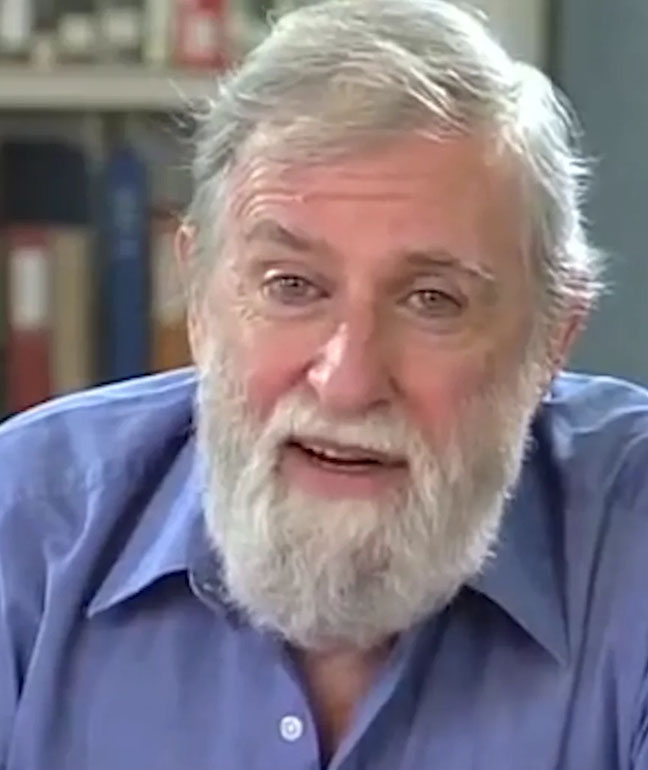
“Peter Levine teaches and exemplifies a wise, experienced and kindly approach to working with trauma survivors. He has a deep understanding of the impact of trauma in all its varieties and possesses a mastery of treatment techniques.”

“Levine’s knowledge of trauma and how it affects the body is amazing, and he uses it with precision to bring out the trauma and heal the body and mind. It is a respectful and powerful approach.”