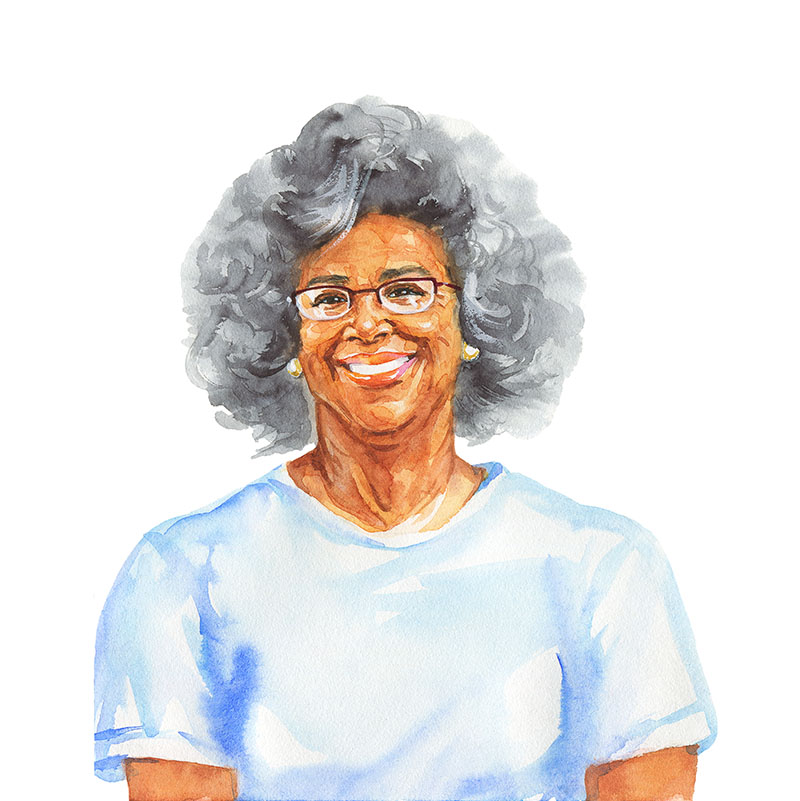
Working with older clients requires helping them address the challenges of retirement, whether it be of the “cliff” or “transition” variety.
Whose Exposure Is It, Anyway?

A therapist controls his own countertransference through an intriguing process of reverse exposure with response prevention.
The Subtle Art of Therapeutic Rudeness

In order to be optimally effective with clients, we must at times practice the art of intentional rudeness.
Existentialism and the Environmental Crisis: The Urgency of Meaning

Helping our clients express existential concerns, especially around climate change, may be key to their psychological survival.
On the Continuum of Real to Imagined Abandonment

A therapist’s personal struggles can provide a roadmap not only for their own growth, but for that of their clients.
Taking Care of My Own Mental Health

“Just saying no” can be crucial for the busy therapist who so often faces the specter of burnout.
Data Mining: The Brave New World of Mental Health

Psychotherapists need to appreciate who truly stands to benefit from psychiatric data-mining.
Thomas Insel on Science, Zip Code, and Future-Proofing Psychotherapy

Neuroscience has unlocked many mysteries about the nature of mental health and illness, says former NIMH chief Thomas Insel, but now must yield to effective psychological and social interventions.
Reclaiming Our Artistry, One Session at a Time

Seeing ourselves as artists is essential to transforming our clients and helping them find their voice.
Do Psychotherapists Need to Buy DSM-5-TR?

The newly-released DSM-5-TR will not enhance case formulation, treatment planning or psychotherapy intervention.