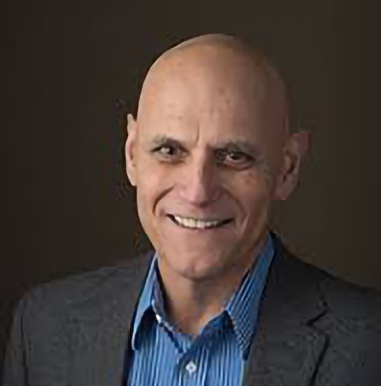
Nancy Haug on Psychedelic-Assisted Psychotherapy

Lawrence Rubin: Hi Nancy, thanks so much for joining us today. You are a professor in the department of psychology at Palo Alto University, and an adjunct clinical professor in the department of psychiatry and behavioral sciences at Stanford University School of Medicine. You have ongoing collaborations with and a teaching role in the Stanford Psychiatry Addiction Medicine Program, where your current research interests include implementation of evidence-based practices in addiction treatment, harm reduction for substance use, cannabis vaping, and psychedelic-assisted psychotherapy. Welcome!
Nancy A. Haug: I would add to that that I do have a small private practice where I treat clients, some for addictive disorders, but I am mostly a generalist.
LR: I didn’t know that you also have a private practice. Do you practice psychedelic assisted psychotherapy?
NH: I do a little bit of that work, but it’s a very small percentage of my clients, and it’s mostly limited to the preparation and integration phases of psychedelic therapy. I’m not doing any kind of administration of psychedelics in my office or in my practice. My clients will get that elsewhere. And then I’ll help them integrate the experience into therapy. We can get more into that later.I’d like to start by acknowledging the indigenous peoples and practices, because many psychedelics are derived from sacred plant medicines that have been used for millennia by many cultures. This isn’t something new, because much of the work we’re doing with psychedelics comes from thousands of years of cultural shamanic traditions.

Psychedelics as Medicine

LR: Thank you for that acknowledgment. I think it’s important that clinicians appreciate the broader cultural and historical context of psychedelic use.So, there are practitioners of psychedelic medicine, and there are practitioners of psychedelic assisted psychotherapy—two distinct but overlapping applications.
NH: Sure. I think the medicine piece would be more in the context of something like Ketamine treatment and/or the administration of psychedelics in a more medicalized setting. Clinical trials are being conducted right now that are looking specifically at psychedelics as medications. But as a psychologist, I’m more focused on the therapy piece which I really believe is an important component. It is about the way that psychedelics can be therapeutic for psychological healing.
LR: much of the work we’re doing with psychedelics comes from thousands of years of cultural shamanic traditionsSo, you might have a client presenting with symptoms of depression or anxiety or trauma going exclusively to a medical professional and receiving one of the psychedelics, but not necessarily being referred to a mental health professional for integration into therapy?
NH: Exactly.
LR: Is there a turf battle between medical and mental health practitioners in the realm of psychedelics over who gets ownership over their use? A battle in which psychotherapy is considered a diminutive form, and the integration of psychedelics into therapy as an encroachment of sorts?
NH: I believe that a lot of the providers of Ketamine treatment would support integration into psychotherapy as part of that workIt depends on who you talk to. We can certainly get into the differences between the various psychedelics, but at this point, there are many clinics where people can receive Ketamine infusions for various conditions that don’t involve psychotherapy. But I believe that a lot of the providers of Ketamine treatment would support integration into psychotherapy as part of that work. I actually work with a psychiatrist who runs a ketamine clinic, and he is always asking me if I’m taking referrals or if I can give him referrals to other therapists. He does have some therapists built into his clinic, but there’s not enough of them to meet the patient needs. So, I think there is recognition that the therapy component is helpful and that it can improve outcomes.
LR: Which chemicals are most often used in this line of research and intervention?
NH: Ketamine was used as an anesthetic in veterinary clinics and given to soldiers in Vietnam in the 1970s as a field anesthetic. It’s also been used off-label for the treatment of refractory depression and suicidality.The classic psychedelics are LSD, psilocybin, DMT, which is dimethyltryptamine, ayahuasca, and mescaline, which comes from the peyote cactus. Of the hallucinogens that have been studied and are in current trials, I would say psilocybin has probably been looked at the most. And then we have MDMA––ecstasy or Molly, methylenedioxymethamphetamine, which is a serotonin, dopamine, or epinephrine agonist, It’s sometimes called empathogen or enactogen, which produces a heightened sense of connectedness or openness. It’s characterized by the person becoming very empathetic and compassionate. MDMA has stimulant properties, but it’s different from classic psychedelics, which affect more perception, cognition, mood, and sense of self.
LR: if someone is going to do this work, it’s very important to be familiar with the different compounds, their effects, and what conditions they’ve been applied toI would think that mental health professionals would really need to know their way around pharmacology to venture into this realm of practice.
NH: I really agree that if someone is going to do this work, it’s very important to be familiar with the different compounds, their effects, and what conditions they’ve been applied to—just knowing the research. Most training programs for therapists who are interested in integrating psychedelics into their work will include the history of psychedelics, and then there’s always a psychopharmacology piece that is addressed. I don’t really endorse one or the other training programs, but I think most of the established ones are pretty good. Psychedelics are classified as Schedule I drugs by the FDA, meaning they do not have an accepted medical use.Some states, including Oregon and Colorado, have initiatives supporting psilocybin use in therapy, but they do require therapists to go through training programs. I think they get certified or licensed somehow as being psychedelic providers, which I think is a good thing—just to put some controls around it. And this isn’t just limited to psychologists. Anyone who’s a licensed therapist can do this work and can get training. That includes licensed marriage and family therapists, and clinical counselors.
LR: Is there a national certification that is available, or is it currently a state-by-state affair?
NH: Not that I’m aware of. I think a lot of the training programs developed in the context of clinical trials, and now pharmaceutical companies that are doing drug development, like Compass Therapeutics, have developed their own kind of training protocols for doing this work, and there are a few manuals, like Deliberate Practice in Psychedelic Assisted Therapy, which is one of the volumes in APA’s Essentials of Deliberate Practice series.

Integrating Psychedelics into Psychotherapy

LR: Is there a standard definition of psychedelic assisted psychotherapy?
NH: psychedelic medicine may or may not involve therapy as it’s more focused on the administration of the psychedelic. I do have a definition of psychedelic assisted psychotherapy that I like to use which I pulled together for a presentation with one of my colleagues. Psychedelic assisted psychotherapy is a clinical intervention that combines preparation, psychedelic administration, and integration of experiences to facilitate psychological healing in the context of a therapeutic environment.All of these pieces are important components of psychedelic assisted psychotherapy. There’s also an umbrella term called psychedelic medicine, which you’ll also hear a lot, and that I simply define as applications of psychedelics or hallucinogenic drugs to the treatment of psychological conditions or psychiatric disorders. Psychedelic medicine may or may not involve therapy as it’s more focused on the administration of the psychedelic drugs. But I know you wanted to talk about the therapy piece.
LR: Am I correct in assuming that there are randomized controlled trial studies comparing psychological treatment with Ketamine alone and psychotherapy with a psychedelic?
NH: We’re still in the early stages of this work. There was a review paper that came out recently looking at the different types of therapy that have been implemented, but there’s not a gold standard at this point.
LR: if I’m going to do this work, I’m working closely with a physician or a psychiatrist who’s administering the medication in a controlled settingWould a psychologist need prescription privileges if they wanted to use psychedelics independent of a licensed physician?
NH: I don’t think that would really be part of our domain as psychologists. Our role is to provide the therapy! It’s important to work with other providers, so if I’m going to do this work, I’m working closely with a physician or a psychiatrist who’s administering the medication in a controlled setting. There is a treatment model where the patient will be prescribed sublingual Ketamine lozenges that they can take at home and then work with a psychologist or licensed clinician to do the therapy.
LR: I don’t know anything about half-lives of the various psychedelics, but must the client be in an active substance-induced state, and how do you know if they are?
NH: I think again it depends on which psychedelic medicine and on the particular model of treatment. With the IV Ketamine infusion, the person typically isn’t conscious, so you couldn’t really be doing the therapy while they’re under the influence. But you could afterwards, because there’s research suggesting that because of the brain’s plasticity after psychedelics, the patient may be more receptive to therapy within 24 to 48 hours after they’ve ingested the medication.Like I said, we really don’t have a gold standard. And I think there’s been some challenges in disentangling the effects of the psychedelic drugs from the therapy itself. Some trials have tried to incorporate evidence-based treatments like Cognitive Behavioral Therapy or Acceptance and Commitment Therapy. There is some evidence that this might promote better clinical outcomes. I think ACT specifically, and mindfulness therapies lend themselves really well as interventions because of the psychic or psychological flexibility that they target. So, combining that with the psychedelic might create synergistic effects. But again, we haven’t standardized it, so it’s really hard to even compare across studies. You asked earlier what I thought the mechanism of action was, so I did want to say that we really think that it’s a result of the interaction between the medicine, the therapeutic setting, and the mindset of the participant. People might take psychedelics like ecstasy at a rave, or mushrooms at a festival; but that doesn’t necessarily lead to them being cured of their trauma or depression. Because it’s a different setting that is not necessarily a therapeutic context, they don’t have a guide with them really exploring underlying processes. We really want to help the patient become clear about their intention, such as addressing their fixed beliefs or getting more in touch with certain emotions. The therapy can help loosen some of that up, which will allow for greater flexibility.
LR: there’s been some challenges in disentangling the effects of the psychedelic drugs from the therapy itselfWhat do you hope to tap into or capitalize on when applying psychedelic assisted psychotherapy?
NH: I think it’s different for each patient and depends on what they are coming in with. Are they coming in with an unresolved trauma? Are they coming in with existential depression? I try to determine where they’re stuck and what it is that they’re trying to get insight about. And if they have cognitive expectancies, which refers to what they expect might happen during the psychedelic experience, or their mindset. And that does require some preparation work.One of the things I would want to be clear about with my patients is what they are looking for and not overselling this therapy as a magic bullet or that they’re going to be cured of their depression. That’s not how it works, and so I would actually be hesitant to do this work with someone who came with the notion that psychedelic therapy is the end all, be all, and that they’re going to be fixed. That’s probably not going to be helpful for them. I might even want to temper those expectations by providing a more realistic picture of what could happen, which starts to get into some of the ethical issues around this, particularly with informed consent, because we don’t know what’s going to happen. How do we obtain informed consent when we can’t even explain the psychedelic experience? I can’t tell what’s going to come up, and sometimes there are even personality changes where the person becomes more open or has altered metaphysical beliefs. So, it’s important to provide a lot of education and information about what could happen, including some of the subjective effects. There are just so many possible outcomes.
LR: one of the things I would want to be clear about with my patients is what they are looking for and not overselling this therapy as a magic bulletIs there any solid research about how the brain actually changes under the influence of psychedelics that make it easier for the clinician to access conflicts, or to get through resistance, or for the clinician to more directly intervene on a particular issue? In other words, is there anything proven about what happens in the brain that allows for that?
NH: Absolutely. Psychedelics enhance neural plasticity. One model that’s been put forth is the REBUS model by Robin Carhart-Harris, which is about relaxed beliefs under psychedelics. The idea is that the psychedelics relax what they call priors, or prior beliefs, or assumptions to allow bottom-up processing in which information flows more freely, where the mind can really open. Psychedelics have also been referred to as “disruptive psychopharmacology” because they disrupt boundaries among brain networks, allowing for greater communication across the whole brain.Psychedelics are also considered nonspecific amplifiers of human experience. In other words, whatever the person is going into the experience with – their particular mindset and setting – is going to be amplified during the psychedelic-induced state of consciousness.
LR: one model that’s been put forth is the REBUS model by Robin Carhart-Harris, which is about relaxed beliefs under psychedelicsHave there been any randomized controlled trial studies involving the use of placebos?
NH: It’s really hard to come up with a placebo that is comparable to psychedelics because people usually know when they’ve been given a placebo. That’s actually been one of the most difficult pieces of doing this research is that we can’t actually blind people. I know with some of the Ketamine studies they’ve tried to use Midazolam, which is a benzodiazepine. Usually, people know the difference.
LR: Circling back a bit; you mentioned that ACT lends itself particularly well to psychedelic integration.
NH: I think that because ACT emphasizes mindfulness, anything–psychedelics in this instance– that allows for fuller contact in the present moment, can help the client more fully and deeply navigate the therapeutic experience including any states that may arise. As another example, I believe they’ve used Internal Family Systems model in the MAPS (Multidisciplinary Association for Psychedelic Studies) trainings; and while I’m not trained in IFS, some people report that it’s useful because it helps the person look at different parts of themselves that they might not otherwise.In general, I would say that the therapy that occurs while the person is under the influence of the psychedelic tends to be more nondirective. In this context, the clinician and the client can respond in the moment to what is coming up. If the clinician is using a somatic tool or some other type of cognitive reprocessing, you don’t want to try to direct them in a particular way. It is important that the client’s inner wisdom, rather than the clinician or any particular technique, be the guide.
LR: it is important that the client’s inner wisdom, rather than the clinician or any particular technique, be the guideYou describe the presence of the psychedelic drug or experience as a co-therapist; a therapeutic ally or resource. The disinhibiting or loosening helps the person to get more in touch with their somatic experience. Whatever intervention you use may be enhanced, accelerated, or deepened. So, the therapist is a facilitator or guide.
NH: Exactly! You’re a facilitator or guide. In the MDMA trials through the MAPS program, they actually have two therapists, male and female. They have various reasons for doing it that way, one of which is perhaps to facilitate projection that could take place as the client reflects on their relational experiences. But it gets very expensive to have two therapists in the room for eight hours doing this work. I’m not sure how they could scale that.
LR: we have a lot of evidence that MDMA really does work with veterans who have been in combat; but also with survivors of sexual abuse and traumaYou mentioned that Ketamine has been successfully used for clients with depression. Do you have a sense of what the mechanism of action is in this case as well as with PTSD?
NH: Typically, MDMA is going to be the psychedelic of choice for PTSD. My understanding is that it promotes emotional processing, and reprocessing of the memories in a way that the person feels safe, less threatened by the memories or the images which allows to experience a deeper contact with those emotions or memories so can work through them.We have a lot of evidence that MDMA really does work with veterans who have been in combat; but also with survivors of sexual abuse and trauma. MDMA was recently reviewed for approval by the FDA but was rejected for various reasons including lack of supportive research. It’s hard to quantify and standardize psychedelic therapy, and since the FDA is not in the business of approving therapies, more research will have to be done. I do know that this outcome was very disappointing to the psychedelic community because we’ve been working hard at this for a long time and thought there was sufficient evidence, especially with PTSD, where clients with PTSD improve more with MDMA than with other behavioral therapies.
LR: I’ve seen an acceleration in progress for those clients who try psychedelic therapiesSince you spoke earlier about the role of client expectancy in treatment outcome, I’m wondering if you’ve noticed a difference in your own therapeutic presence or expectancy when doing psychedelic assisted therapy?
NH: I think I am more optimistic because I’ve seen clients who’ve really benefited from this work. I am hopeful that they will have breakthroughs because I’ve seen an acceleration in progress for those clients who try psychedelic therapies. They kind of get to the heart of their issues and dig into the meat of where they’re stuck a lot faster than they would with regular psychotherapy. I try to go in without any expectations and just let it unfold like I have no idea what’s going to happen.
LR: There’s so much research these days comparing the efficacy of various therapies, but I wonder how much emphasis you place on the role of the relationship in therapy outcome, especially when psychedelics enter the frame? Are you a technique-oriented person or relationship-oriented person, if such a simple binary even makes sense?
NH: I think I would call myself both, but it’s a really interesting question. I recently had an expert speaker come into my class to talk about CBT for addiction. He was talking about how we have all of these branded therapies, but that all good therapy really comes down to common factors and the therapeutic alliance. We need to foster a sense of safety and trust with clients, irrespective of intervention. In using psychedelics, a lot of fear can emerge, so they really need that safe space, which is where the therapeutic relationship becomes all the more important.

A Few Challenging Issues

LR: I’d like to circle back to the beginning of our conversation where you mentioned the importance of psychedelics with indigenous cultures. I don’t know the extent to which indigenous people reach out to traditional [white] therapists, but is there research on the use of psychedelic assisted psychotherapy within specific cultures?
NH: I don’t know that we’ve done enough of this. There’s a movement to try to be more inclusive, particularly in developing our approaches by consulting with indigenous communities. MAPS was doing some training to be more inclusive of therapists and clients of color. There was a paper published suggesting there are very few therapists of color or researchers in the field who are doing this work, so there’s definitely a need for more of this. We do know that MDMA and other psychedelics can be helpful for racialized trauma. Monnica Williams has done some of this important work.I have a student who did a dissertation on this topic where she interviewed clinicians in the community who were administering psychedelic assisted therapy. She asked them about motivations and workplace values in serving diverse communities. She had therapists of color and from marginalized groups, including one indigenous therapist. It was a qualitative study, and she had some interesting findings around the values that were being incorporated into their training, their identities, and then in their work with clients, and how countertransference reactions came into play. We definitely need to do more of this kind of research and perhaps even studies that look at therapy performed by clinicians who are given the option to use psychedelics like Ketamine so they can understand what the experience is like, although there would be challenging legal parameters there, especially around some of the Schedule I psychedelics.
LR: we do know that MDMA and other psychedelics can be helpful for racialized traumaAre there any counter indications for the use of psychedelics in psychotherapy?
NH: Absolutely! I would say clients who experience depersonalization, derealization, and intense existential struggles. There can be personality changes and long-term negative effects. I think it’s a small percentage, but there’s always a risk. I would say the same risks you would have with other medications and with therapy, right? There’s a percentage of people that can be harmed in some way, or for whom it can make their symptoms worse. It’s not going to be a positive experience for everyone.I think particularly along the lines of existential struggles. Some people might even encounter a higher consciousness or spiritual or mystical experiences that they weren’t expecting which can be disturbing. A person’s outlook on the world can change or they can wind up with a totally different perspective. For some people, that can be helpful, especially around end of life anxiety, where they can begin to feel more connected and safer around their own death. But sometimes, people can feel like they’ve died when using psychedelics, and that can be very unsettling. It can take a long time to integrate these kinds of experiences and to process things they didn’t necessarily want to see.
LR: some people might even encounter a higher consciousness or spiritual or mystical experiences that they weren’t expecting which can be disturbingSort of seeing someone for good old cognitive behavioral therapy and ending up at some existential cliff, looking at an abyss that they didn’t anticipate.
NH: Exactly! There’s another model I wanted to mention called the FIBUS model, or the False Insights and Beliefs Under Psychedelics. We know that psychedelics can promote therapeutic insights, but a person may experience misleading beliefs and insights that feel like they’re profound and true but might actually not be. So, one role of a therapist would be to help guide them in distinguishing what’s helpful, what’s harmful, what’s real, and what’s not.
LR: In that vein, I can see that psychedelics might not be useful with clients experiencing dissociative disorders, delusions, or cognitive impairment where they can’t rely on their own cognitive processing.
NH: Right, right! So, this isn’t for everybody. I think the clinical trials have done a really good job screening people by using strict inclusion and exclusion criteria. But in clinical practice, we could do a better job at looking at who might and who might not benefit from this, such as a person with a history of serious mental illness like schizophrenia or bipolar disorder.
LR: Are there any particular resources that you would direct readers to if they wanted to learn more about psychedelic assisted psychotherapy.
NH: There are some professional practice guidelines for psychedelic assisted therapy, like the American Psychedelic Practitioners Association and the Ketamine Research Foundation. There was also a paper published on ethical guidelines for Ketamine clinicians. I know the VA provides Ketamine therapy for treatment resistant depression in some of the Ketamine clinics they’ve set up where they have established protocols. Yale University has a program for psychedelic science and published an article on the use of ACT with psychedelics. But, I would say the training piece is always of critical importance.
LR: many of my students come into the program really clear that they want to be psyche


Re-Directing Clinical Passion: Benefits and Pitfalls

“I want to help people!”

This is a desire that motivates all therapists in one form or another. Through direct service, we therapists help one individual, one couple, one family, and one group at a time. Depending on our caseload at any given moment, that adds up to a relatively small number compared to the number of people in our geographic region. We may also help people indirectly through teaching, supervising, writing, and consulting. These activities may help larger numbers of people, although we are less likely to see the fruits of our labors.

Like what you are reading? For more stimulating stories, thought-provoking articles and new video announcements, sign up for our monthly newsletter.

Helping People on a Larger Scale

Through a series of chance circumstances, I had the opportunity to help, potentially, a much larger number of people. After being certified in hypnosis in 1997, I became interested in the growing academic psychological literature on virtual reality (VR). I noticed that hypnosis and VR have a number of elements in common, with both experiences giving access to alternative realities and both experiences feeling “real.”

While I was collaborating on research using VR, George Zimmerman was acquitted of Trayvon Martin’s murder. When some people responded to Black Lives Matter with “white lives matter” or “all lives matter,” I thought these comments reflected a profound lack of understanding of the lived experience of being Black in the U.S. (not that I presume to know the lived experience). I had the idea that VR could be used to help individuals understand the lived experiences of people different from themselves. I began discussing this idea with colleagues and others, offering my idea for others to do good in the world and to help people, if the idea was viable. To my surprise, a venture capitalist offered me enough money to do a proof-of-concept study to see whether the idea worked. I was thrilled. My hope was that if the data came out the way I hoped it would that I could make a difference on a bigger scale.

The study results were very promising and the reactions from participants were equally positive; we were able to change participants’ attitudes and deeply affect them so that they were more aware of how their biases affected others and were motivated and had new learning to treat people different from themselves more respectfully. These results left me facing a difficult choice. Should I close my practice and go full-time into the unchartered waters of building a company to provide this service as workplace training and the opportunity to make a difference on this scale, or let go of the idea and keep my practice open?

Values “High”

The opportunity to have a much bigger impact was enticing. In the language of Acceptance and Commitment Therapy (ACT), building a company to upskill employees for respectful and inclusive behavior, and making an impact on a large scale would be a values rush or high. How could I not choose to build the company?

If you’ve known entrepreneurs or start-up employees through your practice or personally, you know that startups are an emotional roller coaster. I’d seen it firsthand with clients and family members but living it myself was a different story. Yet I felt it was all worthwhile. What we were building was powerful and could help employees treat each other more inclusively. It felt like I was on a mission in a way I’d never experienced in my professional life.

The Downs

Right as we were about to launch the company to the public and start selling our program, COVID hit, with quarantines instituted for an unknown length of time. Work for most people moved from the office to the home. We struggled to adapt and survive. We figured out how to provide the VR experience so people could access it from home without a dedicated VR headset.

As we tried to sell our product to HR and DEI (diversity, equity, & inclusion) leaders, we found ourselves competing with higher priorities – companies were trying to address work fires about COVID-related remote work, as well as the murders of George Floyd, Ahmaud Arbery and Brionna Taylor and how these deaths affected employees. In the end, we didn’t get the traction that I’d hoped for.

The Values Crash

As the company’s money was running low and not enough was coming in, it was heartbreaking for me to realize that three years of work (and no income) would not come to fruition. Instead of a values rush, it was a values crash. In building the company, I’d felt a thrumming sense of purpose driven by the opportunity to influence many people on a deeper level. Now, I was looking at a return to doing clinical work, helping one individual, one couple at a time. I still loved my clinical work when I had left it behind three years earlier but returning to it felt like a let-down.

To me, to use a drug analogy, it was like going from a cocaine high to drinking weak tea. A bit of caffeine just didn’t cut it. I spent weeks, months, in a funk, doing an ACT values worksheet and felt that I had no values—at least not ones to which I wanted to take committed action. The fact that COVID continued to restrict life around me probably didn’t help my outlook. I knew I was grieving, but that knowledge only took me so far. I set a date for myself: come January, I’d start letting people know I was re-opening my practice.

In January, though, I was still struggling to find values and meaning in clinical work. Don’t get me wrong. I like doing clinical work and feel I’m generally helpful to people. But running a company was like directing a musical production with a full orchestra, while working directly with clients was like directing an intimate one-or-two-person show. Each activity is rewarding, but in different ways.

Talking with friends and family helped. Time helped. And getting intellectually stimulated about clinical work helped. I am someone who likes to do a deep dive into training and to learn a new set of skills or approach every few years. Three professional opportunities helped get me really excited about returning to clinical work.

Acceptance and Commitment Therapy
I had it in my sights to get more training in ACT, an approach to therapy that, in part, helps people articulate and then “live” their values. It seemed an apt fit, given my values crash. I had the good fortune to be accepted into an ACT peer consultation training group with experienced clinicians. This wonderful group of clinicians and the training spurred me to think about my eclectic approach in a deeper way. I became excited to use the ACT approach and techniques with clients.

Discernment Counseling
I also had the good fortune to watch videos of Bill Doherty, Ph.D. doing Discernment Counseling with a couple. Discernment Counseling is a specific modality for couples in which one or both spouses are considering divorce. The goal is to help the couple get clarity and confidence in the path they’d like to take their relationship. I’d received this training before starting my company but stopped when I closed my practice. What an honor to learn from him! The videos left me re-engaged and eager to see more couples for discernment counseling.

Ethical Lives of Clients
The third professional opportunity was hearing Bill Doherty speak about his recent book, which focuses on the ethical lives of clients that we, as therapists trained in an individualist culture, may not see or address. Reading his book and discussing his ideas with colleagues brought my systems training closer to the forefront, leading me to think more deeply about the ethical dilemmas our clients face that they may or may not see, and how to raise those issues.

Value Reflection

Although there are things I’d have done differently with my company, I’m proud of the work we did, and of what I learned. I know enough about the failure rate of startups to know that I’m in good company with the failure of my company.

I’m also thankful that I had the opportunity to re-find and re-commit to the values that initially led me to become a clinical psychologist and psychotherapist. It’s exciting to be re-energized by the work as well as intellectually stimulated. 

Useful References

Virtual Superheroes: Using Superpowers in Virtual Reality to Encourage Prosocial Behavior

Using Virtual Reality to Encourage Prosocial Behavior

VR for Civility Training: Envisioning a More Respectful Workplace  

Spencer Niles on the Latest Developments in Career Counseling

There's Got to Be a Better Way

Greg Arnold: Spencer Niles, you’re an expert in the arena of career counseling and are the star of our new video, Career Counseling in Action: Tools & Techniques. You currently serve as dean of the school of education at William and Mary, after many years on faculty at Penn State. Have you been focused on career counseling throughout your career?
Spencer Niles: Career counseling has pretty much been my gig for the last several decades. It’s what captured my focused interest, and I’ve been surprised at how my interest in it has stayed with me all these years.
GA: You thought it was a phase?
SN: Yea, I thought it was a phase. And maybe it is a phase, a very long phase. But I’ll tell you what happened with me.

GA: How did you get interested in career counseling in the first place?
SN: Well, my first graduate school experience was at a very liberal protestant theological seminary that was very much focused on social justice and social action.
GA: Wonderful.
SN: Theology was a great way for understanding how people make sense of the things that happen to them in life. And I still believe that’s true, but working in a religious institutional setting wasn’t quite right for me. It was way too restrictive and not inclusive enough, so I decided to go get some career counseling for myself. I was about twenty-three at the time.

Somebody referred me to this career counseling center, which was actually a vocational assessment center, they weren’t actually doing career counseling as it turned out, but they called themselves that. I was living in Rochester, New York, and it was in Lancaster, Pennsylvania, so I called them and they said they could work with me for a fee of $600.

At the time I had dropped out of graduate school and was substitute teaching in Rochester city schools and working in a gas station kiosk collecting money from people after they pumped gas. That was my life at that point. Just barely getting by and kind of desperate.

A standardized assessment arrived in the mail, and I filled out the bubble sheets, sent them in, and then about six weeks later, drove down to Lancaster, Pennsylvania where this assessment center was and had a series of meetings over several hours, culminating in a meeting with the sort of lead person in this center. $600 was more than a couple of weeks income for me. I was really desperate.
GA: Sure, that’s a chunk of change even by today’s standards.
SN: I was living in a house with about four other people in a little room, having pop-tarts for breakfast and on a good night, a TV dinner for supper.

But I’ll never forget walking into this guy’s office. He had an impressive office, a nice big mahogany desk and he sat on his side of the desk and I sat on my side of the desk, and he proceeded to debrief me and go over the assessment results.

I remember him saying, “If you do anything in psychology, make sure it’s clinical psychology—don't think about counseling psychology, clinical psychology is where it’s at.” But he honed in on speech therapy for some reason. At one point, he asked me a question and I turned to my left to think about it, looked out the window. It could only have been a few seconds, but when I turned back to answer, he had fallen asleep! And I think “oh shit, what the hell do I do now?”
My self-esteem at that point wasn’t all that great, and now I had managed to put my career counselor to sleep. That’s how boring I was.

Luckily, he woke himself up and went on with the interview, but I was too meek and insecure to say anything to him, so I just pretended nothing happened. And that was it. I left there thinking, “There’s got to be a better way to do this.”
GA: I would hope so! Besides him falling asleep, which is an obvious empathic failure, what else went wrong with that scenario?
SN: Well, to begin with, they used this very rigid, narrow set of assessments that had nothing to do with me. They were just generic questions with no tailoring whatsoever, which was the norm at that time. This very dry, routinized, mechanical directive process.
GA: Impersonal, disconnected.
SN: And the active/passive, expert/novice dichotomies that get set up that are not very empowering.
The truth is that there’s no assessment in the world that can tell you what you should do. It just doesn’t exist.
The truth is that there’s no assessment in the world that can tell you what you should do. It just doesn’t exist. There’s an illusion of precision with these assessments. We pretend that they have more power than they really do. So I’m not a big fan of that style of intervention at all. It’s grounded in my own experience.

The Psychology of Possession

GA: Your style is actually quite personal in the video we’re releasing this month. Can you explain how your approach differs from this old-school style and how you’ve refined it over the decades?
SN: Well, first of all, we start with the belief that there are few things more personal than a career choice and we link career development with human development. We’ve often treated it as if it were isolated from human development rather than a key component of human development.

If we think about setting it in a context of developmental competencies, for instance, then we look at how careers unfold across the lifespan. It wasn’t until the 1950’s when theories that were more developmental in their orientation began to emerge in the work of people like Donald Super, who is a very well-known vocational psychologist who used a developmental perspective. He was on the faculty at Columbia for years and I was part of his research team toward the latter part of his life. It was people like Super that began to say we have to look at longitudinal expressions of career behavior. We can’t look at it as a single-point-in-time event.

For too long the focus on career intervention has relied upon the psychology of possession. What do you possess relative to specific traits that are relevant for career orientation, career decision-making, career planning, etc, relative to a normal curve. So what that guy who fell asleep was doing was looking at the percentile ranking of my aptitude test results and deciding for me what the implications of those ranking were for my career possibilities.

But most of us do not think of ourselves as locations on a normal curve. Nor are we static in our capacities. A psychology of possession focuses on how much we possess of certain traits and qualities, and what our probability for success is relative to others on the curve in particular occupational fields.
GA: Which, as you say, is a very static way of looking at people.
SN: And what it ignores is the psychology of use. How do I use those traits, those qualities, those experiences I’ve had in my life and how do I translate those qualities and those experiences into meaning and purpose?

Now I’ve been interested in career development since about 1980, and I still love it. It hasn’t died. Why the heck is that? There are times I kind of reflect upon that and I think why do I love this stuff so much?

Getting Out of Our Predicaments

GA: Yeah, why do you love it so much?
SN: Many people would say it’s very boring and they don't want to have much to do with. But most people are thinking of an anachronistic version of career counseling when they think that. It’s very exciting work.

In response to your question of how my model is different and more personal, I use an Adlerian-based model that hypothesizes that we’ve all had particular experiences in our lives that capture our attention. And when it comes to our careers, often what captures our attention are the things that happen to us early in life, and more than that, it’s events that were painful. These painful early events create predicaments for us in our lives. And at whatever level, we seek ways out of our predicaments in living.

We seek to make meaning, to turn an early life pre-occupation to a later life occupation, to hopefully make a social contribution.
We seek to make meaning, to turn an early life pre-occupation to a later life occupation, to hopefully make a social contribution. In that process what we do, even at a very subconscious level, is identify role models. Heroes, heroines—real or fictional characters that we see as guiding the way for us out of our life predicaments. As people who have actively mastered what we are passively suffering.

So if you identify an early life hero, heroine, role model, however one wants to frame it, we’d ask the question, what is it about that person that attracts you? In what ways are you like that role model today? What are the solutions you think that role model offered you, given your early life predicaments?

I remember when I was five or six years old—so this was about 1960—my mother calling my sisters and me together to tell us that she was going to get a divorce. I didn’t even know what the word meant, but my sisters immediately started crying and my mother was crying so I knew it wasn’t good.

From that day through the next ten years or so, my life was really turned upside-down. My family was split apart, we moved every couple of years. I went with my mother, one sister went with my father and my other sister kind of went back and forth. In that period in history, no one talked about this stuff. It was a source of shame.
GA: I can only imagine.
SN: So I repressed a lot of that experience, but I remember early on wondering how people make sense of this kind of stuff when it happens to them. It was part of the reason I decided to go to graduate school in theology, to find out how people make sense of their life experiences, their purpose, their vocation. And then when I had the experience of my own career counseling and then eventually took a career counseling course, there it was.
GA: Your own vocation.
SN: Career development ultimately speaks to these questions of meaning and vocation. How do people make meaning out of their life experiences and translate that meaning into a direction, into an activity that they find meaningful and purposeful?
GA: When you couch it in those terms, it’s anything but boring. The person seeking career development is an agent in the act of self-expression, of working through their personal journey that started with these childhood experiences, and they’re informed by heroes. It’s an incredibly significant part of their health and their journey to self-insight and working through their childhood experiences.

Your path reminds me a bit of Carl Rogers, who was initially called to theology, and also Brad Strawn, whom I interviewed recently for psychotherapy.net. He had a similar attraction to theology and the way it can inform our lives and similar frustrations about what theology couldn’t provide that psychology could.

It’s exciting to hear you speak about career counseling in this holistic way. I have to admit I had conceived of career counseling as kind of boring before diving into your work. But I was wrong. In retrospect I don’t think it was boredom as much as a kind of learned helplessness, or this sense that of all the ways we can help people, helping them find the right job feels kind of hopeless to me, and we’re the bringers of hope. It’s just so hard and so informed by factors out of our control. What would you say to counselors who think of it in these hopeless terms?
SN: It makes sense that you would have felt the way given the objectifying way we usually think of careers. As if it’s about getting or possessing certain skills so that you can get some kind of occupational title.

How do people make meaning out of their life experiences and translate that meaning into a direction, into an activity that they find meaningful and purposeful?
What matters much more are the subjective experiences you have in living your life, where and how do you derive meaning and purpose and where have you been struggling to overcome that sense of hopelessness. We need to make the implicit much more explicit. We need to help our clients articulate those kinds of experiences in which they find that kind of meaning.

There’s no test that will help you identify those things, but what I can do is collaborate with you to find it. I can walk with you on that journey of clarification and articulation of how you find meaning out of the very personal things that have happened to you. But ultimately I’m bringing the same skills to career counseling as any good therapist does to therapy. All those competencies that are essential to effective psychotherapy are essential to effective career counseling.

So You Want to Be a Professional Guitarist…

GA: Is there anything over and above that or is it just using the same common factors that apply to any good therapy?
SN: It’s the common factors of good therapy with a focus on helping people make informed decisions about their career changes and choices. For example, if I were to tell you I wanted to be a professional guitarist—and I kind of do, actually—
GA: Me too!
SN: Here’s the problem though.
I didn’t start playing the guitar at all until I was fifty. And I am bad. I don’t lack for enthusiasm, but I do lack for talent.
I didn’t start playing the guitar at all until I was fifty. And I am bad. I don’t lack for enthusiasm, but I do lack for talent. I love to listen to a great guitarist, I love to play my major chords and every once in a while maybe a little bit of a minor chord or a bar chord thrown in there, but that’s about it. It’s never going to happen.

At one level, it’s important for me to have some clarity about that, but I don’t want you as my career counselor to tell me it’s not going to happen. You might ask questions about the probability of that given my competency level. And I might say, as the client, “I hear you, Greg, but this is my passion.” And you’d start to dive into that with me. What is it within that activity that you really resonate with? Is it truly just knowing where a particular note is, or the shape of a particular chord, or is it something deeper than that? Is it more about your creativity? The emphasis in that process is about clarifying and articulating that passion.
GA: Beautiful.
SN: You’ll table the goal for a bit in favor of helping me describe and name the contours of that passion. You’d encourage me not only to come up with real occupational titles, but to make some up, expand the list, really let my imagination run wild.

The process of identifying the passion allows us to connect to our passion and then to look for opportunities that will elicit that passion. We in the West are lousy at really owning the fact that when people are busy making a living, they’re busy living a life.
GA: What do you mean by that?
SN: I don't know of any occupational nirvanas. We create these false expectations for work. I think what is really important is identifying possibilities that allow us to create a life structure that we find meaningful and purposeful. One of the specialities that I’ve worked with over the years that is so effective at ignoring this is lawyers.
GA: How so?
SN: Lawyers, especially new lawyers, if they are doing their job well, they’re probably working a hell of a lot of hours each week. What happens to the rest of your life? Law is an occupation that has among the highest turnover and dissatisfaction rates.
GA: I’m not surprised.
SN:
People simply ignore the fact that work is also life; it doesn’t happen in an isolated, compartmentalized silo.
People simply ignore the fact that work is also life; it doesn’t happen in an isolated, compartmentalized silo. Work happens within a context, and if the context in which it happens doesn’t allow you to express the life-structure that you find meaningful and purposeful, then life’s not going to be good. It’s not going to last long—or if it does, you may end up compensating in ways that are highly dysfunctional.

So we ask, how does this purposeful goal that you might articulate based upon your meaning and passion feed into a life-structure that you would prefer living?

So if you’re a parent, how do you effectively parent if you work sixty hours a week? It might be possible, but I have to say that those times when I’ve worked like that, I probably was much less effective as a dad. And if I had the chance to do it over, I wouldn’t do it again that way. That’s just me.

"Positive" Addiction

GA: That’s a powerful realization.
SN: I wasn’t aware of the tradeoffs as clearly as I should have been. And of course this gets into positive addiction. We get positively reinforced for being workaholics. We get positively reinforced for achieving in our professions at a high level.
GA: Absolutely.
SN: And that’s OK, as long as we make informed, conscious decisions and we’re aware that it comes at a cost. Maybe it’s a tradeoff that we’re just fine making, but we want to be aware of it.
GA: So what you’re saying is that in the West—at least until recently—we were led to believe that we could find the “perfect” job through these assessments that looked only at static traits and matched us based on some normed statistic, which contributes to grand illusions about what is possible in our careers. And then our society promotes workaholism, which creates even deeper dissatisfaction and often leads to unhealthy coping mechanisms. Your way of working is much more nuanced, developmental, humanistic view of career counseling. How prevalent is this in our profession right now?
SN: I won’t be overly optimistic here.
We get positively reinforced for being workaholics. We get positively reinforced for achieving in our professions at a high level.
I’d say slightly more prevalent today than it was fifteen or twenty years ago. A lot changed about the work world in the last part of the 20th century. Layoffs and the notion that the workers are expendable became a fairly well-accepted ideology, which ran in contrast to what we used to think of as kind of a social contract or career ethic between employer and employee. You know, work hard, put your nose to the grindstone, be loyal to your employer and he will be loyal to you.

This translated into people relocating their families with kids in 11th or 12th grade because the company said, “We’re moving you from Poughkeepsie to Omaha.” That was the ethic, but then people began to realize as this happened more and more frequently, that no matter how hard you might work, no matter how loyal you might be, it could happen to you. People began to say, “I’m not sure I’m willing to sacrifice everything for my employer when my employer is so willing to sacrifice me.”
GA: Amen.
SN: The wounds and the challenges created by that sort of lived experience shifted things quite a bit for many, many people. It’s interesting for me to talk with millennials.
GA: How so?
SN: My son is one. He was offered a raise and a promotion at his current job. He’s 24 and he told me this after the fact. I said, “So what did you do?” and he said, “Well, I turned it down.” I said, “You turned it down? What was the job?” He said, “I’m not really sure.” I asked, “What did it pay?” and he said “I don’t know.” “How don’t you know?” “I didn’t ask.”
GA: Wow.
SN: I said, “How could you not have asked these very basic questions?” And he said, “because I love what I do.” I thought, whoa. He loves his current position and he let that guide him in this process. He’s much wiser than I’ve been throughout most of my life, because I would have asked, “What’s the job? What does it pay?” And if it paid me enough, I might have taken the job even if I loved what I was doing. It’s the old idea of propping your ladder up against the wall and then getting to the top of the ladder only to realize you propped it against the wrong wall. So many of us have done that kind of thing. I certainly have.
GA: Sure, most of us have, I think.
SN: There are just so many dimensions to this work. One of the things we’re finding these days, which is becoming more of a focus in the area of career development, is that the self-concept—what we believe to be true about ourselves and all that that entails and all that means, including our passion and purpose—evolves over time. So career development also evolves. It never stops. If we get passive about that, if we ignore that, we do so at our own peril.
GA: Lifespan development.
SN: Indeed. I took a new job at fifty-eight. I’ll probably take at least another couple other jobs before I’m done with it all.

“Busyness is an Offense to the Soul”

GA: I saw a statistic in Forbes earlier this year that more than fifty percent of people are unhappy with their jobs. A huge contributor to that is the perceived instability and the breakdown of the social contract between employer and employee. But then there’s this silver lining of millennials who are pursuing passion over logistical necessities of income or geographical location. Is this preferable in our new world? And how do we accommodate the lightning fast progress of the twenty-first century? How do we prepare for jobs we can’t even imagine twenty years from now?
SN: Those are great questions. The first question, about which way is preferable, is informed both by generational and individual factors. For example, my father was born in 1921, the WWII generation, and lived through the Great Depression. From those experiences he developed a work ethic that he then passed onto me, and, on one level, that ethic has served me well. I’m a very hard worker, I’m success oriented, always have been, and those are attributes that we get rewarded for in this society.

On the other hand, this is an ethic that focuses more on human doing than on human being, and there’s a real cost to that. For example, the notion of being reflective about our experiences and what they might mean for ourselves, of actually scheduling in time during each day to be reflective about the countless number of experiences we’ve had just that day—these things don’t come easily to folks like me. We don't really allow as much time for human being as human doing, which relates to your question. If you’re going to journal, if you’re going to engage in meditation, mindfulness activities and so forth, those activities are focused on human being; they’re not productive in the doing sense.
GA: So has your model of career development taken in more of this human being aspect?
SN: A colleague at the University of British Columbia and one of my doctoral students at a university in Morocco and I have developed a model that begins with self-reflection. The steps are all in a book we published entitled Career Flow, and the first step is engaging in activities that focus on being and not so obviously doing—journaling, meditation, mindfulness activities, however you might define those. If we engage in those activities on a regular basis in very intentional ways, they foster a greater sense of self-clarity, which is the second step in this model.

We have to elevate the importance of self-reflection if we’re ever going to be able to sort through all the stuff that comes at us, sometimes rapid-fire, each day, and that lead us to being so busy.
Our editor asked, “Why did you separate out self-reflection from self-clarity? They’re the same thing.” And we said, no they certainly aren’t the same thing, and that’s part of the problem. We have to elevate the importance of self-reflection if we’re ever going to be able to sort through all the stuff that comes at us, sometimes rapid-fire, each day, and that lead us to being so busy. One of my favorite Christian mystics, Thomas Merton, said that “busyness is an offense to the soul.”
GA: That’s deep.
SN: And I know I offend my soul every day. So the question is, how can we be less offensive to our souls and honor our experiences and who we are by being much more intentional about engaging in self-reflection? There’s a poet, David Whyte, who has written quite a bit about work. One of my favorite lines of his is, “I look out at everything growing so wild and faithfully beneath the sky and wonder why we are the one terrible part of creation privileged to refuse our flowering.”

Squirrels are out there doing their squirrel thing. Same with golden retrievers, same with trees, but we can get misdirected in so many different ways, by so many external influences and so many factors. We seek to please people in a variety of ways that move us away from who we are. Or we chase certain things that in the end don't provide much in terms of meaningfulness and satisfaction. So we have this “privilege” that often leads us in that way. I think if we were more mindful, more self-reflective, and asked the tough questions, lived the questions, we would be less likely to refuse our flowering. So finding a balance of being and doing is an important dimension of creating careers for ourselves.

The CEO of Netflix takes six weeks of vacation each year, and when he’s on vacation, he’s really on vacation. I officially get two days of vacation a month, and I’ve been in this job for three years. I don't think I’ve used more than three weeks of vacation in three years. I mean how goofy is that? That’s really goofy. I’m in a job where you get every six or seven years, you get a sabbatical. This is my twenty-ninth year as a faculty person. You know how many sabbaticals I’ve taken? Zero. These are not things to be proud of.
GA: Well thank you for airing your dirty laundry with me. This is a relic of the depression era, don’t you think? This work ethic of human doing over human being, where we’re rewarded for workaholism. It’s understandable how we fall into these patterns of busyness. So you’re not taking vacations but hopefully you’re finding time for self-reflection.
SN: I’m much better at it today than I was. It’s not something that garners external rewards, but it certainly brings internal rewards.
GA: It seems like you’re really advocating that work be considered holistically as an integral part of health and wellness. That there should be no separation of “life” from “work” in developmental terms, and that therapists need to be considering career development as a fundamental part of human development.
SN: That fifty percent of people who are unhappy with there jobs that you referred to, the majority of those people have no clue what to do about that. We as mental health professionals have done them a great disservice by perpetuating this notion of the separateness of work from other dimensions of life.
GA: So what can we do? What can practitioners do to more effectively work with career issues and actually help clients with these issues?
SN: That’s a great question and challenging question. The National Career Development Association in the United States is a great organization and some of the leading thinkers in this area attend and present workshops at their annual conferences.

I’ve done a lot of work in the area of policy as it relates to career development. I’m on the board of directors for something called the International Center for Career Development and Public Policy. One of the things I’ve learned from working with them is that here in the United States, we don't have many policies and legislation that support the provision of career intervention across a lifespan.

So even those who are from the mental health professions, who are trained in this area, aren’t addressing these issues and intervening at critical moments in people’s lives.

Take school counselors. Career development is supposed to be one of their three major areas of involvement, but it often isn’t because of other pressures that force them in different directions, but they can be absolutely critical with early-life interventions. There are research studies that show that adolescents who leave school early, at maybe seventeen or sixteen, have psychologically left school long before that, often because they see no connection between what they’re doing in their day-to-day activities and their possible futures. Being informed about career development across the lifespan and this more holistic way of approaching it could mean that a school counselor makes the difference, could connect the dots, for a kid who would otherwise drop out.

So there’s a lot of work to be done and it requires engagement from multiple perspectives and multiple stakeholders. It starts with valuing the developmental perspective that you and I have been talking about relative to helping people begin to make much more informed choices about how they find and express meaning in their lives, including within their work.

Also, I think people in our field often denigrate career counseling, but understand that the version of career counseling that is being denigrated is frozen in time and anachronistic, it’s not what many practitioners these days are doing. The National Career Development Association has a list of practitioners who people can be referred to.
GA: Thank you so much. We hardly touched the tip of the iceberg, but I for one take your call to action to put a new face on career counseling, to revise outmoded, anachronistic definitions and learn about and be a practitioner of this developmental, humanistic, optimistic, hopeful model that brings dignity, respect and a personal connection to people seeking work and wellness throughout the lifespan from cradle to grave.
SN: Well said, my friend.
GA: Any parting words you’d like to leave our readers with?
SN: Well, I’ll leave you just with one brief additional story from the poet David Whyte. At the time we was working at a non-profit, and he noticed how bored and exhausted he had become in his day-to-day experience in that work. He was trying to do poetry on the side and fit it in where he could, and he had this ritual of getting together with a friend on Friday evening to read poetry together.

He viewed this person as very wise, a person of good counsel, and so he decided to talk to him about the exhaustion he was feeling. So one Friday night, he confides in his friend and his friend reflected with him that the antidote to exhaustion is not always rest.
Many times the antidote for exhaustion is whole-heartedness.
Many times the antidote for exhaustion is whole-heartedness. Doing those things that engage us in a whole-hearted way. The conversation led him to leave that job and do work in which he felt that sense of whole-heartedness. So we have lots of clues, lots of indicators along the way. Exhaustion can be a clue. The key is to pay attention. It’s our soul’s way of telling us if something is amiss and if we need to redirect our path.
GA: That’s such an inspiring message and also conveys to our readers how inspiring career counseling can be.
SN: Thanks so much for the opportunity to talk with you about it. It’s been a lot of fun for me.
GA: Likewise, it's been a great pleasure.

Steven Hayes on Acceptance and Commitment Therapy (ACT)

Why ACT?

Tony Rousmaniere: In your experience, why do seasoned therapists who may already be proficient in other therapeutic modalities choose to learn ACT? What does ACT offer them that’s different?
Steven Hayes: I think there are a few main things that ACT offers. One is you can deal with deeper clinical issues, but inside of a model that feels progressive, so when you’re pushing into new territory, you have a road map that actually feels coherent. Another piece is that it’s personally relevant to people when they’re facing issues of their own. It’s kind of critical that we do work that does not feel false or hollow in some way, and almost all the ACT practitioners I know feel uplifted by the work when they’re struggling in their personal lives. They see the relevance.

I was giving a talk in England a few years ago and there was a person there from England’s evidence-based treatment program who asked that same question of the audience. Many of them shared that it’s fun to be part of a community that doesn’t speak down to you and that engages your intellectual interests in a number of different ways. People are able to integrate their interests in philosophy, evolutionary biology, social change and transformation, stigma and prejudice into their ACT work, which is unusual.

I think a lot of our psychotherapies have gotten way too focused on DSM disorders and things of that kind, especially the more evidence-based ones, and less interested in the broad application of behavioral science to all kinds of issues around human behavior. There’s a surprising number of people, for example, who are interested in Relational Frame Theory. It’s difficult material, very geeky, and doesn’t seem like something clinicians would be interested in. In fact, they’re not initially interested in it but as the work speaks to them, they become interested in it. Why is language like this? Why are our minds like this? Why does this model work? There’s also a community of scientists in ACT who are coming to conferences and presenting their work. It’s just kind of fun to be part of a group that has that aspect to it.
 
TR: How about therapists coming from CBT or just a purely behavioral angle? Is it challenging for them to move towards the philosophical side of things? 
SH: Part of what’s interesting about ACT is, when you go to an Association for Contextual Behavioral Science conference, which is the ACT community, there’s kind of a fruit-nut-seed mix of people there. There’s people from the gestalt, existential and humanistic side of things as well as behavioral and CBT folks. Because ACT sort of emerged out of behavior analysis, it includes some pretty hardcore Capital B behavioral people. Of the various groups, though, I think it’s hardest for traditional CBT folks because we’ve waved people off of some popular CBT methods that we just don’t think are very important or produce good outcomes. Especially detecting, challenging, disputing and changing cognitions—it’s just not something that we do very much at all. It can be hard for them to let go of these methods and can take some time to adjust.

We may do psycho education and cognitive reappraisal, but it’s just too dangerous and too close to things that are going to be too hard to do and that clients are going to sometimes misuse. You would think that the behavioral folks would really hate the philosophical aspect of ACT, but actually they like it a lot because they can see the connection to their tradition. And having a way to deal seriously with cognition that isn’t dismissive or reductionistic is kind of a relief to them.
 
TR: ACT is considered an evidence-based treatment?
SH: Yes, ACT and many others. I mean, Motivational Interviewing is really Rogerian thinking scaled up into evidenced-based care. People are increasingly required in agency after agency and state after state to show that their practices are evidence-based, and that’s probably even more true worldwide. There are some parts of Europe where you basically can’t practice unless you are doing things that are on a list of evidence-based treatments.
Motivational Interviewing is really Rogerian thinking scaled up into evidenced-based care.


ACT processes and procedures allow you to fit what you’re doing to the needs of an individual and create things on the fly and do things that make sense to you clinically, and yet know that you’re practicing inside an evidence-based care framework. It’s nice to not have to check your mind at the door and leave behind some of the deeper clinical issues that interest you. You don’t have to minimize or dismiss the complexity of human beings in order to make it on the list of evidence-based treatments.
 

If You're Note Busy Being Born, You're Busy Dying

TR: You mentioned that ACT is a progressive model. Can you give a concrete example of what that means or how that would appear in the work of therapy?
SH: There’s a tendency for us as therapists to get into a groove clinically speaking, with our personal style and our knowledge, and settle into it. It’s not a bad thing, but there will always be curve balls thrown by cases that we can’t reach, patients we don’t know how or what to do with, complexities that don’t yield to our methods. And if you’re not busy being born, you’re busy dying, to quote a Dylan song. So the kind of progressivity I’m talking about is the sense that we as individuals and as a field are getting better and better and more and more able to deal with what is complex and difficult, while not having to check what you already know works at the door.

So many of our evidence-based approaches basically ask people to buy in whole cloth to everything that some founder came up with. I don’t think that’s necessary, healthy or even reasonable frankly. I like to say to people when they get interested in ACT, “You’re going to find your own work inside this work. There’s a reason why you’re here, and if that’s not true then you should walk away from it.” Once you see that connection you can build on it. You can do new things and the entire community will support you.
I think our communitarian approach is one of the reasons ACT has developed so much over the years.
I think our communitarian approach is one of the reasons ACT has developed so much over the years. People bring these different ideas in and we keep adding things, subtracting things, modifying things, and extending things so there’s the sense that we’re doing more and doing better and that we’re all part of it. That’s the sort of progressivity I’m talking about.

Being part of a knowledge-development community is an exciting thing. If you look at the people who are active in the ACT world, we’re out there as trainers and writers, scientists and researchers and really sophisticated clinicians. We’re moving forward in a way that’s networked. I call it a reticulated model, meaning a web or a network where each little node has their part of the task of getting better as we move forward.
 

The DSM Kool-Aid

TR: ACT has much less of a focus on psychiatric symptoms and diagnoses than many or most other modalities. Can you talk about that and also your thoughts about the changes to the new DSM-5?
SH: We never did drink the Kool-Aid that was offered from the DSM-III onward. Not that it’s not of some use, of course, to have some sort of terminology or nosology, but it got way overextended. We don’t have any functional entities inside these syndromes. No diseases—none—have emerged. And that’s the whole point of that syndromal game—to lead you to an etiology so you can respond with proper treatment. An honest examination of it points to it being a billion dollar failure.
We never did drink the Kool-Aid that was offered from the DSM-III onward….ACT work is based more on the psychology of the normal.


ACT work is based more on the psychology of the normal. I think we have every reason to believe that most of the things that people struggle with are based on the failure to bring out normal psychological processes. Not that there aren’t abnormal processes, of course there are. But if you take, for example, our tremendously useful human capacity to problem-solve, analyze, categorize, predict and evaluate things—this process, when applied to the world within, can become very toxic. It turns your life into a problem to be solved. Once you start focusing on your sadness or your anxiety or your urges, your problem-solving processes are going to be anywhere between unhelpful and pathological. They’re going to increase your focus on things that are just a small part of what’s going on and create these kind of self-amplifying loops—like, the more you try not to think of things, the more you actually think of them. 

If you focus on the psychology of the normal as we have, we think that experiential avoidance accounts for about 25 percent of the variance in almost all of the major syndromes. But it also accounts for whether or not you can learn a new software program or are comfortable in your relationships and so on. We have to dig down and see what these processes are and how can we rein them in, because it isn’t possible—nor would we even want to—eliminate them. 

Problem solving, for example, is just too darned useful for us to check at the door, but we need to learn how to respectfully decline our mind’s invitation to use our problem-solving repertoire for our normal flow of emotional and cognitive events. That’s very hard to do, but people can learn to do that. The mindfulness folks have learned a number of methods for doing it and we’ve found some additional tools that people can integrate into their lives pretty easily. Using these tools people can become more psychologically flexible, more able to shift their attention from fear and avoidance to what they most deeply care about and want from their lives.
We need to learn how to respectfully decline our mind’s invitation to use our problem-solving repertoire for our normal flow of emotional and cognitive events.


So our approach—instead of the DSM medicalization of human suffering—is to try to dig into the processes that narrow human lives or expand them, and to learn how to measure them so that we can begin to train people to use them to evolve forward. People don’t go into therapy when life is moving forward at a reasonable clip; they go in when life is stuck or going backwards. And it’s not that they get cured or fixed, because humans are not broken, they don’t need to be fixed. They need to be supported in a way that allows them to grow and do a better job over time with the things that they really care about—their kids, their work, their intimate relationships, their sense of participation and connection with the world around them. That’s just not going to be found inside a syndromal model. It doesn’t mean you can’t draw on genetics, epigenetics, physiology and neuroscience in formulating your treatment, but not with the mindset that we’re discovering abnormal processes. 

What we’re actually discovering is the richness of human experience and what moves you forward and moves you back and how can we get evidence-based processes linked to evidence-based procedures that can be used creatively by competent clinicians. Not to fix you but to get you over that hump. From there we have a kind of family dentist model—if you run into problems again, if you find yourself in a cul-de-sac, come on back in. Part of what’s exciting about ACT work is that anybody who responds to it is likely to respond even faster the next time around because the same basic processes show up over and over again. Often just reminding people of the progress that they’ve made in the past by learning to be more open, more aware, and more actively engaged in their values is enough to get them over the new barrier that they’ve run into in their life.

Treating Addiction with ACT

TR: I’ve seen a bunch of literature recently on using ACT with addictions. What’s the ACT approach to addictions?
SH: It’s an exciting area. There are about 10 or 12 controlled studies on ACT with addictions—several very powerful ones on smoking and now some in other areas of addictive behavior. In a recent study we published in The Journal of Consulting and Clinical Psychology titled, “Reducing Shame in Addictions: Slow and Steady Wins the Race,” we showed that you can focus ACT methods on reducing shame and self-stigma. We did a randomized trial at an inpatient unit comparing it to 12-step oriented inpatient care, and ACT interventions resulted in fewer days of substance use and higher treatment attendance at follow up.

When dealing with severe substance abuse, working with shame is critical because people have done a lot of damage, not just to themselves but to their families, their children, their work, to the things they care most about. You don’t get into a 28-day inpatient program in the modern era—at least, not in Nevada where it’s cowboy conservatives—without creating some real wreckage. You’ve probably lost your job and all the rest, and most likely someone else is footing the bill for your treatment.

Guilt actually predicts positive outcomes in substance abuse, but shame does not.
Guilt actually predicts positive outcomes in substance abuse, but shame does not. When you’ve done things that are harmful to others, guilt is a perfectly appropriate emotion; it’s something to have and experience and it can help reorient you toward what’s important in your life and what you can do to clean up the mess you have made. What shame adds on is the “I’m bad” piece—the kind of fused conceptualization of oneself as a broken organism. That’s toxic and it predicts bad outcomes.

The normal, reasonable way that a human mind tries to resolve this problem is to talk itself out of shame. The Stuart Smalley solution: “Gosh darn it, I’m good enough and people love me.” But that’s a form of suppression and it can blow up like a house of cards when people leave treatment because it’s not grounded in a deeper set of values.

What we did initially in our groups was to slow things down, to learn to just watch the mind, watch all the chatter and finger wagging and shame and blame coming up, and then dig into the part that’s useful and let go of what’s not. It sobers people up in a way.
There’s kind of a humbling that takes place when you inhale into the pain of your own history and your own addiction and then make that leap of openness.
There’s kind of a humbling that takes place when you inhale into the pain of your own history and your own addiction and then make that leap of openness. You know, “I’m willing to take a leap of faith that I’m big enough to have this feeling,” and then the intentional flexibility inside a more mindful place to now shift my attention towards what I deeply care about. Then one step at a time, one day at a time—how am I going to get there? This resonates with some of the deeper parts of the Twelve-Step tradition. There’s nothing in the Twelve-Step program, or at least what I see in the Big Book version of it, that contradicts ACT, but these principles are not always what’s being applied in treatment facilities.

For the folks participating in our ACT groups, their shame levels actually went down more slowly, but they continued to go down after treatment and their outcome rates were better. For those not in our groups, their shame levels went down more quickly while they were in treatment, but their recidivism rates were higher after treatment.
 
TR: So mindfulness work is really essential to ACT and specifically to this process of decreasing shame?
SH: Very much so. What’s true about any mindfulness work is that, if you’re going to open up, you’re going to see dark places. You can’t hide from yourself like you used to. Hiding from yourself created problems, but opening your eyes and being with yourself and watching your emotions rise and fall, being more honest about what you’re feeling, sensing, remembering, thinking—that’s also going to be difficult. I don’t think it’s by accident that mindfulness-based cognitive therapy works pretty well for people who have had depression three or more times, but is arguably inert for people who’ve only had a single depressive episode. Because if you’re going to open the door to the basement and go walking down into the basement you’re going to see stuff down there that’s not for the faint of heart.

If you’re going to do this kind of work you’re going to find pain within you and without; you’re going to see injustice, you’re going to see suffering around you. You’re going to walk into the grocery store and you’re going to see people who don’t have enough money to buy the groceries they need. You’re going to see people walking by you who have a hard time taking a next step because they’re old and in physical pain. You start opening up to a more varied kind of perspective on yourself and others that I think is more honest.

But we dare not take these Eastern traditions and simply throw them into our Western minds with the idea that we’re going to relax and walk around with a big smiley face all the time. It’s a richer soup than the kind that our western commercial culture is giving us and our children, but it’s a hard path. This study we did with shame and addiction sort of shows that giving people a healthy way to walk that path is slower, but it’s more surefooted. So we’re bringing something new, I think, to the addiction field that as it becomes more known will be helpful to people working with addictions.
 

“It’s Not a Happy-Happy, Joy-Joy Bliss Trip”

TR: It’s interesting what you say about mindfulness opening your eyes to some of the darker things in the world. Sometimes when I hear therapists or others talking about mindfulness and meditation it seems like they’re talking about a pleasure cruise to bliss land or this image of the Buddha looking all happy. It sounds like that’s not what you mean in ACT.
SH: It isn’t and frankly it’s a distortion of those traditions. Taking a compassionate approach to yourself and others only really makes sense if you know how hard that is. If it’s not connected to the pain for which compassion is useful, then it’s just another suppressive, self-delusional trip. It’s a sort of psychological tranquilizer that is undermining what it’s there for and what I think we need right now.

Science and technology are creating such a challenge for us now that we can instantly see all the horrific things happening in the world on our screens. Those destroyed homes left in the wake of the Oklahoma tornado, the Boston Marathon bombings, the faces of the Newtown victims—your children are seeing it on their screens and you can’t throw out enough televisions and iPhones and all the rest to protect them from it.
The amount of pain that we’re exposed to now is a magnitude higher than anything we evolved to face. Your great-grandparents didn’t see anything near the flow of horrific images and judgmental words and painful events that we do now.
The amount of pain that we’re exposed to now is a magnitude higher than anything we evolved to face. Your great-grandparents didn’t see anything near the flow of horrific images and judgmental words and painful events that we do now. So we need modern minds for this modern world, but it’s not a happy-happy, joy-joy, bliss trip to the beach kind of thing. It’s much more serious and sober. Not serious in the sense that it’s not fun and joyful to be alive and connected, but in the sense that it does justice to the richness of human life. And it’s right in there from an ACT point of view.

We have a saying: “In your pain you find your values and in your values you find your pain.” When you connect with things that you deeply care about that lift you up, you’ve just connected yourself into places where you can and have been hurt. If love is important to you, what are you going to do with your history of betrayals? If the joy of connecting to others is important to you, what are you going to do with the pain of being misunderstood or failing to understand others? The acceptance and mindfulness work doesn’t self-soothe and makes all of that easy; instead it gives us the openness and grounding and consciousness to be able to move our attention in a non-suppressive way towards what we care about. It empowers us to take that leap of faith that we can care, that we can have values and nobody can stop us. Like Viktor Frankl wrote about, you can take away all of my external freedoms but you can’t take away my capacity to choose to love and care about others. You just can’t do it.

With meditation, the artificial anxiety that we pump into our lives sometimes recedes very quickly, and that’s fine. But people sometimes make the mistake of becoming mindfulness junkies. That’s the psychological equivalent of a tranquilizer and it’s an abuse of the traditions. Yet I worry that many therapists use it in just this way. It’s important to have the added dimension of values and caring and compassion and participation and making a difference.
 

ACT and Social Justice

TR: Speaking of making a difference, there’s a social justice component of ACT that I haven’t heard of in very many other therapeutic modalities. Can you describe this a bit more and also maybe some specific examples of how it’s being utilized to help people?
SH: I think that’s kind of a natural extension of ACT. The same cognitive processes that allow us to have a sense of transcendence or oneness or consciousness—the I-here-nowness of consciousness itself—are based upon the ability to see the world through other people’s eyes. So it isn’t just “I,” it’s “I/You.” There’s a social extension of consciousness that happens right in the process of becoming more aware of your own processes in which you begin, suddenly, to become aware of the fact that people around you are suffering. We can model this in the lab, actually. We use Relational Frame Theory methods with kids who don’t have a sense of self, and very soon empathy begins to emerge. When I see from my eyes, it happens at the same moment that you see from yours. When I learn to feel my feelings as feelings, it happens at the same moment that I see that you have feelings—that you’re feeling, too.

The natural extension of that process then is, if I’m going to be more accepting of my emotions and try to walk with them in a values-based way, what about the difficult emotions that other people are experiencing because of things that have happened to them? This is not a kind of mindfulness work that’s alone and cut off and sort of in the corner; it extends across time, place, and persons.

Objectification, dehumanization and prejudice naturally connect to things like self-stigma. I mentioned that we’ve done that kind of work with addicts, but we’ve also done it with LGBT populations, with victims of racial and religious prejudice. It’s the natural, reasonable, sensible thing to take the next step toward reining in the parts of the mind that lead us to objectify and dehumanize others.
Can we bring a more compassionate and values-based world into existence, starting with ourselves and then extending it out?
Can we bring a more compassionate and values-based world into existence, starting with ourselves and then extending it out? 

In our research on experiential avoidance, we’ve found that part of the problem with people who are prejudiced towards others is that they are unable to take in the perspective of others. They get overwhelmed by seeing the pain of others and would rather objectify and dehumanize them than feel what they would have to feel to know what it’s like to be them. We’ve shown the same thing with social anhedonia; you don’t care about being around others unless you have the big trio of good perspective-taking, empathy towards others and not running away from pain. So you can see how the model naturally leads us to a concern for issues of social justice. In a way it’s one and the same.
I can’t cut myself off from others and objectify and dehumanize others except by attacking the processes that allow me to be more open and accepting of myself.

And that gives us a way in because nobody goes into therapy saying, “Gee, I’m a bigot. What can you do for me?” But they do come in saying, “I feel distressed. I feel disconnected. I feel far away.” And it turns out that objectification and dehumanization of others produces those results for the individual.

This happens with us, too, as clinicians. You know the kind of dark humor that happens in the staff room—“Oh, Sally the Borderline has shown up.” “Oh, God! Not Sally.” I understand why people do it and don’t mean to wag my finger, but it comes very close to objectifying clients, dehumanizing them as a defense against the pain of not being able to reach them. These kinds of attitudes predict burnout and ultimately minimize your ability to make a difference with others.
 
TR: It’s so interesting to think of therapists as social change agents. Have you done research in this area too?
SH: Our very first randomized trial in the modern era—because we had a few in the ‘80s, then we went dark for 15 years while we worked out the basic model and the theory of cognition and the measures for fear—was done by a guy named Frank Bond at the University of London. He did research with people who were working in call centers in banks—a very tough job, a lot of pressure and very little pay. He compared ACT to a program that was encouraging people to take charge of the stressors in their environment and make changes so that their environment was more supportive. ACT was a more psychological model, obviously, and when people got more open and accepting and values-based, they started demanding work changes of their foremen. The thing that was keeping people small and keeping them in a box was fear—“What will my boss think if I raise this issue?’”

The values piece activated people and I’m proud of the fact that when you do the kind of work that we’re doing, you empower people who are downtrodden or on the short end of the stick. We’ve shown this in several studies, that If you are more open to your feelings, more conscious, more aware, more mindful, and more linked to your values, you will be more empowered to step up. We’re doing that now with racial minorities, ethnic minorities, religious minorities and also with a message for those who are in a majority status but who care about these issues.
Psychotherapists have a role to play not just in the area of mental health, but in social justice as well.

There’s a richer journey there and I think a lot of therapists are frustrated just dealing one person at a time at a time with the results of a society that just doesn’t know how to support people in being more fully human. You can be in your therapist role but also be part of a social change effort that is linked directly to the clinical work that you’re doing.
 

Running Towards Values

TR: It seems like you’re working to shift the focus away from symptom avoidance and towards values. Does that sound right?
SH: Exactly. A whole person running towards values—not in a suppressive or avoidant way in order to feel less of anything. There’s no delete button. In the language of mathematics, this is addition and multiplication, not subtraction and division. If people can learn how to add and multiply and open up, it’s deeply empowering.
TR: I saw on your website that you’re doing a study looking at the training effects of consultation groups. Is that right?
SH: Yes. People have begun to apply some of these very same processes of openness, mindfulness and values to training itself and we have now several studies showing that we can apply these methods to therapists and they will do a better job of learning. Psychological flexibility is important to us as learners and we’re looking carefully at training and studying it—not only how we train in ACT methods themselves, but also how we use ACT to train in a variety of psychotherapy and other processes that are helpful to us in our professional roles. It’s not simply a matter of learning a clinical technology; instead, we’re trying to create a knowledge development community that takes these processes and procedures wherever they can be of use to people.
TR: Thank you so much for taking the time to share your work with us here at psychotherapy.net.
SH: It’s been a pleasure.

Embracing Your Demons: An Overview of Acceptance and Commitment Therapy

Imagine a therapy that makes no attempt to reduce symptoms, but gets symptom reduction as a by-product. A therapy firmly based in the tradition of empirical science, yet has a major emphasis on values, forgiveness, acceptance, compassion, living in the present moment, and accessing a transcendent sense of self. A therapy so hard to classify that it has been described as an “existential humanistic cognitive behavioral therapy.”

Acceptance and Commitment Therapy, known as “ACT” (pronounced as the word “act”) is a mindfulness-based behavioral therapy that challenges the ground rules of most Western psychology. It utilizes an eclectic mix of metaphor, paradox, and mindfulness skills, along with a wide range of experiential exercises and values-guided behavioral interventions. ACT has proven effective with a diverse range of clinical conditions: depression, OCD, workplace stress, chronic pain, the stress of terminal cancer, anxiety, PTSD, anorexia, heroin abuse, marijuana abuse, and even schizophrenia.¹ A study by Bach & Hayes² showed that with only four hours of ACT, hospital re-admission rates for schizophrenic patients dropped by 50% over the next six months.

The Goal of ACT

The goal of ACT is to create a rich and meaningful life, while accepting the pain that inevitably goes with it. “ACT” is a good abbreviation, because this therapy is about taking effective action guided by our deepest values and in which we are fully present and engaged. It is only through mindful action that we can create a meaningful life. Of course, as we attempt to create such a life, we will encounter all sorts of barriers, in the form of unpleasant and unwanted "private experiences" (thoughts, images, feelings, sensations, urges, and memories.) ACT teaches mindfulness skills as an effective way to handle these private experiences.
 

What is Mindfulness?

When I discuss mindfulness with clients, I define it as: “Consciously bringing awareness to your here-and-now experience with openness, interest and receptiveness. There are many facets to mindfulness, including living in the present moment; engaging fully in what you are doing rather than “getting lost” in your thoughts; and allowing your feelings to be as they are, letting them come and go rather than trying to control them. When we observe our private experiences with openness and receptiveness, even the most painful thoughts, feelings, sensations and memories can seem less threatening or unbearable. In this way mindfulness can help us to transform our relationship with painful thoughts and feelings in a way that reduces their impact and influence over our life.

How Does ACT Differ from Other Mindfulness-based Approaches?

ACT is one of the so-called “third wave” of behavioral therapies—along with Dialectical Behavior Therapy (DBT), Mindfulness-Based Cognitive Therapy (MBCT) and Mindfulness-Based Stress Reduction (MBSR)—all of which place a major emphasis on the development of mindfulness skills.

Created in 1986 by Steve Hayes, ACT was the first of these "third wave” therapies, and currently has a considerable body of empirical data to support its effectiveness. The “first wave” of behavioral therapies, in the fifties and sixties, focused on overt behavioral change and utilized techniques linked to operant and classical conditioning principles. The “second wave” in the seventies included cognitive interventions as a key strategy. Cognitive-behavior therapy (CBT) eventually came to dominate this “second wave”

ACT differs from DBT, MBCT, and MBSR in many ways. For a start, MBSR and MBCT are essentially manualized treatment protocols, designed for use with groups for treatment of stress and depression. DBT is typically a combination of group skills training and individual therapy, designed primarily for group treatment of Borderline Personality Disorder. In contrast, ACT can be used with individuals, couples and groups, both as brief therapy or long term therapy, in a wide range of clinical populations. Furthermore, rather than following a manualized protocol, ACT allows the therapist to create and individualize their own mindfulness techniques, or even to co-create them with clients.

Another primary difference is that ACT sees formal mindfulness meditation as only one way of many to teach mindfulness skills. Mindfulness skills are “divided” into four subsets:

  • Acceptance
  • Cognitive defusion
  • Contact with the present moment
  • The Observing Self

The range of ACT interventions to develop these skills is vast and continues to grow, ranging from traditional meditations on the breath through to cognitive defusion techniques.

What is Unique to Act?

ACT is the only Western psychotherapy developed in conjunction with its own basic research program into human language and cognition—Relational Frame Theory (RFT). It is beyond the scope of this article to go into RFT in detail, however, for more information see https://contextualscience.org/rft 

In stark contrast to most Western psychotherapy, “ACT does not have symptom reduction as a goal.” This is based on the view that the ongoing attempt to get rid of “symptoms” actually creates a clinical disorder in the first place. As soon as a private experience is labeled a “symptom,” a struggle with the “symptom” is created. A “symptom” is by definition something “pathological” and something we should try to get rid of. In ACT, the aim is to transform our relationship with our difficult thoughts and feelings, so that we no longer perceive them as “symptoms.” Instead, we learn to perceive them as harmless, even if uncomfortable, transient psychological events. Ironically, it is through this process that ACT actually achieves symptom reduction—but as a by-product and not the goal.

Healthy Normality

Another way in which ACT is unique, is that it doesn't rest on the assumption of “healthy normality.” Western psychology is founded on the assumption of healthy normality: that by their nature, humans are psychologically healthy, and given a healthy environment, lifestyle, and social context (with opportunities for “self-actualization”), humans will naturally be happy and content. From this perspective, psychological suffering is seen as abnormal; a disease or syndrome driven by unusual pathological processes.

Why does ACT suspect this assumption to be false? If we examine the statistics we find that in any year almost 30 percent or the adult population will suffer from a recognized psychiatric disorder.³ “The World Health Organization estimates that depression is currently the fourth biggest, most costly, and most debilitating disease in the world, and by the year 2020 it will be the second biggest.” In any week, one-tenth of the adult population is suffering from clinical depression, and one in five people will suffer from it at some point in their lifetime?. Furthermore, one in four adults, at some stage in their lifetime, will suffer from drug or alcohol addiction. There are now over twenty million alcoholics in the United States alone.? 

More startling and sobering is the finding that almost one in two people will go through a stage in life when they consider suicide seriously, and will struggle with it for a period of two weeks or more. Scarier still, one in ten people at some point attempt to kill themselves?.

In addition, consider the many forms of psychological suffering that do not constitute “clinical disorders”—loneliness, boredom, alienation, meaninglessness, low self-esteem, existential angst, and pain associated with issues such as racism, bullying, sexism, domestic violence, and divorce. Clearly, even though our standard of living is higher than ever before in recorded history, psychological suffering is all around us. 

Destructive Normality

ACT assumes that the psychological processes of a normal human mind are often destructive, and create psychological suffering for us all, sooner or later. Furthermore, ACT postulates that the root of this suffering is human language itself. Human language is a highly complex system of symbols, which includes words, images, sounds, facial expressions and physical gestures. We use this language in two domains: public and private. The public use of language includes speaking, talking, miming, gesturing, writing, painting, singing, dancing and so on. The private use of language includes thinking, imagining, daydreaming, planning, visualizing and so on. A more technical term for the private use of language is “cognition.”

Now clearly the mind is not a “thing” or an “object.” Rather, it is a complex set of cognitive processes—such as analyzing, comparing, evaluating, planning, remembering, visualizing—and all of these processes rely on human language. Thus in ACT, the word “mind” is used as a metaphor for human language itself.

Unfortunately, human language is a double-edged sword. On the positive it helps us make maps and models of the world; predict and plan for the future; share knowledge; learn from the past; imagine things that have never existed, and go on to create them; develop rules that guide our behavior effectively, and help us to thrive as a community; communicate with people who are far away; and learn from people who are no longer alive.

The dark side of language is that we use it to lie, manipulate and deceive; to spread libel, slander and ignorance; to incite hatred, prejudice and violence; to make weapons of mass destruction, and industries of mass pollution; to dwell on and “relive” painful events from the past; to scare ourselves by imagining unpleasant futures; to compare, judge, criticize and condemn both ourselves and others; and to create rules for ourselves that can often be life-constricting or destructive.

Experiential Avoidance

ACT rests on the assumption that human language naturally creates psychological suffering for us all. One way it does this is through setting us up for a struggle with our own thoughts and feelings, through a process called experiential avoidance.

Probably the single biggest evolutionary advantage of human language was the ability to anticipate and solve problems. It has enabled us not only to change the face of the planet, but to travel outside it. The essence of problem-solving is this:

Problem = something we don't want. 
Solution = figure out how to get rid of it, or avoid it. 

This approach obviously works well in the material world. A wolf outside your door? Get rid of it. Throw rocks at it, or spears, or shoot it. Snow, rain, hail? Well, you can't get rid of those things, but you can avoid them by hiding in a cave, or building a shelter. Dry, arid ground? You can get rid of it by irrigation and fertilization, or you can avoid it by moving to a better location. Problem solving strategies are therefore highly adaptive for us as humans (and indeed, teaching such skills has proven to be effective in the treatment of depression.) Given this problem-solving approach works well in the outside world, it's only natural that we would tend to apply it to our interior world; the psychological world of thoughts, feelings, memories, sensations, and urges. Unfortunately, all too often when we try to avoid or get rid of unwanted private experiences, we simply create extra suffering for ourselves. For example, virtually every addiction known to mankind begins as an attempt to avoid or get rid of unwanted thoughts and feelings, such as boredom, loneliness, anxiety, depression and so on. The addictive behavior then becomes self-sustaining, because it provides a quick and easy way to get rid of cravings or withdrawal symptoms.

The more time and energy we spend trying to avoid or get rid of unwanted private experiences, the more we are likely to suffer psychologically in the long term. Anxiety disorders provide a good example. It is not the presence of anxiety that comprises the essence of an anxiety disorder. After all, anxiety is a normal human emotion that we all experience. At the core of any anxiety disorder lies a major preoccupation with trying to avoid or get rid of anxiety. OCD provides a florid example; l never cease to be amazed by the elaborate rituals that OCD sufferers devise, in vain attempts to get rid or anxiety-provoking thoughts and images. Sadly, the more importance we place on avoiding anxiety, the more we develop anxiety about our anxiety—thereby exacerbating it. It's a vicious cycle found at the center of any anxiety disorder. (What is a panic attack if not anxiety about anxiety?)

A large body of research shows that higher experiential avoidance is associated with anxiety disorders, depression, poorer work performance, higher levels of substance abuse, lower quality of life, high-risk sexual behavior, borderline personality disorder, greater severity of PTSD, long-term disability and alexithymia.

Of course, not all forms of experiential avoidance are unhealthy. For example, drinking a glass of wine to unwind at night is experiential avoidance, but it's not likely to be harmful. However, drinking an entire bottle of wine a night is likely to be extremely harmful in the long term. ACT targets experiential avoidance strategies only when client use them to such a degree that they become costly, life-distorting, or harmful. ACT calls these “emotional control strategies,” because they are attempts to directly control how we feel. Many of the emotional control strategies that clients use to try to feel good (or to feel “less bad”) may work in the short term, but frequently they are costly and self-destructive in the long term. For example, depressed clients often withdraw from socializing in order to avoid uncomfortable thoughts—“I’m a burden,” “I have nothing to say,” “I won’t enjoy myself”—and unpleasant feelings such as anxiety, fatigue and fear of rejection. In the short term, canceling a social engagement may give rise to a short-lived sense of relief, but in the long term, the increasing social isolation makes them more depressed.
 

Therapeutic Interventions

ACT offers clients an alternative to experiential avoidance through a variety of therapeutic interventions. In general, clients come to therapy with an agenda of emotional control. They want to get rid of their depression, anxiety, urges to drink, traumatic memories, low self-esteem, fear of rejection, anger, grief and so on. In ACT, there is no attempt to try to reduce, change, avoid, suppress or control these private experiences. Instead, clients learn to reduce the impact and influence of unwanted thoughts and feelings through the effective use of mindfulness. Clients learn to stop fighting with their private experiences—to open up to them, make room for them, and allow them to come and go without a struggle. The time, energy, and money that they wasted previously on trying to control how they feel is then invested in taking effective action (guided by their values) to change their life for the better.

The ACT interventions focus around two main processes:

  1. Developing acceptance of unwanted private experiences which are out of personal control. 
  2. Commitment and action toward living a valued life. 

What follows is a brief summary of some core ACT interventions, illustrated with vignettes of clinical work with a client called “Michael.”
 

Confronting the Agenda

In this step, the client's agenda of emotional control is gently and respectfully undermined through a process similar to motivational interviewing. Clients identify the ways they have tried to get rid of or avoid unwanted private experiences. They are then asked to assess for each method: “Did this reduce your symptoms in the long term? What did this strategy cost you in terms of time, energy, health, vitality, relationships? Did it bring you closer to the life you want?”

Michael was a 35-year-old accountant who suffered from significant social anxiety, and had seen a number of therapists to no avail. In the first session we ran through the many strategies he had used to avoid or get rid of his social anxiety. They included: drinking alcohol, taking Valium, being a “good listener” (asking lots of questions, but sharing little of himself), arriving late, leaving early, avoiding social events altogether, deep breathing, relaxation techniques, using positive affirmations, disputing negative thoughts, analyzing his childhood, blaming his parents (who were both socially avoidant), telling himself to “get over it,” self-hypnosis and so on. Michael realized that none of these strategies had reduced his anxiety in the long term. Although strategies such as taking Valium, drinking alcohol, and avoiding social events had reduced his anxiety in the short term, they had created significant costs to his quality of life. His “homework” was to notice and write down other emotional control strategies, and to assess their long-term effectiveness and costs to his quality of life.

Control is the Problem, Not the Solution

In this phase, we increase clients' awareness that emotional control strategies are largely responsible for their problems; that as long as they're fixated on trying to control how they feel, they're trapped in a vicious cycle of increasing suffering. Useful metaphors here include “quicksand,” “the struggle switch,” and the concepts of “clean discomfort” and “dirty discomfort.” We might deliver these metaphors like this:

Remember those old movies where the bad guy falls into a pool of quicksand, and the more he struggles, the faster it sucks him under? In quicksand, struggling is the worst thing you can possibly do. The way to survive is to lie back, spread out your arms, and float on the surface. It's tricky, because every instinct tells you to struggle; but if you do so, you'll drown.

The same principle applies to difficult feelings: the more we try to fight them, the more they overwhelm us. Imagine that at the back of our mind is a “struggle switch.” When it's switched on, it means we're going to struggle against any physical or emotional pain that comes our way; whatever discomfort experienced, we'll try our best to get rid of it or avoid it.

Suppose the emotion that shows up is anxiety. If our struggle switch is ON, then that feeling is completely unacceptable. This means we could end up with anger about our anxiety: “How dare they make me feel like this?” Or sadness about our anxiety: “Not again. Why do I always feel like this?” Or anxiety about our anxiety: “What's wrong with me? What's this doing to my body?” Or a mixture of all these feelings. These secondary emotions are useless, unpleasant, and unhelpful, and a drain upon our vitality. In response we get angry, anxious or guilty. Spot the vicious cycle?

But what if our struggle switch is OFF? Whatever emotion shows up, no matter how unpleasant, we don't struggle with it. So if anxiety shows up, it's not a problem. Sure, it's unpleasant. We don't like it, or want it, but at the same time, it's nothing terrible. With the struggle switch OFF, our anxiety levels are free to rise and fall as the situation dictates. Sometimes they'll be high, sometimes low and sometimes there will be no anxiety at all. Far more importantly, we're not wasting our time and energy struggling with it.

“Without struggle, we get a natural level of physical and emotional discomfort, depending on who we are and the situation we're in. In ACT, we call this “clean discomfort.”” There’s no avoiding “clean discomfort.” Life serves it up to all of us in one way or another. However, once we start struggling with it, our discomfort levels increase rapidly. This additional suffering we call “dirty discomfort.” Our struggle switch is like an emotional amplifier—switch it on, and we can have anger about our anxiety, anxiety about our anger, depression about our depression, or guilt about our guilt.

Obviously, these metaphors are tailored to the particular feelings the client struggles with. With the struggle switch ON, not only do we get emotionally distressed by our own feelings, we also do whatever we can to avoid or get rid of them, regardless of the long term costs. We draw clients' attention to the many ways they've tried to do this—through more obvious strategies such as drugs, alcohol, food, TV, gambling, smoking, sex, surfing the net—to less obvious emotional control strategies such as ruminating, chastising themselves, blaming others and so on. (As mentioned earlier, many control strategies are not an issue, as long as they are used in moderation.)

Michael was able to connect with these metaphors readily, especially the idea of the struggle switch. We were able to refer back to this in subsequent sessions whenever he experienced anxiety. “Okay, right now, you're feeling anxious. Is the struggle switch on or off?”
 

Six Core Principles of ACT

Once the emotional control agenda is undermined, we then introduce the six core principles of ACT. ACT uses six core principles to help clients develop psychological flexibility:

  • Defusion
  • Acceptance
  • Contact with the present moment
  • The Observing Self
  • Values
  • Committed action

Each principle has its own specific methodology, exercises, homework and metaphors. Take defusion, for example. In a state of cognitive defusion we are caught up in language. Our thoughts seem to be the literal truth, or rules that must be obeyed, or important events that require our full attention, or threatening events that we must get rid or. In other words, when we fuse with our thoughts, they have enormous in influence over our behavior.

“Cognitive defusion means we are able to “step back” and observe language, without being caught up in it. We can recognize that our thoughts are nothing more or less than transient private events—an ever-changing stream of words, sounds and pictures. As we defuse our thoughts, they have much less impact and influence.”

If you look through the wide variety of writings on ACT, you will find over a hundred different cognitive defusion techniques. For example, to deal with an unpleasant thought, we might simply observe it with detachment; or repeat it over and over, out aloud, until it just becomes a meaningless sound; or imagine it in the voice of a cartoon character; or sing it to the tune of “Happy Birthday”; or silently say “Thanks, mind” in gratitude for such an interesting thought. There is endless room for creativity. In contrast to CBT, not one of these cognitive defusion techniques involves evaluating or disputing unwanted thoughts.

Here’s a simple exercise in cognitive defusion for yourself:

Step 1: Bring to mind an upsetting and recurring negative self-judgment that takes the form “I am X” such as “I am incompetent,” or “I’m stupid.” Hold that thought in your mind for several seconds and believe it as much as you can. Now notice how it affects you.

Step 2: Now take the thought “I am X” and insert this phrase in front of it: “I’m having the thought that….” 'Now run that thought again, this time with the new phrase. Notice what happens.

In step 2, most people notice a “distance” from the thought, such that it has much less impact. Notice there has been no effort to get rid of the thought, nor to change it. Instead the relationship with the thought has changed—it can be seen as just words.

There now follows a brief description or the six core principles, with reference to the case or Michael.
 
1. Cognitive Defusion: learning to perceive thoughts, images, memories and other cognitions as what they are—nothing more than bits of language, words and pictures—as opposed to what they can appear to be—threatening events, rules that must be obeyed, objective truths and facts. 

In session two, Michael said he experienced frequent distress from thoughts such as “I'm boring,” “I have nothing to say,” “No one likes me,” and “I'm a loser.” As the session continued, I had Michael interact with these thoughts in a number or different ways, until they began to lose their impact. For example, I had him bring to mind the thought “I'm a loser,” then close his eyes and notice where it seemed to be located in space. He sensed it was in front of him. I asked him to observe the thought as if he was a curious scientist, and to notice the form of it: whether it was more like something he could see, or something he could hear. He said it was like words that he could see, and he noticed that as he “looked” at it, it became less distressing. “I asked him to imagine the thought as words on a Karaoke screen; then change the font; then change the color; then imagine a bouncing ball jumping from word to word.” By this stage, Michael was chuckling at the very same thought that only a few minutes earlier had brought him to tears. “Homework” included practicing several different defusion techniques with distressing thoughts—not to get rid of them, but simply to learn how to step back and see them for what they are—just “bits of language” passing through.

2. Acceptance: making room for unpleasant feelings, sensations, urges, and other private experiences; allowing them to come and go without struggling with them, running from them, or giving them undue attention.

In session three, I asked Michael to make himself anxious by imagining himself at a forthcoming office party. When I asked him to scan his body and notice where he felt the anxiety most intensely he reported a “huge knot” in his stomach. I asked him to observe this sensation as if he was a curious scientist who had never seen anything like it before; to notice the edges of it, the shape of it, the vibration, weight, temperature, pulsation, and the myriad of other sensations within the sensation. I had him breathe into the sensation, and “make room for it”; to allow it to be there even though he did not like it or want it. Michael soon reported a sense of calmness; a sense of being at ease with his anxiety even though he didn't like it. “Homework” included practicing this technique with his recurrent feelings of anxiety—not to get rid of them, but simply to learn how to let them come and go without a struggle.

3. Contact with the present moment: bringing full awareness to your here-and-now experience, with openness, interest, and receptiveness; focusing on, and engaging fully in whatever you are doing.  

In session four, I took Michael through a simple mindfulness exercise, focused on the experience of eating. I gave him a sultana, and asked him to eat it “in slow motion,” with a total focus on the taste and texture of the fruit, and the sounds, sensations and movements inside his mouth. I told him, “While you're doing this, all sorts of distracting thoughts and feelings may arise. The aim is simply to let your thoughts come and go, and allow your feelings to be there, and keep your attention focused on eating the sultana.”

Afterwards, Michael said he was amazed that there was so much flavor in one single sultana. I was then able to use this experience to draw an analogy with social situations, where Michael would he so caught up in his thoughts and feelings that he wasn't able to engage fully in conversation, and missed out on the “richness.” “Homework” included practicing full engagement with all the five senses in a number of daily routines (having a shower, brushing his teeth, and washing the dishes) as well as continuing to practice his defusion and acceptance techniques. He agreed also to practice mindful engagement in conversations; i.e. keeping his attention on the other person, rather than on his own thoughts and feelings.

4. The Observing Self: accessing a transcendent sense of self; a continuity of consciousness that is unchanging, ever-present, and impervious to harm. From this perspective, it is possible to experience directly that you are not your thoughts, feelings, memories, urges, sensations, images, roles, or physical body. These phenomena change constantly and are peripheral aspects of you, but they are not the essence of who you are.
 
In session five, I took Michael through a mindfulness exercise designed to have him access this transcendent self. First, I asked him to close his eyes and observe his thoughts: the form they rook, their apparent location in space, the speed with which they were moving. Then I asked him: “Be aware of what you are noticing. There are your thoughts, and there you are noticing them. So there are two processes going on—a process of thinking, and a process of observing that thinking.” Again and again, I drew his attention to the distinction between the thoughts that arise, and the self who observes those thoughts. From the perspective of the Observing Self, no thought is dangerous, threatening, or controlling. 

5. Values: clarifying what is most important, deep in your heart; what sort of person you want to be; what is significant and meaningful to you; and what you want to stand for in this life. 

In session six, Michael identified important values around connecting with others, building meaningful friendships, developing intimacy, and being authentic and genuine. We discussed the concept of willingness. The willingness to feel anxiety doesn't mean you like or want it. Instead it means you allow it to be there in order to do something you value. I asked Michael, “If taking your life in the direction of these values means you need to make room for feelings of anxiety, are you willing to do that?” His reply was, “Yes.” 

6. Committed Action: setting goals, guided by your values, and taking effective action to achieve them. 

Continuing session six, we moved to setting goals in line with Michael's values. Initially, he set the goal of going for lunch with a work colleague every day, and sharing some personal information on each occasion. In subsequent sessions, he set increasingly challenging social goals, and continued to practice mindfulness skills to handle the anxious thoughts and feelings that inevitably arose. At the end of ten sessions, Michael reported that he was socializing a lot more, and more importantly, he was enjoying it. Thoughts of being “a loser” or “boring” or “unlikeable” still occurred, but usually he did not take them seriously or pay them any attention. Likewise, feelings of anxiety still occurred in many social situations, but no longer bothered him or distracted him. Overall, his anxiety levels had diminished considerably. This reduction in anxiety was not the goal of therapy, but was a pleasant by-product.

This illustrates how ACT can result in good symptom reduction without ever aiming for it. First, a lot of exposure took place, as Michael engaged in increasingly challenging social situations. It is well known that exposure frequently can lead to reduced anxiety. Second, the more accepting Michael became of his unwanted thoughts and feelings, the less anxiety he had about those thoughts and feelings. Indeed, practicing mindfulness of unwanted thoughts and feelings is a form of exposure in itself.

The ACT Therapeutic Relationship

ACT training helps therapists to develop the essential qualities of compassion, acceptance, empathy, respect, and the ability to stay psychologically present even in the midst of strong emotions. Furthermore, ACT teaches therapists that, thanks to human language, they are in the same boat as their clients—so they don't need to be enlightened beings or to “have it all together.” In fact, they might say to their clients something like: “I don't want you to think I've got my life completely in order. It's more as if you're climbing your mountain over there and I'm climbing my mountain over here. It's not as if I've reached the top and I'm having a rest. It's just that from where I am on my mountain, I can see obstacles on your mountain that you can’t see. So I can point those out to you, and maybe show you some alternative routes around them.”

Conclusion

The experience of doing therapy becomes vastly different with ACT. It is no longer about getting rid of bad feelings or getting over old trauma. Instead it is about creating a rich, full and meaningful life. This is confirmed by the findings of Strosahl, Hayes, Bergan and Romano? who showed that ACT increases therapist effectiveness, and Hayes et al (2004) who showed that it reduces burnout. If I had to summarize ACT on a t-shirt, it would read: “Embrace your demons, and follow your heart.”


References
 

  1. Bond, F. W. & Bunce, D. (2000). Mediators of change in emotion-focused and problem-focused worksite stress management interventions. Journal of Occupational Health Psychology, 5, 156-163; Branstetter. A. D., Wilson, K. G., Hildebrandt, M., & Mutch, D. (2004). Improving psychological adjustment among cancer patients: ACT and CBT. Paper presented at the Association for Advancement of Behavior Therapy, New Orleans; Dahl, J., Wilson, K. G., & Nilsson, A. (2004). Acceptance and commitment therapy and the treatment of persons at risk for long-term disability resulting from stress and pain symptoms: A preliminary randomized trial. Behavior Therapy, 35, 785-802; Twohig, M. P., Hayes, S. C., Masuda, A. (2006). Increasing willingness to experience obsessions: Acceptance and Commitment Therapy as a treatment for obsessive compulsive disorder. Behavior Therapy, 37:1. 3-13; Zettle, R. D., & Raines, J. C. (1989). Group cognitive and contextual therapies in treatment of depression. Journal of Clinical Psychology, 45, 438-445.
  2. Bach, P. & Hayes, Steven C. (2002). The use of Acceptance and Commitment Therapy to prevent the rehospitalisation of psychotic patients: a randomized controlled trial. Journal of Consulting and Clinical Psychology, 70, 1129-1139.
  3. Kessler, R.C ., McGonagle, K.A., Zhao, S., Nelson, C.B., Hughes, M., Eshleman, S., Wittchen, H.U., and Kendler, K.S. (1994). Lifetime and 12-month Prevalence of DSM-111-R Psychiatric Disorders in the United States. Archives of General Psychiatry, 51 (Jan 1994): 8-19. 
  4. Davies, T. (1997), ABC of Mental Health, British Medical Journal, 314, 27.5.97: 1536-39. 
  5. Kessler, R.C ., McGonagle, K.A., Zhao, S., Nelson, C.B., Hughes, M., Eshleman, S., Wittchen, H.U., and Kendler, K.S. (1994). Lifetime and 12-month Prevalence of DSM-111-R Psychiatric Disorders in the United States. Archives of General Psychiatry, 51 (Jan 1994): 8-19. 
  6. Chiles J., and Strosahl, K. (1995), The Suicidal Patient: Principles Of Assessment, Treatment, and Case Management, American Psychiatric Press, Washington, DC. 
  7. Strosahl, K. D., Hayes, S. C., Bergan, J., & Romano, P. (1998). Does field based training in behavior therapy improve clinical effectiveness? Evidence from the Acceptance and Commitment Therapy training project. Behavior Therapy, 29, 35-64; Hayes, S. C., Bissett, R., Roget, N., Padilla, M., Kohlenberg, B. S., Fisher, G., et al. (2004). The impact of acceptance and commitment training on stigmatizing attitudes and professional burnout of substance abuse counselors. Behavior Therapy, 35, 821-836.