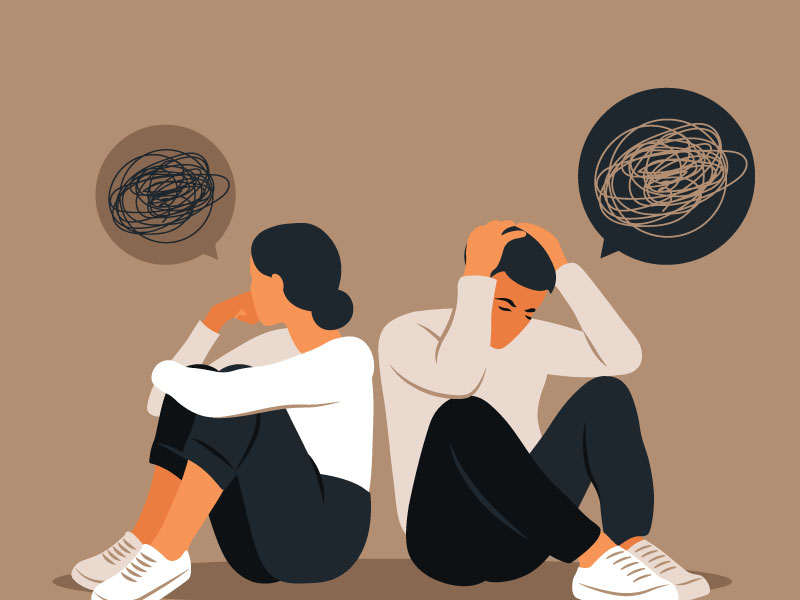
The Art of Effective Couples Therapy: Negotiation, Compromise, and Sacrifice

As a therapist, the language I use can shape the way clients navigate their relationships as it provides a framework where thinking and behaving can take place. In couples therapy, my main goal is to help clients cultivate, commit, and execute on their shared vision. Over the past two decades, I have found that helping clients redefine negotiation, compromise, and sacrifice is essential for fostering healthier dynamics and building a sustainable strong foundation for the future of their relationship. These are terms that are often misunderstood yet widely used and profoundly impact the quality of their relationships.

Clarifying Expectations: A Foundational Practice

In casual, low-stakes situations, many individuals tend to effectively clarify expectations. For example, hiring someone to paint a house involves clear discussions about the scope, timeline, and payment. Yet in personal relationships, particularly romantic ones, expectations are often unspoken or assumed.

Couples often bring different goals, values, and assumptions into their shared lives, which can lead to misunderstandings unless explicitly addressed. When the vision for a relationship is not clear and agreed upon, it can leave room for mismatched priorities regarding resources, which could lead to further conflict in a relationship. For instance, one partner may dream of moving to a new city, while the other wants to stay near family. Similarly, one might desire children, while the other feels uncertain or uninterested. Financial priorities can also differ, with one valuing saving for the future, while the other emphasizes enjoying life in the present. On a more conceptual level, one might define privacy and secrecy very differently than the other person.

These principles, however, extend beyond romantic relationships and can help clients navigate workplace relationships, friendships, and family connections. Making these distinctions is critical. Specifically, when working with singles or couples to carve out their shared vision, understanding these concepts is essential to fostering healthy dynamics and avoiding long-term resentment. Addressing these needs, visions and expectations thoughtfully is crucial, as they directly influence resource allocation and life priorities.

Negotiation: A Daily Practice

Negotiations are what we do daily to navigate life when we are partnering with someone (where to go for dinner, who picks up the kids, etc.). Usually the stakes are not as high depending on the sensitivities within a coupledom, and some couples might not even call it that. When I bring up the word negotiation, depending on the cultural context of the clients, they might be surprised and sometimes even offended thinking: this is not the language we use in loving relationships, and it is best to be left to the business world where transactions happen.

The way I expand on the concept of negotiation and help clients to come around, is to explain that, in any relationship, there are certain currencies involved (again, going back to the language we use, many people think that currency is only applicable to monetary entities). Based on social exchange theory, we are all looking for an exchange of some sort when we are interacting with the outside world. This might not be conscious or intentional; nonetheless, it is always present.

Therapeutic Insight: Negotiation provides clients with a sense of agency, it helps individuals learn how to take accountability over what they desire in life, show up for it, and articulate it with their partner. Otherwise, we all have seen cases that one went along with the other only to find out somewhere along the way that “this is not what I wanted,” while the other person didn’t have a clue. As a therapist, I can coach clients to approach these conversations as opportunities for collaboration, encouraging them to listen deeply, receive what is offered, and then formulate their responses in a thoughtful and authentic manner.

Compromise: Balancing Individual and Shared Needs

Compromise often involves ensuring both partners feel their needs are valued. This step helps partners identify areas of alignment and divergence, usually without resorting to defensiveness or rigidity. It requires mutual give-and-take and intentionality to avoid one-sided concessions. It is not always meeting in the middle as it is believed to be, because healthy relationships are not based on equality or 50/50 as many of us working with couples would agree. They are based on equity where everyone involved is satisfied in their own ways.

Therapeutic Insight: It’s crucial to remind clients that compromise doesn’t always mean equality in the moment—it’s about creating equity over time. I encourage them to assess whether the “currencies” being exchanged feel worthwhile and sustainable.

Sacrifice: When It Becomes Unhealthy

Sacrifice often involves one partner giving up something significant, which can lead to resentment if done without open communication or equitable acknowledgment. For instance, one relocates for her partner’s job, leaving behind her career and community while not having a chance to assess her own needs in short and long term and without continued communication as things evolve with this move. Without mutual appreciation and a plan to address her needs, resentment may develop, impacting the relationship’s health.

Therapeutic Insight: Help clients reflect on whether a potential sacrifice aligns with their values and long-term goals. Sacrifice should be a conscious, collaborative decision rather than an expectation.

Cultural Context and Relational Dynamics

When I’m talking about relational dynamics, I am also talking about what defines them for individuals and couples. Cultural, religious, and gendered expectations often influence how clients perceive negotiation, compromise, and sacrifice. For one couple, sacrifice might be the way to go (and might even be expected of a good wife) and for another, it might just be a figure of speech while in reality the description of the dynamic resembles a negotiation pattern for the therapist.

I have found that exploring these factors is essential to helping clients identify patterns that may unconsciously shape their behavior. Meet them where they are and empower clients to define their relational values and vision, rather than defaulting to inherited scripts.

Some Practical Applications for Psychotherapy

These are some practical ways I have incorporated the above strategies into my clinical work with couples:

With singles, I encourage clients to clarify their non-negotiables and flexible areas before entering relationships. This self-awareness equips them to negotiate and compromise effectively when building connections.

With couples, I guide each to regularly revisit their shared vision—perhaps at the start of a new year or on anniversaries. This practice ensures their goals evolve alongside their individual and collective growth.

In the broader context, I try to apply these principles to familial and professional relationships, helping clients navigate complex dynamics with greater intentionality and respect.

Case Application

Rory and their kids loved skiing, while Hunter despised it—not just the sport but the cold and all the logistics involved. Before they had kids, this wasn’t an issue. They simply did their own things in winter, and no one thought much of it. However, once their kids reached skiing age, the dynamic shifted. Rory planned to spend every winter weekend skiing with the kids, and Hunter realized what this would mean for him.

In the first year of ski school, Hunter found himself waking up at six in the morning to help pack lunches, wrangle the kids’ gear, and drive 80 miles to the mountain. Rory and the kids thrived on this, but Hunter was miserable. He felt he had no options: staying home without a car wasn’t fulfilling, and joining in was even worse. To Hunter, it all felt like an unwelcome sacrifice.

Entering the second year, Hunter and Rory recognized that their dynamic wasn’t sustainable. They began to negotiate in earnest. Rory explained her perspective:

I grew up skiing; it’s my passion. It’s really important to me to pass that on to the kids because they love it too. I hardly get to see them during the week, and bonding with them over skiing feels really meaningful. I don’t want to give this up, but I also don’t like feeling guilty all the time. I know this isn’t working for you. Is there a way we can make this work for both of us?

Hunter shared his struggles and feelings of resentment, and through multiple conversations and creative problem-solving, they found a solution that worked for both of them. Rory took over 90% of the labor involved in ski school, including handling all the gear and logistics. Hunter agreed to pack lunches and have dinner ready when they returned. Rory bought a second car, so Hunter had options on weekends. Hunter decided he would join them for a few ski trips each season for family bonding, but otherwise enjoyed rare, unstructured time to himself—a precious commodity as a stay-at-home dad.

This arrangement worked beautifully. Rory was able to share her love of skiing with the kids, which was incredibly meaningful to her, while Hunter gained much-needed personal time and no longer felt trapped in a situation he despised. Hunter and Rory’s story illustrates how healthy compromises work; neither partner “won” nor “lost.” Instead, they both gave a little and got a little. Through negotiation and compromise, they reached a solution that felt equitable and allowed them to move forward with confidence and mutual respect.

***

Negotiation, compromise, and sacrifice are integral to shaping a life together. By teaching clients to differentiate these concepts, I hope to empower them to engage in relationships as active participants rather than passive followers. Healthy relationships require adaptability, mutual respect, and clear communication. Whether clients are building a life with a partner, strengthening family bonds, or deciding on a career path, these tools equip them to foster meaningful, sustainable connections. As a therapist, my role is to guide clients in creating these shared visions with intention, ensuring their relational choices align with their values and aspirations.

Questions for Thought and Discussion

  • How does the author’s work resonate with your own couples therapy?
  • Which of the three elements of change do you use in your clinical work with couples?
  • What additional or different interventions do you use with couples?
  • How would you have worked differently with Hunter and Rory?

Teaching Clients Active Listening Skills to Improve their Relationships

One of the most common questions I am asked when people learn that I am a therapist is, “How can you listen to all those people?” What prompts that question is a fundamental misunderstanding of what it actually means to listen to another person. In my work, I strive to make my patients better listeners, not just better at self-expression.

It is imperative that we challenge the assumptions people make about what it means to listen. Truly listening to another person so that they feel heard improves the quality of conversation and enhances the opportunity for understanding. It does not guarantee agreement, nor does it necessarily entail problem solving or changing anyone’s mind. Unfortunately, it seems that these days, people are far more interested in talking than listening, even if no one is listening to them.

As one patient said to me, “Once we stopped caring about facts, I was at a loss about what to say. Why bother to listen if the loudest person in the room always wins?” This can lead to what feels like a forced choice between joining the argument or leaving the conversation. Given the cacophony of disinformation and vitriol infecting our lives, strong listening skills are more critical than ever if we want to strengthen our connections.

It takes effort to be a good listener, but with practice the results can be truly life changing. Learning how is a teachable skill and foundational to good mental and physical health. There are five foundational components of active listening.

Five Foundational Components of Active Listening

First, an active listener must have a genuine interest in the other person, a curiosity to hear what they have to say. Too often we think we know what the other person will say before they speak, so we spend our time preparing our comeback rather than listening to what the speaker says. Or we write people off as soon as we learn one thing we don’t like about them, and refuse to listen to anything else they have to say. Consequently, our world gets smaller, and we have less intimacy.

Feeling trapped in this dynamic is a common complaint about familial interactions. For example, one patient shared, “Before I’ve even taken off my coat, my father will tell me that I must be so happy with my job. It’s because he is happy that I went into law like him. I brace myself before I get there for his greeting.” After many failed attempts to have a more nuanced conversation, she no longer tries to dissuade him of his belief but is saddened by how superficial their relationship has become.

Second, active listeners understand that agreeing to listen does not assure agreement. This needs to be recognized by both the speaker and the listener. If my goal as a speaker is agreement, I must make that clear up front. When a patient tells me about a fight they had with their spouse, I use my words to express understanding of their hurt feelings, not to say they were right and their spouse was wrong. Whenever we frame a conversation as having a winner and a loser, the quality of the relationship suffers.

Third, active listening is actually hearing what the speaker has to say and trying to understand their needs. Too often people attempt to show they are listening by trying to solve a problem. This often feels patronizing and may devolve into an argument. For example, a patient of mine reports, “When I come home from a bad day at work, all I want is for my wife to listen, not tell me what I could do differently. Tomorrow, when I am rested and have some distance from the situation, I might be ready to listen to suggestions for how to do things differently, but at that moment I just want understanding. Is that too much to ask?”

One strategy that can be helpful in these situations is for the listener to ask, “Do you want to be hugged, heard, or helped?” By clarifying the unstated need of the speaker, the listener knows the desired outcome for the interaction and what will feel like effective listening to the speaker.

Fourth, active listening involves acknowledging feelings as well as facts, without conflating the two. There is a truism in psychology that anxious people can’t listen, to which I might add, neither can enraged people. Communicating that I understand the depth of a person’s emotional state is a necessary precursor to understanding what has upset them so much.

Recently, a patient called to share that she’d been diagnosed with breast cancer. Before I asked her the stage of her cancer or what her treatment protocol would be, we discussed how she felt hearing that she has cancer. Asking about her feelings was essential to providing care for her. Later we would brainstorm how she could get the best medical care possible, but until she felt heard she couldn’t process the onslaught of medical information her physicians were sharing with her.

Finally, active listening requires listening to ourselves as well as others. By setting a time limit or voicing discomfort if someone is using offensive language or yelling, allows us to take care of ourselves as listeners and increases the likelihood we will be willing and able to engage in active listening. When being a better listener, we will hopefully find ourselves in more meaningful conversations that will enrich our lives.

***

Active listening can make us feel vulnerable. Sometimes the divide is too great and ending the conversation or ultimately the relationship is the right decision. But, hopefully, more often our efforts to listen will increase our understanding of one another and bring us closer. In our fragile world we need to honor the power of listening.

Questions for Thought and Discussion

How important is it for you to “teach” your clients to listen effectively?

Which of the author’s five components of active listening is most resonant with you?

Can you think of one of your clients who would benefit from improved active listening skills?

When Clients Don’t Want to Talk about Their Feelings

“My husband does these little things that get under my skin,” Naomi lamented as she sat across from me. “Like he chews his ice.” She scrunched up her freckled nose and clenched her fists. “I ask him not to. I ask him really nicely to please not chew his ice.” She shared some other things her husband did to annoy her. “Like, whenever I ask him a question, he’ll answer with a question. I’ll ask what he wants for dinner, and he’ll shrug and be like, ‘What do you want for dinner?’ I know I’m overreacting, but that makes me furious.”

Helping Clients to Put Feelings into Words is not Always Easy

“You feel furious,” I said. “I can’t stand that. I want to scream at him.” “What do you think it is about that question that makes you furious?” “I don’t care.” Her arms crossed; she was now tapping her foot against the carpet. “I don’t care why I feel like that. I just want to not feel like that. I want to stop being so pissed off at him.” This was not the first time Naomi and I had had this kind of impasse: me attempting to better understand her and her dismissing my attempt as a pointless intrusion. She wanted “tools” to change her feelings, specifically to help her feel less angry with her husband. “I get that you want tools to help you feel less upset,” I said, “and we can definitely talk about tools, but I think that in order to change your feelings, it’s important to first understand them.” “I don’t get that logic.” She straightened her posture. “No offense. I’m sure you help many people, but I’m not your typical client. I don’t want to sit here for 50 minutes whining about my problems. I don’t need a sounding board. I need tools to change my situation.” Over the weeks that followed, I obliged Naomi’s request to talk about tools, and we identified coping skills that had worked for her in other situations. All the while, I kept nudging her to further explore her feelings, my belief being that clients like Naomi ultimately benefit from developing greater emotional insight. Following one of my nudges, she indicated that her reluctance to talk about her feelings was based on her fear of becoming helpless. “I don’t want to turn into one of these whiners you see on TikTok. You know, these helpless women who can’t handle the slightest adversity and always complain about being victims.” “Well, goodness,” I said with playfulness, “I wouldn’t want to turn you into one of those women either.” She looked at me as I spoke these words, and we both laughed. This marked a turning point in our work together. I better understood her fear of becoming helpless, and she understood that that would never be my intention. Naomi started to more fully open up, and I began to sense that her anger over her husband was more complicated than she’d assumed. When she told me one afternoon how he had continued answering her questions with questions, I asked that standard therapist question: “How did that make you feel?” “Really pissed off,” she answered. “Beneath that feeling of being pissed off, what else did you feel?” “I don’t know.” She looked away and slowly shook her head. “I guess I felt like a monster.” “You felt like a monster?” I emphasized. “It’s like he’s afraid to disagree with me. I think he’s afraid that if he disagrees with me, I’m going to bite his head off. But I’m not like that. I’m really not so horrible.” “That must really hurt, to believe your husband thinks you’re this monster.” “It sucks.” Her energy had changed, her body now still, her head slumped forward. It now seemed clear that she had initially resisted exploring her feelings because what lay beneath her anger—what we would later describe as “shame”—was far more painful to accept than mere anger. The two of us sat in silence for several seconds. “I wonder if your husband knows that’s how you feel,” I finally said. “I don’t know. Probably not.” She looked up at me. “We should probably talk about it.” Naomi’s initial desire to learn new tools was not wholly misguided. Tools, or coping skills, are a necessary component of psychological health. However, coping skills often mitigate symptoms without bringing about lasting change. Sometimes simply adding more gasoline to a sputtering car doesn’t do the trick. Sometimes we need to look under the hood and figure out what’s going on. Naomi reported back the following week that she had had a heart-to-heart with her husband, the first such conversation they’d had in a long time. “We’re better. We’re not perfect. No relationship is perfect. But it’s good that we talked.” Questions for Thought and Discussion In what ways do you resonate with the author’s premise regarding feeling exploration? How do you work with clients who resist exploration of their feelings? In what ways might you have worked differently with a client like Naomi?

When to Use Unexpected Techniques with Emotionally Overwhelmed Adults

“Name it to tame it” has become a popular phrase among parents and those working with children. It denotes the principle that we can help emotionally overwhelmed children feel better by helping them put their feelings into words. Daniel Siegel provides an example of this principle. Bella, a nine-year-old girl, watched the toilet overflow after flushing it, “and the experience of watching the water rise and pour onto the floor left her unwilling (and practically unable) to flush the toilet afterward.” Her father later sat down with her and encouraged her to tell the story, allowing “her to tell as much of the story as she could,” and helping her “to fill in the details, including the lingering fear she had felt about flushing since that experience. After recalling the story several times, Bella’s tears lessened and eventually went away.” Putting these experiences into words, Siegel writes, “allows us to understand ourselves and our world by using both our left and right hemispheres together. To tell a story that makes sense, the left brain must put things in order, using words and logic. The right brain contributes to bodily sensations, raw emotions, and personal memories, so we can see the whole picture and communicate our experience.”

Putting Theory into Action in Therapy

I repeatedly experienced the power of this principle during the six years I worked with children in an elementary school. After I transitioned to working with adults, I would sometimes forget the principle. I can remember a session with Mary, a 55-year-old woman who could not bring herself to leave Harlan, her emotionally abusive husband of 30 years. She had entered therapy to find the resolve to leave, something her friends and even her grown children had long encouraged her to do. I spent the better part of the session encouraging Mary to give voice to that part of her that wanted change. She followed my lead and asserted her rights and needs. After speaking with passion for several minutes, she suddenly stopped talking and looked off into space. “I know everyone thinks I should leave Harlan, and I know their hearts are in the right place.” Her eyes fell to the ground, all the energy that had animated her just moments before now gone. “We were basically kids when we got together. We grew up together. There’s something about Harlan and me that others just don’t understand. There’s something that I just can’t put into words.” There was a heaviness to her words. She seemed to be saying, ‘Yes, on paper there are good reasons for leaving him, but these other reasons possess a power that ensures that things can never change.’ I had given Mary the space to share her story, but she was now telling me that part of her story could not be shared. She was suggesting that this part of her story, perhaps because of its ineffability, exerted a hold over her from which she could not escape. Consequently, she felt she could not move toward the goal that had motivated her to start therapy. As the session ended, her despair seemed contagious, and I too felt that she would never be able to articulate that part of her story. I thought about our session over the next week and couldn’t avoid feeling that I had failed her. Yes, I had empathized with her, and I think she felt that, but I had failed to give her hope. I shared my feelings with my own therapist, and she said something that reminded me of another popular principle among parents, one often described as, “the power of yet.” I hadn’t helped Mary put words to her feelings —yet! She and I would again talk about Harlan, and she would again say that there was something about their relationship that others didn’t understand, something she just couldn’t put into words. I would add that simple, powerful word. “There’s something you can’t put into words—yet.” Not unlike a parent, my job as a therapist is to sometimes help others find words for their experiences. Helping them find their words is not the answer to every problem, and indeed words cannot fully and adequately describe the depth of many important experiences. Yet. Helping clients put words to their most difficult experiences can be profoundly helpful. Mary could not describe a crucial part of her relationship with Harlan—yet. My work was to help her find those words. I thought back to my clinical supervisor’s statement that, when his clients struggled to describe their inner experience, he would ask if an image or even a color came to mind. The goal was not for them to provide a precise, granular description of their feelings at first, but to try to take steps in that direction, little by little, one word at a time. I now had hope, and I knew I would be able to share my hope with Mary. It might take time to get there, but with my encouragement, she would vocalize that aspect of her relationship that had never before been vocalized. And when she did so, she would feel less isolated and more empowered. I did not know what she would feel empowered to do, and neither did she. Yet. Questions for Thought and Discussion In what ways does the author’s message resonate with you? Not resonate with you? Based on the readings, do you agree that the author initially “failed” with Mary? How might you have addressed Mary’s decision to remain with Harlan?

Avoiding the Adverse Impact of Electronic Communication in Couples Therapy

Although it is nearly impossible to break communication habits in the Internet age, I have had numerous therapeutic instances where clients only dig themselves deeper relational holes by attempting to resolve interpersonal issues by texting and messaging their partners. The nuances of tone, emotional body cues, facial expressions, and the imperfections of language that are a normal part of face-to-face interaction, are lost through these digital mediums. The result is often an exacerbation of ongoing communication difficulties. Through my informed voluntary consent at the outset of therapy, I make my position about texting and messaging outside of the therapy hour very clear. Because clients frequently do this, my informed consent includes these statements for reasons that will become clear in the cases below, but also because SMS creates the expectation of an instant response, which I am only prepared to provide in an emergency. I also encourage clients to deal with emotional issues with each other in person, or at least by phone. In this way, the nuances of non-verbal communication and precise language can be more readily perceived, clarified, and addressed.

Like what you are reading? For more stimulating stories, thought-provoking articles and new video announcements, sign up for our monthly newsletter.

Case Examples of Electronic Communication Gone Wrong

Brian and Samantha, a couple in their forties who had lived together for two years, presented the problem of frequent arguments over both trivial and deeper issues. These tensions regularly escalated into withdrawal, name-calling, and impulsive criticism, with old resentments resurfacing. I worked with the couple on the basics of communication, problem-solving, and behavior exchange, and explained the role of lingering resentments. They did well with practicing and understanding these issues, but resentments still lingered, and comments flared up.

After six sessions of rocky and frustrating, ungratifying conjoint therapy, I received copies of text exchanges between them. They each sent me the copies they received without their partner’s knowledge in hopes of proving to me the other’s abusiveness — ignoring my informed consent provision. In one thread, Brian apologized for commenting at dinner that a glass was dirty, saying that he was merely making an observation, not a criticism. Samantha replied, “If you don’t appreciate all I do for you, when you never do anything around the house, you can do it all yourself!” Brian then attempted to clarify his intent, to no avail.

I replied to Brian by text, indicating that my informed consent stated that I do not use the internet for emotional content such as this, and we could discuss it further in our next conjoint session. In their next “post-text debacle” session, Brian did not bring it up out of embarrassment. They continued for six sessions, working on the resentments that surfaced and terminated with improved overall skills; I never found out whether they were able to resolve past resentments.

In another case, I worked with a disgruntled individual client, Belinda, who was in a severely dysfunctional marriage with her wife, Lucy. Her goal was to obtain recommendations for dealing with the anger she felt for several reasons. I explored them cognitively and emotionally, having her align her values with her behaviors. Belinda sent me pages of exchanges going back eight years in which Lucy had historically berated her for everything she resented. Seemingly, Belinda wanted me to agree that she had indeed been emotionally abused.

When Belinda directly expressed outrage at home, Lucy said she “didn’t really mean all that,” to which Belinda told her she could not take it back and they should consider divorcing. In the next session, we explored her situation, and I told her that moving forward, I could not take an additional hour to go over all the comments her wife made in those electronic exchanges but could instead help her to consider some resolution of the contempt and disconnect she felt. I advised that they see a couple therapist, either myself for a 1-2 session consultation, or another therapist. She seemed to have a better understanding of her resentment and how to control it.

***

In looking back on these two cases, I understand the widespread use of texting and messaging in today’s electronic world. Although I discourage clients from using it to discuss emotional issues, I cannot prevent them from doing it, either interpersonally or with me. I believe it’s important for therapists to set an example — and boundaries — by not using electronic media for intimate communication.

Reducing the Negative Impact of Reasonable Expectations on Healthy Relationships

On a daily basis, I have the pleasure of providing counseling services to couples hoping to strengthen their relationship together. Whether pre-engaged, engaged, recently married or married for decades, I help them to explore the similarities and differences between couples as well as within them.

Like what you are reading? For more stimulating stories, thought-provoking articles and new video announcements, sign up for our monthly newsletter.

Barriers to Intimacy

While intimate relationships such as marriage have the potential for great happiness and joy, there is also the risk of frustration and disappointment. To assist these couples in strengthening their sense of relationship connection, we spend time exploring various aspects of their personal and relationship history, efforts that have already been taken to resolve the barriers between them, and identifying individual and relational strengths as well as growth areas. Of the many contributing factors to the difficulties these couples experience are the challenges they experience adjusting to differences between them — a very common barrier to healthy understanding and interaction.

For several years I have spent time helping couples not only identify their similarities and differences and the significance they play in their interactions, but also reframing their understanding and experience of those similarities and differences as less inconvenient and detrimental, and more appreciated, respected, and as potential opportunities for relationship enhancement.

Differences in assertiveness can be frustrating when one partner is expecting the other to be more open and direct, while the other partner is expecting that partner to tone it down a bit. Differences in preferred methods of quality time together can lead to distance if one partner is expecting a commitment to quality time to look like daily-initiated interactions, while the other partner is content with weekly, assuming that the commitment has been fulfilled.

In these cases, and others like it, reasonable expectations that are not healthily expressed or acknowledged can be a detrimental dynamic. After all, many feel as though what they are asking for or expecting is reasonable rather than too much. This fact often exacerbates their shared or individual disappointment since it hurts on one level to not have what one wants, and it hurts on another level to believe that the person you care about most doesn’t care enough to provide your reasonable minimal standard.

To address the detriment of reasonable expectations, I have found it useful to help them:

Identify their expectations

Own their expectations

Respect others’ expectations

Identify Their Expectations

Relationship expectations come from various sources. Sometimes we’re directly taught what to expect from a relationship from our parents or other loved ones. Other times we’ve learned by watching what has been modeled for us by parents or loved ones without anyone having to say a word. And yet other times, we have simply picked things up over the years, having sifted through life’s experiences, leaving behind what we did not care to experience and holding onto the things that we would look forward to experiencing.

Own Their Expectation

Over time, we develop a set of expectations that have years of justification, validation, and support. They can be so integrated into one’s view of the world that individuals are not aware that their expectations are not indicators of the “best” experiences and ways of doing things, but rather the experiences and ways of doing things that they have come to appreciate more than others. As such, before change can occur, they need to own their expectations as their own legitimate preferences. This does not make them any less valid. Rather, it allows for the opportunity to accept others’ differing preferences as legitimate.

Respect the Other’s Expectations

Once each member of the couple identifies and expresses their expectations and acknowledges them as their personal preferences, it can become easier to appreciate and respect the other’s expectations as reasonable preferences as well. And when that other person is the most important person in their life, for whom they have committed to helping meet as many preferences as possible, the challenge transitions from, “Why does my partner have such inconvenient and unreasonable expectations?” to, “How can I better understand why my partner has these preferences and how they can benefit our relationship even if they differ at times from my preferences and expectations?” This is a very different type of conversation, which at its essence is non-conflictual. This type of conversation seems a mutual win-win, with mutual respect, consideration, and care expressed along the way.

Consider the newly married couple who dated during college, married after graduation, and are now having difficulty adjusting to life after their honeymoon. Although they shared a goal of creating a new routine that prioritized their marriage together, they soon discovered that they had different expectations of what priority looked like. She expected them to maintain a frequency of quality time similar to what they had during college, including frequent shared classes, meals together, as well as a few shared extracurricular activities. It came then as a shock to her when her new husband no longer seemed interested in spending time with her, leaving her feeling lonely and misled. It was later revealed that her husband indeed valued and prioritized his marriage so much that he committed to dedicating all his “free time” to his wife; however, different from their shared college environment and routine, “free time” was now significantly less and came after spending nine hours of each day (including work and his commute) away from home, and consequently, his wife.

What helped resolve a potential connection- and intimacy-damaging misunderstanding was the couple’s effort to identify their individual and differing expectations on what their marriage would look like. Seeing the legitimacy of their own expectations influenced by reasonable conclusions based on past experiences helped them reduce defensiveness and judgment of each other’s differing expectations. This foundation then helped them see the legitimacy of their partner’s expectations for the same reasons and express that understanding in a way that created a safe environment for them to work and in which to create new shared expectations together, with both of their needs and desires in mind.

***

Reasonable expectations are just that — reasonable. However, the fact that they may be reasonable doesn’t mean that each of our clients is entitled to them, especially when the other’s expectations conflict with theirs. My challenge in working with these couples is to help each person to identify and own their preferences with appropriate value, while also avoiding the temptation to give them more value than they deserve; as doing so can lead to unnecessary and unhelpful relationship rigidity and emotional distance and separation.

Questions for Thought and Discussion

In what ways are this author’s premise for couples counseling similar to or different from yours?

How do you address differing expectations in couples counseling?

How might you have addressed the challenges of working with the couple described in this essay?

Powerful Therapy Strategies for Healing Wounded Couples

I remember greeting them for the first time in the lobby of my office. At first glance, they seemed like gentle people, kind to each other and to me. As they entered the corridor leading to my office, he deferred to her, politely allowing her to go before him as they entered the room. I recall thinking to myself, “I wonder why they're here?”

Like what you are reading? For more stimulating stories, thought-provoking articles and new video announcements, sign up for our monthly newsletter.

But apparently this had been performance art, a quick bowing to public expectation. Soon after taking their seats, finding themselves safely sequestered behind closed doors and out of public earshot, those first-impression niceties vanished, and the emotional floodgates burst wide open. With what seemed like the disgorging of years of pent-up acrimony, accusations began to fly like the shrapnel of a bomb blast.

Blame and Accusations in Couples Therapy

She was first to launch her attack with the speed of a knee-jerk reflex. “He never listens to me…We don't communicate at all… I try to talk to him but it's like talking to a brick wall… I get so angry at him! I've tried everything.” Each new rendition of her complaining was an embellished and emphatic iteration of the previous one.

Notably, throughout her hair-pulling allegations, her eyes fixed solicitously upon me, as though she were expecting me to jump into the fray—once she'd fully discharged her accusations—and like a biased, one-sided arbiter, I was to join her in a corrective condemnation of her partner. Instead, probably to her great disappointment, I looked back at her with an empathic expression of heartfelt concern for her gnawing frustrations and deep hurt.

Amid her scalding allegations, her partner sat stoically, appearing inured to the barrage of insults and blaming he'd no doubt endured many times before. Then, with the first lull in her opening assault, when her “guns” appeared emptied and before she could “reload,” his defensive counter-indicting assault began with a fury matching hers, “She is always critical… She's so negative and judgmental… Nothing I do is right… I walk on eggshells all the time… It never used to be this bad… She used to be kind and loving… Now look at her… I don't know what happened.”

I've learned the hard way not to allow raw venting such as this to continue unharnessed for too long. I've found, probably as you have, that if “law and order” aren't soon imposed, the potential for a productive session soon diminishes, and can even irrevocably tip over into non or counterproductivity.

I typically jump in quickly, stop the mudslinging, and administer another dosing of empathy, followed by questions such as “Did you just give me a sample of how you talk to each other at home? If so, how do these conversations usually run their course?” As you might imagine, their answers are predictable: “Not good…We get nowhere…Things just get worse….”

Validating the Legitimate Needs Behind the Arguments

After allowing a moment for their answers to percolate, I typically find it therapeutically helpful to ask, “Do you think your upsets could be this intense were it not for the fact that each of you brings to the other important personal needs, indeed, very valid ones?” Of course, this is a therapeutically-baited question with a largely calculable answer.

But the question also flings open a window onto a wider batch of potentially therapeutic questions, like: “Wouldn't you agree the legitimacy of your needs is clearly evidenced by the strength of the emotions that attend them? And because of the importance of your needs, don't they beg for your best reasoning and problem-solving, in short, your best need management? Wouldn't this be more achievable in an emotional atmosphere of nonjudgementalism, mutual acceptance and respect?” More time for percolating.

In the case above, once we collaboratively agreed on these goals, I turned to her first and asked the seemingly obvious question: “Can you identify the basic needs at the heart of your arguments?” Her answer came swiftly: “I need him to listen to me.” I replied with a quick confirmation and a slight tweaking of her response, “Yes, your need is to be listened to, which seems perfectly reasonable to me.”

Then while my confirmation was still fresh, I turned to him and pointedly asked, “Is your wife's need to be listened to a valid one?” Put in this strategic manner, his affirming response was all but guaranteed because her need had been stripped of its biting and condemning emotional overlay, its legitimacy laid bare with plain and calculated neutrality. So, expectedly, his affirmative response was speedy and unequivocal. Then, without hesitating, I again responded with a deliberate, co-confirming, “I agree, your wife's need is valid.”

Now, in turn, I directed the same questions at him, first by asking him to clearly identify his needs. Foreseeably, he answered, “I want to be treated kindly and with respect.” Following the same protocol, I confirmed the legitimacy of his need which had just been divested of its own attention-gobbling, counterattacking emotion and was now openly “on parade” for its indisputable validity. Now, turning back to her, I asked in the same manner, “Does your husband's need for kindness and respect seem reasonable to you?” Again, you can guess her answer.

The stage was now set to bullhorn what had become increasingly obvious. Formerly vitriolic and contentious partners were questioning their use of blame and accusation and were now instead marching to the tune of mutual respect.

Moving Forward in Couples Therapy

I’ve been fortunate enough to apply this technique with relative effectiveness, so it has been my experience, and I suspect yours as well, that this purposeful trio of empathy, caring, and genuinely curious question-raising can soften these “marital combatants” to a degree that their cognitive flexibilities and problem-solving skills become more accessible.

Once this appears clear, I drive home the same critical point. “Could you be at odds with each other to this extent over needs that possess little, or no personal significance? And given the in-your-face evidence of the strength of your personal needs and the intense emotions that orbit them, what if we were to carefully examine how you manage them now, and maybe better, how you might more effectively manage them moving forward?”

The demanding work of implementing this strategy outside of therapy certainly belonged to the couple and others like them, but in my experience, these partners leave my office with a helpful set of tools, a cause for optimism, and hope for re-connection.

Questions for Thought

What is your reaction to the author’s approach to dealing with “warring” couples?

How do you address anger and blaming in your own couples work?

Can you think of a warring couple that you successfully helped? One with whom you were not successful and why?

How to Resurrect a Dying Relationship One Emotion at a Time

In my practice, I have borne witness to many romantic partnerships that have failed with time —often to the shock and dismay of one or both partners. For many of these couples, it is a stunning development that was mostly or even completely unforeseen. This downward relationship spiral is most poignantly captured in the phrase, “death by a thousand cuts.”

Like what you are reading? For more stimulating stories, thought-provoking articles and new video announcements, sign up for our monthly newsletter.

Retrospective analyses or “relationship autopsies” of these deteriorating ties often evince what I have come to call an “erosion of affection.” When hotbed issues between partners are not adequately or amicably addressed or resolved, chronic grievances fester and lay the foundation for irreparable damage. Affection is diminished and negative perceptions replace whatever positive ones might have previously existed.

Case Study: Amy and Mark

Exemplary of this point is the case of Amy and Mark. Amy had been after Mark, her husband, for over a year to put his dirty socks in the hamper. Mark had repeatedly promised to cooperate, but rarely if ever did so. This exchange between Amy and Mark went on nightly and eventually both became angry with each other. Amy felt disrespected and powerless. and Mark, who came to think of and eventually call his wife “a nag” for her constant pursuit of his compliance, seemed even less inclined to cooperate with her incessant badgering over something that seemed so insignificant to him.

Perhaps at an unconscious level, Mark became disinclined to “give her” what she had been asking him for. More importantly, the stalemated issue of the socks had changed the atmosphere in the relationship. Amy’s frustration had grown into resentment both because of the socks on the floor and being called a name as “punishment for my persistence.”

It was helpful to learn — and apparently for the first time — that Mark had been diagnosed with Oppositional Defiant Disorder earlier in life and had a history of troubled interactions both personally and professionally. In his individual and marital treatments, he came to understand and accept his role in what he subsequently referred to as “the absurd socks situation that I created.”
 

Unresolved Issues Lead to Erosion of Affection

Therapeutic work with Mark and Amy benefited enormously from a rather unusual collaboration between me and the clinicians who were working individually with each member of the couple. The continuous informational exchange enhanced everyone's understanding of the historical antecedents to their difficulties with each other and provided valuable guidance for each therapist as the three treatments simultaneously continued. Initially, the level of anger about this and other unresolved issues between the two marital partners were causing considerable damage to their relationship.

An important effort was to help them to use their anger to strengthen their communication and accomplish stated goals rather than to continue to cause possibly irreparable damage by their verbal abuse toward each other. Once the anger eased and the overall emotional climate improved, I often had Mark and Amy replay their earlier troubled interactions. The “before and after” provided an important opportunity for them to see the differences and enjoy the benefits of their overall improved manner of relating to each other.
 

The Spotlight Shines on Negatives

An often-unrecognized consequence of unresolved issues like this one is that they infiltrate the marital system and lead to other accusatory and blameworthy exchanges. This pattern sets the stage for lower tolerance for the partner's other quirks, foibles, and irritating behaviors that earlier had been either trivialized or ignored. The spotlight shines with increasing brightness on the negatives since they might be the new focus, especially if there has been little or no conflict resolution.

In the case of Amy and Mark, the idea of dirty socks “laying around” unattended seems an apt metaphor for the degradation of their relationship. Cleaning up this mess seemed an equally powerful and positive metaphor for their improved relationship.
 

Seeking Counseling When the Erosion Has Passed the Breaking Point

Many couples who eventually seek my counseling assistance for their troubled relationships arrive at my office when the erosion of affection has already passed the couple’s breaking point, causing irreparable damage. This makes the therapeutic enterprise a more complicated, if not doomed, endeavor.

It certainly helps if both partners have, or can be helped to have, sufficient reflective awareness to acknowledge responsibility for the now troubled union and be willing to do the necessary work of restoration and repair. It is especially helpful if neither partner has quietly consulted an attorney and if the subject of separation or divorce has not been part of the recent dialogue between them.
 

***
 

I did not write this piece as an advertisement for couples therapy. However, I suppose I am recommending that couples and individuals seek help to avoid creating a collection of unresolved issues and unaddressed grievances that carry the potential to ruin their relationship. Much like knowing when to consult a physician if a worrisome physical symptom appears, partners in a relationship need to be reasonably alert to the development of potentially harmful issues that can subvert the quality of their relationship. This is especially true if those issues threaten to erode their affection and make their bond difficult if not impossible to repair.


Final Questions for Thought

What therapeutic strategies do you employ with couples like Mark and Amy?

What feelings did the case of Mark and Amy provoke in you?

How do you address your own feelings when working with couples destined to separate?    

Self-Esteem is Overrated. Here’s Why Self-Compassion is Better


For decades, hordes of psychologists and those of similar ilk and inclination, have preached the gospel of self-esteem as the agreed upon hallmark of sound good mental health. Admittedly, haven’t most of us been persuaded by the cogency and utility of this lionized concept? Its strongest advocates boast that it is the lone-star indicator of psychological and emotional health. Can you think of any other sole criterion of mental health that has the same gutsy, enveloping reach? But what exactly is self-esteem and how is it best achieved? In short, most would likely agree that’s a global assessment that yields a zero-one type metric — an either-or proposition. Simply, the esteem I have for myself is either “good” or “bad.” 


Those of our clients who are fortunate enough to have “good self-esteem" are to be admired and emulated while those who don’t have it are in need of psychological repair. Not surprisingly, low self-esteem is “transdiagnostic,” meaning its threads run throughout the fabric of many mental disorders. Still, how do we help our clients achieve it? Are there evidence-based methods for acquiring it? To me, and other critics, there is one big, seemingly obvious question ominously hovering over the traditional concept of self-esteem — shouldn’t one’s self-appraisal reflect the reality of one’s uneven and multifaceted development, which is rarely if ever, binary, and vastly more complicated and nuanced? Of equal concern; if one’s self-evaluations are too dichotomous, too rigidly black or white, cognitive inflexibility could easily upset the proverbial emotional applecart. 
 

One in 76 Trillion

Besides being problematically binary in concept and application, the conventional notion of self-esteem faces another problem in that it subsists upon a steady diet of interpersonal comparisons; in short, it “makes its living” on “I’m better (or less) than you — I’m special (or not).” One must see themself as set apart in some way, above average — where mediocrity is decried and even anathema. Imagine complimenting a friend by saying, “Good job! That was so average!” Further, all our clients can’t be above average; this is statistically illogical. However, whether they like it or not, their judgements of “better” or “worse” are entwined in the minefield of interpersonal politics and deeply embedded in everyday social commerce. Moreover, this “who is better, me or you,” juggernaut can be so thoroughly baked into their thinking that it steamrolls everything in its path. And clients are not always fully aware they’re doing it. Commonly, without a speck of thought, their esteem for themselves instinctively balloons when others praise them, and conversely, their egos deflate with the explosive speed of a pricked balloon the instant they are targeted with criticism or perceive any one to be more attractive socially, physically, professionally, financially, or otherwise.  
 

Further, self-esteem can have an insatiable appetite that feeds upon an unending influx of accolades, the conspicuous trappings of social success — e.g., prestigious professions, high-paying jobs, big homes, luxury cars, and the like. Measured in these terms, the warm glow of success is rarely permanent and must be continuously re-lit, just as a healthy economy thrives upon never-ending consumerism.  
 

Of course, this familiar business of making comparisons flourishes across an expanse of social functions and activities of every kind both formal and informal. Classic example: On the sports field, scorekeeping is a precise and indispensable numerical gauge of the competition among individuals or teams — a comparison of athleticism. Imagine gauging the degree of sportsmanship or fun with the same precision. However, consider the plausible illegitimacy of making person-to-person comparisons from another perspective, one conducted on the larger “playing field” of our everyday lives. To explain, statisticians have calculated the probability of genetically duplicating any one of us is one in 76 trillion (the exception is homozygous or identical twins). Nature has gone to great lengths to ensure each of us is genomically unique. Given our uniqueness, should person-to-person comparisons be regarded as a valid metric?  
 

Granted, many of our clients make comparisons and for a variety of reasons, but isn’t it arguably more legitimate to make a “me-to-me” rather than a “me-to-you” comparison given that each of us has a unique set of genes — not to mention, a unique history of experience and learning which are even more individualizing? By this logic, none of us occupies the same exact “playing field.” For instance, compare two distinct types of self-dialogue: “I did better this time than I did the last time — maybe I’m improving” (a me-to-me” comparison more akin to the reasoning of self-compassion). As opposed to this, “I did better than John…but will I do better next time” (a me-to-you comparison more akin to the reasoning of self-esteem). 

The Ideal Self vs. The Real Self

Carl Rogers dubbed the terms “ideal self” and “real self” to mean the person we would like to be, in contrast to the de facto person we are, respectively. In sync with Roger’s reasoning, self-esteem is tightly bridled to our aspirations. Our clients (and we, their therapists) are indeed aspiring creatures who set goals which, by contrast, differ from who they are, or what their abilities are, or what they currently possess. However, this chasm between what they would like to become or attain verses what they have attained, generates tension, and often desensitizes them to any fulfillment stemming from our past accomplishments. Or worse, it can discourage or even disable them by fomenting a crippling, demotivating discontent with themselves. And we often see the fruits of this painful labor in our clinical sessions, particularly with depressed and anxious clients. 

Maybe at their best, these same tensions create a “deficit motivation” that can energize goal-directed action. Certainly, many assume this deficit motivation or tension-filled chasm is necessary to mobilize our clients to take actions in pursuit of their goals. Again, however, the opposite often occurs, and they can become discouraged as their esteem is hinged to the achievement of the next success or accolade. But at their worst, unrealized goals, especially chronic ones, can breed a sense of failure leading to despair and self-contemptuousness. Despite all the homage we pay it, self-self-esteem has a discernable dark side: It promotes all or nothing, either or, forced choice self-evaluations, coupled with its “who’s better than who,” social comparisons and its insatiable appetite for unending social success, all of which may be self-esteem’s kryptonite. Fortunately, research on self-compassion, even amid personal failings, can spawn strong motivation that can be used in the pursuit of our goals without self-esteem’s clear pitfalls.  


Conspicuous vs. Inconspicuous Outcomes

Self-compassion, on the other hand, delivers all the benefits of self-esteem without its cognitive rigidity, its “either or’s” and “better than’s.” For example, self-compassion is not an either you have it, or you don’t proposition. In fact, it’s not an evaluation, or a comparison, nor is it contingent on fleeting social success. Instead, it is a deeply non-judgmental love relationship with the self for who and how I am. Further, this affirming self-approbation promotes how I am like others, not set apart from them. This sense of similarity and belonging is strongly correlated with feelings of well-being and is served with a healthy topping of deepening self and other understanding and forgiveness. Thus, self-compassion’s enrichments are not characterized by the usual metrics of success, the conspicuous outcomes we expect or hope for, but the inconspicuous ones as measured by a stable, enduring, and positive relationship with oneself.  
 

For example, consider this episode of “personal failing” couched within several subtle but far-reaching successes: As an adolescent, my son loved to play baseball. Once during a championship playoff, he struck out in the bottom of the ninth with two men on base with his team behind two to four. Had he hit a homerun or even a base hit, his team might have won a critical game with a dramatic comeback — a conspicuous outcome of success. But as is often the case, it didn’t happen, and my son was devastated. Days after the game, once his acute frustration and self-disappointment had softened, I surprised him by telling him I was proud of his unflinching determination and courage at home plate where he had made his best effort to hit the ball, despite the enormous personal and team pressures on him and that he had done this in the face of an uncertain outcome. I told him these were the inconspicuous outcomes or successes that had escaped his recognition and that of the crowd of spectators (mostly other moms and dads). I tried to explain that these qualities defined success in broader terms and were the very ones that would serve him best over time, even more than a self-exalting memory of a heroic hit. I remember thinking at the time, I hope I’ve planted a seed of self-compassion in my son’s fourteen-year-old brain that will germinate, even flourish into his adulthood 
 

A Quick Recipe for Self-Compassion

When genuinely “friending” others, aren’t we, and our clients in particular, unconditionally accepting, warm, supportive, respectful, and generous with praise, understanding and encouragement? The answer is unequivocally yes. Now, simply by reversing the flow of this patently compassionate prescription and dosing themselves with it, our clients have an excellent recipe for self-compassion. So, quiz them by asking these pertinent questions: Are you as compassionate to yourself as you are to your friends? Specifically, can you turn inward to your own internally siloed resources for self-compassion and reliably draw upon them to nurture and uplift yourself, especially during times of personal stress? Further, are you more likely to criticize than to praise and accept yourself? Similarly, are you as quick to exonerate yourself for your inevitable missteps and shortcomings as you are ready to forgive your friends? 
 

I am a true believer, a devout but amateurish practitioner/proselytizer of self-compassion in both my professional and personal life. I’ve found self-compassion to be a challenging but worthy lodestar that very gently nudges me and my clients upward to the highest quality of self-care and love. When self-compassion is most needed, it can be elusive, difficult to access or apply. Here is another personal example to further explain what I mean: I treated a severely abused adult survivor of intense and chronic early childhood trauma. Sadly, her symptoms would peak and trough unpredictably and, all too often, would overwhelm her diminished abilities to regulate her emotions. During one never-to-forget session, after making what I thought was a kind, empathic comment, the patient suddenly erupted in a firestorm of crude expletives, dropping the “F-bomb” repeatedly throughout her intense diatribe. All this full-throated venom was launched at me because I had inadvertently jabbed at a raw, and extremely sensitive psychological nerve.  
 

While under attack, the sheer volume and malicious content of her verbal salvos made them especially transmissible, and I was instantly infected with deep self-doubt about my professional abilities. For what felt like a brief eternity I agonized in recriminating self-interrogation: “Had I committed a ‘clinical crime’ of some type. Had my clinical clumsiness harmed my patient?” For a painfully embarrassing moment, I convinced myself that other clinicians never find themselves in these same indignant circumstances; they don’t make the same mistakes.  
 

Almost as quickly as it had started, my patient's fury ended with a remorseful, “I'm really sorry, I just go crazy sometimes.” With her contrite admission, my abrupt and steep dive into self-reproach was replaced with a moment of mutually felt awkwardness while we stared at each other as if to say, “So, what do we do now?” Mercifully, her sincere apology, combined with my prior efforts to learn self-compassion, sped the retrieval of my professional composure, despite the maelstrom of emotion we'd both just endured. Before the session was over, I was fully recovered and back to the business of trying to accurately empathize. Most importantly, I awoke to the fact that my first negative reactions were self-esteem based they were the regrettable by-products of comparing myself to a nonexistent, illusory ideal clinician. You know, the one who is always unerring, competent, confident, and who never reacts, or in this case, overreacts to their emotionally dysregulated patient. 
 

                                                                 *** 
 

A much-welcomed calm began to settle back over me. Practicing self-compassion had worked (I acknowledge that it came easier following her apology). I pictured myself digging out from under a needless and self-imposed misadventure of being buried alive in the debris of self-condemnation. Further, I focused on my therapeutic intentions and how they had been benevolent and forced myself to remember that all therapists make mistakes. With these efforts, empathy for myself rose, like Lazarus from the dead. But self-empathy came first, a necessary precursor followed by a revival of my empathy for my patient in that order. It's cliche but still valid to say, relationships require work, but the relationship with our self-compassion is the one needing the greatest amount of never-ending work. And when done well, it can change how we view others, even “difficult others.” In fact, we may be no more compassionate to others than we are compassionate towards ourselves. I highly recommend it. 


Final Questions for Thought 
 

How important is the concept of self-esteem in your own clinical work? 
 

How did the author’s argument “sit with you” regarding the concept of self-esteem? 
 

In what ways does the concept of self-compassion resonate with you personally? Professionally? 

How to Focus on Emotions to Help Volatile Couples Reconnect

Suggested Tips for Practice

  • Develop flexible hypotheses for understanding family dynamics
  • Collaborate with each family member around therapeutic goals
  • Explore your countertransference around complex dynamics in family work.  
Camille and Lance had been married for about seven years when I first met them. Their daughter, Hannah, was four at the time. I typically saw Camille and Lance twice monthly for about nine months. Their central goal for therapy revolved around managing anger during conflict and responding without reacting with defensiveness, criticism, or emotional withdrawal. They each expressed that empathy, or an ability to hear, identify with, and validate each other, was lacking in their attempts to express and resolve conflict.

Conflict occurred for them in vicious, seemingly unavoidable, and endless cycles of attack and withdrawal. Neither Camille nor Lance experienced their relationship as supportive or safe, and both seemed to have little understanding of the cause of their conflicts or dynamics that kept them apart. Lance and Camille regularly experienced hurt and rejection, unable on their own to engage constructively with one another during moments or episodes of volatility. They reported a desire to grow in their marriage by experiencing togetherness, as well as understanding, in the midst of conflict. However, their pattern made it almost impossible to break or heal from these cycles, leaving each of them stuck in perpetual states of defensiveness, criticality, and ultimately the experience of rejection. Almost always, Lance and Camille seemed to be just a disagreement or wound away from their next blowout.  

Assessing the Problem

Camille often expressed her emotion through anger, criticism, or a vigilant effort to draw out an empathetic emotional response from Lance, while his go-to responses were anger, defensiveness, or withdrawal. They described a mutual experience of “hopelessness” regarding navigating and resolving conflict.

Adding to their pain was Camille’s and Lance’s disconnect from social support, as they lived a considerable distance from both of their families and had struggled to build social connections as a couple. There were also pressures related to both finances and Lance’s work schedule.

Camille, having close ties with her family, described her childhood as one in which she was nurtured and supported. Lance, who had very little contact with his own family, characterized relations with them as chaotic and he described a childhood in which he was left on his own for almost everything, including meal and school preparation and doing homework.

A Working Hypothesis

The more Camille and Lance were able to communicate vulnerably with each other about their own emotional hurt—which we distilled down as feeling “misunderstood, unsupported, and unappreciated” — the more they would experience love and mutuality (that is, feeling understood, supported, and appreciated) during conflict and in their marriage in general.

It was clear that Camille’s and Lance’s emotional experiencing during heated conflict occurred at a secondary, reactive level (anger or withdrawal) rather than out of the more vulnerable, primary dimension of their emotion (simply feeling misunderstood, unsupported, or unappreciated). How they expressed their needs for closeness or identity in their relationship determined the ensuing cycles of emotion by which closeness or identity was negotiated.

While it was likely that their current emotional styles and patterns of conflict response were rooted in past experiences, my therapeutic approach was focused primarily on the ways in which they expressed their hurt to each other in the here-and-now of their marriage, especially during conflict.

Clarifying a Goal for Therapy

The central goal of therapy for Camille and Lance was to reach a place where they could begin to experience mutuality and togetherness, as well as understanding and acceptance around their differences, especially regarding their experience of conflict management.

In reporting on goals, the couple agreed that they would “like to be able to set goals and boundaries together,” as they had prior difficulty in meeting common ground. They said of themselves, “we fight mean,” and “we can both be Dr. Jekyll and Mr. Hyde.”

To optimize chances for therapeutic success, every session and intervention would need to be grounded in the goal of facilitating more satisfying emotional experiencing between them, particularly during conflict. The work of therapy would involve increasing expressions of vulnerability in place of reactive expressions of defensiveness and criticism during conflict.

This change was to facilitate the delay of gratification in their individual desires to experience immediate validation, and in its place to nurture the development of a more meaningful and effective way of processing emotion and staying connected through hurt and nurturing intimacy.

Clinical Reasoning

An emotion-focused approach theorizes that couples experiencing difficulties in their relationship often are hiding and or repressing emotions such as fear or a need for attachment, and instead expressing emotions that may be defensive or coercive — primary” and “secondary reactive” emotions.

When these negative interactions solidify into patterns, couples often experience a loss of trust or a heightening of fear in their relationship, therefore further burying the primary emotions.

I theorized that Camille’s and Lance’s pattern of becoming angry or emotionally withdrawn during conflict was a pattern of conditioned defense, covering up primary emotions, cravings for understanding and support buried below the surface of their experiencing.

Clients with whom I have worked typically have internal resources for repair and growth in relationships. Their negative interactional patterns, which often are adaptive, coping styles can therefore be transformed into positive and healthy interactions. In these cases, couples counseling that focuses on emotions can result in transformative experiences.

As a therapist, I don’t see myself as an intrusive mechanic who fixes couples. Rather, accepting and validating clients’ self-experience is a key element in my therapeutic approach. Empathic attunement with couples also involves taking care to provide appropriate validation to one person without marginalizing or invalidating the experience of their spouse. It is a balancing act.

With Camille and Lance, I attempted to provide empathy and safety, as well as to engage in our relationship in a way that was collaborative and in which roles and expectations were clearly defined. Through many challenging and white-knuckled therapeutic hours with conflicted and often disconnected couples like Camille and Lance, I have found that a clinical environment marked by empathy, safety, and occasional structured directives provides the opportunity to build corrective emotional experiences and reconnection. By working in the here-and-now with them, and by integrating their at-home experiences into our in-session work, Camille and Lance became increasingly able to reflect on both their respective inner and relationship experiences in a far more adaptive way.

Intervention and Therapy Process

The family therapist Carl Whitaker advocated a nonrational, spontaneous, and creative experiential presence with clients as a means of engaging them at the hidden symbolic dimensions of their awareness. He said that for real change to occur, insight won’t do the trick. We need to engage each other emotionally.

While encouraging the spontaneous and creative side of therapy, Whitaker also understood the importance of providing focus and structure, “the experience of our being firm,” as he called it. With Camille and Lance, I attempted to use in-session directives that would drive the client-centered and emotion-focused processes in therapy. I also labored to redirect from more-of-the-same conflict cycles to processing the experience of emotion in their relationship.

If they were tempted to explain why they were angry, I let them know that they could choose between carrying on explaining, remaining in the safe position of knowing what they already knew, or exploring how they experienced anger, taking them to what they did not yet know. This was effective with Lance and Camille in facilitating a shift between defending, criticizing, or debating facts to sharing emotional experiences by exploring their own internal processes.

The following is an overview of the therapeutic process.

Sessions 1 & 2  

My hope for these early sessions was to establish a working relationship with Camille and Lance, to open up the space for them to tell their story, to nurture understanding and relationship with them by listening empathically, and to begin to establish a therapeutic vision. At this time, I was focused on noticing and stirring curiosity about emotional experiencing in their marriage.

Camille and Lance described their reason for coming to counseling as “conflict.” They described the early family contexts that shaped them and theorized about their problems in marriage. They described their cycle of conflict as erupting when Lance experienced Camille as being “nagging, preachy, or undermining.” Camille compared Lance to her father many times, which frustrated him. She said she wished, in some ways, that he were more like her father.

Camille and Lance had, in these sessions and in sessions thereafter, described successful experiences of empathy during conflict. Early on, they communicated that when they experienced feeling heard or understood, they felt closer with each other and experienced more successful conflict. I hoped to begin to interact with and facilitate experiences of empathy between them, not merely by talking about these successful experiences of conflict but enacting them in-session.

Session 3 & 4 

My approach during these sessions was to facilitate in-session interaction with their emotions in conflict. During the third session, Camille and Lance reported having a “not-so-good last couple of weeks.” They found themselves frequently getting into heated arguments around Camille, forcing Lance to have conversations with her about subjects that he did not want to talk about.

Lance described feeling “like my whole life is ‘I’m sorry,’” because Camille always “nagged” him about the things that she thought he should be doing. Lance described the conflict as being over “small things,” while Camille argued that they were over “bigger things.”

Lance frequently felt overwhelmed when Camille approached him about multiple concerns at once. Lance said he needed “time and space to breathe and think.” Camille said she wanted to process through these issues immediately.

A large portion of the third session was spent negotiating between them a way of giving mutually satisfying time, space, and understanding while in the heat of conflict. Between sessions three and four, I had them work together on a list of “rules for fair fighting,” which was used as a way of engaging them to establish boundaries and appropriate responses for conflict, a goal that they expressed early on.

Camille and Lance came to our fourth session still emotionally charged from a fight. Both described not feeling heard. I coached them to listen actively, and they reported feeling more heard by the end of session as a result of a slower, less reactive style of communicating around feelings.

Session 5 & 6

A goal during these sessions was to provide in-session experiences of communication between Camille and Lance, exploring and interacting with their emotional processes through emotion coaching strategies. Camille and Lance talked about the patterns of their fights and how they escalated quickly and got “off subject.” I facilitated the practice of active listening in an attempt to promote understanding and slow down arguments.

Session 7 & 8 

During these sessions, we focused on the pattern of conflict between Camille and Lance.

Together we explored body language and other forms of meta-communication. Camille said, “He feels threatened by my body language, and I feel threatened by his.” Lance reported that he was frustrated and felt disconnected. He reported that when conflict is present, “I don’t want to talk about it.” During the conflict, Lance experienced “tiredness, numbness, deadness.”

During session seven, Camille and Lance reported having a conflict around finances after a trip to a wholesale store, where Camille spent a lot of money on things that Lance did not think they needed. During the session, I encouraged active listening and communication between the two of them as a way of assessing and intervening in their emotional processes during conflict.

During session eight, they described “hopelessness” as a common experience during conflict. Camille communicated that she experienced hope and safety when Lance looked at her in the eyes when she wanted to talk to him about something, rather than tuning her out. Lance communicated that he experienced hope and safety when he was given emotional and physical space to sit in the disagreement and then communicate about it again later.

They reported that they had experienced some dramatic and disappointing conflicts as well as “breakthroughs” in the past couple of weeks. During “breakthroughs,” they felt mutually understood and supported. At the end of the seventh session, Camille noted that she kept a record of Lance’s wrongs. I suggested that during the following week she keep a record of Lance’s “rights.”  

Session 9 & 10 

During these sessions, we explored how their personality differences affected their conflicts. Lance expressed difficulty in developing close friendships right now and in speaking up in groups, including with acquaintances and with coworkers. He also expressed being overwhelmed right now in his life, being busy with work, marriage, and parenting, among other things. I shared similar experiences of my own to normalize his experiences.

I noticed a lighter interaction between Camille and Lance during these sessions, which I pointed out. Even while discussing conflict, their conversation was more introspective and less frustrating. Previous conversations, especially about conflict, were less thoughtful and more reactive. I noticed a fresh team-based attitude in their in-session interactions and shared my observations. I also had a brief opportunity to observe both of them with Hannah, who had been waiting in the lobby during our session. They seemed gracious and loving with her.

Session 11  

My hope for this session was to re-join with Camille and Lance after over a month’s break from therapy. Lance reported having begun taking medication for depression and social anxiety after communicating with his family doctor about his concerns. He originally began taking one medication but switched to another shortly after he began experiencing negative side-effects.

Camille and Lance reported having an argument while Lance was feeling “numb” from his medication. During the argument, Lance had not felt attacked by Camille. Feeling unattacked, he had been able to support and validate her, which turned out to be a meaningful experience for her. He reported that it was not meaningful to him because he felt “out of it.”

I explored the differences in the quality of their interactions during that conflict that created a more successful outcome. Camille identified that Lance’s non-defensive stance disarmed her reactive emotions, and they were both able to communicate more thoughtfully and vulnerably.

We explored the difference between primary emotions, such as hurt, sadness, or feeling misunderstood and unsupported, and secondary reactive emotions, such as frustration, anger, feeling “pissed off,” or feeling emotionally numb and withdrawn. After drawing a diagram of these dimensions of emotion, I explored the effects of communicating out of each dimension during conflict.

When one of them communicated out of anger or refused to communicate out of emotional withdrawal, the other either became frustrated or emotionally withdrew as well. During this sort of interaction, they mutually felt misunderstood and unsupported.

We then explored the possibilities of communicating vulnerably and honestly out of the oftentimes buried, primary emotion of feeling hurt or sad. When one of them chose to communicate non-defensively about an experience of feeling misunderstood or unsupported, the resulting mutual experience tended to be feeling “joined together” and “heard.”

Utilizing emotion-coaching and other experiential interventions, I hoped that they would begin to experience a restructuring of their patterns of interaction and of their experience of intimacy based on new understandings and meanings.  

Session 12 

Lance and Camille had a fight immediately before this session. Lance had been feeling exhausted and overwhelmed earlier in the day. When Camille brought him coffee as a gesture of love and support, Lance told her, “That’s the last thing I need right now.” This started an escalation, in which Lance quickly distanced himself and became emotionally withdrawn.

As I attempted to coach Lance to explore his own emotional process of wanting space, he seemed to become increasingly short in his responses and visibly uncomfortable. I found myself compelled to press for responses from Lance, almost demanding cooperation.

At some point, I began to come back to reality, noticing what had been a parallel process between my own experience of interaction and Lance and Camille’s. Changing course, I began to speak with Camille in a reflective way about what Lance may have wanted to say to her.

By the end of session, Lance began to speak for himself, became more engaged in dialogue around emotion, expressed regret for his own behavior, and was verbally supportive of Camille.

Session 13  

Lance and Camille had canceled three sessions since we had met two months prior.

At the beginning of this session, I invited Lance and Camille into a dialogue concerning their commitment to counseling. This carefully initiated confrontation carried a message with it: that they, the couple, were responsible for their investment in counseling, and that I was committed to being invested with them only as long as they were themselves invested.

It was clear that they had discussed this concern among themselves and were already considering termination due to both of their work schedules. I noticed myself feeling proud of my own investment in their therapy and, in retrospect, my own sense of disappointment at their shortage of attendance distanced me from the reality of the two persons before me. And so, I did not expect the explanation Lance would give.

He began to reflect on their experience in therapy over the last year, telling stories of how they had become more capable of engaging with each other in satisfying ways despite disagreement. Having more positive experiences with each other around personal differences and beginning to develop more meaningful social relationships, Lance and Camille expressed feeling less energy towards counseling and more energy in life itself and with each other.

Lance commented, “Before we came in today, I told Camille we might be in a place where it would be better just to sit down with each other over coffee and discuss our relationship by ourselves.” Even though they continued to experience conflict—in fact, they reported having a significant fight earlier in the day—they were becoming more able to be with each other in such a way that was growth-inducing, having developed an increasing ability to self-soothe and remain nonreactively present with one another, rather than growth-inhibiting, reacting defensively to one another out of anxiety experienced in the moment.

At the end of the session, after talking about their progress and increasing sense of responsibility and capability in their marriage, they chose together to terminate counseling immediately. I celebrated with them by discussing their exciting future.  

Reflections on Case Outcome

Camille and Lance, like so many other couples with whom I’ve worked, struggle in knowing how to manage the intense reactive emotions that they feel in the midst of conflict. They became better able to increase their capacities for emotional management and self-direction. They learned that they were not necessarily determined or defined by their impulses.

As Lance and Camille allowed me to sit with them in the midst of their anxiety, anger, and pain to search for bits of hope and seeds of change, I began to see a new paradigm evolving into being in their marriage: one marked by acceptance and stability and driven by intentionality.

Over the course of therapy, as we delved deeper into the intricacies of their emotional experiencing during conflict, Camille and Lance consolidated new positions, attitudes, and cycles of attachment behavior and began experiencing conflict in a more satisfying, growth-oriented way.

Lance and Camille began to take ownership of their own emotions and reactions. As Lance began to acknowledge and understand the ways that he withdrew from Camille at the whim of momentary anxiety, he began to act despite his anxiety, remaining engaged with Camille in an honoring way. As he did, he became more confident and less volatile.

As Camille began to acknowledge and understand the ways that she pressed for resolution on issues of difference, she began to make peace with anxieties that drove her behavior in the relationship. As she did, she became more confident and less volatile.

As intentionality increased little by little over time, confidence increased. As confidence increased, security, rather than anxiety, increased. As this security increased, Lance and Camille experienced an increasingly satisfying and loving relationship.  

Questions for Thought

  • What about the case of Camille and Lance challenged you?
  • What did you think about the therapist’s approach to working with them?
  • What are your own strengths and challenges when working with volatile couples?
  • What night you have done differently than the therapist in this case?
  • Did this case make you want to learn more or less about emotion focused therapy?