It can be easy for therapists to stay squarely focused on clinical symptoms and the present, but when working with African American clients, this may come at the expense of understanding the historical impact of racism and discrimination on them. Further, utilizing individualistic theories and techniques may skew the clinician’s perspective away from the systemic nature of the client’s symptoms. Privilege, power, self-acceptance and identity are inextricably bound to race and skin color; truths that must be considered when working with these clients.
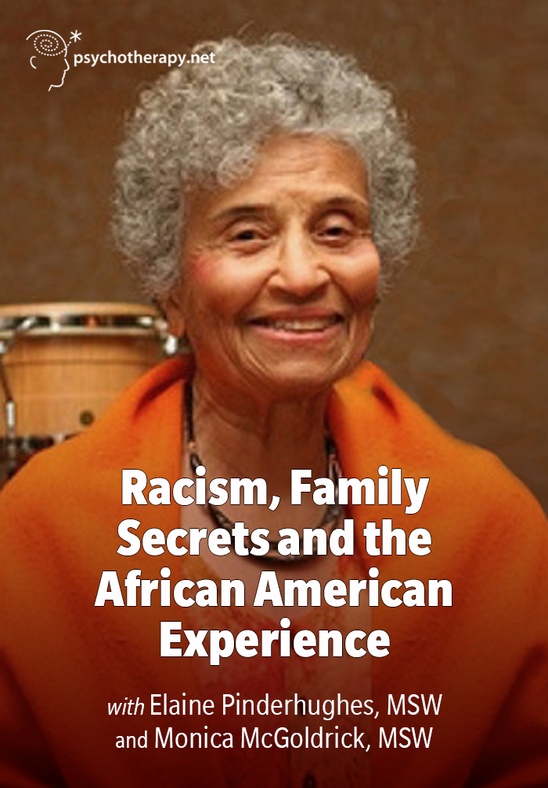
Stirred by the death of her father and Alex Haley’s “Roots,” professor, social work pioneer and clinician Elaine Pinderhughes began a journey into her family’s past, focusing first on her father, a supposed sharecropper. She soon discovered a rich and multi-layered story that predated slavery. When she turned her attention to the maternal side of her lineage, Pinderhughes uncovered even more mysteries. These ultimately revealed a complex, cross-generational narrative centered on discrimination, shame and secrets; but also, resilience, strength and pride.
Pinderhughes never sat idly by to watch the pain and suffering of generations of African Americans fade into history. A zealous advocate and historian, she turned her attention to understanding the destructive impact of racism in her own family’s origin to both validate history and invalidate the lies passed down over generations. By taking this journey with her in this video, you will appreciate how racism impacts individuals, families and communities you work with. You will learn how the lives of your African American clients and the choices they make may be tied to their racial legacy. In turn, your clients will feel deeply heard and have the opportunity to confront the legacy of racism in their lives.