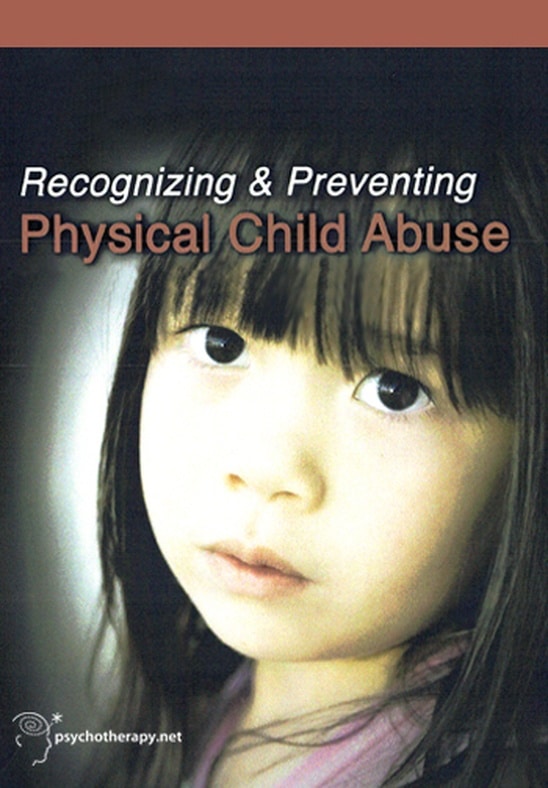
In a country where physical discipline is legal it is incredibly important for the social work student to have an understanding of physical abuse: both its causes and ways to prevent it. Physical abuse is not limited to any particular type of home or family. It’s found in families of any income, race, or class and has serious ramifications that range from health problems, physical and emotional scarring, as well as death.
This video will be your guide to exploring what physical child abuse is, what the short- and long- term effects are, why parents choose to use it, and most importantly, what can be done to put a stop to it.
By taking a challenging topic and dissecting its many parts, this video provides you with specific and concrete interventions you can use with parents right away. There’s no definitive answer to why certain parents abuse their children and why others don’t, but the video explores several factors that correlate with physical abuse including:
- A parent’s own history of being abused
- Stress, especially while caring for an infant
- Unrealistic expectations of developmentally appropriate behaviors in children
- Mental health issues for the parents, including personality disorders that are undiagnosed or untreated
- Substance abuse
Each factor is looked at in depth and ways to engage a parent are provided.
This video also explores the differences between discipline and abuse, a discussion that often arises while working with physically abusive parents. As a result, social work students watching this video will understand how effective disciplining emphasizes teaching rather than punishing.