What Root Canal Surgery Taught Me About Being a Therapist

Although I don’t have a full blown case of dental phobia, suffice it to say that I wasn’t looking forward to my root canal surgery that morning. I maturely prepared for the morning’s activity by queuing up a psychotherapy podcast, thinking that listening to it would distract me from the unpleasant sounds and smells of the offending tooth being drilled. While the endodontist had previously assured me that I would feel no pain, my eternal skepticism left me in doubt.

Like what you are reading? For more stimulating stories, thought-provoking articles and new video announcements, sign up for our monthly newsletter.

As the procedure progressed, I found it increasingly difficult to relax—if relaxation is even possible during a root canal. My garbled responses and feeble hand gestures were futile attempts to communicate with the surgery team, and it quickly became clear that my brilliant distract-by-podcast plan wasn’t quite as practical or effective as I had hoped.

So I removed my AirPods, and without a conscious choice, found myself turning my attention inward, focusing on my bodily sensations, and trying to relax as deeply as I could. Although I consider myself fairly attuned to my somatic being—and I use that attunement in my therapeutic work—the length of the procedure and its intensity motivated me to increase and deepen my level of focus.

I first tuned into my breathing, and then into what I can best describe as “energy flow”—although as I write this I worry it will sound a little too “woo-woo.” But whatever one wants to call it, it is something I regularly experience quite viscerally: the sense of energy flowing through my body, often stopping or disappearing at certain locations, such as my waist or hips when seated, but at other times like a creek which goes underground only to resurface later, reappearing in my calves or ankles.

I attended to this current of energy, noticing its ebbs and flows, and its associated sensations: pleasure, tension, openness or closedness, as well as the degree to which I was fully immersed in the experience. Then I began to have images and associations, most particularly related to table tennis, a sport which I’ve been playing for a few years (switching from tennis after developing tennis elbow) and had just played the previous evening at a local club. I’ve been getting coaching from an elderly Salvadoran man who played on his national team half a century ago, and am struggling to take the nice, relaxed forehand topspin shots that I can occasionally execute during our practice sessions and bring them into the matches at our club, only to find myself tightening up during my stroke and hitting the balls into the net. Yet as much as I tell myself that the stakes couldn’t possibly be any lower—what difference does it make if I win or lose one of these matches?—I find it extremely hard to change these habits. And there I was, in that chair, trying to do pretty much the same thing at the receiving end of the endodontist’s drills, picks, and pokes—focus, relax, let it happen.

And here my mind goes off in a number of directions. First, how hard it is to make any changes, and how the essence of who we are is so embodied. Think of anyone you know, and then how they move, whether it’s walking, dancing, or doing one sport or activity. If you see them again 10 or 20 years later, you can probably recognize them just by these movements alone.

And then I think about how we as therapists receive just about zero training in attending to the body, both our own and those of our clients. Sure, we may have been taught at one point how to lead a client in a relaxation or body-focused mindfulness exercise, but that’s likely about it. That’s barely scratching the surface. I realize that in recent years I’m much more attuned to my own bodily sensations when I am doing therapy. Sometimes it’s in the form of an emotional response in my heart or chest or throat, which I assume to be some form of empathic resonance. Often I share it with my client, not as a definitive statement, but merely as an observation, often with a question such as “I notice I feel some emotion swelling up in my chest; am I picking something up from you?” Other times I don’t share it but make a mental note for later consideration. This may take the form of something like, “Hmm, I find myself feeling ___________ (fill in the blank: softer, more vulnerable, tired or restless) with this client and wonder what might be happening between the two of us.”

There are indeed various somatic-oriented “approaches”—but these are far from mainstream, or from being taught in most of the grad programs which focus on “evidence-based” therapies. But there is no firewall between mind and body, and it’s patently absurd that therapeutic approaches should be Balkanized into separate fiefdoms: cognitive vs. emotionally focused vs. somatic. One hears about integration and flexibility as being hallmarks of mental health; if so, we therapists and our battles between theoretical schools aren’t doing a very good job of modeling this.

As I finish this blog a few days later while waiting in the San Francisco airport for our flight to depart after a four-hour delay due to leaking hydraulic fluid, I am grateful that this glitch was discovered on the runway before takeoff. I check into my body and feel the impending relaxation that comes with vacation, despite the false start on the runway. My shoulders are relaxed, my ankles warm, and I feel the energy flowing despite a slight constriction in my crossed legs. I notice a slight sadness, or perhaps melancholy, but am not sure what that’s about. Maybe I’ll sit with that a bit and see what I discover. Or maybe it will just fade away and remain a mystery.

Dr. Shelley F. Diamond: A Psychotherapist Facing Death

How to Tell My Patients

My doctor at first thought my month-long pain was probably heartburn, and I said “No, I’ve had heartburn before, and this does not feel like that.” And she said, “Well, take some Prilosec for a week.” I did that, but the pain was getting worse. That’s when she said, “Well, let’s do some tests.”

They tested my urine and blood, which determined that I needed an ultrasound, and that determined that I needed a CT scan, and that showed I needed a biopsy, which diagnosed pancreatic cancer.

All that was very disturbing, of course—medically and existentially. Once I got that clear information, my first thought was, “Oh my god, I have all my patients!” and my first decision was, “I can’t deal with my personal issues until after I figure out what am I going to do about all my patients first.”

I’ve been a psychologist in private practice since July 1, 2006. It’s been over 15 years. I have a full seven day-a-week practice. I had to deal with all the patients that were currently scheduled and those calling for an appointment.

So I realized I had to come up with something to tell my patients. Each person is different, so how would each of these people need to hear this news? Certain patients do everything over email, including arranging appointments, and I realized—okay, certain people I can tell over email. But some people don’t do email.

I knew I would have to tell some people over the phone, and I was concerned this might cause them harm. One older woman only communicated through phone calls, and I knew I would have to tell her on the phone; I knew that would be the most difficult person to tell. In my own life I’ve been told that way that loved ones of mine were dying, and it felt like a horrible way to hear this news. And I didn’t want to tell anyone via text, so I just sent them a text saying “I sent you an important email. Please read it.” It required juggling several different communication methods.

Some of my patients were going through a bad time in their lives, and I knew I needed to wait a few weeks to see if there was a better time to tell them this bad news.

What I realized was that for most of my people, it would be best to compose an email message that I sent them the day before our scheduled session. I had a template with the first paragraph, and then I customized the rest of it for each person.

Most of the people received the subject line: “Bad News.” They needed to have a heads up so that before they opened it, at least they knew it was bad. It would be helpful for a lot of my people to prepare them to open the message.

Then I started out with their name and, “I have some bad news to tell you. I’ve been diagnosed with pancreatic cancer, and I only have a short time to live.” Then I said, “Please accept my apologies for this abrupt change in our relationship. It hurts me to have to share this bad news. I wish this wasn’t happening.” It was important to connect with them in a human way, because anyone knows this is a horrible thing to have to write.

The third paragraph was, “The only good thing is that I know you have learned a lot in the time that we’ve been talking together. We can still have our session scheduled for tomorrow, but that will probably have to be our last session. In the last session we will review the progress you’ve made, because I don’t want you to forget what you’ve learned.”

Each in Their Own Way

I had to send this to about 40 patients. There were a couple of people that I thought were going to need more than one final session. So, for a few of them, I wrote, “If you need more time we can have another meeting, but let’s see what we can talk about tomorrow.” But no one wanted more than one session. I think it was too painful for everyone. The one last session was so intense that they couldn’t open up again in another session.

They all expressed a concern about taking up my time, and I had to reassure several that it was important to me that we have that last session. There was one person who couldn’t respond at all, and just didn’t show up for the last session. I sent him a message saying, “I understand this was probably too much to deal with, and I have known you long enough to know how you feel, and it’s okay.” And then there was nothing else from that person. I knew he needed me to acknowledge that, because I DO know how he feels. I have several patients that I’ve been seeing for years. He was the kind of person who expressed very frequently, “Oh, I’m so grateful for our work together.” He didn’t need to repeat that, I knew how he felt.

I had a different relationship with each person, of course. Some of them needed to say things in the last session, and some of them didn’t. One woman was inappropriate, in that she had boundary issues. She said, “I looked up your home address on the Internet, and I want to come over and feed you soup, and I want to take care of you.” She had an “I’m going to smother you with love” kind of response. And so I had to make the boundaries clear and told her, “I appreciate your intentions, but that’s just not appropriate at this time.”

With her and several other people, I had to immediately connect them to another therapist. That was the other challenge I had—getting them referrals. Because I knew someone like her needed to transfer immediately to someone else. Luckily with her, I was able to identify a therapist I knew would be good, and she did connect with that person right away. Then I was able to say, “Talk to your new therapist about how you’re feeling. I know you’re grieving, and this is your way of trying to stay connected to me, and I know this is part of the grieving process. This is reminding you of all the people in your life who have died and you’ve lost connection with. There is a lot to talk about, and this will be a good way to connect to your new therapist.”

With some people, I had to help facilitate their taking their emotions and using them to be with someone else, because that I couldn’t do that with them anymore.

I’m taking this opportunity to say a little bit about what I did because when it happened to me, I had no idea what to do. Graduate schools and continuing education need to show therapists how to deal with such situations as I found myself in. It seemed up to me to reinvent the wheel, or perhaps even to invent it. The only good thing was that I was very aware that I had to figure this out. I had an intense feeling of urgency. I just used what I felt with my patients to guide me in sensing what each person needed from me in each moment.

And for people who I had seen for many, many years, I was able to say things like “I know you’re in a stronger place now than you were when we first connected, and I know you have the resilience now to deal with the ongoing challenges in your life.” I needed to reinforce some of the ways that I really did know that they had grown over time. To one person I said, “I know you have more confidence in dealing with the challenges in your life. It’s made me happy to see you grow and change for the better over time. I’ve seen you so many years, it feels bizarre that I won’t ever see you again;” validating the feelings that I knew they would have. I would add, “I’m glad I was able to be there for you during your long divorce process;” “I’m glad I was a witness to your changes in emotional maturity over time;” “I know you’re capable of commitment, and I hope you can find someone else who is capable of that.”

Email communication was good because it’s a document that they could come back to. I made sure that I wrote things to people who I knew used written materials in their process. In their last session, they said, “Oh, I’m going to keep this by my bedside, so I can read it again when I get discouraged.” That’s why I sent them these things the day before, and then in the last session reinforced this again. I said, “Let’s talk about your progress and how we can make sure that this grief doesn’t trigger a relapse into your old unhealthy ways of coping with things.” I said, “The only good thing is I know you’ve made great progress, and it’s been a pleasure to watch you free yourself from all the old patterns in your life.”

People responded with, “I’ve never talked to anybody about death like this before.” In the last session, I would ask them, “Who have you known that was dying or died. What did happen?” And 99% of the people said, “We never talked about it. It was just something that you didn’t talk about. It was always something to avoid as a terrible thing.”

One thing I do want to mention is that when I put my original notice to the San Francisco Psychological Association, with the subject line, “Telling my patients I’m dying,” I received an outpouring of support and messages from my colleagues who were wonderful. People were very kind.

One of my colleagues who responded shared that she had also faced cancer, and that she had talked to her patients and said, “I know that it’s scary to talk about cancer and death.” She added, “I’ve had some very good conversations, and it was important to talk about it, and it was helpful to them…We’ve had some profound conversations.” Her saying that really helped me become more conscious of what these last sessions could be. I realized, this is a therapeutic issue, and I need to think about how this could help them to talk about death. Because before that I was thinking, “Oh my God, I’m causing them harm by having to tell them this.”

I knew I needed to be thoughtful about not causing them harm. But my colleague’s message awakened me to the possibility that this discussion could be a profound therapeutic gift. And that is exactly what happened; I would say 98% of the people had an amazingly deep therapeutic session where they opened up about how talking about death was something they’d never done before. Even the men were sobbing. I’ve never heard the men cry like that before, even the very macho kind. They said things like, “I could never talk to my mother or grandmother like this when she was dying,” and, “I wish my mother had been able to talk about this”—they grieved not getting that opportunity before with various people in their lives.

They were able to talk about our relationship and what they had gotten out of being in therapy with me. And they were able to expand it to the idea of death in general, how we don’t talk about it, and were glad that we were able to do so. Some said, “I’m going to live a better life because of this. You’re helping me realize I can’t take each day for granted, and I can appreciate everything more.” “Because this has happened, I’ve reached out to my family and told them that I needed their support.” “Now I feel more connected to my support people because you’ve given me the courage to talk about this, so I’m going to talk about it more with them. You’re helping my whole family.” People were very effusive and heartfelt. I mean, many were sobbing. The only people who didn’t really cry were a few people from cultures that taught them not to show deep feelings, but I could tell they were shocked and saddened. Everybody was profoundly touched. Some said, “Thank you for being so honest about what’s happening,” and “I had people who died, but they just disappeared, and I didn’t even know what happened or why they died. There was no way to get any questions answered.”

Grokking the Infinite

There’s another kind of pain. I’ve almost died many times from eating nuts. I’ve always felt that I wasn’t afraid to die simply because I’d come so close to it before. It was always an experience of just letting go and surrendering to the process. Because what I learned from that is, don’t fight it, just relax. The best thing always in that situation for me was when I realized, “Uh-oh, I’m having anaphylaxis, and so I might die right now,” was to be as completely physically relaxed as possible, and sort of go into a trance. That’s really what helped me. I would go into what I would call a hypnagogic state, where I was conscious, but it’s an altered consciousness. Like just before sleep, for some people. I really use that time as I’m falling asleep or as I’m waking up, to hold onto that hypnagogic state. It’s an altered state, but it’s a very peaceful state. I always associate that with a dying experience because it feels like it’s between worlds.

I remember one of my early existential experiences, when I went on a camping trip with my family. We were outside at night under the stars. I remember I was with my father and we were looking up at the sky, and it was one of those places where there were no lights, so you really could see more stars than you could at my suburban home. And I remember looking at the sky, and at that time, they had this TV show called Ben Casey, M.D., and in the beginning of each episode a Dr. Zorba would write symbols on a blackboard, and say, “Man, woman, birth, death, infinity.” And I remember asking my dad, “Dad, what’s infinity?” And he just said, “Look up at the stars, that’s infinity.” He said something very simple like, “It goes on forever.”

I looked up at the stars, and I felt I could suddenly grok the idea of infinity. It was like the movie about Helen Keller learning the sign for water by feeling the water coming out of the pump. I must have been about eight years old, and I remember this intense awareness of the immensity of the universe. For a moment I felt it, and then the next it felt too intense, and I shut it down. But I always remembered that moment I did let it in, I could let it in, and it has stayed with me all these years. I can go to a planetarium and feel it in a way I couldn’t feel it when I was a little girl. Now I love to go to the planetarium and be absorbed into that immensity for an extended period.

To me that’s what death is, you get absorbed into that infinity, that immense infinity that our human brains are too small to comprehend, the totality of the cosmos. Humans are probably too fragile and limited to hold the voltage of that infinity experience, and so we have to kind of shut it down to some degree. Because when you really think about how vast it is, it’s beyond our capacities. We blow fuses.

As my Zen friend says, Death really is the Great Mystery. And I’ve always said it’s a mystery what the true cosmos is; I don’t believe we can comprehend it. Every human finds some way of explaining it for themselves, whether it’s a religion or a faith or a philosophy. I just think of it as all philosophy, of what helps them tolerate this ongoing uncertainty, that we’ll never know. We cannot know. But we need to know. That’s what being a human is. We want to know, we need to know. We need an explanation.

My recent experience has been sort of a building on that foundation, in that my experiential reality since I’ve been given this diagnosis is that I have a felt sense of my molecules preparing to disperse. It’s very hard to put into words, but I feel my—that’s the only way I can say it—my molecules are preparing to disperse into the cosmos. There’s some—it feels almost physiological, but it’s clearly a psychophysiological experience—it feels like my molecules are preparing to expand. There’s a sense that something is expanding and opening. Every single cell in my body is starting a journey.

It’s very subtle. I feel slight changes in every level: my body, my thoughts, and my emotions. I had to go through a process of understanding what’s been happening to me. I’ve been writing in my journals, and that’s been very good. In these hypnagogic states I’ve been trying to process, how do I conceive of this? I’ve always been prepared to die, from having had childhood medical problems; for so many years I was suffering a lot, and spent most of my life thinking that I would be so glad when I die and be done with all this suffering. I was always expecting to have no problem jettisoning everything.

But I’ve been feeling very good physically these last five years, and I’m 65 now, so I’m having a different experience, “I’m feeling good now! Oh no, I see why people don’t want to die. I’m having mixed feelings because I just figured out how to feel good and now, I must go?”

Another level of it is being aware that my sense of time has changed. I now live with a time reference point that other people don’t have. I talk to people and I’m aware they’re living in a time structure that I used to live in, and I’m not in that anymore. I’m in a different group now. Over the last five years, whatever happened, I’d think, “Well, I’ll do that someday. At some point I’ll get around to that. If it doesn’t happen this week, that’s okay, it’ll happen at some point soon.” I can’t use any of those reference points now.

I’m very glad I had those experiences with anaphylaxis from exposure to nuts, because I know I’m so much better prepared for what I’m going through than someone who’s never had that. And I can tell from talking to other people, the way they are imagining what this would be like is so different. It’s been interesting to talk to people. Some people say things like, “So now you know you’re going to live less than six months, do you have a bucket list? Are you going to go have fun and do whatever you never got a chance to do?”

No Bucket List, Just Gratitude

No. Number one, for my whole life I did everything I wanted to do because I knew I might not live very long. I’ve always done everything I wanted to do. I was never waiting for retirement to do fun things. That would never have occurred to me.

Number two, I have so many things I HAVE to do right now, I don’t have time to go have fun. I’m grateful that I am not going through any medical procedures, because the only suffering I have is pain. Other than that, I feel fine. I can do everything I want to do. My mind is sharp. I’m in charge of everything that’s happening. I’m juggling ten different things. I’m juggling attorneys, and accountants, and doctors, and who’s going to help with my patient files. I’m juggling so many different projects that I probably wouldn’t be able to do if I were sedated or going through some sort of medical procedure.

Another thing I am grateful for—and I spend a lot of time writing about what I’m grateful for—is that I am still mentally fine right now. I didn’t add more side effects from medical problems to my suffering. I have had a certain amount of time to get my affairs in order, for which I am truly grateful. Some people get this diagnosis and they’re dead in a week or other very short time. I’m grateful, I’ve had months, because when I first got the diagnosis, I thought I’d better act as if I were dying next week. “You better get into gear, overdrive, because you may be dead in a week. You have no idea how much time you have.” And so I’ve been very, very active, as much as I possibly could, from the day I got this diagnosis.

I’m grateful that I have lived as long as I have, because I thought I was going to be dead before I was 20. My father died when he was 60, and at the time I thought he was an old man. I was 19 when he died. At the time I thought that at 60, a person is old. And I remember people saying, “Oh, your father, it’s such a shame he’s dying at 60.” I thought, “What’s he going to do after he’s 60?” I remember I didn’t understand why people thought that was a short time to live.

For resources I recommend an organization called You’re Going to Die, which does public gatherings where people talk about death. They tell stories, sing songs, read poems, and they share whatever they need to talk about in terms of an awareness of the fact that “you’re going to die.” I think they are a beautiful organization. They’re here in the San Francisco Bay Area. During COVID they are doing it over the Internet, but they did do them in person.

They have a little coin they give out. On one side it says “You’re going to die,” and on the other side it says “You’re not dead yet.” The whole point of it is to raise your consciousness to be aware that yes, you’re going to die, and we need to be able to talk about the pain of knowing that is going to happen, but we want you to be aware that you’re not dead yet. You need to have both so that you can be present in the moment in a more helpful way.

I also recommend the Ernest Becker Organization (ernestbecker.org). He was a cultural anthropologist who wrote the ground-breaking Denial of Death in 1973. Another resource is Death Café (deathcafe.com), which I have attended in the past.

Thank you, dear readers. I will just say goodbye for now. I hope to encounter your spirit again.

Shelley Diamond, PhD
San Francisco, California, USA
 

***
 

Editor’s Note: Dr. Diamond closed this conversation by sharing the 2019 poem “You Will Lose Everything” by Jeff Foster, noting that she had shared it with people who said it was helpful to them. It begins with “You will lose everything” and ends, “Loss has already transfigured your life into an altar.”

This article was excerpted from a conversation between Dr. Shelley Diamond and Dr. David Bullard on January 23, 2022. 
 

Whose Exposure Is It, Anyway?

My guess is that most therapists, even if neither trained in or actively practicing CBT, are familiar with the technique of Exposure with Response Prevention (ERP). Simply put, it is one in which the client, typically struggling with OCD, is systematically exposed to thoughts, objects, images, or situations that fuel their anxiety, which in turn triggers their obsessions and compulsions. As they are guided through the exposure scenarios, which can be imaginal, “real,” or more recently through the use of VR technology, they are provided with alternative skills for coping with and reducing the triggering anxiety. Over time, the anxiety diminishes, as do the obsessions and compulsions.

Like what you are reading? For more stimulating stories, thought-provoking articles and new video announcements, sign up for our monthly newsletter.

I had been working for a relatively short time with my newest clinical supervisee, S, who shared a heartrending account of a childhood scarred by parental instability and early sexualization, profound feelings of vulnerability and insecurity, and his subsequent trajectory beginning in adolescence along a painful path of sexual compulsion and risk-taking behavior, including high-risk sexual hookups with strangers.

This was quite distressing to hear, considering that he was working in a treatment facility with highly disturbed clients, half of whom were referred for “mental health” issues and the other half for substance use disorders. Triggers abounded for this emerging clinician, who thankfully and much to his credit was simultaneously receiving counseling, attending Sex Addiction Anonymous (SAA), and supervision with me.

And then came C, an attractive, thirty-something, HIV-positive client with an early family history not very different from S’s, and who like him was a self-described “sex addict,” was involved in a BDSM relationship with someone considerably older, who worked in a sex shop much like the ones S historically frequented, and who also sought sexual hookups with strangers like he had (up until only recently).

While my primary obligation was to my supervisee, I was also technically accountable to his client. And in light of the similarity of their early adversities and subsequent behavior, I was compelled to carefully monitor what I considered to be the inevitable emergence of countertransference.

As a clinician, clinical educator, and supervisor, I am familiar with the many manifestations of countertransference, especially among freshly-minted therapists and those who may not yet have met, let alone confronted, their own demons. And I know that although clinicians sometimes benefit psychologically from their work with clients, there is a powerful edict in our field that says, “thou shall not use your clients for self-healing.” But it happens, and sometimes, as they say, the universe sends us the clients we need, although it remains important that the clinician not use or exploit the therapeutic relationship for their own psychological gain.

At the outset of his work with C, and much to his credit, S immediately recognized similarities between his and his client’s story and problematic behaviors. He knew that a minefield lay ahead, saying to me, “My mind was racing 100 miles per hour when he told me about his life.” C was the kind of person—young, attractive, needy—that he might have hooked up with on the outside, although he very quickly recognized that crossing this particular boundary would be career suicide and would leave everyone devastated in its wake. While he wasn’t concerned that he might cross that particular line, S was deeply concerned that his client would trigger him to act out in his own life, so had to be vigilant for feelings and thoughts that heightened his own anxiety and which were historically triggers for his compulsive use of pornography and search for hookups. I was very relieved that he had broached this difficult topic with his own therapist, was sharing it with me in supervision, and had been attending a local SAA meeting.

Along this path of inquiry, I have conceptualized S’s treatment of C as his own, rather than his client’s exposure with response prevention (ERP). In this case, the ERP is not being used directly, or even consciously, in the service of the client’s sexual obsessions and compulsions as it might otherwise be, but instead as S’s own means of monitoring the triggers that the therapeutic work has evoked, and thus as a way to mitigate the impact of those triggers within himself so he is able to control his own sexual obsessions and compulsions. While I initially thought it might be more effective to keep this insight to myself, I decided that sharing it with S might aid the supervision, and in turn positively impact his therapeutic work with C.

And so, I inquired and learned that in addition to his own therapeutic and supervisory work, S was doing some powerful internal work when in the room with C. Like himself, C had survived, albeit scathed, from a traumatic earlier life and had stopped growing in early adolescence. It helped S to conceptualize him as a vulnerable teenager who needed a deeply supportive and empathetic clinician who could relate, although not project. Only in this way could he simultaneously help C to develop more mature, effective, and developmentally appropriate intrapsychic and behavioral coping skills for addressing his own intra and interpersonal challenges. My supervisee and his client, both wounded and fragile in their own right, are growing together.

***

As of this writing, I have yet to speak with S’s therapist and may or may not, but I am very appreciative to know that together they are discussing, among his other issues, countertransference matters and how they are factoring into his therapy with C. I felt and still do that it is my role to carefully explore the countertransference for the purpose of helping S recognize not only the triggers in the therapeutic work, but to become as aware as possible of the ways they impact not only that work but his own personal life.

Existentialism and the Environmental Crisis: The Urgency of Meaning

Many years ago, while taking a summer class at a local university, I happened upon a copy of Existential Psychotherapy by Irvin Yalom, a title which appealed to me given that I was a newly graduated philosophy major. Reading that book was the tipping point in my decision to go to graduate school. Throughout my graduate studies, I kept searching for a faculty member or practicum site supervisor to engage me in mutual exploration of the existential concerns that were elaborated in that work. Unfortunately, those discussions never really materialized in the way that I envisioned or hoped, as at that time Cognitive Behavioral Therapy was emerging as the predominant school of thought informing most psychology graduate programs.

Like what you are reading? For more stimulating stories, thought-provoking articles and new video announcements, sign up for our monthly newsletter.

Since then, my clinical work with children, adolescents, and adults who have experienced complex trauma has brought me face-to-face with these fundamental human concerns, in particular with the need for meaning and purpose and for a sense of belonging in a sustaining community where we work out our identity and contribute to the welfare of others. Many of the leaders in the trauma field have emphasized the critical importance of these most basic human needs, which have also been identified and expanded upon by the work of clinicians, teachers, and researchers in the fields of constructive developmental psychology, mindfulness, and social neuroscience.

Recently I have started re-reading Existential Therapy, motivated by the ever-increasing number of clients with whom I have worked who struggle with existential concerns arising out of the unfolding environmental crisis. While my own understanding and confrontation with the “givens of existence,” as Yalom refers to them, has evolved significantly over the decades, his work and that of others such as Frankl and Buber assume heightened significance for me today. Clients struggling with often debilitating anxiety in the face of climate change span a wide range of ages, occupations, socioeconomic statuses, and cultures. Perhaps they are somewhat over-represented by younger adults and adolescents, but questions of meaning, purpose, and belonging are common, pressing concerns for many persons who have sought psychotherapy with me.

The COVID pandemic, the ongoing traumas associated with colonialism, systemic oppression, discrimination, and marginalization of people of color and others, political and social unrest, economic injustice, and now the invasion of Ukraine, impact our individual and collective health and well-being in significant and interacting ways. As such, I realize that I cannot isolate the environmental crisis apart from other highly stressful conditions of our time that my clients share with me. I believe, however, that the environmental crisis is unique in that it serves as the broader context or background against which other challenges play out, and that its impact on these other factors is both pervasive and at times subtle, factors which invite us to avert our gaze from the potentially catastrophic and irreversible effects of climate change. This latter dynamic heightens the distress felt by many.

While I approach diagnosis with healthy doses of skepticism and caution, I believe that a good argument can be made for a new DSM diagnostic category, “existential anxiety disorder,” one that recognizes the serious, traumatic impact of climate change on mental health—an impact that I believe will only increase in the coming years. I think it important that psychotherapists recognize and address the very real, oftentimes terrifying, fears and anxieties associated with climate change that clients bring into therapy.

***

Co-authored by 270 prominent researchers from 67 countries, the most recent report (2022) from the United Nations’ Intergovernmental Panel on Climate Change is a 3000+ page document with which a surprising number of my clients are familiar. They are aware of the disproportionate impact of climate change due to social factors such as economic inequities, marginalization, and colonialism, especially for indigenous peoples and those whose basic daily needs are directly dependent on the local ecosystem. The report addresses the unsustainability of natural resources related to both consumption and production, and how this contributes to a situation where half of the world’s population experiences water shortages, where increased incidence of flood and drought lead to acute food insecurity and malnutrition, as well as where forced displacement and immigration have disproportionately impacted those parts of the world with the least ability to supply basic infrastructure needs and provide a safety net for residents. Issues of justice and morality are evident here, and I often witness aspects of moral injury as my clients recount their struggles living as witnesses to and participants in actions that they find ethically and morally unacceptable.

This situation is only going to grow more urgent as the reality of an ever-degrading environment finally breaks through our collective denial and we can no longer avoid the reality of what we have wrought upon ourselves. Several of my clients have expressed a fear that as a species, we are collectively committing suicide, and they struggle with hopelessness, despair, depression, and a genuine lack of purpose and motivation. For many of them, existing meaning-making narratives are inadequate to the task of grounding oneself in a time of great uncertainty. At the core, these clients are experiencing a crisis of meaning, one that calls to mind the words of William Butler Yeats from The Second Coming:

“Things fall apart; the centre cannot hold;
The best lack all conviction, while the worst
Are full of passionate intensity.”

It has been personally challenging for me to serve these clients, especially as the collective “we” are all facing the same increasingly dire situation. My ability to maintain consistent self-care and sustaining connections with others, and my own spirituality and meaning-making narratives, are frequently challenged.

***

I do not believe that manualized treatment protocols targeting cognitive distortions and maladaptive schema are up to the task of adequately addressing our clients and their fears over the possible extinction of humanity. I suspect that this might be a very opportune time as a profession to refamiliarize ourselves with some of the grounding ideas of existential psychotherapy that have been elaborated in the fields of psychology, philosophy, and spirituality.

As an illustration of what I am seeing in my practice, let me introduce Maria, a young professional who initially came to therapy describing herself as “quite anxious” and concerned by increasing difficulties in maintaining focus and motivation at work. At the time, she was employed as an organizational consultant in a field that she finds intrinsically rewarding, and until recently had found her work highly satisfying. In the initial session she described a tendency to “overthink everything,” a gnawing self-doubt that was both new and troubling, anxiety related to health concerns, and a vague sense of purposelessness.

Maria also shared that she had started asking herself the question “Is this all there is?” when reflecting on her chosen career and lifestyle. Maria had begun to seriously question notions of hard work, productivity, and success in life and career, questions that cast doubt on the inherent value of the ideals of progress, advancement, and acquisition underlying our capitalist society. Indeed, as her awareness of the factors contributing to the environmental crisis broadened, she had given voice to a growing conviction that this worldview was itself toxic, unsustainable, and as it has played out, immoral. Her developing recognition of the interdependence of people, and indeed of all life and the planet itself, had further served to catalyze her current crisis of meaning.

Aware of the disproportionate burden that residents of the world’s least resourced countries are bearing, she became increasingly uncomfortable with her privileged position. She was actively involved in advocacy efforts at raising awareness of the need for more urgent, far-reaching and impactful action to protect our environment through comprehensive, long-term adaptation planning and implementation. Nonetheless, Maria often felt an almost paralyzing guilt that, coupled with the realization that she could do very little to directly affect significant change, had seriously impacted her ability to appreciate life. Maria’s anger over the lack of resolve on the part of world leaders and governments alternated between increased irritability and open expressions of frustration, and times where she felt stuck, powerless, and hopeless. She and her partner also struggled with the question of whether to become parents, painfully aware of the moral implications of bringing children into a world where the future appears so uncertain.

Throughout the course of our work, Maria has explored questions of purpose and meaning, of personal values and considerations of social justice, and how these might guide her daily life. Against the finitude of human existence, the question of whether and how our individual lives matter has been a prominent theme. While not religious, she is a deeply spiritual person, and this has been an important aspect of our work together.

Questioning the dominant Western view of the autonomous, independent self and developing a more nuanced appreciation for human altruism and the self within the context of neuroscience have challenged traditional notions of the “selfish” self by providing Maria evidence that one’s sense of self can contribute to a broader social cohesiveness. Finally, recognizing the impact of small, personal acts of kindness flowing outward like ripples on a pond, interacting with other ripples, changing one another as they interact and spread out across the water, have all been important aspects of a therapy seeking to address existential concerns arising out of the environmental crisis.

***

Like Maria, many of my clients are struggling to fashion a coherent framework for meaning-making, one that accounts for our interrelatedness with the Earth and her creatures, one that recognizes and honors that we are part of an interdependent whole, a living organism where the fate of one is tied inextricably to the fate of all. They recognize, some explicitly, others on an intuitive level, that many of the religious traditions that they are familiar with do not adequately address these relational, contextual realities. Neither do the guiding myths of hard work, resource exploitation, unsustainable consumption, and success that are embedded within capitalism. Not in a world where these notions have run amok and have brought us collectively to the precipice of an unimaginable environmental crisis, which is simultaneously a crisis of meaning and purpose.

It is my hope that professional training opportunities will develop to help prepare therapists for what I suspect is going to be a growing number of clients who are struggling with issues of meaning, hopelessness, and despair as they attempt to find the motivation to get out of bed in the morning and put one foot in front of the other. I am constantly running into these issues in my private practice, and I suspect that I am not alone.
 

On the Continuum of Real to Imagined Abandonment

Real or Imagined Abandonment

Real or imagined abandonment. I read the words out loud in time with my ex-fiancé Dan’s index finger as it moved along his computer screen. The DSM pages that had been all too familiar to me since graduate school felt like a loved one’s obituary following a car accident. The term borderline personality disorder has fit many of my clients over the years and, at the risk of sounding cliché or contrived with “some of my best friends are,” well, some of my best friends have shown signs of BPD. And I have experienced these signs in myself. While my long-standing self-diagnosis of Complex PTSD has often felt like a badge of honor, attachment issues have always been my true Achilles heel. The dull ache of a relationship’s potential for derailment and deterioration has been etched on my mind and present in the throbbing headaches that often settled between my brows. Headaches and worry became as familiar—and as distressing—as red lights and waiting in line.

A glass of ice-cold water in the face could not rival the moment when the man you love asks you to read the word “abandonment” in conjunction with all the associated components of borderline personality disorder, the condition that is the zenith of the experience of pain-by-abandonment. BPD is a testament of pain. Just the phrase stirs in me that same kind of sadness as whenever I look at old family photos, watch the movie Of What Dreams May Come or listen to the song “As Tears Go By” by Marianne Faithful.

My whole body trembled as I forced myself to remain standing steadily enough to continue reading the rest of the diagnostic criteria out loud. We were technically in his living room, which sometimes felt like our living room, standing in the aftermath of one of our all-too-regular fights.

My tears, the white flag of surrender, bonded us. Again. I fell into the warmth of his familiar, coffeeshop-scented Saturday sweatjacket and strong heartbeat as his arms tightened around me, his hands first locked on the middle of my back, gently patting me until finally finding their way to my face in order for him to gently pull the hair away from my tear-bleached eyes until those tears finally stopped.

After a childhood derailed by my parent’s and stepparent’s drug use, along with the twists and turns of moving in and out of assorted relatives’ homes, I had earned my black belt in therapy patienthood by the time I was twelve. And while my vocational pathway was not a carefully pre-planned collaboration but a mystery left for me to solve on my own, I condensed what I knew of life to that point and studied counseling psychology in order to become a therapist. My torturous family history prepared me well to hone in on the essence of what those around me were feeling and what their state of mind was. My direct familiarity with how invalidation stung empowered me with a stance of caution in my work that, paired with curiosity, became a starting point for my work with clients through which I could offer validation and encouragement. With caution, I could spare clients from the therapeutic experience of being pathologized for circumstances that were beyond their control.

The adages of the shoemaker’s children having holes in their shoes or the hairdresser’s hair never quite looking good always seemed to ring true for me. In my personal life, I could not access my own therapy skill set. The never-ending question “What would you tell one of your clients?” was posed like clockwork by those well-meaning people I confided in during moments when my pursuit of comfort overshadowed practicality.

Understanding another’s life is risky business, even with the best of intentions. As a therapist, I have asked clients struggling with abandonment issues to try to make sense of the very same message Dan was trying to convey to me after our most recent fight as he attempted to quiet my own abandonment fears. Even our own couples therapy sessions, which initially seemed promising, resulted in my pained response to Dan’s distancing, deafening silence; with that, those sessions failed to yield a secure structure for the relationship we had co-created.

Why was Dan immersed in his phone at all times, especially right before and during that very therapy session, why was the therapist not acknowledging this, why did we have a constant rotation of bonded togetherness followed by cold detachment, without any seemingly clear catalyst? Why was this the one relationship on any level that I could never figure out? And, most of all, how could a union hold so much potential and goodness, only for me to then feel fleeting and irrelevant to Dan before cycling back to calm and contentment?

The deeper my intimate feelings for Dan became, the more urgent it seemed for me to safeguard our relationship by vigilantly monitoring its emotional climate—and his commitment to me. Priority one was seeking out potential threats along with warning signs of betrayal, loss of interest in me, or perceived slips in my relational ranking compared with his family, friends and co-workers. While Dan brought me into his family fold and once said he would make me part of whatever he was part of, he also said he wanted to protect me from the meanness of the world. And there was always something about his whiskey bar associations that felt like exactly that—the meanness of the world. I suspected that he interpreted my stance as that of the insecure and controlling female who wanted to dominate her guy’s friend time. I’d argue with him that even a broken clock is correct twice a day, but our relationship security, or at least mine, repeatedly seemed to plummet until my frustration turned to rage, and I was then the screaming woman ranting about a few hours at a bar or a house party planned for the weekend. Validation became too emotionally expensive, no matter how much I wanted to participate in making my point of view clear and appreciated for its well-meaning intent.

My favorite quote in Who’s Afraid of Virginia Woolf, “What we are talking about is not what we are talking about,” always seemed to apply during one of these moments. What I was focused on was not what I was focused on. I had my appointment book, my pen-to-paper lists always at the ready in order to securely defend my position of insecurity. And I had my “tangible and legitimate” complaints. His nephew didn't want us to marry or be in a relationship; Dan treated me differently after his nephew called or they spent time together. His friends wanted to see him often and I wasn’t fitting in, his work was demanding, his mother needed him on Sundays. These were real reasons for stress for me, but they weren’t giving us the real reasons for our seemingly predictable conflicts. Even his fluctuating treatment of me felt impossible to describe, except for my feelings about it. Life was the equivalent of reading accurate directions for finding a building, but still not finding its entrance even after circling the building with a Quonset light overhead.

Focusing on Survival Can be a Liability

“In your childhood, you were forced to live a borderline life,” I once said to a client who responded by saying how true it was. The image of baking a cake with the needed ingredients came to mind. Past events, such as her father not showing up to pick her up from the first grade on his various visitation days and a mother who was always traveling for work, were like toxic ingredients in her upbringing used to bake the cake of her later pain, problems, and pathology.

With similar clients, I have been able to offer understanding and to then use this to set goals, but I could never quite develop the same traction in my own relationship with Dan. With my clients who were trauma survivors, I always felt like there was a clear linear strategy that guided the order of our work—first, build rapport; second, accumulate recent history and present life circumstances; third, explore assets and resources, such as friends, talents, finance, hobbies; fourth, assess liabilities, including symptoms, people, events, debt, health; and last was the hook, the motivation. What was it in their darkest and most painful eleventh hour that motivated them to seek the safety net that kept them from hitting bottom and giving up? Could they share this with me? And could I help them to recognize that I valued this very private and fragile inner faultline they’d given me access to?

For trauma survivors, the asset of being good at surviving and focusing on keeping the safety net secure can also be a liability. I have to carefully keep this in mind with my clients. The risk is that the frame of therapy, along with my validation of their status quo and past pain, can become too much of a lifeline. If this happens, a client who is accustomed to getting by on little comfort and relatedness from others may become too comfortable to take social and emotional risks outside of therapy. Here is where the balance of minimal confrontation over avoiding fun or healthy risks must be met with continued acknowledgment of their survival skills and circumstances.

Cindy, my smart and savvy managing director client, was often reluctant to go to her company's happy hours. She emphasized how different she felt from her coworkers because of her family background. She resented the feelings that came up for her whenever others spoke about their lives but, at the same time, she hated feeling alone. Curiosity about others helped create an emotional bridge strong enough for Cindy to give the happy hour—and others—a chance. While she didn’t find much to feel compassion about, she continued acting curious until doing so took her focus from herself and onto the social world around her. Cindy liked this feeling. We named it “Moment Therapy.” We then established a Moment Therapy Quota, where she scheduled three moments per week where she would attend an event that she could bring curiosity to, and through which she could begin to cross the bridge to a safe connection.

Sacrificing Sanity for Connection

My client David wanted his wife to be on his team. He often returned home well after dinnertime, which was upsetting to his wife and led to conflicts. He felt distanced from her at those times but felt more at peace and secure in their relationship whenever he bought her jewelry. Six months into therapy, he described this cycle as one of conflict, followed by estrangement and then presentation of the jewelry, much like a cat triumphantly bringing home its catch of the day to its owner. Then all of a sudden, presents no longer worked. He would try to help around the house, even when he wouldn’t get home until 8 PM, even though his wife was a self-described stay-at-home pet-parent. He always felt like he was failing her until finally, when he would start to give up, she’d turn around and embrace him.

David’s scenario evoked memories of my relationship with Dan, particularly when he would hang out with his friends in whiskey bars. I believed that Dan's relationship with these particular friends was ripe for trouble and fueled my own insecurities, I could just feel it. Being around them made me feel the way I did many years before when I did my internship at a state-run drug and alcohol facility. While some attendees did hard work and were honest, there were also the court ordered system-savvy patients who offered little more than mock compliance at best. The whiskey bar hangout of his friends was a breeding ground for gambling and other so-called hobbies that pair accordingly with sinister people masquerading as friends. Some of the whiskey bar guys were okay, some very likable and even charming, but the setting was rough and some of them were rough with it. Dan had an ability to access people with a combination of book and street smarts. This did not include the people from this whiskey bar party-based petri dish. I believed that I had a right, an obligation, to share my concerns with urgency. The problem was that I was a one-trick pony. My mind had its doctorate in domestic trauma, but not in the imperfections of regular life. I couldn’t communicate to Dan my concerns with an emotional delivery that didn’t push him away.

With my clients such as David, I easily described their behavior as blocking old punches in real time. They typically appreciated and quickly understood this phrase and worked on compiling a weekly list of such events where the analogy applied. Many eventually learned to recognize their pattern of reacting from past conditioning as if it were happening in the present. We would then work on finding the similarities within each event and then the meaning—the core essence that they were responding to. Once my clients demonstrated security in feeling validated and were comfortable challenging their impressions, we questioned the meanings they assigned to the events and wondered together if they could be exchanged for other, less destructive interpretations. Did the original meanings still feel accurate? Or were past meanings from past events being recycled, like a hand-me-down-sweater from a relative that never quite fit and nevertheless compelled wearing during visits from them?

The Illusory Promise of Diagnosis

While I permitted Dan to highlight my flaws in our review of the DSM, I remember having fantasies in which he underwent psychological testing which would provide us with some insight into his behavior and relational style and move the focus from me to him. Dan and I would sit holding hands as a team, ready to face the results as the psychologist spoke. In the calm of this fantasy office, the psychologist would reveal a truth about Dan that lay hidden from him and me that would explain so much about our quixotic relationship and offer it hope for survival.

Asperger’s Disorder—Marked impairment in the use of multiple behaviors such as eye-to-eye gaze, facial expression, body postures and gestures to regulate social interaction, a lack of social or emotional reciprocity. Encompassing preoccupation with one or more stereotyped and restricted patterns of interest. A psychological diagnosis is an odd thing to wish for anyone, let alone your significant other. But more than anything, I wanted answers for why Dan felt out of reach when we were together, why even our phone calls could deteriorate into mini verbal landmines, and why I couldn't somehow find some way to get us to have a shared emotional experience, a mirrored sentimentality of love and life or home and hearth. Something so seemingly trivial as a kiss outside a restaurant where we had just had dinner could be risky. I would be heading home, and Dan wanted to stop off at the bar. I’d make a silly, playful comment about parting being such a sweet sorrow, and Dan found it irksome. Finally, I’d call him out for not caring. “It's not true, Pamela.” That's what he would say to me whenever I accused him of not loving me or wanting me. I missed him much of the time even when we were together, and somehow, I would blame myself in the process. After all, it was me with the diagnosis, not him! Yet when he would leave to meet his friends, I felt like the warden helplessly watching a prisoner escape. I wanted something—anything—a diagnosis to make our reoccurring disconnect make sense. I wanted a diagnosis to take on wearing the hat of the culprit. I wanted a diagnosis to blame, something instead of Dan and me. And though I had my own challenges to still work through, I wanted the diagnosis to belong to Dan.

In retrospect, and into the present, the clarity a diagnosis promises is illusory because ultimately, we all find a way to do what we want in life, especially within our closest relationships. Actions speak the loudest, by themselves. Under the refracting and distracting prism of diagnosis, explanation, or etiology, as we professionals call it, still falls woefully short of explanation. Emotional matters like attachment and love cannot be solved solely by looking at someone’s actions or solely through the lens of a diagnosis. Even combining a person’s actions and their diagnosis doesn't promise all the answers. Nothing can offer that promise, not even time.

Sometimes a diagnosis is validation, affirmation, confirmation. Sometimes, a diagnosis tells a patient, “You've been heard. And here is tangible evidence.” In working with couples, if we all get on the same page as to agreeing about the specific problems and, if then, each is capable of articulating the other’s point of view as well as their own, then we can effectively talk about symptoms of a disorder and what each is experiencing. The result is a combination of mutual personal responsibility and empathy.

Jane felt anxious every time Ben didn’t call on time. The two had recently married after a year of dating. Both were in their early forties. It was Ben’s second marriage and Jane’s first. On the heels of Ben’s ultimatum that Jane seek therapy, she called me for an individual appointment. Following an initial double session, per Jane’s request, I scheduled a session for both her and Ben.

The two sat together on my couch and eagerly faced me. They looked prepared, Jane wide-eyed and Ben holding a notebook and pen. Jane was clear that she was looking for understanding from Ben about her recent behavior, however, she then said that even she didn’t fully understand why she did the things she did. Her latest self-identified “stunt” was shutting off her cell phone and checking into a hotel room when Ben failed to call as scheduled. Jane had waited an hour for Ben to break from hanging out with his friends. By the time an hour passed with still no phone call, Jane made herself unavailable until the middle of the night when she came home.

Ben was not experienced with therapy, but said he was open to trying anything in order to save his marriage or come to terms with another divorce. The last part of his statement led to a marked change in Jane’s physical appearance. She became almost feral, in what seemed a ready- to-pounce position. I let the therapeutic silence communicate my acknowledgment of what Ben said and how Jane reacted. Each looked uncomfortable but ready to continue, waiting for my lead.

We agreed that the initial goal was for Jane’s experience of Ben and life in general to be understood—not declared right or wrong, sustainable or not, but solely to hone in on uncovering what her life and her interactions with Ben felt like. We agreed that our focus did not mean Ben was less important or was exempt from responsibility for contributing to their problems and that, in time, we could shift the spotlight to him. We also agreed that I could take license to use psychological material to help strengthen the meaning of what we would be uncovering. They accepted my request to be seventy-five percent clients and twenty-five percent psychology students, learning terms and doing assigned research online.

Fantasy (and Reality) Therapy

Many people plan fantasy vacations, ones that they never take but experience internally at the mere sight of a palm tree or the fleeting sound of notes from a favorite song. In my mind's eye, I used to picture a therapy session that never happened. A session where Dan went alone and met with a male therapist about ten to fifteen years older, just enough to earn the status of wise older brother. Instead of the therapist taking a passive position, providing a psychoeducational lecture on boundaries and intimacy or encouraging Dan in an unfettered, free association-driven monologue, Dan would be challenged to explore his own role in our tumultuous relationship and not engage in diagnostic finger-pointing at me.

My fantasy therapy session for Dan would also include his feeling the same pain I experienced whenever that familiar and predictable disconnect occurred, and deeply breathing into and accepting his own role in that painful process. After a moment of therapeutic silence, Dan would be encouraged by the therapist to describe the disappointment he felt when his father was preoccupied with work and his own financial struggles to the point that he was unavailable for his family, and the disappointment when his first wife started working long hours and decided that married life was interfering with her career. Where was the pain, the abandonment that Dan felt from his own father and later his wife? Letting my fantasy tape roll, the therapist would highlight Dan’s experiences of having felt let down by his own parent and, later, his spouse, and how those painful feelings and memories played out in his future relationship with me. Empathy would follow, and we would be freed to have a relationship grounded in mutual understanding and respect, and the relational skills needed to weather whatever storms lay ahead.

***

The most valuable part of the fantasy therapy session with Dan has been the way that I have since then been able to apply it in both my own personal life and in my therapeutic work. I have learned how it is essential to help clients, particularly those in tumultuous relationships, to understand the other’s point of view. How the emotional upset in one must be met not with withdrawal and distancing, but with even greater empathy and attempts to remain connected. I have come to appreciate that raw and deeply pained emotional and angry outbursts can be, and often are, pleadings for acknowledgment, validation, and acceptance. I have also come to appreciate how avoidance and distancing are just as credible forms of emotional expression as anger and sorrow. With these insights, hard-earned through my own subsequent relationships and my own therapeutic growth, I have had more to offer clients who are playing out similar cycles of withdrawal, anger, and re-connection within their relationships. Where I might have previously rushed to diagnose the shut-down client, in the shadow of my own experiences with Dan, I now lean forward with far greater empathy and hope that they can learn to do the same. I have also learned the importance of expressing my own pain whenever the specter of abandonment rears its ugly head in my intimate relationships, and teach my clients the importance of remaining whole, even when feeling fractured.

Thomas Insel on Science, Zip Code, and Future-Proofing Psychotherapy

Return on Investment

Lawrence Rubin: Hello, Dr. Insel; it’s an honor to be with you, the former director of NIMH, the leading federal agency on research into mental health and illness and author of the recently-published Healing: Our Path from Mental Illness to Mental Health. It’s a rare opportunity for our readers, largely practicing nonmedical therapists, to gain a glimpse into some of the critical issues impacting the assessment and treatment of those with behavioral and mental health challenges. Thank you so much for joining us.
Thomas Insel: It’s a pleasure to be here, and I’m glad that we’ll have a chance to talk about some of the nonmedical aspects of mental health care, which have not received enough attention.
LR: Why do you think that’s the case?
TI:
we have bought into a medical model for how we think about mental disorders broadly
There are two parts to that. I think the first part is that we have bought into a medical model for how we think about mental disorders broadly. And the second part is that the medical model is part of a large healthcare industry, at least in the United States. I don’t know if this is true in other places, but in the United States, healthcare is a massive business, a $3.5 trillion business.

A lot of that business is driven by a particular model which says that illness is due to a singular, often simple cause, whether that’s a bug or a gene or a particular endocrine factor, and that the solution is a relatively simple intervention, often a drug. And that has proven to be really a good business model for the pharmaceutical industry and, to some extent, the medical industry, which has done pretty well over the last four or five decades.

And I must say that for a lot of people with medical problems, this has worked pretty well. I think if you had gotten HIV in the 90s, you certainly were better off than if you got it in the 80s. And if you have cardiovascular disease today, you’re certainly much better off than you would have been 30 years ago. And that’s true now, fortunately, for some forms of cancer as well, where we’re seeing remarkable progress with new diagnostics and new treatments.

the simple bug-simple drug model that has been so effective in the world of infectious disease is really not so effective for the millions of people who have a mental disorder
I just don’t see the same sort of breakthroughs and the same opportunities yet for people who have PTSD, depression, OCD, a range of mental disorders. It feels to me like that medical model has helped some but not enough in the mental health field. Part of why I wrote the book was to try to understand why we haven’t made more progress. And part of that “why” goes right to that issue that the simple bug-simple drug model that has been so effective in the world of infectious disease is really not so effective for the millions of people who have a mental disorder.

A Crisis of Care

LR: You began your time at NIMH shortly after the end of the decade of the brain, when so much research funding was going into genomics and neuroscience. Do you think that we got the bang for our therapeutic buck under your stewardship there?
TI: In some ways! It’s a mixed bag. I think that we learned an enormous amount, but I would say that it’s still very much in process. I don’t think we’ve fully gotten the return on the investment. I think we will, and that science is going to be really critical for us in trying to go deeper into understanding these disorders.

The problem for me was that—and this is just a personal reflection and is not in any way an indictment of the NIMH—but when I look at this state of care and what’s happening for most people, particularly those with severe mental illness, with schizophrenia, bipolar illness, severe depression, severe PTSD, it’s not a scientific problem these people face.

They face incarceration. They face homelessness. They face this massive injustice in a kind of crisis-driven system that actually leads them out of the care system and into these other pathways that are often deadly and certainly unfair, generally punitive, and not compassionate. So, that’s not a NIMH problem.

what we are seeing is this egregious set of policies that lead to people with mental illness going everywhere except into compassionate care because there’s no capacity for that
For me, so much of the sorts of public health problems that we’re facing aren’t really about genes or neuroimaging or the science. It’s more of an almost, and I loath to use the term, but really a social justice issue. And what we are seeing is this egregious set of policies that lead to people with mental illness going everywhere except into compassionate care because there’s no capacity for that.

So it actually had nothing to do with NIMH. I left NIMH and kind of never went back because if you want to address those issues, you’ve got to go someplace else with a very different army. And it’s not the army of neuroscientists and those who are brilliant in the fields of genomics and data sciences. It’s an army that is really willing to take on those big social problems and begin to deal with them.

And I think we know what to do. I think we know how to do that, and that’s beginning to happen. But my goodness, it’s not going to happen through NIMH funding. It’s just not their job. That’s something very different from the world that they’re focused on.
LR: Is that why you said in your book that “there’s a crisis of care for the mentally ill in this country?”
TI: That’s right. A crisis of care. It’s not really a crisis of science. It’s not because we don’t have good research or that we’re not spending the research dollars correctly. I argue, actually, that we probably need more research, more science, more funding for NIMH.

You know, we always need better treatments; we always need new diagnostics. But let’s get real here. We haven’t been implementing the things that we discovered 30 years ago. NIMH spent a huge amount of money in the 80s and 90s on the Nurse Home Visitation Program. I write about this a lot in my book because I think it was just a brilliant investment.

But it’s not a research question anymore. We don’t need to put a lot more NIMH dollars into that. We need to implement this for millions and millions of families who are disadvantaged and who need that kind of support, because we know it works.

At some point, you have to try to solve the problem and not just study it
I don’t want to see us get caught up in this academic cycle of “let’s keep studying this problem.” At some point, you have to try to solve the problem and not just study it, and that was what led me moving from this kind of research career to a career that was much more about advocacy, policy change, about making sure that we were starting to invest in the kinds of services and broad social supports that we need and sadly lack in this country.
LR: Is that related in part to what you also said in the book that for therapists, whether researchers or applied clinicians, that zip code is more important than genetic code?
TI: Yeah, exactly. I think where I ended up, and it’s so interesting when you write a book like this; you think you know what you’re doing, but you have no idea. You usually end up someplace very far away from where you started, and that was exactly the case here.

I started this book when I was working at Google, where I was trying to develop really interesting ways of digital phenotyping. I was convinced that technology was really going to transform mental health care, and I still think that’s probably true. But I ended the book by realizing that the problems that we’re focusing on are really problems of mental health. That’s very different from mental health care. And I have to say, I don’t think I understood that.

When I started the book, every conversation I had about health or mental health was about health care or mental health care. And it wasn’t until I was two-thirds of the way through this, and in this odyssey that I took around the state of California to try to understand why we hadn’t seen more improvements in public health measures like morbidity and mortality, that I began to realize, like, wait a minute, this is not a health care problem.

All this stuff, incarceration, homelessness, poverty, health disparities, is happening way outside of healthcare. It’s actually something very different. We could probably fix healthcare. We could probably do so much better on health care, but barely move the needle for morbidity and mortality.

most of the disparity in race- and gender-based mortality in this instance is really about your zip code
As an example, I was just looking at this over the weekend: the chances of turning 70 years old or living to 70 in terms of life expectancy are at about 82% for White females and about 54% for Black males in the United States. That 82% to 54% disparity is not really a function of what medications they’re on or how many clinic visits they have, or even what health insurance they have. That contributes a little bit, we think it accounts for maybe 10% or 20% of that disparity. But most of the disparity in race- and gender-based mortality in this instance is really about your zip code. It’s about your lifestyle, your exposure, your environment. It’s about a lot of other stuff that’s not really in the healthcare system.

I guess the really hard question to ask, and the one that I’ve been thinking a lot about lately since the book came out is, do we need to rethink what we mean by health care? And specifically, do we need to rethink what we mean by mental health care? Is it really just about medication and psychological treatments and maybe some rehabilitative care? Or is there something more essential that has to do with recovery, has to do with thriving, has to do with wellness? Does that need to come into focus, and does that need to be within the scope of what we mean by healthcare?

Making Psychotherapy Better

LR: Within this context of health care, certain models of psychotherapy have been proven empirically to be effective. So why is there such a disparity between what we know and what we do?
TI: I struggled with that in the book. I start from a perspective that psychotherapy is a really powerful intervention and that we have specific, skill-based therapies that have been demonstrated to work. I also understand that outcomes may depend more on the therapist and the therapy, and that’s always a challenge in any kind of randomized clinical trial that one does on these interventions. But the evidence is pretty compelling for both the safety and ultimately the effectiveness, which is quite different from the efficacy of psychotherapy.

we need to look closely at the training of psychotherapists, how we do it, where we do it, and also when we do it
So the question is, with a treatment that’s so powerful, why have we seen this gap, and why has it become so difficult to actually get it delivered in the way that it should be? I think there are a couple of things. One is, we need to look closely at the training of psychotherapists, how we do it, where we do it, and also when we do it. We’ve had this notion that you train, and then you have supervision for a period after graduate school, and then you’re kind of on your own until your next licensure comes up.

I think we want to look more carefully at how we make sure people get the kinds of skills and the feedback to get better and better. I’ve been fascinated by a company with which I have no connection but am really intrigued by, called IESO. It’s not in the United States, it’s just in the UK, but they’ve really focused on, how do we help our therapists who are online to get better and better?

They’ve built this natural language processing engine so that every interaction between therapist and client is captured. It goes through this engine, and they have a dashboard that shows them levels of therapeutic rapport, levels of effectiveness of their comments, and also the state of play for the client; better, worse, what’s the emotional tone in the interaction? It’s really fascinating to watch.

But what’s amazing about it is that by getting this kind of real-time feedback, therapists have gotten better and better. And when you look at outcomes, they went from 49% recovery to 67% recovery just by providing this real-time feedback, not just to patients and clients, but to therapists themselves. It was actually more useful for the therapist than the client. But ultimately, the clients enjoyed that impact.

So I think part of what we need to do is to think about how we help our therapists to navigate and to improve what they do. The other part is we have to ask, what do we pay for? Are we paying for a number of hours spent, or are we paying for outcomes? Basically, are providers being rewarded for how long somebody stays in treatment, or for getting people out of treatment and getting them well? We need to begin to look at the incentives that are built into the system and ask, are we incentivizing for the right things?
LR: Does this IESO program also include biological markers embedded in the therapist/client interaction, like heart rate, blood pressure, and brain wave activities, to get a complete picture of the reciprocal impact of the interaction? Or is it a glorified electronic satisfaction survey?
TI: No, it’s neither. There’s nothing biological here. It’s really taking language and decoding it. If you think about what we do in psychotherapy, it’s listening, it’s observing, it’s communicating. And through that, we hope that there’s understanding and trust and change ultimately through the relationship.

That process of using language to communicate is a process which has really been revolutionized by artificial intelligence and very good data science through this thing called natural language processing, which was created to try to understand how words got glued together and what coherence looks like in language.

But over time, it’s been used to measure sentiment, like mood, and is now being used to measure how well people are connecting and if they’re communicating effectively. This is a multi-billion dollar industry that’s been taken over largely from the call centers. Call centers are now far better than they were five years ago because of the ability in real-time to decode the communication between two people.

Let’s provide objective evidence about how a therapist and client are communicating and relating and actually literally measure things like trust and measure therapeutic alliance
What IESO has done is to take that same kind of effort and said, “Let’s provide objective evidence about how a therapist and client are communicating and relating and actually literally measure things like trust and measure therapeutic alliance.” And they found ways to define that, which I think are really interesting.

It may not be for everybody, but it is fascinating to me that by capturing that kind of data objectively, they have been able to provide a source of feedback that actually helps people do what they’re trying to do, which is create trust, create the therapeutic alliance, build that rapport. Who would have thought that you would actually do that through technology?

And yet, they’ve demonstrated that this can work without any burden on either the provider or the client. It doesn’t take any extra time. It’s kind of like the speedometer in your car, you know, it’s a part of the dashboard, it tells you as you go how fast you’re going and how you’re driving.
LR: There is extensive research on what we call common factors in therapy, those aspects of the therapeutic relationship that contribute to a positive outcome. This process that you’re talking about sounds like it’s algorithmically mediated. Rather than just asking the client, was trust built or how safe did you feel or how effective do you think your therapist was, you’re interjecting elements of AI into it to give more specific data beyond just the self-report of the client.
TI:  It is. I guess I would just push back with the word “just,” because I think we need both. We need both that subjective experience, like, how was this for you? And then, you know, the objective readout of what does the algorithm say? And it may be in the gap between those two that there’s a lot we can learn.

There’s this really interesting new science that is just beginning to shine a light on our behavior, and particularly on our language in a way that I think will revolutionize psychotherapy
There’s this really interesting new science that is just beginning to shine a light on our behavior, and particularly on our language in a way that I think will revolutionize psychotherapy; it will revolutionize the study of mood, behavior, and cognition. I really think we’re just beginning to see that happen.

One kind of untapped example of this, which I’ve been so intrigued by but haven’t yet seen really developed, is that you can use this natural language processing approach to measure the coherence of speech, because every two words have a vector that attaches them. So if I use the word “dog,” it’s not unlikely that the word “bone,” or the word “cat,” or the word “food” would come up in the same phrase, right?

But the word “algorithm” or the word “church” may not be as easily associated as that. And so by measuring what we call semantic coherence, the likelihood that words could come together or maybe wouldn’t be found together, you get a sense of how people are thinking and how things get put together. In contrast, great poetry often has longer vectors, less coherence.

But as people become psychotic, for example, this is a very sensitive way of picking up thought disorder. And you could say, “Well, yeah, but you could just listen to them and know that’s happening.” Maybe, but how helpful would it be to be able to say, “Well, their coherence moved from 0.6 to 0.74.” Or to be able to provide a tool so that a nurse in an emergency room in a rural community, who really isn’t trained to do a lot of the assessment of thought disorder, would be able to say, “Well, according to this tool, this person’s semantic coherence is about 0.68.”

In understanding thought disorder and psychosis, for example, it provides an objectivity that we’ve come to expect for assessing diabetes or hypertension. It gives us a number which is reproducible and which ties back to something that’s truly actionable because based on that number, you might decide “this person is, in fact, currently psychotic and needs to be treated along this pathway,” versus “this person is a very good poet who tends to put ideas together that are very creative and that are different, but this is not necessarily pathological.” So I think we’re at the beginning of a revolution in our ability to add objective measures to what we are currently and have traditionally done just subjectively.
LR: I can see how that can really be useful in working with people with serious mental illness, like schizophrenia and other disorders with psychotic features. But what about with what we might call more garden variety emotional, mental, or behavioral problems, or even subclinical presentations, where the person is not going to necessarily come to the attention of an emergency room clinician or an algorithm?
TI: Actually, the subjective experience may be what really counts or is far more important. But that’s why I brought up the IESO example, because I think there is an opportunity for technology to improve the quality of what we provide in the psychotherapeutic relationship.

there is an opportunity for technology to improve the quality of what we provide in the psychotherapeutic relationship
It may turn out that we don’t need that. But I think the data would suggest that there’s room for improvement. And, to be fair, there are people who are just naturally gifted as clinicians and who just have the ability to do this without a huge amount of training and without needing many years of experience and probably won’t need that kind of a tool.

But there are a lot of us whom I think would benefit from getting that continual feedback in a way that’s passive and ecological, because it’s done within the hour. It’s not, you know, in a supervisory hour. And it gives you a sense of something that is probably fundamental to the treatment process, which is the development of a therapeutic alliance.

People, Place, & Purpose

LR: This focus on strengthening the therapeutic alliance sounds fascinating and important, but I wonder how, in the shadow of the expanding medicalization of mental disorders, these two pathways can work in parallel. Can they coexist?
TI: I think that’s a really key question, and it’s one that I also struggled with in working on the book. I’ve spent four decades making the argument that these emotional and behavioral problems are medical problems. And I ended up in the book saying, yeah, these are medical problems, these are brain problems, and they deserve the same reimbursement, the same rigor, the same science that we would expect for any other medical problem.

But the solutions are much broader and much different. The solutions are relational, they’re environmental, they’re political. We have to really widen the lens here if we want to begin to have the impact that I think all of us care about, particularly at a population level, and the medical model just isn’t really built for that.

the recovery model, to me, is really defined by these three P’s that I talk a lot about in the book: people, place, and purpose
I talk a lot in the book about—and to be fair, you’re right, this is more about serious mental illness—but I talk a lot about recovery. And I have to say, I was not the person pushing the recovery model. I sort of see there’s a medical model and a more recovery relational model. I think we need them both, but the recovery model, to me, is really defined by these three P’s that I talk a lot about in the book: people, place, and purpose.

If we really want to think beyond just symptom relief and we want to see people thrive, we want to see them recover, we want to see them have a life, then we have to be thinking about more than the medical model. We have to be thinking about, how does someone with a mental illness have a shot at getting the things that all of us want? Social support—that’s the people, a safe environment—that’s the place, and a purpose—a reason to recover, something that they wake up for, something that they see as a mission.

We don’t do that in the medical model. That is not what we mean by mental health care in 2022. And what I’m arguing for in the book and in trying to start this kind of new social movement around mental health is that we just take on a broader perspective that says, actually, we should reframe what we mean by care, and the care should include the three P’s, that providers ought to be able to write a prescription for housing, and we ought to expect Medicaid to pay for a clubhouse which provides the three P’s every day for people with serious mental illness.

We need to think about how we get beyond this simple idea that there’s a magic bullet intervention
We need to think about how we get beyond this simple idea that there’s a magic bullet intervention, that if we get just the right pill to just the right molecular target in just the right patient, we’ll solve this problem, because that’s probably not ultimately the way we solve this problem. It’s going to be actually from multiplexing the problem or thinking about people, place, and purpose and providing a much broader range of care, not a more narrow focus on medication.

Best of Both Worlds

LR: So the medical model doesn’t necessarily, in your thinking, preclude interventions that are social and even moral. You can spend money doing research on biomedical markers and the neuroscientific basis of mental disorders, but you can’t let that steer the car to treatment necessarily. Because if you don’t provide people with these three P’s, then it doesn’t matter what part of their brain or what part of their genome has been somehow disrupted. It won’t matter.
TI: I guess the argument is we need both. I think about psychotherapy as learning to play the violin. You’re learning a skill. It takes time, it takes practice, and it often usually takes a really good teacher. But that’s really hard to do if you have a bad tremor. So, I’d start by treating the tremor so somebody has a decent opportunity to be able to actually learn how to play the violin, but I wouldn’t stop with treating the tremor. I think that is a part of it. You need both, and you need to be able to do both over a long period of time.

our field has been, unfortunately, very fragmented between medical approaches and psychological approaches
And I guess what I feel really strongly about is two things. One is that our field has been, unfortunately, very fragmented between medical approaches and psychological approaches. The science says that the two of them together are better than either one alone. And yet in practice, we rarely see them combined in a way that’s most effective for patients or clients. I think that’s something we need to fix.

But the second part of that is, we often don’t pay for this in a way that it merits. There’s a tendency, I think, by both public and private payers to undervalue the treatments. It often is easier to pay for the medication because, by the way, they’re almost all generic, super cheap, it’s easy to write a prescription, and payers are very comfortable with that. It’s harder to require the combination and to be able to pay for the combination.

It’s so funny, I was just in a conversation about the use of psychedelics. And if there’s one area today where everybody is thinking, “Oh, this is the new…” you know, it’s very hyped. “This is the new magic bullet,” that psychedelics are really going to matter. Again, it’s just one more pill that you can take, and you’ll be able to play the violin.

And yet, what’s so interesting is when you talk to people in that space, they talk about psychedelic-assisted psychotherapy. It’s so refreshing. It’s the first time in 40 years I’ve heard people committed to combining medical and psychological approaches in a way that’s really thoughtful and potentially very impactful. It’s such a paradox, with all the hype around taking the magic pill. That is actually the place where we may find and understand the importance of combining the two therapies.
LR: You said in your book that the term “psychotherapy” is a misnomer.
TI:
the process of change is also a process of neuroplasticity
I don’t remember saying that, but one of the things that I tried to convey in the book is that the process of change is also a process of neuroplasticity. And the idea that there are medical treatments that affect the brain, and then there’s psychotherapy that affects behavior, is really probably grossly simplifying. It’s very likely that the change that occurs with medical treatments partly relates to opening people up to behaving in different ways and exposing them in new ways.
LR: Which changes the brain.
TI: Which changes the brain. And likewise, that going at this from a psychological perspective also changes the way people think, changes the way they behave, which also changes the brain.

behavior and the brain are inextricably linked together in ways that we can’t often see, but we have to accept
To go back to my violin analogy, when you learn to play the violin, you wire your temporal cortex. There’s no way around that. We have to begin to think a little more mechanistically about what actually happens with behavior change and to realize that behavior and the brain are inextricably linked together in ways that we can’t often see, but we have to accept.
LR: So when we consider both the biomedical bases for and psychosocial treatment of mental illness, the brain inevitably changes, hopefully for the better, which then starts the cycle all over again. Complex, yet simple at the same time.
TI: I like that idea, Lawrence. We have to get out of our sort of tribal approach to this. It’s so frustrating, and I kind of understand it, you know, it’s where people come from, it’s their identity, but what if we flip the narrative and say, “What’s most helpful?” What actually helps a 14-year-old with anxiety or a 24-year-old with psychosis? It’s not about our role. It’s not about our skill set, necessarily. I mean, we have to think much more broadly about putting all of the tools in the toolkit together in a way that serves that person in a way they will want and accept it.

Only about 50% of people who should be in care or could be in care and would benefit are actually buying what we sell
We haven’t been very good at that. I mean, even the very fact that we built a care system that’s really built for payers, to some extent, for providers, but not for the consumer. And it’s one of the reasons why I think we get very low engagement. Only about 50% of people who should be in care or could be in care and would benefit are actually buying what we sell.

Bridging the Divide

I think the next decade is an opportunity to say, “Can we meet them where they are?” Particularly for young people. They’re not likely to show up at a brick-and-mortar office. They are likely to be on TikTok or Discord, or now maybe even Twitch. I mean, there are lots of places where you find them. Is there a way to meet them there? Should we rethink the mental health care that we want to deliver so that it’s much more person-centered, more culturally sensitive and adapted, and begin to understand that what we’ve been doing hasn’t really worked for a lot of what we had hoped it would? Yeah, we have great treatments, we have great skills, we have something that really is useful, but it’s not getting the people in the way they want it. Particularly, I would say, for communities of color, LGBTQ communities, I mean, there are just lots of people who feel on the outside and who see mental health care as we built it as not friendly and not matched to what they’re looking for.

This is a place where I think technology can make a big difference. It can help us to democratize care and give people choices that they haven’t had, particularly people who are in rural areas and underserved communities. People who feel that, for whatever reason, they’re part of a small niche in society that’s been underserved. I think now is the time we can say, can we create a different platform, meet people where they are in the ways that they would want to be engaged, and give them something useful?

I guess in some ways, helping people with mental illness is a little bit like what we learned with COVID, where there was this gap between creating vaccines and delivering vaccinations
I guess in some ways, helping people with mental illness is a little bit like what we learned with COVID, where there was this gap between creating vaccines and delivering vaccinations. I think NIMH and others have done a spectacular job of creating the equivalent of vaccines for psychological treatments, for medical treatments, and for people who struggle with emotional and psychological issues. We haven’t been so good at delivering the vaccination part, actually delivering these in a way that people want them and can use them and can benefit. I think that is the challenge for the next decade.
LR: Some psychotherapists work in private practices while others work in community mental health centers. How can psychotherapists, irrespective of where they’re delivering service, be part of this movement you envision over the next decade?
TI:  I think it’s already happening. In my career, I’ve never seen the kinds of transformations we’re now witnessing—and I don’t think that’s too strong of a word, it really is a transformation of this workforce and care system. You have the aggregation of large numbers of private practice psychotherapists into these massive groups, and there are companies that have gotten very wealthy through doing this. Lifestance and Uplift Health are doing a piece of this in several states. It’s very interesting. It’s changing the culture of how people practice. It ultimately will provide them with resources, as they get in group practices that will make their jobs in some ways more effective and hopefully easier.

You also have the advent of teletherapy on a big scale. Last year $5.1 billion was being invested in mental health startups. How amazing is that? You’ve got hundreds of new companies starting off. Eight of them are already unicorns, meaning they’re valued at over $1 billion. You have a company that I find really interesting, Cerebral, that’s a little more than two years old. It started at the beginning of the pandemic. It’s arguably one of the largest mental health care providers in the United States today. They have many, many thousands of providers. They talk about having served 350,000 clients in the last two years.

So, we’re going through this massive change. I don’t know where it’s going to end up, but I would imagine many of the people who are listening, who are in private practice, are thinking about, should I (and maybe they already do) work for Talkspace or Cerebral or Lyra or Ginger or Modern or Better Help. I mean, there’s so many of them that are hiring. In a way, it’s sort of an invitation to a new economy, a gig economy, just like we saw for Uber. People are having opportunities. They have a lot more possibilities of what they can do and how they can spend their time and work.

I don’t know how this is going to end up, but I guess the question I’m asking myself, again, going back to what does this mean for the 14-year-old with anxiety or the 24-year-old—
LR: The kid of color who’s struggling with sexual or gender identity issues, or the suicidal Native American. We have to reach them.
TI: So, are they better off or worse off at the end of this? Or is there no change? I do know that there are now startups that are just for African American male therapists so that African American male clients who are looking for that can find it.

this whole transformation of mental healthcare delivery is probably a play in five acts, and we’re in Act 1
So I think it’s early. I always say this, Lawrence, this whole transformation of mental healthcare delivery is probably a play in five acts, and we’re in Act 1. In Act 1, we’re getting to see who the main characters are; we’re trying to solve the problem of access. And by the way, we’re starting to address some of the conflicts and some of the problems that are coming up.

I think Act 2 is going to be really interesting. I think it’s going to be more about improving quality and starting to find ways of measuring outcomes and all of that. We’re not there yet. It’ll be really interesting to see how that works out.

But what a fascinating time to be in this field! It’s all changing very quickly. In 2027, you know, five years from now, I think we’ll be having a really different conversation. I think the access issue may be largely fixed through the democratization of care and through the fact that it doesn’t matter where you live or what your race or ethnicity or zip code might be, you’ll be able to find someone who can help or someone who has at least signed on to help who looks and talks and maybe even understands you in a way that might be hard to do today. The question will be, can they teach you to play the violin? Do they have the skills and the experience to be able to do this well?
LR: It seems that in order for this revolution, as you describe it, to take hold, to democratize access to care, to reach people technologically, you’d require funding on a massive scale that only seems possible at the federal level. So do you envision that the NIMH 20 years from now will be dedicating itself to this parallel track of implementing what medical science has told us?
TI: Well, the NIMH in 1970 or 1980 would have done that. But in 1990 or 1991, there was a fissure and the federal government created SAMHSA, the Substance Abuse Mental Health Services Agency, and they said to NIMH, “Going forward, you’re like any other NIH Institute. You’re just like NIAID or NINDS. Your job is science. You’re a research agency. We don’t want you to get involved in service delivery. You shouldn’t be thinking about that. That’s SAMHSA’s job.”

The reality is that SAMHSA is still a fairly small agency. The federal government still, it’s changing a little bit, but largely has delegated to states and counties the provision of mental health services. So what you get for mental health care is going to be very different depending on where you live, what state, which county—
LR:  Politics, huh?
TI:
I look at what we’re doing here in California, with $4.4 billion now dedicated to youth mental health
Yeah, but there’s still a large investment. I look at what we’re doing here in California, with $4.4 billion now dedicated to youth mental health, the transformation of the Medicaid system, the development of the Mental Health Services Act—it’s this millionaire’s tax that pays for mental health care. This year that will generate about $3.7 billion for mental health care in the public sector. There’s a lot of stuff you can do and a lot of stuff that’s happening.

I wouldn’t lay this on NIMH. Really none of this is their job. On top of all that government spending, last year we had $5.1 billion coming from the venture capital industry invested in startups. That’s two and a half times the size of the NIMH budget.

So there’s a lot of investment, a lot of money being pushed into the system right now. We just need to make sure it’s going to the right things and that we’re holding funders and beneficiaries accountable for results. So that it’s not just pouring money in and not actually seeing changes in outcomes, which, at the end of the day, that’s what we care about. We want to make sure that, in fact, the rate of suicide is coming down, the rate of employment is going up, kids are finishing their education. It’s not just measuring PHQ-9s [a depression questionnaire]. It’s actually knowing that people are beginning to recover and function in a way that we haven’t been measuring and we certainly haven’t seen over the last 30 years.
LR: As we close, I’d like to know, if such a thing even exists, what do you want your plaque in the NIMH Hall of Directors to say?
TI: Gosh, I have to think about this for a moment. It probably should say something like, “He Served in the Golden Age,” because this was just an extraordinary moment to be leading this research effort and to see where the science could take us in terms of understanding the brain and health and disease.
LR: Thanks so much for sharing your time, experience, and insights with our readers, Dr. Insel.
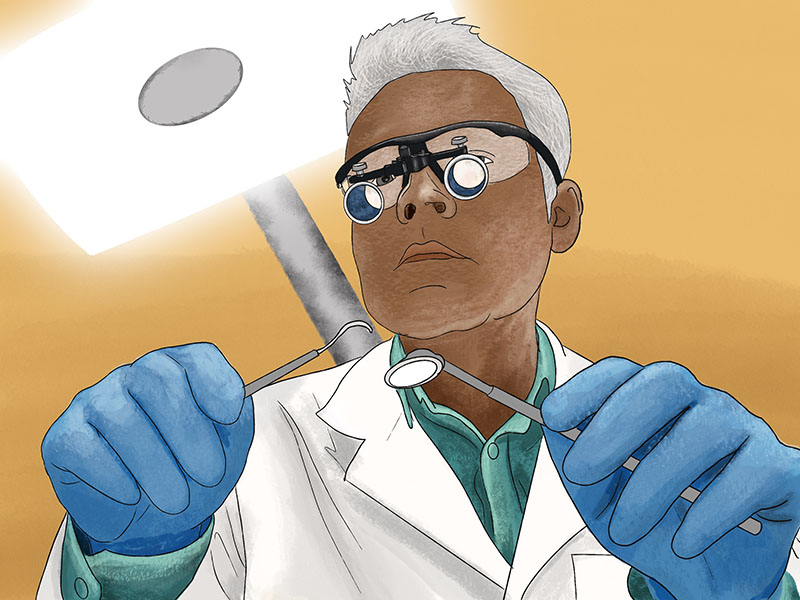

Do Psychotherapists Need to Buy DSM-5-TR?

There is no need to waste $156 buying DSM-5-TR, the minor text revision of DSM-5 that went on sale on March 18th of this year. All its codes are exactly the same as those already provided in DSM-5, and the nine years since DSM-5 have produced no new research justifying publication of a revised edition. Planned obsolescence is the sole purpose of DSM-5-TR, tricking people into buying more books so that the American Psychiatric Association can reap even greater publishing profits.

Like what you are reading? For more stimulating stories, thought-provoking articles and new video announcements, sign up for our monthly newsletter.

There’s only one significant change in DSM-5-TR, and it is a big mistake: adding the new diagnosis “Prolonged Grief Disorder.” There can never be a uniform expiration date on normal grief, and APA should not feel empowered to set a limit of one year. People grieve in their own ways, for durations that vary widely depending on the person, the loss, and cultural/religious practices.

Mislabeling grief as mental disorder stigmatizes grievers, exposes them to unneeded psychiatric medication, and insults the dignity of their loss.

The decision to declare “Prolonged Grief” a psychiatric disorder was based on minimal research by just a few research teams, has not been field tested in a wide array of practice settings to smoke out harmful unintended consequences, and, perhaps most importantly, creates many new problems while serving no useful purpose. If a diagnosis is needed for prolonged grievers, “Major Depressive Disorder” and “Adjustment Disorder” are already available.

My belief that DSM-5-TR is worthless, and my numerous previous critiques of DSM-5, do not in any way put me in the same camp with those who say all psychiatric diagnosis is worthless. Quite the contrary. I equally distrust clinicians who worship DSM and those who deride it.

Psychiatric diagnosis is never sufficient for creating an accurate case formulation and choosing the best treatment plan—but it is always necessary. Psychotherapists who don’t know their clients’ psychiatric diagnoses will have worse results and sometimes do a grave disservice to their clients.

The crucial step in differential diagnosis is to ensure that symptoms are primary—i.e., not due to a medical illness, to a medication side effect or withdrawal syndrome, or to substance intoxication or withdrawal. Primary causes of psychiatric symptoms are missed far too often, putting to lie the claims of some psychotherapists that diagnosis is unnecessary. Psychotherapy doesn’t work well when the client’s problems are caused by a compromised brain—and neglecting the primary problem can lead to devastating medical consequences.

Treatment planning is never fully determined by psychiatric diagnosis, but it is always heavily influenced by it. The range of suitable treatment techniques and durations will vary greatly depending on whether the diagnosis relates to anxiety, mood, eating, substance, sleep, psychotic, personality, or other disorders. DSM disorders are heterogeneous both in presentation and treatment choice, but diagnosis helps establish the most likely best approaches.

DSM diagnosis describes features clients share with other clients. It is complementary to, not competing with, formulation, which describes what is unique in each person’s presentation. Diagnosis without formulation is general and vague. Formulation without diagnosis is often off point.

So good formulations begin with accurate diagnosis, but don’t end with it. It is essential to know DSM diagnosis, but also its limitations—and also to know a lot more about the client beyond the diagnosis.

DSM-5-TR is a publishing trick, not the least bit essential to good psychotherapy practice. If you already use DSM-5, you can safely ignore DSM-5-TR and put its hefty purchase price to some far better use.

Feedback-Focused Couples Counseling

In couples counseling, I often share with clients that feedback functions like a two-way street in intimate relationships. There’s a steady flow of information traveling in both directions. If that flow of information were to stop and the cars metaphorically crashed, it would be cause for concern and immediate redress. Therefore, in order to maintain the vitality of their intimacy, each partner must be open to feedback and willing to give it. Most importantly, the goal of feedback is to positively and constructively share needs, requests, desires, and observations for the benefit of the relationship. Yes, there is an element of influence taking place, but it's important to distinguish influence from manipulation. The simplest way to draw a line between these two concepts is by pointing out that influence comes at a cost. To influence your partner, you must, in turn, be willing to be influenced.

Like what you are reading? For more stimulating stories, thought-provoking articles and new video announcements, sign up for our monthly newsletter.

Some time ago I was texting back and forth with a prospective client on whether or not he should engage in counseling. He didn’t see the need for sessions but was willing to do so in order to prove to his wife that he didn’t have a problem. Great reason for counseling, right?! I texted him, “If it matters to the ones who matter to you, then it’s worth doing.” I think the candidness of my message and the practical wisdom behind it caught him off guard. He quickly texted me back and said that was reason enough to try.

Intimate relationships can be catalysts for personal growth. We develop as a people and attune to the rhythm of our partners to greater and greater degrees. Certainly, there are limits to this idea—if your spouse is asking you to become a drug dealer, terrorist, or contract killer, then yes, maybe rethink the relationship. However, couples often get stuck and struggle to really listen to each other when there is a request for change on the table. At these stuck points, I purposely slow the pace of conversation and ask my clients to boil down what their partner is saying. If someone can get past their defensiveness, they realize their partner is, in actuality, asking them to be more consistent, be a better listener, follow a budget, back them up on parenting choices, or equally contribute to household chores. When blame is removed and defensiveness is quieted, partners are typically offering genuine feedback and making reasonable requests of each other. I remind couples that feedback is offered with the intent to make the relationship better, not subordinate one partner to the whims of the other.

Back to the story of the client I was texting. His wife wasn’t willing to continue the relationship because she viewed his behavior as abusive. He strongly disagreed. If he wanted to keep his marriage, he was going to have to reevaluate his behavior. This, as you can imagine, would be a difficult and or challenging thing to do. He asked again why he should do this. I repeated what I said to him in the text: “If it matters to those who matter to you, then do it.” My text exchange was enough to intrigue him, and his wife was impressed with his openness to my challenges, so they decided to come in for a “trial run.”

Sitting down with the two of them, I made the case that out of all people we have to change for, why not your spouse? Every day, we make constant adjustments and changes to our behavior and routines for co-workers, bosses, family members and friends, but when it comes down to spouses, we throw a fit? How does that make sense? I went on to say to the husband, if you aren’t going to receive your wife’s feedback, then who are you going to listen to? She of all people he should trust, especially since she had his best interests in mind. He struggled to receive what she said not because of what the feedback was or who it was from, but because he perceived her feedback as a threat and attack, which always put him on the defensive. He couldn’t hear what she was trying to say. He couldn’t understand the intent behind her words. She gave the feedback that he was not a good listener and it hurt her when she felt unheard. Instead of trying to understand, he’d argue that was actually an excellent listener and it was her fault they couldn’t communicate. That, in fact, she was the problem, not him. His comments betrayed his underlying, hidden assumptions. He did not believe that his relationship was an opportunity for growth, or that he had anything to improve upon. He did not think feedback was necessary for a vital relationship. He could not see the noble intent behind his wife’s feedback. Sad to say, their relationship did not survive.

I keep this unfortunate case in mind when I work with couples. It serves as a real-life example of how important feedback is to the vitality of an intimate relationship. This case motivates me to impress upon my clients early in the therapy process the absolute necessity of feedback.

The Challenge of Retirement: Finding Meaning and Self-Esteem in New Ways

The Ground Shifts

I retired twice, almost 20 years apart. The first time was the hardest. For almost a year, I missed everything and everybody who was part of my professional world, including the cleaning lady and the postman with whom I had daily chats. Because so much of my identity was tied up with my professional role as a psychologist, I felt totally lost when I left my university position as director of the counseling center. The phone seldom rang, no one seemed to need me, and I was left with a huge hole in my self-esteem. Traveling, while fascinating and worthwhile, couldn’t supply what was missing.

Fortunately, after nearly a year of feeling like I was wandering alone in a desert, I got a phone call from the university asking me to serve as acting dean of students for a year while they conducted a national search for a permanent dean. I accepted gladly and without hesitation. And the following year went by quickly with many challenges and accomplishments. I loved the job! It represented a perfect blend of clinical skill in dealing with students, professors, and college deans, and academic know-how, that is, how to navigate the academic environment.

But the year ended, and I was plunged into retirement once again. This time, however, I was much better prepared. I decided to expand my very small private practice, seeing individuals and couples, and began a twenty-year career working solo in a downtown office in Chicago. Once again, life was fulfilling, but as I began the decade of my 80s, some minor physical difficulties made a second retirement seem wise.

After this second retirement, I began asking myself what I had learned after more than 50 years of clinical practice. I had worked with different ages, races, cultures, sexual orientations, socioeconomic levels, and professions. In the mix of clients over the years were a 9-year-old pickpocket with a wide, girlish grin that lit up her face; a slew of lawyers, a number of whom were suicidal; a circuit court judge with family problems; a few physicians trying to resolve their romantic lives; a beautiful, light-skinned, African-American model who was rejected by her family for not having dark enough skin; a 15-year-old boy who accidentally shot and killed his brother; alcoholics of all kinds, and a politician running for statewide office whose wife accused him of domestic abuse. While such differences in descriptive trappings may seem profound, what stood out for me were their common ingredients.

Among the settings I worked in were mental health clinics, psychiatric hospitals, a home for delinquent girls, medical schools, private practice, and universities. In these diverse places, I performed many different functions, such as teaching, administering tests, directing programs, supervising students, and counseling individuals as well as couples. I worked on the East Coast and the Midwest; in small towns, medium-sized ones, and big cities; in small clinics as well as giant hospitals that stretched over many miles. In all these varied worlds, no matter the differences in local culture, skin color, tattoos, and garments, I found that people are more alike than different.

Besides the obvious physical similarities, I, along with many others, have realized that basically all of us have the same kind of needs, fears, defensive strategies, hopes, and dreams. Over the years, this became clear across all the varied roles I played, whether with administrators, students, colleagues, students, or clients. While everyone has a different viewing lens for perceiving the world that is shaped by unique biological, familial and cultural factors, we are fundamentally the same. We all want to be loved, appreciated, and understood. We want to matter to our friends and family and be special in some way to all those with whom we come in contact. We want to be self-sufficient and competent. We want space and time to be autonomous in pursuit of our own dreams. We want to belong to a group, neighborhood, church/synagogue/mosque, or community—a place of welcome and acknowledgment. All of us want to feel safe in the neighborhoods in which we live and to be reasonably stress-free. We also want some challenge in our lives, that is, some novelty to reduce the boredom of ordinary days. And we want to feel good about ourselves; we want to walk around with our heads held high and a liveliness in our steps.

People everywhere are afraid of the same kinds of things. We are afraid of being assaulted, either physically or verbally. Because both physical and psychological dangers are threatening (one to our lives and the other to our identity), both kinds of peril create fear, tension, and anxiety. Contrary to the old childhood rhyme we used to chant, “Sticks and stones may break my bones, but names will never hurt me,” names, especially the insulting ones, do hurt a lot. So do betrayal, bullying, humiliation, manipulation, and rejection, all of which bruise our fragile sense of self.

We are also afraid of having our inadequacies and our failings brought to light. When we are teased, taunted, or made fun of, our imperfections are made visible for all the world to see. We feel exposed as inadequate in some way and feel vulnerable; we are not as strong, smart or “in control” as we would like. Because vulnerability is scary and psychological assaults hurt, people develop fears about these threats and build self-protective mechanisms to feel safe.

Trying to be safe, we may hide in our rooms or in our heads, lie to ourselves or others, counterattack in person the assaulters or assail their carbon copies, keep others at a distance by obnoxious behavior, or pretend we are very talented, wise, good-looking, or famous. The hiding can be literal, as when a teenager spends all her free time in her room, or symbolic, as when a doctor, lawyer, or engineer keeps his personal self out of sight and remains ensconced in his professional role. Rather than acknowledge hopes, dreams, failings, and inadequacies to close friends and family, the professional recluse relies primarily on his work-related skills to navigate erratically the world of intimacy and relationships. In this manner, he hides from his vulnerability and winds up feeling safe and in control.

Hiding in our heads is a way of viewing the world from a vantage point above the fray. We can think all kinds of negative thoughts there, and nobody is the wiser. In this space in our heads, we are safe from counterattacks and free to be ourselves. Intellectuals, writers, academicians, and other creative souls are often in this group because thinking feels a lot safer to them than feeling. Emotions are often intense, chaotic, and unpredictable, whereas thoughts tend to be logical and manageable.

Other ways of hiding include addiction to computer games. There, ensconced in technology, we avoid the unpredictable world of people by focusing on dragon-slaying and war games. In that way, we maintain a pseudo-connection to others through computer identities that do not risk much vulnerability and yet satisfy our desires to be winning and in control. Addictions of all kinds are reliable hiding places, which often last until physical dysfunction appears on the scene.

Other protective strategies include power-hungry maneuvers such as boasting, bellicose rants, and dictatorial strategies. Braggarts fill the conversational air with their accomplishments in hope that no one will notice how empty they feel. Similarly, the bully and the dictator try to convince their worlds that they are powerful when, underneath it all, they feel helpless and insignificant. Angry, belligerent people who are adept at keeping people away are more comfortable with solitude because closeness to others is fraught with emotional danger. Being betrayed, criticized, disappointed, insulted, and/or rejected are just a few of the perils they try to avoid.

While all the preceding observations have been underscored many times in my clinical and personal worlds and written about elsewhere, several new insights have emerged from my experience, some of which are counter-intuitive. Some are different from those in the psychological literature, and others run counter to the prevailing culture in the US. Since I love to write, I decided to write a book of essays that focused on my clinical experiences and the new understandings gleaned thereof.

Positive Thinking

One of these new insights contradicts the American culture’s focus on the power of positive thinking. In contrast to this popular notion, I think it is safe to say that positive thinking is not always helpful. Platitudes (trite remarks used too often to be interesting or thoughtful) and happy talk do not prepare us for disasters lying just ahead. Every cloud does not have a silver lining, nor is there a pot of gold at the end of every rainbow!

Because the world is filled with all sorts of unhappy events, from disappointments and failures to losses, thinking only positive thoughts is delusional. Trying to maintain a happy face while tragedy engulfs us is unnatural, akin to trying to laugh when our hearts are breaking. Like Pagliacci, the clown who was intent on making others laugh while tears streamed down his cheeks, we shortchange ourselves when we fail to deal with negative events and emotions. For many patients who do not process their negative feelings at the time of a disturbing event, the failure to deal with these emotions may, and often does, lead to symptoms such as anxiety and/or depression. In addition, when positive thinking bypasses the processing of negative events, it can limit problem solving and result in impaired judgment about courses of action.

I have found that whenever there is heartbreak, no matter where it is coming from, the best way of getting through it for most of us is by acknowledging the sadness, disappointment, humiliation, or anger, and then working through it. In a healthy person, the processing of negative feelings goes through phases, much like the waves of emotion that accompany grief, until there is a personal resolution that uniquely fits the person. The problem arises when people get stuck in negativity and can’t move beyond it, which is where positive thinking and therapeutic strategies may prove useful.

Direct Expression of Anger

Another psychological reality that is infrequently articulated in the psychological and popular literature was dramatically conveyed in a few words by a patient. It jarred me when I first heard it. After weeks of catatonic behavior followed by a psychiatric hospitalization, a 40-year-old man intoned, “Madness is better than sadness” as his first words upon recovering. When he was asked what he meant, he responded, “When you’re mad, you can do something, but when you’re sad you can’t do anything at all.”

At this time in our culture when violence permeates the American scene in so many ways—there is video violence, domestic violence, street violence, school violence, and workplace violence—it is difficult to see how madness can be better than sadness. However, what the patient was communicating clearly was that anger is energizing and leads to action, while sadness is immobilizing and induces helplessness. Most of us would prefer to feel alive, in charge of our lives, and full of options, rather than depleted, stuck, and without possibilities. Discerning when and where the direct expression of anger is adaptive and when it is destructive would be beneficial to all of us.

Romantic Love

Another cultural misdirection is our obsession with romantic love. Via scores of dating sites flourishing on the Internet, we run blindly toward the Promised Land of Eternal Love. We buy romantic novels, read manuals devoted to orgasmic ecstasy, and watch sophomoric movies filled with hormone-saturated teenagers groping their way to fulfillment. And yet, all this cultural energy devoted to its arousal and maintenance does not alter the reality that romantic love (sexual feelings and emotional closeness) is ephemeral. Because it is fueled primarily by fantasy, novelty, and emotional arousal at the time it develops, romantic love is almost impossible to sustain. Unless it is replaced by a quieter respect, admiration, affection, or commitment (or has some of those ingredients to start with), romantic love quickly dies, fading away in the light of reality.

Vulnerability

Another idea that has emerged for me over the years is that vulnerable people are easier to relate to than assertive, self-confident ones. Vulnerability is an openness about feelings, successes, failures, strengths, inadequacies as well as hopes and dreams. While our society imbues self-confidence with high status and desirability, and the trait is clearly invaluable, vulnerability is more appealing and more likely to foster intimacy. Vulnerable people are more readily trusted (we know where they’re coming from), nonthreatening, and likable, whereas super-confident individuals earn our respect and admiration. We look up to confident people (they are our role models), but we are less likely to regard them as good friends.

Control

Other new counter-cultural understandings gained over the years include the following: One can’t control reasonably healthy people against their will without their feeling resentful. While punishment and torture work to some degree, they tend to create long-term resentment that manifests itself in sabotage and/or other passive-aggressive tactics. In addition, all of us possess a degree of autonomy that can’t be manipulated under any circumstance.

This powerful realization came from a testing case where I was to administer a battery of tests to a 15-year-old who had accidentally shot and killed his brother. As soon as the young man walked into the testing room, it was obvious that he was in no mood to be evaluated. He sat on the floor with his arms folded across his chest and refused to answer any of my questions. I tried everything I knew to reduce his defensiveness, but nothing worked. So after about 45 minutes, I gave up and started to pack up my testing paraphernalia, saying, “It is clear that I can’t make you talk to me,” as I stood up to leave. At this point, he asked, “What do you want to know?” and became fully cooperative with the evaluation. What changed his mind? Apparently it was his realization that he was in control of cooperating and that I couldn’t make him do anything.

Luck or Chance

Luck or chance have been badly underrated. And yet much of life (genes, parents, family, schoolmates, friends, teachers, roommates, romantic partners, jobs) is a function of timing and chance. Hard work and talent play significant roles in our achievements, but luck or chance is at least as important, if not more so at times. Whether or not we get accepted into our preferred college, get the dream job we always wanted, or win a particular sports event is dramatically affected by the other competitors and the biases of the decision-makers in that situation. Unless we accept that reality, we are likely to take too much credit for our accomplishments and too much blame for our failures, leading either to false pride or undeserved self-depreciation.

Other Insights

Other insights I have had over the years include the idea that healthy narcissism is quite different from the pathological variety. Healthy narcissism embellishes personal achievements with delight and enhances lovability with charm. It provides the joie de vivre—the joy of living—that adds just the right amount of zest to ordinary life. And finally, empathy, the most important of the relationship skills, enables us to relate to others with care and compassion, providing self-esteem enhancement that is deep and durable. It helps us develop friendships and maintain romantic relationships over the long haul.

In all, I am far wiser than I was when I began this journey of enlightenment, although it didn’t begin as such.

An Existential-Spiritual Journey During COVID-19

A Place of Uncertainty

As we approach the second anniversary of the first detection of COVID-19, we are no longer in the acute stages of the pandemic. However, neither do we find ourselves squarely in a post-pandemic world, as new variants continue to evolve and spread rapidly, sparking fear and halting daily life. A heightened sense of self-doubt, vulnerability, and anxiety can occur in this “limbo-like” state, particularly for clients experiencing life-threatening medical conditions. Feeling threatened for prolonged periods may increase both the client’s and therapist’s need for certainty and diminish our ability to tolerate ambiguity. In the case of COVID-19, when safety and normalcy are in question, life’s uncertainties may be harder to endure.

Existential approaches are particularly well-suited for addressing concerns provoked by the COVID-19 pandemic such as encountering the fragility of life and the unpredictable nature of events, as well as uncertainty about when (or if) the pandemic will end. For Yalom, the aim of psychotherapy is to help clients fully experience and accept the existential anxieties associated with the “givens of existence,” including death, isolation, freedom, and meaninglessness. As a result of facing death, individuals may experience a sense of urgency to revise life priorities that can lead to improved meaning.

Existential therapists generally suggest that anxiety and existential guilt need to be experienced in an open and honest manner and, when directly encountered, can become a source of vitality, creativity, and purpose. Rollo May and Paul Tillich believed that courage and determination are fostered when anxiety, adversity, and life’s dilemmas are faced. In other words, when we accept our limitations, we also commit ourselves to living fully.

Victor Frankl’s recent series of posthumously published papers does this by shifting emphasis away from the question of “What can one expect from life?” to “What does life expect from us?” Thus, he suggests that it is life itself that asks questions about meaning. While we may feel challenged and forced to face discomfort when we ask ourselves what life expects from us, French philosopher Gabriel Marcel posited that such pain and suffering offer the only pathway to real insight and spiritual growth. Perhaps through these challenging questions that place uncertainty, obstacles, and suffering before us, we discover our meaning and purpose.

Clinical Vignette

The clinical vignette presented below highlights the challenges of how a therapist-client dyad worked through their mutual feelings of “not knowing” and uncertainty by processing their own existential anxieties and fears. A series of dreams of the client and therapist, as well as the use of creativity as a spiritual intervention, are described to demonstrate the complexity, practicality, and depth of the existential approach. In particular, the vignette highlights how dream interpretation can be used in enhancing problem-solving and conflict resolution, mastering trauma, exploring unknown possibilities and paths not chosen in life, wish fulfillment, compensation, communication with the therapist, and integration of self.

Initial Phase: An Exploration of Death and Social Anxiety in the Context of COVID-19

Steven is a 63-year-old man who presented for individual psychotherapy approximately six months after the resection of a non-malignant brain tumor. He experienced one generalized tonic-clonic seizure immediately after his tumor resection, which had a significant impact on his social and emotional functioning.

In terms of constitution, Steven had always been shy and sensitive. He had maintained a group of close friends since high school. Although he never married, he had had two long-term relationships since graduating from college. At the time of his surgery, he had been retired for two years from his career as a special education teacher and had reportedly been adjusting well to his life transition. Steven valued his level of independence, intellectual curiosity, and work ethic. His numerous interests included photography, hiking, reading history, and political activism. After the onset of his neurological condition, however, he became quite withdrawn and fearful about leaving his apartment. Although his seizures were well controlled with medication, the onset of his condition and the implied risks amplified his social anxieties and fear of death. Whenever he did leave his apartment, he felt self-conscious about his word-finding difficulty and occasional stutter, which exacerbated his fear of being ridiculed and shamed. After experiencing months of social isolation and increasing depression, he reached out for therapy at the encouragement of his physician and close friends. He hoped to regain self-confidence, be able to connect with old friends, and resume his recreational interests.

Steven’s comments about his own mortality were interspersed throughout the early sessions and were delivered in an intellectualized and affectively neutral manner. He recalled his experience of waking up from surgery and having a seizure in a vivid but emotionally detached manner, leaving me feeling highly anxious. I felt that he would have been frightened and overwhelmed if this had happened to him. These sessions felt more as if Steven was reporting about his life, rather than experiencing his life.

Given the news of the spread of COVID-19 in New York City during his third month of therapy, Steven agreed to continue sessions via telehealth. On top of the feelings of death and social anxiety and uncertainty secondary to his brain tumor and seizures, he felt the virus was exacerbating his lack of control over his life. Steven had a mindset that his medical condition and COVID were unsolvable problems leaving him trapped in his apartment with no escape.

In the first few telehealth sessions, there was a noticeable shift in Steven’s mood, focus, and communication style. Where previously he would speak at length about his negative interactions with the public in the local supermarket or in the elevator of his building in a detached fashion, his conversation in the context of the pandemic became more emotionally laden, his mood palpably more depressed, and his focus turned inward. While he had already worked through diminished control over his health and restrictions imposed by his physician and medications, COVID-19 surfaced additional fears of brain cancer and not being able to get help if he were to have another seizure.

The threat of COVID-19 increased the reality of his mortality due to his medical condition, and he could no longer speak about it indifferently. Instead, this emotional intensity filled the content of his thoughts and treatment sessions such that he grew more removed from the people and activities that had filled his time with meaning, purpose, and pleasure before his brain tumor. His increased level of avoidance, which had started after his surgery and was exacerbated by COVID-19, further impacted his sense of identity and agency in the world. For instance, Steven expressed that he was afraid of dying alone and nobody finding him. He did not have any religious affiliation but felt that he was a spiritual person when walking in nature or helping others who were vulnerable.

In the second month of treatment, Steven had reported a dream where he “was traversing over a deep canyon. As [he] cautiously walked across a wide rope with railings, it swayed back and forth. [He] saw a dark, shiny mountain across the cavern, but the rope was not attached to the mountain. [He] was unable to look down and felt paralyzed to take an additional step forward. [He] tried to scream out for help, but no words came out.” He woke up sweating and frightened. In session, Steven was asked to tell the dream in the present tense to promote a sense of presence and agency. When asked about the predominant feelings he had in the dream, Steven responded that he was overwhelmed with the anxiety of and fear of falling into the cavern that had no bottom. When asked how he would want the dream to end, he responded by wanting the rope to continue to the mountain so that he could feel safe with his feet firmly on the ground.

During the next few months of therapy, questions that had been previously effective with helping other clients with medical conditions and high levels of anxiety to gain a sense of meaning or agency (e.g., “What are some things that you can control now?” “What are your feelings of fear and anxiety trying to teach you?” and “What do you feel most passionate about in your life?”) were dismissed as unhelpful. Steven emphatically stated that he needed definitive answers to the questions that preoccupied his entire day, such as “Will my tumor grow back and become cancerous?” “If I exert myself through exercise or go to social events with my friends, will I get COVID or a seizure and die?” and “Is the government deliberately giving us misinformation regarding COVID-19?” I felt increasingly anxious and was unable to give a clear answer to any of these questions. As Steven’s therapist, my own experience of “not knowing” was overwhelming, since we were both experiencing our own feelings of anxiety, fear, and uncertainty about getting or spreading the virus. Steven tended to repetitively ask questions with no clear answers and would spend hours searching through social media sites for elucidation. Over time, he noted that the therapy was not helpful, even indicating that he felt more frustrated and withdrawn in both his sessions and his personal life.

Middle Phase: A Shift in the Therapist’s Approach

After consulting with several colleagues, I decided to focus on active listening, patience, tolerating silence, and providing space for Steven to find the words for his feelings. The decision to shift my therapeutic style with Steven was motivated in part by my experience of feeling alone in the room and that my words were not being heard; any interpretations or interventions offered were readily dismissed, as though batted away with a tennis racket. My reactions were further complicated by the difficulty of picking up nonverbal cues on the Zoom telecommunication platform. Ultimately, my countertransference reactions yielded a deeper appreciation for Steven’s emotional life, including his profound sense of isolation, powerlessness, and feeling invisible in the world. I was then able to provide Steven with titrated reflections of this loneliness and helplessness, contextualized within the uncertainty of the pandemic and his medical condition.

Shortly after I shared this particular self-disclosure and processed his reactions, I experienced a dream where “I was dragging a dead body of a man in a trash bag down a busy avenue in Manhattan. The bag was heavy, and it took a great effort to pull the bag toward Macy’s on 34th Street. I struggled to pull the bag toward the holiday window at Macy’s when the dream ended.” I understood the dream to be an indication that I was trying too hard and doing too much of the therapeutic work, and that Steven needed to take more responsibility and ownership of the course of the treatment. I also wondered about the meaning of the Macy’s holiday window scenes of families celebrating together, children playing, and religious scenes, and whether some creativity or spirituality needed to be part of the therapy in order to bring Steven to live more fully again.

This internal shift in my perspective led to a new phase in treatment where Steven was able to gradually mourn his loss of identity, direction, and purpose in life related to his medical condition and COVID-19. We began to explore his regrets in life. Steven was able to recall that he had always wanted to be a professional photographer but had not had the confidence to pursue this wish. He had always wanted to have children but felt that his career in special education partially fulfilled this desire. Shortly after, Steven recalled a dream where “[he] was in his parent’s country house in [his] room looking at a wall of his photographs from one of [his] high school classes. [He] noticed the subtleties of lightness and darkness in the scenes of Manhattan and started to experience a sense of pride and accomplishment. At that moment, [he] overheard [his] parents and other relatives laughing in another room, and [he] felt a sense of humiliation and shame that they were making fun of [his] photographs.” He awoke feeling a sense of hope about his creative abilities and a sense that he now had the time to act on it. He also felt that he did not trust his desires when he was younger and was more concerned about what others would say about his artistic ability. When asked of his associations to the dream, Steven mentioned that the night before he had watched a film of someone who spent years walking every street in the five boroughs of New York. Steven regretfully said that he wished he had the courage and confidence to pursue his deeply-buried artistic dreams.

Working Though Phase: The Use of Creativity as a Spiritual Intervention

After a period of medical improvement, including being seizure-free, Steven started going out of his apartment a few days a week to take black and white photographs in Central Park. During the early morning hours, he experienced a sense of awe, wonder, and adventure in not knowing where his walks would lead in the park. He took black and white pictures of statues, lights filtering through leaves on the trees, animals resting in the zoo, and a formation of geese flying over a pond. Steven experienced a greater sense of freedom, calm, and centeredness during these occasions. His rediscovered artistic passions, which resulted in increased flexibility and confidence in taking risks in other aspects of his life, including contacting friends and colleagues with whom he had lost contact. These photographs activated something on a deeper level in Steven and enabled sharing these photographs with his older friends. He initiated contact with his former school and volunteered to teach photography in a small group setting, which provided a sense of purpose and direction in life.

As Steven’s level of anxiety and medical symptoms improved, he was able to shift his focus from internal preoccupations with not knowing what his future would be like to existential concepts of meaning, values, and priorities. He thought more about his future, making peace with external things that he did not have control over. Steven shifted his position from the passenger seat to taking a more active approach in life. He became curious about how he wanted to lead his life and pursue his social and recreational interests. I facilitated this process by open-ended questions, such as “What has sustained you in dealing with your medical issues?” “Where do you think you found your strength?” and “If you were to imagine your life one year from now, looking back on how you dealt with your medical recovery, what would you think about how you handled things?” In addition, I asked, “If you had not had your neurological condition, would you be dealing with the pandemic any differently (and vice versa)?”

Steven realized that when he began treatment he had been feeling sorry for himself and angry at the unfairness and injustice of having a medical condition after being a good person who devoted his life to helping others. He realized that he was fearful of taking risks and failing, and that he had more to give to others despite his limitations. Steven acknowledged the importance of his friendships and of continuing to develop his personal values and traits. He gradually came to realize his own power to choose how he wanted to view and respond to life’s major challenges. Furthermore, he started to become aware of ways in which his medical condition had made him stronger, including being able to face his mortality and tolerating not knowing and uncertainty. He was eventually able to acknowledge that his courage, determination, and creativity enabled him to cope with his multiple challenges and that he had more to live for.

Concluding Thoughts

Existential approaches are uniquely suited to address prominent themes in the COVID-19 pandemic, including anxiety surrounding death, uncertainty, isolation, and vulnerability. Existential therapy provides an important opportunity for clients and their therapists together to face these challenges and discover meaning throughout. Through the process, they are able to live life with greater intention, purpose, self-reflection, and presence, to accept and learn from feelings of not knowing, uncertainty, and anxiety, and to value the benefits of choosing one’s attitude toward adversity.

This case vignette highlights the benefits for both the client and therapist in experiencing, accepting, and learning from feelings of uncertainty. Asking open-ended questions about Steven’s dreams, values, attitudes, and meaning in life enabled him to be more curious and flexible. Incorporating creativity as a spiritual intervention provided an opportunity for a heightened degree of engagement, self-reflection, intensity, hope, and passion. In a parallel manner, my therapeutic shift to slowing down the pace and focusing on the process, tolerating moments of silence, utilizing countertransference reactions, and reflecting on his and my own dreams enabled me to let go of the need to appear as an expert with all of the answers and be more of a “fellow traveler.”

There are moments when clients need their therapists to feel the depths of their powerlessness, loss, vulnerability, and despair in order to find and describe their feelings and to feel understood and emotionally held. There are healing moments when the most important gift that we bring to another person is the silence within us, the kind that is a source of peace, acceptance, and allows the transitional space to be.