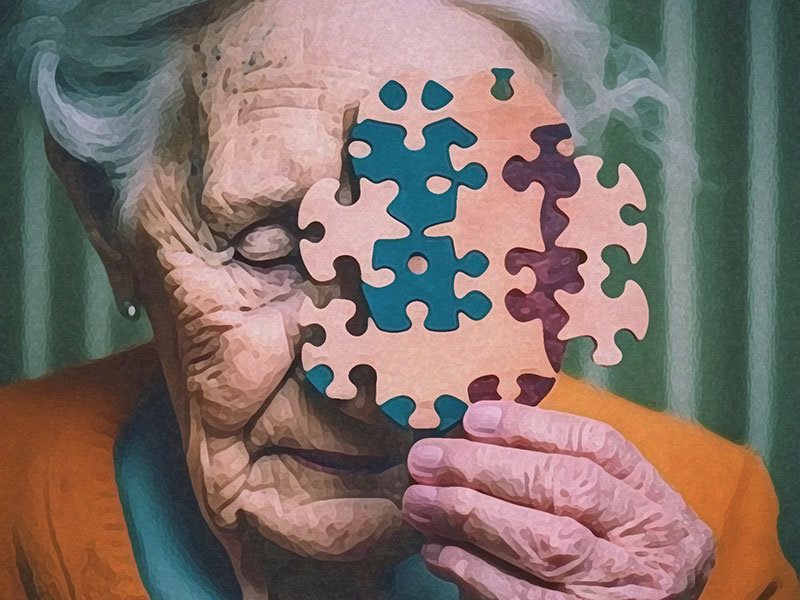
Psychotherapy and Multiple Sclerosis: Behind The Mask of Joy

Marion was the last of seven children in her family who grew up in a rural part of Maine. Family and schoolmates formed her social world, and she delighted in the freedom, adventure, and playfulness of her childhood. She loved boating, fishing, bike riding, star gazing, and silent walks in the woods. Marion spoke lovingly of her family, their home, and the natural beauty and peace where they lived. As a secure and robust and cheerful child, Marion had earned the nickname “Joy.”

Like what you are reading? For more stimulating stories, thought-provoking articles and new video announcements, sign up for our monthly newsletter.

Marion completed high school and briefly worked different jobs until receiving a diagnosis of Multiple Sclerosis and experiencing a gradual diminishment of her physical capabilities. She grieved over the loss of her dreams of marriage and a family of her own through which she might show and teach her children the many things she had learned and loved. The dreadful progressive disease had eroded many of her hopes and dreams and abilities, as she became increasingly dependent on others for all daily care and mobility.

The Burden of Multiple Sclerosis on Joy

When I began meeting with her for supportive psychotherapy at the nursing facility where she lived, Marion was limited to moving her neck and one arm. While she could speak, Marion experienced mild cognitive deficits, which to a degree further increased her dependence. Over time she lost contact with her siblings, who were older, and who had either died or had health problems of their own.

As in childhood, Marion continued to be known to family, friends, and both the residents and staff of the nursing facility by her childhood nickname due to her usually cheery outlook. Sustaining a public image of cheerfulness allowed her to retain a central component of her personality, and to preserve a partial degree of control in her life.

As the burden of life’s troubles weighed more heavily on “Joy,” which began as an appropriate nickname, it gradually came to reflect a mask over her sorrow more than an expression of her native temperament.

Everyone at the nursing facility knew her simply as Joy. They believed her to be genuinely joyful because she would always greet others with an almost exaggerated cheerfulness and claims of feeling happy. “Hi Joy, how are you doing today?” would be cheerfully met with “I’m great, super, I’m good.” Some staff persons would marvel at her upbeat demeanor, despite her debilitating disease.

The nursing aides would use a mechanical lift to move her from bed to a wheeled recliner, and then I would wheel her to the facility library where we would meet for psychotherapy. On the way to the library, passing staff would smile and greet Joy and ask how she was doing, and she would respond by stating, “I’m fantastic, terrific!”

But when the library door closed behind us, Marion would cry or rage as she shared her feelings about her predicament and her losses. “I need you to know how I feel inside, but I don’t want the others to know,” she desperately explained.

Finding Grace in Grieving Through Psychotherapy

Marion felt so little control over her life circumstances, over her body, and over her privacy. It offered her a bit of control, though, to publicly maintain her lifelong persona as someone happily delighting in life. At the end of therapy sessions, she would ask to pause so it might not look like she’d been weeping, and so she might regain her composure. Then, during the ride back to her room, she would again sing out her cheerful assurances to others that she felt “wonderful.”

Marion got along nicely with some of the nursing aides who cared for her, yet she would squabble with some of the others. One day the aide with whom she sometimes quarreled asked me, “Why does she like the others, and not us?” In our next session, I offered Marion feedback about the observations and concerns of her caregivers, and she was willing to explore the matter.

“What do you do differently with the aides that you get along with?” I asked. “Well, I give them compliments,” she answered. Maybe you could experiment, I suggested, and try giving compliments rather than criticisms to the other aides. Within a few days, Marion and all her aides were pleasantly working together. “I guess they’re like me; you like someone more when they’re nice to you,” she said.

In retrospect, that particular session, and our psychotherapy in general, provided Marion with the opportunity to verbalize and learn from her emotional reactions to the situation. Adjustment to a disability condition is always a complicated and painful process.

For Marion, her M.S. had been slowly progressing over decades. She felt some resentment towards others who could walk, whom she thought might take their good luck for granted. At moments, she felt cheated by her illness.

Generally, the process of adaptation includes grieving the losses that result from an illness or injury. During therapy with Marion, we focused on her personal strengths: her resilience, her humor, her motivation to keep trying without giving up. We also repeatedly talked through her feelings of loss and grief, while highlighting the truly exciting and delightful experiences she had enjoyed as a child. We focused on the meaningful ways that she strove to be herself, even under such difficult circumstances.

Marion felt she had a supportive alliance through psychotherapy, a relationship that helped her to cope in her own ways, and that allowed room for the full range of her emotions.

Final Questions for Thought and Discussion

What was your reaction to the author’s work with Marion?

How might you have worked similarly or differently with her?

What challenges have you experienced working with physically challenged clients?

Social Media Monitoring Tips for Successful Psychotherapy with Teens

Therapeutic Encounters with Two Teens

Courtney was the kind of 10th grade-client that I completely enjoyed. She was cute, clever, and motivated. So, when she began to have an issue that ballooned into a crisis, I was a bit surprised. Her parent found out that she had shared a nude selfie with a boy she knew, who then shared it with the whole school. While Courtney’s mother was a nurse who well understood the ups and downs of being a single parent and the importance of being present for her daughter, she didn’t see this looming crisis coming and was unable to comfort her daughter.

Like what you are reading? For more stimulating stories, thought-provoking articles and new video announcements, sign up for our monthly newsletter.

My clinical work with Courtney centered around understanding her own boundaries — that being a people-pleaser is not always what’s required — and giving voice to her past losses (including the tragic death of her Father), all of which were held inside too long. Throughout our work, and hopefully beyond, DBT for frustration tolerance and CBT to calm the inner critic were supportive anchors. I also made myself available for extra sessions until she stabilized. In addition, I helped her do some damage control at her school by speaking directly with the guidance counselor.

Nevertheless, Courtney landed in the hospital from sheer humiliation. And because she was so emotionally fragile, she needed time to be safe, without her devices, to regroup, process, and consolidate her experiences. While Courtney was scarred by her mistake, blamed and mortified for what another kid didn’t yet understand about privacy, she was, thankfully, able to benefit from the immediate help.

Another college-age client, who I will call Sasha, had insomnia and relied on her smartphone to fall asleep — much like scores of others her age do. Parents, Sasha’s included, often say things like, “You can take away all her devices but it won’t help.” Sasha, as it turned out, was reliving a traumatic memory that replayed in her head, and she often woke up screaming. Although I am not a sleep expert, I realized that she was in trouble because she hadn’t attended school in over a week.

My initial work with Sasha focused on the immediate presenting problem of sleep. For me, this is always an important discussion with teens. Then we moved slowly to her past trauma using breath and yoga to help her self-regulate. The incident she was reliving every night was painful, but it didn’t have to follow her into adulthood.

Adolescent Struggles with Self-Regulation

As I reflect on these two cases, which share certain digital/social media-related elements, I also appreciate their differences. Courtney was simply burnt out from the social media backlash and ongoing shame, humiliation, and guilt she felt knowing that everyone with a smart device could see her nude picture. She needed a reset.

Sasha, having had an entirely different kind of traumatic experience, was not quite as resilient as Courtney. Her body, as Bessel van der Kolk reminds us, kept the score and intruded on her sleep despite her best efforts to use a digital remedy. In the two instances, it was important for me to differentiate between depression, trauma, and anxiety, the symptoms of which often converge. Both, however, had difficulty coping with their respective crises because of their reliance, or perhaps over-reliance, on social media and digital devices.

In the cases of Courtney and Sasha, as I do with most teens with whom I work, I included the family. I offered suggestions around self-regulation for the teen, and to the parents for helping their child regulate the use of social media and digital devices. Interestingly, and perhaps not unexpectedly, because of their overreliance on their digital devices for connection during COVID, I had an uptick in patients who were convinced they were dissociating. Perhaps they were. One client said people were watching her from within the walls of her room.

Sasha accepted a few of my suggestions for learning how to re-regulate herself, but she never quite connected the dots that “the body keeps the score.” Instead, she insisted on staying online because without her friends, there was “no score at all.”

Helping Teen Clients Find Balance

While working with families like those of Sasha and Courtney, I simultaneously model calmness, generate a decision tree of steps for addressing the crisis, and calculate the practical and emotional cost of decisions they have or are thinking of making. At the same time, I try to comfort the teen that “this too shall pass,” and to provide the needed perspective they can’t yet take. The black-and-white thinking, a hallmark of adolescence, keeps them feeling there’s no way out when there usually is.

The teen’s default and refrain often remains: what will people think of me? But with time and support, their inner voice may shift to one of more self-compassion. I often say, “What would you tell a friend?” The hyper-fixation on self-image that is also the cornerstone of adolescent thinking, amplified by the social isolation of COVID and the endless resulting on-screen hours, was the perfect storm and seedbed for some of the angst and depression we have seen among adolescents. We cannot necessarily prevent social media, but we can still protect them from its potentially harmful effects.

I worked for early internet start-ups in the health and wellness space for some time, so I cannot readily cast away the benefits of the Internet or social media. Like many teen girls with whom I’ve worked, their virtual world is their true and only world. What others see of them is all that matters.

So, in Courtney’s case, the destruction of her carefully curated online image was shattering and felt like the death of part of herself. Do we now blame social media for what happened to Courtney or for Sasha’s experience? Unfortunately, we can barely ban guns, let alone phones. Schools are trying to take phones during instruction. That’s a good idea. I don’t think my daughter ever read a book in high school. There was no attention span left by the time she reached 10th grade. Joining with the teen on her journey lets her know that at least one grown-up in the world is on her team — her teen brain doesn’t have to define her.

It is so convenient for friends, family, therapists, teachers, and parents to say “social media be damned,” especially after an episode like Courtney’s. I agree with what they’re saying; after all, it’s legitimate to protect your children (and clients) from porn, abuse, catfishing, danger, and predators. My biggest parenting regret was not removing the phones from my own children’s possession by 10:00 PM like many parents do. Sleep is critical during adolescence, but too many kids simply cannot resist the allure of talking to their friends all night.

If my patient is on social media all day and night, what would be more appropriate: to scold her and instruct the parents to remove all screens, or perhaps teach her that rest is critical to development, as is exercise, diet, spirituality, creativity, and every possible other form of self-care? I often beg clients to get a hobby.

Social Media and the Benefits of Connection

One of my current clients is doing an online degree program in a special kind of painting that she posts weekly on Instagram. Because she has a significant trauma history, her present situation doesn’t allow her to visit museums or lectures or art studio classes. But she can paint and post and maybe one day sell those paintings online.

What gives her hope is the freedom to expose her work to the world without having to leave her room or open herself to bullying, intimidation, or abuse. And then there are clients who are either ill or live in a rural setting who can talk to their BFFs (and me) without having to drive. These are the many ways a young, isolated person may reframe the online world as an adaptation to her struggles, rather than the enemy.

I am not suggesting that my clients continue mind-numbing and wasteful activities like stalking their ex, trolling through others’ emails, engaging in illegal/aggressive or shameful bullying, or worse. What I say to my colleagues who work with young people is this; save your judgment and let’s figure out what the pitfalls and potential are in each situation, then help our clients to filter in what is meaningful, useful, and practical for them within their virtual (and “real”) communities and filter out what doesn’t serve them. I love working with young people because once they “get it,” they’re usually good to go.    

How to Watch Master Therapists in Session and Build Clinical Competence

Taking Stock of Professional Development

Later life, as gerontological researcher William Randall writes, is a time for looking inward and outward as well as forward and backward. And as much as I don’t always like to acknowledge it, I am in later life. Having mysteriously and involuntarily arrived at that juncture, I find myself simultaneously shedding and accumulating; material possessions in the case of the former, and wisdom in the case of the latter. I am indeed looking forward, perhaps not yet as enthusiastically as I would like, but certainly looking backward to assess what about who I am both personally and professionally I would like to carry with me on this next leg.

Like what you are reading? For more stimulating stories, thought-provoking articles and new video announcements, sign up for our monthly newsletter.

I’ll save the “personal” for a future essay and will focus here on the professional — specifically, my evolution as a psychotherapist. Having recently retired from my full-time position as a clinical educator, I am still in the classroom, and as I wrote in a previous blog, still training future therapists. And a significant portion of that classroom work has revolved around the use of clinical training videos that we (Psychotherapy.net) produce. As a caveat, I want you to know that I used these videos long before I signed on as the Editor six years ago.

Over the years as a psychotherapist, I have had face-to-face clinical supervision, read my share of clinical books, have “performed” in front of the one-way mirror, consulted with peers on case management, and even written for the therapy audience. But it has always been clinical videos that have not only rounded out but deepened my clinical skills. So, I thought it might be useful to share some of my favorites, those on whose production I have been involved, and those whose entry into our vast collection predated my arrival on the shores of Psychotherapy.net.

Watching Experts Work with Clients

I will shamelessly (mis)appropriate the famous movie line by saying, “You had me at Irvin Yalom.” Aside from the incredible trove of his clinical writings, Yalom has shared his many individual and group therapy skills in front of the camera. His insightful work and clinical acumen have been for me and my trainees — although I suspect for many others — what the likes of Carl Rogers’ work has been for current and past generations of clinicians.

I have done a fair amount of clinical interviewing and assessment over the years in a wide range of venues with a broad range of clients: prisons, hospitals, psychiatric facilities, private practice, and in the forensic arena. As we would likely all agree, good interviewing requires both art and skill, and I have thoroughly enjoyed and learned from the diagnostic interviews of Jason Buckles, who has deepened my understanding of the kind of questions that must be asked to differentiate among many and often overlapping and conflicting diagnoses — substance abuse, personality disorder, and mood disturbance to name a few.

Good assessment, however, requires not only diagnostic facility, but a foundation in interpersonal and interviewing skills that transcend specific pathologies. And to enhance my own interviewing skills, I often turned to the work of John and Rita Sommers Flannagan, who have reminded me how to incorporate mental status, biopsychosocial, and clinical questioning into the interview process. I have also continuously relied on John’s work around suicide assessment and intervention with clients ranging in age, ethnicity, and life circumstance.

As my own clinical practice has evolved over the years, I have been exposed to — or perhaps I should say, I have exposed myself to — clients whose circumstances, culture, and values have differed widely from my own. I have embraced the personal and professional awakening that comes with looking beyond my own relatively small sphere of experience so that I could appreciate the lives of others whose paths have been so different from my own.

Watching Sue Johnson wield her velvet EFT (Emotionally Focused Therapy) sword to cut through the resistance and defenses of couples has given me the confidence to work with couples. But our EFT Masterclass, a four-volume series in which EFT is demonstrated by a team of EFT experts, has been especially enlightening. It has helped build my confidence and courage to venture into challenging couples counseling arenas like pornography addiction, grief and loss, and sexual issues.

***


Certainly, I could go on extolling the virtues of our clinical training videos, but what has been useful to me as a clinician may not be so for you. You may not be drawn to the work of these particular clinicians. But certainly, there are enough training videos in our collection to satisfy all tastes. And there are many ways to learn. You may learn best by reading or doing. Some of you may hold to the belief that 10,000 hours of doing makes for expertise. But if you have the space and desire to invite the masters along on your clinical journey and enjoy watching them at work, grab a front-row seat and tune in.


Questions for Thought and Discussion

How do you resonate with the premise of this essay?

What training videos have you found useful in your own professional development?

What challenges have you experienced in using clinical training videos?   

The Upside of Loss: Helping Grieving Clients in Therapy

The funny thing about grief, aside from the fact that it lasts forever, is that it has a life of its own. My wife died in September of 2021 after a three-year-long battle with cancer. She and I considered ourselves extremely fortunate that this happened in her eighth decade of life and not sooner, that she was minimally symptomatic and pain-free until the very end, and that the original six-month prognosis turned out to be three quality years. The love and support from family and friends throughout this period was, and still is, a major component of our, and later my, well-being. I believe the nature and quality of my own grief experience had a great deal to do with the quality of care that my loved ones and I were able to provide for my wife. My satisfaction with that care sustains me. That I have no regrets about her care means everything. I need no help in continually realizing how much I have lost after a glorious thirty-five-year love story. When I hear family, friends, and countless others describe how much my wife meant to them and their feelings about losing her, my own loss feels that much greater. Not surprisingly, those moments are emotionally mixed. When the sadness and sense of loss is intensified, it provides an opportunity to savor the gift of her presence in my life for all those wonderful years together. For me, that is grief at its best.

Of Magical Thinking

Joan Didion, in her book, The Year of Magical Thinking, spoke of her experience after the sudden death of her husband after 40 years of marriage. One of her reported observations is something that I have experienced countless times. The frequent wish to share information with a departed loved one is ongoing and serves as another reminder of the loss. Didion writes, “I could not count the times during the average day when something would come up that I needed to tell him. This impulse did not end with his death. What ended was the possibility of response.” For me, this form of verbal intimacy is one of the greatest losses of all. Most recently, this was manifested by the birth of our grandson, born four months after my wife died. He is the first child for our son and the first male grandchild after four granddaughters. Fortunately, my wife knew about the pregnancy, but not the gender. The impulse to discuss this great event with her occurs frequently, and probably always will. A common fear among the bereaved — me included — is what I call “memory fading,” as well as other “fades,” like the sound of her voice and her laugh, and the way she looked and sounded upon hearing stunning news of any kind. Of course, pictures are wonderful, and videos are even better, but the details of the interactions of everyday life for over thirty-five years are sometimes difficult to retain. J.W. Worden, in his excellent 1991 book, Grief Counseling & Grief Therapy, described mourning — the adaptation to loss — as involving four basic tasks:
  • To accept the reality of loss, which can be extremely difficult when it is sudden, unexpected, and tragic, like the deaths on 9/11
  • To work through the pain of grief, as opposed to denying the need to grieve
  • To adjust to an environment in which the deceased is missing
  • To emotionally relocate the deceased and move on with life
Worden’s four tasks suggest an action orientation that I have always found to be useful when working with grieving clients in my psychotherapy practice, as opposed to the more well-known stage or phase schema for bereavement which tend to imply passivity and a lack of action as the mourner passes along a continuum. Worden’s approach, which is more consistent with Freud’s concept of grief work, encourages activity and implies that the process can be influenced by outside intervention, such as a participating clinician. Following the attacks on the World Trade Center on September 11, 2001, I conducted a bereavement group for eight widows. The group was scheduled to last 16 weeks, but they remained together for over three years. That is when they felt their grief work had advanced to the point where the group was no longer necessary, while recognizing that their grief was not over — because it never would be. Clearly, bereavement is not a process that progresses in a sequential manner marked by a gradual and identifiable reduction in grief and other indications of a return to normalcy. In many cases, indicators of “progress” are not reassuringly evident. The mourner may appear to be getting worse as months go by, causing needless worry among friends and family. In fact, feeling “worse” is not necessarily a bad sign. It may be an indication that the painful work of grieving is proceeding as it unavoidably must, in fits and starts. The bereavement process may take weeks, months, or years. It is not a path to “recovery,” insofar as that means a return to pre-bereavement baselines. Instead, the process leads to the mourner’s increased ability to change, adapt, and alter his or her self-image and role to fit a new status.

Grief is Not a Disorder

Grief is sometimes seen as a disorder — like depression — and treated by some clinicians with medication only. This tends to cause grievers to believe that there is something the matter with them, something they must get over as quickly as possible. The potential self-esteem consequences of this belief are worrisome, especially when well-meaning others encourage “recovery” or “moving on” as essential. When Emily, a 32-year-old mother of three whose husband was killed in the World Trade Center attacks came to see me three weeks later, she was already on anti-depressant medication and claimed to be feeling sick. The advice she was given by friends, family, and, unfortunately, her psychopharmacologist, was that she had to “wait for this to pass” and to “protect” her children, ages 10, 7, and 5, by minimizing the loss and acting “normal.” “You must try to stop feeling so sad” was the comment she recalled being most upsetting. Worden’s tasks described earlier provided an excellent road map for the grief work ahead. She was receptive to the idea that grief was something you do, not something you have. She could influence the process rather than remain feeling passive, helpless, and anxious, and her grief was normal and necessary, not an illness from which she had to recover. My assessment of Emily’s mental status suggested that she was someone who was not likely to be retraumatized by interventive strategies designed to help her acknowledge and “handle” her feelings, as sometimes occurs with those suffering a loss, especially one so sudden and tragic. I also assessed the quality of her marital relationship to see if it was positive, ambivalent, or troubled, and to determine if specific interventions to address related issues might be in order. We normalized her grief and understood together that as an organic process, it needed to “breathe” and not be inhibited or minimized. We role-played instances where well-wishers offering unhelpful or hurtful advice needed a response from Emily. A self-described introvert, conflict-avoider, and people pleaser, Emily needed self-advocacy skills and “finding my voice” to help others help her. My work with grieving clients like Emily has, not surprisingly, often triggered my own grief responses. It requires effort to stay fully with them and not be distracted by my own sense of sadness and loss. Work with Emily preceded the loss of my wife but working with her and many others certainly activated old memory networks regarding earlier losses in my life, like the death of my father when I was eight years old. My ability to be empathically attuned, I believe, has been significantly enhanced by my own past and ongoing grief journeys.

Looking Back, Moving Forward

Months before she died, my wife urged me to consider the possibility of a new romantic relationship after she was gone. She knew of my unwillingness to even consider such an idea based on two things: one, my high tolerance for independent living, and two, my belief that I had the love of my life for 35 years and could not imagine a second experience with a new “leading lady.” Thanks to a recent serendipitous encounter, I came to realize that perhaps another romantic adventure at this stage of my life was not entirely out of the question. I had conflicting feelings about the fact that this chance meeting — where the mutual attraction was immediately clear — occurred only two months after the death of my wife. Initially, I considered not acting on my desire for more contact. However, I also appreciated that I could not ask someone to wait until I achieved the arbitrary one-year milestone that widows and widowers are “supposed to” allow before it is socially acceptable to consider a new partner. Like grief, the heart does not operate in accordance with the calendar. Thirteen months later, I am glad I seized the opportunity to explore a new relationship however earlier than expected —especially since this was never expected at all! The important insight for me is that mourning a lost love and embracing a new love were not at all incompatible. The new relationship has served to ease the transition from a memorable 35-year marriage to a new partnership that is similarly meaningful, valuable, and life-enhancing. Questions for Thought and Discussion What about this article resonated with you personally? Professionally? How have you incorporated your own personal grief work into your practice with grieving clients? What are some of the inner challenges you have when working with clients who have experienced loss?

Effective Nursing Home Psychotherapy: Blending Skill And Heart

“My mother literally made gin in the bathtub; it was part of how she made money. She also had men ‘guests’ in the apartment, and unfortunately, she didn’t always protect me from them.” Daphne remarked as she spoke of her childhood in Brooklyn, New York.

Like what you are reading? For more stimulating stories, thought-provoking articles and new video announcements, sign up for our monthly newsletter.

Daphne was now 84 and resided in a nursing facility. She used a wheelchair, and spoke in a raspy voice due to polyps on her vocal cords. As a result, she would not sing one note, since she knew it would never again sound like it had when she was younger. But she would laugh, and she would share her stories, and she was always curiously asking about the stories of other people, even mine.

On Her Own Terms

We often sat for psychotherapy in a small TV room in her unit. The room was about 8 feet wide by 10 feet long; just space for a loveseat, one chair, her wide wheelchair, a small TV on the wall, and a window looking out at the woods behind the facility.

During one session Daphne was speaking about the ironic balance of shyness and confidence of a performer. “How about you, you seem calm, but do you feel shy or do you feel confident?” she asked. I explained that when I was younger, I went to acting school, partly because someone wrongly suggested to me that taking up acting was a way to overcome shyness. Daphne laughed, and asked, “Well, so how did that work out, anyway?”

Daphne had a regal quality, along with her charmingly refreshing genuineness. Her issues in therapy were related to acceptance of aging and reduced functional independence, tolerance of the loss of her singing voice, and easing of suffering due to abuses experienced in her childhood. Daphne was intolerant of anything phony. She’d seen too much in her life, and seen through the disguises of so many persons. I could not have “played the part of a therapist” with Daphne — hiding behind a veneer of neutrality — my choice was to meet her on the terms she expected of authentic sharing, or nothing.

She roared with laughter as I told of the nausea and fear I’d experienced before a stage performance, and my delighted excitement during the performance. That pattern continued with each show — dread in anticipation, and elation while acting — and no, I certainly never got over being shy, I explained, as she threw her head back and laughed.

“So, why did you give it up?” she asked. I did not think it would be a successful, or tolerable, career — I could hardly tolerate putting myself through those ups and downs, so I went back to school to get a master’s degree to practice psychotherapy. “Well, didn’t you still have those same ups and downs in your new career?” she asked with her bright and penetrating gaze.

Actually, I would sometimes give talks or make presentations at professional conferences, and would experience the same nauseating apprehension, and then the same enthusiastic enjoyment while at the podium. ”Of course, I knew it!” she laughingly stated. “Let me explain to you why that happens,” she said.

Personality and Talent

“That’s the difference between personality and talent. Your shyness and your anxiety about putting yourself in the spotlight, that’s personality. But the joy and enthusiasm you felt when performing, in one way or the other, is talent. Talent and personality are not the same thing, but so many performers harm themselves because they never understand the difference.” Daphne wisely explained.

Daphne used examples of famous performers who confused their personality with their talent, and who got caught up in the projections of fans who thought that their personality ought to match their talent, and who developed problems because they could not, and should not, blend the two things that were categorically different.

Sometimes in psychotherapy, my clients are vulnerable and in need of guidance, strict boundaries, and a straightforward application of therapeutic techniques. In nursing facilities, I sometimes work with residents who have diagnosed mental disorders, and who need formal and conventional psychotherapy. Yet sometimes the residents I see in therapy don’t have a psychiatric disorder, but may instead wrestle with real-life problems such as illness or loss, and who may benefit from a less formal educational and supportive approach.

Daphne was of the latter; wise and resilient, she lived vibrantly, even when she was less able to function on her own. Her wisdom, her humor, and her curiosity about the lives of others were key strengths, and they found a place in our therapeutic conversations.  

How To Keep Students Engaged Using Psychotherapy Training Videos

Challenges of Finding Engaging Counseling Videos for Students

Who among us, and by “us,” I refer to clinicians, clinical supervisors and trainees, and counselor educators, have not seen “Three Approaches to Psychotherapy?” Remember that timeless 1960s series of clinical demonstrations between that candid and brave 30-something Gloria and three giants of the world of psychotherapy — Fritz Perls, Albert Ellis, and Carl Rogers?

Like what you are reading? For more stimulating stories, thought-provoking articles and new video announcements, sign up for our monthly newsletter.

My guess is that some of you fondly remember watching the series with a sense of wonder and admiration, asking yourself questions like, “Will I ever become a therapist who can work as effortlessly and masterfully as these giants?” I certainly did (and sometimes, still do.) Others among you may have watched them, stored them, and discarded them long ago as you went on to develop your own therapeutic voice.

And then perhaps there are those among you who are more recent arrivals at the shores of psychotherapy, who watch these and say, “Geez, can’t they find examples of therapy sessions that are a little more current, or relevant, or interesting — it is 2023 after all!” From my own firsthand experience in the classroom as a clinical educator, I hear a collective groan when I fire up the LED projector: “OMG, not more clinical demonstrations from the crypt!”

Whether I am teaching a didactic or internship/practicum class, or supervising clinicians, I try to “read the room” by presenting videos of clinical demonstrations that will interest, challenge, and entertain the graduate students and clinical trainees with whom I work. Not always an easy feat in the digital era of YouTube, TikTok, and Facebook, where clinical snippets abound. So, I try to offset that by sharing psychotherapy training videos that break this pernicious pattern.

Make no mistake, however, I love the Gloria tapes — they are foundational! But foundations shift, and so have client (and therapist) demographics, societal challenges, and their associated psychosocial impacts. As Psychotherapy.net’s Editor, I have a particular fondness for our offerings, but this long pre-dates my association with the company.

Our videos have contributed to my own professional skill development, and in the context of this discussion, my efficacy in the clinical classroom where students want to see masterfully executed psychotherapy in action. So, since we are in award season, I thought I’d share a few of my top picks.

The Psychotherapy Training Videos I Use in the Classroom

Carl Rogers’ stature in the field of psychotherapy is IMHO the stuff of clinical legend, and certainly, we have plenty of great videos featuring Rogers at work. But I have found other creative ways to highlight core person-centered skills to my trainees and students by showing Sam Steen in session with a pre-adolescent girl who is struggling with issues related to the intersectionality of racial and sexual identity.

And, by harnessing empathy, unconditional regard, and congruence, Darrick Tovar Murray creates a safe space and meaningful connection with three African American men trying to heal from the transgenerational scars of racism.

Albert Ellis was one-of-a-kind — a clinician, innovator, and showman, who inspired generations of clinicians to consider thinking about thinking as they attempted to subdue their cognitive demons. My students appreciate the theoretical clarity of REBT, and the seemingly easy ABCDE method of identifying, challenging, and modifying self-defeating thoughts and other REBT techniques.

Class role plays are usually energized, especially when I show them Dr. Janet Wolf using REBT techniques with a single parent, on whom she turns the tables by demonstrating the client’s own irrational voices. Quite surprised, the client finally gets to see just how counterproductive these voices are in attempts to parent her children. And then there are Drs. Ed Jacobs and Christine Schimmel, who integrate REBT techniques into their group therapy with eight women.

And who can forget that classic clinical provocateur, Fritz Perls, who, with cigarette in hand, confronted Gloria in every possible way on her road to self-awareness. Interestingly, she felt that Dr. Perls was the most helpful to her out of the three clinicians.

One of my favorites from our collection is the work of the legendary Violet Oaklander, who so effortlessly and compassionately showed us how Gestalt therapy techniques work with children in play. My students are usually awed by the Gestalt therapist at work. They also enjoy watching the work of Erving Polster as he uses Gestalt therapy to help Gerald, an unmotivated and resistant client.

***

There are so many more incredible demonstrations in Psychotherapy.net’s collection. However, these are the ones that have resonated with my students and trainees when highlighting the theories and techniques of person-centered psychotherapy, REBT, and Gestalt therapy. The demographic breadth of featured clients and range of their real-life issues provide offerings with which most of my clinical students and trainees can identify. As their clinical educator, I see clearly how my students learn, grow, and feel more effective after watching brilliant examples of therapy sessions on video.   

A Powerful Therapeutic Tool for Defeating Negative Self-Talk

A client of mine, let’s call her “Jill,” got nervous for business meetings no matter what they were about. She often worried, daydreamed, and lost sleep the night before meetings. Afterward, she typically acknowledged something to the extent of, “It wasn’t as bad as I thought.”

Like what you are reading? For more stimulating stories, thought-provoking articles and new video announcements, sign up for our monthly newsletter.

This was an exhausting strategy. Jill was convinced that her stream of hyperactive self-talk was preparing her for what was to come, but the amount of bandwidth chewed up by worry undercut her ability to plan well, if at all. On the day of the meeting, Jill presented as anxious, at least at first, until she realized that all was well. Fear of the moment was worse than the moment itself.

Sound familiar? Many of our clients experience similar struggles with anxiety and negative self-talk.

Eventually, Jill enlisted a strategy called WBL. Instead of steering her away from negative thinking (which would have felt precipitously close to telling her ‘How to feel’), we tapped into her brain’s natural predisposition to predict and created some parameters around it. It proved to be a powerful tool in our work.

A Cognitive Behavioral Intervention: The WBL Strategy

I adapted the WBL model from core CBT principles and have found it useful while working with clients like Jill. At the beginning of our work together, Jill and I defined the specifics of situations that aroused her anxiety. Often when anxious a set of varied concerns coalesced and appeared as one item. We combatted this generalized anxiety through a process called “unbraiding,” wherein we specified one particular concern from among the many. When her concerns appeared tangled, we pulled at only one thread.

Despite her competence and high level of achievement, Jill had grappled with imposter syndrome in the past, and at each new meeting, was inclined to “prove” her professional value.

After identifying the concern, we began the WBL process. The W stands for Worst. Jill was asked to imagine the worst possible scenario, with two limits: 1) take notes; and 2) keep time. We did this with pen and paper handy. The task was to write the ideas down and, importantly, to be honest. This was an important phase for multiple reasons.

First, we honored the inclination of her mind at that moment. In a recent incident, Jill was afraid of being shouted at. She said she did not want to feel powerless. She recounted her journey to achieve her position in the company and was terrified of losing that status. Once this worst-case scenario had been named, we were able to create space for it and distance from it. By talking through the W, we determined that it was not the business meeting that was bothering her, but the fear of feeling inadequate.

Together we agreed not to focus on the W for too long. We set a timer for five minutes and stuck to it. Importantly, Jill was the one who physically set the timer on her phone. She owned the duration; she set a barrier around the time we were allowed to spend considering the W. Before we started this process, Jill spent too much time contemplating the worst possible outcome.

The longer she sat in that hypothetical, negative situation, the more she colored her mind with negativity. Prior to beginning the WBL process, she would enter business meetings in that hyper-negative state, and as soon as she sensed that the meeting felt “off,” she would interpret it as a confirmation.

Therefore, the immediate next step, B, asked her to consider the Best possible outcome of the situation. Entertain the idea that the meeting will be full of praise, ending in a big promotion. What would that look like? Would it come with more free time? More money? More travel? It took considerable effort for Jill to allow herself to consider such a positive outcome. This phase of our work was not about considering what was “pretty good,” but instead, what the best could look like.

Jill had trouble getting to this place. She was hesitant to think big. She had no trouble going to the W but believed that the wonderful reaches of the B were not likely, so she talked herself out of them. Over time, we worked together to understand that the best was, by definition, just as likely as the worst — they were two ends of a hypothetical spectrum that she created.

Once we identified those two poles, we found a spot in between (it can be helpful to draw out the continuum on a piece of paper). In the L phase, which stands for Likeliest, we took a moment to be truly sensible. The outcome of Jill’s upcoming meeting was not likely to be at the worst pole, and, unfortunately, not likely to be at the best pole.

So where was it most likely to be? At this point, she tended to lean back toward the W side of the spectrum. It was important that she catch herself leaning into that negative default and do the work to stay centered. I encouraged her to, if anything, lean toward the B and let her mind be colored by positive thoughts, as they would have an impact on her interactions.

Once we did the work of naming the concern, then working through the WBL model, we put it all together. She had the power to influence the direction of the meeting through the energy she would bring to it.

Cognitive Strategies Lead to Successful Outcomes

Cognitive strategies like CBT did not rid Jill’s professional life of challenge but improved her approach to challenges. Jill was successful and driven. She was accomplished and continued to move in a positive direction. She credited taking control of her self-talk as an important step in the future she imagined for herself.

Deliberately cultivating Jill’s mindset was not a soft, feel-good skill (though it did feel good). It positively impacted outcomes. We call those positive outcomes feedback. The more positive feedback she received, the more confidence was built, and the less likely she would default the next time around toward a worst-case scenario. The more we repeated this process, the more we shifted the default positions away from the worst and toward the best.

The brain is, first and foremost, a prediction machine. The WBL tool helped us get behind the wheel of that machine and steer it. The difficult journey for Jill turned out to be well worth the effort.

The Gift of Presence in Grief Counseling: A Path Forward

Grief is an inevitable part of life, one that I personally believe to be among the greatest sufferings of humankind. Yet, while often a source of deep pain, grief can also be a source of great love. That reluctance to let go of someone we cherished is the last act of affection we give to those who have passed.

Like what you are reading? For more stimulating stories, thought-provoking articles and new video announcements, sign up for our monthly newsletter.

Grief is a process of many intertwining emotions. Shock, anger, depression, and confusion may surface, to name just a few. While Elisabeth Kübler-Ross created a helpful formula addressing the stages of grief, it is important to remember there is no right or wrong way to grieve. Contrary to what people may say, each person grieves differently.

Grief is Like an Ocean

Grief is like the ocean; enormous, ever-changing. It comes in waves, ebbing and flowing. Sometimes it is calm, gentle, almost peaceful. Other times it is overwhelming, strong and aggressive. These are the times it can knock us off our feet, taking the wind from our sails. The enormity of loss often weighs heavily. When that heavy feeling right in the pit of the stomach forms, we can feel like we are sinking into it.

On other days, it is almost manageable. Life continues. We get caught up in everyday routines, our pain almost fleeting. A gentle wave comes to the surface when we are hit with a memory or a reminder of our loved ones. We slowly learn to tread water, working to keep our heads above the tide. It can be challenging at first, but we get through. The day passes. Much like the waves in the ocean, our pain is fluctuating.

Can we ever really learn to live well in our grief and move on from the pain of our loss? I feel we never truly part from those we love, and many people don’t wish to. We can, however, move forward and learn to live with our loss, gradually easing the pain. We can adapt, move around our grief, and eventually rebuild a life without our loved ones. Counselling can help reach this goal.

Working with grief in a therapeutic setting has been one of the most beautiful yet difficult presentations for me and the clients I have had the privilege to work with. I have found it important to honour the strength it takes for a client in their suffering to show up each week to face their pain.

Grief counselling is intended to help the client process their thoughts and feelings around the loss. Of course, talking through grief does not take it away, nor minimise the impact the loss has on the client’s life. It can, however, soften the experience, allowing the client to healthily process their thoughts and feelings, holding space entirely for the client’s experience, anguish, and grief, enabling a level of gentle healing to occur.

When beginning to work with grief in the therapeutic setting, I value the importance of firstly holding space for the clients. I emphasize the value of the client’s emotional experience, allowing the raw feelings to surface in a gentle, safe environment. It is important to sit with these feelings, holding the client fully in the presence of their pain.

When Anger Gives Way to Pain

Recently whilst working with a new client in session, they seemed reluctant to visit their grief, presenting each week with anger and deflecting on the initial reason they had begun therapy. Each week they presented irritated and angry, often projecting these emotions at small minor inconveniences that happened within the week, sometimes exploding and intensely reacting as they told their stories. Sessions became governed by anger, with the client unwilling to take it anywhere else. For a few weeks, I allowed space for this anger, and we worked in the moment to afford the client full autonomy in the sessions.

A few weeks on, the client presented another angry story, like the previous week and the week before that, and again over a small inconvenience. As usual, I held space for the high emotions, and once the client had finished their story, silence filled the room. They looked at me for empathy and understanding, but I did not respond to the story on this occasion.

“Would you not be angry at this?” they asked. After some silent pondering, I shared that in my experience of working as a therapeutic counsellor, at times anger can be a secondary emotion, explaining that sometimes if you are hurt in some way you might express this negative emotion instead of emotional pain — that for some, it might be easier to express anger rather than hurt. A pause.

I felt now was the opportunity to move into the next phase of our work, compassionately inquiring about the feeling of anger further. “Tell me, what is underneath your anger?” I noticed the shock at being challenged on their aggression as the client processed this question.

Softly encouraging the client, I invited them to “Stay with the thoughts and feelings that are surfacing,” and in response, they had a deeply emotional reaction to the question. Answering quietly, they said, “grief, my anger is grief.”

Relief washed over them as they identified and acknowledged the emotion. “Ok,” I said as I let out a breath, “let us together hold space for your grief. I know this is hard, I know this is painful, but let us together sit with this pain until it passes, soothes, or settles. I promise you are safe. If we sit with it right here, right now, exactly as we are, it will soften for the time being.”

On Reflection

On reflection, I realise the importance of sitting with these feelings, fully leaning into the experience, holding the client present in their pain and softly working through the emotions. Reassurance and gentle guidance are paramount when working with grief.

Within my therapeutic work, compassion and empathy are a salve to emotional injury. Sitting with a client in their pain is a powerful thing to do. It does not come naturally to a lot of people, as often they will want to repress, suppress, or avoid that pain and those experiences, much like my client did. However, the healing is in feeling them.

Now that my client had accepted their feelings, we began to do the work. Sometimes we would sit in total silence, acknowledging the energy in the room while my client worked through the feelings they experienced, and once the energy shifted, we began to regulate each emotion.

To move into this level of awareness and regulation I often encourage clients to acknowledge where in the body they feel sensations, softly inviting them to explore the feeling with me. “How does that feel? Does it feel hard or soft? Describe the sensation your body is experiencing right now?” This keeps the client grounded, and usually I find the feelings soften.

It may feel beneficial to lead the client into some gentle breathwork, staying present and engaged, co-regulating alongside the client. I may invite them to put their hand on their heart, to keep eye contact with me as we inhale through our noses and exhale through our mouths. This encourages the body to regulate and settle. Once I feel regulation has occurred, we may move into sharing memories of their loved ones, often discussing loving moments or times of laughter.

My clients’ laughs and their glistening smiles as they recount their memories are beautiful moments to witness, and moments I will always be very humbled to be part of.

Questions for Thought and Discussion

What is your reaction to the author’s approach to addressing grief therapeutically?

Is her approach similar to or different from your own way of addressing grief?

Are there particular grief-related issues that you struggle with in counseling?

What personal life experiences have influenced your approach to grief counseling?   

Therapy in the Shadow of Death and Its Remarkable Privileges

Concerns Converging on Loss
 

“So, the doctor told me that it is cancer, and that there's nothing they can do. I just hope I have a little more time; my biggest hope is that my sons will reconcile with each other.”

Like what you are reading? For more stimulating stories, thought-provoking articles and new video announcements, sign up for our monthly newsletter.

“The doctor came to my room to see me. He held my hand and said, 'I'm sorry you have cancer, and I'll do everything I can to keep you comfortable.' And he said, 'From everything you've told me about who you expect to meet when you leave, I think that should be the best comfort for you,' and the doctor was right, my faith is a comfort to me.”

“My daughter, my beautiful daughter killed herself. There's just no answer to explain it.”

“Don't say goodbye, I'll see you in heaven; I've been there before (near-death experience) and it's beautiful.”

“Oh, Tom, can you see this client today, her son just died; they think it was a drug overdose.”

“They're all gone, my parents, my wife, my children, everyone; I'm the last one left. I don't know why, but I'm still here.”

“This is the third time my mother is in hospice. I wish she would die, but then I feel so guilty for wishing that. Then I wish she would get better, but I don't think she will; it's all just so difficult and confusing.”


Walking with My Clients
 

Over four decades, I’ve provided psychotherapy to residents in nursing facilities. I have worked with many thousands of clients, most of whom have died. I have been privileged to accompany so many on the last steps of their journey through this world. All persons die, and virtually all persons have lost someone, or many others dear to them. I have likewise been privileged to provide companionship to so many amid of their grieving. Speaking with someone with a terminal illness or someone grieving is a weekly, if not daily, or even several-times daily part of psychotherapy in a nursing facility.

Sometimes I know in advance, and can have sessions in which to work reflectively with the client as they approach the end. Other times I come to the room of a resident and their belongings are gone, and inquire of the nurse and am told they died. Sometimes, I receive an email telling me the sad news before I arrive, and sometimes a staff person will console me, “I know how close you were to her.”

For many clients who have a terminal illness, it is a comfort and relief to speak frankly in psychotherapy about matters of death and dying. The person's family members, and even some caregivers, might tend to avoid the topic, perhaps due to personal discomfort.

Staff persons might encourage continued socialization, yet the dying individual may be occupied with the internal work of preparation. A nurse asked me to “talk to” a dying resident because she thought her TV show was inappropriate. The resident was sitting up in bed while a television show for toddlers was quietly playing. While the resident sat facing the TV, she was clearly looking inwardly.

As I quietly kept her company between brief bits of conversation, I noticed how the TV show in the background provided a soothing backdrop. This particular resident, like others close to death, needed to pull away from the ordinary things of this world and reflect on their life, their relationships, and their eternal future. My father was lucky to die at home. As I visited him weekly towards the end, he would each time give me a book or another item of his. I thought of how I pack up when I am preparing for a journey. He was unpacking as preparation for his journey.

Sometime around 12 to 15 years into my 40-year career, I started to experience burnout; a result of too much trauma and human suffering. For me, it was a deepening of religious faith that allowed me to once again fall in love with psychotherapy and learn to practice without being harmed by it.


Of Greeting and Bidding Farewell
 

Some dying individuals are comforted by their faith, and some struggle with doubts. Everyone will have some fear of death, yet I notice how each person has their own kind of fear as they near it. For many of my clients, the fear is of God's judgment. Clients often voice worries about their mistakes and misdeeds in life — yet I regularly see how narrowly a person might look at their life experiences and influences, and how harsh and disproportionate is their judgment of themselves.

Many of my clients have been rejected by so many in life, they doubt there is a God, or let alone a God awaiting them with kindness and understanding. I feel a tenderness for each of my clients, yet often in therapy, sometimes as a client most severely chastises themselves, I feel a loving kindness in me that does not seem to begin in me. I notice a gentle feeling of wanting to reach out and touch their cheek, or a reassuring largeness of understanding that surrounds all the good and the bad of that person’s life, and I simply hold those ideas or sensations as aspects of my bringing a therapeutic presence to their suffering.

I have worked for many years in particular facilities; maybe 10 years in one, or 18 years in another. As I walk through the halls, I often think of the individuals who previously stayed in those different rooms, recalling their personalities and the challenges of their life.

Psychotherapy in nursing facilities is often a process of greeting, uplifting, supporting, and of saying goodbye. It can encapsulate and intensify the general experiences of life and death one might encounter in other settings or ordinary living. I am grateful for this work. When the time comes to retire, I will continue to see in my mind's eye the many people I have worked with and to thank them for their trust when they were most vulnerable.


Powerful Therapy Strategies for Healing Wounded Couples

I remember greeting them for the first time in the lobby of my office. At first glance, they seemed like gentle people, kind to each other and to me. As they entered the corridor leading to my office, he deferred to her, politely allowing her to go before him as they entered the room. I recall thinking to myself, “I wonder why they're here?”

Like what you are reading? For more stimulating stories, thought-provoking articles and new video announcements, sign up for our monthly newsletter.

But apparently this had been performance art, a quick bowing to public expectation. Soon after taking their seats, finding themselves safely sequestered behind closed doors and out of public earshot, those first-impression niceties vanished, and the emotional floodgates burst wide open. With what seemed like the disgorging of years of pent-up acrimony, accusations began to fly like the shrapnel of a bomb blast.

Blame and Accusations in Couples Therapy

She was first to launch her attack with the speed of a knee-jerk reflex. “He never listens to me…We don't communicate at all… I try to talk to him but it's like talking to a brick wall… I get so angry at him! I've tried everything.” Each new rendition of her complaining was an embellished and emphatic iteration of the previous one.

Notably, throughout her hair-pulling allegations, her eyes fixed solicitously upon me, as though she were expecting me to jump into the fray—once she'd fully discharged her accusations—and like a biased, one-sided arbiter, I was to join her in a corrective condemnation of her partner. Instead, probably to her great disappointment, I looked back at her with an empathic expression of heartfelt concern for her gnawing frustrations and deep hurt.

Amid her scalding allegations, her partner sat stoically, appearing inured to the barrage of insults and blaming he'd no doubt endured many times before. Then, with the first lull in her opening assault, when her “guns” appeared emptied and before she could “reload,” his defensive counter-indicting assault began with a fury matching hers, “She is always critical… She's so negative and judgmental… Nothing I do is right… I walk on eggshells all the time… It never used to be this bad… She used to be kind and loving… Now look at her… I don't know what happened.”

I've learned the hard way not to allow raw venting such as this to continue unharnessed for too long. I've found, probably as you have, that if “law and order” aren't soon imposed, the potential for a productive session soon diminishes, and can even irrevocably tip over into non or counterproductivity.

I typically jump in quickly, stop the mudslinging, and administer another dosing of empathy, followed by questions such as “Did you just give me a sample of how you talk to each other at home? If so, how do these conversations usually run their course?” As you might imagine, their answers are predictable: “Not good…We get nowhere…Things just get worse….”

Validating the Legitimate Needs Behind the Arguments

After allowing a moment for their answers to percolate, I typically find it therapeutically helpful to ask, “Do you think your upsets could be this intense were it not for the fact that each of you brings to the other important personal needs, indeed, very valid ones?” Of course, this is a therapeutically-baited question with a largely calculable answer.

But the question also flings open a window onto a wider batch of potentially therapeutic questions, like: “Wouldn't you agree the legitimacy of your needs is clearly evidenced by the strength of the emotions that attend them? And because of the importance of your needs, don't they beg for your best reasoning and problem-solving, in short, your best need management? Wouldn't this be more achievable in an emotional atmosphere of nonjudgementalism, mutual acceptance and respect?” More time for percolating.

In the case above, once we collaboratively agreed on these goals, I turned to her first and asked the seemingly obvious question: “Can you identify the basic needs at the heart of your arguments?” Her answer came swiftly: “I need him to listen to me.” I replied with a quick confirmation and a slight tweaking of her response, “Yes, your need is to be listened to, which seems perfectly reasonable to me.”

Then while my confirmation was still fresh, I turned to him and pointedly asked, “Is your wife's need to be listened to a valid one?” Put in this strategic manner, his affirming response was all but guaranteed because her need had been stripped of its biting and condemning emotional overlay, its legitimacy laid bare with plain and calculated neutrality. So, expectedly, his affirmative response was speedy and unequivocal. Then, without hesitating, I again responded with a deliberate, co-confirming, “I agree, your wife's need is valid.”

Now, in turn, I directed the same questions at him, first by asking him to clearly identify his needs. Foreseeably, he answered, “I want to be treated kindly and with respect.” Following the same protocol, I confirmed the legitimacy of his need which had just been divested of its own attention-gobbling, counterattacking emotion and was now openly “on parade” for its indisputable validity. Now, turning back to her, I asked in the same manner, “Does your husband's need for kindness and respect seem reasonable to you?” Again, you can guess her answer.

The stage was now set to bullhorn what had become increasingly obvious. Formerly vitriolic and contentious partners were questioning their use of blame and accusation and were now instead marching to the tune of mutual respect.

Moving Forward in Couples Therapy

I’ve been fortunate enough to apply this technique with relative effectiveness, so it has been my experience, and I suspect yours as well, that this purposeful trio of empathy, caring, and genuinely curious question-raising can soften these “marital combatants” to a degree that their cognitive flexibilities and problem-solving skills become more accessible.

Once this appears clear, I drive home the same critical point. “Could you be at odds with each other to this extent over needs that possess little, or no personal significance? And given the in-your-face evidence of the strength of your personal needs and the intense emotions that orbit them, what if we were to carefully examine how you manage them now, and maybe better, how you might more effectively manage them moving forward?”

The demanding work of implementing this strategy outside of therapy certainly belonged to the couple and others like them, but in my experience, these partners leave my office with a helpful set of tools, a cause for optimism, and hope for re-connection.

Questions for Thought

What is your reaction to the author’s approach to dealing with “warring” couples?

How do you address anger and blaming in your own couples work?

Can you think of a warring couple that you successfully helped? One with whom you were not successful and why?