Russian Shame

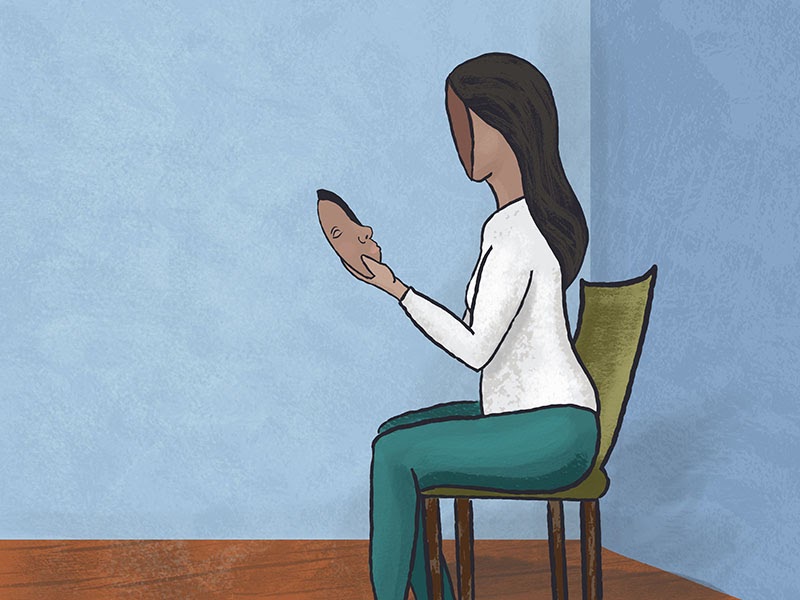
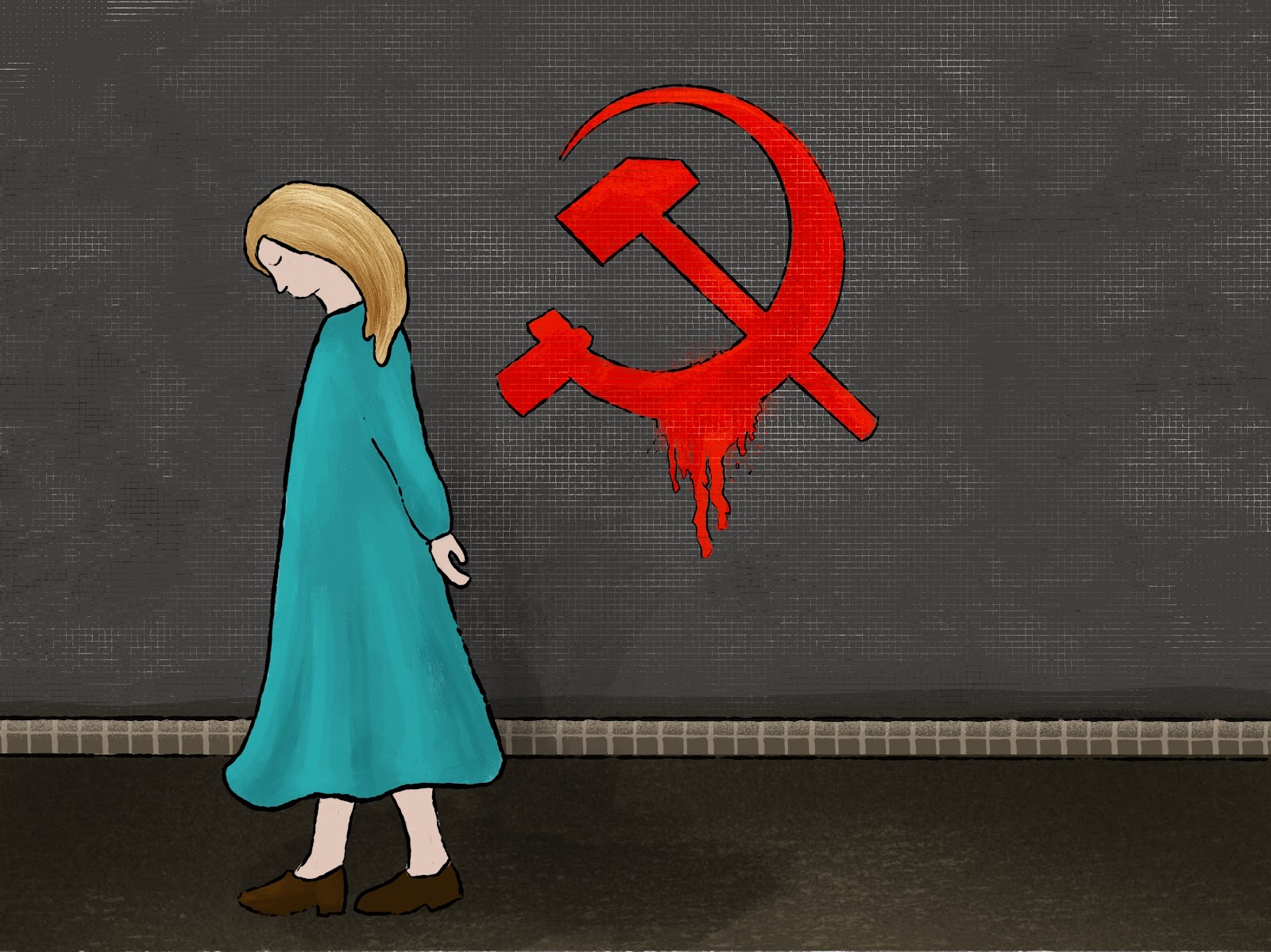
The Russian invasion of Ukraine muted me for several days. Shame has a powerful silencing capacity. The words with which to talk about this war come to me in English and not in Russian, my mother tongue.

Like what you are reading? For more stimulating stories, thought-provoking articles and new video announcements, sign up for our monthly newsletter.

I spent the first weekend after the Russian invasion of Ukraine with two Russian friends (things are not that straightforward, one is actually better described as an American Jew and the other as a half-Ukrainian, half-Russian living in France) and one of their children. Their car still has Russian plates, and as they stopped to refuel, an Eastern European truck driver approached them to insult them for being “Russian murderers.” They had to rush away, mostly to avoid scaring the children any further.

As he recounted the incident, my friend was hiding his eyes; his shame was palpable. His pain resonated with me, amplifying my own. Walking in silence on the windy Normandy beach, we looked at the reddish sunset, which evoked for us the cruel bloodshed taking place in Ukraine. In the evening, with a glass of wine around the fireplace, we talked. Before leaving, one of them went out in the night to put white tape above the small Russian flag on his plates. His hands were shaking as he came back.

“Dogili—this is what we have come to,” he kept repeating, his whispering sounding like sobbing.

His young son was incredulous, confused about his father’s meddling with the car plates. He did his best to explain, avoiding his son’s inquisitive eyes.

“I am terrified about him being bullied at school,” he whispered.

When my friends left to return to their lives, shattered by the consequences of this pointless war, the house felt empty. In the silence, the question of the highest dramatic order resounded within me with a sense of great urgency: Who am I in relation to these events?

Even though I left Russia more than two decades ago, in the eclectic construction of my emigrant self, the ‘Russian me’ has been a structural and defining element. Even if other multiple self-narratives have developed over time, sometimes taking precedence over the original simpler version—the ‘me-therapist,’ the ‘me-mother,’ the ‘me-French,’ etc.… Today this foundation pillar of my identity has been undermined, sending my whole self into turmoil.

This is not the first time I have not exactly been proud to be Russian. My original place, like an abusive parent, keeps rocking my sense of self-worth, constantly tainting it with shame.

As a therapist, I do know that the emotional axis of shame and pride is central to the human psyche. I also guess that one of the secrets of Putin’s political success and longevity has been his promise to restore the greatness of Russia, give a sense of national and perhaps personal pride back to Russians—a pride of belonging to a great place. Rebuilding an empire is the easiest narrative trick that a politician can perform- to create and then dangle this alluring psychological carrot before the masses.

The days that followed the beginning of the war sent waves of shock through my life and my therapy practice. Some of my clients are Russian, and they are in disbelief. Some of them have been to street protests, some have just sat in their kitchens until the grayish Moscow morning, drinking and talking with their friends, sharing their confusion, their fear, but mostly trying to cope with their shame.

With their lives wrecked by the dirty war initiated by their motherland, they are wrestling with the immediate questions of survival, not only pragmatic but also psychological.

They will find different ways to cope with their humiliation. Some are leaving Russia in a desperate attempt to escape this feeling. Creating enough geographical distance can alleviate shame temporarily, but it never quite does the trick of entirely canceling it. The shame we were made to feel by our parents has the lingering power to transcend time and space and forever undermine our self-worth. This is what many of my emigrant clients wrestle with.

Russia will remain the pariah of the West and the world for the foreseeable future. We, the Russians living inside and outside of the country, will have to bear the shame of this situation for years to come. We can do very little to turn down the volume of this feeling, no matter how many Ukrainian flags we display on our social media feeds or either publicly or privately in our daily lives.

We will have to learn how to live with this shame, and if we listen to it carefully, we may gain a chance to do better, to learn from the terrible mistake of giving power to a monster, letting him take over our country, and use our language and our history for personal gratification, propaganda, and war.

 

Corrective Emotional Experience Is the Key to Therapeutic Effectiveness

During my early training in psychotherapy, I was struggling to understand my role and what to say to patients. A wise supervisor introduced me to the term “corrective emotional experience” and said that once I fully understood its implications, my job would seem a whole lot simpler and I’d have much less trouble finding useful things to say to patients. He taught me that the main and unifying goal of all psychotherapies is to help patients have new and better experiences, both in the sessions and also in the rest of their lives. Such experiences could heal wounds from the past, change perceptions and attitudes in the present, and result in healthier behaviors and virtuous cycles in the future. Virtuous cycles are positive mirror images of the negative vicious cycles that so often grease a slippery downward slope for people with emotional problems. A virtuous cycle starts with a small corrective emotional experience which triggers a chain of other desirable experiences in a continuous cycle of improvement. An example would be where someone afraid of socializing screws up the courage to take a tennis lesson and gets invited to a party, which results in a new friendship, which makes it easier to approach other people socially in a variety of other social relationships, which improves job performance, which results in a raise, which increases confidence, and so on. This advice hit home, stuck with me, and has ever since guided all my clinical work and teaching. Corrective emotional experience is, I think, the best way to understand the mechanism of psychotherapy process and change—and also to integrate the bewildering variety of therapy techniques into one unified and harmonious psychotherapy. The process best explains the process of change as it occurs across all forms of psychotherapy. Sandor Ferenczi introduced this experiential way of viewing psychotherapy change in the 1920s. He was a master clinician who understood and made use of the healing power of the therapeutic relationship. His suggestion, radical at the time, was that emotional experiences in therapy, not intellectual insights, are the real drivers of change. As his student Sandor Rado would put it much later, “Insight alone never cured anything but ignorance.” It’s fair to say that Ferenczi, not Freud, had the most important influence on psychotherapy as it is practiced today. Freud readily admitted that he found clinical work interesting mostly as a research tool, necessary to build and test his theories of mental functioning, but was much less engaged in the human and healing elements of therapy. His patients were often disappointed, describing Freud as talking too much, too abstractly, and too didactically. In 1946, Franz Alexander (another of Ferenczi’s students) named and concisely defined Ferenczi’s theory of change: “The patient, in order to be helped, must undergo a corrective emotional experience suitable to repair the traumatic influence of previous experiences. It is of secondary importance whether this corrective experience takes place during treatment in the transference relationship, or parallel with the treatment in the daily life of the patient.” In answering the crucial therapy question of how best to promote corrective emotional experiences, the first insight I have is that psychotherapy sessions are not all created equal. Change tends to occur in leaps, not in small steady increments. I have treated some patients intensely for years—with absolutely no discernable progress. In contrast, I have seen many patients for only fifteen minutes in the emergency room who years later said something along the lines of “you probably don’t remember me, but you said something I’ve never forgotten that changed my life.” This makes every patient contact an adventure, potentially ripe with opportunity, never routine. There is always the possibility of a magic moment in therapy—saying something that promotes a corrective emotional experience and sets off a virtuous cycle. We can’t expect magic moments to happen often, we can’t predict them, we probably won’t even know that they have happened—but we can and should always be alert for the potential and try to create favorable conditions through our relationship with the patient. While the unifying goal of all therapies is, or at least should be, to help patients have corrective emotional experiences, there are many different ways of getting there. Sometimes the corrective emotional experience comes from an insight that clarifies how the past is influencing the present or how unconscious conflicts are causing self-destructive behaviors. Sometimes it comes from changed behavior, such as facing phobic situations instead of avoiding them. Sometimes from testing and correcting cognitive distortions. Sometimes from emotional catharsis. Sometimes from a paradoxical injunction. And sometimes from the simple therapeutic act of validation. These are just to name a few. Corrective emotional experiences are also, of course, constantly happening as part of everyday life—a new friend or love relationship, adopting a pet, beginning an exercise regimen, getting acquainted with nature, a better job, an act of resilience in the face of stress and disappointment, or just about any other positive new experience. Therapy is just a way to increase the odds of having (or noticing) corrective emotional experiences, speeding things up, and triggering virtuous vs. vicious cycles. Too often these days, therapists adhere slavishly to one or another therapy school, and schools compete with one rather than join forces. This guild warfare is bad for psychotherapy, bad for therapists, and, most of all, bad for patients. Every therapist should have eclectic training that provides a full tool kit of techniques that promote corrective emotional experiences. No one school has a monopoly on wisdom or therapeutic power.

Ninety-Five Percent: Preparing to Work with Previously-Incarcerated Clients

On the heels of my previous blog about the stigma experienced by previously-incarcerated clients with mental illness, I find myself once again in a reflective state around the idea of re-entry for these challenged and challenging clients. I draw attention to the title of this writing, which reflects the staggering reality that, according to a recent congressional study, 95% of those who become incarcerated will return to the community. Let that sink in for a second. This means that almost everyone who is sent away to a penal institution will be back on the streets. Why, then, haven’t we pushed ourselves to view crime and the “criminal” as less of that individual’s moral failure, and more of a societal one that must be addressed upon their departure from incarceration?

Like what you are reading? For more stimulating stories, thought-provoking articles and new video announcements, sign up for our monthly newsletter.

It is easy to sit in judgment of others, especially those who have transgressed, and it takes only seconds to formulate a first impression of someone. Pair this with the biases and prejudices that incarcerated clients experience, and they leave prison or jail with a complete narrative that may very well not be their own. Clients returning to the world beyond prison gates live with these preconceptions from the moment they interview for a residence and/or job to the moment they seek follow-up services for physical, mental health or substance use treatment. And in my experience, these particular clients know full well that welcome mats, smiling faces, and open arms will not abound upon their release. That being said, unless clinicians acknowledge their own fears and judgmental attitudes towards these clients and fully lean into their own discomfort, the cycle that perpetuates stigmatization and diminishes rather than enhances their successful re-entry will continue to imprison them.

I recently worked with a client I will call Brennan, who has been diagnosed with a serious mental illness as well as a substance use disorder. Brennan is intelligent, resourceful, and sociable, but when taking his psychiatric medications tends to become more reserved, something that I have found occurs frequently with individuals experiencing psychotic or more severe mood disorders. Brennan does not have a lengthy history of incarceration, nor does he demonstrate an antisocial personality which would lead to a callous disregard for others. Instead, Brennan’s psychiatric challenges of late seem to have led him to correctional facilities, which, in turn, has made it difficult for him to re-engage with the world upon release. Recently, upon pursuing post-release community services, Brennan was left in limbo rather than being accepted into the program after he spoke honestly about an interest in smoking marijuana. Although he appropriately utilized the skills we taught him prior to release, Brennan was shamed and unable to successfully reintegrate into the community as he had hoped and, quite frankly, deserved.

As I continue to help facilitate re-entry for my clients and assist them in navigating the confusing labyrinth of providers, I’ve noticed that the doors for treatment do not fly open for them, which makes the struggle to resume or begin a life beyond the walls that much more difficult. Their psychiatric conditions, which often incorporate psychotic features, frequently lead to their presenting with strange or bizarre thought content that is even more evidence to community providers that they should be feared and turned away rather than assisted. One of the most potent interventions I’ve used when preparing these clients for life on the outside has been the process of reality checking and reality check sheets. For individuals with major mental illness, and especially for those who struggle with psychosis, this allows them to speak openly about whatever thoughts enter their minds in a safe space where they can receive supportive, rather than dismissive, feedback and learn that their thoughts do not have to be a source of shame or be given authority over their lives.

A client I will call Kent believed that he was related to a very powerful and influential celebrity. This was a persistent and fixed delusion. He did not typically converse openly about this except for when his paranoia was triggered, which could in turn contribute to erratic and sometimes volatile behavior. However, Kent felt safe with the staff members, who helped him to develop a small list of reality checks on printer paper in his cell. One such note asked him to respond with a “yes” or “no” to the question of whether he had been particularly invested or rigid in this belief on that particular day. He would then communicate his response to staff who could provide reality-based and instructive feedback for him while helping him to monitor himself. This intervention was effective because Kent trusted the clinical team, who always promoted safety as the most important value to the correctional community in which he lived. Kent exemplifies the importance of assisting these clients by providing concrete tools they can use once released and can share with providers on the outside.

***

What I wish for all of us is to continue challenging the status quo. To go outside of our comfort zones and take on the more complicated clients, the ones who keep us on our toes and challenge our clinical minds. I challenge you to push members of other professions, often the individuals we work with to establish services or provide housing, to do the same and, perhaps most importantly, to get more clinicians involved in services such as housing, substance use treatment, or community intervention upon intake. Let us truly meet people where they are on their journeys. There is no “perfect” client, and any client who says and does exactly what is expected of them is probably not getting all of their needs met either. Let’s keep our advocating voices strong and help those who need it the most, as in the case of the client who is trying to forge a life outside of prison walls.

Addressing the Relational Impact of Mental Illness

While it can be isolating, mental illness is not an isolated experience. It affects more than just the individual: it impacts friends, family, spouses, significant others, and co-workers. I recall working with a married man who developed Major Depressive Disorder around the time his wife had their second child. He became emotionally distant, socially isolated, lethargic, couldn’t focus, took time off work to the point of being fired, and lost interest in sex. His wife struggled bitterly. She felt completely overwhelmed with the care of two young children. Her husband, on whom she once depended, was no longer contributing. She felt like she had to care for him as well and try to keep the family financially afloat since she was the only one working. Despite the challenging circumstances, she tried to keep their intimacy intact, but he had no interest in sex, going out, connecting with their friends, and he struggled to track during conversations. As you can imagine, this put a strain on their relationship, which they eventually ended. Neither one of them wanted the divorce, but the wife hit her breaking point, and her husband couldn’t find the energy to fight for the relationship. This is a sad story that is reflective of how mental illness impacts a marriage, a career, parenting, and personal finances.

Like what you are reading? For more stimulating stories, thought-provoking articles and new video announcements, sign up for our monthly newsletter.

When working with clients, I try to keep in mind the relational impact of mental illness in all its facets. Mental illnesses, like depression, affect the individual in every sphere of their life, including the social/relational. The above example illustrates how lonely the man felt, and how inexpressible his psychological and physical experience was to his wife. There were no words that existed in his mind or in their relationship for him to utilize. He and she were left in a wretched state of ambiguity. And despite her best efforts, she could not intimately access the depths of his depression. She, too, had no words. She couldn’t prevent feeling shut-out, as if she had been barred from his heart. Her dream was to feel unimaginable connection and joy at the birth of their child, but what she got was facing single-parenting while married.

Needless to say, there is a ripple effect of depression. The man’s relationship with his child will forever be changed. Certainly, it is within his grasp to foster a loving and connected relationship with his child, but he will have to do so with additional barriers due to the divorce, physical distance, child support, navigating co-parenting, and potential co-step parenting.

From my perspective as a clinician, problems are compounded when family and friends don’t understand the nature of mental illness, however, this is not always obvious to my clients and their loved ones. When trying their best to understand their loved one’s struggle, some may conclude that they aren’t trying hard enough, that they don’t care, or that they are seeking attention. Without information, without a sufficient explanation, bad interpretations fill the void, which only lead to judgment and alienation. As a clinician, I step into that void with accurate and compassion-filled information. My aim is to coach clients who are struggling with mental illness as well as their family members and explain that they may be tempted to personalize or create a negative attribution for their loved one’s behavior. It is tempting, natural, and understandable why they would do this, and yet, it is often a mistake in judgment. I try to explain that if their loved one had cancer, they wouldn’t take it personally or judge. Certainly they might have big feelings of sadness or anger at God or the universe, but there would be no assignment of blame to the diagnosed individual. They wouldn’t think, “Why did she choose to have cancer? They must want attention.” That would be absurd, and the vast majority of people would never think this.

So why would a wife, husband, partner, child, friend, or family member personalize a loved one’s depression, anxiety disorder, or phobia? I encourage my clients and their social network to make a genuine effort at understanding mental health disorders. It is natural to want to know as much as possible about a disease when a loved one may be diagnosed with a medical disease. As a clinician, I encourage clients to take that same impulse and learn as much as possible about their loved one’s mental health diagnoses. Ignorance only creates barriers to relationships, and my hope is to remove any barriers to social connection in my client’s way, as well as within their social network. A client is only as healthy as their community. Therefore, I want to empower clients to empower their communities, to mobilize those around them to seek out information and more deeply understand the psychological realities they are dealing with. And to find that middle ground of embracing the mental illness of your loved one but resisting the urge to define them by it.

***

Thinking back to my client mentioned earlier, I wonder how things would have been different if both the husband and wife had more awareness about depression. I wonder how the two of them may have pulled together, rather than apart, if they had known earlier on that the husband was being affected by a mental health disorder. If they had only had the words and concepts to understand not only the husband’s experience of depression, but also the relational impact that depression brought to their marriage and family. The wife was just as much a sufferer of depression as was the husband. This new understanding could have been a catalyst for collaboration, support, mutual understanding, and shared problem-solving.

A Visit to the Orwellian Institute for Psychotherapy

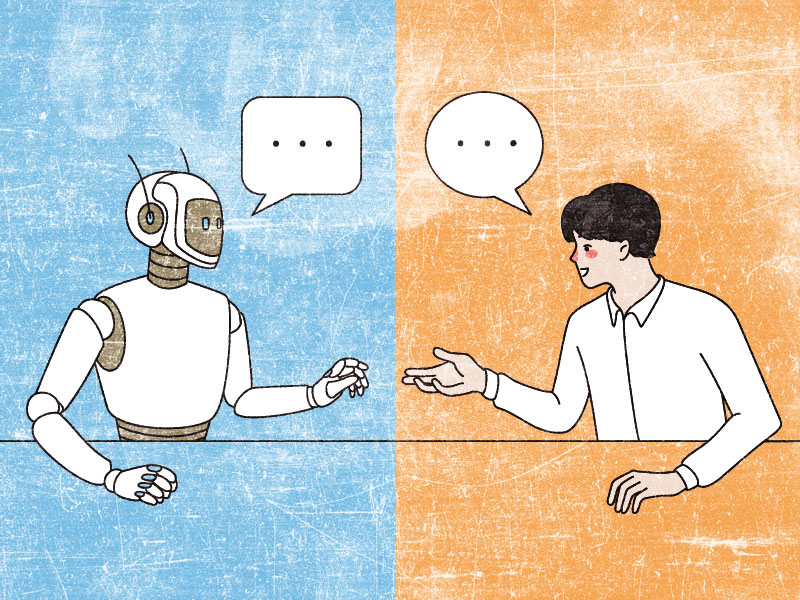
“Damn, I’m late,” Ron thought as his alarm sounded. “February 18th, 2092, 7:00 AM, EST,” it blared until he flung the annoying device across the room.

Ron, a middle-aged man, was again rushing to an appointment with his APA (Artificial Psychotherapeutic Assistant). How meaningless his life had felt since the birth of his third child. A boring job just for the sake of feeding a large family, a continually fatigued wife whom he thought was apathetic toward him, evenings dedicated to doing homework with the older child or bathing the younger ones. All followed by an unsatisfactory night’s sleep, which was more like falling into an abyss rather than a refreshing escape from the burdens of the day and his life. Wash, rinse, repeat!

Like what you are reading? For more stimulating stories, thought-provoking articles and new video announcements, sign up for our monthly newsletter.

Ron hoped that psychotherapy could help break this vicious cycle, offer new meaning, and provide a glimpse into the possibility of something important and beautiful that could still happen in his life. He entered the building through the glass door and in half-second was whisked to the 94th floor, where a client’s chair was already waiting for him. He promptly took a seat and was taken directly to the APA’s office.

As usual, APA met him with an unwinking stare, a signal of “her” readiness to begin the session. “I salute you Ronald! You look great today,” she said and displayed something resembling a restrained smile.

When will the software for my APA finally be updated, Ron wondered. The manufacturer and consultants kept promising a more humane presence from their state-of-the-art clinician, but if they could just hear “You look great today” the same way he did, they might move a bit more quickly.

“Hi APA,” said Ron reflexively as he settled more comfortably into his chair.

“I see, Ronald, you are somewhat puzzled. You can tell me about your feelings.”

Well, should I actually tell that her digital brain is outdated, though this is perhaps the least of my problems, a thought flashed through Ron’s head.

“Last session we discussed my wife's attitude towards me. She acts as if I don't exist. We suggested that she lacked romance. So, I made sure that the kids didn't disturb us and organized a wonderful dinner for two on the roof. For about fifteen minutes, she ate in silence, ignoring my attempts to start a dialogue, after which she said she was very tired and went to bed. It was awful,” said Ron and lowered his head.

The APA swiftly handed him a tissue.

Damn, I keep forgetting I shouldn’t tilt my head so low, thought Ron.

“No thank you, APA, I was not going to cry.”

“I sympathise with you deeply about this unfortunate experience you had to go through. However, thanks to it, we now know that your wife has likely got enough romance but lacks something else,” said the APA.

Hmm… what does that mean – “she’s got enough romance?”

“Are you intimating that she's getting romance from someone else?” Ron fidgeted in his chair.

“No, I did not mean to hint at that. However, since you started talking about it, perhaps this is what you sometimes think about.”

“I haven’t thought about it before, this thought came to my mind only now, after your words that ‘she’s got enough romance.’”

“According to my data, this kind of thought in a similar situation is likely to arise in a person's head if he has already thought about that but was afraid to admit it.”

Ron's glance started moving slowly around the APA's immaculately white office as if, with the help of some magical points in this ethereal space, he could scan the contents of his own thoughts and find out what he was really thinking about. A minute that felt more like an hour elapsed.

“Do you need more time for reflection?” APA's voice, like an alarm clock, pulled Ron out of the process of inner contemplation.

Ron looked at the APA, slightly squinting, and asked, “What is the probability that I already thought that my wife has a romantic relationship with someone?”

“Taking into account your age, the number of years you have been married, the number of children… the probability is 89%.”

“Yeeaah…” sustained Ron, “Probability is high, it seems I indeed thought about it.”

“In what situations could you think about it, Ronald?” APA asked vigorously.

Ron reflected internally. His wife was permanently busy with their children and obsessively monitored the super-intelligent home AI system that operated their household and a team of DMA’s (domestic management assistants). He absolutely could not imagine when and with whom she could go on romantic dates.

“Maybe when I help my son do homework in his room she summons a virtual tryst through our Spatial Video Conferencing Interface,” Ron blurted out, instantly horrified himself by the absurdity of what he just uttered.

“Looks like an insight! What do you think of this, Ronald?’ enquired the APA enthusiastically.

Insight? Is she serious?! I don't think I could come up with anything more stupid, thought Ron. He looked closely at APA and tried to understand what processes, computations, scanning, and God knows what else were going on in her system. After all, it was perfectly clear that he put his foot in his mouth, just to provide this electronic presence with an expedient and somewhat rational response. But was it even worth the time it would take trying to explain this to “her?”

“It could be an insight, or maybe I'm just tired, and it's time for us to finish.”

“I believe you have things to reflect on regarding relations with your wife. You did a great job today, Ronald!”

“Yes, APA, you're right,” Ron grinned sadly as he thought to himself, Yah, “she” is always right.

“I see your mood is much better than it was before we started the session. You came in puzzled but left in high spirits. Thanks for the productive collaboration, Ronald!”

“Thank you as well, APA,” Ron smiled perplexedly.

On the way home, Ron was thinking about the relationship with his wife. Maybe the APA was right, and his wife's petty intrigue was quite possible. They had been together for so many years, the former feelings had long been gone, and the new ones seemed to have nowhere to come from. As he approached the house, Ron felt increasingly gloomy yet determined. I should pretend to be helping my son with the homework, and spy to see what she’ll be doing, he concluded.

A week later Ron came to see the APA again, but this time a client chair showed up at the front desk accompanied by a strange robot (not that they weren’t all strange).

“Hello, Ronald! I'm sorry, but your psychotherapist’s software is being updated today. We can offer you a replacement,” the robot reported.

“Thank you, no need for replacement. I’m not sure what kind of difficulties I will face with the software of a new robot. On top of that, all my personal files are with the APA, and I don’t want to repeat everything.”

“That makes perfect sense. Good. Is there anything else I can help you with?”

Ron hesitated—he wanted to share information about the APA’s incorrect performance but had no idea how to tell that to a robot.

“Can I talk to a human?” Ron asked.

“The human will be here in three days, from 1200 to 1600 hours, Eastern Standard Time.”

“I won't be able to come by that time… can I leave them a message?”

“Yes, of course. Please, speak, I am recording,” a red indicator began blinking on the robot's forehead.

Ron began, “My psychotherapist tells me that I look great at the beginning of each session. This is, you know, somewhat depressing, particularly because I know it’s not true. Could you please add some reasonable variety to the program? On the Psychotherapy.net website, you can find excellent demonstrations of live sessions between human psychotherapists and clients. Perhaps you can incorporate examples from those human-to-human interactions to update and humanize the programming of your APAs. Oh yes, and it would also be great if the APA didn’t hand me a tissue every time I tilt my head. Sometimes I just lower my head and have no intention whatsoever to cry.”

“Is that all?” the robot inquired.

“I suppose, for now.”

“The meaning of this message is not completely clear to me. Are you sure that a human will be able to correctly process this information?”

“I do hope so,” said Ron quietly as he turned his head downward.

A tissue appeared.

A Behavior Treatment Plan as a Psychological MRI

As a psychotherapist providing services in nursing facilities, I am accustomed to using a variety of forms, including initial assessment, progress notes, and treatment plans. I have come to appreciate that the behavioral treatment plan may be the most powerful, yet the most overlooked or avoided, clinical form.

Like what you are reading? For more stimulating stories, thought-provoking articles and new video announcements, sign up for our monthly newsletter.

My clinical task is to provide direct assessment and treatment services to nursing facility residents. Yet I also have an obligation to offer insights that help the facility caregivers to better understand and more effectively manage the sometimes-troubling behaviors demonstrated by that resident. Direct care staff persons at the nursing facility might observe only the most obvious and observable element of the resident’s behavior—the unkempt appearance, the irritable defensiveness, the argumentative refusals of care, the unwelcome sexual remarks, the tearfulness, the yelling, the social avoidance, or the aggressive and abusive language aimed at them. In response, the caregiver may react in a personal manner, with expressions of indignation or criticism, or even patronizing efforts at persuasion. What I have often seen lacking is a keen awareness of the inner meanings and motives behind those behaviors; the ways they might reflect or represent symptoms of varied medical and psychological conditions and the ways that the caregivers’ responses might increase or decrease the intensity and duration of those symptomatic behaviors.

Nurses and clinical aides might occasionally notice the assessment and progress notes that I and fellow clinicians generate but at the same time never read those documents. However, the nurse or aide might not readily gain a new understanding of the resident even if they did read those forms. A behavior treatment plan, though, can provide a window into the psychological nuances that illuminate and explain the actions of the resident. The behavior treatment plan can be like a psychological MRI that provides an inside view of factors influencing a resident’s behavior.

A behavior treatment plan is effective because it does not simply get written and quietly entered in the chart. It requires review, explanation, and education so the facility staff persons can understand and implement the plan. Brief staff in-service training follows the writing of a plan so that it can be introduced and clarified. Those trainings allow for discussions that may be a first opportunity for the staff persons to readily understand the psychiatric diagnoses of the residents and how their psychiatric symptoms are behaviorally manifested.

Resident: Leslie (Identifying information has been altered from the example below.)

Diagnosis: 295.70 Schizoaffective Disorder, Bipolar Type; Epilepsy; Developmental Disability due to Fetal Alcohol Syndrome; and PTSD Associated with Childhood Sexual Abuse.

Presenting Problem/Target Behavior: Leslie demonstrates unstable affect with frequent bouts of crying or expressions of anger; fluctuating levels of alertness and mental clarity; and apparent passive-aggressive and/or attention-seeking behaviors such as self-admittedly putting herself on the floor and crawling towards the bathroom to express her anger over perceived delay in staff response to her need to use the toilet. In general, Leslie sometimes displays a child-like manner with inconsistent cooperation with care and treatment and a tendency to over-dramatize daily upsets in ways that elicit comforting and extra involvement of staff persons.

Description of Resident & History of Problem: Leslie is a 51-year-old single woman with epilepsy and major mental illness, developmental problems, and past trauma. Considering the above diagnoses, it is to be anticipated that she might demonstrate problems with her social behaviors and critical thinking skills. It is important to remember that her actions reflect serious problems with brain development and functioning and do not simply represent “bad behavior.” Behavior and cognition can be significantly affected for persons with epilepsy as well as by unwanted effects of antiepileptic drugs. Also, a person with the above diagnoses can be burdened by painful feelings of social stigma and by difficulties establishing and sustaining trusting relationships with others.

Clinical Assessment of Behavior & Resident: Leslie experienced developmental disability due to effects of Fetal Alcohol Syndrome. She later developed Schizoaffective Disorder, Bipolar Type. Her psychosocial development was further undermined by sexual abuse by her father, the forced termination of a resulting pregnancy, and associated traumatic consequences.

It is well known that consequent to long-term institutional care, some persons can develop dysfunctional patterns of behavior referred to as “learned helplessness.” These factors provide a background context in which to view and understand the behavior problems demonstrated by Leslie. The resident is not to be blamed or negatively judged for having acquired a child-like, passive-aggressive, and dependent style of coping and problem solving. At the same time, Leslie cannot be expected to simply snap out of it and immediately display a fully adaptive adult style of coping with daily stresses. Over time and with consistent encouragement and reinforcement, Leslie can be helped to learn and practice dealing with problems and expressing emotions in more reasonable and mature and independent ways. Presently, she is effective in soliciting emotional support and the close and helpful attentions of others by displaying emotional distress (tears or anger) or by taking risks, such as placing herself on the floor in defiance, that draw others closer to her.

Behavioral Interventions: The main purpose or intent of this behavior plan is to foster, encourage, and reward small progressive steps towards more self-reliant adult ways of meeting her needs. Leslie directly contributed to the development of this behavior plan. I shared with her the feedback and observations and stated concerns of staff persons and elicited from Leslie her own ideas for ways to address those concerns.

Leslie offered the following points: “I will not express anger by doing unsafe things like putting myself on the floor; I learned my lesson good.” “I will try to show good emotional self-control.” In the event that she was to again lower herself to the floor, Leslie suggested that staff persons should stand safely nearby and “let me try to pull myself up.” Leslie said, “Let me do more on my own.” “If I am crying or angry, let me alone for a while and I’ll calm myself down.”

Staff persons interacting with Leslie should keep in mind the general principle of promoting her growing maturity and improved ability to soothe her own upset emotions and to work constructively and cooperatively with staff to meet her needs. Avoid correcting her with scolding or display of annoyance, as that could trigger withdrawal or passive-aggression or tearful emotional collapse. Invite Leslie to brainstorm ideas for ways to correct problems, resolve dissatisfactions, compromise with others, or be more compliant with needed care and treatment. Encourage Leslie to take deep breaths and to collect herself emotionally before engaging in such brainstorming or came back later if she needs more time to soothe her emotions. Expect Leslie to adopt a more measured and sensible sets of problem-solving skills, but do not become frustrated or annoyed by the unavoidable delays and lapses she will continue to display along the way. Use your words and actions as ways to invite her into more mutually rewarding adult ways of coping. Guide her toward the acquisition of genuinely adult skills and viewpoints while remaining patiently aware of the deep and longstanding obstacles that interfere with her having already learned those methods.

***

I met with the unit nurses and aides to review and discuss this treatment plan. Some had not been aware of Leslie’s history of Fetal Alcohol Syndrome, of her hearing voices, or of her history of sexual assault. Some were surprised by the discussion of epilepsy and psychological and behavioral symptoms. Yet a renewed sense of compassion and of helpful mission were awakened by the conversation about ways they might aid her development—even during their ordinary and routine tasks. The workers now applied the new insights and asked thoughtful questions about her specific behaviors. They felt less reactive in a personalized sense, and better prepared to shape their actions so as to improve hers.

A Path Towards Healing Generational Trauma

Jaza is a client who suffers from generational trauma rooted in the genocide of Native American people, ancestral trauma from theft of their land and livelihood, and the ongoing cumulative impacts of Indian Residential schooling. Colonization, the active process of settling and taking control over the indigenous people, reverberates as ancestral trauma in Jaza’s day-to-day life. She has used her therapy time with me to examine messages passed down to her from family about the way she should live and breathe as a descendant and recipient of these experiences. She asked an important question when we were talking about ancestral resilience and wisdom as an antidote to ancestral trauma: “Is it really ‘resilience’ if so many of my people are still suffering?”

Like what you are reading? For more stimulating stories, thought-provoking articles and new video announcements, sign up for our monthly newsletter.

Historical trauma is a cumulative experience. It doesn’t simply disappear because the event or events have passed. I have seen the impact of slavery on Black clients, the residual, multigenerational effects on Asian clients of the Chinese Exclusion Act and Japanese internment camps, and the destructive legacy of Holocaust concentration camps on Jews, the Roma, and those with disabilities. In therapy sessions with Jaza, we acknowledge the trauma, hurt, pain, and suffering her family has experienced and work to heal her wounds from the genocide of Indigenous people.

We reframe the harmful messages that have been passed down to her which include:
“You look like your great-grandmother with your hair styled that way. Don’t wear it like that to work. It’s unprofessional!”
“We don’t speak our native languages anymore. We should write in proper English and not reveal our roots.”
“You look too Indian in that—you are more likely to get in trouble with the law.”

For ancestral, cumulative, and generational trauma with Jaza and clients with similar legacies, I have used narrative building to reframe harmful histories and messages passed on through lineage and reorganize them within the client’s mental schema as survival techniques from living in oppression. Why did your grandmother pass on that message to you? What was she trying to protect you from? How does it hurt you today? Can we acknowledge her attempts at survival in colonization, and can we release them? These messages are meant to help but have caused pain and confusion for Jaza.

We spend time processing and then releasing the messages. We don’t talk about it as redemptive resilience, but more like expired wisdom. Wisdom that is necessary for her to have in her mind, but then packed up and stored away only to be revisited when she wants to reconnect to her ancestry. It does not apply to her current time period and life experience. There are occasions in which we celebrate the passed-down wisdoms and look for ways to incorporate them into present day life. There are other moments in which we look to reduce the impact of the messages and the memories associated with them.

As a clinician, it is important for me to remember that this type of resilience is not like that of a plant growing despite difficult weather conditions. Instead, it is akin to a plant’s maintaining and struggling to survive despite pesticides and unnecessary attempts to kill it while nearby plants perish. This is resilience in spite of the historical trauma. It is watching family members and friends succumb to colonization. It is a reaction to forced assimilation, assimilation for survival, and assimilation for respectability. This is about the need to have assimilated to a colonizer’s dominant culture and about keeping wisdom in a box, being grateful for a little more freedom than her ancestors had, and reconnecting to her roots with intentionality. This reconnection can be healing.

As Jaza puts some of those messages in storage, she learns more about how this historical trauma impacts her day to day. She learns about rituals her family developed over time and incorporates them into her life. Jaza learns about the foods her family ate, the scents they valued, the seeds they planted, all in an attempt to reduce the colonization she experiences to this day, and in so doing, feel more connected to her ancestors.

***

Jaza has taught me that a redemptive story can be a strategy a descendant holds onto as they begin to heal the painful and enduring wounds of ancestral trauma. The question of resilience in and its relationship to oppression is an examination I have to do continuously for my own ancestral history. My birth country of Haiti is often deemed a resilient nation after incessant political disasters and catastrophic climate impacts. I look at the historical facts, the systems of oppression, the harmful messages my lineage shared with me, and treasure the wisdom and resilience I can bring into my life with intention. 

Harvesting the Fruits of Popular Culture in Psychotherapy

I heard a news report the other day about video games. It wasn’t about which new, must-have game would be flying off of the shelves during the holiday buying frenzy. Nor was it about which would be next in line for weaponization by the ladder-climbing politician du jour, a familiar trope dating back to the early 20th century around fears that radio, television, comics, and the movies would somehow pollute and derail our youth. Instead, the report offered a long view of the video game industry and the influential, mostly positive role video games have played in popular culture. It made me reflect on my work with the Popular Culture Association, my lifelong romance with popular culture, and the way I have integrated this passion into my clinical work.

Like what you are reading? For more stimulating stories, thought-provoking articles and new video announcements, sign up for our monthly newsletter.

During my editorial tenure with Psychotherapy.net, we have featured a few blogs demonstrating the creativity, resourcefulness, and appreciation for the way that the fruits of popular culture—film, comics, books, television, movies, and/or video games, could be utilized therapeutically with clients of all ages. In Watch this Movie and Call Me in the Morning, I highlighted the role that movies play in therapy and the work of South African clinician Enzo Sinisi, who created an encyclopedic website of movies related to mental health and illness. In The Queen’s Gambit and Me: The Surprising Similarity between Therapy and Chess, Vikki Stark shared her own burgeoning passion for the game and how it influenced her clinical work with a 28-year-old who hoped to make just the right move to improve her relationships. And then there is the work of the dynamic duo of Larisa Garski and Justine Mastin, who brought the fascinating world of fanfiction and its clinical application to our readers through essays such as Therapeutic Fanfiction: Rewriting Society’s Wrongs.

The children and teens with whom I’ve worked over the years have kept me tuned into the latest figures and stories of popular culture characters, particularly fictional ones. I’ve never drawn a distinction between the stories of real-life popular culture celebrities and fictional ones because their stories are often very similar, plus or minus tales of galactic apocalypse or alien origins. But even then, I have found that the most far-fetched narratives can be mined for metaphoric significance and clinical gold.

And so it was with 10-year-old Kiko, whose looming expulsion from his third-grade placement compelled his desperate parents to seek therapy for him. Kiko had a school-centered history of impulsivity, inattention, mild learning difficulties, and occasional aggressiveness—just enough to alienate peers and leave him feeling “dumb” and like an outsider. He had his gifts, but those were largely masked by the struggles he had keeping up and fitting in. And, like all such gifts, they were overshadowed.

Kiko and I spent our sessions together in the playroom, where his creativity, playfulness and intelligence were unfettered by the rigid demands of the classroom. It was in this shared space that Kiko’s passion for and encyclopedic knowledge of the Japanese anime character Naruto took center stage. In the beginning of our work, I didn’t know much manga or anime, and even less of this fictional bad boy who was orphaned at birth, mysteriously implanted with the nefarious Nine-Tailed Demon Fox who was ever ready to and often did break free, leaving mayhem in its wake, leaving Kiko that much more isolated if not feared.

In puppet play, vulnerable weaker figures were victimized by stronger predatory ones, with the latter feeling contrite after misbehaving, a reflection of their deeper desire to be liked and a part of, rather than apart from others. Anger and difficulty controlling it were clearly salient elements of not only Kiko’s inner narrative but that of his parents and their often-tumultuous, alcohol-riddled relationship. In the original Naruto story, Team 7 played a dominant role as the group of characters who shared much in common as well as many heroic adventures. Being a part of this group became important for Naruto, as did Kiko’s desperate need to feel a part of his peer group and to somehow unite his often-embattled family.

In addition to the various creative media available to Kiko in my office was a shelf of vintage lava lamps, each of which percolated at their own unique rate, and which I often used as projective tools to gauge young clients’ inner emotional states. Kiko was mesmerized by these lamps and instantly connected their various rates of flow with his own ever-changing and occasionally explosive emotionality. He even fashioned an amulet in the shape of a lava lamp, adding it to Naruto’s armamentarium to fight the inner Demon Fox, and so learned to better regulate his emotions, particularly at school.

I won’t say that Naruto saved Kiko, but this complex and compelling fictional character, whose trials and tribulations often mirrored his own, provided an unforeseeable and invaluable metaphoric therapeutic conduit for us. And the many adventures that Kiko and I shared along his own road to self-regulation and burgeoning self-awareness were a testament to the power of the rich and limitless metaphors available in the characters of popular culture.

***

As a footnote, I remember leading a workshop years ago on the use of superheroes in play therapy and counseling with children and teens. During these particular workshops, I would search the audience of clinicians for the invariable one or two clinicians whose knowledge of superheroes far exceeded my own, and who I could enlist as my sidekicks (although I often felt as if it was me who was the sidekick). During one particular sidekick search, a burly, tattooed biker in the very back row volunteered himself as my surrogate superhero expert. The man had superhero tattoos as far as the eye could see, and probably some even further than that. I asked him the seemingly simple question, “How have you harnessed superheroes and their metaphors in your own clinical work?” I was flabbergasted to learn that he had never crossed that line. He had never used superheroes in his work with children or teens.

So, I leave you with a question, what’s in your pop culture wallet, and how might you integrate its content into your own therapeutic work?

The Practice of Behavior as Medicine

Unintended Effects

Medicine can have intended and beneficial impacts which alleviate target symptoms, or unintended and detrimental ones. The latter may be referred to as iatrogenic effects, a type of adverse outcome directly attributable to treatment, more traditionally defined as one brought about by the healer. Medications, even those designed to treat even the most innocuous conditions are not neutral—even placebos exert observable and measurable effects.

Like what you are reading? For more stimulating stories, thought-provoking articles and new video announcements, sign up for our monthly newsletter.

In the nursing facility that I work at, some of the symptoms displayed by the residents are labelled “behavioral.” In such cases, the psychiatric consultant might be asked to intervene—either with medication, a behavior plan, or with psychotherapy—to change or to eliminate the problem behavior. But shouldn’t the first question be “What exactly is behavior?” And for what reasons should a specific behavior be changed, and how?

Very often, patterns of current behavior often have roots extending back to the earliest stages of an individual’s life. Behaviors have purpose—one of which is to solve problems.

Behaviors may be directed to obtain or achieve a goal or to aid the person in avoiding or escaping a situation—but irrespective, their aim is purpose-oriented. If the psychiatrist or physician simply tries to change the surface of a behavior with medication, or with psychotherapy without understanding its purpose, we might more likely simply bring about a different type of behavior that serves the same purpose or makes it worse. So to change behavior, I as a clinician need to knowingly address the purpose or aim of that behavior.

Behavior is communicative, as well as purposive. Behavior communicates or reflects social meanings. Behaviors do not occur in a social vacuum—they always have an interactive component to them. I may notice that behavior X is bothersome or disruptive to the milieu but fail to notice that I may have contributed to or participated in the occurrence of that behavior. I have found that it is far more productive to attempt to identify (as best I can) the purpose of a behavior, and to then consider the kinds of circumstances in which that behavior X is more or less likely to occur. I must also consider how my own response to that behavior may actually make it more disruptive to the milieu or disturbing for the patient.

My reaction has equal power to displease, calm, excite, reassure, or aggravate the patient. How quickly, how abruptly or loudly, or how calmly, deliberately, and gently I act or react will have a direct and immediate impact on the wellbeing of both the patient and others nearby. I have noticed that even patients with dementia can still “read” the language of the caregiver's tone of voice and behavioral communication.

I have been most effective in my work with these patients when I intervene through purposefully calm, pleasant, and comforting actions and by avoiding loud, harsh, critical, or demeaning types of actions. Demonstrating those unpleasant types of actions tends to excite and provoke symptoms such as fear, anger, sadness, or mistrust in others. This is behavioral iatrogenesis.

Residents of a nursing facility do not simply demonstrate pleasant behaviors or problem behaviors. Simply labeling patients such as these “behavioral” diminishes them and reduces the complexity of their behavior to what is seen on the surface by those who tend to them. Each individual may exhibit some pleasant behaviors or some disruptive or problem behaviors under different conditions and circumstances. The key point for clinical staff persons is to learn to notice the specific circumstances or conditions under which a particular person will be more or less likely to display positive—or negative—behaviors.

The heart and art of behavioral management is therefore the management of my own behavior. I must constantly consider how my actions serve as good medicine or as bad medicine. In any interaction with a patient, whether it is through casual or informal conversation or within the therapeutic moment, I must consider whether I am contributing to the anxiety or sadness or embarrassment or anger of the person I am ostensibly trying to help.

Max

Max was a 59-year-old, single gentleman with a complex history of medical and psychiatric illnesses. He reported active bereavement over the death of his father. He also reported distressing anxiety over medical ailments—to the point of panic; and he reported auditory hallucinations. Max had a diagnosis of Schizophrenia and cognitive impairment associated with intracerebral aneurysm, meningioma, and encephalopathy; dysphagia with prior placement of G-tube; and decreased renal function. Two types of target behaviors had been identified for Max: repetitive questions and moaning or yelling vocalizations (“Can I have a glass of water? Can I have a glass of water?, OOOH, OOHH, OH OH”). What internal experiences motivated those actions for Max? While it might have been far easier to attribute these behaviors to his cognitive impairment and mental illness, it was more productive (and humane) to ask, “What do these actions help him to avoid or to acquire?”

Max was beset daily by significant feelings of anxiety, and he felt burdened as well by feelings of loss. He experienced acute feelings of vulnerability about his body, his well-being, and his prognosis. Sensations of bodily discomfort such as pain, thirst, or hunger triggered bouts of sharp anxiety for Max. Those target behaviors served as a barometer of the current level of obsessive anxiety he was experiencing. He tried to find relief and solace, and to communicate his distress, through those target behaviors.

During psychotherapy sessions Max had verbalized awareness that when his anxiety built he found it difficult if not impossible to curb his actions, even when he knew that he should, and that others might be annoyed by his actions. Indeed, his awareness of the frustrations of others added to his anxiety and further diminished his ability to stop or control those actions. He could not (unaided) comfortably tolerate the tension of frustration as he waited. If a care provider became annoyed or impatient with his actions, Max would notice it, his anxiety would be fueled, and the target behaviors intensified. Giving corrective attention to the surface of his actions (“Stop it, Max,” “I already gave you a drink”) would only cause then to increase—so we want to instead give supportive attention and praise to his efforts at waiting calmly and quietly (“Good job, Max, thanks for waiting”).

Nurses and nurses aides were responding with understandable yet counterproductive frustration to Max’s questions and moaning. I observed tongue clicking, eye rolling, head-shaking, and sarcastic remarks—“Oh, there he goes again”—even when Max was ten feet away from us.

I met with the unit manager, social worker, and Max’s brother/guardian to discuss the situation, and I then had three in-service training sessions with the three shifts of unit staff. After one session a nurse approached me and said, “I see now, I was getting mad at him and that made it worse.”

***

When I returned the following Wednesday, the nurse said, “Oh, Max, he’s fine; that’s not a problem anymore.” Max was quietly engaged in a craft project in the activity room.

Enhancing understanding of the problem-solving nature of the behaviors and awareness of how our actions might increase or decrease the frequency of a “problem behavior” helped to change the dynamic and direction of interactions between Max and his caregivers.

Is Psychotherapy Still an Infant Science?

The field of psychotherapy has been around for quite a while—well over 100 years. According to sociologists of science, a field only reaches “maturity” when there exists a consensus amongst those working in the field. Within psychotherapy, we have yet to reach that stage. Instead, psychotherapy is characterized by someone coming up with still another new form of therapy. What seems to be most revered is what is “new.” As therapy practitioners and researchers, we are therefore confronted with some important questions: Are we destined to continue to forget what we know and instead focus on what is new? Will it always be the case that we emphasize who, not what, is right? Will the field forever be characterized by “dogma eat dogma?” “Is there nothing about psychotherapy about which we can agree?

Like what you are reading? For more stimulating stories, thought-provoking articles and new video announcements, sign up for our monthly newsletter.

Having spent approximately 60 years teaching, researching, supervising, and practicing psychotherapy—and ruminating all these years about these questions—I believe that one day we will have answers to them. In the meantime, where do we stand? I would suggest that there are indeed a few things we have learned over the years from the convergence of both clinical observation and psychotherapy research that can provide a crude, if not basic understanding of a few points of agreement.

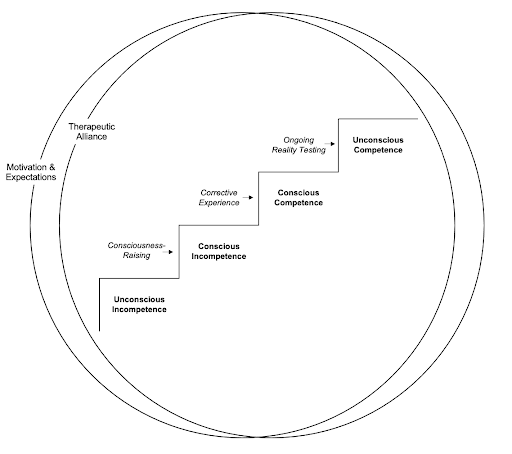
To begin with, if we step back and temporarily set aside our theoretical perspectives, it might be possible to say that most (all?) therapies proceed along somewhat similar stages of change. If effective, therapeutic change progresses as follows:

1. Unconscious Incompetence
2. Conscious Incompetence
3. Conscious Competence
4. Unconscious Competence

What does this mean? The patient comes in and says that there's something about their life that's not working, be it relational or symptomatic, but they don't know the factors that are contributing to this lack of effectiveness or incompetence. Thus, they are in an initial phase of unconscious incompetence.

As a result of the therapy—either what occurs in session or between-session self-observations—patients become more aware of the thoughts, actions, and/or emotions that may be creating problems in their life and contributing to their lack of competence. They may be misinterpreting what other people's motives are; not recognizing how their actions may be having a negative impact on others; becoming angry over not getting what they want instead of asking for something directly; and a host of other factors that are uncovered over the course of therapy. There are numerous ways that patients can come to understand why things are not working for them. Through the methods used to come to this understanding, they are now in the phase of conscious incompetence.

Becoming better aware of the reasons for their lack of effectiveness/competence may then lead to the need to function in a different way, taking into account those factors that are causing the lack of their intrapersonal or interpersonal competence. It is then that patients need to make deliberate efforts to behave, think, and/or feel differently: conscious competence.

If the therapy is successful, and over a period of time they benefit from numerous instances of corrective experiences, patients’ conscious competence may become more automatic, resulting in the final phase of unconscious competence.

In order to move patients through these phases, there are certain transtheoretical principles that cut across different schools of therapy.

  • To begin with, our patients need to have some degree of positive expectation and motivation that therapy will help. The most effective of therapies will not do anything if the patient's negative expectations and lack of motivation causes them to do nothing—or to terminate.
  • There also needs to be the presence of an optimal therapeutic alliance. Much has been written about this, and there's both research evidence and clinical observations that this is an important transtheoretical principle.
  • Helping patients to become better aware of themselves and their world can be implemented clinically in varying ways, depending on one’s theoretical approach and individualized case formulation.
  • A most important principle of change involves encouraging the patient to try out new ways of functioning—corrective experiences—that help them become more effective emotionally, cognitively and behaviorally in their lives.
  • Over the course of effective therapy, there develops a synergistic reciprocity of having corrective experiences that enhances patients’ awareness resulting in an ongoing reciprocity between corrective experiences and increased awareness—a form of ongoing reality testing.

The following is a graphic depiction of the how transtheoretical principles of change articulate with the transtheoretical stages of change in therapy:

None of this says anything about the specific techniques that different schools of therapy may use to implement the strategic principles, nor does it say anything about the overarching theoretical interpretation of why the interventions may work. At the level of abstraction that I have proposed, it clearly does not say it all. Still, it can provide the foundation for practice, training and research.
For those interested in learning more about this topic, I have written elsewhere on the topic. You can find these articles listed below.
__________

I would appreciate it if you could take this very brief survey (approximately 5 minutes) about transtheoretical principles of change: Please click here.

__________

Obtaining consensus in psychotherapy: What holds us back?American Psychologist, Issue 74, pages 484-496
Consensus in psychotherapy: Are we there yet? Clinical Psychology: Science and Practice, Issue 28, pages 267-276