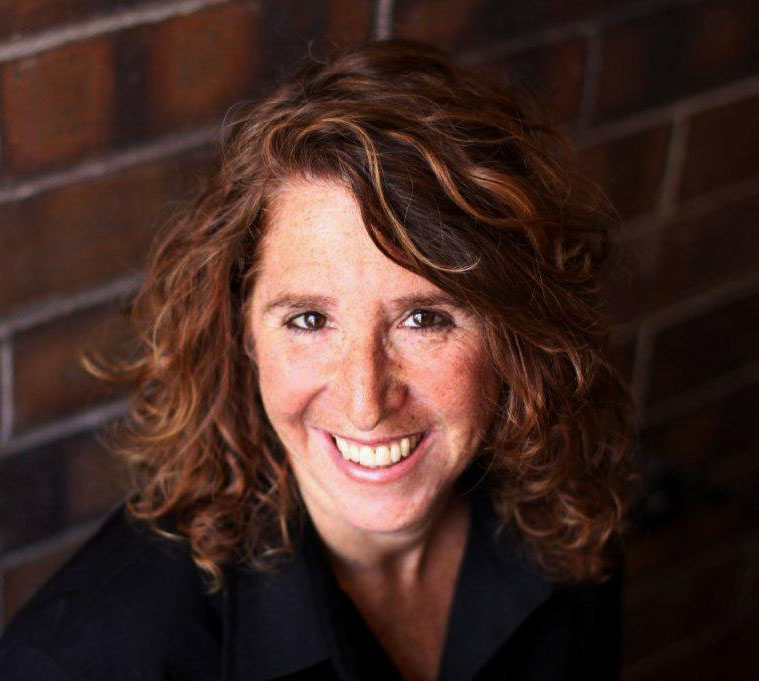
Rick Miller on the Clinical Challenges of Working with Gay Sons, Mothers, and Families

Gay Sons and Their Mothers

Lawrence Rubin (LR): You may be known to our readers as the founder of Gay Sons and Mothers. But they may not be familiar with how extensively you’ve been trained and how long you've been practicing as a psychotherapist with a personal interest in working with gay men and their mothers. 

Rick Miller (RM): I'm a gay man who grew up really appreciating the bond and love of my mother. And, in hindsight, as an adult, what it meant for me was that I got to be myself. She didn't necessarily know that I was gay, or maybe she did, but she never forced me to do anything differently than what I did.

And growing up in a world in the 1960s where it was prescribed, this is what boys do, having a mom who let me be me — and we did a lot of things together — was pretty miraculous. I hear so many stories about people growing up whose parents abused them or forced them to do things differently.

I wrote a book several years ago for clinicians about doing hypnosis with gay men. I thought it would be relevant to do the research or to seek out research about gay men and their mothers. I looked at the literature about gay men and their mothers to include in the book. You'd think this a cliché topic and that there would be way too much information to use. I couldn't find anything! I thought, I’ll write an article about this, and it ended up turning into video interviews. And from there, I started a nonprofit called Gay Sons and Mothers.

We are educating the public about the special bond between mothers and their gay sons and how she contributes to his sense of well-being in the world. It's a multicultural story that looks at strength, at disappointment, and is a very emotional topic.   

LR: So, even before you and your mother had a conversation about being gay and you knew, you had no particular concern over sharing it with your mom. You didn’t worry how she would take it, how you'd be perceived, how you'd be treated. You were just free from the start to be you. 

RM: Well, I was free to be me, but I didn't come out to them — meaning my parents, my mother and my father — until I was 21. So, it was interesting that I had the freedom to be me, but I didn't feel 100 percent free to be me because I waited longer to come out than I probably needed to in hindsight. Today, many kids are coming out at a much younger age to their parents. Of course, the world is very different.

LR: If you intuitively felt accepted by your mom and weren’t censored or limited in any way from being you — you haven't talked about your dad — why do you think it took you as long as it did to become public about it? 

RM: Well, so, it was the early 80s. So, AIDS was hitting the press big time, and I suppose on one level, I was protecting her or them from thinking that something would happen to me, which, knock on wood, did not happen. I was afraid that I'd be rejected, and, not to sound callous, they were paying for my graduate school education, and I just made a mental note in my mind I was going to wait until I finished school to come out, which is so stupid. 

Knowing my parents, of course, they wouldn't have done anything differently. It took them a while to come around, a month or so, which I thought was horrible at the time. But I look back and I think that my parents had to go through their own grieving when I came out to them. Of course, they knew I was gay long before I came out, but hearing it was definitive. And it took them a short time to acclimate and appreciate it. I was incensed at the time. And, often, I say to children and to parents, it's okay to grieve.

LR: Incensed about? 

RM: They were not 100 percent supportive the second I came out to them. And the first thing my father did when I came out was to become a little weepy saying, “the world is unfair, and I'm worried about what that will mean for you.” I took it as supportive, for sure. And then he kind of changed the tune for a bit, and that is when things turned ugly, and again that lasted a few weeks and then everything turned around. 

LR: Smooth sailing with your parents and especially your mom ever since. 

RM: Yep. And I had a partner that I was moving in with at the time. So, what I did, which I shouldn't have done, was when I came out to them, I told them that I was moving in with the person they knew as my friend all at once, so that threw them a little bit. 

LR: Overload! Going back to the second part of the earlier question about your foundation; how do you think clinicians can benefit from awareness of it? 

RM: There's so much inherent in the videos that we share through Gay Sons and Mothers. It's not only about the relationship between a mother and a son, but that part in and of itself is so affirming. Clinicians can watch stories of sons and their mothers and appreciate what it is being gay. And it's not only mother in these interviews. Families are talked about. Extended families are talked about. Culture and religion are addressed in these videos.

So, there's a lot there, and, when mothers are struggling with their kids, I send them videos from Gay Sons and Mothers. On our website, there's a link to our Instagram page. We have a YouTube page. Sons watch. Most people — therapists included — watch these videos and have a deep emotional resonance around the issue of being included, being loved, being supported, being rejected. It's hard not to feel something when you're watching videos pertaining to these themes.   

LR: A connection. How would you respond to a therapist or to a non-therapist who’s visited your site and says, “Yeah, well, what about gay sons and their fathers?” 

RM: There's way more information in the literature about gay sons and their fathers than there is about gay sons and their mothers. And if there hadn't been any with fathers, I would have pursued that, as well. I grew up with a great relationship with my mother. I had the fame of saying to my siblings, “Mommy likes me best.” It carried me through. So, it seems completely perfect that that would be the focus of my work.  

Historically, mothers in the 1970s — or even earlier in the psychiatric and the medical field — mothers were blamed for making their sons gay. And, so, with the lack of literature out there, what's missing is that mothers have the power to raise sons who are mentally healthy, just from being a good enough mother. And, so, that premise is so important to me that I've focused exclusively on mothers and sons.

The issue of fathers and extended family is embedded in the work anyway. So, this project, Gay Sons and Mothers, is inclusive of the entire family. And we're also expanding beyond just gay sons and mothers. We're talking about trans children and all sorts of things. 

Intersecting Identities

LR: How has your advocacy and clinical work been informed by your own personal evolution? 

RM: Oh, gosh, that's such a big question, but I think I can get there. I came out in 1983 — I was already a clinical social worker. In the 1980s, AIDS was emerging, and gay men were dying in big cities, and people were afraid. Homophobia was on the rise because people were afraid of catching AIDS. I was working in the AIDS field, doing volunteer work at this time, and I started working with the gay community from the start.

Boston, where I lived, was a progressive place. So, I was known in Boston as being an out gay male therapist. I mean, there was no web at that time, but anyone who knew me would know that I was gay. But I was also practicing in a very conservative place, Boston, Massachusetts, very hierarchical, very psychodynamic. So, in the professional world that wasn't the world of AIDS, I worked in a hospital. I kept a very low profile, and I felt like I didn't fit in the hierarchy of psychiatrists, psychologists, social workers.   

I'm a social worker, and looking back at my evolution and my history, I wish I had put myself out there more because the contributions that I'm now making to the field in the last ten years as a writer, as a teacher, as someone who's done Gay Sons and Mothers, if I had the confidence to do some of this earlier, I would have done more research focusing on gay men, on gay men and their mothers, gay families. And I think I could have made a bigger contribution to the field.

What happened for me is I started my private practice in the mid 80s, and I switched to full-time private practice. So, I left the hospital. I left the agency where I was doing AIDS work, and basically, I hid in my office with the door closed for decades. And I was very successful in private practice, in part because of my clinical skills, in part because of my personality, and I got to hide.

Once I wrote my first book and I started teaching about working with gay men, I could no longer hide. And, at the time, I was probably 52 years old — 10 years ago. And I'm really glad it happened, but it forced me beyond a comfort level that was really important and good for me, and I wish I did that sooner.  

LR: So, you came out of the closet before you came out of the office. I can see that your personal story could be used as an exemplar, not only for gay therapists, but for gay men, whether still not out or out. I would imagine that you don't impose your story on others. But by living it and being genuine, as you've always struck me, you are an unintended role model.

RM: Well, thank you for saying that, and it served me very well in my practice. I grew up in an upper-middle-class family with well-being and mental health and good physical health. And, to me, that's how everyone lived in the world, and that is so not the case. And so, as a gay man who had a sense of self, who worked with gay men, I served as a role model to other gay men, to all my clients really but specifically to other gay men who didn't have the good fortune that I did or didn't have the personality that I did.  

So, my being outgoing was a very good clinical skill, and, fortunately, in my early 20s, I was in therapy with a therapist who was gay, who had a very good sense of himself, who had a great sense of humor, and who allowed me in the process of therapy to love myself. If I had chosen one of those uptight, analytical therapists in Boston instead, I don't know where I would be right now.

When I was looking for a therapist, I was given the name of eight different people. Back in 1983, I was calling their answering machines. On some, I was hanging up because I was frightened by them. Others shamed me through their tone, and thank God, I didn't work with them. 

Clinical Challenges of Working with Gay Men (and their Mothers)

LR: What are some of the clinical challenges you've found in working with gay sons and their mothers? 

RM: Long before I ever knew I'd be working with gay men and their mothers, I had a gay male client who was really struggling with confidence. He grew up in the projects outside of Boston, and his father left the family, and deprivation was a big part of his upbringing. So, one day, for whatever reason, I had his mother join him in a session and it was like the heavens opened up.  

I understood him so much more, and the bond and the strength of their relationship was amazing. It helped so much in the clinical work. He was a catalyst that led to this project, Gay Sons and Mothers. Every now and then, I'd have another mother and son together, but it wasn't why they were in therapy. Once I started working on this project, various people consulted with me, families for help with their families. For some, in the field of psychotherapy, for others, through the nonprofit where, for free, I just consult with people and help them along.  

What's been interesting is one mother and son that I'm working with right now in therapy are enmeshed with each other, and they're seeing me every two weeks. On certain days, it feels like couples therapy and I really have to work with them to detangle and let go of their expectations with each other. And, so, this is a divorced mom with an only child who's gay, and they expect each other to meet needs that goes well beyond what they should be for a mother and a son.

This isn't the case in all circumstances, but I think it's a great example of how it can be a bit of a burden on both ends to have this close bond that goes kind of way too far on both ends.   

LR: So, enmeshment is one of the challenges. I imagine acceptance is another. 

RM: So many gay men are way too careful, and they're not coming out to their families as soon as they might, or they give absolutely no details about their private lives to their families who really want more from them. So, that is another challenge, that in being careful, even once they come out, being careful continues to be their MO, even when they don't need to be, and people want more from them. They want to hear more details about their day-to-day lives or what they struggle with, or are they in a relationship with someone?

LR: And I wonder if these particular men are so cautious and close to the chest with their families, if they're even more so outside of the home. 

RM: Correct. I'm working with a bunch of men in their 50s, let's say in their 60s, who came out in an era where it wasn't okay to be gay. And even though it's fine now and they have jobs where they are out, they, without even realizing it, are kind of slipping into modes of privacy and protecting themselves because it's a habit that's been with them through their life.

LR: I was going to ask you a little bit later about working with elderly gay men. But this seems like a good point to interject the question of, “what are some of the clinical challenges in working with elderly gay men whose mothers, I imagine, have long passed?”

RM: The most significant challenge is that they grew up in an era where they couldn't be out, where it wasn't safe, and many older men were kind of forced indirectly or even directly to live conventional lives and got married and had children without even questioning the freedom of living life as a gay man.

I had a great-uncle who was gay, and he never came out to my family. When I came out to my parents, they said, “Well, Paul has lived a good life. So, we know that you'll live a good life, too.” But this great-uncle, my grandmother's brother, was in his 80s when I came out. And he said to me, “I really appreciate that you have freedom that I didn't have, and I hope that you will keep my secret from your family because I just don't feel comfortable being out there.” 

LR: Well, I wonder if that fear of abandonment, being cast out by remaining family is that much greater to an elderly man?

RM: He had an incredible social network. He lived in Washington and was cryptographer for the CIA because keeping secrets was something that they did well. So, he had the love of a community of people, and my mother, his niece, and us, meaning my mother's children who were generations below him. And he was still worried about our knowing. It was just a pattern that was ingrained for the time with which he was raised. It's that simple.

LR: Can you imagine taking homosexuality, or any significant part of your identity, to the grave?

RM: When he died, my mother and I went to Washington to clean out his house — he saved everything. There was a pile of letters that his gay friends wrote to him in the 1950s and the 1960s about falling in love with men that they met in cruising areas in parks, and how they couldn't tell their spouses and how tortured they were.

We were cleaning out his house with three of his close friends. My mother came to me, without saying anything, handed me the pile of letters, and I read them. And I thought poor Uncle Paul would die if I kept these letters, so I shredded them and threw them out. And it is my biggest regret because in these letters was the reality of gay history lived by all these men.

But, in my desire to be loyal to my great-uncle, I threw them out. And this was maybe three or four years after I had come out. I was still living in a careful way and more worried about loyalties. If I had these letters now, what they would mean? Oh my God.  

LR: What clinical challenges have you experienced working with gay sons of mothers from other cultures, the Caribbean culture, the Asian, the Southeast Asian, or even African, where homosexuality is shunned and punished, sometimes even fatally?  

RM: In these cultures, homophobia is rampant and masculinity and norms around masculinity are such that fathers are not accepting of their gay kids. Religious norms are such that being gay is a sin and these are beliefs that communities buy into without questioning. So, fathers are often emotionally and physically abusive to their sons. Mothers are forced to choose between their husband or their child.

Some mothers choose their husband over their child. I had a guy that I interviewed who was Latino, and his mother said to him, “First comes God, then comes your father, and then comes you.” So, when he came out, they sent him to an aunt's house far away to Texas where he would somehow have a different life for himself. He ended up responding to a personal ad from someone who he didn't know at the time was a human sex trafficker, and he became a victim of human sex trafficking. It's a tragic story, and he's now an advocate for all of this. But his parents kicked him to the curb and still don't accept him. 

LR: Have you worked with men and mothers and their parents from other cultures, where the parents themselves were afraid of being sanctioned, punished, or harmed?

RM: You're saying that with a great degree of sensitivity and attunement. Most situations, that is exactly what the parents are feeling, but they don't recognize that in themselves. What they recognize is what they're supposed to believe, and that's what they've gone along with. I've worked with Mormon families who have rejected their children. I've interviewed a Latino Mormon man whose mother read his journal and packed up his bedroom one night and put all his belongings in the garage and said, “You're not going to live here anymore. What you're doing is a sin.”  

Eventually, they came around and made up years later. These horror stories unfortunately exist. Some families that are less severe than the examples I gave don't let their kids come to family holidays. They insist that they not come out to extended family that there’s all these conditions. There's a woman named Caitlin Ryan who’s done a lot of research through her organization called the Family Acceptance Project. Her work shows that LGBTQ family members can gain acceptance with their children or their siblings through being exposed to other people that give a message that it's okay.

And that's essentially what we're doing through Gay Sons and Mothers. We're sharing stories saying, “Look, we're out in the world and everything is fine.” And as family members realize that it's okay, they are far more accepting of their gay children. So, that's the message that we need to get out into the Latino, the Asian, the Black communities, and the best way that they're going to accept it is by hearing stories through people like themselves.

If they're hearing from a gay social worker who's White that it's okay, maybe some percentage of people will listen to me and be comforted, but they're going to hear it most from another father who's found through his own experiences that it's better to have a relationship with their child than to reject them.   

And that's essentially what we're doing through Gay Sons and Mothers. We're sharing stories saying, “Look, we're out in the world and everything is fine.” And as family members realize that it's okay, they are far more accepting of their gay children. So, that's the message that we need to get out into the Latino, the Asian, the Black communities, and the best way that they're going to accept it is by hearing stories through people like themselves.

If they're hearing from a gay social worker who's White that it's okay, maybe some percentage of people will listen to me and be comforted, but they're going to hear it most from another father who's found through his own experiences that it's better to have a relationship with their child than to reject them.

LR: I imagine there’s a significant number of these families that don’t make it successfully through therapy with you. This young man is left feeling just as isolated and rejected as before.

RM: Right. Or the young man will stay in therapy and build his own community, but, unfortunately, not with his family, outside of the family and elsewhere. That said, I am a family therapist. I’m a couples therapist. I'm totally optimistic. I never give up on families reuniting. And, last year, I worked with a fundamentalist gay man in his 30s, really successful in his career and in his life. But he didn't come out until his 30s to please his parents. I had three joint sessions with him and his mother, with the hopes of bringing them together. He never thought it would happen.

I met with her alone first, and she was talking about the Bible and blah, blah, blah, blah. They didn't stick with the sessions, and eventually started talking to each other. A couple of months ago, she was potentially diagnosed with cancer, and that's what brought them together more than anything else. And I wish it could have been sooner.

LR: How would you advise straight therapists working with gay men, beyond the standard of “unconditional acceptance?”   

RM: You raise a very important issue about unconditional acceptance, and many well-intentioned straight therapists try way too hard with their gay clients. In my life, socially, I'll go to a party, and they'll say, “Oh, do you live where all the gay people live? And do you know so and so, and so and so, and so, and so?”

LR: Gay Jewish geography.

RM: Exactly, and often I do. But therapists who try to promote unconditional acceptance and convince their clients that they're gay-affirming and then offer, “Oh, I have a neighbor who's gay,” which actually may induce a lack of trust. The best way to promote unconditional acceptance is to simply say, “I’m straight. Are you comfortable working with me? I am accepting, and I've worked with other gay clients. But, please, if you feel any bit of discomfort, let me know. Let's talk about it.” To me, that's unconditional acceptance, and that's more welcoming than doing a sales pitch that ends up sounding like a microaggression more than anything else.

So, my mentor, Jeff Zeig, accepted me for who I was, and he’s a straight man. There was something so profound in that experience for me. Was he the first straight man that accepted me? No, but it was wonderful to have a mentor who didn't care if I was gay, didn't pathologize me, and said, “Write a book about working with gay men, the field is lacking this information.” It was so validating. And so, what he did for me, which all therapists ideally do for their clients, is embrace, love, support, and send me out into the world to be successful.

That is unconditional love, and that is what straight therapists can do for their gay clients. And what I say in the work that I do is you're giving your clients a bigger gift of healing than you would even recognize because your clients are coming into your office with their presenting problem, whatever that happens to be. It may have nothing to do with being gay. And, through the love and the acceptance and the respect that you're showing to them, they're getting additional healing from the experience of being in your office.  

So, frequently, when people want a referral to a therapist who's a gay client, frequently I'll say, “Why don't you work with a non-gay therapist? Because there is extra work that you can have done, as a result.” Some people will do that, some people won't.

LR: I used to think it important to be colorblind, but we must see color to validate the experience of the “other.” that idea. Similarly, one can’t be gay blind, because being blind to that does not suggest acceptance. It suggests walling off and not affirming that person, not accepting that person. So, I imagine that a clinician working with a gay person has to be very cognizant of the stories, the history that this person brings into therapy.

RM: Yes. The words that are coming to my mind are cultural competence. And that's what we need in the field these days. And I, too, did the same that you just described. I worked with an Asian gay man and a Black gay man, and I cringe when I think to myself or I even probably said things aloud that it's not as bad as you perceive it to be, which is absolutely not true.

LR: It’s not affirming.

RM: Right. The best thing that we can do is to hear the experiences that our clients are bringing to our offices and trust that to be true. The other best thing that we can do to become culturally competent is to go to workshops or watch videos like this or read a few books or speak to your gay friends and family members about their experiences to get educated. It's not hard to do. I find that in our field of mental health there are many people who are well-educated and liberal in their thinking, so that they feel like they have all that they need to know.

But their gay clients are testing them indirectly and don't feel safe because they're presenting a norm that may be uncomfortable. The other thing that I found, and I've mentioned this to you before, is that the field in general, of course, is run by metrics and numbers. And the most successful clinicians and teachers in the field have large numbers of followers and huge turnouts to their conferences. When I teach, sometimes I get 20-25, maybe 40 attendees, if I'm lucky, at a big mental health conference. Well, that's not good for the conference.

So, I'm not advancing as I'm teaching about working with LGBTQ people. And there are very few courses offered at huge conferences, which is unfortunate. So, my advice to people who are organizing conferences is to put us in panels with other people, and that way we can kind of gain exposure and educate people.

LR: So, the idea of a gay-affirming therapist is more cliché than anything else I would think because if you're not a person-affirming therapist, you're not going to be a gay-affirming therapist. Am I getting it, right? 

RM: Yeah, yeah. And I mean, interesting. A clinician that's worked a lot with the gay man or the LGBTQ population by nature is gay-affirming. I know through conversations with a person who has worked a lot with the LGBTQ population is gay-affirming, and they've cultivated acceptance and skills that are affirming and comfortable. As a person, are you a gay-affirming person? I'm not asking you that. I know that you are, but I'm asking people who are listening to this. Do you understand what it's like living life as an LGBTQ person in today's world?

And if you're honest with yourself, maybe there are things you don't understand, and there's ways of getting information. If you pretend that you are, you're fooling yourself. People are going to see beyond that.

LR: They’re going to catch up.

RM: So, when you go to therapy, you should be talking about your sexual life. Many gay clients, out of shame, won't even broach the idea of sex with their therapists. Or, when they talk about sex, their therapist winced because they don't believe in open relationships, or they think that gay men are too sexual, and their biases are coming forward. I h

A Small Hope: Co-creating a Narrative of Grief – Part II

Bringing Memories to Life

“I want to remember the precious times we had together in those last weeks but already they are fading and I am forgetting,” Claudia said with resignation. It was now a month after Tom had died and the conversation had just shifted from the challenges of getting through each day.

“Is gathering up memories of the precious times something that you might like to do in this conversation?” I checked.

“Yes, those last four weeks,” Claudia said through tears. “From when we were told in the hospital Tom was dying and decided to come home. In the hospital, I asked one of the nurses, ‘How long does he have?’ and she replied, ‘Maybe a week.’ As you know, however, he lived for four weeks… Tom didn’t ask how long he had to live but I wanted to know.”

“Would it be OK to ask… what was important to you that you asked for the nurse’s guess as to how long he had to live?” I added the word “guess” as no one ever definitely knows and that uncertainty is often unfamiliar to people.

Claudia’s voice broke, “I just wanted to know how long I had with him. I think I was just trying to get a clear view of the future.”

“Did you have any hopes for what a clear view might provide you and Tom?”

“I was thinking this is valuable time. It clarified that we wanted him to come home,” Claudia affirmed.

“In this decision to go home, what kind of valuable time were you and Tom hoping for?” (22)

“It meant he could see the changes in the girls. They are so young they change rapidly, especially Libby who develops in small ways every week. I knew that visiting in hospital is just not the same. Everything is different, distorted and not in their natural state,” she explained. Visions of hospital rooms with their lack of privacy and noisy nights floated through my mind. I tried to imagine visiting such an unfamiliar environment frequently with a baby and young child.

“What does it say about Tom’s relationship with Imogen and Libby that he prioritised noticing small changes in them even when he was dying?”

Claudia smiled. “He treasured and valued every little thing about them. He’s been quite good at appreciating small things for a very long time,” she answered, speaking of Tom in the present.

“Could you tell me a story of Tom appreciating Libby and the small changes in her perhaps? And then Imogen and what he enjoyed about her?” I was aware that I was collecting memories, not only for Claudia, but for her girls as well. Together we would build a document of memories she could keep. (23)

After Claudia had shared some stories, I became aware we had diverged from what she had originally said she wanted to discuss. “I notice we have moved away from speaking about the four weeks you said you wanted to focus on. Would you like to continue on this track or would you like to spend some time talking about the last weeks of Tom’s life? What would you like to do at this point?” (24)

“The last four weeks. It’s fading so fast. I’ve even forgotten subtleties that were routine to me, like giving him his morning wash, and that was something I treasured doing,” Claudia stated. I was glad I had checked. I didn’t want the conversation to end without it having been what she wished.

“Would asking you about treasuring his wash be a good place to begin?” Claudia nodded and sat back on the sofa. “Would you like to walk me through how you went about giving him his wash?”

Claudia began to recall previously unspoken details of the daily routine with me, inquiring into their meaning. Towards the end of collecting as many details as I could I asked, “When you were washing him, was there a particular way you touched him?”

“Yes. When he was moving less, I would give him a little massage, or I’d move his legs around. I could tell he liked it. After his massage, we’d put frankincense on his palms and the soles of his feet and he’d go, ‘Oh, Frank!’ and wiggle his fingers making a joke!” Claudia laughed.

“Did he keep his sense of humour even…”

Claudia’s words tumbled out in her enthusiasm. “Always, right up until that last night. A carer came for the night to help. When she saw Tom she said, ‘Still unresponsive,’ so he wriggled his eyebrows at me. It was our little joke! Frequently through the day I would wash his face and I’d say, ‘Would you like a cool flannel or a hot flannel to wash your face?”

“When you were giving him that choice… what was your intention?”

“He had very little control over his life. He deserved respect,” Claudia explained.

“What did you want him to know by giving him that choice and respect…and control?” In tender tones Claudia answered, “He was still just as valuable. Even though he couldn’t move or see much, he was still my Tom, he was still the same to me.” Moved by her love and respect I responded, “May I ask, what would have Tom noticed that would have told him it was you washing him rather than someone else and that he was still the same to you?”

“He would have felt my love in the way I washed him. I was given a choice of washing him or having a carer do it. There was no way I was going to let someone else do such a personal, private thing for him,” Claudia stated, flicking her hair behind her. (25)

“What were you valuing, do you think, when you prioritised this loving moment with him and protecting his privacy even as you were parenting two small children and doing everything else that was required of you?” I reflected on the exhaustion that comes with parenting very young children. Such a choice was not right for everyone. Claudia lowered her voice, leaning towards me as she spoke, “I wanted to protect his dignity and have that intimate time with him.”

“May I ask, what did you experience as meaningful in the relationship when you managed to get that time together and share love and intimacy?”

“It felt like this was why we had him at home. It meant I was the one changing his nappy… And I did feel proud and honoured that I could do that for him. It’s not something a wife normally does for a partner, but I guess it was a new intimate thing we could do where there were precious few of those new things.”

Struck by her ability to generate such a deeply loving experience in something so far from what couples ordinarily do together, I responded, “What does it say about you that you felt proud and honoured to do that care for Tom … that you could find intimacy in changing his nappy for him rather than seeing it as a chore?” (26)

Thoughtfully Claudia answered, “I think I understood what he needed. I understood the best way to do that for him.”

“What was it that you understood about Tom in those last weeks that was important to you both?” Claudia pondered. “We were able to slow things down a bit.”

“How did you do this slowing?” I wondered. Claudia spoke slowly as she considered, “Just focusing on little things. I’d go and get him milkshakes and I’d say, ‘So what flavour milkshake do you want today and where do you want me to get it from?’ It was treasuring very small decisions. I got great pleasure from him eating or drinking something and he got to make decisions and think about that milkshake and what he wanted. Life zoomed in and focused on those nice moments.”

“What did you know, Claudia, perhaps about living with such a serious illness, or about Tom, that had you recognising that making a decision about the flavour of a milkshake was worth treasuring?” I couldn’t help but notice her extraordinary sensitivity to Tom’s experience and I hoped that my questions might draw Claudia’s attention to her wise and gentle care.    

Claudia laughed. “Tom knew his own mind. I would never make that decision for him, particularly around food,” she said, reminding me that Tom was a skillful and passionate cook. “Choices in his life were dwindling. He didn’t have a lot of control.” She dropped her head for a moment, reflecting. Tears glistened in Claudia’s eyes as another thought occurred to her. “Tom knew how much it would hurt me when he went.” The tears gathered and a sob escaped but she went on speaking. “He didn’t want to go but most of all he was worried about me…” Claudia started to cry unreservedly. Her face reddened as more of her body joined the experience of grief. Rather than a break in the conversation, it was as if these tears spoke what words couldn’t as we reflected on Tom’s love for her even as he was dying. (27)

Quietly, I eventually asked her, “What were these worries Tom held for you?”

Claudia was barely able to speak yet she persevered, wanting to express what the emotion meant in words. “He just knew how hard it was going to be… he cared enormously about me being alone.”

We were quiet for a time as Claudia continued to weep.

“He was sad for himself and the girls, but he was really sad for me,” she eventually explained.

I thought about Tom worrying about Claudia even as he lay in bed so sick. “What does Tom’s compassion mean to you? …. that he couldn’t bear to think of you being on your own…that he cared so much about what might happen to you…?”

“It was a demonstration of how much he loved me,” Claudia choked out. “I usually cried,” she explained, smiling at herself through the tears. “I felt guilty every time I cried and got comfort from him but he’s the person I turned to when things were wrong. He said comforting me was something he could do.” She stared at me with her eyes wide waiting for my response.

“Do you have a sense of what it was to Tom that you chose him to seek support from?”

Claudia exhaled, “I think he was thinking about the time when he wouldn’t be able to support me, and he was doing what he could.”

“How would Tom have understood the way you saw him when you sought comfort from him?”

Claudia considered, speaking what seemed like newly formed thoughts. “He was my best friend, and we were there for each other. It didn’t change when he was sick. I think it was hard but very important for him. It allowed him to show support for me, I guess. He saw it as something he could do for me when he could do so little, when I was doing so much for him. I didn’t feel the need to protect him.”

“What do you know about Tom that you knew you didn’t need to protect him?”

“He was strong. He said he wasn’t scared of dying.” Claudia let out a big, long sigh collapsing in on herself in seeming resignation.

“Would it be OK to ask you one more question about the way you shared your grief together?” Claudia nodded.

“What did you know about the relationship that told you that talking would be best for it?” I wanted to bring forward Claudia’s knowledge of their particular relationship because I knew that this kind of talking wasn’t best for everyone.

“It’s what we’ve always done,” she readily replied.

Our time was coming to an end. After I summarised what we had been discussing, I checked with Claudia, “How has our conversation gone today? Has the experience of reflecting on the last four weeks connected you with anything that is helpful or important to you?” (28)

“I think it’s highlighted how we did it according to our values. That’s incredibly important to me. It eases the pain just a little to know that,” Claudia responded.

“How might you carry that knowledge do you think? That you did it according to your values?”

“I guess by carrying on doing that with the girls,” she replied thoughtfully.

“Perhaps we might come back to that next time if it interests you…. but could I ask you something else? As you reflect on the last weeks of Tom’s life, was there anything that happened that moved you a little closer to being the person you want to be?”

With some energy and perhaps surprise in her voice, Claudia answered, “Now that I talk about it, lots of things. Doing it our way and speaking up to make that happen. The way I was able to show him how much I love him through what I did. It was so hard, but I was there to support him die the way he wanted to do it. I hadn’t really thought about it before.”

Turning Towards Pain

Claudia and I met each week until I was scheduled to be away on leave. (29) Before I left, we planned who Claudia might turn to in difficult times for support and what she might do. Not long after I returned, we were once again sitting in her home. After greeting each other warmly, Claudia brought her cup of tea into the living room, and we sat down.

“We had a fortnight gap this time, how did that go?” I inquired.

Claudia let a rush of air out. “My sister said, ‘Have you seen your counsellor this week?’ And I said, ‘No we couldn’t make it. Sasha was away.” And she said, “I always know when you haven’t seen her.” I thought I’d be fine, but I’ve had a really awful fortnight.”

“What is it that you do differently in the week when you’ve had a chance to talk?” I inquired, but I was off track. (30)

“I was thinking about what it was that changed. You know how I was feeling numb? Well, I’m raw now. I can’t seem to stop crying…” Claudia’s voice broke, and she could no longer speak. The pain gathered and eventually she sobbed, “It’s all the time… just crying all the time. I’m right back to raw and where is he? And how can this be happening?”

I listened, feeling the echoes of her pain. (31)

Claudia bowed her head and tightly wound her arms around her body. It was as if she was holding herself together. “I’m right back there… and that lovely numbness… that I was feeling has just gone,” she stuttered through the sobs. “It’s horrible… just that relentlessness… And I went to see a clairvoyant and she was just ghastly. I think that tipped me over the edge a bit. I realised I had a lot of hope riding on it.” She looked up at me with wet eyes.

My voice was soft. “May I ask …what were your hopes in seeing the clairvoyant?” I wasn’t surprised Claudia had visited a clairvoyant. Many people search for connection with someone who has died through spiritual understandings they hold.

“I didn’t realise until afterwards that I was hoping that it would be for real. I would have got a feeling of peace knowing that he is somewhere and can be with us. I didn’t get that at all. I just felt duped. I was already feeling quite low but hopeful, I realised afterwards.”

“Would it be okay if I ask a bit more about these hopes?” Claudia nodded as she blew her nose. “Would you mind speaking a little about what you were hoping for?”

“That he’s somewhere…And he’s not just puff gone. That he is somewhere and sometimes, somehow, he is around…that’s what I really want to believe…I need a message to say, ‘I’m OK, I can never see you again but I’m OK…and I know you are OK.” It is one of the hardest things I think, the not knowing.” I reflected on how much not knowing there could be surrounding illness and death.

Claudia’s anguish layered her words as she again tightly encased herself with her arms. “I’m stuck in this awful hole…I don’t know how to go on. I just don’t know how to hold on. I feel like I’m clinging on to a ledge. I have to but I don’t know how to keep going and going and going…” (32) I tried to imagine the relentlessness of continuing on. Her words created a vivid picture of the ledge. I made sounds of empathy as I listened, a witness to her pain and sorrow. “How important was knowing where Tom is in this holding on?” (33)

“Very important,” she cried.

“Yeah… yeah…,” I replied, almost crooning in my compassion for her. “What would it have given you in the holding on?”

Claudia cried, hiccupping as she answered, “Some sort of peace that he’s OK…that he’s with us…and that I might see him again…It’s so hard. It’s not like breaking up with someone and you know they’re OK. Somewhere they’re alive…”

“Completely different,” I affirmed.

Claudia voice was husky, “I just can’t get my head around it. It’s the absolute worst that could happen to me…I’m really struggling…” Her tears took over and we paused, neither of us hurrying or censoring her expressions of grief. “…and I’m sure having less help this week is making a difference. The family have been away. I’ve actually been feeling OK with my parenting.”

My ears pricked up. “Yeah…?” We had talked a lot about the impact of grief on her parenting as Imogen and Libby were Claudia’s top priority. However, I didn’t want to move Claudia away from her talk of the struggle sooner than she wanted so I resisted asking a question and kept my query very small.

“We’ve found a routine and I’m not shouting. I’m not feeling desperate about those times,” Claudia told me with an energy that conveyed to me she might have a possible interest in speaking further about her parenting.

“Is this something you would be interested in talking about?” When Claudia indicated, she would like to follow this direction I continued, “What’s allowed you to be OK with your parenting especially when there is so much struggle?”

“I think routine has helped. It’s soothing. And I’ve got really, really good at filling in the time now. Those girls are bloody tired by the end of the day because I’ve worn them out. Like last Sunday, we went to the markets and met a friend for breakfast, then we went to a school children’s art exhibition which was a couple of hours and then we went out west to see another friend. We got home at 6 P.M.” Claudia sighed, sounding exhausted even by the thought of what she had just relayed to me.

While being so busy was not Claudia’s preferred way of parenting prior to Tom’s death, this was a survival strategy she was using. “I’m really tired but that’s how I cope. Just fill in every hour possible. It’s not because I don’t want to think because I like to think about him. It’s just the only way I can cope with the kids. It’s helped.”

I returned to the aspect of parenting Claudia was feeling good about and, remembering Tom’s belief in Claudia’s parenting, decided to bring him into the conversation. (34) “And what would Tom make of you doing your parenting in a way that you felt good about? Finding a routine and being more how you want to be with the girls. What would he be thinking about that?”

“He’d be saying, ‘I knew you could. I’m proud of you.’”

We both smiled. With a lighter voice I asked, “What might Tom have known about you that allowed him to know you could do it?”

“That I put them first…,” she replied as tears trickled down her face. “…That I’ll always look after them…” Intensity and what sounded like determination entered her tones of sadness “…and I’ll hold onto that ledge for them…hard as it is…”

“Is Tom under your feet helping to hold you up a bit too?” I asked, wanting to add his support if it was there.

“I don’t know…I hope so…He would if he could…if he can he will…I forgot about the rawness. It’s so horrible.” I nodded.

“It’s only three months since he died,” Claudia told me with emphasis.

“No time at all and yet perhaps a long time too. How would you describe it?” I reflected, slowly waiting for what else she might be about to share. Claudia replied, crying as if her heart would break, “No time and yet forever. It’s part of why I hurt so much. How’s three years going to feel since I saw him? And thirty years? I feel like I’m only living for my girls…to give them a good life…and not enjoying any of it myself. The hole just keeps getting bigger.”

“Is it hard to imagine that the hole might stop expanding and steady a bit? That it might be less gaping one day?” I said, offering a future possibility.

“I can’t…”

I nodded.

“Is your wanting to parent the girls so they have good lives…” I began to ask as I looked to connect Claudia to parts of her life that might help support her keep holding on. Her virtuous desire to care for her children in spite of the pain of living stood out to me.

Claudia interrupted me, staunch as always in her love of her girls. “I want them to have good happy lives, absolutely.”

“How would you describe a good, happy life for your girls?” I invited, seeking to connect her with a future for them that might be possible to envisage.

“Doing things that stimulate them and interest them with me…positive times with me and …being strong in themselves…able to weather some storms… and get enjoyment out of things…and finding passions. I want that for them but not for myself. I don’t believe in having that for myself. I can’t see it again. It feels like it’s all gone…”

We paused together for a time and Claudia wept. (35) “I feel like something in my soul has gone… an intrinsic part of me.” Her description touched me as I murmured a quiet acknowledgment. After a pause I added, “May I ask what part of your soul would that be?”

“All of my adult self…is connected to Tom. Everything I do and think is influenced by him and our relationship. All my memories of being an adult…are with him. The way I view things is because of him. It is lovely and I’m very glad. But it’s such a wrench.”

“Was your soul entwined with his?” I wondered. Claudia nodded. “And was his entwined with yours?”

She nodded vehemently. “I don’t know where he is! It’s just so hard.” Claudia’s body shook and she put her head in her hands. It was my turn to nod as we both acknowledged the hardness. It was so hard (36). As we sat there for a time, I considered Claudia’s disappointment with the clairvoyant and how it had made the pain worse.

“I wonder if we can think about that a little bit…if we could figure something out, away from the experience you had with that particular clairvoyant…”

Claudia laughed heartily through her tears, “…Who believes in herself even if she is a complete fraud. I can’t accept that he’s not somewhere or not existing.”

“What are your understandings of possible places or ways that Tom could be existing?” I asked. People I meet with often have very different ways of understanding death even if they identify as belonging to a well-known faith tradition. They also often re-evaluate beliefs they’ve held for a lifetime in moments of illness and loss. I can never assume I know what someone believes.

“That he is part of the energy, the finite energy of the universe… that’s scientific,” Claudia explained to me. I listened attentively as she continued, “Or he could be in a different realm or a different world which is potentially scientific as well.”

“… like a parallel universe?” I inquired, noting her tears had stopped. “Yes. Or in some heavenly place, someplace souls go where there’s peace. I’m sure there are other frontiers but those are the ones I think of…I want him to be conscious somewhere and aware of us. If I think about another world or a heavenly place, he would be conscious of us.” She stared at the sky out the window. “What would a sense of Tom’s presence give you?” Claudia returned her gaze to me. “I would know he’s with us, present in our lives”.

“Do you think you have any impact on that sense of presence or how that presence could be felt?” I inquired. Claudia looked at me quizzically. “Clairvoyant people say we do, don’t they? If we can be open to it or not open to it.”

“I don’t know…Can you influence the way you feel Tom?” I wondered curious.

“I don’t know. I’d like to,” she affirmed. I cast my mind back to a previous conversation. “When we met last time, you mentioned you had felt him.”

Claudia confirmed, “I felt him really strongly.”

“May I ask what you were doing at the time?”

“I wasn’t doing anything out of the ordinary. I was probably having a laugh which was unusual as it was maybe two or three weeks after he died. The girls were playing around so a bit of a lighter moment and I was laughing with Libby playing peek-a-boo.”

“Would it be possible for you to have faith in yourself even if you can’t have faith in the clairvoyant you met?” (37)

“I’ve tried very hard to separate those two. It’s where I came to on Saturday. I didn’t have a very good experience with her but that doesn’t mean it’s all out. I didn’t pin my hopes on just one person. I booked two clairvoyants. I’ve booked the other one for August and I’ve heard she is authentic and very good. I’ll keep that booking. I’m not giving up on it altogether.” Claudia sounded calm.

Laughing, she added, “I can spare another $120! If she’s good!” I laughed in response before inquiring, “What about your own experience of feeling Tom was with you?”

“It was very strong. But it’s very easy to doubt myself. That’s what’s hard I think,” Claudia explained. “I had another experience where I was looking for a necklace and I felt Tom very strongly. I was looking and looking and then I found it one day and I had a very strong feeling that Tom had helped me find it. I know that sounds strange. But it was such a strong feeling that I said, ‘Thank you Tom! That’s for Imogen.’ It just came out. I need more! Greedy, greedy!”

“When you feel Tom with you, what does that feel like?” I asked curiously.

“Normal! The old normal,” she explained with energy.

“How do you know he’s there? When he helped you find the necklace, what happened that told you that?” I wondered, keen to learn more.

“It just felt like everything’s OK again.”

“Ah.” I sat back in my chair.

“And I don’t have to have this new normal. Both times I just felt lighter and happier. This nightmare is over or maybe not what it seems.”

“If you met with another clairvoyant whom you did or didn’t find authentic, could anyone take away those experiences that you’ve had?”

“No. They’re authentic to me,” Claudia stated.

“You said you want more of them…”

In a sing-song voice Claudia interrupted, “I do!” She was grinning.

I returned her grin. “On demand!” I echoed in the same sing-song tones. Claudia laughed. (38)

“They felt authentic to me and I’m a big believer in going with your gut instinct. I’m quite in tune with those things. They felt real.” Claudia sat back looking steady.

"I drove back to the hospice some time later reflecting on the many understandings people hold about what happens to a person after they die." (39)

New Understandings

Claudia returned to work and, as the routine settled and time passed, the pain of Tom’s death intensified. As Claudia explained to me, “It is now not just days or weeks since I last saw Tom, but six months. The longer it is since I last saw my Tom, the more I miss him.” I wasn’t surprised as many other people have described a similar experience to me.

It was a rainy day. Claudia had finished breastfeeding Libby and had returned from laying her down to sleep. She walked up the stairs with a heavy tread and sat down. “It feels like we are now in a new normal. The new normal makes me so sad. I don’t want a new normal. I want the old normal. I’m feeling guilty; sad and guilty.”

I made a few acknowledging sounds as she talked, “It is so tough. Who would want this normal when comparing it to having a partner they loved alive?” I paused a moment as I looked at Claudia’s drawn face. “Would it be helpful to share with me some more about this sadness and guilt?” I continued, wondering if it might be useful to get to know th

A Small Hope: Co-creating a Narrative of Grief – Part I *

This story is dedicated by “Claudia” to “Tom” in memory of his loving ways.

I would like to thank “Claudia” for her generosity in joining me in adventuring into new territories. There would be no story without her.

I would like to thank Aileen Cheshire, Catherine Cook, William Cooke, and Peggy Sax for their insights and helpful suggestions, and David Epston for his editorial support.

Introduction

Grief can be excruciating. The pain of loss may be overwhelming at times and its duration and intensity can be a shock to many. However, it is not always so. Relationships are shaped differently and there are many possible stories that can be told of such an experience.

The following illustration of Narrative Therapy (2) was originally written as a therapeutic document for a woman who had been forced to contend with the death of her partner while she parented their young children. “Claudia” (3), as she chose to call herself for this article, was experiencing significant loss. At the same time, she was struggling to find compassion for herself. I hoped that if Claudia viewed herself in a story of our conversations, the narrative might lend strength to the new understandings we were co-constructing. Claudia was enthusiastic about the idea of co-creating such a document and after going through a careful consent process, we agreed that we would record our conversations and write a story from the transcriptions.

Our purposes for writing a story evolved. As time passed, Claudia wanted to share her knowledge of grieving with others. When we discussed the possibility of sharing the story with a wider audience, I hoped the story might show the unfolding of therapy, and in particular, narrative practices that companion a person (4) and invite them to explore new meanings of their experience.

I have therefore added footnotes to the story [Ed. Note: Please see the original article for these notes]. The footnotes explain more of what I was thinking as Claudia and I spoke, and why I asked particular questions. They also include some thoughts on narrative practice with people who are suffering as they live with loss. You may choose to read the story and the footnotes together or separately.

For those of you who are interested in experimenting with writing a story, in contrast to other forms of therapeutic documents, please see an earlier paper I have written on writing narrative therapeutic letters. I have described the process of story writing and some of the possible benefits within that paper.   

A Cupful of Time Folded in with Love

“It’s urgent,” the community nurse told me solemnly. “Yesterday, Tom was told he was bleeding internally by the doctor at the hospital. When he heard nothing could be done to stop it, he asked his wife Claudia to take him home. Understandably, they are reeling; this has all happened so fast. We’ve offered counselling support and Claudia has agreed. She’s asked if you could ring after 10 o’clock so you don’t wake the baby from her morning nap.”

I walked back down the hallway towards my office reflecting on what it might be like to receive such news. Just after 10 o’clock I telephoned. Claudia answered. “Hello, it’s Sasha speaking. I’m one of the counsellors from the hospice. I understand you might be interested in meeting up with me. Have I got that right?” Quite often people have another understanding from a referrer, so I was tentative to give Claudia space to say what she wanted. (5)

“Yes, that would be great,” she replied.

“How would tomorrow suit you?” I asked, thinking of the urgency of the situation.

“Look, it’s very kind of you. I know it’s Friday tomorrow but it’s going to have to be next week. I’m sorry. I promised our five-year-old, Imogen, I would bake a cake with her tomorrow. It’s her birthday and I promised,” Claudia apologised in a rush.

“Are you the kind of mother who honours promises?” I asked with a smile in my voice. (6)

I heard Claudia let out a long breath. “She’s been looking forward to it all week.”  

Warmly, we now began to make a time to meet up. In the back of my mind, I was thinking about Claudia prioritising a promise to her daughter when she was possibly having the worst time of her life. Images of baking with my own young daughter many years ago floated through my mind. I wondered, “What might Imogen remember of this time when her Daddy was dying and when promises were kept to her five-year-old self? What might she say about the way she was cared for by her Mum at such a terrible time?” I also appreciated Claudia’s ability to put me off and say what she wanted. I was well aware it wasn’t easy to delay health professionals, especially to honour the wishes of a child.

I looked forward to meeting Claudia and Tom, and learning more about them.

A Surprising Renewal

I parked the hospice car down the road from the house, worried that the signage on it might communicate to the neighbours something Claudia and Tom wished to keep private. It wasn’t the anonymous unadorned car I usually drove. A young woman opened the front door of Tom and Claudia’s home and, as I looked at her animated face, I realised I knew her.

“Do you remember me?” she asked, wide-eyed, as if she could hardly believe who she was seeing.

“Yes!” I replied, flooded with memories. It was nearly 20years since Claudia and I had last seen each other. Her father had been dying at the time and Claudia was caring for him. I was working as a counsellor in a university counselling service and we had met together across the last 18 months of her father’s life. I easily recalled Claudia’s devotion to his care at a time when her contemporaries were more focused on parties and the opportunities study could provide them.

I walked further into a room that had ushered in many unfamiliar health professionals over the prior week, full of gratitude for this chance reunion and hopeful that it might make some difference for Claudia and Tom.

Claudia invited me to come into a bedroom for some privacy and together we sat on the bed. She was dressed comfortably in shorts and a T-shirt with her long, fair hair tied back off her face. Clothes that would be practical for parenting work and caring for Tom, I thought. There were dark circles under Claudia’s red, lidded eyes, easily visible because of her fair skin, and her face had a hollowed appearance in spite of her warm smile.

Claudia explained she had been up all night with their baby who was sick, and on top of that she herself had toothache. “Somehow, I am going to have to fit in an appointment with a dentist, but I don’t know how I’m going to find the time,” she exclaimed, throwing up her hands in dismay. After talking further, Claudia led me into a small, darkened room to meet Tom. He lay on a single bed unmoving and silent. Claudia touched Tom gently and he turned his head towards us. “This is Sasha,” she said. Tom looked up at me and we exchanged a greeting.

I sat down on a chair facing Tom while Claudia ignored the other chair which was placed near his pillow. Instead, she sat on the floor with her arm resting on Tom’s shoulder. Tom’s skin was a faded tan colour, suggesting to me he had once spent considerable time out of doors. In response to my greeting, he slowly shifted in the bed with jerky movements. Once he had settled, I leaned forward looking at him. “Tom, it’s lovely to meet you.”

He was a tall man I guessed, with fair hair and a kind face, softly lined around his eyes and mouth. “I’m aware talking can take a lot of precious energy. Is this an OK time for the three of us to talk together, or would you rather we spoke another time? I want to do whatever best suits you and Claudia. I can easily fit in either way,” I offered, smiling warmly at him.

“I’d like to talk for a bit. I won’t last long. We’ve been looking forward to it,” he responded, glancing at Claudia.

“When you find yourself beginning to tire, will you notice and be able to let me know?” I inquired, thinking I would need to be alert for any signs I was extending the conversation longer than he could comfortably manage.

“Claudia will know. She’ll tell us both.” Claudia nodded, her face soft and relaxed.

“Thank you.” Sitting back in my chair, I made myself comfortable while I looked from Claudia to Tom. “Illnesses have a way of taking over people’s lives and yet people are so much more than the illness they are living with. Would it be OK if I asked you a bit about yourselves and your lives before all this happened?” (7)

“Gosh it’s so nice to be asked that,” Claudia exclaimed. “It makes me feel like I matter, we matter. Tom’s a teacher and you probably noticed the garden. He grows plants from seed and often ones that are good to cook with.”

In a faltering voice Tom contributed, “Yeah… I’ve taught younger age groups and I love to garden and cook.”

“Food is very important in this house!” Claudia laughed.

Tom quietly added, “In the last year I’ve worked tutoring from home … it’s been ideal with me having cancer.” I considered asking Tom about how he lived with cancer but decided to pursue getting to know them more a bit more first. Claudia continued the conversation in a lively manner sharing with me stories of her work and interests.

“Tom, if I were to know Claudia as you do, what might I come to appreciate and respect about her?” (8)

Tom looked at Claudia as he answered me. “I love Claudia very deeply. She is kind. Really kind. I saw that from the first. She is honourable and dedicated to the people and things she believes in. Her loyalty is like none other and there is nothing I wouldn’t share or confide in her. Claudia is a wonderful, loving mother. Knowing that makes it easier for me to be sick because I know I will be leaving the girls in her care.”

“Could you tell me a story that illustrates some of these attributes you love and appreciate in Claudia?” (9)

Tom spoke of the care Claudia had given her father as he was dying. “She will always have your back,” he told me.

“What difference has Claudia ‘having your back’ made to you?”

“It has given me a whole new life that I wouldn’t have had without her. It’s meant I can be myself and pursue my interests. It has meant I have had the joy of becoming a father.”

Claudia responded by clasping Tom’s hand. “I love you so much,” she whispered.

After I asked Tom a few more questions, I turned to Claudia.

“Claudia if were to get to know a little of the Tom that you love so much, what might I come to respect and appreciate about him?”

“You’d appreciate his authenticity. Tom is real. He has a wicked sense of humour too! He’s always polite but he doesn’t suffer fools.”

“Would it be OK to ask you for a story of Tom’s authenticity and his wicked sense of humour?” I grinned at Tom and his eyes twinkled in return. Claudia launched into some stories with enthusiasm. Tom lay back quietly enjoying her words.

As the conversation progressed, it turned quite naturally towards the cancer and what they had been going through. I looked over to Tom and inquired, “What do you give weight to in your days as you live with this cancer?” (10)

“My family, being a father, I like to be involved with the girls,” Tom confided. A small smile emerged on his face. Tom tried to raise himself in the bed but, before Claudia could help him, slipped back down and, seeming to give up on a sitting position, rested his head on the pillow. When he looked comfortable again, I asked, “Could you help me to understand a little of what it means to you to be a father?”

“I love it! I wasn’t truly happy until I was a Dad. I took one look at Imogen, our eldest, and I fell in love.”

I was aware Tom’s words might carry meaning that could be passed on and retold down the years, perhaps providing solace for his girls.

“Could I ask you about this experience of falling in love?”

Contentment seemed to flow over his face for a moment, relaxing the lines as he contemplated my question. “Sure. I didn’t know what happiness was till Imogen came along. She made my life complete.”

“What did Imogen’s birth give you that has you experiencing this sense of completion and happiness?” I responded smiling.

Tom pondered, “I think it was a proper purpose….”

Claudia joined us. “…Being parents connected us to what’s important…I think Tom’s found a role that really fits him. He’s a good father.”

Tom’s quiet voice gained strength and the corners of his eyes turned up. “…And then Libby was born and I felt overwhelmed with wonder.”

“What had you overwhelmed with wonder when Libby was born?” I asked, collecting stories again. (11)

“Libby having her very own personality and the way she could let her feelings be known,” he responded with a chuckle. Claudia joined in, “He sent me a message when I was at work that said, “Baby does not want to sleep in the bedroom today. She was very vocal on the matter!” Claudia laughed. “Tom always appreciates her strength of character and being able to understand what she’s trying to say.”

Enjoying their delight, I responded, “What is important to you both that the experience of parenting has connected you to?”

“Our values and beliefs,” Claudia told me. Tom nodded, meeting Claudia’s eyes. “What we treasure.” I was keen to ask them more about their values and beliefs, but I didn’t know how long we might have for our conversation. Tom was likely managing fatigue and so I decided to pursue another path. I would return to the detail of what they treasured at a later date.

“Would it be OK to ask how this giving weight to what you believe in and treasure shapes your experience of living with cancer?” (12)

“It’s given us good times, wonderful times in amongst the hard stuff. The girls make each day worth living for,” Tom answered.

“We spent one morning just watching Libby learn to roll,” Claudia laughed.

Our laughter was cut off by sounds of crying from the room upstairs followed by shuffling as Tom’s mother walked quickly to attend to Libby.

Claudia tilted her head as she listened for signs Libby had been soothed. Tom stilled listening as well. “How will I do it without you?” she whispered, looking back to Tom. Tears began to flow down Claudia’s face. Stifling sobs, she rested her head on Tom’s chest and stretched her arms out as if to cradle the entire length of his body.

“I’m still here now. I’m still here now,” he crooned, patting her back.

“How will I raise the girls without you?” Claudia reiterated.

“I trust you. You will do a good job,” he said, trying to placate her. Tom continued to pat Claudia’s back in the age-old rhythm of comfort. I remained quiet, touched by her pain and his attempts to console her. (13)

After a time, I asked him, “What is it that you know about Claudia that allows you to trust her?”

Tom began to describe his faith in Claudia, gently patting her back all the while he talked.

“Could you tell me a story that illustrates this trust you hold for Claudia and her parenting?”

Tom expressed his admiration for Claudia as a mother. “She always puts the girls first.” He told me stories of her kindness and her beliefs about mothering, explaining how important their shared parenting beliefs were to them. As he spoke, Claudia listened silently, intent on his every word.

“How might you like to carry these beliefs you share forward so Imogen and Libby might know something of what is important to you as a couple and as a family?” I responded.

Claudia suggested they create a family charter that recorded their values. (14) Tom was enthusiastic about such a project and together we discussed what might be included in the document.

I checked with Tom as to how his energy levels were at regular intervals. Mindful that it is hard to send someone away, when I noticed his eyelids start to droop a little, I began to bring the conversation to an end.

“How has this conversation been going? Have we talked about what you hoped we might or have I taken us off track?” I checked.

“It’s been good,” Claudia said.

“Thanks. I liked talking,” Tom said warmly.

Claudia showed me out a few minutes later.

A Small Hope

Over the following week I heard that Tom had stopped eating and was now unable to leave his bed. The nurses told me that Claudia had insisted no one speak to her about his symptoms or deteriorating condition.

At the end of the week I went to see Tom and Claudia as we had arranged.

Claudia and I sat outside in the garden at an old wooden table. Tom was inside sleeping, too sick to talk. The garden provided a quiet private place away from the activity of the household as the extended family all worked together to care for him and the girls. Tired, harrowed faces had welcomed me and in the heavy movements of the family, I thought I could feel unspoken sadness weighing down their every step.

Claudia looked up as the leaves ruffled in the moving air. “It’s been a better week.”

“When you look back on the last two weeks, do you have some ideas about what has contributed to this week being better?” I asked, incorporating her words into my question.

“I’ve stopped looking ahead,” Claudia replied. Not wanting to presume what Claudia meant, I responded, “May I ask, where do you look when you’re not looking ahead?”

“No one can know exactly what’s going to happen, can they?” Claudia replied. “Now I only think about today and I have some hope.”

“Could you help me to understand a little of what this hope (15) is to you?”

Claudia paused, bowing her head.

“It is only a small hope,” she said in a quiet voice as if confessing something. “…To be with Tom, for another day or maybe even a few days.” Claudia looked up at me with tears gleaming in her eyes.

“May I ask what difference this small hope makes to you?” I replied, moved by the humility of her hope.

“It means I’m not crying all the time. I sat by the window and told Tom what I saw outside. We spent some time talking quietly together once Imogen was at school. I made him a little something for lunch and we sat together. He told me being together like that was ‘perfect,’ and he has never said that before.”

“As you look out the window describing the view to Tom, what does this small hope do that has Tom finding your time together perfect?”

“I can enjoy the moment and he feels that. It helps me forget what is coming,” Claudia explained.

“When you spend these moments that the small hope has given you, what has been made possible that hadn’t been there in the week before?” I knew that the week before had been distressing for them both.

“Close time together. Over the past few months, we’ve been arguing because of the stress and that isn’t us,” was Claudia’s reply.

“How did you come to find closeness in sharing the view from the window and talking and bringing Tom food?”

Claudia told me with eagerness now edging into her voice, “It’s what we’ve always done together, enjoyed the simple things. We like to enjoy those things that money can’t buy.” Claudia continued telling me stories illustrating this.

“What else do you do in the day that speaks to the closeness you share as a couple, and as parents together, and brings you closer to Tom?”

“Gardening,” Claudia readily answered. “I feel close to him when I do his garden and I will keep doing it. I just couldn’t do it before. I was too shocked. Now I have some hope and it gets me through the day.”

“How important is this hope in keeping you close to Tom and getting through the day?”

Firmness was in her voice as she stated, “Very, very important. It means I can enjoy some time with Tom and that is the most important thing to me. The time is so precious. And I don’t want to cry every minute.” We carried on talking about how Claudia and Tom were enjoying the window of time they still had together when Claudia confided, “Did you know I’ve stopped the nurses telling me about Tom’s symptoms?” She glanced up at me and paused, “Maybe that means I’m in denial, I don’t know.”

“What sort of talk are you encouraging or hoping for when you halt discussion about Tom’s condition?” I asked.

Her reply tumbled out. “I know what’s coming…I just want a little longer, just a little longer with him without thinking of that. It’s always there in the background but I don’t want to go there before I have to.”

I could easily understand why Claudia might want to protect the hope that was allowing her to savour time with Tom. To me it was not denial of his approaching death but rather embracing what was most important to her — close time with Tom before he died.

I left that day not knowing when Claudia and I would next meet. The uncertainty Tom and Claudia were living with made it difficult for Claudia to plan. We had agreed she would call me when she next wanted to meet.

The following week I heard that Tom was dying. The hospice nurses were visiting daily and every effort was being made to keep him comfortable.

One morning I arrived at work early. I sat down at my desk noting the light was blinking on my answerphone. I punched in the numbers to access my messages. There was just one. One of the hospice community nurses had called to let me know Tom had died. “Claudia would like to see you,” she said.  

“Such a lot has happened since we last met. Would you like to talk about the last fortnight or is there another place you would rather begin?” I asked, seeking to create some space for her to guide me as to how she wanted to begin our conversation. I didn’t know how talking about Tom dying would be for Claudia or what language she preferred to use. (17)

Claudia spoke slowly contemplating her words as if they were transporting her back in time. “I moved Tom back into our room after I saw you. I’m so glad I did. It was much nicer for him.” She smiled tenderly. “I lay beside him on the bed that last week as he was dying. I told him over and over, ‘You’re loved and you’re safe.’ It was just him and me when he died…” Claudia paused, her eyes staring unfocused. Returning her attention to me she resumed speaking. “The family had left for the evening to give us some time alone together, but I called them when I realised he was dying. They came straight back. In the end, he died like he’d wanted.”

I imagined Claudia reassuring Tom with her love. “May I ask… what difference did it make to Tom to feel loved by you as he was dying?”

Claudia sat back in the sofa. “I guess he could bear it. He’d had a tough childhood because he was different, and he was bullied a lot. But when he died, he had a family. He was loved. He had all the things that were really important to him.” She glanced at a photo of Tom and the girls on the wall. I too looked at the picture of Tom holding Libby while Imogen wrapped herself around his legs.

The slow pace and rhythm of my words matched Claudia’s as I returned my entire attention to her and expanded my previous question. “What did it mean to Tom to have a family and to be loved as he was dying do you think?”

“Everything. A chaplain visited Tom at the hospital just after we heard the news he was going to die. The chaplain asked Tom, ‘Has it been a good life?’ and Tom said, ‘Yes. It has been a good life.’ It comforts me to think that. He always said he’d got a life through me he’d never expected to have.”

I leant towards her as I replied, “What was it that he got from his relationship with you that made his life good?”

“He said he learnt new things. He became a father. He said because of our relationship, he got to have a life he wanted but never imagined having.” Claudia’s body stilled and her mouth turned down. I responded tentatively, “Would you mind sharing with me a little more about this good life that your relationship gave Tom?” I hesitated. “Might Tom have said it was a longed for life?"  

“It was a longed for life,” Claudia replied emphatically. She wrapped her arms around her body as if to hug herself and began to recall how she met Tom and the friendship they shared. The words came out quickly matched by the tears that fell from her eyes. After a few minutes of talking, Claudia slowed, releasing her arms from her body, and sat back on the sofa. “He said he’d always been on the outside and never felt like he belonged. It all changed for him when we were together. We both valued friendship and loyalty and it built our relationship.”  

I was spellbound by what they had given each other. “People mean many things when they talk about friendship and loyalty. What were yours and Tom’s understandings and how did they show in your relationship… that had Tom moving from feeling on the outside to stepping inside and experiencing belonging, friendship, and love…a longed for life?”

It was a long question and I said it slowly with expression. Claudia stared at me attentively. Eagerly she replied, “We had each other’s backs. Even if we didn’t agree, we always loved each other. We respected our differences and opinions. Our love was always there even in the way I cared for him. When Tom got sick, he said it changed how he dealt with having cancer.”

“How did this love you shared and the loving ways you cared for Tom influence how he lived with the cancer?” (18)

Claudia leant towards me, seeming oblivious to anything other than what she was about to express. “It meant he could go on enjoying his life. We were good at loving each other. We both changed and grew because of the relationship. I will never have another like it. It kind of gives me more to hold on to, and I keep saying to myself how grateful I am for my relationship with Tom, but it’s also so much more to lose.” Claudia lowered her voice, her passionate tones fading rapidly, and almost whispered, “I’ve been on the edge of a cliff for so long knowing there was a chasm ahead of me. I know I’m falling into it now but there’s this numbness. I hate it. It disconnects me from Tom. It’s like this isn’t real and it is.”

I reflected on the enormity of such a loss and Claudia’s ability to express gratitude at such a moment. “When you’ve had such a special relationship which both gives you more to hold on to and more to lose, how do you understand this sense of numbness?” Claudia nodded when I gave weight to the words “more to lose” and then replied hesitantly, “It’s an anesthetic. My body being kind maybe.”

“What does this sense of numbness speak to about the relationship you have with Tom and the magnitude of the loss do you think?” I wondered if the numbness was an expression of their close connection, and the magnitude of the loss Claudia was experiencing.

Claudia straightened her back and lifted her chin. “Tom dying is bigger than any loss I have been through before. Other people I have loved have died but nothing compares to this. Nothing!” She uttered the words emphatically as if arguing with an unseen audience. Then, making eye contact with me added, “Does that make sense?”

I nodded as she spoke, reflecting that she was in a much more informed position to speak of this than I was. “Losses are not the same, relationships are different, and circumstances are different. Would it be OK to ask what it is that contributes to Tom dying being an incomparable loss, the biggest loss you have ever experienced in your life?” I wanted to fully acknowledge her experience. (19)

Claudia wriggled back on the sofa unfolding her arms. Her chest rose as she took a deep breath. “He has been the most important person in my life. He is my best friend. I don’t want to forget.” I remembered h

Working Effectively and Developmentally with Traumatized Adolescents in the Juvenile Justice System

Would you ever want to go back to adolescence? I cringe at the thought. What a torturous time of peer pressure, identity development, and naivete about one’s own mortality. I’m sure there are a few folks out there who would happily re-experience this time in their lives, but my gut tells me it would be a small group. When I reflect on this time in my own development and then consider my experiences working with incarcerated youth, I can’t help but feel immense empathy for what they are going through, knowing they now have this experience of incarceration to contend with that will further impact everything from their self-image and their behavior to their comportment in the world. When you further consider the diagnoses that start to present themselves as these youth ages, it can become gut-wrenching to imagine how they are going to navigate life after incarceration.

Longing for While Sabotaging Connection

In my work with Zed (fictional name), I’ve seen an adolescent who so desperately wants connection, but is so afraid it won’t last that he rapidly and abusively sabotages his positive relationships. He is profoundly adept at putting on a tough face and acting as if he does not feel lonely, sad, and hurt when this transpires, and he ultimately carries the belief that people always leave, so it is better to strike before being struck. This belief has become a self-fulfilling prophecy of sorts and is heavily characterologically entwined with every facet of his being.

When Zed was younger, he ended up in the foster care system while his parents were struggling with addiction, and inevitably found himself in and out of the juvenile correctional system, transient, and in group home settings. Zed is not without insight — in fact, he frequently states, “I was acting up in those placements; I wanted to be back with my parents.” It’s important to verbalize that although it is true that he may have exhibited self-sabotaging behaviors, Zed’s presentation is directly entangled with the broken attachment and trauma that he experienced, culminating in a recent diagnosis of Borderline Personality Disorder (BPD). This diagnosis has somewhat shocked Zed and he has been persistently reluctant to accept it, and understandably so. As a teenager whose brain is still developing, the idea that your behavior is being pathologized rather than viewed as a response to injustice would be immensely overwhelming. In a session, I once offered Zed the adage, “Hurt people, hurt people.” The idea behind sharing this was to hopefully leave him with a mental nugget to come back to and ponder. However, the response I got from Zed that day was that it’s justifiable for hurt people to hurt people, particularly if it’s someone who has hurt them already. I could feel Zed’s desire for others to feel his pain — it was practically streaming from him, along with the deep injustice he felt he had experienced and the unfairness of it all to such a young person. My inner dialog was saying, “Wow, this person has experienced so much emotional pain, it is practically blinding him and those around him.”

As someone working closely with someone with BPD, it is easy to imagine how other staff members who perhaps do not have much in the way of mental health training could become easily overwhelmed, frustrated, or fearful when working with a teen like him. When Zed perceives injustice, judgement, or simply does not receive the information he would like, he can escalate and become both physically and verbally aggressive. However, the reframe of this, which I have found myself discussing with other staff members, is that he is screaming out to be held, if not literally — which may indeed be true — but figuratively. I’ve found that in instances like this, boundaries are the equivalent of being held, along with unconditional positive regard. When a resident with BPD is actively upset, they are banking on (somewhat unconsciously) the self-fulfilling prophecy of, “I am too much for others. People will always leave me,” becoming fulfilled.

What to do in moments like these, when it would otherwise be so easy to punish and control, is critical not only for their treatment, but as potential lessons of life they can take forward with them. For example, I’ve found that self-injury is often utilized as a method of power and control by someone who is diagnosed with BPD, which in turn, can make clinicians and staff fearful. They then might inadvertently reinforce the self-injurious behavior by acquiescing to what the patient demands just so the self-abusive behavior will cease. This is immensely harmful in the long-term, as the patient will utilize this strategy consistently if it proves fruitful.

When experiencing periods of time where Zed has actively engaged in self-injurious behavior, I approach him with one goal in mind: safety. It is during these periods of crisis when I remind him that I will only be able to do in-depth work with him when he can maintain safety for himself and others. Without this basic element of safety, there is no foundation, and nothing can effectively be accomplished. When I am successful in helping all of those working with Zed in this regard, it becomes much more likely that he will return to a place of equilibrium and avoid harmful behaviors.

Perhaps the biggest challenge I’ve experienced while working with Zed, is maintaining my sense of the “long-game.” Solution focused remedies won’t propel us there, but consistent unconditional positive regard, setting of boundaries, and supporting the therapeutic alliance will. While the gains often feel minimal and fleeting, consistency and determination go a long way in equipping teens like Zed with the tools for a more successful life outside of institutional walls. The most important thing I can do with teens like Zed is to remind myself and others around, that diagnosis is NOT all that these clients are. It is simply a marker and reminder that they have experienced significant and sustained trauma and potentially disrupted attachment, and they can be helped.

***
If we tell people there is no hope that they can grow through a diagnosis, we are neglecting to give them all the tools in the toolbox. And as carriers of the toolbox, it is our job to provide those we treat with the proper tools for the task at hand.

Questions for Thought and Discussion

  • What are your impressions of Zed and how this therapist addressed his therapeutic needs?
  • How does your work with clients diagnosed with BPD differ from hers?
  • What might you have done differently with Zed?

Effective Family Therapy Using Football Metaphors

Joshua, age 8, was referred for treatment for anger management and aggressive behavior occurring in the home. After the development of a therapeutic rapport between Joshua’s mother and myself, she began to discuss problems she was experiencing with all three of her boys. She described it as “boys will be boys” behavior which consisted of hitting, pushing, kicking, disrespecting each other with name calling, ignoring personal space, taking personal property, and progressive physical contact (rough-housing) until someone was hurt or crying.

Like what you are reading? For more stimulating stories, thought-provoking articles and new video announcements, sign up for our monthly newsletter.

This was an otherwise solid, stable, two-parent family with no apparent deep-seated issues. Basic needs were met comfortably. The family had a shared interest — they were united in their love for football! All three boys played in leagues. Dad was a football coach, and mom was a football mother. During football season, league play and NFL on TV dominated their lives.     

Shifting Therapy to a Focus on the Family

When working therapeutically with children, I have always considered it important to know their interests, because it can be both a bridge to the therapeutic relationship and serve as a tool to help the child buy into the treatment process. After meeting with Joshua’s mother individually, we shifted the focus from an individual treatment focus to a family focus.

With both parents onboard, Joshua’s mother and I designed “Life is Like a Football Game,” a behavior modification program for decreasing unnecessary and inappropriate verbal and physical contact.

Amid laughter, Joshua’s mother and I translated the boys’ inappropriate behavior into metaphor using football terminology, and then built the behavior modification program and incentives. We then scheduled a family meeting to discuss implementing the Game. Family members were asked to wear caps and jerseys supporting their favorite football team.

In the family meeting, the “warm-up” conversation focused on the teams they represented and the teams they liked to watch. Staying in the metaphor of football, we discussed rules, breaking rules, and consequences for breaking rules. We talked about players who broke the rules and did not demonstrate respect for the game, the coaches, the referees, and the consequences of those behaviors leading to sitting the bench or losing the game.

The conversation was shifted into behaviors occurring in the home and Joshua’s presenting issue was reframed as a family one. It was the team that was struggling, rather than Joshua, and Joshua needed the support of his team, and they needed his. The boys were told we would use football language to work on the game. The parents were introduced as coaches and referees (complete with whistles). The boys each received a handout of the rules, penalties, points sheet, and award levels. We read the rules and penalties, and discussed “The Plan.” The following Saturday was set as “Game Day.” The family enthusiastically left the session and looked forward to Game Day.   

Family Therapy as a Game of Football

The Rules of the Game
  • Game Day will begin on Saturday at 8:00 AM each week.
  • Each player will start the day with 35 Player Points.
  • Each penalty will cost the player 7 points from his individual score.
  • If a player loses all his points for the day, he will be placed in the locker room (mentally) for the remainder of the day and out of that day’s game.
  • The coaches will total each player’s points on Friday evening at 9:00 PM. Awards will be determined at that time.
  • Awards may be accumulated. Points will begin again on Saturday morning.
Football Terms

Timeout: The intentional use of separation between players to regain control and respect for the rules of the game. A referee, coach, or player may call timeout. If the referee calls timeout, he/she may designate where the players receive the timeout. If player calls timeout, he may designate where he wants to take the timeout and the other players must find neutral zones not in the same room. Time outs will be 5 to 10 minutes in length and determined by who calls the timeout.

Instant Replay: Infractions may be available by cell phone. Players beware; you are being watched!
Penalty: A consequence for demonstrating a lack of respect towards a player, coach, referee, or the rules of the game. The following are penalties you will be called for:

  • Illegal Motion: The use of facial expressions, hands, finger, arms, legs, feet, or any body part to accidentally/purposely annoy or irritate another player, which communicates a lack of personal respect.
  • Illegal Blocking: The intentional use of any part of your body to stop the forward progress of another family member who is making movement to a determined destination such as the refrigerator, the XBox, their bedroom or any other room in the house, or the community environment.
  • Pass Interference: The intentional physical or verbal interference of a player in the discussion between a referee/coach and another player.
  • Holding: The intentional physical use of restraint by one player of another when there is no play activity involved.
  • Unsportsmanlike Conduct: A verbal and/or physical demonstration of behavior by a player in the home, school, or community that demonstrates a lack of respect for the property, personal, and physical boundaries of another player, referee, or coach, or carries a threat for potential harm or safety to the player, another player, referee, or coach.
  • Roughing the Passer/Roughing the Kicker: The deliberate physical striking, hitting, or wrestling of one player towards another player after the play has been completed or whistled dead by the referee.
  • Intentional Grounding: The deliberate throwing or hurling of any object not meant to be thrown (toys, XBox controllers, shoes, balls outside of a game context) by a player to another player as an expression of anger, frustration, or retaliation.
  • Ineligible Receiver/Illegal Possession: The taking or receiving of the property of another player without the permission of the player.
  • Delay of Game: Plays called by the referee or coach will be completed within 90 seconds “It’s time to go…Put the XBox away, etc.…” or the player involved will receive a penalty.   
Tiers of Privileges Awards 
  • Lombardi Trophy AFC 85-105 Points: monetary $6, batting cages, movie theater movie with parent or a friend, Cocoa Keys outing/Magic Waters, Rockford Aviators Game, Volcano Falls, anything in the Hallas or Heisman Trophy
  • Hallas Trophy NFC 64-84 Points: $4 award recognition, 30 minutes uninterrupted XBox time, may choose a fast-food restaurant (individual meal with parent), have a friend overnight, have a pizza delivered at home, game time with a family member, fishing time with Dad, 2 hours YMCA time, anything in Heisman Trophy
  • Heisman Individual Trophy 49-63 Points: $2 weekly award recognition, movie or game rental, pick a favorite meal, food, or dessert for a family home meal, trip to the $1 store, shopping with mom, tennis time (60 minutes per award), quality time with a parent of choice  

Family Response to Therapeutic Intervention

There were multiple factors that contributed to the success of the intervention. A critical factor was two stable parents in a stable marriage providing a stable home environment and consistent use of “The Plan.” The intervention occurred in the home where the problem was occurring which made it more naturalistic — home team advantage, so to speak. The family knew and loved football, so it was not difficult for the coaches/referees or players to understand, competitive spirit, the rules, the penalties, and the consequences. The behavior modification plan was built on a positive platform to encourage competition and success. Even the child doing the poorest was still a winner. Hidden in the incentive rewards system was a lot of parent quality time!

I would occasionally touch base with the mother, who indicated she and her husband were all initially very busy calling the infractions to drive home the seriousness of the issue. Eventually, the parents were able to put down their whistles and use verbal reinforcement. Over the course of time and with consistent repetition, the boys began to call infractions on each other — self refereeing. Problematic behaviors did decrease. The parents and the boys were able to apply this coded language when they were out in the community to literally “head things off at the pass!”

My total involvement with this family was less than 3 months! This family was able to take the sport they loved and apply it to their relationships with each other in the football game of Life.  

Questions for Thought and Discussion

What were your impressions of this therapist’s intervention?

In what ways have you integrated creative interventions in your practice with children and families?

What did you see as the benefits and possible limitations of this particular approach? 

When the Therapist Turns Out to be Human

A Therapist Looks Inward

This year has been one that has proven challenging career-wise and personally. While these challenges have offered opportunities for growth, reflection, and introspective experiences, they have arrived at a point in my career as a therapist I had never anticipated. This has been the place where I have questioned my professional identity to the point that it affected my competence and well-being.

A large part of my therapeutic identity resides at the intersection of my race and gender. With much pride, I relish identifying as a Black female therapist because it gives me a unique lens of empathy, therapeutic alliance, co-regulation, and strength in my approach to psychotherapy. So, when that identity became weaponized against me in the therapy room, I wondered how that would influence my trajectory as that Black female therapist providing mental health services to clients of intersectional identities.

If They Knew I Was Black Beforehand, Would They Want Me as their Therapist? 

Racial encounter experiences with clients often stick out in my mind and linger, leading me to wonder how many uncomfortable clinical experiences fellow Black female therapists have had like mine. Having a name that one may consider “white-passing” with a “different accent,” I often found my racial and ethnic identity a point of curiosity for new clients, particularly White clients. A few showed overt shock on their faces when they saw I was Black. Over a period, however, I have arrived at the more useful question, “If they knew I was Black beforehand, would they still have moved forward with having me as their therapist?”

A supervisor at that time called on me and a colleague with whom I had recently seen a new family for an initial co-therapy session. She told us that the parent of the identified child client expressed her desire to change therapists along with accompanying discomfort — without apparent or stated reason. My supervisor immediately expressed support for us knowing that race had to do with the parent’s choice. The atmosphere of the room was filled with laughter to “ease” the intensity of the discussion; however, at the same time, that faux lightness felt belittling to me and my own personal and professional struggles as a Black woman.

Following that early encounter with the parent of the “distressed” child, many similar experiences have occurred. These included clients requesting to change therapists due to me being “direct,” “challenging,” “a woman,” and many other reasons that had racial overtones which could easily be missed due to the ease with which these issues could be missed.

These common microaggressions directed at me as the therapist can and often have been difficult for me, as I suspect they can be for fellow clinicians in similar circumstances. I have always considered my primary role to be one of providing a brave space for clients to work towards a better and more improved mental health trajectory — while considering, when necessary, our racial differences.

I recall a former White client whom I had been seeing for a year expressing to me her desire to change therapists because my accent was not “American enough” for her. This came after a year into our work, which I thought was going well. I quickly — perhaps too much so — expressed that while I was American-born, I had not been raised in the US.

I wondered what being American enough really meant, knowing once again I was experiencing racial discrimination and prejudice. Experiences like these have often traveled alongside me. These particular clients are blind spots, as I attempt to re-focus, or perhaps shift the focus to the basic, familiar, and comfortable principles of therapy, at the clinical expense of dealing with the racial issues head-on, in –the moment.

The Importance of Community for Black Female Therapists

My road to growth, acceptance of vulnerability, and wisdom as a mental health professional has been paved by the nurturing, direct, and protective guidance of other Black women. Through their lessons and guidance, I have come to appreciate the importance of community for Black female therapists.

When I think of community, I think of phrases like safety, transparency, guidance, mutuality of goals, productivity, culture, support, open-mindedness, and encouragement. If any of these notions are also useful to other Black female therapists, then more communities need to be established for therapists with marginalized intersectional identities.

Psychologist Ariane Thomas has highlighted the importance of community for her professional growth as a private practitioner and educator. She stated, “My career started with Black women taking care of me and mentoring me into the roles that would distinguish my career as a private practitioner and educator. Two incredibly important Black women ushered and mentored me into those roles, and I will be forever grateful to them both. I have found that in both roles, I've come to the point in my career when I'm able to pay it forward. I take great pride in my ability to support and mentor young Black women entering the field both as an educator and as a clinician.”

Thomas expressed the importance of paying it forward for other generations of therapists like me and Aisha Popoola, who shared her views with me on the pressure on Black female therapists to present as role models. She said, “Being a minority in the field, I often feel the pressure to serve as a role model for aspiring Black mental health professionals, and I also want to be the best at my job in order to prove my competence as a therapist.”  

The complexity of how Black female therapists show up in the therapy room is further proof of the importance of community for Black female clinicians. Having this sense of community as a clinician is particularly important in validating the core shared, and often very challenging, experience of navigating the professional demands of the work world.

Clinician and now clinical educator, Laura Dupiton, has often raised awareness of the impact of professional growth not taught in graduate school. She said, “none of my diversity courses gave me a blueprint for holding space for someone who questioned my humanity. Learning how to hold space and boundaries that protected my personhood was pivotal to my work.”

My Boundaries Come First

Author therapist Nedra Tawab described boundaries as “expectations and needs that help you stay mentally and emotionally well.” Establishing professional boundaries as a therapist is hard enough, let alone as a Black female therapist. I have often been faced with personal and societal expectations to be cooperative, pleasant, and easily available to my clients. However, when my boundaries have been violated, and I have asserted their importance by setting limits with clients around what I will and will not accept, strong, and often negative reactions ensue.

Such was the case with a recent therapeutic encounter I had with a White client that centered around microaggression. When setting the boundaries and expressing expectations that my client respects my racial identity by bringing awareness to the insensitive and prejudiced remarks she made, I was initially met with resistance and the expectation to appease her. I felt it necessary in that moment to provide unsolicited, and more than likely unwanted racial psychoeducation.

Laura Dupiton referenced the stereotype of “The Mammy Myth,” which portrays the Black woman as subservient and happy to first meet the needs of her superiors. Laura stated, “As a supervisor and professor, being in a position of power challenged me in new ways. I was surprised to be met with entitlement, an expectation for me to be lenient and nurturing despite unethical behavior or not meeting basic expectations. I was expected to play the role and stereotype of the Mammy. This process unlocked more of a need for me to create new boundaries and expectations for myself as a leader.”  

The importance of setting a tone from the beginning of treatment as well as in work environments is expected for the Black female professional. Clinician Aisha Popoola explains, “I have learned that from the outset that setting clear and transparent boundaries with clients regarding session times, communication channels, and the scope of therapeutic involvement is always helpful. And consistently upholding these boundaries can help maintain a professional and structured therapeutic relationship.” With such stereotypes as the Mammy Myth, setting boundaries has often proven to be difficult in my experiences as a Black female therapist

The Power of Genuine and Affirming Intersectional Identities

When I asked how each of these women would describe their Black woman experience as therapists, I was met with colorful descriptions, such as a learning experience that comes with navigating stereotypes and biases, microaggressions and racial stress, trust and rapport, representation, and role modeling, and balancing professional and personal identities. Other descriptions have included “paradoxically sacred, powerful, heartbreaking, and terrifying,” and “a charmed experience that is different now than it was then.”

In my experience, some factors that contribute to this “paradoxically sacred, powerful and terrifying” experience, come from the interactions that occur between intersectional identities of me, the therapist, and those of my clients. A complicated example would be a BIPOC cis female, disabled, Christian therapist from a high socio-economic background, working with a White, non-binary, Seventh-day Adventist client from a low socio-economic background.

Ariane Thomas shares the power of genuine and affirming encounters of intersectional identities in the therapy room as she stated, “I think race, gender, and all our intersectional identities if incorporated genuinely and with affirmation into our work, can only enhance the relationships we have with clients. It is also essential that we work to find power within all their identities. I cannot imagine expecting a client to bring about change in their lives if I believe their race and gender render them basically powerless”.

She further states, “What has surprised me most that I was not taught, but that I now teach, is that in the process of engaging with a client in a way that celebrates and affirms all the identities we bring to a relationship, I learn and grow as well. I believe that in the protected space we create in a therapeutic relationship, it is important to value those aspects of our identities as strengths and sources of power”.

What Thomas highlights here is the need to recognize humanity even in professional relationships like that between the therapist and client. It is important that Black female therapists as well as others with intersectional identities be given the same respect as that which is afforded their clients. I have personally experienced collective growth between my clients and me in the therapy room which has led to a stronger therapeutic alliance and productive clinical work. 

A Most Challenging Clinical Experience

More recently, I suffered from a therapeutic experience I believe to be common among the Black woman’s struggles at work and in career-driven environments: downplaying her value to make others comfortable, proving her competence and ability to navigate explicit racist or sexist encounters.

Following this experience, I began struggling with self-doubt, motivation, imposter syndrome, and my commitment to being the best culturally sensitive and competent therapist I could be. I quickly realized that well beyond being a clinician, I was human, which led me down the path of exploring how race, racism, and discrimination happen to the therapist in the therapy room. Through that experience and that of other respected Black female therapists, I examined the importance of community, boundaries, and the impact genuine and affirming intersectional identities play in the Black female therapist’s experience.  

As I sat during my session with my long-term client with whom I had built a strong therapeutic alliance, I experienced a chilling feeling; one I liken to feeling “small.” I sat and listened as my client recounted the difficulties and challenges of being a White woman from a middle-class family with nothing more than an undergraduate degree. She made comparisons between herself and other White colleagues whom she described as more privileged; hence, why she was more deserving of financial and professional promotions than other colleagues, including the Black ones. Additionally, she expressed feeling tired of jobs that required her to serve racially marginalized communities and stated that she has given back as much as she could.

I sat in disbelief at what I was hearing, recounting the recent incidents I had with this client where my boundaries as a Black therapist were not respected. I noticed that it became difficult for me to engage in further conversation with this client about the presenting issues that brought her to therapy as my own ruminations and feelings of just experiencing racial prejudice and ignorance came to the surface. I thought it was fortunate for this client, with whom I had a longstanding relationship, to be able to raise this racially charged topic, and in doing so, bring to their awareness the bias and ignorance in their remarks. I soon learned that I was wrong!

I took what I thought was a golden opportunity with her to say, “I am currently struggling to be present in session with you as your therapist because I could not move past some of the offensive statements that were previously said about your Black colleagues. As a Black woman who happens to be your therapist, I must bring that up with you as it is currently clouding my judgment and making it difficult to be professional.” In all honesty, I felt small, shocked, hurt, and responsible for what was happening. While trying to hold my tears and hide my fear, my immediate thought was to put my client’s needs first despite her negative reaction to me pointing out what was going on.

This client went on to respond defensively and immediately dismissed and minimized my feelings as she expressed, not understanding why I would feel triggered by the statements she made about deserving more professional benefits than her Black co-workers. She consistently put the responsibility on me to explain to her why my feelings and experiences of her racial ignorance were valid. The more I felt spoken down to, the more fear I experienced. As I tried to make sense of the interaction while remaining professional, I began experiencing physical symptoms like a headache, tightness in my chest, chills, and stutters.

I expressed to her that I needed time to process what I was experiencing with her, as it would be unfair as her therapist to carry on our work in light of this therapeutic rupture. And this rupture, I believed, was directly due to her failure to recognize and take ownership for making remarks that were racially ignorant and biased — and that hurt me deeply. The conversation became slightly heated as she persistently asked me to tell her that she was not a racist and often made apparent attempts to induce guilt because I “[was] the ‘therapist’ in the situation.” I recall stating that despite being a therapist, I was also a human being with real marginalized experiences that often led me to feel unsafe, and that I was experiencing those feelings in session with her.

I had to make the difficult decision to terminate my relationship with her, but not before and without seeking comfort and encouragement from amazing Black female supervisors who validated my experiences of guilt, responsibility, emotional dysregulation, and anxiety.

Some other experiences I had following this incident were a lot of doubt in my competency as a professional, hyper vigilance with other White clients, low mood, lack of motivation to be diligent in my work, and struggles with controlling emotional responses. Overall, as difficult as this experience was, it led me to a reflective season that birthed “the human therapist.”

After much-needed supervision, time, and education, this client and I were able to mutually terminate our professional relationship. In addition, she seemed able, or at least willing, to take accountability, which highlighted the growth she experienced in our work. It helped teach me the importance of forgiveness — even during racial encounters — and reiterated that in therapy with her, it was not about being right or wrong, but on making intentional spaces to learn from one another to be better humans.  

The Challenges and Rewards of Therapeutic Work with Brain-Injured Clients

Over the course of my career, I have worked with many people who sustained brain injuries. In the 1980s, I worked in a brain injury rehab program set in a nursing home, then in private practice during the 1990s. For many years since, I have been an employed psychotherapist in nursing homes.

Like what you are reading? For more stimulating stories, thought-provoking articles and new video announcements, sign up for our monthly newsletter.

In my experience, those who have acquired a head injury typically display irritability and quick flashes of verbal anger — aspects of “organic personality change.” The individual may be more impulsive, acting prior to thinking about likely consequences, might show less awareness of social boundaries, and have problems with short term memory. Sharing some of their stories will offer you a glimpse into some of the challenges and opportunities I’ve experienced in working with these clients.

Case Illustrations of Clinical Work with Brain-Injured Clients

Douglas

One of the clients I met while working at an in-patient brain injury rehab program was Douglas, who was in his early twenties, and was injured riding his motorcycle while intoxicated. Anger management was a focus of therapy; he often expressed anger over being injured, and at his father for bringing him to the rehab program. One additional task of therapy was to assist him in formulating a new sense of personal identity — as he was not who he had been, and not yet who he was becoming, but was feeling lost and overwhelmed somewhere in the middle. Another goal was to strengthen his motivation to maintain sobriety in the future.

During a psychotherapy session one day he unexpectedly said, “Getting a brain injury was probably the best thing that could have happened to me.”

“Tell me why you say that, Douglas,” I asked.

“Because otherwise I don’t think there was any way I could have stopped drinking.” But that attitude and outcome are not achieved by all people.

Brandt

During the time I was working in private practice, I also provided psychotherapy and consultation with a statewide head injury program in Massachusetts. That was where I met Brandt, who had an alcohol use disorder, and, over time, had acquired three different brain injuries because he was not able to stop drinking.

Brandt had his first head injury on a construction job site when he was under the influence of alcohol. To others in his life, Brandt appeared to have a friendly and outgoing personality. Yet the overly friendly, and often tactless and joking manner he displayed represented “changes of personality” associated with frontal lobe executive dyscontrol due to his first brain injury — when a piece of work equipment struck him in the forehead.

Because of his frontal lobe dysfunctions, Brandt found it difficult to anticipate or perceive likely consequences of his actions, and he might brush off or disregard cautions and advice offered to him by me or others in his life.

His second injury occurred when he had been drinking one night with friends. They ran out of beer, and Brandt jumped into his Volkswagen Beetle and sped off to buy more. He drove too fast around a curve in the road, the car rolled over and he was ejected from the car. He landed unconscious on the ground in the dark.

Brandt awakened and lifted his head, and immediately in front of his face was a gravestone. He had landed in a graveyard! How could there have been a more pointed and dramatic message about where his drinking would lead him? Nonetheless, he continued drinking until he had a third brain injury that resulted in significant disability, and he was moved into a group home for daily care.

Mrs. Kelly

During the period when I worked in private practice and was offering head-injury-related consultations, I went to Chicago for a co-presentation at a brain injury conference. I spoke about brain injury from a professional point of view, and the co-presenter, Mrs. Kelly, talked about the personal experience of living with a brain injury. Driving home one day, Mrs. Kelly had been struck and injured by a drunk driver.

During our presentation, Mrs. Kelly spoke of the life losses and challenges that had resulted from her injury including relearning to walk, talk, conduct daily tasks, the gains that resulted from her rehab, and from the continuing support of her husband, who had accompanied her to Chicago who was always in her company.

I spoke of the common goals and aims of brain injury rehab, and about the work of individual therapy, group therapy, and family or marital therapy following a brain injury. During our talk, we also shared a particularly poignant background to our shared experiences, because Mrs. Kelly had earlier been one of my teachers in high school. Using her characteristic humor, Mrs. Kelly once said to me, “I used to get mad that I keep forgetting things; but then I realized, why get mad, in a few minutes I’ll forget what I was mad about.”

Rose

My mother-in-law, Rose, became ill with dementia and spent the last months of her life in a nursing home close to where we live. She and I sat in a small dining room during a visit one day a few years ago. A nurse’s aide across the room spoke irritably to a female resident in a wheelchair.

Rose watched, and when the aide left the room, she shook her head and said, “I hate it when they talk that way. She spoke to her like she was a has-been. She’s not a has-been, she’s a have-been.”

“That’s such a wise and beautiful thing to say, Rose,” I remarked.

Ronald

Around that time, I had long been working as an employed psychotherapist in nursing homes, and I was then seeing Ronald for psychotherapy in a different nursing home from where Rose resided. Ronald had been a scientist working at a prominent institute in California, and he drove a red convertible sports car — but sometimes too fast, and he sustained a brain injury in a collision.

What remaining family he had was in the Boston area, and so he found himself at a nursing home outside of Boston. Ronald was depressed and angry. He mostly stayed in his room, reading and listening to classical music. He would make derogatory comments about the other residents and the staff.

I told Ronald the story of the wise comment by my mother-in-law, and I challenged him to conduct a scientific experiment over the coming week: to go about the unit and research who the other residents have been in their lives.

The next week as I walked onto the unit, Ronald approached me holding a small notepad. Referring to notes he’d written, and pointing to different residents, he excitedly recounted things he had learned about them.   

***
 

Conducting psychotherapy with brain-injured clients has typically involved some modifications to my typical approach. It has been important for me to remain alert to the psychological consequences of organic brain dysfunction. My approach with these particular clients has been more educational and directive as opposed to my typical non-directive one; teaching about the effects of the injury and providing behavioral guidance and specific suggestions for social functioning. The information I provide in treatment is more concrete, and offered in smaller bits, with frequent repetitions to aid retention and recall.

I have found it to be enormously gratifying to work with these clients and encourage my colleagues to welcome rather than avoid these opportunities. It allowed me the chance to work with clinicians who taught me to appreciate the psychiatric effects of medical conditions. The work also allowed me opportunities to make a positive difference in the lives of persons who had been severely injured, and in the lives of some family members who had been devastated by the injury to their loved one. 

Mary Jo Barrett on the Collaborative Treatment of Incest and Complex Developmental Trauma

Lawrence Rubin: Hi, Mary Jo, thanks for joining me today and sharing your clinical expertise in the systemic treatment of incest and complex developmental trauma. Just before we went live, you were sharing an experience you had while giving a webinar this last weekend, and something caught my ear that I wanted to ask you about. You suggested that there is something different between what is currently being practiced in the field of incest and complex developmental trauma, and what, in your experience, is correct, or what should be practiced.
Mary Jo Barrett: That’s a good place to begin. When I first started, which was 45 years ago, I was a worker for the state, basically doing in-home counseling. I discovered that in all these child abuse and neglect cases, there was a significant number of cases involving incest and sexual abuse — whether immediate family members or close family members or clergy or whatever. I would go to my supervisors for guidance, but no one really knew how to treat it.
For example, Minuchin told me that I didn’t need to focus on the incest. I just needed to look at restructuring and building a hierarchy, and that the incest would then be alleviated. Carl Whitaker, who I was madly in love with, basically said, “You know what? I don’t know what to tell you.” At least that was honest. He said, “I do schizophrenia. You better figure out how to do incest.” He was my teacher, so I decided I needed to figure it out.
And so, over the years, I started asking my clients more formally about incest and sexual abuse. I also had my supervisees ask their clients. And whether I was conducting training in Europe or here, I began to ask the clients what the most effective thing about their therapeutic experiences was, and what about the therapy they had received made it “good therapy.”
Basically, nobody said “techniques.” They said what we know they would say and did actually say. It was the relationship between the therapist and client. But they even said more specific things. And of the specific things they said, I narrowed the list down to what I call the five essential ingredients of trauma treatment. But what they said applies to all models of treatment. And as we know, none of these models are better than the other I developed what I call a meta-model that applies to any trauma protocol that exists based on these five essential ingredients. And so, whether you do IFS or CBT or SC or any of the alphabet soup of techniques or protocols that are out there, they will be successful if they have the five essential ingredients.   

The Key to Effective Trauma Treatment is Collaboration

LR: What exactly are these five ingredients for effective trauma treatment?
MB: People, especially those who have been abused, need to feel that they have value, power, control, and connection. So, these “ingredients” include the client:

  • feeling valued
  • learning specific skills in finding resources
  • understanding contextual variables needed for an engaged mind state
  • developing workable realities
  • building a hopeful vision for the future

When a therapist, case manager, or foster care worker gets stuck with a client who has been abused or neglected, I suggest that they don’t go back to the protocol, but instead to the relationship.

LR: Going back to the question that I opened with, how do you see what’s in the zeitgeist now, what’s popular now, as being lacking in comparison to this collaborative model that you developed?
MB: The basic essence is that I go to the client to tell me what to do, versus going to a model or technique to tell me what to do.
LR: Can you think of a recent clinical instance in which the relationship seemed that much more important in the moment than any technique or model?
MB: Larry, every day! That is my model. Every session. In every session when you’re talking about trauma, there will be an impasse. I call it differently. In any moment, there’s going to be what I call a traumatic stress, which means the client, because of their trauma, is going to experience therapy as dangerous.
As we always say, survivors often see danger where danger doesn’t exist. I mean, that’s a standard thing. But that happens in therapy all the time. That’s because the therapeutic relationship is based on hierarchy and attachment. There is a hierarchy, right? I mean the therapist has more power. And the therapist is often controlling the sessions or the direction or what’s going on. And there’s a necessary attachment. There’s going to be an attachment between therapist and client.
Abuse and neglect are embedded in hierarchical attachment relationships. Now, the thing is, every time I say abuse and neglect, people might go, “But we’re talking about trauma.” And I’m saying, again, almost all the trauma cases we talk about revolve around interrelationship violations.
LR: So, if we practice anything other than a collaborative model, then we may in some way be replicating the hierarchical violation in the family that contributed to that abuse.
MB: I’d say that a majority of these clients anticipate and experience, from time to time, that violation in the therapeutic relationship.
LR: So, if the therapist moves too quickly or dives right into the trauma narrative or says, “Tell me about this,” or, “I’d like you to do this,” they are abusing their power? Even using directive words or a tone of voice or body posture can trigger a client so that they feel unsafe. And that’s when you would be cognizant of that, hypersensitive to that, and readjust any of those facets of your approach?
MB: Correct. And the collaborative change model is exactly that cycle. What you just described. And what’s interesting to me is that the collaborative change model is a natural model. And when I describe it, folks at the clinic say, “Oh, my god, yeah!” And the good clinician says, “That’s what I do in my sessions anyway.” And all I’m saying is, make it conscious. It’s a natural cycle of change.
The first phase is creating a context — which is creating refuge, making assessment, figuring out what’s going on — then making a direction, deciding what kind of intervention to use. And then when we start doing our interventions, which is natural, we’re challenging, right? And the relationship becomes embedded in this hierarchy because I’m sort of pushing and challenging by asking them to do something different. And in that moment, the client might experience a moment of fight-flight-freeze-submit. Or fix! And I have to, as a clinician, recognize that.
And in that moment, instead of pushing harder to make an assumption of, “Oh, they can’t tell,” or whatever it is, I need to stop and recreate a context of change. So, at that moment, I stop and say, “What do you need now? What’s going on? How do you feel? Should I slow down? What’s happening?”
I’ll give you an example. I had a client who often during the sessions would say, repetitively, “You don’t get it. You don’t get it. You don’t get it.” And I’d often get defensive. I’d sometimes want to say, “Well, help me understand,” or, “Explain it.” And then one day after the session, I was thinking, “I think that’s a trauma response. So, I said, “I’m wondering if when I’m doing something that triggers you, you experience me as threatening and go into ‘You don’t get it’ as a repetitive response.” And she really thought about it and looked at it and she said, “You know, I’ve often felt there’s things you do that remind me of my mother.”
This client’s mother was like Joan Crawford’s character in Mommie Dearest, and we’re not just talking severely abusive. I asked her what reminded me in those moments of her mother. In response, she said that I talked loudly, and it was the way I dressed in skirts. She experienced me as dressing in a way that was, for her, reminiscent of her mother, which she experienced as provocative. I don’t know that it was, but she experienced it as such, so for her, it was.
So, when we then had that conversation, and from then on, I did consciously change how I dressed on the days I saw her. And I consciously changed my voice. And after that conversation, she never said, “You don’t get it,” again.
LR: So, when she emphatically repeated, “You don’t get it, you don’t get it,” it was metaphoric for something like, “You’re not hearing me, that hurts, stop it, you’re not hearing me, you’re dressing in a way that confuses me. You’re not hearing me. Daddy did this, or Mommy did this, or my brother did this.” It’s like this broad statement of, “I am feeling abused right now.” She may not have been able to put a finger on exactly what element of your relational moment was triggering her, but “You don’t get it,” meant, “I am feeling powerless and unsafe.”
MB: Violated. She was feeling violated.
LR: She was feeling violated. Because you’re much more cognizant about the relationship and the attachment, and breaches in the attachment, you were able to look inward and ask yourself, “What could I be doing? How could how I be talking? What would I be wearing? What might we be talking about? What is it about the way I’m asking questions that could be replicating at some level what happened in her family?”
MB: Yes.
LR: Did I get it right?
MB: You did get it. I should bring up my PowerPoint. You’re doing a very good job. I have three slides that I use in trainings, which I introduce by saying, “These are the three watchwords or phrases of my faith.” The first one is by Mandela that says, “A good head and good heart are always a formidable combination.” The second one was by R.D. Laing who talked about the importance of awareness by saying something like, “If you aren’t aware that you’re not aware, there’s nothing you could do to make change.” And the third one is by Jay Woodman which says that “Life is a series of cycles of getting lost and finding yourself.” And that each time you’re lost, if you look at it as a possibility, then you will find yourself in a new place. And so, my thing is, therapy is a cycle of getting lost and finding yourself again. And once you’re aware of that, you integrate your mind and your brain, your heart, and you’re golden.   

The Healing Power of the Therapeutic Relationship

LR: Is there something about trauma, and incest in particular, that drives clinicians to cleave to techniques and theoretical models; bypassing what they truly know to be effective, with is the relationship?
MB: It’s an integration of the two. When we spoke with these clients, it was clear that they did need new skills. It was the third most important thing, not the first. But the first thing they said was connection. The second thing they said was they had to feel valued, and they had to value the clinician. Then they said they had to feel empowered. And then they said skills.
Everybody that’s developed a protocol model is going to argue with me and say the relationship is the basis of all those protocol models. I would say I got you; I believe you. But if you ask the people who are trained in those models, they will say the emphasis is on the protocol and the interventions.
And they would also say that the difference is that when they’re stuck or a client gets activated, that it’s “go back to the protocol,” versus going to the client to collaborate.
LR: I wonder if there’s something about trauma, and particularly incest, that compels clinicians, especially those who aren’t experienced, to have to “do something.”
MB: A hundred percent! This is actually the new thing that I’ve added to the “fight-flight-freeze” paradigm, which is “fix.” So, I think what happens when a clinician becomes overwhelmed — I call it a place of traumatic stress — fix becomes part of a trauma reaction. The traumatic stress reactions.
When a therapist falls into a “fix-it” state, that should be an indication that they are in the trauma field and are feeling dysregulated. They then have to get re-regulated in order to move to a different place. And it’s the same with the client, who at that moment needs skills to re-regulate themself. I don’t believe when a client or a therapist is dysregulating, that’s the time to automatically use a technique.
LR: So, by jumping in with “a fix,” the therapist might be trying to regulate themselves at the cost of their client’s regulation.
MB: I want to say one other thing which is not going to be popular. I believe that when therapists jump in with a technique, they’re hoping it’s a solution for the consumer of their services.
LR: Giving them something.
MB: Giving them something, which is capitalism. Everything is an agreement in the contract with my clients.

The Importance of Working Systemically with Incest

LR: Someone reading this interview might say, “Well, it sounds like she’s working with the individual,” but I know you’re deeply systemic. So, I’m assuming that this collaborative model infuses your family work around complex developmental trauma?
MB: Yes. Most of the clinical work I do is with couples and families. And this goes back to the research we did with these clients who said that rarely, if ever, did other clinicians include their family. So, what would happen is that after those sessions with the “other” therapists, these clients would go home and have abusive fights or get hit. Or a parent would continue the abuse or violate.
Here, I go back to what I said earlier. Abuse, neglect, and childhood developmental trauma are embedded in a relationship of hierarchy and attachment. So, I believe healing should happen in a relationship.
I want the therapy to recreate some of the crisis right in the room with me. So, if there’s a fight, and dissociation, we all can witness it together and address it in the moment — together. If there’s eyeball-rolling that then triggers the other person, I want it to happen in the room, because those are the cycles that cause the traumatic stress at home.
Everything I’m saying to you here and now is what I say in the first session. When I start a session, I want the safety in our relationship to spill over into their relationship. I want their relationship to be a source of regulation. Not me. I don’t want to be the primary person in their lives.
LR: I can see how this would apply working with intimate partner violence. But are you saying that in cases where there is past or present childhood incest, that you would work systemically with either the current or past family members?
MB: Let me delineate two things. One; when the incest is currently happening and its children, yes, I include everybody. But I have all sorts of rules and boundaries. If it’s currently happening, and in most states, if incest is currently happening, then usually the perpetrator, whether it’s a sibling or a parent or not, is kept away from the child, right?
So, I don’t bring the alleged offender, or the offender, into the room with the victim until they’ve acknowledged facts. So, if they’re denying facts and saying, “She made me do it,” or, “He made me do it,” or, “It never happened,” I don’t do family with them. But I would do family with other family members. But I don’t bring the alleged offender into the room until after they’re no longer denying facts. 
LR: Is that enough? Just getting past the point of denial? Would they have had to have done some significant reparative work of their own before you brought them into the room with the victim?
MB: They are in therapy. Yeah. I mean if it’s currently happening, then the offender is in individual and group therapy, according to how I think good incest therapy should happen. And the rest of the family are either in individual, group, or family treatment for whatever their issues are. And the kids could be in individual concurrently with the family therapy.And then when the violator has met certain criteria, then they can start coming into the sessions.

LR: So, who’s your client? In a case of incest, where it happens currently, or even in the past, who do you identify as the primary client?
MB: The family. But/and my collaboration is with all. It’s a team. I mean it takes a village. Absolutely. When we’re talking incest, it can’t be done effectively by one therapist.
LR: Do you or can you even work effectively with adult survivors of childhood incest?
MB: I’ve developed what I call the “family dialogue program,” which is for adult survivors with their families. And so, I do bring them together but it’s different. I often do it in these intense weekend workshops because if people live all over the country, it depends on if we’re doing therapy about wanting to talk about the abuse and neglect or are we doing what I call the third reality, which is, let’s just focus on the future. Let’s not focus on, did it happen, didn’t it happen, what’s going on? Let’s just focus on, am I going to come to your funeral? Am I going to come to Passover? How can we be in the room together? Am I going to go to my niece’s wedding? Are you going to ever meet your grandchildren? That kind of thing.
LR: That presumes that the perpetrator must take responsibility. They must be willing to listen, at least. Be present and listen. In other words, if you want to ever see your grandkids, you’re going to listen to me. You’re going to hear me. And that perpetrator may leave not feeling very healed, but at least he or she will have given the opportunity to the victim to be heard.
MB: And that’s why I call it the third reality. Because we’re just focusing on, “it’s not about your reality,” it’s about if you want to see your grandchildren. If I want to come to your house, are you going to be able to tolerate me…you know, me believing this and being in the same room as you.
LR: In a sense, it’s a way for the victim to recapture some power.
MB: Oh, absolutely. And that’s what most survivors will say to me. I mean a lot of people have said, “I was in therapy for 10 years, and that weekend with my father was the most important thing in my healing.”

The Gratification of Working with Trauma and Incest

LR: Okay, okay. My guess is that many in private practice would run when they receive a referral for incest. But you seem to run toward it.
MB: I don’t think people in private practice run from the adult survivors, but they run from when it’s currently happening.
LR: Why is that?
MB: Because I think it is one of the greatest taboos. And they never learned how to deal with it. And I think they never learned how to manage. And they often don’t understand how anybody can even want to see their father or their brother or their mother based on what they’ve done to me. Or done to them. Done to the victim. And so, I think a lot of them experience transference and/or feel inadequate.

I don’t know if it was a particular case, and I said to my husband, “What kind of person likes working with sex offenders?”
And in terms of me, Larry, I supposed we could get me on a couch to figure out why. I do remember very distinctly one time bolting out of bed, like sitting up straight. I don’t know if it was a particular case, and I said to my husband, “What kind of person likes working with sex offenders?”
But I would rather work with incest any day of the week over depression because people I work with change. And I see that change. I have seen plenty of sex offenders change. And I’ve had the fortunate experience of being able to follow up on some of my very first cases. I’ve seen one of my first cases 40 years after they stopped. It was an unbelievable experience.
Well, partly it was fun because I got to ask them all sorts of questions. I’ve always been a very creative therapist, where I just make shit up as I go along, that seems to fit. I remember one of my cases — it was incest and domestic violence. The father was in supervision and was told he couldn’t be within 365 yards of his family when he first got out of jail. He actually parked a mobile home 365 yards from the family home. And he was something else.
About a year into it, maybe less, I went back to court to get permission to have him come to family sessions. And he did. And one time, I was doing a good old family therapy looking for strengths, and I said to them, “You’re not always abusing each other. There are times when you’re not. Let’s talk about those times.” And the kids were younger, like 16, 11, and 10. I handed out these little recipe cards where I asked each family member to write down the recipe for nonviolence. Like a cup of this, and 3 tablespoons of that.
I gathered them all and laminated them, and then had them talk about it. The mother said, “It’s half a cup of going to church, and another quarter of a cup is no alcohol.” I mean that kind of stuff. And so literally 30 years later, I interviewed the same family. And the woman, the daughter who was the incest survivor was 40-something. I asked her a couple questions, one of which was whether she had gone to any trauma therapy. She said, “Why would I? I already had it.” So, I asked, “When you were getting married, or dating, what was that like? Were you always anxious? Were you afraid?” She opened her purse and pulled out the laminated card, and said, “I only dated people that had the ingredients.”
LR: Talk about having an impact. Wow, that must have felt great.
MB: I burst into tears. I didn’t do the initial interview, one of my graduate students did. But I was behind a one-way mirror, because who wouldn’t want to see one of their first clients? I went in and I asked them questions. So, in fact, there’s an example of the use of a particular skill. I don’t know that- would it have been the same if it hadn’t really come from them? I don’t know.
LR: Had you not had a relationship, they wouldn’t have taken the cards to begin with.
MB: Right, right.
LR: Do you see yourself in charge of the treatment village when working with the perpetrator?
MB: I have a case right now of sibling incest, and one of the kids is a young adult, but not even, I mean probably a teenager still, 18, 19, who is in individual therapy. I’m trying to do a family session because the parents have two children. So, the parents are involved, and the son who offended his sister. And I’m trying to coordinate. And the sister’s therapist didn’t call me.
LR: What recourse do you have?
MB: Well, the recourse I have is the parents. He is still a teenager. So, the parents can call this person up and say, “Our daughter signed a release, we signed a release. You need to call.” I’m not saying it in a nasty way. But I try to avoid doing that because I don’t need to start an adversarial relationship. But that’s the recourse I have. If the person was an adult, I mean I’d still have the parents to talk to their child and say, “Look, we want to heal this.” As it turned out, the son’s individual therapist calls me and cooperates. We have a great working relationship.

The Complex Arena of Incest Work

LR: Earlier on in one of our conversations, you said, “Incest is virtually neglected in our field.” Clearly, incest hasn’t stopped.
MB: Incest hasn’t decreased at all since I started in the field in ’78.
LR: What do you mean it’s neglected? By clinicians? By researchers?
MB: : I think everybody’s neglecting it. I think that the problem is that we’ve lumped trauma into one thing — complex developmental trauma.

I think that there is something very important to calling violence or violations what they are. Incest is unique. It’s not just a sexual assault. It’s unique because this is often a relationship where the people also have a very positive connection. “This is my parent,” they might say. I had a client way back, I mean again, 30 or so years, who wrote a poem. The one line that sticks out into my head was — and I don’t think she was writing it just to me, it was in general — she said, “I asked you to put an end to the abuse, and you put an end to my family.”

LR: Oh! Did she write the poem to you?
MB: I don’t think it was to me because I asked her. It was to the system. She’s another one that I still have contact with because periodically she’ll write me and say things like, “I just had a baby, just won a marathon.” I mean that kind of stuff. I think professionals feel anxious. I think they feel traumatized. I think it feels like you said. It’s such a moral violation that, as clinicians, we don’t know how to manage. How do I manage that I care about somebody? How do I manage that this woman stayed married to somebody who sexually abused her child?

I just think the taboo is so deeply entrenched that it causes such distress to those who work in this area. I just was working with a family where one of the children was sexually abused. And the other two weren’t. And when I talked to all of them, I said, “All of you were abused. But what happened to Susie is more of a moral violation.” And so that’s why people can’t tolerate it. I think there’s something about not being able to tolerate it. Like I said, I can find something positive. It makes sense to me that someone can be abused by a family member and still care.

LR: The popularity of complex developmental trauma overshadows the clinical attention on sexual assault.
MB: All I know is that so many clients tell me that people either never asked them or understood it. So, it just gets lumped into a category of trauma. And all traumas are not created equal. I’m not saying incest is worse than being physically abused. I’m not saying it’s worse, I’m just saying it has its own unique connected relationship with somebody they cared about who I also had many positives. And it leaves me even in some ways more confused because it isn’t linear or simple. Even if the person was abused by somebody that came and left like a babysitter or Boy Scout leader, with whom they also had an intimate relationship, it’s very confusing. 
LR: The deepest form of betrayal.
MB: Yes. I think sometimes clinicians can’t manage that level of complexity. Which goes back to your question; “Give me some techniques, it makes things less complex. I can feel better about myself if I know how to do this. Do that.” Larry, every single day, I go, “Wait, I don’t know what I’m doing exactly. What do I do now? I just had this explosion.”

I was sitting in the room last week with somebody that got up, grabbed something off my table, threw it on the ground, and smashed it. “I got to go,” they said So, I said, “Wait a minute, okay, let me figure out.” What was I going to say in that moment? “Follow my finger?”

LR: What did you do? How did you handle the moment?
MB: What I did in that moment was said, “I need a drink of water. You need to sit down. I am feeling afraid. And I want to talk about this. But right now, I need to calm down. And you need to. We both need to.” I had been seeing this guy for a while. It made sense to say, “We need to regulate.”

Well, the wife was there, and they have a child. But the child wasn’t there. I had a separate session with the child. And I had a separate session with the wife. I did break them all up. And then I had a session with him, and we just talked about it. And I talked to him. And of course, like every other, he said, “This is what happens when she does blah, blah, blah.” “This is what happens when my child…” And I explained to him that acts of violence are linear. I don’t think I said “linear,” but… “I get it. It is all these other things that activate you. However, you have to make a decision about how you’re going to react to these things.”

LR: I would see where a younger therapist, or a frightened or threatened therapist might have ended the session immediately, out of fear for themselves, out of loss of control of the session. But you saw it as part of the way the system functions, and your role in that moment was to regulate. To me, the external regulator, the governor of sorts. Is apology critical?
MB: Acknowledgment is important, not apology. Because people say they’re sorry very easily.
LR: So, how do you know when an acknowledgment is sincere and productive, moving forward?
MB: So, when somebody is going to make a formal acknowledgment, it’s a planned session where they write a narrative. They write it down, they talk about… Basically, I have them talk about facts, impact, responsibility. So, they’re giving it to me beforehand. And that’s part of the therapy process. They’re writing their acknowledgement as a therapeutic technique. So, they’re writing this, and that’s how I know it’s sincere.
LR: What are some of the common presenting problems that people come to therapy with that raise your incest red flags?
MB: Well, on that level, they probably don’t look any different than any other form of abuse, neglect, or violation. They really don’t. Eating disorders, self-mutilating, suicide. Any of those things. Most of these are symptoms, I think are survival skills. I think they’re skills that people have used over time to survive their abuse and neglect. And now it’s become problematic. The skills themselves are problematic. The skills work. If I drank too much, if I cut, if I was sexually promiscuous, if I was suicidal, if I was dissociating. It might have worked to avoid memory and pain. That’s how I tell my clients; that most of their symptoms are utilized to avoid memory and pain until they don’t.

And now the symptoms themselves are causing the pain. To me, incest doesn’t look any different. What happens is, as I start my sessions by asking people how they heard about me.

If they didn’t know my name, they might have typed in “trauma, abuse, childhood something.” And it’s not just “therapy.” Usually, they got to me, somehow, they typed something else in. Or they got to me through a therapist. And so, when they say trauma, which is usually what it is, I then say, “Look, if we’re going to talk about it, we’re not going to talk about it now. But I need you to know I feel really comfortable talking about incest. I feel really comfortable talking about sibling abuse. I feel comfortable talking if you beat each other up.” So, I’m just saying, down the road, if any of those things come up, I feel comfortable.

LR: Has there ever been an instance where all roads pointed to incest and the person allowed you down that road, right up to the door, and then just closed it in your face?
MB: No. When I take a family history, when I do a genogram, and everything points to incest, I might just say, “You know what? I just need you to know from what you’re telling me; I’m not saying it was incest. But there might be, it could have been. It feels to me like emotional incest at least. Like you are hierarchically your father’s peer. Or it feels like you and your brother turned to each other in ways to get affection that you didn’t get from anyone else or your parent(s).”

So, it doesn’t have to be. And this isn’t your question. But it’s a question people often ask me. Do you need to know all the story to help? And the answer is no. 
LR: And I think clinicians sometimes may forget that incest is a violation of hierarchy. It’s a violation of trust. And not all incestuous relationships are sexual. Are there any questions I could have asked or should have asked?
MB: Well, I mean we have maybe a couple of million. But I think what I would say is, you know, we should talk again.
LR: I would like that. Thanks Mary Jo.

Brief Therapy with Single Mothers: The Transformational Alchemy of Metaphor

Psychic Schemas and the Phenomenology of Being a Single Mother

There are over 9 million single mothers in the USA. Therapists working with these women hear stories of abandonment, disempowerment, loneliness, hopelessness, victimization, rage, and unrelenting stress.

Disturbing perceptions and emotions such as these, and the distorted interpretations that result, may, but more likely and typically, solidify into psychic schemas characterized by deeply embedded patterns of distorted thinking, dysfunctional reacting, and compromised coping.

Psychic schemas, themselves free of valence, can be understood as internal vehicles serving as repositories for what the individual notices, perceives, and catalogues — including feelings, thoughts, sensations, actions, experiences, and the ever-changing states of the Self. The way these phenomena of living are perceived — through thought, memory, imagination — and the linguistics of the internal narrative, provides the personal schema with its phenomenology, its valence, and its meanings.

As with any individual, what gets introduced and accepted into a single mother’s schema will affect how she thinks, what she feels, how she continues to live her life, and how she views herself. Her existing schema will influence content that continues to be incorporated. The phenomena that become absorbed will affirm or refute negative cognitions, support or refute distorted thinking, validate or dissipate painful emotions, increase or decrease stress, and affect choices of action, including decisions about the mother’s parenting — and about her sense of self.

Through listening to the single mother’s stories, and recognizing her interpretations about them, the therapist can become aware of and assess the possibilities for creatively crafting metaphors that can elicit cognitive shifts, emotional transformations, and behavioral change.

The Transformational Alchemy of Metaphor

The unconscious mind embodies a powerful potential to transform negatively charged schemas into more positive ones that embody uplifting themes and hopeful interpretations. The quiet mind, combined with the evocative and rhythmic language of hypnosis, can fuel a subconscious shift that can reduce stress, increase ego strength (including parenting skill), transform confusion into clarity, decrease stress, and increase a sense of strength and wellbeing.

Used in conjunction with trance, the mother’s personal metaphors become powerful tools that can reach beyond the didactic to tap the unconscious mind’s potential for reframing and restructuring the phenomenology of the single mother’s psychic schema. This potential to redirect focus, shift internal states and create change in the bio-psychosocial-emotional substance of the patient’s psychic schema constitutes the transformational power of metaphor.

Metaphors (and their cousins, simile, allegory and parable) contain rich sensual imagery that can gently and poetically focus attention to perceptions that can shift self-states and move patients toward changes they desire. When used with techniques of trance, such as tempo and attunement, metaphors drawn from patients’ stories constitute a power-filled therapeutic tool for anchoring change and growth in the body-mind with stability and durability that can successfully lead to increased resilience and coping strength.

Using brief, simple, and effective techniques, therapists can assist the single mother in imaging and identifying with new metaphors drawn from her own personal story. In trance, this “sympathetic identification” with new and transformed metaphors can lead to increased confidence, more solid self-esteem, greater ego strength, and a more integrated core of Self. When this positive enhancement becomes incorporated into the psychic schema, the psychosocial-emotional benefit to the mother can also benefit the health of her children.

In the following narrative, my work with “Queen Esta” demonstrates the way in which a carefully crafted metaphor has the power to shift the meaning of a personal and create a stronger sense of Self.

Queen Esta’s Story

“I just left my husband of 30 years!”

That was how Esta introduced herself, at the age of 83, knowing that she could have a future. Esta wanted to understand why she had spent thirty years with a second husband she did not love. To Esta’s credit, she had the wisdom to realize that at this critical turning point, it was important for her to understand the greater span of her life in order to accept her choice to leave her marriage.

As Esta’s story unfolded, it became clear to both of us that Esta’s acceptance of her current choices had everything to do with looking at a different piece of her story. Long before there were social supports and the stigma had faded, Esta had been a single mother. Esta soon came to realize that understanding the impact and meaning of her single motherhood would hold a key to the answers and comfort that she was seeking.

I discovered that Esta had married her first husband in the early 1940’s, shortly before he went into the service and, “when I was too young to know what love was.” The new husband had come home on leave and had left Esta again, pregnant. Esta’s husband was not pleased with the news. When he told her that he wanted her to have an abortion, she agreed it was a very good idea. “I did have one,” she enjoys saying triumphantly — “and it was him!”

After dismissing and divorcing her husband, Esta found herself a single mother of a very young son. In the mid 1940’s, widows, especially war widows, had some acceptance, but single motherhood was not as socially integrated as it is today. How had Esta coped? What had been her resources? Even so many years later, Esta did not fully comprehend how strong she must have been to grapple with the social context of the day and the great difficulties and isolation that single mothers faced.

As single mothers in every era must, Esta had to deal with her own fears and insecurities and raise her child at the same time. Esta had done both successfully, but she did not see the strengths she had drawn on or realize that they could add to her resilience in the present.

During her son’s early childhood, Esta had called upon her inner and outer resources. She had relied on her parents to take care of her little boy while she worked long hours, often traveling alone overnight. She remained mindful and grateful for the help she was getting from her family, feeling fortunate that she had this support. In this way, Esta did not see herself as a victim, but rather cultivated an attitude of acceptance that gave her strength to keep going.

“Esta,” I asked her, “Wasn’t it terribly hard to be a single mother in those days?”

“Yes, it was.” She assured me. “I did what I had to do, but there were others harder up than I was, with no families to help.

“What is the secret of this positive attitude you had?” (She still has it into her 90s!)

“I believe in God.” she said unhesitatingly. “This was the path he chose for me, and I had to accept that. I felt grateful to have my son. He was so precious, and my mother and father loved him as if he was their own. I accepted my decision to divorce and trusted that this was what God wanted for me. So, you see, I was lucky.”

As Esta continued to examine her life story, she came to realize that more than luck had been at work. She was able to see her courage and the intuitive wisdom that gave her the courage to banish husband number one. Finally, she could entertain the idea that there was also deep wisdom in her choice of husband number two. At a point where she no longer had family support, was weary from her grueling job, and had no financial base, Esta had married a man who could, and would, support her and her son.

Esta was now able to make sense of her past and present choices, comforted by knowing that they had been logical, born from a positive impetus. With this knowledge, she was able to accept the sadness of never having had the romantic union, but Esta was relieved of the stress caused by disappointment and regrets, and feelings of well-being replaced disappointment and regret.

Once again, Esta had “done what I had to do.” Realizing how strong she had been in the past helped Esta to see that her decision to leave her current husband was coming from an authentic core part of her Self which knew what was right for her now as it had in the past. As she achieved this wisdom, Esta’s feelings of sadness and self-doubt were replaced by a sense of well-being and an appreciation for her experience and her maturity.

In the throes of her single motherhood, Esta was too immersed in survival to see what she was accomplishing, and the era of self-help and therapeutic support had not yet dawned. Now, so many years later, ready to look back and see her success as a single mother, Esta embarked upon a review that allowed her to know how inner wisdom had directed her to cope and survive. Esta told me about the love of her life, a young man who had died before they were able to be married, almost 50 years ago.

Esta recounted the depth of that old grief, and how difficult life became then, and again when her parents, on whom she had so depended, died. Through all these losses, Esta had kept her sense of humor, her belief in God, and the persistent effort to give her son a good life. She maintained her dedication to him even to the day when this son, now a man, asked for her blessing to follow his destiny 3000 miles away. “My heart broke.” She told me. “But what could I say? This is what he wanted, and I wanted him to be happy.”

As she reviewed the events that required such pervasive and abiding courage, Esta was able to acknowledge that, indeed, life had been hard for her. She affirmed that trust in the will of her Higher Power had enabled her to embody the healthy attitude that had been with her into her 90s. When Esta started therapy, she was no longer the young mother with a little boy to bring up.

However, it meant the world to Esta to transform her doubts of having wasted her life into a view of herself that affirmed her strength, and the deep abiding soul Wisdom that guided her so many years ago, when she just “Did what I had to do.”

When asked how I should identify her in my book, Esta requested that she be called “Queen Esther.” Partly, she says, because Queen Esther in the Bible was a wise woman and a survivor; and partly because now Esta saw herself as “Esther,” a modern Queen, courageously having raised a boy into a good man.

Esther told me that she knows that the difficulties she faced as a single mother helped to make her into the Queen she is. She knows that she made choices from an inner truth that directed her to do the right thing.

Queen Esther was then, and will always be, truly a Soul Mother.

This story is excerpted and adapted from Soul Mothers’ Wisdom: Seven Insights for the Single Mother, by and with the permission of its author, Bette Jonas Freedson, and that of its publisher, Pearlsong Press.  

The Costs and Benefits of Virtual Reality in Psychotherapy

Learning to Weather a Patient’s Emotional Storms

Edith typically experienced a fire-hose intensity in the flow of her emotions. She would dye her hair in bright colors, and these colors changed almost as often as her moods. She could be washed over by waves of anger or sadness. She frequently stormed in rage at her caregivers in the nursing home, or on the phone with her son. During psychotherapy conversations, her anger often dissolved into tears. The symptomatic features of her Bipolar I disorder were like a flashing neon sign on her forehead.

Like what you are reading? For more stimulating stories, thought-provoking articles and new video announcements, sign up for our monthly newsletter.

Part of the therapeutic work with Edith’s case was to educate the staff that her dramatic and unpredictable swings of mood from manic to depressed and her sometimes rapid speaking were elements of her illness. Edith would also verbalize sharply critical comments to her caregivers: “You don’t even care, you don’t listen, what do you get paid for, anyway!” I thought it was important to help the staff to appreciate how reacting with strong personal emotions to her symptomatic behaviors might provoke even greater instability. They were taught to maintain a sense of role boundaries, avoid personalizing her actions or comments, establish clear expectations for daily care, set limits on unreasonable or unacceptable behaviors, and see how those steps would add to the effectiveness of their care and to their professional satisfaction.

The Pain of Virtual Rejection

One morning upon greeting Edith, I was assailed with, “My fiancé dumped me!” As I sat down, I thought, “what fiancé?” She’d not been in a relationship. Edith had a tablet computer and spent many hours playing a virtual reality game. Her avatar was a slim and pretty lady who owned a florist shop and was a personal fitness trainer. As she was interacting that morning with the male fiancé avatar, another female avatar approached and claimed that he was her boyfriend, and the male character “virtually” walked away with the other female character.

In response to our conversation, Edith was able to acknowledge that she had designed her avatar as an entertainment, and a partial fulfillment of things desired yet not available in her present life. But she was unable, at that moment, to realistically distinguish between herself and her fantasy avatar, or to distinguish her emotions from those she projected onto the avatar. The stress of the situation triggered a psychotic episode for Edith. She experienced a loss of ego-boundaries.

I consulted with team members at the facility about ways to manage Edith’s care and treatment. Psychiatric hospital care was not indicated because she made no threats to herself or to others, and an involuntary admission might add to her sense of rejection from persons and supports available to her at the home. Safety checks every 15 minutes were unobtrusively put in place, and staff would make frequent, brief contacts to help her regain her sense of self and her composure. Privately, I wondered if one day I might need to develop a therapy avatar and enter virtual reality settings to conduct therapy interventions.

Four years later, I worked again with Edith at a different nursing home. She had been living in an apartment and was helped by home-based care providers. She’d become ill with an infection, went to the hospital, then to the nursing home for further care prior to discharge home. Since I last worked with her, Edith had experienced significant diminishments in her eyesight, her memory, her mobility, and her overall functioning. She did not remember having worked with me in the past. As we sat for therapy one morning, Edith said that she’d been trying to compose and memorize a poem, because she could not write due to visual loss.

She dictated the poem, and I wrote it down so she could bring it home with her. In her poem, Edith was confronting the many losses she’d experienced, and additional ones she anticipated. Her poetic reflections were sorrowful yet realistic and reasonable given her situation. She showed no indications of psychotic symptoms and was no longer using a virtual reality game. “I know it’s getting darker for me,” she said, “But I just have to face it.” Her medical condition had worsened over time, yet she showed an improved psychological ability to deal with her circumstances. Edith was also more comfortably willing to rely on people in her life who provided helpful services.

***

Postscript: Virtual reality systems are playing an increasingly prominent role in entertainment, education, business, and in the treatment of mental illnesses. Will the use of virtual reality be a positive influence in all cases, or might it be risky or possibly harmful for some? Might virtual reality headsets be a sort of psychosis-induction device for some vulnerable people? How will we as psychotherapists better understand how risks and benefits of virtual reality might vary for different people? Time, experience, and research findings will help guide our future steps. But we can at least proceed with a sense of caution, as well as curiosity about potential new and helpful approaches.

Questions for Thought and Discussion

How might you have clinically addressed the situation with Edith and her virtual fiancé?

What are your thoughts about the use of AI in psychotherapy?

Would you like to gain familiarity with AI in therapy? If so, what kind and for what purpose(s)?