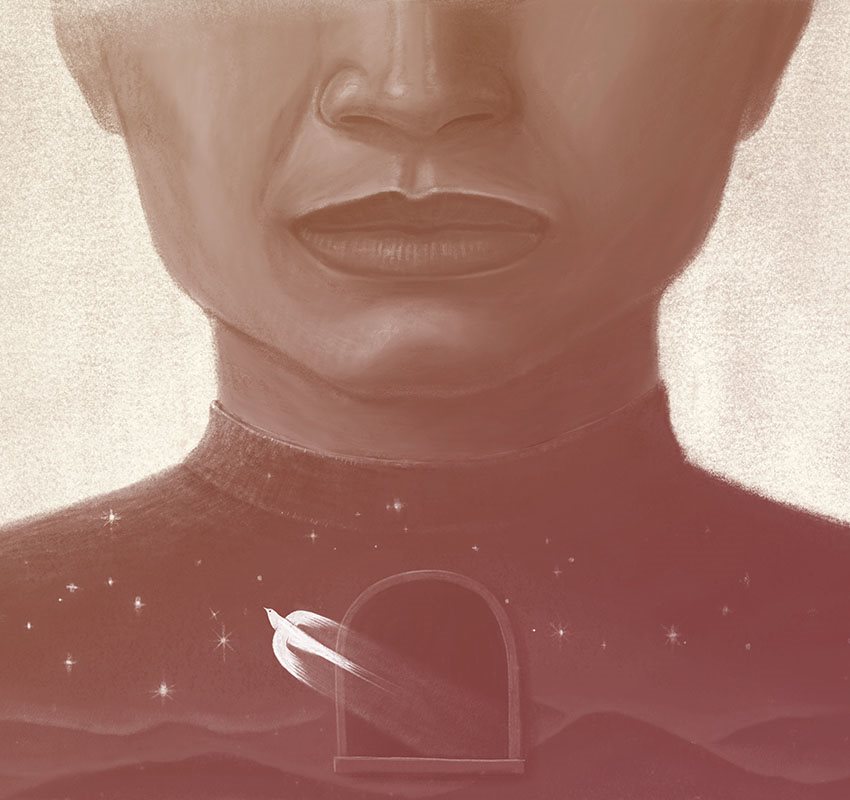
How to Help Clients Change the Narrative of Aging

'I want to tell people approaching and perhaps fearing age that it is a time of discovery. If they say – ‘Of what?’ I can only answer, ‘We must each find out for ourselves, otherwise it won’t be discovery.’

(Florida Scott-Maxwell, The Measure of My Days)

Psychotherapy and Ministry: Trafficking in Metaphor

Who doesn’t relish the odd adventure to spice life up, be it bungee jumping, looking for love online, or watching a thriller on TV? Major or minor, firsthand or vicarious, adventures are essential, it’s been said, to a robust sense of self.

But might aging itself be an adventure?! The very idea seems a contradiction in terms. Before I propose that it isn’t, let me make a confession.

Prior to becoming a gerontologist, I was a protestant minister. In that capacity, I did my fair share of counseling, seat-of-the-pants though my listening skills were, but I’m no psychotherapist. What follows, then, are thoughts from the sidelines alone and should be taken, if not with a grain of salt, then with this admission in mind.

My sense, though, is that the two fields, therapy and ministry, share a key thing in common. They both traffic in metaphor; by which I mean, for instance, that there is always the possibility for a chance turn of phrase leading to an image that can be enlisted to help someone gain insight into their situation and move forward with their lives.

Given the profile of the average congregation, those I dealt with were mostly older adults. This might well have turned me off, as it can some psychotherapists — the feeling being that they are simply too old, and their problems too entrenched to benefit from counselling of any sort. However, I had no choice. They were “my people” and it was my job to get to know them. What I realized, though, was that they were often the most fascinating to work with.

Compared to my younger parishioners, these older adults had richer stories to listen to and learn from. And in attending to them as closely as I could, less as a professional, really, than as a friend, I felt that I was providing them with something that was implicitly healing. I call it “narrative care,” a concept that takes in everything from full-on psychoanalysis to soulful conversation. And because they had that many more memories under their belts, they had that much more inner material on which an aptly deployed metaphor that emerged amid our exchanges might work its magic, enticing them to re-story a little their way of looking at life. The metaphor of aging as adventure, I suggest, can do just that.

Growing Old: A New Narrative About Aging

Since switching from ministry to gerontology, my appreciation for the role of metaphor in both language and life has only intensified. The best example is my 30-year interest in the metaphor of “life-as-story," or what Ted Sarbin calls the “root metaphor” of narrative. This led me into a sub-field known as narrative gerontology.

Drawing on insights from narrative psychology, Narrative Therapy, and (in my own case) narrative theology, narrative gerontology focuses on the biographical dimensions of aging as opposed, say, to its biological ones, dimensions to which gerontologists, certainly geriatricians, devote a disproportionate attention. It focuses on how human beings are hermeneutical beings — makers of meaning — and how our main means of doing so is by making up stories, big or small, about events, the world, and ourselves. And it focuses on how our self-stories, these meandering works of imaginative non-fiction, these myths by which we understand ourselves, change over time, and the effects of that change, for better or worse, on our overall well-being. It looks, too, at the storyline we subscribe to about aging per se.

Whereas gerontology remains dominated by a biomedical paradigm, which, with the best of intentions, pathologizes aging as a problem to be treated with all the anti-aging strategies we can muster, narrative gerontology represents a different starting point for exploring the complexities of later life.

Rather than defaulting to a storyline of aging as a downward drift to decrepitude and death, as an intrinsically tragic trajectory or “narrative of decline” (which older adults can unwittingly internalize, as can therapists too), narrative gerontology looks at aging through the lens of a more optimistic narrative, a better story. It views aging as a matter of growing old, potentially, and not simply getting old. It views aging as a way to the light and not the darkness alone, as a narrative not merely of decline but of discovery, of adventure.

Depression, Decline and Narrative Foreclosure

Before proceeding, let’s consider the narrative challenges that older people often confront. These can underlie and, if unaddressed, exacerbate the many other challenges that later life brings. Since I’ve written elsewhere on these challenges — which go by labels like narrative loneliness, narrative loss, narrative dispossession, and narrative imprisonment — I won’t go into them here except for one that deserves singling out. It is narrative foreclosure.

Narrative foreclosure is the premature conviction that our story has effectively ended, that no new chapters are apt to open up, no new characters or themes will thicken the plot and take it in fresh directions. While our life itself — talking, eating, going here, going there — continues apace, our “story” of it is over. Granted, narrative foreclosure can befall us at any age.

When you’re 20 and your lover bids goodbye, you can suffer an acute case of it, and hurling yourself into the river seems a reasonable course of action. Why go on? The story of you riding off into the sunset together and living happily ever after will not come true! But later life, I fear, renders us unduly vulnerable to this condition, and thus the depression we may be diagnosed with and the pills we’re prescribed, when a dose of narrative care might work equally well to re-open our story. Here’s how it happens…

We retire from the career that defined our identity and our self-story loses a vital source of support. Our children get work in other parts of the country, taking our grandchildren with them, and our story-world shrinks still more. Our life partner departs this life and with them goes our raison d’etre. Our vision and hearing, mobility and autonomy grow more limited until we’re relocated to a nursing home where our world is reduced to whatever we can squeeze into one little room.

Though our life itself keeps plodding along, “the story” is all but over. Intensifying our sense of loss is, of course, the narrative of decline that permeates our culture and quietly penetrates our hearts. But, real as the decline surely is, it’s not the only narrative in town. Our stories aren’t stuck in stone, in other words. We get to choose the ones by which we live and age.

Alternative Narratives of Later Life

In The Wounded Storyteller, sociologist Arthur Frank reflects on his time as a cancer patient and identifies three broad storylines by which people facing such conditions can make sense of their experience. First is the restitution narrative, where you reason “this too shall pass; I’ll be back to normal in no time.” Second is the chaos narrative, when the doctor says the tumor is inoperable and you have mere months to live, and the story of your life is thrown into a state of foreclosure from which you might never recover. Third is the quest narrative, where you interpret your illness, however serious, as — at the bottom — an opportunity to learn and an invitation to live life on a deeper level.

I’d like to build on Frank’s typology and propose that aging itself (often implicitly perceived as “a sickness unto death”) can be experienced in these three same ways. The restitution narrative goes like this: “If only I exercise more, do more puzzles, and drink less liquor, I will extend my life … indefinitely.” Such a storyline feeds emphasis on “successful aging” or “healthy aging” that are regularly promoted and obviously have their place.

Then there is the chaos narrative: “I’m old; I can no longer do X, Y, and Z, so my life is basically over.” This narrative can fuel the depression, if not despair, to which many older adults — especially men perhaps — may succumb. It's a recipe for narrative foreclosure.

Third is the quest narrative. “True, I can no longer do X, Y, and Z, but, as frustrating as it is, this is just one more chapter in my story. And there’s something to be learned in it, things to see that I couldn’t see before. This is new territory with new horizons to approach.” I see this narrative as underlying the positivity which, however “wounded” they might be otherwise, many older adults exude, despite (often because of) the troubles they’ve seen. It’s as if — as Wise Elders, perhaps? — they’ve taken those troubles and fashioned them into a good strong story: a narrative of adventure even…

Near Death Experiences and New Adventures in Aging

Aging as adventure — while not the whole story, I believe, warrants consideration. In fact, I’ve spent the past two years doing precisely that, reading and scribbling to where I have over 250 pages of single-spaced, typewritten notes that I hope someday to work into a book.

At present, these are grouped around four broad directions that I see the adventure leading: outward, inward, backward, and forward.

I’ve been toying with aging as adventure downward and upward too, but I’ll sketch just these four here. I see them, though, as tightly entwined. Movement in one direction is eventually movement in another. Also, movement in certain directions may come more naturally for some, with certain personality traits (like “openness to experience”) than for others. But I’ll leave such permutations and combinations for future reflection.

Outward and Inward

Depending clearly on our income and our health, aging can usher us into a phase of life where we’re open to fresh endeavours. This can mean, upon retirement for instance, if not bungee jumping, then learning a new language, or taking up the piano, or trying our hand at painting, or going on that long-dreamed-of cruise, and generally cruising outside our comfort zone. In the process, we may become acquainted with sides of ourselves that we barely knew existed, thus thickening the plot of our lives in ways not feasible when raising our families and keeping the wolf from the door — whatever form or forms that wolf takes.

Every person has their own unique kind of wolf and/or wolves. With each such venture, we open new subplots, welcome new characters, weave new themes into the stories we are. Our horizons keep widening, including our horizon of self-awareness.

Concerning the adventure inward, we have more time (if not inclination) to tackle what’s been dubbed the “philosophic homework” of later life, something that may be neither easy to do nor appreciated by those around us. Sooner or later, though, it is our duty, Jung insisted, to turn inward. The longest journey, the saying goes, is the journey inward. Longest, often loneliest, but perhaps also most pressing, and sooner or later, it has us looking back.

Backward and Forward

The adventure inward leads to the adventure backward. It leads to an examination of our past, or at least the stories in which we’ve enshrined it. It leads to life review, which for Erikson is a core developmental task of later life, and a very narrative one at that. I call it “the autobiographical adventure.”

This adventure — fraught, like any undertaking worthy of the word, with both revelation and risk, promise and peril — can come to us naturally, of course, insofar as time-past becomes more compelling for us to contemplate than time-future. But it may be prompted, too, by changes in our brains themselves, improved cooperation, for instance, between left and right hemispheres, plus increased openness to paradox and contradiction, to uncertainty, ambiguity, and metaphor — all of which, it’s argued, heightens the autobiographical drive.

Going with that drive and accompanied by a skilled listener, gazing back across the years, there are discoveries to make, patterns to discern, secret corners (not always cozy) to investigate, issues around trauma or abuse, legacy or grief to be acknowledged, and overall, pieces of the puzzle, positive or negative, to try and fit together. As we ponder “the mystery in my story,” to quote a former student, we may well find that we’d gotten the story wrong, that the past wasn’t as horrible as we’d assumed.

The adventure forward, however, could seem the most controversial, and cruelest, to consider. In what universe does aging as an adventure forward even make sense!? We’re born, we suffer, we die. End of story. What is there to look forward to?!

To speak of the adventure forward requires looking at the links between aging and spirituality. A few years ago, I did so in a public lecture in which, intrigued by literary scholars’ insights into the problematic nature of “endings” in narrative generally, and by research into Near-Death Experiences (NDEs), I mused on the process of aging as a near-ing death experience. As such, it possesses several of the transformative elements that NDE’rs routinely report.

Besides the panoramic life review that the experience commonly entails, these include a decreased attachment to material possessions, a deepened appreciation for the preciousness of life, a sense that this world is not finally our home, and a major reduction in our fear of death. Death is viewed as transition, not termination, as a horizon beyond which we can’t yet see, a doorway to an even greater adventure maybe; the very sort of view which, in one form or other, the world’s great spiritual traditions have long espoused.

More recently, I’ve been reflecting on aging as a process of going slower, deeper, and wider into the landscape of later life. By “wider,” I mean a broader horizon of understanding — a bigger story — that moves aging out of a biomedical worldview and situates it amid the multi-dimensional mysteries of the cosmos itself.

Narrative psychologist Mark Freeman, writes openly, for instance, about “the transcendent horizon of the life story,” a theme which, despite gerontology’s reluctance to broach it, theorists of “gerotranscendence” and “transpersonal gerontology” are more than open to entertaining. It is one, certainly, that author Florida Scott-Maxwell alludes to when, writing in her 80s, she asks rhetorically, “Is life a pregnancy?” To which she answers, “That would make death a birth.” And it is one which scientist-mystic, Teilhard de Chardin, hints at with his cryptic phrase, “the hidden mystery in the womb of death.”

If such language has any merit beyond that of fanciful phrasing or wishful thinking, then it points, I think, to the need for a significant reconfiguration — a major re-genre-ation, if you will — of what aging is ultimately about. A shift, in short, from tragedy to adventure.

Helping Older Clients Shift Their Narratives

These are early days in what, itself, is proving to be a vast adventure: an adventure of ideas. Who knows where it will lead me? I’m certainly uncovering many questions in my quest.

For instance, how to enlist the adventure metaphor in a group setting versus one-on-one, or with the deeply depressed, or those at death’s door? And where on earth is the “adventure” in dementia?! So, my efforts might well turn out to be a wild goose chase. We’ll see.

Is this not, though, the mark of a bona fide adventure? We set out with no exact knowledge of where we’ll end up. Amidst the twists and turns, setbacks and surprises that are invariably involved, we don’t know — can’t know — how things will turn out. Yet we press on all the same, with curiosity and courage, humility and hope … and hopefully a bit of wonder too.

Naturally, the metaphor of aging as adventure will not be everyone’s cup of tea, nor every clinician’s either. But as agents of restorying in your older clients’ lives, as story companions walking beside them for a while, whether you buy into it yourself, you might find them open to giving it a try. And why not? If it nudges them toward a more inviting myth by which to live and age, then what’s there to lose?

Questions for Reflection and Discussion

How does the author’s notion of the narrative of aging impact you?

How might his ideas help you in your work with elderly clients?

How does your own relationship with aging impact your clinical work with the elderly? The dying?

What countertransference experiences have you had with clients who are dealing with aging, mortality, and dying?

* Editor’s Note: While he is not a therapist, I asked Dr. Randall to write this essay with you (the therapist, the clinical supervisor, the trainee) in mind.


Psychotherapy with a WW II Survivor: Bearing Grief with Grace

An Incalculable Loss

Sakura was born in 1931, in the Japanese city of Nagasaki, a major port city and center for shipbuilding. She enjoyed a pleasant childhood with many friends and family. The early years of her adolescence were overshadowed, though, by the increasingly grim circumstances of her country being at war.

Like what you are reading? For more stimulating stories, thought-provoking articles and new video announcements, sign up for our monthly newsletter.

On August 9, 1945, the day seemed ordinary for the 14-year-old Sakura, until in a flash, nothing ordinary remained, after an atomic bomb was dropped on her city by the U.S. Upwards of 80,000 people were killed directly, and many more later. Nagasaki was attacked, in part, for its role in shipbuilding.

I felt a cold chill of fear the first time Sakura told me about having survived that unspeakably horrific event and its devastating, life-altering aftermath. I felt ashamed that she had suffered indescribable losses, and that my country had made that assault on her home city.

The Shadow of Grief

Sakura was in her late 80s and lived in a nursing facility where I was working. She always smiled, was impeccably dressed, and stayed active socially, having many friends among the other residents and the staff with whom she joined in on the many group activities. She was referred to me for psychotherapy, and although she had not been formally diagnosed with depression, she suffered depressive reactions during anniversaries associated with her losses.

Working with Sakura, I had assumed that she might feel great anger towards America and Americans. My assumptions were upended when Sakura shared that she had married an American soldier several years after the end of the war, that she had lived in America, raised her children and grandchildren here, and had enjoyed a mostly happy life. Sakura deeply grieved over the death of her beloved husband a few years earlier.

Sakura’s remarks about Nagasaki were always brief, factual, and matter-of-fact. I never heard her verbalize blame or vent feelings of anger, and I never saw her publicly display her most deep and personal (painful) emotions. Sakura would discreetly weep as she spoke of the sad events in her life during our private therapeutic conversations. On the occasions of major anniversaries, she would spend the day fully dressed while lying still and sad and silent on her bed. Thus, on August 6th, the anniversary of the atomic bomb attack on Hiroshima, on August 9th, the anniversary of the attack on Nagasaki, and on the anniversary of the death of her husband, she did not speak and would barely eat or move. Yet, she would be up and smiling and greeting others the following day. Those were the days she set aside for her most public showings of grief and perhaps even protest, although neither were likely her intent.

There were so many things I wanted to know about her wartime and life experiences, but I curbed my curiosity and attended to her choices of what to reveal or not. The importance of her dignity outweighed my inquisitiveness. I work with many persons who have been deeply traumatized, and for some, a probing therapeutic approach might undermine the fragile balance of their defense mechanisms. Some people have lost so much control it can be important to respect the choices they make about what or when to disclose or discuss traumatic topics.

I thought of Viktor Frankl and his comments about the many ways persons responded to the horrible circumstances they shared with him as prisoners in Nazi concentration camps during World War II — the same war that had forever changed Sakura’s life on the other side of the world. Frankl recalled how some prisoners turned against their own fellow sufferers, seeking advantages by aligning with their captors. Some collapsed inwardly and died soon after. Some chose an entirely different course by becoming the best person they could be.

Sakura was one of those remarkable individuals who could see good, remain good, and live fully, despite inexpressible suffering.


How to Use Play Therapy in Prisons to Create Hope

Imagine this scene with me: 15 men sitting across from each other at a long table, deeply engrossed in building with LEGOs. Joking and laughter punctuate moments of serious concentration as pieces of LEGOs are found and various minifigures find their place within the emerging structures. In another group, there is the eruption of victorious joy and the groan of agonizing defeat as the men play a variety of board and skill-based games in small groups and pairs. Two of the men simply throw a rubber ball to each other, a timeless game of catch.

Common Therapeutic Themes in Inmates

Grown men playing and telling stories from their play?! Yes, the scenes described above take place in a prison, a place where themes of “play” and “play therapy” are not usually enacted.

This work was born from my realization that if play could heal wounds in my adolescent and adult private-practice clients, it could be a powerful agent in reconnecting a former inmate with his child. After witnessing that reconnection firsthand, I could not get the thought out of my head of how many fathers there must be sitting behind bars, isolated from their children.

I discovered that there are many. There is also a great deal of recidivism, as incarcerated men face not only the daunting task of assimilating back into life outside of prison walls and the demanding requirements of parole, but also of rejoining families, rebuilding careers, and adjusting to a new chapter post-incarceration.

For many, it is overwhelming and confusing. Low self-worth, lack of self-awareness, deficient resources for self-repair, and difficulties in self-regulation contribute mightily to probation violations, inability to establish steady jobs, and difficulty reassimilating into their families and communities.

I soon discovered that prior to their time in the penal system, many of these men had spent time in foster care. I heard stories of abandonment, abuse, and self-rejection, often resulting in alcohol and drug abuse. It became painfully clear that many of the men were in desperate need of self-repair, and that these unresolved wounds played a large part in not being able to rebuild their life after leaving prison.

I experienced firsthand through my visits that prison is terrifying and chaotic. I have never witnessed a more stressful and unpredictable environment. For each visit, I passed through four checkpoints with buzzers, and the ominous and jarring sound of iron and steel slamming behind me. I would then walk a quarter mile surrounded by razor wire that gleamed in the sun like wolf teeth. I was constantly reminded of the utterly unforgiving conditions and lack of beauty that embodies this place.

I was, and still am, continually alert for the unpredictable, while at the same time, buoyed by my playful interactions with the men. Deep within this place there is a room where something miraculous happens. It is where play transcends the bonds of despair, transporting men — if only for brief moments — to a place of inner freedom and exploration.

How to Use Play Therapy in Prison

The Play in Prison Project that I developed is multi-faceted. It is scaffolded within the framework of “self-development” built upon the psychic Lego pieces of self-regulation, self-understanding, self-acceptance/forgiveness, and self-repair. Group members are taught self-regulation skills, how to identify negative schemas and change them, and how to build tools to identify and express feelings in an adaptive, prosocial way.

Play is woven throughout each of the group activities which incorporate the use of building toys, toy figures, games, and expressive art material (drawing and painting) designed to create a sense of safety, while also stimulating a curious mindset as new narratives of self are created. Overall, play is the glue and the foundation, making it possible for these men to be anchored in the here and now, looking at the self through the lens of this very moment while staying regulated and processing emotions and thoughts in real-time with the other men in the group.

Within the structure of this group, my role is that of a play therapist: tracking, reflecting, affirming, and even joining in play if invited. Through the group processing, I facilitate discussion using summaries, reflections of content and meaning, and affirming the observations and insight of the group members.

As a play therapist, I have spent years observing and joining others in play. I play regularly as an open-water swimmer, basking in the feeling of being lost in something huge while adapting my body to whatever the ocean offers me that day. Play lessens defenses. After just a few minutes, the men are laughing and conversing; even those that are silent often emit a smile.

Play allows for self-expression and ownership with no apologies, as evidenced by a victory whoop, and the feeling of mastery as a creation finds its way to completion. Play creates pathways for language. The men share stories through their creations, identifying emotions, and expressing themselves without shame or pretense. Play breeds a spirit of authenticity and presence. During our play, many of the men have new realizations of their worth and value as they can be present and comfortable.

Play is healing. The men can return to something awful that occurred in their pre-prison life, playing it out sometimes non-verbally, and changing the outcome based on what they know about themselves in the present moment. Play allows for connection and relationship building.

An all-too-common theme within prison walls is the lurking paranoia of being unsafe and the urge not to trust anyone. The men practice bonding through play, and elements of rough and tumble play within competitive gaming allow for the testing of these bonds.

Finally, play allows for self-repair. Through storytelling, the men engage in working through conflict with others, opening pockets of shame and self-rejection, and finding forgiveness that comes through creative and intentional play.

Clinical Case Study: Hope Shatters the Darkness

Jimmy has three years left to serve on a 15-year sentence. He is a father of two adult children and has grandchildren.

Jimmy was raised by his grandmother after his own mother lost her parental rights due to drug use and incarceration. Jimmy never knew his father. His grandmother passed away when Jimmy was nine, and he went to live with extended family members.

Eventually, Jimmy ended up in foster care where he remained until he turned 18. This period of his life was turbulent and involved many foster placements, poor school performance, and return stays in various juvenile detention centers. As Jimmy entered adulthood, he became involved in street life, leading to arrests and eventually long-term incarceration.

Jimmy was drawn to the Play in Prison Project because of his desire to rebuild his relationship with his adult children. He admitted that he carried shame and suffered daily from remorse and self-loathing. Life had hardened him, and he wore that hardness as a shield.

The toy he chose to represent himself in the first session was a big truck with blacked-out windows. “I’m big, people see me coming, but I keep everything hidden from everyone. When things get hard, I drive away.” During LEGO play, Jimmy created a tall building and used LEGO minifigures to represent guards. “I’ve tried my whole life to protect myself because nobody was there to protect me.” During a play session using expressive arts, he drew a dark cave with a solitary figure. “My brain tells me I’m living the life I deserve. My choices have put me here and there’s no light in sight.”

Halfway through The Project, Jimmy told the group that he wrote a letter to his children and had received one back in return. He wept as he read part of it aloud — it contained words of anger and hurt. The group helped Jimmy see that even though the letter was painful, it was at least an opportunity to communicate.

Play in the form of competitive games helped Jimmy to see and slowly accept himself in the moment. Playing a game in which he and a partner were paired together, he realized that it was not realistic to judge himself based on his past. Using LEGO bricks and minifigures, he built a large house with windows and an open door. The minifigures represented his children, grandchild, friends, and other family members.

He told the group he felt empowered to respond to the letter he received because of slowly learning to evaluate himself more fairly and positively in the present, as opposed to the horrible and painful events of his past. “The old me would have just stayed away. I don’t want to do that anymore.”

At the final session of the group, Jimmy drew a shattered cave with light streaming out of it, emanating from the solitary figure. At the end of the rays of light were people that represented his family and community. At the top of the picture, he wrote the words, “Free in My Light.”

Final Reflections on the Healing Power of Play Therapy

The Play in Prison Project has provided me with a rare opportunity to witness the power of play in a dark place with forgotten people. At this stage in The Project, I am volunteering because I saw a need in my community.

I am gathering data with the hope of submitting a grant to expand this work with other practitioners of play into other facilities. I have learned to be particularly mindful of being respectful of the institution, its employees, and its residents.

There are far too many examples of good programs that were started in prison settings for the purpose of research but ended abruptly when the researchers moved on. Because play and play therapy are novel and nourishing experiences, they were quickly, and perhaps not unsurprisingly, embraced during participation in The Project. Group members enjoyed the opportunity for safety and self-expression in an otherwise hostile environment where self-defense, hopelessness, and a constant state of vigilance were necessary for survival, both emotional and physical.

Some of the incidental comments in the surveys I collected and positive behavioral outcomes of The Project were a testament to the power of play in creating self-understanding and self-regulation. “For the first time in my life, I have learned to stay relaxed and not react.”

Comments about play creating a pathway for self-forgiveness and self-repair often surfaced: “I finally understand that I’m not the person who did the things that got me here; it’s part of my story, but I am who I choose to be in this moment.”

Play for some of these men led them closer to authenticity, intentionality, and connection in their everyday lives, helping to step closer to erasing shame, isolation, anger, and despair. Not uncommonly, I heard comments like, “I reached out to my children/grandchildren; I rebuilt the relationship with my wife/family members; now I know how to play with my kids, and I look forward to seeing them at visitation because I’m not ashamed of who I am anymore.”

Building on Family Strengths to Solve the Puzzle of Child Protection Work

Information is a difference that makes a difference.
                                               — Gregory Bateson

In nature, it is said that whenever there is a poisonous plant, there can be another nearby which contains its antidote. When it comes to helping families, the same is true that for every problem identified, the resources for resolution can be present somewhere in the family’s ecology.]

Unfortunately, especially for underserved families, competition among divergent treatment philosophies, practices, and limited resources create an unintended conspiracy within the mental health and social service delivery systems — perhaps a benevolent one, but one which nonetheless curtails the identification of systemic homeopaths. The unfortunate consequence of this inability to use potential “antitoxins” naturally present within the client’s ecosystem is inefficiency for the service delivery system, stressed-out workers, high turnover, burnout, and a spiral of reduced possibility in which hope’s grasp is tentative at best, and non-existent at worst.

Mental health and social service clinicians working within the childcare system must search for strengths and solutions that are present, though perhaps hidden, in clients’ ecosystems. The approach is based on systems thinking and the idea gleaned from the practice of Structural Family Therapy (SFT) that change in any system, whether it be a family system or a social services agency, is best affected by the lived experience of doing.

Crossword puzzles as a paradigm stresses thinking and doing as an “out of the box” means to a problem-solving end. This practice mines the strength-based belief of creating a “virtuous circle” — one which recognizes clinicians’ and supervisors’ capacities and creativity, like those of the families they serve.

In resource-poor environments, when the goal of training is the enhanced ability to search for strength, this is not simply a training “add-on.” Rather, it is a foundational principle that requires the same persistence and consistency that Minuchin and other family therapists demonstrated was present in the natural environment in which clients and their families are embedded. The naturally occurring strengths in clients’ ecosystems can be uncovered by robust “doing,” which is an optimistic and energetic search for resources and resilience within both the family and the larger ecosystem of change.

Collaborative Case Planning

Like the proverbial butterfly catcher with net in hand, human service organizations have long been involved in a quest to capture the elusive chrysalis of change. What distinguishes efforts at reform and the ability to succeed is an ecological, “whole systems” approach. Children, families, problems, and possibilities are viewed in toto — economics, social, political, educational, gender, vocational, racial, location, class, and psychological elements are all in play. It acknowledges the margins and builds accountability.

The human and fiscal expense of doing otherwise speaks to the futility of programs that do not account for the organic and sometimes chaotic environment that families attempt to survive and thrive in.
As the 19th century Prussian Field Marshal Helmuth Carl Bernard Von Moltke reminded us, “No plan survives contact with the enemy.” In this instance, the enemy of high-quality service delivery is the tendency to replicate the existing system rather than undergo the reformation needed to absorb the family’s own healing powers.

Another systemically inspired practice that infuses underserved families with greater choice, and ultimately health, is collaborative case planning. This time-honored intervention gets all the major players to the table — including the family — and in the process, becomes a kind of exercise in agency topography that borrows from the tradition of Hartman and her colleagues, who pioneered ecomapping of family systems for adoptive placements.

By using the wide-angle lens of mapping families in all their contexts, resources and potential pressure points can emerge for their potential effect on the child and family. From the agency perspective, efficiency and collaboration are increased with an ecomap; everyone can see who is doing what and when and how it is being done. As a form of “observational therapy,” an ecomap can have the same heliotropic potential. However, as business has learned, outcomes can be improved, but not always for the reasons one might think.

Unfortunately, the promise of systemic work and its healing potential as envisioned by therapists who worked in the family trenches is not always realized in the battles to transform larger systems. For clinicians in the human services, or for those who train them, the pitch of a systemic perspective too often mirrors the president throwing out the first ball of baseball season — well intended, lots of hoopla, but doesn’t reach the plate. Without a clear picture of where they fit in the larger service-delivery system or a sense that they can make a difference, workers can feel overwhelmed, disempowered, and disheartened.

The financial cost to the system in turnover and lost productivity can be measured. The loss of wisdom, the discontinuity of care, and the loss of hope, however, are beyond calculation. In that regard, the experiences of child welfare clinicians mirror the isolation that can permeate the system within which they work and the families that they treat.

It is for this reason that systems of care were re-designed to “wrap” services around families and to minimize the dilution of family processes that occur as a by-product of traditional service delivery. In a sense, “wrapping” can enrich underserved families with a wider net of resources in the way families of higher classes can choose their providers and supports more selectively.

Capitalizing on Strengths

In tracing the strands of effective, systemically inspired service delivery, there is one constant thread: strengths. Thank goodness! But just as it was found that a rising economic tide does not raise all boats, so too can the tidal waters of strength not elevate the all-too-often porous vessels of bureaucracy.

What is amazing is how far a little strength can go, even in conditions that are wanting. There are, after all, some quite beautiful plants that flourish in the shade. Sadly, however, in the wrong bureaucratic hands, even strengths-based practice can invite the agency equivalent of Frankenstein picking flowers with the little girl — it’s a nice idea, but eventually the monster kills it.

How, then, to help clinicians to see that “It’s the difference that makes a difference”? Is there a way to aerate the sometimes root-bound tangle of the childcare bureaucracy so that its ability to heal can be given the room to breathe and prosper? How to give clinicians — especially those just out of school — the understanding and confidence to “trust the process” of searching for strengths, both within disrupted families and the systems designed to serve them? Moreover, are there ways to create a culture of caring and learning transfer so that clinicians see themselves as “action agents” within the larger bureaucratic tangle?

Part of the answer lies in family therapy’s history and co-development with cybernetics — the study of how systems developed the concepts of circularity, non-linearity, recursion, the process of self-correction, and the ways family and organizational systems maintain stability/homeostasis while balancing that with change and transformation. Gregory Bateson and his colleagues at the Mental Research Institute (MRI) in California, along with other early adapters, were the pioneers in this new way of thinking that set the stage for family therapy as we know it today.

Using a notion central to Structural Family Therapy (SFT) about strength and extending it to conceptualizing strength as a verb can be unintentionally overlooked when children and families in dire need get lost within the morass of bureaucracy. The SFT concept of healing is more about thinking of strength as a verb. It’s not so much a matter of finding strengths within the family’s ecosystem as it is strengthening the resources that are hiding in the weeds, so to speak. In that regard, it is more of a leap of faith — that whatever challenges a case presents, health can prevail.

Businesses and non-profits share a challenge: getting their message through environmental “clutter,” or the glut of choices that compete for our attention. How, then, can human service organizations solve the multiple staff training dilemmas they face?

The skills and belief set needed are interwoven and important: ensure the safety of the child and family, reduce decision clutter, increase the active search for strengths, attend to and nurture family connections, expand the problem-solving lens to include extended family, community and idiosyncratic, home-grown resources, and get paperwork in on time. One path on the way toward answering this organizational koan is this: increase experiential capital by linking the worker and their day-to-day decisions with the larger mission of the organization.

Thinking Outside the Therapeutic Box

Bridging the gap between what we know and what we do, however, is no small feat. In Why Didn’t You Say that in the First Place: How to Be Understood at Work, Richard Heyman unravels this knotty problem with a question and a refreshing answer: “Why is it that ‘a picture is worth a thousand words?’ The picture is not talking about something — it is the thing the talk is about.”

From this perspective, to truly “get” the uber-goal of searching for strength and translating that into action, workers must experience the “felt sense” of search and discovery —finding something where apparently nothing exists. This experience is analogous to an “enactment” in SFT, in which the family is guided by the therapist in an interactive experience between members that is designed to offer them new opportunities to use underutilized strengths.

Many consider enactments to be the heart of Structural Family Therapy. The value of enactments is two-fold. First, as a “real-time” assessment tool, and second, for their change-producing potential, both of which scaffold nicely for training in human services.

Enactments between family members during therapy can principally occur in two ways, either spontaneously or through the therapist’s direction, and they are used in two ways, to assess family patterns and to promote change. Spontaneous enactments are readily available ways of interacting that might be thought of as familial “tells” (like the poker player whose nervous smile foretells the bluff), showing habits of relating in which relational organization is embedded. While some might consider these patterns to be so deep as to be unconscious, another way to think of them is as learned ways to relate and survive in the world.

The persistence of patterns can transcend the pull of context. Habituated behaviors tend to reveal themselves in multiple settings— a therapist’s office, a restaurant, school, work, or home. The persistence of these patterns can be linked to the tendency to reduce anxiety through prediction and habit. As the pioneer family therapist, Virginia Satir notably said, “Most people would prefer the misery of certainty over the misery of uncertainty.”

Like an artist who steps back from the picture they are painting, clinicians have the capacity to use themselves differentially, moving in and out of the family system to gain perspective. Minuchin described this as “use of self,” in which the therapist positions themself with the family from “proximate, median or distant” perspectives.

Harry Aponte has written about how therapists can make use of their own personalities, family of origin, and life experiences to guide clients during enactments in the “then and there” of limiting patterns so that they experience themselves and one another with increased possibility and hope.

Like a music student first learning scales as a prelude to improvisation, experiential training can evolve into a more responsive, “whole systems, both-and” approach in which requirements and innovation can co-occur. For example, when supervisors at one county office of a state child welfare agency were asked about their staff’s training needs, their response was, “To be able to think on their own/to think outside of the box.”

Their request comes from the experience of guiding their workers through the complicated bureaucratic and interpersonal seas of child protection. As Mumma wrote in his insightful piece about his agency training in systems work, “Taking these concepts (ways of thinking) and making them work in a particular agency setting is the real work of training.” The analogy of crossword puzzles can make that work a bit easier.

Finding Best Clinical Practices

Just thinking about all the aspects of a case — its who’s, what’s, and how’s — can be a bit overwhelming. Cases in the investigative and early treatment stages, particularly for newer clinicians and social workers, may seem all forest and trees, abounding with unanswered questions.
Over the years, agencies have found genograms, ecomaps, and structural maps to create a set of “blueprints” that graphically represent families and agencies in a way that quickly sorts out relationships and priorities. These tools have been essential in widening the practice/thinking lens to include others who may have clues to potential resources.

The rise in “manualized” treatment and the emphasis on evidence-based treatments has helped to sort through these difficult choices and prescribe “best practices.” While this is a necessary step in the right direction — much like learning scales is in music — it can be insufficient to encompass the unpredictable nature of cases. There needs to be a “both-and” approach that brackets safety, consistency, and growth with improvisation. Thinking in terms of crosswords can do just that.

In its own way, a blank crossword puzzle graphically resembles a complex clinical and, in this case, social services-related case — lots of questions, some inter-related, some not, and just to make it interesting, a few black boxes. As President Clinton said in the crosswords-based movie, Wordplay:

Sometimes you have to go at a problem the way I go at a complicated crossword puzzle. You start where you know the answer and you build on it and eventually you unravel the whole puzzle. And so, I rarely work a puzzle with any difficulty, one across and one down all the way to the end in a totally logical fashion. A lot of difficult, complex problems are like that. You must find some aspect of it you understand and build on it until you can unravel the mystery you are trying to understand and then you build on it and eventually you unravel the whole puzzle.

When one acts as if the answers are there, though perhaps hidden, the puzzle’s resolution moves from the shakier, contingent ground of “if” it will be resolved, to the more possibilistic ground of “how.”

Crossword Puzzles as Metaphor in Child Protection Work

Do you think I know what I am doing?

That for one breath or half-breath I belong to myself?

As much as a pen knows what it is writing,

Or the ball can guess where it’s going next.

Rumi

When a case opens in child protection, the most compelling, sometimes unanswerable question is “Who will keep this child safe?”
If an injury has occurred in the home, the prima facie answer may seem obvious: “no one.” In this instance, unless resources are surfaced, the child will need to be placed outside of the home, “in the system.”

Starting the exploration of strengths from a crossword paradigm assumes that like the printed puzzle, all the answers may not be initially apparent, but once safety is established, one can begin to answer the eternal risk-safety dilemma: Can the person(s) who caused or permitted harm now be responsible for safety? If one only looks at the alleged abuser, then the likelihood is that the answer to the question will be “no.” If more contextual factors are also considered, so, too, are possibilities.

The work becomes both retrospective and prospective, invoking Einstein’s dictum, “You can never solve a problem on the level at which it was created.” The “who” and “when” questions are now also answered by “how.”

The “how” to find and fill those potential strength-based empty boxes begins with questions like “Who else watches the kids when you go out?” or, “When you are having a rough day, who do you talk to?” or, “Who are some of the people you count on?” These ground-level questions are more than a set of techniques, they are the personal implementation of a larger policy that has the capacity to both be safe and value the child’s primary connection.

Enacting Possibility to Help Families in Crisis

Like the Zoysia grass, the grass/weed whose initial plugs merge over time into a uniform carpet, training from a Crosswords perspective can grow the seeds of organizational interpersonal attachment. One way to underscore the marriage of mission and method is to give training participants a felt sense of difference.

The enactment of possibility begins when participants fill out a blank crossword on their own. After five minutes of working alone in silence, the trainer helps the participants process their “silent” experience at multiple levels: What did you notice? Did you fill in the boxes you knew first, or did you have a system? What did it feel like? Did any of you get stuck? How did you get out of that — what did you do? Typically, people report a range of answering strategies — some very methodical, “I do every ‘across' first, then I start with the ‘downs,’” others more radiant, “I just see which ones I know and then go from there.”

Next, the trainer asks the participants what it felt like to do the puzzle. What did they notice about their mental/emotional and physical states? “It was quiet.” “I kind of got into it.” “It was frustrating.” “I felt tense.” “I was worried other people would see how much I didn’t know.” “I kind of enjoyed it.” “It’s like Solitaire or Wordle, I just got lost in it.” All their answers provide abundant raw material to talk about their work, their stresses, successes, and the strategies they use to problem solve. And it sets the stage for helping them think “out of the box” by using the other boxes.

To widen the lens, the trainer may provide another enactment. This time, they can ask participants to form small groups of six or fewer, telling them that they have another five minutes to work on their puzzles, but this time, together. People begin to talk, share their answers, laugh, and fill in the blanks as they see how quickly they can solve the new crossword together as a team.

When the time is up, the group is asked to process their experience and compare it with doing the puzzle alone. Inevitably, they notice the energy level, productivity, speed of producing answers, and their own internal experience of connecting while connecting the dots. In future puzzling cases, this brainstorming model can supply added, shared resource clues to support and, most importantly, help the clinician in their search for resources within the family and larger system.

Materials Needed: Copies of a Crossword Puzzle

Total Amount of time: 10–20 minutes

Lessons Learned: Start with strengths within and around the family, fill in the answers you know to discover the answers you don’t.

One does not need to know all the answers to get all the answers.

A “wrong” answer is eventually corrected by the context of right answers.

Just like a case, one does not know all the answers when starting — answers emerge over time often from unexpected sources.

Persistence pays off — but so does taking a break and getting help.

A Family Crossword Comes Together

The first time I (LPM) met Kyla and her mother, Teresa, was across a cold table in an institutional room. Kyla had been in the residential treatment facility for almost ten months following a series of escalating behavioral incidents in her previous foster home. I thought back to my meeting with the family’s caseworker, who told me that Teresa and her partner Linda’s relationship was volatile and created an unsafe environment in the home. Kyla’s father, according to the caseworker, was out of the picture.

During my first several months working with the family, I felt as if very little progress had been made. Each week, I’d pick Teresa up and drive her to the residential facility for family sessions. Dutifully, I went to family court, holding space for an equally enraged and devastated Teresa on the way home each time reunification was pushed back. I consistently showed up for the family, and despite good rapport with both mother and daughter, Kyla’s behavior remained a challenge and our family sessions felt focused on the crisis of the week, as opposed to addressing underlying family dynamics and struggles.

One day, Teresa unannouncedly brought her partner Linda to session. From that point, treatment changed almost immediately, as both Kyla and Teresa seemed more engaged and open during family therapy, and we began to focus less on minor incidents and more on boundaries and communication within the family system.

Still, somehow, it felt like a piece of the family puzzle was missing. I could sense that Teresa and Linda were holding something back, particularly when we discussed their co-parenting practices. This final piece fell into place one day when I went to pick up Teresa and Linda and Robert, Kyla’s father, eagerly and unexpectedly hopped into the van. It quickly became clear that Robert had been actively involved with the family all along.

I finally could see the full picture of the family structure and their dynamic. Teresa, Linda, and Robert were in a polyamorous relationship. Robert had been understandably hesitant to engage with the child welfare system out of concern that the polyamorous relationship would be condemned, and reunification denied.

The case that had “simply” been presented to me as an unreliable mother with a violent partner unable to meet the emotional needs of her unstable daughter was actually one where a child had three caring adults who wanted to support her. With all the pieces in place and the entire family finally engaged in treatment, meaningful therapeutic work ensued, Kyla’s behavior improved, and she came home.

Conclusion

“The solution to pollution is dilution.”

Using crossword puzzles as a conceptual framework and training method opens workers and the organization to both the learned and the lived experience of complexity, strength, possibility, and the importance of connective relationships when working in child protection. We know that systems can mirror the systems that they treat. For instance, In Child Welfare, the insidious nature of poverty is such that it can quietly, but inexorably, leach into the soil of good intentions in such a way that the attachments between worker and family, workers and other agencies, worker and supervisor, and workers themselves, can suffer the pollution of despair.

This is not to say that using crossword puzzles will wall off the effects of these potential systemic toxins. It is to say, however, that healthy, connected relationships can be grown and nurtured and, over time, create “the difference that makes a difference.”

***

The author would like to thank my friends and colleagues who helped me fill in the blanks, both across as well as up and down. A special thanks go to Lauren McCarthy (LM) for providing the case of Kyla.

Social Media Monitoring Tips for Successful Psychotherapy with Teens

Therapeutic Encounters with Two Teens

Courtney was the kind of 10th grade-client that I completely enjoyed. She was cute, clever, and motivated. So, when she began to have an issue that ballooned into a crisis, I was a bit surprised. Her parent found out that she had shared a nude selfie with a boy she knew, who then shared it with the whole school. While Courtney’s mother was a nurse who well understood the ups and downs of being a single parent and the importance of being present for her daughter, she didn’t see this looming crisis coming and was unable to comfort her daughter.

Like what you are reading? For more stimulating stories, thought-provoking articles and new video announcements, sign up for our monthly newsletter.

My clinical work with Courtney centered around understanding her own boundaries — that being a people-pleaser is not always what’s required — and giving voice to her past losses (including the tragic death of her Father), all of which were held inside too long. Throughout our work, and hopefully beyond, DBT for frustration tolerance and CBT to calm the inner critic were supportive anchors. I also made myself available for extra sessions until she stabilized. In addition, I helped her do some damage control at her school by speaking directly with the guidance counselor.

Nevertheless, Courtney landed in the hospital from sheer humiliation. And because she was so emotionally fragile, she needed time to be safe, without her devices, to regroup, process, and consolidate her experiences. While Courtney was scarred by her mistake, blamed and mortified for what another kid didn’t yet understand about privacy, she was, thankfully, able to benefit from the immediate help.

Another college-age client, who I will call Sasha, had insomnia and relied on her smartphone to fall asleep — much like scores of others her age do. Parents, Sasha’s included, often say things like, “You can take away all her devices but it won’t help.” Sasha, as it turned out, was reliving a traumatic memory that replayed in her head, and she often woke up screaming. Although I am not a sleep expert, I realized that she was in trouble because she hadn’t attended school in over a week.

My initial work with Sasha focused on the immediate presenting problem of sleep. For me, this is always an important discussion with teens. Then we moved slowly to her past trauma using breath and yoga to help her self-regulate. The incident she was reliving every night was painful, but it didn’t have to follow her into adulthood.

Adolescent Struggles with Self-Regulation

As I reflect on these two cases, which share certain digital/social media-related elements, I also appreciate their differences. Courtney was simply burnt out from the social media backlash and ongoing shame, humiliation, and guilt she felt knowing that everyone with a smart device could see her nude picture. She needed a reset.

Sasha, having had an entirely different kind of traumatic experience, was not quite as resilient as Courtney. Her body, as Bessel van der Kolk reminds us, kept the score and intruded on her sleep despite her best efforts to use a digital remedy. In the two instances, it was important for me to differentiate between depression, trauma, and anxiety, the symptoms of which often converge. Both, however, had difficulty coping with their respective crises because of their reliance, or perhaps over-reliance, on social media and digital devices.

In the cases of Courtney and Sasha, as I do with most teens with whom I work, I included the family. I offered suggestions around self-regulation for the teen, and to the parents for helping their child regulate the use of social media and digital devices. Interestingly, and perhaps not unexpectedly, because of their overreliance on their digital devices for connection during COVID, I had an uptick in patients who were convinced they were dissociating. Perhaps they were. One client said people were watching her from within the walls of her room.

Sasha accepted a few of my suggestions for learning how to re-regulate herself, but she never quite connected the dots that “the body keeps the score.” Instead, she insisted on staying online because without her friends, there was “no score at all.”

Helping Teen Clients Find Balance

While working with families like those of Sasha and Courtney, I simultaneously model calmness, generate a decision tree of steps for addressing the crisis, and calculate the practical and emotional cost of decisions they have or are thinking of making. At the same time, I try to comfort the teen that “this too shall pass,” and to provide the needed perspective they can’t yet take. The black-and-white thinking, a hallmark of adolescence, keeps them feeling there’s no way out when there usually is.

The teen’s default and refrain often remains: what will people think of me? But with time and support, their inner voice may shift to one of more self-compassion. I often say, “What would you tell a friend?” The hyper-fixation on self-image that is also the cornerstone of adolescent thinking, amplified by the social isolation of COVID and the endless resulting on-screen hours, was the perfect storm and seedbed for some of the angst and depression we have seen among adolescents. We cannot necessarily prevent social media, but we can still protect them from its potentially harmful effects.

I worked for early internet start-ups in the health and wellness space for some time, so I cannot readily cast away the benefits of the Internet or social media. Like many teen girls with whom I’ve worked, their virtual world is their true and only world. What others see of them is all that matters.

So, in Courtney’s case, the destruction of her carefully curated online image was shattering and felt like the death of part of herself. Do we now blame social media for what happened to Courtney or for Sasha’s experience? Unfortunately, we can barely ban guns, let alone phones. Schools are trying to take phones during instruction. That’s a good idea. I don’t think my daughter ever read a book in high school. There was no attention span left by the time she reached 10th grade. Joining with the teen on her journey lets her know that at least one grown-up in the world is on her team — her teen brain doesn’t have to define her.

It is so convenient for friends, family, therapists, teachers, and parents to say “social media be damned,” especially after an episode like Courtney’s. I agree with what they’re saying; after all, it’s legitimate to protect your children (and clients) from porn, abuse, catfishing, danger, and predators. My biggest parenting regret was not removing the phones from my own children’s possession by 10:00 PM like many parents do. Sleep is critical during adolescence, but too many kids simply cannot resist the allure of talking to their friends all night.

If my patient is on social media all day and night, what would be more appropriate: to scold her and instruct the parents to remove all screens, or perhaps teach her that rest is critical to development, as is exercise, diet, spirituality, creativity, and every possible other form of self-care? I often beg clients to get a hobby.

Social Media and the Benefits of Connection

One of my current clients is doing an online degree program in a special kind of painting that she posts weekly on Instagram. Because she has a significant trauma history, her present situation doesn’t allow her to visit museums or lectures or art studio classes. But she can paint and post and maybe one day sell those paintings online.

What gives her hope is the freedom to expose her work to the world without having to leave her room or open herself to bullying, intimidation, or abuse. And then there are clients who are either ill or live in a rural setting who can talk to their BFFs (and me) without having to drive. These are the many ways a young, isolated person may reframe the online world as an adaptation to her struggles, rather than the enemy.

I am not suggesting that my clients continue mind-numbing and wasteful activities like stalking their ex, trolling through others’ emails, engaging in illegal/aggressive or shameful bullying, or worse. What I say to my colleagues who work with young people is this; save your judgment and let’s figure out what the pitfalls and potential are in each situation, then help our clients to filter in what is meaningful, useful, and practical for them within their virtual (and “real”) communities and filter out what doesn’t serve them. I love working with young people because once they “get it,” they’re usually good to go.    

Effective Nursing Home Psychotherapy: Blending Skill And Heart

“My mother literally made gin in the bathtub; it was part of how she made money. She also had men ‘guests’ in the apartment, and unfortunately, she didn’t always protect me from them.” Daphne remarked as she spoke of her childhood in Brooklyn, New York.

Like what you are reading? For more stimulating stories, thought-provoking articles and new video announcements, sign up for our monthly newsletter.

Daphne was now 84 and resided in a nursing facility. She used a wheelchair, and spoke in a raspy voice due to polyps on her vocal cords. As a result, she would not sing one note, since she knew it would never again sound like it had when she was younger. But she would laugh, and she would share her stories, and she was always curiously asking about the stories of other people, even mine.

On Her Own Terms

We often sat for psychotherapy in a small TV room in her unit. The room was about 8 feet wide by 10 feet long; just space for a loveseat, one chair, her wide wheelchair, a small TV on the wall, and a window looking out at the woods behind the facility.

During one session Daphne was speaking about the ironic balance of shyness and confidence of a performer. “How about you, you seem calm, but do you feel shy or do you feel confident?” she asked. I explained that when I was younger, I went to acting school, partly because someone wrongly suggested to me that taking up acting was a way to overcome shyness. Daphne laughed, and asked, “Well, so how did that work out, anyway?”

Daphne had a regal quality, along with her charmingly refreshing genuineness. Her issues in therapy were related to acceptance of aging and reduced functional independence, tolerance of the loss of her singing voice, and easing of suffering due to abuses experienced in her childhood. Daphne was intolerant of anything phony. She’d seen too much in her life, and seen through the disguises of so many persons. I could not have “played the part of a therapist” with Daphne — hiding behind a veneer of neutrality — my choice was to meet her on the terms she expected of authentic sharing, or nothing.

She roared with laughter as I told of the nausea and fear I’d experienced before a stage performance, and my delighted excitement during the performance. That pattern continued with each show — dread in anticipation, and elation while acting — and no, I certainly never got over being shy, I explained, as she threw her head back and laughed.

“So, why did you give it up?” she asked. I did not think it would be a successful, or tolerable, career — I could hardly tolerate putting myself through those ups and downs, so I went back to school to get a master’s degree to practice psychotherapy. “Well, didn’t you still have those same ups and downs in your new career?” she asked with her bright and penetrating gaze.

Actually, I would sometimes give talks or make presentations at professional conferences, and would experience the same nauseating apprehension, and then the same enthusiastic enjoyment while at the podium. ”Of course, I knew it!” she laughingly stated. “Let me explain to you why that happens,” she said.

Personality and Talent

“That’s the difference between personality and talent. Your shyness and your anxiety about putting yourself in the spotlight, that’s personality. But the joy and enthusiasm you felt when performing, in one way or the other, is talent. Talent and personality are not the same thing, but so many performers harm themselves because they never understand the difference.” Daphne wisely explained.

Daphne used examples of famous performers who confused their personality with their talent, and who got caught up in the projections of fans who thought that their personality ought to match their talent, and who developed problems because they could not, and should not, blend the two things that were categorically different.

Sometimes in psychotherapy, my clients are vulnerable and in need of guidance, strict boundaries, and a straightforward application of therapeutic techniques. In nursing facilities, I sometimes work with residents who have diagnosed mental disorders, and who need formal and conventional psychotherapy. Yet sometimes the residents I see in therapy don’t have a psychiatric disorder, but may instead wrestle with real-life problems such as illness or loss, and who may benefit from a less formal educational and supportive approach.

Daphne was of the latter; wise and resilient, she lived vibrantly, even when she was less able to function on her own. Her wisdom, her humor, and her curiosity about the lives of others were key strengths, and they found a place in our therapeutic conversations.  

In the Shadow of COVID, It’s Play Therapy to the Rescue

Kevin’s Worried Parents

In March of 2021, families were emerging from almost a year of isolation due to the COVID pandemic. As a Licensed Professional Counselor Supervisor and Registered Play Therapist Supervisor in private practice specializing in children, I was flooded with requests for services.

During one particular intake interview, the parents of a four-year-old boy I’ll call Kevin asked me a fair question. “How will our son’s development and mental health be impacted by this year of isolation?” I immediately reflected their feelings with, “You are really worried about the long-term impact on your son.”

Their worry was understandable given the emerging research showing increases in children’s anxiety and depression since COVID began. Yet, multiple factors of genetics, parents’ behavior, peer interaction, and available resources contribute to children’s developmental and mental health trajectory after a crisis. To respond to their fair question, I needed more information from them.

I asked, “What is concerning you the most?” Both parents had college degrees and were well read so they had valid concerns in mind. “Our son has not seen, much less interacted with, another child for over a year. He is our only child. Even though we took him to the public playground, as soon as another child got within 20 feet of us, we would leave quickly.” I thought to myself, risk factor one — no peer interaction during a critical developmental period.

Preschool is when children learn to tune into peer facial cues, scaffold their own physical and cognitive learning by watching other children, negotiate sharing, and so on. I needed to provide some hope to the worried parents, so I tried to normalize the fact that most of his peers had a similar experience. I replied, “Some children’s social, physical, and cognitive development may be a bit delayed during COVID. Fortunately, children are resilient and can learn together, starting from where they left off.” They nodded with seeming understanding.

Then Kevin’s parents said, “Our son could tell we were stressed when we were working from home and paying bills with less money. We tried to play with him, but we had many conference calls. He didn’t understand and thought that we were ignoring him. He became clingy and we became irritated, occasionally speaking to him more harshly than we desired.”

I thought to myself, risk factor two — parent behavior that was interpreted by the son as anger, resulting in increased anxiety. Being a parent myself of an only child who also has ADHD, I empathized and normalized with a compassionate groan. “I get it. I experienced something similar with my child.

We can feel so disheartened, trying our best to juggle it all, and losing our temper more than we want. We are human, not superheroes. We need self-compassion. That’s why I go by the 80-80 rule of parenting. About 80 percent of the time, I try to do about 80% of what I know to be helpful. But during COVID, I lowered my standard to 70-70 because that is passing.” They laughed!

The parents added with a heavier tone, “We are also concerned about his anxiety because we both suffered with anxiety during our childhoods.” I thought to myself, risk factor three — genetics. Research shows a strong genetic influence on the development of childhood anxiety disorders. Again, the parents needed some hope. I reflected, “You both know the pain and struggle as a child with anxiety. You love your son so much that you want to intervene as early as possible. You are wise to do so. I can help with that. Research shows that play therapy can decrease children’s anxiety. Together, we can work to build those limbic system neural networks toward calmness rather than fight or flight.”

Yes, the risk factors for this child were compounded during COVID. He had no peer interaction for a year, stressed and distracted parents, and a genetic predisposition toward anxiety. Yet, he also had the biggest protective factor we could hope for — caring and proactive parents. This plus mental health treatment, interventions of parent guidance, twelve sessions of Child-Centered Play Therapy (CCPT), and psychoeducation could shift this boy’s development and mental health toward a more positive path.

Prior to beginning my work with Kevin and his parents, and to gauge the level of his behavioral and emotional difficulties, I sent his parents a link for the web-based child version of Achenbach’s System of Empirically Based Assessment (ASEBA) Child Behavior Checklist for ages one and a half to five. The results revealed a pattern of emotional reactivity, anxious and depressive symptoms, and sleep problems. While Kevin’s scores on the DSM-related scales for Autism and ADHD were in the normal ranges, his other scores were consistent with DSM anxiety and depressive symptomatology. These results corroborated his parents’ concerns.

The parents’ main goal was to decrease Kevin’s anxiety so that he could calmly engage with others without clinging to his parents. Their prior attempts to reassure him through reason were ineffective. Using Daniel Siegal’s Hand Model of the Brain, I explained strategies to calm the lower regions of the brain through deep breathing, rocking, and soft voice rather than trying to reason with his prefrontal cortex, which was “offline” during his anxious times.

To reinforce these concepts, I asked Kevin’s parents to watch a parenting video by Tina Payne Bryson called 10 Brain-Based Strategies: Help Children Handle Their Emotions, and to read Siegal and Payne Bryson’s No Drama Discipline. These two resources helped them improve their ability to calm their own anxieties so their son would co-regulate with their calmness. To deal specifically with anxiety, I also recommended Calming Your Anxious Child: Words to Say and Things to Do by Kathleen Trainor to guide them in the step-by-step process of systematically desensitizing his fears.

A World Opens

In the waiting room prior to his first play therapy session, I greeted Kevin, commented on his red tennis shoes and matching shirt, and said, “It is time to go to the playroom. Your mom will be waiting right here.”

I smiled with friendly confidence, moving toward the door, and gestured for him to follow me. “We have lots of toys there.” His curiosity was stronger than his anxiety, so, he followed me. Kevin’s eyes opened wide seeing my play therapy room filled with carefully selected toys for nurturing (dolls, doctor’s kit), creativity (puppets, paints and easel, dress-up clothes), real-life mastery (kitchen, tool bench), and aggressive release (swords, bop bag, army men). As we entered, I said, “In here you can play with all the toys in most of the ways you like.”

Kevin was hesitant and stood near me, asking questions. “What do I do first?” Given his anxiety, this was not surprising. “In here you can decide.” He moved his eyes but not his body. I view this as a “freeze” state, a survival response for people perceiving threat and feeling overwhelmed. The threat was not necessarily coming from the playroom but from being separated from his parents or close family members for the first time in over a year. I reflected his feeling with reassurance, “You are a little scared being in a new place,” and role modeled taking a deep breath. I waited patiently so he could sense my calmness and confidence, thereby communicating this was a safe place.

Kevin moved toward some small cars on the shelf and pushed them along the floor. This action with familiar toys gave him a sense of security and mastery. I reflected his feelings by saying, “You enjoy seeing how far you can push those cars.” My statement reassured him that he really was welcome to play and built his confidence. He said, “Yes, I have a blue and red one at home that I like to race.” I gave him credit for his skills, “You are an experienced car racer!” He smiled and pushed the cars toward the four-foot red bop bag, named “Bobo.” Kevin lightly pushed on it to see how quickly it moved. “What’s this for?”, he asked. I returned responsibility to him with “You are curious what you can do with that. In here, you can play with it in most of the ways you like.”

Little by little, he courageously experimented with different actions from punching it, sitting on it, hitting it with a sword, and shooting at it with a dart gun. With each step, his sense of power grew. Toward the end of the session, he expressed creativity by painting a picture of the bobo. I ended the session with 10 minutes of psychoeducation on managing stress. I demonstrated and guided him through deep breathing, progressive muscle relaxation, and a self-soothing butterfly hug. After walking Kevin back to the waiting room, I prompted him to demonstrate his new skills for his parents and asked them to practice at home each day.

Bugs All Over You

In the fourth session, Kevin began with rolling cars again followed by punching Bobo, providing him with a familiar rhythm and routine. Once he established his sense of mastery and power, he collected toy spiders, snakes, and bugs and put them on my legs, hands, and shoulders. “You have bugs all over you. You can’t move.” I stated, “You are showing me it is scary to have bugs on me and not be able to move around.”

He exclaimed, “Yes, you are going to be stuck there forever.” I responded, “It seems like it will never end!” Eventually, Kevin decided to rescue me by knocking off the bugs with a sword. His symbolic play reflected his experience during the pandemic of feeling scared and trapped. Yet now he was in charge, rather than being the one trapped. He was gaining an emotional understanding to master his traumatic experience of COVID isolation.

At the end of the session, I engaged him in a children’s book that illustrated listening to his body to notice when he may need to take deep breaths and seek soothing sensations such as rubbing his hands and legs. This combination of child-led restorative play reenactment plus the intentionality of anxiety management skills strengthened his ability to emotionally self-regulate.

Mommy Dies

By the sixth play session, Kevin had gained enough comfort in the playroom that he was ready to play out a hidden fear — mommy dying. He approached the playhouse and put the “daddy doll” upstairs in the office to do his work. The “boy doll” was downstairs by himself watching TV. The mommy doll ran out of the house to go to a work meeting on a nearby table. Kevin drably said, “Mommy went out of the house, got COVID and died.” I reflected, “Super scary and so sad she died.” Kevin quipped, “Yup. Now who’s going to make dinner? Daddy is busy working.The boy will have to go out and hunt for food.”

I responded, “The boy feels all alone AND he knows how to get some of what he needs.” Eventually, Kevin brought in the army to help him hunt for food. I facilitated understanding: “There were strong people out there who could help the boy when he needed it. They kept him safe.”

Underlying Kevin’s fear of his mother dying was the basic existential question of “Will I survive?” Through play, Kevin created his answer — letting strong people help him. During the last 10 minutes of the session, I facilitated psychoeducation by playing a detective game with Kevin. “Let’s list lots of things many kids are worried about these days.” Kevin said, “Losing their favorite toy and their dog running away.” I added, “Family members getting sick, going to the hospital, and dying.”

Then I challenged his all-or-nothing thinking. “There are 100 kids. One kid loses their toy. Does that mean every kid loses their toy?” “No.” “There are 100 dogs. One dog runs away, does that mean everyone’s dog will run away?” “No.” “There are thousands of people. One person may get sick from COVID and die. Does that mean everyone will?” “No. If someone gets sick, they go to the doctor and the doctors do their best to help them.” “Let’s think about all the kids who are playing with their toys, dogs, and family members. What would they be doing?” “Playing fetch.” “Yes! I love to play fetch with my dog.” Since Kevin was calm, he could engage in basic reasoning that most people will be OK and the importance of focusing on the positives in the here and now.

Doctor Superhero

In the tenth session, Kevin walked in with confidence. He rolled the cars, punched the Bobo, and took the baby to the doctor. “Your baby is sick. I am the doctor.” He used the stethoscope, took the temperature and blood pressure, and gave the baby a shot. I reflected, “You knew how to doctor the sick baby and get the baby better.” He got the cash register and declared, “That will be $10,000.” I paid up — a small price for his victory.

Then Kevin put on the Superman costume and flew around the room “saving everyone.” I enlarged the meaning: “You are an important, powerful person who can help so many — even yourself.” With his chin tilted up, he said, “Yup, I’m not scared anymore!” Indeed, his parents had confirmed that he was no longer sleeping with them, and he was willing to stay with a babysitter for them to have a date night.

Reflections

From a Child-Centered Play Therapy perspective, Kevin was experiencing incongruence between his ideal self as a confident, engaging boy, his current self as an anxious boy, and his experiences of isolation and fear during the COVID pandemic. He was not accurately symbolizing the behavior of his parents and other adults in that he interpreted their cautions as a lack of confidence in him. Over months of physical and emotional isolation, his self-concept was of a timid, weak child who was unable to move forward in his world.

Kevin’s time in the playroom with me along with his parents’ support provided him with a developmentally appropriate intervention in a safe playroom with an empathic play therapist, representing a microcosm through which he could master his world. He was able to come to an emotional understanding that his past anxious experiences were about an illness doctors were trying to heal and not about him. His self-concept strengthened to see himself as a strong, powerful boy who knew how to get help, help others, and help himself. Parent consultation, Child-Centered Play Therapy, and psychoeducation were the healing components of treatments that showed such love to this family. Kevin emerged from his isolation and anxiety. He flies like Superman toward a more positive developmental trajectory.

Parents and children experienced suffering during COVID. Many experienced existential anxiety from recognizing mortality, confronting pain and suffering, and struggling to survive. Mental health professionals were trained to support people in crises such as COVID. Yalom and Josselson remind us, “No relationship can eliminate existential isolation, but aloneness can be shared in such a way that love compensates for its pain.”

Reference

1. Yalom, I. D., & Josselson, R. (2011). Existential Psychotherapy. In R. Corsini & D. Wedding (Eds.), Current psychotherapies (9th ed., pp. 310–341). Brooks/Cole, Cengage Learning.  

Spitting Truth from My Soul: A Case Story of Rapping, Probation, and the Narrative Practices- Part II

Recapitulation

This is the second part of a two-part case story that focuses on a 24-year-old African American client named Ray who was referred to me (TH) by probation services. In this brief introduction I will try to summarize what transpired in Part I. Whenever possible, I will attempt to provide phrases or “pieces” of Ray’s language so the reader can begin to get a “feel” for him and our work.

Rap music was introduced as an entry point to our work. After our first session Ray could probably best be described as equal parts skeptical and intrigued. He enjoyed sharing rap songs that were meaningful to him as well as having the opportunity to create rhymes of his own.

We rather quickly discussed ways in which rap music was misunderstood (“Adults throughout my whole life telling me it’s violent and the music of the devil . . .”) and how others could not or were not willing to hear the important messages that can be contained within certain songs. We proposed a pair of magic headphones (“Magic Beats”) as a way to help those who would not listen begin to hear rap’s message. This idea will prove particularly important as our conversation progresses in Part II.

As our first conversation continued, we started exploring the sociopolitical implications of rap music and hip-hop culture. We framed rap as a kind of philosophy (“But without all the white cats . . .”) that served as a voice for the voiceless. We also stumbled across a connection between Ray’s grandmother and rap music (“I’m rapping about the same s**t she’s saying but in my own way . . .”). This struck him as perplexing (“That’s crazy bro . . .”) and also enlightening (“I never thought of it like that . . .”) given the disdain she had expressed for rap music throughout his youth. Our first meeting came to a close by having a conversation about our conversation.

We explored the difference between just talking and rapping, to which Ray responded, “It’s like when I rhyme . . . I spit truth from my soul.” We both agreed that inviting rap to our future meetings would be of benefit. More specifically, we discovered that rapping might serve as a pathway to liberation (“Remove the shackles from my soul . . .”). I invited Ray to consider composing a rhyme that paints the part of the picture that probation services doesn’t see. He responded enthusiastically but seemingly nervous that probation services would discover the way we were working and somehow veto it (“You’re the weirdest shrink they have ever sent me to. Not weird like bad, not bad at all, but does probation know you do this?”). We then decided that calling our work together a “studio session” was a better fit than therapy.

Ray picked up in our second meeting directly where he left off in the first. He came prepared with a rhyme that would be the foundation of a counter-story. He noted in that rhyme the importance of challenging rules (“Just because these are the rules you play the game by doesn’t mean these are the only rules . . .”). The conversation evolved into looking at whether or not Ray had found some ways of challenging rules more effectively than others. He then traced the relationship between rap and anger (“It’s like my anger would leave my mouth through my rhymes . . .”). Part I concluded with a pensive Ray searching for a rhyme that captured this most important function of rap music as an antidote to anger and aggression. The following rhyme picks up where our original story concluded.

An Antidote to Anger

Judicial system mad puzzling

DA presents two options
Jail cell or rat on my cousin
Death sentence if I’m released
Seen on the streets
All free
They’ll be like “who you dropped a dime on g’”
Obscene language make them ends
So I’m squeezing my pen
That’s mightier than the blade
Not trying to see death
Strategize and not be so impulsive
Quiet cats survive
Bullets for the ones boasting
Friday night drive on Colfax
Enjoying the madness
That was created by fascists
Reagan-nomics took our tools away it’s so savage
Regardless of politics
This my Mile High life
Shout out to my bail bonds-man.

Travis (T): What speaks to you in this verse?

Ray (R): The line, ‘So I’m squeezing my pen, that’s mightier than the blade,’ is the main one. I mean, the rhyme talks about the stress, the penitentiary, but then boom (begins rapping) So I’m squeezing my pen, that’s mightier than the blade.

T: Did you fight with your pen instead of your blade before you ended up on probation?

R: Usually, yes. But there are these times where I just lost it.

T: The pen was knocked out of your hand?

R: Yeah, you could say that.

T: What happens when the pen gets knocked out of your hand?

R: It’s like I’m a different person. I do these things I know are stupid, but I just do them, anyway. It makes no damn sense.

T: But when you have the pen?

R: I can do anything.

T: Would it be accurate to say that when you have the pen you can spit truth like you said in our last meeting and that’s when Ray The Philosopher comes out (I uttered the term Ray The Philosopher without giving it much thought and certainly without an understanding of how it would later be adopted in our work together)?

R: For sure. That’s kind of a dope name right there, brother… Ray The Philosopher (said with gusto)

T: Do many people in your life know Ray The philosopher?

R: My homies do.

T: Is there anyone else you can think of?

R: No, not really.

T: What do you think would happen if we introduced more people in your life to Ray The Philosopher and his rhymes?

R: I think it would be good, but like I said last time, nobody wants to listen. They think rap is corrupt.

T: What if we were to inform them that when you can think ahead and fight with your pen through rap it helps you avoid anger and thus probation? Do you think they know this about you?

R: Nah, they don’t know that. I still don’t know if they would hear me.

T: Even if they knew that it would help you avoid future relationships with probation, they still wouldn’t hear you?

R: (silence for 15-20 seconds) Maybe. I mean, I hope so.

T: What do you think your grandmother would think about rap as a way to fight with your pen instead of your fists? Have you spoken with her about how you and rap have this kind of relationship?

R: No. I’ve never spoken much about my rhymes at all with my grandmother. I’ve just always known how much she hates rap. Like if I bring it up, I know she’s going to roll her eyes at me.

T: Do you think the kind of rap she hates and the kind of rap you’re tight with when you’re fighting with your pen are different?

R: Oh, yeah! She thinks rap music is just about cursing, talking about hoes and drugs and shit like that.

T: If she truly knew how rap music unshackled your soul do you think she might begin to have a change of heart?

R: Yeah, I still just don’t know if she would listen, though.

T: What if we created a space in here where you could perform for her, and we constructed a marquee (points upward) that lights up and says Ray The Philosopher!?!

R: (Laughs)

T: If you rapped for her and she could feel the words instead of just hearing them, what do you think might happen?

R: I really don’t know.

T: Would you say that your grandmother’s wisdom finds its way into your rhymes?

R: Oh yeah, I know it’s in there a lot.

T: Can you think of an example in the rhyme that you shared with me at the beginning of our conversation today?

R: My grandmother has always wanted the best for me. That’s why I started out that first line with her. You know, (begins rapping) Grandma said I should reconsider law school. I was sampling from another rhyme that starts with mama instead of grandma, but it’s because I know she wants the best for me and that’s why she’s always bothering me about school.

The thing is, she also taught me to be street smart, which is why I like to challenge the whole foundation that student loans and shit are built upon. It’s like a scam for poor people. You know what I mean? I would have never thought about shit in these terms if it weren’t for her. I would have never looked deeper. And that’s what that second verse is about, too, with people on TV commercials acting like they can save your life and shit. You ever watched TV at like 2:00am?

T: I have a few times, yes.

R: Then you know what I mean, right? There’s these cats trying to sell hocus-pocus. They are saying shit like, (changes voice to that of a highly embellished television salesperson) “For 20 years now I’ve been helping people change their lives. For only three easy payments of $99.95 you can get the 7 secrets that will make you rich. Order now!”

(Both bellowing with laughter)

T: I didn’t know you were an actor, too, Ray?!

R: (Laughs)

T: In all seriousness, if I’m hearing you right, Ray, your grandmother’s wisdom is everywhere in your rhymes, and she doesn’t even know it?

R: Yeah, I guess you’re right.

T: Do you think we might be able to invite your grandmother to see, hear, and feel that rap can be a philosophy of street smarts and wisdom and not just a form of music that young people like to listen to?

R: I think so.

T: If we are successful do you think this would be sort of like putting the Magic Beats we talked about on your grandmother’s ears?

R: Yeah, but the rhymes will need to be just right.

T: Perhaps we should take some time in here to get them where you want them?

R: For sure.

Turn Up the Sound

Ray and I spent our next two conversations focused on taking the various rhymes rapped during our first two meetings and worked on creating a mega-anthology. It was a scintillating process that saw KRS-ONE, Tupac Shakur, and other artists rapping in unison through Ray’s mouth. I brought in my laptop computer to help with the process, and Ray made it do things I did not know it was capable of.

He turned my computer, and my office along with it, into a fully functioning recording studio. I even created a marquee (clearly the work of a second-rate artist) that read “Ray The Philosopher,” which always led to a hearty chuckle from Ray every time I hung it up at the beginning of our meetings.

“Yo, Travis. Turn up the sound a little bit,” Ray said as I scurried over to the computer. “Yeah, that’s good right there,” he reassured me making an ‘a-ok’ sign with the finger and thumb on his right hand. I watched, often in awe, as Ray meticulously perfected his craft. He was locked in his element, and I was an enthusiastic fellow traveler.

“Nah, we need to change up that baseline a little bit,” he said shaking his head and taking a swig of water. “It doesn’t quite pop. I need more time.”

I have had the great fortune of working on similar projects with people who had sought my counsel in the past, but this was among the most ambitious ventures I had encountered. As we started to make our way toward the end of our fourth session together, I started to wonder if perhaps we had bitten off more than we could chew. Now I knew that Ray had similar feelings. It wasn’t as though we hadn’t been aware of time but more like we had lost ourselves in it.

T: Ray, the last thing I want to do is rush you through this process.

R: But I only get to come here one more time.

T: Well, I know that’s the initial agreement you had with probation, but I can see you as many times as we think would be best.

R: What about you, though? I don’t want to be a leach?

T: What do you mean?

R: You’ve got to get paid, man. This ain’t no charity. This is your livelihood, bro.

T: I really appreciate you thinking of me, Ray. Tell you what, how about I give probation a call and tell them a bit about the situation and see if we can get some more time? In the past this is something they have often been willing to do.

R: What if they’re not?

T: Then we will see the work through to its completion anyway, Ray. As long as it takes. This is just too important. Don’t you agree? Besides, I have been thinking about something. Would it be okay if I shared it with you?

R: Of course.

T: I know your grandmother is going to come in at the conclusion of our work to celebrate with us. I was wondering what you thought about perhaps inviting other people to meet Ray The Philosopher? Is there anyone else you who you think it might be good to invite to wear the Magic Beats?

R: Hmm… I haven’t really though about it too much.

T: I’m just thinking out loud here, Ray, so stop me if this doesn’t make sense, okay?

R: Okay.

T: What do you think would happen if your probation officer were introduced to this idea of you fighting with your pen instead of your fists?

R: I mean, I’m sure he would like it. He just wants me to keep my hands clean for the next year.

T: What do you think would be the consequences of us not bringing him up to speed on this?

R: I don’t know.

T: As it stands now, do you think your PO views you as someone who is going to fight with his fists and get into trouble again or someone who is going to keep his hands clean?

R: (Laughs cynically) I damn sure don’t think he trusts me. I think he believes I’m going to be out gang-banging (a hip-hop term for engaging in violent acts as a member of a street gang), and I don’t even do that shit.

T: How has it come to be that you don’t even do that shit and yet your PO thinks you do? Do you think we should try and set the record straight and let him know how rap allows you to fight with your pen instead of your fists?

R: But he’s going to give me that same old bullshit about how I don’t take responsibility and blah, blah, blah (uses his right hand to imitate a talking mouth).

T: Do you think if you rapped for him and let him know how rap can strangle the advances of anger and aggression, he would look at you as more likely to keep your hands clean or less likely?

R: (Pauses for 10-15 seconds) More likely to keep my hands clean.

T: What do you think the consequences would be if we weren’t to set the record straight?

R: Yeah, I get what you’re saying now.

T: How do you mean?

R: Like, it’s not enough for just me to come up with this plan if he still thinks about me a certain way… like I’m a criminal.

T: Do you believe this is an opportunity for Ray The Philosopher to replace the other names that have been placed on you in the past like criminal?

R: Now that you mention it, yeah, I guess so.

T: Would you say that sometimes your PO is a tough nut to crack?

R: C’mon, now! That dude is like impossible to crack.

T: Do you think then that we might have to prove to him just how effective fighting with your pen can be?

R: Sure, but how the hell are we going to do that?

T: How long have you seen me for now, Ray?

R: (Pauses to think) Like about a month.

T: I know this is a tricky question because I’m asking you to guess what another person might be feeling, but do you have any sense for how your PO would say this last month has been for you.

R: I actually talked to him about this last week. I’ve been squeaky clean. Not one single issue, homie.

T: What do you think he would have told me about how things were going if I had talked to him prior to you coming to see me?

R: Man, he was always in my grill about shit saying I was defiant, I was going to go to jail, and this and that.

T: Fair to say then that he believes things are going better now?

R: No doubt.

T: Has one month been enough to convince him that you are on the right track?

R: Hell no! It’s like he’s just waiting for me to fuck up.

T: How many months do you think it might take to convince him that you are on the right track and ready to end your relationship with probation?

R: I mean, I still have over a year of this.

T: Do you think it will take all of that time to show him just how effective fighting with your pen can be?

R: Probably so.

T: What if we were to invite him in here, bring him up to speed on your philosophy of fighting with your pen and not your fists, and then make a commitment to this going forward?

R: I don’t know if he’ll believe it.

T: You make a good point. Like you’ve told me, he can be a bit stubborn and so can your grandmother! Even as tough as it is going to be, are you willing to fight with your pen and prove to your grandmother, your family, and your PO the true character of Ray The Philosopher? You already have one-month under your belt!

Ray paused after my question. I started to wonder if perhaps my query had pushed him a bit too far. His face remained stoic as the silence continued beyond 30 seconds. Just as I started to ponder my next move fearing I had lost him, he replied, “I’m down (a hip-hop term voicing agreement).”

After the conclusion of our fourth session Ray and I agreed that it would be good to check in with his PO together. We decided that in addition to talking about the need for more sessions, we would also let his PO know (a signed release was already in place) about how Ray had been fighting with his pen instead of his fists. The PO acknowledged that things were going better the past month, but he remained skeptical. He agreed to get payment covered for half of every session for the next month. The way the following month was structured it would afford us five more weekly meetings.

Two Different Stories

Ray seemed somewhat relieved that more sessions had been granted but also a little bit ticked that his PO was still unconvinced. He felt his PO was “playing games” and “testing me.”

Our next three meetings were spent wrestling with these feelings. Ray began discovering that restoring his reputation burned nearly as many calories as he was taking in. Instead of being consumed by anger towards his PO, Ray stayed true to his word to fight with his pen. He remixed a song by the artist Common:

We should name the block poverty
That rock stole our humanity
You hear that glock pop?
For dough we perform beastiality
“Fucking each other over
What you expect they animals”
Then act like they the ones offended
When TMZ release the audio
If life’s a game
They withhold that playbook
But playas make that scratch
We get the itch
Run your shit
This a jook
Or a lick
See that’s a stick-up if you down with my click
We starving in the darkness
Force upon us they man made eclipse
Is it a curse?
Mad poisons in our blood?
My pops tried to disinfect it
Chugging that rum
And I do the same (word?)
Like father like son.

Ray no longer waited for me to inquire about the lyrics. He would deconstruct them now almost as a natural part of our process. “See, this is what he (probation officer) doesn’t understand. I was born behind the god damn eight-ball. No father. Poor. I’ve always had to hustle to survive. He doesn’t know my pain. Does he even care to know it? But that don’t even matter. Is he testing me? I’m going to pass that test.”

Ray began rapping the second verse from this song:

To my reflection I scribed
What I be feeling inside
Can’t leave it buried in the dirt
Gotta breathe it and give it life
My neighborhood taught us no self-control
That boom-bap made us feel like it’s our right to explode
No positive role-model
The hustlers were our fathers
Rappers instructed us to spit rhymes
And don’t bother
With the life of an outlaw
It’s a trick to keep us blind
And deny our title as God
Preventing our rise
They been doing this for centuries
Stolen lands from our North and South American fam
Jews burnt
Japanese thrown in determent camps
Hatred can hide
Right in front of our eyes
But I flipped that same hate
Used it as fuel to survive
I’m of a mind that believes love will conquer hate
They be seeing black and white
While my crew is dazed by all the gray
So gather around the fire
Light it up
Continue the cipher
Cause in the darkness of nights
Our stars still shine brighter
This is my dream!

T: Ray, are there two different stories in the two beats you have shared with me today?

R: Yeah, the first one is the pain and strife. The second is what happens when I look ahead and fight with my pen.

T: Pain and strife and fighting with your pen… both of those are rhymes that you brought into our work earlier, right?

R: Yep.

T: Would it be right to say then that these last two verses are a sort of remix of all of the beats we’ve heard in here so far?

R: Pretty much.

T: Would these verses be good to share with the folks who join us for our final celebration of the work you’ve accomplished in here?

R: Yeah, but I might tweak them throw in a couple of other verses from different rhymes to get it just where I want it.

Our second to last session was a dress rehearsal. Ray came with the beats he wanted to perform and refined them. We also talked about how he wanted our final celebration to commence, what would happen, and who to invite.

He joked that it “would be kind of like a block party, but where a therapist lives in the house on the corner.” We also decided that those in attendance would have an opportunity to voice their support of Ray’s efforts over the past two months as well as hopes and dreams for the future. As this session came to a close I could detect a nervousness that was following Ray.

T: Ray, I could be wrong here, but I am wondering if some nervousness is hanging with us right now.

R: Yeah, I guess so.

T: Do you mind if I ask you what kind of nervousness it is? People I’ve worked with before have taught me that there are different kinds? Do you know what I mean?

R: You know, I’m not like a professional rapper or anything like that, but I’ve performed in my neighborhood before. It feels like that. Like, you think you have a good rhyme, but you never know for sure until you get on stage and the crowd is feelin’ it.

T: What gives you confidence that the rhyme you have created in our work together will deliver just the message you hoped it would?

R: I put my whole heart and soul into it. I didn’t leave one drop.

T: Do you think the people who are here with us next time will feel your heart and soul coming out through your lyrics?

R: (Pauses for 10 seconds or so) I really think so.

T: Do you remember when I first asked you about what would happen if you rapped for your grandmother or your probation officer?

R: Yeah, I said they wouldn’t hear it.

T: Are you saying that you feel differently about that now?

R: Yeah, I guess so.

T: What would you say has shifted?

R: These rhymes are me but just in lyrical form.

T: And you don't believe your grandmother or those who love and care about you would reject this gift that is a lyrical manifestation of you?

R: No, my grandmother always tells me that she’ll never run out of love for me.

T: Hey, something just struck me, Ray. Would it be okay if I share it with you?

R: For sure.

T: I wonder if you just discovered the Magic Beats?

R: What do you mean?

T: Do you believe that when you create a rhyme that fully represents you and comes from the deepest depths of your soul that even those who don’t prefer rap music could still hear it?

R: (A smile overwhelmed the now dwindling doubt on his face as he nodded affirmatively)

T: Ray! This is great! What an incredible discovery you have made!

Ray often tried to minimize any expressions of emotion, but even he smiled loudly at this development. In our excitement we almost instinctively exchanged daps (gesture similar to a handshake) with our right hands before giving one another a quick hug. With this we had established an unspoken agreement that we were ready for Ray’s performance and celebration next week.

A Celebration of Hope

Ray and I agreed to meet about a half an hour before everyone else to prepare the room for the celebration. As we moved tables and chairs and geared up the laptop computer everything was coming together. “Alright, I think we’ve got it,” I said looking in Ray’s direction. He then shook his head ‘no’ and looked upward to indicate to me to direct my gaze towards the ceiling. “What?” I said with a perplexed look.

He nodded upward once more. I stared skyward still trying to decipher what Ray was communicating. Then I realized that in my haste to make sure there were enough chairs for everyone I had forgotten to hang up the marquee. Like a dog with his tail between his legs I went back to my desk in the back room and removed from the top drawer the “Ray The Philosopher” marquee. I dashed back out to the main office and hung it up in its customary location. “Now we got it,” Ray asserted.

Soon, Ray’s grandmother, his sister, and a few other people from his neighborhood began making their way into the office. There was a sort of nervous excitement that filled the room. Lost in conversation, time had escaped me. I

reached into my pocket and pulled out my phone to take a quick look at the time. In doing so I noticed a message was waiting for me from Ray’s probation officer. Oh no, I thought to myself. He had left me a message stating that something had come up and he wasn’t going to be able to make it. Just as I was about to hold the phone to my ear to listen to it, he lumbered through the front door. “Sorry I’m late,” he said. “Did you get my message? I got caught up with a few things at the office.”

Relieved that everyone was now here, I looked at Ray to see if he was ready to go. Ray had asked that I start by saying a few words to give folks a sense of what today’s meeting was all about. After welcoming everyone and thanking them for attending, I began discussing a bit about Ray’s journey.

“During our two months together, Ray has reaffirmed how rap music can be an ally in helping him be the person he wants to be. He has composed a series of beats he would like to perform for you today. Ray suggested that

Therapy in the Shadow of Death and Its Remarkable Privileges

Concerns Converging on Loss
 

“So, the doctor told me that it is cancer, and that there's nothing they can do. I just hope I have a little more time; my biggest hope is that my sons will reconcile with each other.”

Like what you are reading? For more stimulating stories, thought-provoking articles and new video announcements, sign up for our monthly newsletter.

“The doctor came to my room to see me. He held my hand and said, 'I'm sorry you have cancer, and I'll do everything I can to keep you comfortable.' And he said, 'From everything you've told me about who you expect to meet when you leave, I think that should be the best comfort for you,' and the doctor was right, my faith is a comfort to me.”

“My daughter, my beautiful daughter killed herself. There's just no answer to explain it.”

“Don't say goodbye, I'll see you in heaven; I've been there before (near-death experience) and it's beautiful.”

“Oh, Tom, can you see this client today, her son just died; they think it was a drug overdose.”

“They're all gone, my parents, my wife, my children, everyone; I'm the last one left. I don't know why, but I'm still here.”

“This is the third time my mother is in hospice. I wish she would die, but then I feel so guilty for wishing that. Then I wish she would get better, but I don't think she will; it's all just so difficult and confusing.”


Walking with My Clients
 

Over four decades, I’ve provided psychotherapy to residents in nursing facilities. I have worked with many thousands of clients, most of whom have died. I have been privileged to accompany so many on the last steps of their journey through this world. All persons die, and virtually all persons have lost someone, or many others dear to them. I have likewise been privileged to provide companionship to so many amid of their grieving. Speaking with someone with a terminal illness or someone grieving is a weekly, if not daily, or even several-times daily part of psychotherapy in a nursing facility.

Sometimes I know in advance, and can have sessions in which to work reflectively with the client as they approach the end. Other times I come to the room of a resident and their belongings are gone, and inquire of the nurse and am told they died. Sometimes, I receive an email telling me the sad news before I arrive, and sometimes a staff person will console me, “I know how close you were to her.”

For many clients who have a terminal illness, it is a comfort and relief to speak frankly in psychotherapy about matters of death and dying. The person's family members, and even some caregivers, might tend to avoid the topic, perhaps due to personal discomfort.

Staff persons might encourage continued socialization, yet the dying individual may be occupied with the internal work of preparation. A nurse asked me to “talk to” a dying resident because she thought her TV show was inappropriate. The resident was sitting up in bed while a television show for toddlers was quietly playing. While the resident sat facing the TV, she was clearly looking inwardly.

As I quietly kept her company between brief bits of conversation, I noticed how the TV show in the background provided a soothing backdrop. This particular resident, like others close to death, needed to pull away from the ordinary things of this world and reflect on their life, their relationships, and their eternal future. My father was lucky to die at home. As I visited him weekly towards the end, he would each time give me a book or another item of his. I thought of how I pack up when I am preparing for a journey. He was unpacking as preparation for his journey.

Sometime around 12 to 15 years into my 40-year career, I started to experience burnout; a result of too much trauma and human suffering. For me, it was a deepening of religious faith that allowed me to once again fall in love with psychotherapy and learn to practice without being harmed by it.


Of Greeting and Bidding Farewell
 

Some dying individuals are comforted by their faith, and some struggle with doubts. Everyone will have some fear of death, yet I notice how each person has their own kind of fear as they near it. For many of my clients, the fear is of God's judgment. Clients often voice worries about their mistakes and misdeeds in life — yet I regularly see how narrowly a person might look at their life experiences and influences, and how harsh and disproportionate is their judgment of themselves.

Many of my clients have been rejected by so many in life, they doubt there is a God, or let alone a God awaiting them with kindness and understanding. I feel a tenderness for each of my clients, yet often in therapy, sometimes as a client most severely chastises themselves, I feel a loving kindness in me that does not seem to begin in me. I notice a gentle feeling of wanting to reach out and touch their cheek, or a reassuring largeness of understanding that surrounds all the good and the bad of that person’s life, and I simply hold those ideas or sensations as aspects of my bringing a therapeutic presence to their suffering.

I have worked for many years in particular facilities; maybe 10 years in one, or 18 years in another. As I walk through the halls, I often think of the individuals who previously stayed in those different rooms, recalling their personalities and the challenges of their life.

Psychotherapy in nursing facilities is often a process of greeting, uplifting, supporting, and of saying goodbye. It can encapsulate and intensify the general experiences of life and death one might encounter in other settings or ordinary living. I am grateful for this work. When the time comes to retire, I will continue to see in my mind's eye the many people I have worked with and to thank them for their trust when they were most vulnerable.


Should Transgender Youth Care be Guided by Beliefs or Science?

Introduction

The current American approach to transgender-identified youth and adults is strongly affirmative. Many professional organizations in the United States have endorsed the safety and efficacy of social transition, puberty-blocking hormones, cross-sex hormones, and breast, genital, and facial surgeries as the ideal treatment of gender dysphoria.
 

These prestigious decade-old endorsements have led to the development of gender specialists in over 70 US clinics where children, adolescents, and younger and older adults are seen. It also has led to affirmative care being taught in medical schools, residency training programs, and various mental health continuing educational programs. For half a century, WPATH has been the key nongovernmental organization that has gathered specialists, provided courses that promulgate clinical principles, and published standards of care. WPATH represents itself as an advocacy, policy, and scientific organization.

Its membership recognizes a great need for social change as discrimination in housing, employment, health care, intrafamilial and peer relationships, and incarceration are significant cultural sources of stress for the transgendered. WPATH considers its recommendations to be scientific, even though its author-committees recognize a need for improved scrutiny of outcomes of social, medical, and surgical interventions. While it recognizes that the quality of supportive evidence is objectively low, nonetheless, it treats affirmative care as a settled scientific matter. DSM-5-TR and ICD-11 diagnostic criteria exist, elective treatment sequences have been defined, and many clinicians and patients consider affirmative care to be life-enhancing and sometimes lifesaving. 


Affirmative care, however, is not a scientifically settled matter. There is much justifiable ferment. Affirmative care is far more fraught and uncertain than WPATH and professional associations have suggested. (1-3) It is a paradox for WPATH to portray itself as a trustworthy authoritative advocacy, policy, and scientific organization in the face of uncertainties about long-term treatment outcomes, the unexplained dramatic explosive incidence of new gender identities, and the increasing recognition of de-transition.

There is an ongoing culture war within the US about the treatment of transgender youth who are uncomfortable with their bodies. (
4) The political aspect of this culture war addresses transgender treatments as a conflict between those who support and those who oppose the civil rights of LGBTQI+ individuals. Those who question the wisdom of affirmative care are described as “anti-trans.” A medical perspective begins with a different question: Is the scientific basis for affirmative care sufficiently established? If the answers are either no or uncertain, three other questions follow.  

  • Can gender specialists separate their beliefs from what is scientifically known about etiology, incidence, psychopathology, and the long-term benefits and harms of affirmative interventions?  
  • Can these specialists provide parents and patients with the legal and ethical requirements for informed consent? (5)    
  • Can high-quality research be designed and funded to answer the current relevant clinical uncertainties?  


Usually when health is the topic the medical profession leads the way, relying first on rigorous science, and second on the values of individual patients and their families. In the arena of trans care, however, values have historically played a more important role than science. This may be summarized as eminence-based or fashion-based medicine dominating over evidence-based medicine. As has been seen with the COVID vaccine, mask mandates, the opioid epidemic, and the FDA approval of a drug for Alzheimer’s disease, trust in the medical profession is far from universal. Consequently, what individual doctors, gender care clinics, professional societies, and mental health professionals may have to say about the ideal care of trans persons may not be the most powerful force governing social policy.    


Forces Shaping Attitudes About Transgender Care

Transgender phenomena elicit intense feelings among laypersons and professionals. Such passion, which is destructive to objective scientific appraisal, derives from many personal sources. While numerous factors influence attitudes toward transgender care, their confluence makes it difficult to judge their relative contributions to how individuals and institutions regard trans healthcare.  

There are five universal potential influences.      

1. Fascination with sex change. The intriguing question, “Can sex be changed?” has long been explored in the arts, where men and women have for centuries been presented as the opposite sex in humor, drama, dance, opera, drag, and popular music. Today, it is better understood that in a basic biological sense, sex cannot be changed, but gender presentation can, with or without medical assistance. 

2. Political sensibilities. The Left may consider transgenderism the courageous pursuit of self-expression, a civil right, a movement to improve diversity in all walks of life, and a praiseworthy social movement to eliminate discrimination. Their political values lead them to view studies and clinical services with trust. The Right, on the other hand, may consider transgenderism morally wrong, threatening to societal health, and dangerous to the health and well-being of individuals and families. These assumptions lead to a skeptical approach to studies and clinical services.

3. Religious sensibilities. These value-laden thought patterns derive from theological assumptions. They may resemble the Right or the Left. In the United States, the most vocal religious institutions on this topic lean to the political Right. 

4. Sexual orientation sensibilities. Membership in the heteronormative or sexual minority communities often generates opposite responses — the former may have initial unease with, and the latter, initial comfort with trans phenomena. One’s sexual orientation, per se, does not guarantee a particular attitude any more than one’s political or religious affiliations do. However, many of the leaders who advocate trans care identify as a sexual minority.

5. Intuitive age-related sensibilities. Intuitive sensibilities are best reflected through age. Younger and older generations have different life experiences with which to be intuitive regarding attitudes toward the transgender experience. The very existence of sexual minority communities and their entitlement to civil rights are far more visible today than was the case when older persons were growing up. These generational differences reach into each group’s system of values. 

There are four influences that are unique to professionals.  

6.Personal clinical experience. The 7th edition of WPATH’s Standards of Care (SOC) downgraded the importance of a comprehensive assessment of psychiatric co-morbidities in determining the next step. 6 The process of evaluation was then pejoratively referred to as gatekeeping. Prior to 2012, adults who immediately wanted hormones or surgery were often impatient, demanding, rude or dishonest about their histories. With the 2012 guidance, adults and older adolescents were assumed to know best what should be done. Respect for Patient Autonomy became the primary ethical principle to follow. The frequency of unpleasant clinical experiences dramatically diminished. When professionals experience unpleasant patients, those with conspicuous emotional impairments, or those who deteriorate with hormonal treatment, they are more likely to be avoidant of future encounters. Positive experiences with appreciative patients and families yield more willingness to engage

7. Knowledge of clinical reports from clinical innovators. Positive outcome studies of transgender treatments typically consist of retrospective case series without control groups and without predetermined measurement instruments. Such outcome reports are numerous for each intervention. Positive results tend to be more often published than negative or uncertain outcomes. The most influential studies for minors were published in 2011 and 2014, and while they too lacked a control group, they were interpreted as establishing the concept that selected prepubertal cross-gender identified children could benefit from affirmative social, endocrine, and surgical care. (7),8 

Clinicians cannot be expected to keep up with the burgeoning literature; they trust what they read, heard about, or were taught. Such learning reflects a chain of trust that is basic to all medical education. It has become apparent that the chain of trust is not necessarily trustworthy, as positive studies are published in peer-reviewed journals only to have their conclusions criticized by knowledgeable academics. Once clinicians begin to facilitate patients’ transitions based on the studies they have seen, they believe they are facilitating happy, successful, productive lives even without having the reassuring follow-up information to verify their beliefs.


8. Scientific studies. Groups of studies demonstrate patterns that individual studies do not. Scientific data are widely assumed to dominate institutional policy. This is not necessarily so, however. For example, high desistance rates in trans children have been demonstrated in 11 of 11 studies, (9) but a committee of pediatricians created a policy of supporting the transition of grade school children. (10) As a result of these often-conflicting processes and sources of data, comprehensive evaluation and psychotherapy rather than affirmative care are increasingly being recommended

9. Source of income. With 70+ clinics in the United States, with many individuals in private practice who practice affirmative therapies, and with special units within prisons to support trans inmates, the attitudes of new-to-this-arena clinicians may be quickly determined by their work environment. In these settings, disapproval of affirmative care, which may grow with experience, as it did for many psychologists at the Tavistock Clinic, means resignation or job loss. 


Sources of Controversy about Affirmative Care

1. Morality — Conservative citizens, religious denominations, politicians at local, state, and federal levels, and some gay, lesbian, and feminist groups view affirmative care as dangerous. They ask, “What are we doing to these young people? What will be the outcome for them and their families? Do doctors really know what is best for my son or daughter? Why is it acceptable to sterilize young people? Why is the suicide rate high after completion of medical and surgical interventions?” Such questions burrow down into moral values.

Some religious groups assert that since God made male and female, this provides fundamental guidance to decision-making. However, because these groups have historically been similarly against homosexual lives, the power of this theological assumption is politically diminished for many others.

Some gay and lesbian organizations see affirmative care of feminine boys and tomboys as an attempt to eliminate gay and lesbian people. Almost all groups recognize that cross-gender identification is nothing new. What is new is its dramatically increased incidence and Medicine’s response to it. 


2. Questions Emanating from Medical Ethical Concerns

  • Are children and adolescent patients experienced enough, cognitively mature enough, to make life-altering decisions that will predispose them to known challenges such as sterility, sexual dysfunction, decades-long medical care, discrimination, and loneliness (11, 12)  
  • Do their frequent co-existing psychiatric diagnoses further impair their ability to thoughtfully consider the consequences of each of the steps of affirmative care? 
  • Are affirmative professionals knowledgeable about the limitations of their recommendations? 
  • Do they know the inadequacies of the outcome data supporting the policies of socialization of children and endocrine and surgical interventions with adolescents?
  • Do they know the fate of most patients given hormones a few years after they age out of pediatric endocrinology?
  • Are they aware of the rates of complications, physiological consequences, long term unhappiness after the surgical procedures that they recommend?
  • Are parents sufficiently informed about the limitations of outcome data?
  • Are they told of Sweden’s, Finland’s, UK’s, and France’s shifts towards psychotherapeutic-first interventions?
  • Are they informed about the social, economic, vocational, physical, and mental health problems of transgendered adults? 
  • Are they told about detransition following hormonal and surgical treatments? 
  • Are they told about the elevated suicide rates after surgical treatment of adults? 

3. Confirmation bias — When defending a particular position, authors tend to quote studies supporting their position and ignore contrary findings or glibly dismiss them as methodologically unsound. This confirmation bias creates important scientific concerns on both sides of the debate. Science advances by defining controversy and designing a study that may better answer a specific question. Independent reviews have concluded that the evidence is not convincing that puberty blockers and cross-sex hormone administration lastingly improve mental health, decrease suicidal ideation, or eliminate gender dysphoria. (13) 

The Endocrine Society acknowledges a low level or very low level of supportive evidence. Advocates, however, portray certainty that science has already demonstrated these lasting benefits without significant harm. When they list supportive studies there is no mention of the published criticisms of them. A scientific review is characterized by balance; it is not performed only by those who deliver the treatment. (
14,15) Trustworthy reviews point out the limitations of studies and ideally suggest a study design to answer the specific question.  

4. Political — Nowhere in Medicine has free speech been as limited as it has been in the trans arena. Skeptics are being institutionally suppressed. Critical letters to the editor in journals that published affirmative data are refused publication, symposia submitted for presentation at national meetings are rejected, scheduled lectures are canceled, and pressure has been exerted to get respected academics fired. A notable exception to this pattern occurred when a paper investigating the long-term mental health outcomes of trans adults (a basic unanswered question) was published in the American Journal of Psychiatry.

It, of course, had undergone a peer review process by experts in gender care. When the authors asserted in their online publication that their data supported increased access to surgeries, the editor received seven critical letters. In response, Dr. Kalin had two independent statisticians review the work. They agreed with the twelve authors of these letters to the editor that the data did not demonstrate improvement in mental health. The editor published the original article, the seven letters, and the authors’ response. The authors retracted their conclusions. (
15,16) When critical letters have been sent to other journals, they have been rejected. As a result, they are published in separate journals.

This makes it more difficult for clinician readers of the original journal to know about the critique. Unless published with open access, the original flawed article’s limitations are difficult to access in another journal. A significant paywall is often encountered to obtain articles in journals to which the professional does not subscribe. Given the well-known attacks on those who question the prevailing wisdom of affirmative care, it is not surprising that many mental health professionals avoid working with these individuals and their families for fear of being labeled as anti-trans, transphobic, or conversion therapists. 


5. Familial — The parents, siblings, and extended family members, each of whom have different relationships and responsibilities for the trans-declared person, typically have intense feelings about their relative’s gender change. Family members’ affects, attitudes, and behaviors derive from one or more of the five sources discussed above but take on a new poignancy. While parents are the only ones that professionals deal with, the intrafamilial ramifications affect everyone.

Parents have realistic, reasonable concerns. What will gender change mean for my child’s developmental future physical, social, and mental health? Their assumptions that the outcome will be negative often create an acute 
depression. This intensifies when their expectation of informing the mental health professional (MHP) about the child’s development, personality, and previous challenges.

Many parents are distressed when the MHP seems far more interested in making the diagnosis and declaring their belief in affirmative care. Parents who have not previously seen behavioral evidence or heard expressions of cross-gender identifications prior to puberty want this new identity to be taken away. Other concerns emerge over time. How will the gender change impact siblings and grandparents? How to discuss it with others? How to ensure we don’t lose our relationship? What to do with one’s anger at the child and one’s guilt of not seeing this earlier? How to find an MHP who will not quickly affirm but is willing to spend time understanding the family situation?
 

Parents who are not supportive are often described as transphobic by their child. They often learn this accusation on the Internet. A more accurate and kinder description of these parents might be trans-wary or trans-opposed. When transphobic is used, it induces some adolescent patients to behave hatefully toward their parents. While the medical profession focuses on the patient, parents are immersed in a dramatic conflict within the home. Gender specialists only gradually become aware of this when they follow the family. This is one of the reasons for an extended evaluation process. (8, 17)   


Problems Facing Transgendered Persons

There is agreement about the challenges that transgender adults as a group are facing. The medical profession has been repeatedly told that the explanations for the poor state of physical and mental health and the diverse health disparities are minority stress, discrimination, and barriers to health care. (18) There is no mention in such discussions of the possibility that the mental health of a trans person may be intrinsically compromised even though many studies have shown the poor mental health of children before the diagnosis of gender dysphoria is made. (19) 

Rather, discrimination experienced by some in healthcare settings and fear of mistreatment in health facilities by others are emphasized. Higher rates of cardiovascular diseases, obesity, cancer, sexually transmitted diseases including HIV, syphilis, hepatitis C, and papillomavirus, and shorter life spans have been noted. Higher rates of depression, anxiety, substance abuse, suicide attempts, and suicide, (
20) as well as seeking psychiatric services have been documented. 21 Gender minorities are more likely to live in poverty, be unemployed, be victimized by domestic partners, be homeless at some time, and be on disability. (20)   


Nowhere in these well-documented patterns is the suggestion that what is known about adult trans populations should create more caution about affirmative care for minors. Rather, many articles urge better medical education to promote affirmative care for young persons, (20, 22) or for medical institutions to fight against the legislative forces that are attempting to limit affirmative care to minors. (23, 24) These authors ignore the more cautious approaches developing in Europe.  
 

Affirmative Care Assumptions

The following concepts, sometimes articulated as principles of care, (6) enable the conviction that more, rather than less, affirmative care is indicated. When these ideas are presented as unproven, those who practice or support affirmative care of youth