Bethany Brand on the Identification and Treatment of Dissociative Identity Disorder

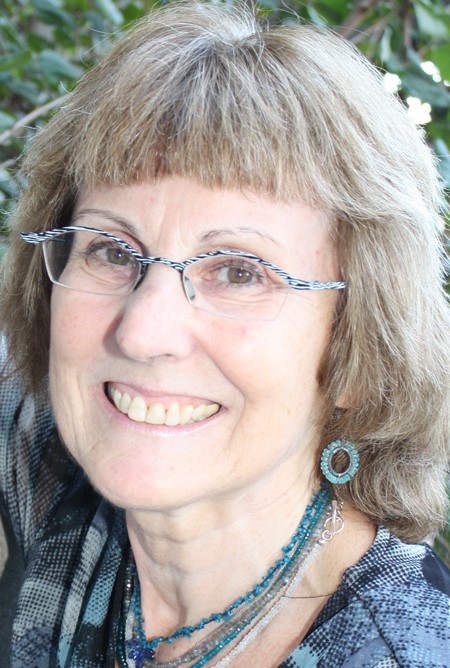
Lawrence Rubin: Bethany Brand is a professor of psychology at Towson University. She’s an expert in trauma, specializing in trauma related disorders, including post-traumatic stress disorder and dissociative disorders. She also maintains an independent practice in clinical psychology in Towson, Maryland. Doctor Brandt serves on international and national task forces developing guidelines for the assessment and treatment of trauma disorders. Welcome, Bethany. Thank you for joining.

Bethany Brand: Thank you so much for having me.

Right Place, Right Time

LR: What got you interested in dissociative disorders, trauma, and ultimately dissociative identity disorder from a personal perspective?

BB: It was a number of things. One of the early experiences I had as an undergraduate at the University of Michigan was working in a shelter for women who’d been battered, which is what it was called back then—not interpersonal violence like we call it now. I started hearing about trauma and remember being very interested in it. In my first semester of graduate school, I was doing a psychological testing practicum at Johns Hopkins Hospital on the kids’ unit. This was in the late 80s, so many of the kids had been abused or neglected according to their charts. I asked my supervisor how that experience might be reflected in their psych testing—how would they be different? And there we were at Hopkins, one of the premier institutions in our country, and she did not know.

To her credit, she acknowledged that and asked her supervisor, who later gave us this fascinating off-the-cuff talk about trauma and his experience with traumatized kids. It was so compelling that I decided that was what I wanted to do my master’s thesis on. I was lucky enough at the time that Frank Putnam, one of the legends in the field of dissociation, called my graduate program, asking for students who might be willing to volunteer on his project—a longitudinal study of girls who’d been sexually abused. I was incredibly lucky to be at that right place at the right time, working with a pioneer.

To be honest with you, I wasn’t sure about the whole idea of dissociative identity disorder because we didn’t see that in the lab and that was not what we were studying, even though Frank was studying it at the National Institute of Mental Health. When I later went on internship at George Washington University Hospital, a woman there said she had multiple personality disorder, with whom I had done the testing.
The treatment team was a little skeptical, but my supervisor referred me to Judy Armstrong at Sheppard Pratt Hospital in Baltimore who offered to review the data with me. After she did so, she said, “You know what; you actually might have somebody with MPD.” After that, it was just luck because I got a postdoctoral fellowship at Pratt, where they had just opened up a trauma disorders unit, and where I did my dissertation on trauma. I remained there and began working very heavily with folks with DID, and other serious, complex trauma disorders. Right place, right time, and fortunately, amazing training with amazing clinical supervisors.

DID and the Dissociative Spectrum

LR: Before I ask you what readers most likely want to know, which is, “What actually is DID,” why the transition from “multiple personality disorder” as a label to, “dissociative identity disorder?”

BB: There were a lot of reasons, but just to be very brief; by calling it multiple personality disorder, many clinicians thought it was a personality disorder like borderline personality disorder, and it’s not in that category. The experts in the field wanted to emphasize it was a trauma related disorder connected to dissociation, not a disorder of personality. The name change was an attempt to reflect that.

LR: Well, I guess relatedly—and I may get back to my initial question—does the DSM’s characterization of DID as a complex post-traumatic developmental disorder, ‘capture it?’

BB: It’s a terrific start. It’s a foundational start, because it implies that it starts in childhood, which is what developmental disorder means. The research strongly points to very early severe chronic child abuse as the cause. But we also know that there is genetic tendency towards dissociation. And often these clients who end up as individuals who develop DID also have attachment problems because they didn’t have secure attachment. There are multiple things going on, but trauma really has an early childhood foundation.

LR: In your writing, you discuss TRD or trauma related dissociation and suggest that DID is almost always related to early childhood trauma and severe disruption of the attachment relationship. Is there such a thing as a NTRD, or non-trauma related dissociation?

BB: Yes! We all dissociate to some extent, so normal non-pathological dissociation can occur. It can be going into a state of automatic pilot. For example, when we’re driving down the highway and we’re really thinking about something, and barely remember the drive when we get home. Or we’re driving down the highway and we miss our exit because we’re so preoccupied, not because of traffic, but because of our mental disconnection from what we’re doing.

It can also happen at moments of peak spiritual experiences or athletic experiences when people can disconnect from their bodies or feel out of their bodies and have this incredible experience. But none of these experiences interfere with functioning.

LR: I imagine getting lost in a book or a song or a movie or a conversation containing elements of dissociation, but on the left side, or benign side of the spectrum.

BB: Exactly. Those are called absorption, and some people are very prone to absorption. We know from research that the more somebody is prone to absorption, they may be more at risk for dissociation. There’s been some debate over whether absorption should be called dissociation or not? For now, it is understood as one of the lower levels, not-so-problematic types of dissociation, which comes from self-report measures.

LR: Is it clinically useful to think of a dissociative spectrum with absorption type experiences on the left or benign side, and DID as the most extreme and pathological form all the way to the right?

BB: Yes, I think it is. But I’ll say that with awareness that some people living with DID really resent that, because understandably, this was an adaptation to horrendous, overwhelming circumstances. And so, I completely get it and respect that they had a brilliant way of adapting and getting through what would have been just harrowing experiences. The research actually supports exactly what you said.
As I said earlier, all of us dissociate to some extent. And then when you start studying dissociation and different psychological disorders, there’s a range of scores that people have on the different, self-report questionnaires. And it starts out with people having [scores] a little bit above what might be for people who are not struggling with any emotional disorder.

And then it gets at the highest level is folks with DID. And in between, there might be people with eating disorders and maybe borderline personality disorder, because there’s often a lot of trauma in those people’s background, and then you start getting into PTSD. And then the dissociative disorders indeed are at the end with the highest levels of dissociation.

LR: I would think that someone who is engaging in non-suicidal self-injury or someone who is in the middle of an intense food or substance binge is in an acute state that requires a certain amount of dissociation to be able to inflict that level of harm on to yourself.

BB: Is there some dissociation that goes on during those moments? The answer is yes! Often people are somewhat disconnected from their bodies. An example is a client who, with DID or severe dissociation, may be cutting and not feel it and be kind of fascinated with what they’re seeing under their skin, like really extreme cutting with the detachment. And they don’t feel the pain.

LR: Is it possible that someone with DID could be cutting while there’s another element of that personality that’s watching? Am I using the right nomenclature for the other “states?”

BB: There are people in the field that are really pushing for those parts to be called dissociative self-states. In the literature, they’re alternatively called identities, personalities, parts, and alters. We’re really trying to emphasize that whatever they’re called, that they’re all parts of one person. They’re self-states. They’re not different people. That’s why we’re encouraging that name to be adopted in the next DSM.

LR: I find myself gravitating toward more questions that may be more of a popular culture artifact, but I’ve heard that different self-states can have symptoms of a particular medical illness or disease while another is asymptomatic. Is that possible in your experience?

BB: It depends on what illness you’re talking about. We know that, depending on our emotional state, our blood pressure may change, right? And Frank Putnam, who I referred to earlier, did some of the early research showing that different self-states have different EEG patterns.

Simone Reinders in the Netherlands has done a bunch of research studying neurobiological differences among some self-states. She’s tried having professional actors impersonate self-states while they were hooked up with all kinds of biological markers, including brain scans. They could not emulate different self-states.

It’s remarkable. It’s not magic. It’s a disorder that is linked to neurobiological changes and differences. And of course, these different self-states are going to include the traumatized self state, the one that remembers trauma and has all the symptoms that go with that PTSD. When they’re scanned, of course you might expect their heart rate to be much faster and for them to have more activity in their limbic system, versus a part that’s very detached and doesn’t recall that trauma. The heart rate of that self-state is not going to be as elevated. And they’re not going to have the intense amygdala activation.

LR: I can see that if someone is in a moment of active sexual abuse, sexual trauma, that it’s in the body’s interest to down-regulate the heart rate and cortical activation.

BB: Yes. There are studies about that, talking about how animals go into survival mode and, you know, like the faint mode or the feigning death mode. There are some animals that have that response of total disconnection from their bottom up to allow them to survive attack. Well, there’s some parallels with humans that have been horrendously abused repeatedly. Their brains shift into dissociation as a survival mechanism.

Their access to memory can be quite different as well. One of the diagnostic requirements is that there be amnesia for some of their life experiences, that are not due to drugs, alcohol, or head injury. Or they may not remember key autobiographical events, like their own wedding. We call that dissociative amnesia.

LR: What are some of the myths and misconceptions about DID that clinicians should know about?

BB: There are a lot, unfortunately. One is that DID is exceptionally rare. On and across different prevalence studies, at least 1% of the general population meets criteria for DID. That’s the same prevalence rate roughly as bipolar disorder and schizophrenia. So, it’s not rare, but there have been some critics.

Critics of the whole notion of dissociation and DID have been putting it out for a long time in articles that are published in journals. And that has found its way into psychology textbooks that undergrads and grad students read that put forward that myth so that unfortunately, many people, even mental health clinicians, think it’s rare. Another myth put forward by the critics is that DID folks exaggerate their symptoms or are prone to create false memories of abuse.

When you actually compare people with DID to people with PTSD to what are called healthy controls, people who don’t have any emotional problem, and professional actors who try and emulate all of this stuff, there are some studies we’ve done that show that people with DID
are no more likely than people with PTSD to develop false memories.

The important thing that most mental health clinicians have not been trained to know is that they are highly symptomatic across a bunch of different domains. They don’t just have amnesia and different dissociative self-states. They also have PTSD. And we know PTSD is a complicated disorder with 17 potential symptoms. And so, at times they’re flooded with traumatic intrusions, pictures, awful memories, awful nightmares. And then there’s periods where they’re shut down and avoid it because it’s so awful to remember and feel that stuff.

And then there can be incredible periods of irritability and sleeplessness and feeling like they’re an awful person and different from the rest of the world. There’s a lot of research showing that dissociation is very common among people with PTSD. They also have major depression and because living with all these symptoms is so brutally difficult, many of them have substance use problems.

They try to knock out the memories by drinking too much or using drugs. They often also have eating disorders because they have a very difficult time tolerating their bodies. They blame their bodies for their abuse, and so they try and get really big so that nobody’s ever attracted to them or—and they often go back and forth, or they get really anorexic and starve themselves hoping to die or to look unappealing that way.

All of that is shown in the literature. And with regard to feigning DID, one of the ways that you look for malingering is when somebody is reporting too many symptoms or reporting exceedingly severe symptoms. They are much more likely to be classified as potentially malingering on some of the evidence-based measures and interviews for malingering. I’ve developed research that helps mental health clinicians and forensic experts know how to differentiate when somebody has true DID and when somebody is attempting to simulate it.

The critics also don’t really understand complex trauma. They are typically not clinicians or academics. But because so few mental health folks are getting trained in the evidence-based information about DID, they come away with these stereotypes out of textbooks that are just wrong. They’re just flat wrong. And myths.

LR: Is there a short list of the cardinal presentations that differentiate DID from some of the other severe forms of psychopathology?

BB: Back when I was trained, I was taught that if you hear voices, you are psychotic. But more than 75% of people who have DID hear voices.

LR: Schizophrenic?!

BB: Yes, schizophrenia or maybe the psychotic phase of bipolar disorder. I would encourage therapists to not automatically assume that hearing voices means psychosis. There’s a whole bunch of research, including people who don’t have DID, experience voice hearing, and this is strongly associated with trauma exposure. There have been meta-analyses that support this, so I suggest that clinicians always ask every client, no matter the setting, if they have been exposed to trauma. So, learn how to do a good trauma assessment.

If somebody endorses having experienced trauma, then ask about PTSD symptoms and dissociative symptoms. Ask about the different types of dissociative symptoms. Ask about depersonalization. Does the person ever feel numb when they should have feeling? Does the person ever feel like their body doesn’t belong to them? Do they ever see themselves at a distance, like outside of themselves, like they’re watching a movie? Those are three common symptoms of depersonalization, and there’s a range of other symptoms they can ask about, like do you sometimes feel like you’re younger or not your own biological age. Ask about voice hearing.

LR: What’s your gut feeling about why there’s such resistance among clinicians to embrace the reality of DID?

BB: It does sound farfetched, right? But that’s because people are misunderstanding the disorder. It is impossible for people to have multiple people inside themselves. It is impossible. Right. But, Lawrence, you don’t have a little Lawrence running around in your brain, and I don’t have a little Bethany running around in my brain. How do you know you’re not me?

LR: I’ll have to check.

BB: I stump my students when I ask that question. You know who you are because you know that you have a cat and that you’ve been married and lived in Michigan, and that you like Hello Kitty, and that you like certain kinds of music and food, and you have knowledge and memory of family and life experiences. But people with DID don’t always feel like all that.

First of all, they have periods of time missing. And so, they’re confused about who they are and what’s happened in their lives. But they’re not different people inside. Now, I’m going to say that, and some of the readers who have the idea are going to object to what I just said, because some people with DID do feel like they are different people.

That is their perceived experience, but people with DID don’t literally have little people running in their heads either. Our personalities are based on the neural firing of networks in our brains. And like we were saying earlier, there’s a neurobiological pattern that is characteristic for trauma related self-states versus ones that are very detached and don’t remember the trauma.

So, I think a lot of mental health people are mistaken and don’t understand what they have heard. It’s rare and I’ve been told this so many times, “Doctor Brand, I’ve been in the field for 30 or 40 years, and I’ve never seen a DID patient.” But I guarantee you, if they’ve really seen a lot of clients, they actually have, but missed it because perhaps they’re looking for dramatic presentations like Sybil. If it was that obvious, then when people switched states, it would be easy to diagnose. But that’s what movies do to make it look right to the audiences. That is not actually what DID really looks like.

A Tiered Approach to DID Intervention

LR: What is a multi-phasic approach to intervention with DID, and why is it considered the gold standard?

BB: It means that clinicians who work with DID and other serious dissociative disorders are realizing that there needs to be three stages of treatment. When somebody comes into treatment with complex trauma, and especially if it’s very serious, there needs to be an initial stage of stabilization of their symptoms. At this early stage, they may be suicidal, self-harming, drinking and using drugs, or engaging in some other kind of addictive behavior.

They often have really high levels of hospitalization, so they need to learn other ways of regulating themselves that are safe and that they can do out of the hospital. If and when they get stabilized, they begin learning how to regulate emotions in ways that ground them, which is the opposite of dissociation.

Once they’re stable and want to go on to stage two work, we are talking about trauma processing. That’s where they may then talk about some of the trauma so that gradually they can heal from that and not have so many intrusions of nightmares and flashbacks and horrible memories or feeling numb to it.

It’s an awful thing to feel like you’re deadened inside. That would be stage two work, which can take a very long time. So can stage one, by the way. And then comes stage three. For complex trauma—and I’m not just talking DID now—but in general, the person works more on developing their life, their friendships, their career goals; they’re no longer so focused on the past and trauma, but integrating into whatever kind of life and relationships they want.

LR: Is this in line with your “Finding Solid Ground” program?

BB: Yes. The program I’ve created with colleagues called “Finding Solid Ground” is a staged stabilization approach where we help clients learn about, first of all, grounding. But it’s not just for people with DID, but also for people with complex PTSD, and what in the United States is called the dissociative subtype of PTSD.

Our research is showing it helps all these folks, not just DID, but they learn to be more present to their emotions and deal with emotions in healthier ways. They learn about how to deal with PTSD so it’s more contained and not so intrusive so they can sleep better so that they’re not having these awful images pop into their mind and interrupt their functioning all day.

We help them learn to separate past and present. When somebody has very bad PTSD, the brain cannot really distinguish the difference between a flashback and the present moment. It feels to the person it is happening now. So, we teach them how to catch their warning signs that they may start being close to being at risk for intrusions of PTSD, that they might start dissociating, that they might start drifting towards self-harm, and then find ways to get out of that cycle. Among other things, we teach them a little bit about the neurobiology of trauma and that it’s not their fault.

LR: Is integration of self-states the absolute end goal for treatment?

BB: When I first accepted that postdoc at Sheppard Pratt in 1993, the emphasis in the field was integration of personality states. And yet that’s not what I was hearing and seeing was happening very often. I was the leader of a study where we asked experts around the world how many patients had they integrated in their careers. It was small numbers.

That may not sound like a jolt of lightning to readers, but it did lead us to rethink whether that was very achievable for most patients or not?

At the same time, many people living with DID do not want to integrate their parts because they have lived often for decades with these parts. And that helps them function from their perspective. That is who they are. They value their parts, or eventually you hope that therapy can help them learn to respect and value their parts rather than be at war. Some of the self-harm and suicide attempts are about one part trying to kill off another. At the time, they don’t recognize they will all die if they commit suicide. So now I have a different perspective and I think there are different options. I think clients should have the right to choose what they want their endpoint to be.

And that may change over treatment. In the beginning, some clients absolutely say get rid of these parts, but they don’t understand. They can’t. I use the metaphor that you can’t live by cutting out your heart or your liver. And it’s the same thing with self-states. You have survived because of the self-state. You can’t get rid of one. You can learn to work as a coherent collaborative group like a business or a healthy family rather than being at war.

DID and the Family Connection

LR: Are there useful systemic interventions that involve family, spouses, children?

BB: Of course, as a therapist, I’m teaching them, but I don’t want their spouse or partner to be doing therapeutic things. Right! But it gets really messy. If they have children who see them switch, and mom or dad doesn’t seem to remember things they’ve said or done, I find ways to explain DID to the kids in an age-appropriate way.

It is incredibly important that they’re not switching a lot in front of their children. Parents should be consistent no matter what, no matter who they are, whether they have DID, bipolar disorder, or PTSD. Children need consistency. So I would work with a client to help them develop the parenting parts and having them learn to look similarly and act similarly with the kids, so they’re not confusing the kids.

LR: In this context, can a person with DID voluntarily call on another self-state, rather than it “taking over” during a time of crisis or trauma-related moment?

BB: Yes. So that might be something that we’d work on, to go back to that last example, when they’re around their children. You would want them to work towards having parts that can be very supportive, caring, loving, consistent parents. And the parts that are little, that feel as if they are young children, terrorized, traumatized themselves, would be in the back of the mind.

All this is metaphor, however, right? There are no little people, right? But metaphorically, those self-states are taken care of internally so that they are consistent. Same thing with work, same thing when they’re driving.

LR: You said earlier, Bethany, that invariably, dissociative states and DID in particular are born out of severe trauma in childhood and attachment disruptions. At what point might a clinician begin to suspect dissociative identity disorder in childhood?

BB: Really good question. Some of the same symptoms that later develop and become more severe in adulthood can be seen in little children with the beginning stages of a dissociative disorder. One thing I haven’t mentioned is that adults with DID can go into trance states where they’re not responsive to the outer world.

Little kids start showing attention and zoning out. They’re often misdiagnosed as having ADHD. So again, we need all clinicians to be trauma-informed and trained. Not that they’re expecting to see a dissociative kid, but they might, especially if they have symptoms of PTSD like nightmares and flashbacks, or report having imaginary friends. Some talk about that for a second.

Developmentally, it’s normal for children to have imaginary friends. But if imaginary friends start to be frightening, or upsetting, or tell the child to hurt their sibling or a pet, or to destroy their toys, that’s not a “normal” kind of scenario. Little kids usually stop talking about imaginary friends around age seven. But people with DID report that they never went away. Those actually linger as parts of their dissociative self-states.

Keyword, Avoidance!

LR: There are clinicians who believe that if we look hard enough for trauma, we will find it. Is it similar for dissociation and DID?

BB: It might be! During medical training, students commonly think they have all the different disorders. The same thing may be happening in our field. For 26 years, I taught a course on differential diagnosis and interviewing. At the beginning of the class, I warned the students that they were going to be tempted to diagnose themselves along with everybody they loved or hated. It is a normal phase of learning the DSM but I asked them to be respectful and stick to the diagnostic criteria, so they don’t go telling people they’ve got borderline personality disorder.

There is a normal stage of training in which, at least for a while, we may overuse certain concepts as we’re learning them. But again, if clinicians are well-trained in differential diagnosis they will be less likely to overdiagnose certain symptoms and disorders—in this case, dissociation and DID. This is one of my research streams.

There is a lot of research out there, and I’ve written a book about how to assess dissociation and how to distinguish it from other symptoms and disorders. Here is where training is critical. The ways you treat schizophrenia and bipolar disorder are very different from the way you treat DID. Schizophrenia and bipolar are the two disorders that people with DID are most often misdiagnosed with.

People with DID don’t need mood stabilizers or heavy-duty antipsychotics. Instead, you do a trauma-informed stabilization approach. Two of my earliest DID clients were misdiagnosed with schizophrenia and treated accordingly for years. One passed away and gave me permission to share her story. By the time I saw her, she had horrible tardive dyskinesia. She had been disfigured by the treatment for schizophrenia that she didn’t have. Once we started working together, she got a lot better— not cured, but a lot better, and she was much more functional. She had dropped out of school and midway through high school, she went back and became a minister in her community.

LR: What do you see as the core elements of training that need to be incorporated into graduate programs so that DID can be correctly identified, and interventions designed?

BB: Only 8% of APA-approved doctoral programs require a course in trauma. That’s gotta change. Information about trauma should be a required part of graduate training in psychology, social work, and related fields. As part of that training, they also need to learn about dissociation and the range of dissociative disorders, and how you assess for dissociative disorders, and how you do differential diagnosis. And, of course, something about evidence-supported treatment. There’s only one program so far based on randomized controlled trial data that shows it helps people with profound dissociative disorders. But they should hear about that. That should be in the textbooks.

LR: What do you think is contributing to that incredible avoidance by the APA of mandating graduate-level trauma training at graduate level?

BB: A group of us have been pushing for different guidelines about working with complex trauma that finally got approved by the APA this last summer. But there is pushback. And a lot of us think there’s a political issue. Let’s just think about what PTSD means. The required criteria center around avoidance. You nailed it there!

Even people who’ve been traumatized don’t want to think about it. It’s human nature not to want to know, think, and talk about trauma. Believe me, it’s a hard part of my job. I do it, and of course I know how to do it. But hearing the stories of what has happened to little children is incredibly difficult.
And there’s some real doubters out there when it comes to thinking about child abuse. Maybe they should read a little bit about child pornography and child trafficking and how rampant they are, because we’ve got plenty of evidence that that happens. Some individuals report that part of their abuse was being the victims of child pornographers.

So, I think we don’t want to think about that stuff!

LR: Avoidance on a large scale.

BB: Avoidance. You nailed that.

LR: Not to get sidetracked, but I wonder if this is what Bessel van der Kolk experienced when he tried to get his developmental trauma disorder approved by APA.

BB: I’m sure that’s some of it, but not-unshockingly, it likely goes back to financial issues.

LR: It’s hard to imagine.

BB: At this point, the National Institute of Mental Health has never once funded a study of the treatment of DID. So, I have literally had to get donations to fund my studies. Do you think cancer researchers do that? Do you think researchers of any other disorder must have bake sales and pass the plate at college?
Where is the money in trauma right now? It’s in the Veterans Administration. I’ve heard this from various people who work there. They do not recognize DID, and they don’t want anybody in the VA system being diagnosed with DID, because that’s a real problem for our military, right? Everybody there has a dissociative disorder. Although believe me, I have assessed people in that system and helped them get honorary discharge. Anyway, there’s a huge amount of funding that goes to VA research and they emphasize working with adults. They want to keep the soldiers “strong” and ready to go or whatever the branches to ready to fight. Yeah. The childhood trauma.

LR: It’s hard not to introduce politics into conversations at this level. But do you have any concerns about funding for dissociative and other disorders as the incoming administration takes form?

BB: I do, and I think many, many researchers are very concerned about funding for new science research in general. But then when you get into groups like research on women, research on children, research on traumatized people, research on any kind of minorities, but especially LGBTQ groups, people are very worried. My funding has always been a problem. But I do have many generous donors.

Wrapping Up

LR: There’s so many big sales you can have, and winter is coming.

BB: So, we’ll have some hot chocolate sales and some coffee. Yes, there is a group called the International Society for the Study of Trauma and Dissociation (ISSTD). They do lots of multi-level, face-to-face and online training for dissociation and children, adolescents, and adults. They also supported RCT studies for our Finding Solid Ground program.

I’m strongly urging clinicians to learn about that program. We’ve got two books out there. One for people living with the disorder, and one for therapists. Our research shows that the Finding Solid Ground program works best when the therapist knows the program and the clients working with the therapist who knows the program.

LR: Has counter transference entered into your work with any particular client?

BB: For anybody working with complex trauma, there is going to be countertransference and traumatic countertransference. And the client will experience transference. There’ve been times I felt like I wanted to rescue somebody because they’ve had such a hard life. But you’ve got to keep the boundaries strong. I consult with a lot of therapists. One of the mistakes I hear from therapists is they do try and rescue, or they go too far. It’s not uncommon that therapists will see a DID client for free and become very burned out. I don’t ever advise that.

The psychotherapy research shows that people benefit from treatment more if they’re paying something. It’s also common for therapists to alternate between feeling helpless, like the child was back during trauma time, and at other times harsh and mean which the client may experience as harsh and mean, almost like the perpetrator or a non-protective bystander. Those three roles are extremely common in the treatment, so I teach a therapists to watch for that, to work on that, and to make that understood.

Something they actually talk about with their clients so neither get stuck in those spaces and can learn from it. It’s part of the healing, rather than becoming the point where the treatment comes off the rails.

LR: I think that we could talk for hours, Bethany. It’s been a fascinating conversation for me as I hope it was for you. Is there anything I’ve left out?

BB: Yes. There are people out there who have died because of this disorder, but there is hope, even despite the tremendous suffering. It’s important that these people know that they are not alone, and neither are their therapists. It’s important that therapists convey that they’re not alone, it’s not their fault, and that they are not weak or dumb. They don’t have to suffer endlessly, and neither do therapists need to feel powerless. There’s hope.

LR: I think the clinical world is a smarter place for your presence in it. Thank you, Bethany.

BB: Thank you!

Virtual Treatment of Eating Disorders and the Importance of Human Connection

Be the person you needed when you were younger

-Ayesha Siddiqi

The Virtual World

I could never comprehend the idea of virtual eating disorder treatment. It would be so easy for clients to hide their food or engage in disordered behaviors behind a screen. How could I really connect? Especially with my young clients, I imagine them secretly watching Netflix behind the computer screen while I try and explore their deepest fears.

Cut to Covid! The world shut down, and my ideas on virtual treatment shifted as this became the new reality for all therapists. I have always worked with eating-disordered clients in one way or another since before I even completed graduate school. After working with eating disorders in community mental health, I started to burn out with the lack of support and knowledge in the field. As a recovered clinician, eating disorders are my passion and the reason I became a therapist. This is the population I want to work with, but this is also the most complex population which requires a complete treatment team and effective provider collaboration.

For my professional sanity — and to continue this career without burning out — I needed to shift gears and investigate a more supportive environment in which to treat eating disorders. The thing is: I live in a place where you must travel at least an hour to get to any eating disorder treatment center, which would mean I would have to travel at least an hour to work at one. While I was offered a position at one of these centers, I saw myself continuing the burn out with the commute and two young children at home.

As fate would have it, the treatment center connected me with their virtual eating disorder partial hospitalization program, which, as it just so happened, was hiring. I was still very hesitant but wanted to keep my mind open. I’d been through many treatment centers as a young teen — I know ALL the tricks. How could I help anyone, virtually? It was during my interview process that I came to the realization that there are many places where treatment is unavailable. What if this is the only treatment available to some individuals due to lack of transportation, living distances, or family circumstances? Would it have helped me as a teen if it were my only option? I must give this a shot. I must explore how I can best support this population virtually, because this is the only thing available to some individuals.

So, I made my decision to hop on the virtual train. It took some adjusting, soundproofing, and office plants to make the switch manageable — at least on my end.

The Young Anorexic Client

The sound machine is roaring.

Two boxes appear on my screen.

One screen showing my face, the other showing that of a new, adolescent client.

She is starting our program today after being discharged from a residential treatment center. I am meeting with her to introduce myself and complete a risk assessment. She admits that she is not thrilled to be on virtual, but that there are no other options near her. Her parents and treatment team are forcing her to complete this program. She admits to knowing that she needs it, and she is a minor, so her parents have leverage. She presents guarded, as teens usually do, waiting to see if I pass the obligatory therapist “vibe check.” I appreciate the honesty but notice the apathy in her voice. This is going to be a difficult client to connect with. I must learn how to connect with her.

Finding Connection

If I’ve learned anything about the virtual world, it is the importance of finding the ability to connect. Yes, it is more difficult virtually than when you are in person, but still doable. In fact, some people open up more through a virtual encounter because they feel safety in distance. New research has shown that the brain neuropathways activate more with in-person interactions. Which means I have to be more creative about forging a meaningful connection. (1)

Because the individual on the other side of the screen can’t get a sense of my “vibe,” and because a digital image of myself elicits different responses from neuropathways, I must rely on building rapport quickly.

I’ve learned the hard way, through moments of uncomfortable silence, that this sometimes requires talking about random teen trivia to get young clients to feel safe with me. My clients are experts in their life. I am merely a guest. The more my clients let me into their world, the more I can show them tools that will appropriately work for them. I have to meet my clients where they are at.

I find the best way to build trust is to find out their interests and build on that. That doesn’t mean I just pretend that I want to know about their interests. I mean taking the time to learn about them and ask deep questions. This helps me understand my clients and what treatment approach works best for them. My job is not to heal my clients. My job is to help them learn the tools to heal themselves.

Only with trust can a client effectively “buy-in” to what I am talking about regarding treatment. Why would anyone talk to me if I don’t feel safe? Building connections and creating a therapeutic alliance is about helping clients understand that you are a safe person.

Young teens are my favorite clients to work with. The most important part of effectively working with teens is to teach them to build connections that are stronger and safer than their eating disorder. The first safe connection might be with their therapist. The eating disorder is my client’s safest and most secure relationship. Which is why it is so difficult to recover from — it works.

The eating disorder becomes an entity of its own that protects the clients from trauma, rejection, fear, and most importantly has the capacity to numb. For clients with significant trauma or poor attachments, the predictability of this disorder is comforting. Ironically, it is providing them a mental refuge while slowly killing them. Accepting and understanding that the eating disorder has served a function for my clients is the most important starting point towards genuine connection. The eating disorder is my client’s biggest and most secure connection.

The Young Adolescent Client

The session starts the same.

Two screens.

Sound machine whirring.

I will call this client Abby.

Abby is hunched down on the floor with her laptop facing her. She is anxious and having difficulty sitting still as evidenced by a bouncing leg. This is not her first time in treatment. She has already told me she does not prefer virtual but has no other options at this time. By this point in our sessions together, we have discussed the usual eating disorder behaviors and worked on increasing Abby’s ability to talk back to the eating disorder voice. The ability to assist her in calling out the eating disorder is crucial. That means knowing how the eating disorder talks. Hint: it’s sneaky and insidious.

Since working together, what stands out about Abby is her increasing discomfort with the present moment. It is more than the eating disorder; I know the look of unresolved trauma. Abby is living in fight or flight. Her eating disorder being taken from her is forcing her to confront difficult traumatic experiences.

Abby started Cognitive Processing Therapy while in residential care but stopped it when the therapist realized she was not benefiting from the therapeutic intervention. So, what can I do here now virtually?

New research has shown that treating PTSD and the eating disorder at the same time yields better results for both. (2, 3) This is contrary to what was first taught to professionals about only treating one at a time.

I worked with Abby for some time, but Abby’s mother’s insurance eventually changed, and her parents no longer wanted her to participate in our program for understandable financial reasons (This is another aspect of eating disorder treatment that is complicated).

Abby will need long term therapeutic intervention for her complex trauma and the increasing severity of the eating disorder. Her motivation for recovery continues to wax and wane.

Let me explain what we were able to do virtually and how.

My work with Abby explored relationship patterns, boundaries, and the impact her trauma has had on her eating disorder relapse and recovery process. Abby learned evidence based therapeutic interventions to effectively talk back to cognitive distortions and her eating disorder voice.

And while all of this work was pivotal, I want to emphasize what got us there…

Soccer!

I know you are thinking. What is she talking about?

Hear me out. Gaining trust from my adolescent clients must come first.

The connection I made with Abby was as simple as soccer. Soccer was Abby’s motivation for recovery, soccer made her feel confident and alive. Soccer activated neuropathways in Abby that allowed her to feel seen by me.

All of the in-depth work that needed to be done started and ended with soccer. Ultimately all of the work that was done on a virtual platform started and ended with my ability to see my client and connect. In the end, my initial reluctance about working virtually with eating-disordered teens was largely unfounded. I would likely have encountered similar challenges had I worked face-to-face with Abby. It was the connection that built the bridge and soccer that reinforced it.

References

(1) Neuroscience News. (2023). Zoom conversations vs in-person: Brain activity tells a different tale. Neuroscience News, 27 Oct.

(2) Perlman, M. D. (2023). Concurrent treatment of eating disorders and PTSD leads to long-term recovery.” Psychiatric Times, Times, 17 Oct.

(3) Brewerton, Timothy. D. (2007). Eating disorders, trauma, and comorbidity: Focus on PTSD. The Journal of Treatment & Prevention. 15(4). 285-304.

Eating Disorder Triggers and COVID-19: A Guide for Psychotherapists

“I don’t know why, I just feel more like using symptoms lately. There’s no particular reason,” Margaret said*. “Um…,” I ask, endeavoring and likely failing to keep my tone neutral, “…can you brainstorm anything that might be contributing?”

“Well, I haven’t seen my friends in several months. I’m not working right now. I don’t have anything to do all day. Except check Insta, where everybody’s on some kind of weight loss or exercise plan. I can’t go anywhere or do anything, and I have no idea how long this is going to last. It’s not too far-fetched to wonder if we’re all going to live in some horrible Mad Max dystopia. And, oh yeah, I might contract a lethal virus and die.”

Chris had a similar dissociative response to our collective trauma: “Ever since March or April, I’ve been really dissatisfied with my body. Maybe because of springtime, with the beach season on the way? Except of course this year I won’t be going to any beaches…so there’s that whole thing.”

Like what you are reading? For more stimulating stories, thought-provoking articles and new video announcements, sign up for our monthly newsletter.

Acknowledging Eating Disorder Triggers

As therapists, our job is often to connect dots that aren’t readily apparent to our clients. It might seem obvious that they will be affected by the events in the world but, as one of my clients put it, “It’s hard to remember that you’re actually human sometimes, and that you’re vulnerable to the same stuff everyone else is.” And so, when working with people who have eating disorders it is important to know that almost every aspect of this pandemic is rife with potential triggers. By understanding the multiple ways in which COVID-19 can affect our clients with eating disorders, we can help them to plan for healthier ways to make sure that their needs get met in this difficult time.

Dealing with Unstructured Time

Many of my clients with eating disorders have the sense that they just don’t know what to do with themselves. Without normal routines to rely on, the days have begun to feel like an endless void. For these clients, eating disorder symptoms offer a way to be engaged in something. For some, this might mean over-exercise and calorie counting. For others, overeating. Still others will cycle between back and forth between overeating and attempting to “compensate” for the intake. One college student I am working with has been using food to break up the time to give it more structure by eating on a very rigid schedule. Unfortunately, for her this means getting out of sync with her natural body rhythms and being able to listen to her hunger and fullness cues.

Helping clients to schedule their day can give them a sense of groundedness and prevent filling up the time with unhealthy behaviors. With Sara, we sat down with her day calendar and plotted out a week’s worth of activities. Sometimes the structure was as loose as “Thursday morning—TV in the living room”; “Thursday afternoon—reading in the bedroom.” Other times when she was really struggling, we went hour by hour—including meals. If you do this, be sure to include changes in location as a part of the schedule, and outside time if at all possible.

Addressing Role Overwhelm

For many other clients, unstructured time is not a problem at all. In fact, there may be a sense that there is no time at all. This is particularly true for parents who will no longer have the support of the school environment and are being asked to take a role in their child’s education that is outside of their expertise. Many are also attempting to care for their children while working from home, guaranteeing that they will be able to do neither effectively—a client of mine recently described a morning in which her three-year-old emptied all her kitchen cabinets while she was on a Zoom meeting. When she was done with the meeting, she had 8 or 9 follow-up tasks—plus an entire kitchen to sort out, all while entertaining her child. While moving quickly from meeting to caretaking to schooling and back, clients with eating disorders may leave their own needs on the back burner, forgetting to eat, cook nutritious foods, or take time for themselves.

Fighting Toxic Cultural Expectations

In our compulsively productive culture, having some time on your hands mandates you to do something with it to “improve yourself.” More benign manifestations of this drive include educational tasks such as reading the classics or learning to knit. For our clients with eating disorders, though, this train typically runs down the “perfect your body” track. They are reinforced by a spate of “COVID workout plans” and a social media frenzy of fears about the COVID-19 (as in, the nineteen pounds one can supposedly expect to gain during quarantine). “If I’m not getting thinner, I’m not getting better,” one client said to me. As therapists we can provide a counterpoint to toxic cultural messaging—by what we say, and through what we do.

Addressing Perceived Lack of Activity

Perceived lack of physical activity is very triggering for lots of people with eating disorders. They worry that if their routines change, they might gain weight. This in turn is correlated with immense shame and fear of being unlovable, lazy, or worthless. Some with eating disorders will restrict their food intake to supposedly “make up” for lack of activity, often wildly overestimating how much caloric cutting back would be equal to the actual amount of energy unspent. Others, because of black and white thinking, will begin to have difficulty caring for themselves in any way if they are not able to follow their previous routines. Helping clients to reality-check how inactive or active they really are can be tremendously helpful, as can helping them to sit with and manage the anxiety it brings up.

Avoiding Isolation

It’s difficult for anyone not to have access to their support systems. For people with eating disorders, this includes access to a treatment team and peer network that help to fight the eating disorder “voice” by providing context, reassurance, and normalization. Without this support it can be easy for someone with an eating disorder to be overwhelmed by their own thoughts. As therapists, we can provide an important counterbalance, but it’s also more important than ever that we encourage our clients to participate in healthy groups and online forums.

Ameliorating Anxiety

Whether or not somebody qualifies as having an anxiety disorder, this is a time of heightened anxiety for everyone. None of us knows whether we or our loved ones are going to get sick. None of us knows how this will affect our society or how long it’s going to last. Many people with eating disorders deal with anxiety by converting it—rather than feel uncertainty and dread about things that are outside of their control, they channel their uncertainty into worrying about food and body issues. Helping clients with concrete tools such as diaphragmatic breathing and progressive muscle relaxation can help them to better cope with these uncomfortable feelings and distressing concerns.

***


COVID-19 is very triggering for everyone, but our clients with eating disorders will be triggered in specific ways. By keeping this in mind we can help them to maintain their gains, avoid or minimize relapse, and continue to learn to nourish their bodies and spirits.


*All names are changed, all quotes are compilations 

Eating Disorders, Couples, and COVID-19

COVID-19 is a perfect storm for worsening eating disorders. It leaves people with a great deal of anxiety and uncertainty, too much time on their hands, too little support and treatment disruptions. It’s also terrible for couples. Even for the healthiest among us, spending too much time with a loved one is a wonderful way to forget about the reasons you love them. Small issues become big problems, and big problems begin to seem completely overwhelming.

Like what you are reading? For more stimulating stories, thought-provoking articles and new video announcements, sign up for our monthly newsletter.

So, as a therapist who specializes in helping couples impacted by eating disorders, I see that my clients are twice hit. Take, for example, Lyndon and Jamie (not real names, of course). Jamie has been in recovery from anorexia for the past year or so. But when COVID began, her work went virtual. As a fairly efficient employee, she completed her tasks in much less than the assigned time. And then she had a good amount of extra time to think…and worry.

Some of her worry centered on the same anxieties that plague us all. Will I get sick? Will my loved ones get sick? Will we be able to come together as a society to do the things we need to get over this calamity? Some of her worry was an echo of old ways of thinking about herself. Jamie started wondering if, with all this time on her hands, she was being productive “enough.” This led to gut-level doubt about being “good enough”—a question that, for her, often disguised itself as panic about being “thin enough.”

Simultaneously, her treatment team had all gone virtual. She was able to talk to her therapist, but she couldn’t sit in the room and physically feel support and care surrounding her. There was no chance for “limbic resonance.” She was upfront about what she was going through and talked through her fears, but she felt distant and disconnected from her therapist. Her dietician was also no longer able to weigh her in person regularly, and so she had to go for longer periods of time without the “reassurance” that she was not gaining a significant amount.

Without access to the gym classes she regularly attended, Jamie perceived herself as less active than before (although she wasn’t). And so, she started eating “just a little bit less.” And then less, and then less, as the feeling of safety she had been seeking continued to elude her.

At the same time, Lyndon was also dealing with an escalation in anxiety—at the very same moment that he was losing access to his typical ways of dealing with it. His routine was disrupted as he moved to part-time telework. Financial stress mounted as his service-based job was impacted by the virus. He was becoming depressed as he had less structure to his days, and isolated as he was unable to visit friends and family. Worst of all, Jaime—his most important support—was becoming increasingly preoccupied and unavailable.

Because they were cooped up together 24/7, Jamie’s food choices were on full display to Lyndon. He noticed her eating less and working out more. He felt her absence as she pulled away emotionally. Because of the strain he was also under, he dealt with these changes about as poorly as you would expect. When the couple entered therapy, Lyndon was asking Jamie to report all her meal choices to him. It felt impossible for him not to comment as she pushed food around on her plate. He had considered asking her to weigh herself daily to ensure she wasn’t losing too much weight, but luckily had stopped short of that point and gotten himself and Jamie into couples’ therapy.

The couple had entered a fairly typical pattern—Lyndon responded to the eating disorder in some ways that made it worse, and the worsening eating disorder made him double down on these responses. Jamie’s restriction had also come to be representative for Lyndon—a stand-in for all the things in his life he couldn’t control. He felt that if he could just get Jamie to eat better, everything would be okay. But he couldn’t, and it drove him crazy.

Even with all of this going on, the practicalities of COVID were the very first thing we dealt with in couples’ therapy. We identified areas of Jamie and Lyndon’s apartment that would become “private spaces,” where they each could retreat from the relationship. The space was small, so Lyndon ended up taking time for himself on the balcony, while Jamie took long baths. This helped each member of the couple to regulate themselves emotionally. With some breathing space, they were no longer perpetually reigniting conflict.

Then we opened space to talk about the deep anxieties that the couple was dealing with. Jamie was worried that her parents, in a hot zone for the virus, could contract it. When she started talking about these concerns with Lyndon, he was able to contextualize her eating behaviors and understand that they were about fear and uncertainty, not anger and defiance.

With this understanding, Lyndon softened. He was able to acknowledge that his identity was too wrapped up in his professional success, which the fallout from COVID-19 had pumped the brakes on. He was able to notice, and to share with Jamie, how out of control and alone he felt. With support, Lyndon became much better able to sit with his vulnerability. This made him able to sit with Jamie’s vulnerability, too, and ask her about her feelings and experiences when he noticed her having difficulty with food. Feeling more supported at home and much closer with Lyndon, as time went by Jamie felt strong enough to challenge herself to eat more normally.

***

I offer this snapshot of treatment to illustrate the ways in which successful eating disorders treatment often have little to actually do with food. In this instance, food and lack of food represented control and lack of control, safety and lack of safety. Against the backdrop of COVID-19, these fears make a great deal of sense. This treatment also capitalized on the existing attachment relationship between Jamie and Lyndon. Allowing space for the existential and practical vulnerabilities that we are all addressing right now gave them each room to connect with their own humanity, and with each other.

Treating Eating Disorders as Disorders of Eating

All illnesses classified as ‘mental’ are comprised of psychological, behavioral and physical components. Treatment strategies for eating disorders vary widely from psychoanalytic exploration of the emotional origins of the disorder without physical or behavioral intervention to forced tube or intravenous feeding with no behavioral or psychological work. However, despite decades of clinical research into the ideal combinations of cognitive/psychological, behavioral, and physical interventions, the mainstream evidence base is not inspiring.

One obvious conclusion to draw is that clinicians need to redouble their efforts to address the psychological components of eating disorders. However, a different reading is that the purely psychological pathway leads us down a rabbit hole. This is the claim of a Swedish treatment method that has achieved significantly more success in treating the full range of eating disorders than any other method, but that has been more or less completely ignored by the mainstream of eating disorders researchers and practitioners.

Like what you are reading? For more stimulating stories, thought-provoking articles and new video announcements, sign up for our monthly newsletter.

Having treated more than 1,400 patients with eating disorders (around 40% with anorexia), the Mando Clinic, headquartered in Stockholm and led by Cecilia Bergh and Per Södersten, has achieved a 75% remission rate with zero mortalities, and 90% of those who reach remission progress to full recovery over a five-year follow-up period. (1,2). These results are considerably stronger than those achieved by traditional methods used in the treatment of anorexia and bulimia. The secret to their success is treating eating disorders as disorders of eating, rather than as disorders of psychological functioning. Specifically, people with anorexia usually start off eating too slowly, those with other eating disorders typically too fast; and both groups fail to sense and respond to satiety cues appropriately.

Rather than downplaying the behavior of eating as a troublesome side-effect of deep-seated psychological disturbance, the eating disturbance is treated as the cause of the psychological disturbances. Primarily, this means normalizing patients’ eating habits using the Mandometer (from the Latin mando, I eat), an app which communicates with a scale underneath your plate and provides normal curves for eating speed and satiety cues according to which patients gradually learn to adjust both. Alongside restricted exercise and rest in warm-rooms for an hour after eating, this simple behavioral intervention is the essence of the treatment.

Dig into their treatment practices a little more, though, and it becomes clear that the Mandometer and the heated rooms are just one part of their plan. Mando’s “case managers” are clinically trained to support patients through the program in ways that the Mando team calls “just common sense,” but that would probably look very familiar to anyone who practices CBT or any other kind of practically-oriented psychotherapy. Mando therapists use behaviorist techniques like successive approximation to help patients eat. The patient might be given a plate of food without having to eat it, then be asked to put an empty fork into their mouth, and perhaps then be invited to smell the food on the fork. Verbal reinforcement, small gifts, and promises of future rewards are given at every step. They say this is behavioral and not cognitive therapy, but are the dividing lines between cognitive and behavioral really so clear? Is it even helpful to draw them?

The medium is behavioral, but the effects are also in the mind. Likewise, the Mando team explains that the heat treatment following meals not only allows the calories that would have otherwise been used for thermal regulation to be used for normalizing bodyweight but also helps lessen the anxiety that interferes with eating. Moreover, the method includes other strands like the development of ‘emotional regulation’, understanding and appreciation of one’s body, improvement of self-esteem and self-awareness, and managing social situations and relationships– all concepts familiar to any cognitive therapist working with eating disorders.

The remarkable solidity of Mando’s evidence base compared to other methods does suggest that without a central focus on the eating, nothing else works well. But the possibility remains, for example, that CBT plus the Mandometer would work even better than either in isolation. The Mando team have made this suggestion in print, and in a personal communication to me, a partner in the clinic speculated:

“CBT may be improved if it used Mandometers during the meals, allowed negotiated meal size and speed, prevented exercise, and provided physical warmth for anorexic patients. The Mando method may be improved if its common-sense therapy was given more structure via CBT training, as long as the focus remains on fostering normal eating behavior and minimizing caloric expenditure, not on resolving deep psychological problems.”

So, the real question that needs to be answered next isn’t really “CBT or Mando?” It’s “which elements of either?” Other distinctive features of the Mando method include withdrawing patients from all psychoactive drugs (80% are taking something when they arrive); the case manager eating all meals with the patient (not just watching them eat) to begin with, and later going to restaurants with them; not allowing patients to know their weight, but asking them to focus on eating and resting; and negotiating everything, so that nothing happens without patient agreement, and agreement is sought via reasoning and evidence. Which of these components are crucial, which are nice to have or incidental?

The constant feedback between mind, body, and behavior doesn’t mean that it doesn’t matter where in the system you intervene. It does mean that if you don’t observe improvement in the entire system, you probably chose the wrong place to start. And the Mando team’s claim is that the behavior is the right place to begin, that it’s the fulcrum between body and mind, between BMI and the EDE-Q. Their work reminds us that people will never get better if you pretend (and allow them to pretend) that they’re better when they’re not, which is easiest to do if you elevate one measure (often bodyweight) above all the others.

As one Mando partner put it to me, in a discussion of risk factors for relapse, “Not actually being in remission is the biggest factor for relapse risk.” And being in remission means all kinds of complex yet mostly definable things, to which eating behavior may well be pivotal. There’s lots left to learn but putting the behavioral back in the cognitive may prove to be the best starting point.

1) Bergh, C., Brodin, U., Lindberg, G., & Södersten, P. (2002). Randomized controlled trial of a treatment for anorexia and bulimia nervosa. Proceedings of the National Academy of Sciences, 99(14), 9486–9491.

2) Bergh, C., Callmar, M., Danemar, S., Hölcke, M., Isberg, S., Leon, M., and Palmberg, K. (2013). Effective treatment of eating disorders: Results at multiple sites. Behavioral Neuroscience, 127(6), 878–889.

3) Södersten, P., Nergårdh, R., Bergh, C., Zandian, M., & Scheurink, A. (2008). Behavioral neuroendocrinology and treatment of anorexia nervosa. Frontiers in Neuroendocrinology, 29(4), 445–462.

Margo Maine on the Eating Disorder Epidemic Among Middle-Aged Women

The Equal Opportunity Disease

Deb Kory: Margo Maine, you are a clinical psychologist who has specialized in eating disorders and related issues for over 30 years, and you’ve authored several books about eating disorders, including: Pursuing Perfection: Eating Disorders, Body Myths, and Women at Midlife and Beyond, Treatment of Eating Disorders: Bridging the Research-Practice Gap, and Father Hunger: Fathers, Daughters and the Pursuit of Thinness and you’ve also edited and written for several books about clinical treatment of eating disorders. You’re the senior editor of Eating Disorders: The Journal of Treatment and Prevention and in addition to serving as a psychologist both in private practice and at Connecticut Children’s Medical Center, you’ve done advocacy work to address federal policy related to eating disorders.Having just read your book, Pursuing Perfection, I now know that eating disorders for women in mid-life are a kind of silent epidemic. Can you talk about your work in this area and why you feel it’s so important to dispel the myth that eating disorders are primarily experienced by wealthy, white teenagers?

Margo Maine: It is certainly an equal opportunity disease. I’ve been treating eating disorders for about 35 years now, starting in graduate school working at the local children’s hospital. I ended up doing my dissertation on them and then started up a program for treating adolescent eating disorders that included the parents in treatment as well. Many of the moms admitted to a little bit of dieting. Nobody admitted to an eating disorder, but in many cases, you knew there was something more there. So that was in the background of my mind.And then probably about 20 years ago, a couple of the moms of daughters I had treated called me, and now that their daughters were better and kind of launched, they came back to talk about themselves and their own eating disorders. That was a real eye opener for me.

DK: Did most of the teens have mothers with eating disorders?
MM: I wouldn’t say most of them did, but I would say at least a third. But nobody was talking about it. The kids were the identified patients and the moms wouldn’t mention hiding M&M’s in the closet or laxatives in the glove compartment. We’d ask questions about the mothers’ eating habits but they were all “just fine.”So my interest blossomed out of this early work and I started to see more adult women as the years went by. But the case that made me decide that I needed to bring this out of the shadows was a woman who came to me about 12 or 13 years ago. She had an eating disorder most of her life, and it was very much a family created eating disorder. She went through a normal weight gain in pre-adolescence, but that didn’t sit well with her family. They didn’t like her looking a little bit pudgy, and at the age of 12 they started bringing her to Weight Watchers.

When she went off to college and developed anorexia and came home having lost so much weight, nobody said or did anything. In fact, they were happy with her weight loss. She ended up getting better on her own, graduated from college, went on to have many successes in life, but the disordered eating was always there as a coping mechanism. She had two pregnancies, and after the second pregnancy she wasn’t able to lose all of her weight, and that just launched the eating disorder, which had been subclinical for a while, into full gear with purging, restriction, and over-exercising.

DK: So, it came back with a vengeance.
MM: Yes, though not all at once. She started with one thing, and then that didn’t get her to lose enough weight, and then she added another, and then the symptoms were really out of control by the time she came to me.
DK: How old was she by then?
MM: She was in her early 40s and was very scared. She didn’t really know what was wrong with her and she didn’t know where to go for help. She certainly couldn’t go to anybody in her family, so she decided to make an appointment with her OB/GYN. She’d had two successful pregnancies and she trusted him.She had lost 25 pounds in the previous year between medical visits, and she was a small person to begin with. In terms of the standard BMI [Body Mass Index], she wasn’t off the charts, but for her she was. All the nurses said she looked great and how did she lose the weight, etc., and she’d been prepared for that. But then she was sitting in the examining room waiting for the doctor to come in, and he walks in and says to her, “So how does your husband like your new body?”

DK: Seriously? That’s horrifying on so many levels.
MM: It was devastating to her. Here she was, so scared of what she was doing to herself, and she’d come to him for help. She wasn’t sure if she had an eating disorder, or if she was just kind of “crazy,” but she knew she was out of control, and then that comment made her very, very depressed. She wouldn’t talk to him and left feeling almost suicidal and just kind of closed the book on it. But within a week or two, got on the internet, started researching and found my name. I was only a few towns away, so she came in for treatment and did really well in treatment. But that case really brought to the forefront for me how pervasive eating disorders can be in a woman’s life. This was a very high-functioning woman, she had two masters degrees, she was very respected in her profession, very active in her community—
DK: Somebody with a voice.
MM: Yes, and yet she’d had an untreated eating disorder on and off for her entire life, and for the decade before she came to see me, was very out of control and physically at risk and in need of medical help.

“I used to be a mess, but now I’m a high-functioning mess”

DK: And it sounds like her attempt to get help was met with total failure.
MM: Absolutely. The other thing about a lot of the women I treat, they tend to be very high-functioning. A new fifty-something patient of mine who’s had an eating disorder since she was a teenager said to me, “I used to be a mess, but now I’m a high-functioning mess.”That’s how a lot of these adult women are. No one has a clue that anything is going on because they’re so good at functioning well and taking care of everybody else, but the despair they have about their bodies, what they’re doing to their bodies, is really astounding.

DK: In truth, I know very few women who don’t have some kind of body dysmorphia at the very least. Those who don’t have usually done a lot of work around it, including therapy, to get to a place of body self-love. And I’d say that most women I know had a period of disordered eating at some point in their lives—be it anorexia, orthorexia, binge eating or over exercising. I know that your clients probably self-select based on your specialty, but would you say that pretty much all the women who come through your door have body image issues and/or disordered eating?
MM: Oh, yes. I’m always amazed when I do presentations to clinicians about eating disorders and I hear people say, “Oh, I don’t treat eating disorders.” Really, you don’t treat eating disorders? Thirteen percent of women over 50 have eating disorders.
DK: Thirteen percent? Really?
MM: Yes.
DK: Wow.
MM: But they believe they don’t treat eating disorders.
DK: This was one of the reasons I sought you out for this interview. It seems like many clinicians are missing the boat here because we ourselves are immersed in a disordered culture. Many women therapists have struggled with body dysmorphia and disordered eating, which is pretty much the norm in American society, so if we aren’t actively fighting against the culture of dieting and the worship of thinness, we are likely not only to miss this in our clients, but to in some ways feed the problem. It seems to me that you’d have to assume that every woman who comes into therapy has a relationship to food and to her body that needs to be explored.
MM: I completely agree with you that all mental health clinicians need to be bringing it up, as do medical providers. They need to ask a few questions, just a few, to open the subject. Clients may not be ready to talk about it yet, but they will know that it’s a safe place to talk about it.
DK: What are those questions that clinicians should be asking?
MM: I have five questions that I suggest clinicians—and particularly physicians—include into their assessments. 1. “Has your weight fluctuated during your adult life?” 2. “Are you trying to manage your weight? 3. If so, how?” 4. “What did you eat yesterday?” You don’t ask them if they are on a diet, you ask them what they ate yesterday. Or if it’s later in the day you might ask them what they’ve eaten today. Otherwise people may say they aren’t on a diet, but then when you specifically ask them, “What have you eaten today?” and it’s 3 o’clock in the afternoon, and they haven’t had anything to eat, then you know there is a problem with their eating.And 5. “How much do you think or worry about weight, shape, and food?” I often ask people to quantify it in a percentage, as in “What is the percentage of your daily thoughts that are about weight, shape, and food?” Some women will answer that it’s the first thing they think of when they wake up in the morning. They think about what they’re not going to eat, when and how they’re going to exercise, how they’re going to exercise to get rid of what they eat. It’s a powerful part of their lives, but if you don’t ask the questions, you’ll never find out. It’s kind of like what the American College of OB/GYNs has done with domestic violence—it’s a topic that all OB/GYNs are supposed to ask about at every visit.

DK: And what about with men? Are these questions that you would suggest people ask men as well?
MM: I do. There are a lot of men struggling with body image—more so than ever before, and the numbers are compelling. There are some studies that suggest that as many as 25 percent of men have some disordered eating going on.
DK: Wow. Again these statistics are pretty startling.
MM: In my personal experience, it doesn’t seem like it’s 25 percent, but there are a couple of really good studies that suggest it’s that high.Overall, 10 percent of people suffering from eating disorders are men, and certainly men are getting much more pressure today around body image and appearance. They have a lot of pressure to not look old because of discrimination against older men in the workplace, so there is a greater emphasis on looking young and powerful. Increasing numbers of men are doing cosmetic surgery, but I think the difference for men is that it tends to be about power and influence whereas with women it’s more about appearance—that’s our “power and influence.”

You Can’t Tell by the Body

DK: Why do you think eating disorders so often go undetected? Do clinicians and physicians think that if you can’t “see” the eating disorder—as with someone who is severely anorexic—that it’s not problematic?
MM: With physicians and medical providers, the only eating disorders they think of are the extremely emaciated anorexics that they may have seen in their ICU or the morbidly obese person who comes in who they’re convinced has an eating disorder when they may not. With eating disorders, you can’t tell by the body.Eating disorders come in every shape and size. That’s why the BMI is not a very sensitive instrument by which to assess somebody’s health status. You can be basically anorexic at a high weight because you started at a high weight, your body might have been meant to be at a high weight because of your genetic background, but you’re undereating or perhaps taking medication that has caused weight gain. There are all kinds of factors that influence weight gain, but we know that at least half of the influences on adult weight maintenance are biogenetic, so that’s kind of programmed in, and then behavioral factors are added to that.

So some people go to the doctor and are at a higher weight, and they are put on diets when in fact they’ve already been severely dieting, they’re already undernourished, which is why sometimes they binge, but they’re not necessarily binge eaters, they’re more anorexic.

It’s important for clinicians to know that anorexia is in fact the least frequent of the eating disorders in the general population as well as in adult women, but it’s the one that’s easiest to identify because there is a marked weight loss. Bulimia is the next least frequent, but it’s hard to identify because of the secretiveness of bulimia. People with bulimia are often deeply ashamed of what they’re doing to their bodies and they don’t want anyone to know, so they are good at covering their tracks and are often symptomatic for decades without anyone knowing.

The mother of a former patient of mine called me to get help for her bulimia. She was in her early 50s and said that she’d been bulimic since she was about 20. She’d had two marriages and three children and relationships with physicians over the years and no one had a clue.

DK: What about dentists?
MM: Dentists have some opportunity to assess that, but not everyone with bulimia ends up with dental problems, or sometimes it happens very late in the process. Dentists are trying to step up though. I know when I go to my dentist they have you fill out a form, and it specifically asks you about eating disorders, and I’m so proud of them. I don’t think all dentists do that.

OSFED

DK: So what are the more common eating disorders?
MM: The most frequent disorder is OSFED—otherwise specified feeding or eating disorders—which is basically variations of anorexia or bulimia or combinations of the two or binge eating disorder. Again, weight is not going to necessarily tell you that much about whether someone has binge eating disorder or OSFED. What I’ve noticed in my clients, and there’s also some research recently that showed this, is that adult women tend to morph in their symptoms over time; that they might have started out anorexic or bulimic earlier, but they get a little bit better from that, and then the symptoms kind of merge into what would be OSFED, a combination, or subclinical disorders.
DK: My experience is that subclinical disorders are so prevalent. I’ve had so many women clients come in and say, “I was anorexic in my teens, but I’m fine now.” But “fine” often means, “I’ve learned how to control it in such a way that nobody thinks that I have a problem with eating, but I’m on a permanent diet and cannot cope if I don’t exercise every day.” Do you know what I mean?
MM: I agree with you completely. That’s exactly what it is—they have learned how to keep themselves in check so that they’re hopefully not binging and if they do binge, know how to get through it, know how to restrict for a few days to get themselves out of that trouble, but they’re really not out of the eating disorder.

The subclinical women were as impaired psychologically and bothered by what was going on in their lives as the ones who were full-blown eating disordered.

There was an interesting study done in Austria a couple of years ago that found in one sample of women over 60, four percent of them met the clinical criteria for full-blown eating disorders, another four percent met the criteria for subclinical, but when they asked them questions about mood and anxiety and depression, they were the same. In other words, the subclinical women were as impaired psychologically and bothered by what was going on in their lives as the ones who were full-blown eating disordered. That says a lot, and is an important take-home message because a lot of people, when they have subclinical cases or OSFED, don’t see themselves as being as seriously impaired as people with anorexia and bulimia, but they often are. Another study showed that the medical side effects of OSFED might even be more severe than anorexia and bulimia.

DK: Why would that be?
MM: My theory around that is that OSFED people are less likely to be identified, either self-identified or identified by their caregivers, so the symptoms last a lot longer, they’re probably impaired longer, and that cumulative impact can be devastating. That’s my guess.
DK: So they’re not getting their nutritional needs, but they’re also maybe not getting the kind of emotional support that they need because they’re not recognizing they have a problem?
MM: Right.
DK: I wonder if it’s also that so many people are struggling with this that they don’t actually know what healthy eating and body image even looks like? I know you probably can’t really answer this, but how much of the population would you guess is struggling with subclinical eating disorders?
MM: I’d guess that it’s about 70 percentish.
DK: Wow.
MM:

I think it’s safe to say that in our culture at least 70 percent of women are struggling with subclinical body image issues and disordered eating,

There’s a study of women 25 to 45 years that found that 75 percent of those women were unhappy with their bodies and were dieting much of the time. Seventy-five percent. Another study looked at women over 50 and they found that 80 percent of those women had a tendency to base their self-worth on their weight, on dieting, and some were seriously bulimic. So I think it’s safe to say that in our culture at least 70 percent of women are struggling with subclinical body image issues and disordered eating, but as you said, it is so accepted that nobody talks about it and, therefore, nobody gets help.

DK: In Pursuing Perfection you point out, very poignantly I thought, that if you’re a drug addict, people look down on you when you’re engaged in your addiction, or they at least know that it isn’t healthy; but if have an eating disorder that causes you to lose weight, you get widespread acclaim from all around—even by doctors—for engaging in unhealthy behaviors that make you miserable. Unlike with drug addiction, the world really conspires to keep you in disordered eating.
MM: Exactly. No one wants to call it out because then they would have to out themselves, too. It is really incredibly sad. I mean, how often when you go out with a group of women does anybody just order off the menu? Instead it’s, “could you please hold this and that? Salad dressing on the side,” etc. That’s become normal.
DK: That’s so true.
MM: I don’t go to gyms anymore because I don’t want to hear all of the body-self-loathing and dieting talk that goes on there

Feminism & Rebellion

DK: That brings me to another aspect of your work, which is the use of feminist theory. I know these days that the medical model is definitely a big part of treating anorexia—people need to find their way back to a healthy weight and be monitored and checked out for medical problems. But in my mind, it’s hard to imagine actually getting better from an eating disorder and body dysmorphia without really understanding the objectification and abuse of women’s bodies in this culture. And it’s something that can be better understood through the feminist lens and reading history and seeing how, over time, women’s bodies have literally morphed in shape to fit cultural ideals. When you understand it in that context, it’s easier to actively fight against it. I think you said somewhere in your book that only a rebellious woman can look at herself in a mirror and love her body.
MM: It’s an act of rebellion. A true act of rebellion.
DK: And it’s a daily practice because, again, from the gym locker room to the workplace to the checkout line at the grocery store, the world really does conspire to keep women hating their bodies. So, I’m wondering if you could talk a little bit about both the benefits and limits of the medical model and whether it is possible to get better without feminist theory?
MM: Well, first of all, eating disorders are tricky because there is a necessary medical component to treatment. People have to get medical evaluations, we have to ensure that people are medically safe, and that can take a lot of time, a lot of finesse from clinicians like you and me to help a patient navigate that.Sometimes when I meet with an adult woman for the first time, she hasn’t been to the doctor in years because she fears what she’s going to hear about her body, and she doesn’t want to get on the scale. So, one of the early conversations I have during the intake is, “I want you to be able to get a medical assessment. If you don’t have a doctor, let’s try to find you one. If you do have a doctor, I am happy to call them and tell them that we have started working together and that they should not be weighing you.” That is such a relief to them. They don’t have to go through that process of being weighed, often out in the hallway, with people commenting on their weight. But we do have to find ways to intersect with the medical community, and it takes a lot of time and energy, most of which is uncompensated. I think that’s part of the reason why there aren’t as many people treating eating disorders. We have to do a lot of stuff that we don’t get paid for.

DK: There’s a great deal of collateral work with doctors and nutritionists and sometimes treatment centers.
MM: I spend a lot of time deprogramming with clients after medical appointments. It’s just something you have to add into the treatment, helping them understand that the physicians don’t know much about eating disorders, and they can’t guide them through the recovery process. They can help gauge whether there are medical problems or a Vitamin D3 deficiency, but they are only one part of treatment.CBT is the one treatment that insurance companies see as the standard, and it’s the most readily reimbursed, but with CBT and other manualized therapies, you have six or 12 sessions and you’re supposed to be cured. Or three months of DBT and you’ll be all better. The insurance reimbursement stops then because ostensibly that’s when a cure should be achieved. In that way CBT has adopted a medicalized framework of treatment and cure, but it’s not a medical therapy. Most of the studies show that only about 35 to a maximum 40 percent of people get better with CBT. If you or I were to go to a physician who told us they had a cure for us that had a 35-40 percent chance of cure, we’d probably want something else.

Eating disorders are much more complex than any 3-month manualized treatment can tackle and often require long-term treatment with many systems of care. We work in partnership not only with the client in determining appropriate treatment, but with the other clinicians brought into the treatment.

DK: Is CBT the standardized treatment for eating disorders in medical facilities?
MM: CBT and family-based treatment (FBT), which is a particular model that conceptualizes the eating disorder as primarily a behavioral issue, and prescribes that parents learn to manage their child’s eating.
DK: Is that the Maudsley Approach?
MM: It’s a variation of Maudsley, generically called FBT now, and it has some genuine strengths in that it gives parents some practical things to do, but it isn’t an appropriate model for everybody. It’s a power-oriented treatment where the parents tell the kids what to do, and there isn’t any talk about emotional issues or problems in the family—it’s more like the eating disorder has sprung up and needs to be dealt with.But I and many of my colleagues treat families sometimes who have had emotional, physical and even sexual abuse, or families where the parents are eating disordered—in these cases this approach is often inappropriate. In families like these everyone needs help and the eating disorder is very much a family-created illness.

DK: Isn’t that so often the case, though?
MM: Well, I have seen eating disorders develop in very, very healthy families where there isn’t a lot to do other than to help them learn how to get their kid through the eating disorder. But sometimes it’s extremely complex and the medical model doesn’t really allow for that kind of openness and discussion. Instead it can very objectifying—the patient is a puzzle to be solved through various medicalized interventions.
DK: And how does that differ from the feminist model?
MM: Within the feminist model, it is a collaboration and a partnership—it’s really about “we.” It’s about us together, and it’s very empowering. But to get back to your question about whether people get better in a non-feminist treatment approach, I think people can get symptomatically better. I don’t think they can get better and stay better unless they’re really, really lucky. And some of them will be lucky because the disorder wasn’t that horrible to begin with, and they get treatment, and they kind of get past it.But for most people, to really recover, they need to understand why this happened for them, and they need to grapple with a lot of gray issues in their lives, and that isn’t something that happens in the medical model, which is based on symptom control and weight management.

When I was doing my dissertation back in the ‘80s, I interviewed women who had recovered from eating disorders and, needless to say, the treatment wasn’t very advanced at the time. The definition of recovery was whether a woman had gotten her period back, whether she had weight restored, and whether she was married.

DK: Whether she was married?!!
MM: Well, I’ve been married a long time and I don’t necessarily see it as a sign of good health, you know? It does say that a person has the potential to have a relationship, but that’s no guarantee that it’s a healthy relationship.
DK: I guess I shouldn’t really be that surprised. There is still a widely held, and largely unchallenged belief in our field, and in our culture at large, that people can only find true happiness through coupling and, ultimately, marriage.
MM: Yes, we’re not much further along thirty years later. Weight is still a primary measure of patient health, even though for many of our patients, weight is not the primary factor in their illness or recovery. In the feminist model we work collaboratively with the patient to decide what the signs of recovery and relapse are.

“We’ve Just been drinking the Kool-Aid longer”

DK: It’s my understanding that a big part of eating disorder recovery is abstaining from toxic pop culture. Avoiding women’s magazines, health magazines, celebrity news, things that are likely to trigger body dysmorphia. Or, like you were saying, avoiding locker room chatter where women are picking apart their bodies and discussing diets.
MM: Yes, absolutely. I think we’ve done a pretty good job of understanding how the media and the culture affect young teenagers around body image and self-esteem and all that. Well, guess what? We adults aren’t any different. We’ve Just been drinking the Kool-Aid longer.
DK: So part of your treatment is educating patients about the cultural and media influences that contribute to their eating disorder?
MM: Yes, and I tell them they’ve been drinking the Kool-Aid. These are smart people—I don’t want to in any way diminish them—but they have bought in hook, line, and sinker to a culture that tells us that we as women have to be a certain way and look a certain way, and it’s very disempowering. So I help them understand that while they think they’ve been making active choices, they’ve actually been acting out the script that is given to women. Over time it’s very empowering.That kind of critical perspective, understanding the impact of culture, is very much a feminist discussion and it’s what keeps women strong. They see that they have to stand up against this culture that tells them to be less than who they—both literally and figuratively.

DK: Are teens open to the feminist perspective?
MM: They’re usually not at the beginning, but after a certain point, once they’re really engaged in their recovery, they become more receptive. Feminism is still the F word, and a lot of girls who do not want to associate with feminism think it’s for women who don’t shave under their arms and hate men. They don’t think of it as sexual and reproductive rights, equal pay, the right not to be sexually harassed in the workplace and so many other struggles the feminist movement has fought. I’ve had a number of young women in their 20s say to me that they want equal pay, but they’re not feminists.
DK: What do you think that’s about?
MM: Well, I think some people don’t really understand sexism until it affects them directly. I had an interesting experience a few years ago where three women who were probably all in their early 30s independently found out that male counterparts were getting paid more than they were for similar jobs. And the meaning they each made of it was that they were inadequate because they weren’t thin enough.
DK: Right, because it couldn’t have been a structural issue. They must have brought it on themselves.
MM: Yes. So I did a lot of educational work with them around what really happens in the workplace around salaries, the inequality in both pay and power, the many double standards and unrealistic expectations that are built into the very fabric of work life. When a woman realizes that a man is valued more in the workplace, it’s not uncommon for her to try to make it right by losing weight, which then can fuel an eating disorder.

Weight is the Politically Correct Form of Prejudice

DK: Particularly for middle aged women who might have put on some weight during menopause, who might not be as quick with words and numbers, who might be having hot flashes all day and drastic mood swings because of all the changing hormonal activity.Let’s talk about obesity for a second. I treated a client who was between 300-400lbs at any given point, and had yo-yoed up and down for much of her life. The way she was treated any time she went to the doctor for any ailment—it literally didn’t matter—was appalling. Nobody could see past her weight and they attributed it to all of her problems. She went in for her knee? Lose weight. For a flu? Lose weight. For pain of any sort anywhere? Lose weight. As if she wasn’t constantly being reminded of this in every interaction she had out in the world. People on the street felt like it was OK to yell insults at her. She had a hard time maintaining a job because of discrimination.

I was scrambling to find ways to be an advocate and counter this awful treatment, and then I read Health at Every Size, which turned out to be kind of a mind-blowing book.

MM: A bible.
DK: It deconstructed a lot of the myths about obesity and shed so much light on the fat hysteria in our culture. And it made me question the whole role that many therapists play in trying to help people lose weight.
MM: It’s a complicated subject, but I don’t think that people with our skills should be employed in helping people lose weight. I think we should be employed in helping people understand their relationship to food and to their bodies and we should help them learn to care for themselves in positive and healthy and sane ways, but that doesn’t necessarily translate into weight loss.Even the people who do the bariatric surgeries and the most intense kind of work in obesity find that a good outcome is a very modest weight loss—10-15 percent of body weight is considered a good outcome. That is not very impressive. People go through that intense and often traumatic experience just to lose 20-25 pounds.

It’s been interesting to watch this bariatric surgery surge. Insurance companies often won’t pay for eating disorder treatment, but they pay for expensive surgeries and the long-term outcome doesn’t seem to be that good, but we don’t get the long-term statistics. We get the statistics up to about a year and a half, but it’s between 18 and 24 months when folks tend to start regaining their weight and having more difficulty with their symptoms. And people who are really struggling don’t go for any of the outcome follow-up because they feel so bad and so ashamed.

DK: So they’re not participating in the research.
MM: Right. I honestly think we have to be very careful about being sucked into the war on obesity. Obesity is associated with some health problems, but we don’t know that those health problems are the result of obesity or if obesity is a result of a health problem. It’s correlational and not causation. People can really improve their health parameters—cholesterol, blood sugar, cardiac status, etc.—by eating better, by getting some exercise. But for people who are big, it can be hard to move their bodies, and they’re often very ashamed, so they won’t necessarily go to a yoga class at a local studio. As you said about your client, people are astonishingly judgmental and even rude to big people, which can isolate them from taking part in the kinds of classes that many people rely on for their exercise. As I said in one of my earlier books, weight is the politically correct form of prejudice.
DK: That is devastatingly true.
MM: When I have patient who is obese and needs to see a physician, I always offer to call their doctor and introduce myself and let them know, “What she needs from you is a good medical assessment, but she doesn’t need to be told to lose weight. She already is embarrassed about coming to you and feels deeply ashamed about her body, and there isn’t anything you can say that’s going to be helpful to her about that. Leave that to me.” If you say it clearly, lots of doctors really get it and are happy to partner with you.The anti-obesity movement really feeds a lot of eating disorders. The whole BMI craziness—the BMI has nothing to do with individual health. It’s a population statistic.

DK: Do you think it should just be abolished?
MM: I think it should be abolished. Pediatricians are supposed to monitor it at every visit and talk to parents about putting their kids on diets. These are kids who are going through normal uneven development. Most kids don’t develop perfectly— they get fat before they get tall, they get tall before they get fat, or they have a long neck for a while or big feet for a while.
DK: I see a lot of teens in my practice and all of them struggle in one way or another with their changing bodies and many of them flirt with eating disorders. How do you intervene there to try to help them get through that?
MM: That is a very normal process for kids, getting used to their bodies and living in this culture where other kids are going to be talking negatively about their bodies. I think some education around these changes and the normal course of development, talking with them about their fears and worries, and working with them on self-soothing. So often people turn to eating disorders because they have no clue how to self-soothe, and starvation feels soothing to them, or the calm after bingeing and purging.

DK: Teaching them self-soothing techniques at that age could head off a lifetime habit of disordered eating.
MM: Yes, and learning how to express your emotions directly and knowing that it’s okay to have emotions. It’s important to help them figure out what helps them feel good, what helps them get calm, and to develop some tolerance for their big emotions. If kids knew how to self-soothe, you’d have far fewer eating disorders, drug issues, substance abuse, self-harm, all of that.

Can People Fully Recover?

DK: Can people fully recover from eating disorders in a sustained way, and what is the best approach therapeutically for doing that that?
MM: I do believe that people can get fully better, and in my practice over the years, we’ve seen a lot of people get fully, fully better. They may still have issues to deal with, but it doesn’t turn against them in the same old way. It doesn’t become, “I can’t eat, I hate myself.” Rather it’s a signal that they have to put their recovery to work and perhaps reach out for some extra help, come back into therapy for a bit, etc. But it’s not that they’re coming back into therapy because of their eating disorder, it’s that they’re having life struggles that could trigger disordered eating if they don’t get help.To the question of what’s the best therapeutic approach, that really is different for each person, and it may change over time. It can’t be quick.

There’s no such thing as a quick fix. It has to be different interventions at different times. One of the limitations in treatment outcome research is that it assumes that everybody goes to one kind of treatment for a particular length of time and that’s it.

But most people with serious eating disorders have a little bit of treatment early on which may or may not help, and then they have some other treatment over here, and then maybe they go to a partial hospitalization program or residential treatment, and then maybe they end up in outpatient treatment, maybe they do some group therapy. It’s a tapestry that blends together into what is right for them, and it’s not a one size fits all. Of course the medical model wants it to be one size fits all, wants it to be CBT or DBT or FBT and that’s it, but the reality is that treatment needs to be varied, long-term, and is different for everyone at different stages of life.

DK: Does it usually take more than just individual psychotherapy?
MM: Yes, more often than not it takes more than individual therapy. Certainly there are people who get what they need and recovery with individual therapy, but if it’s a serious eating disorder, they might need a dietician, they will certainly need a doctor, they will benefit from things like art therapy, creative therapies.
DK: Art therapy is especially helpful?
MM: Yes, nonverbal work is really helpful for them. And family therapy, medication— a whole range of treatments.But the keystone for most people is the individual therapy, and their own trusting relationship with somebody that they can feel safe with and be honest with about what is really happening. Someone to guide them through the process and stay with them and help them break out of their shame.

The driving force that creates and sustains eating disorders is shame. So therapy is all about what do we do about that shame.

DK: Well it’s been so interesting and informative to talk with you about your work. Thank you for taking the time to share it with our readers.
MM: It’s a pleasure, thank you.

Our Hungry Selves: Women, Eating and Identity

The Tyranny of Slenderness

In the early eighties I wrote several books about eating disorders; one of them became a national best seller. In the first book: The Obsession, Reflections on the Tyranny of Slenderness, I researched the way our culture's fear of women was directed against women's bodies and, in particular, against a large woman's body. I felt that the cultural preference for very slender women revealed a wish to see women reduce themselves as women and relinquish their power.

Here’s how I reasoned back then: “The body holds meaning. A woman obsessed with the size of her body, wishing to make her breasts and thighs and hips and belly smaller and less apparent, may be expressing the fact that she feels uncomfortable being female in this culture. A woman obsessed with the size of her appetite, wishing to control her hungers and urges, may be expressing the fact that she has been taught to regard her emotional life, her passions and 'appetites,' as dangerous, requiring control and careful monitoring. “A woman obsessed with the reduction of her flesh may be revealing the fact that she is alienated from a natural source of female power and has not been allowed to develop a reverential feeling for her body.””

The second book, The Hungry Self: Women, Eating and Identity, studied the way a woman's hunger for self-development, creative expression and liberation might express itself if it was not recognized as a hunger for food. I was curious about the emotion and conflict and turbulence that might be disguised as a craving for food, and especially “forbidden” foods like carbohydrates and sweets. “In [this] book I extend [my] analysis to include the mother/daughter bond and the issue of failed female development….We cannot heal ourselves until we understand the hidden struggle for self-development that eating disorders bring to expression in a covert way. We cannot indeed even begin to think of self-healing until we stop using the words “eating disorders” to hide from ourselves the formidable struggle for a self in which every woman suffering in her relationship to food is secretly engaged.”

In the third book, Reinventing Eve: Modern Woman in Search of a Self, I issued a call to women to step up and re-invent ourselves, freeing ourselves from the pressures and constraints of a society that feared women. I saw Eve as a radical, the first woman who was forbidden to eat food and who broke the taboo. “Women speaking intimately about their lives are usually, whether they know it or name it, on the far side of outworn ideas…We [have had] to start with the assumption that we knew little, had been lied to a great deal, that secrets had been kept from us, we were setting out as pioneers together, groping to find a suitable language for our experience….”

The Tyranny of Obesity

Thirty years later these ideas are still meaningful to me but my vision of possibility has been checked. “Fat is Beautiful,” a movement I greatly admired, has now become, thirty years later, a group of aging, obese women with serious health problems. I used to refer women who wanted to lose weight to other clinicians; I explained that my work offered them a chance to make peace with their body, not to change it. I now look back and think that I was rather close-minded, as if I knew what should matter to every woman who came to me for help.

Over these thirty years I've counseled countless women, discussed these issues with them, found them open to these ideas, yet progressively we have realized that it was no easy task to overcome the predominant dislike for big, fat or obese women. This overcoming of cultural dictates is a task suitable for some of us, not for everyone, and why should it be? Many women would rather work towards the body our culture admires than analyze the reasons they dislike their body as it is.

When I began to speak these ideas publicly, women who had read my earlier books were shocked; they felt that I had abandoned them in their quest to accept their body and their appetites. This new orientation seemed a betrayal, a renunciation of my earlier thinking with its cultural and psychological understandings. But I myself had begun to feel that my earlier ideas were hardening into an absolute, as if what was right for some women had to be right for all women, another once-size-fits-all approach to women and food.

I’ve had to explain that these days more and more women have to lose weight for the sake of their health, and that my clients and I had found a way to transform dieting from a self-defeating, frustrating, futile exercise into a useful therapeutic tool. A diet is—or can be—a way of becoming conscious of why one eats or feels driven to eat. Paradoxically, limiting what we eat is often the most direct way to uncover the feelings that drive us into self-destructive eating. Earlier, I had been opposed to the very idea of dieting, now I was willing to offer women help if they chose to diet. I left the decision to them, offering them both possibilities of work—towards body acceptance, weight loss, or sometimes the two together.

But there is more. There are other changes during the last thirty years that I have come to take very seriously. Following Michael Pollan, I began to study the food we are given to eat, so much of which has been degraded. The additives in it actively cause weight gain, and it is offered up in mega portions we tend to accept because there they are on the plate in front of us. As Michael Pollan writes: "Researchers have found that people (and animals) presented with large portions will eat up to 30 percent more than they would otherwise." Some of the weight we unhappily carry around with us is not really ours, it isn't natural, we haven't chosen it. Much of it has come upon us in surreptitious ways, through mysteriously named presences in our food, like high fructose corn syrup and its near-relations—aspartamine, glucose, dextrose, maltodextrin, maltose—which most people do not recognize as sweeteners. Even when reading a label and consciously hoping to avoid sugar, we end up with sweetening agents we don't want.

The Tyranny of American Culture

Thirty years ago I was asked to help people suffering from anorexia, bulimia and compulsive eating; these days women are calling me because, over the years, they have gained so much weight their doctors are alarmed for them. It was short-sighted to send them to someone else when I was a person who had dieted on and off for most of my life, at times winning, at times losing, the battle against our culture’s standards. And wasn’t I now, just as then, responding to a cry for help from our culture? After all, three of every five Americans are overweight. Obesity is an epidemic.

And so too is a woman's unhappy preoccupation with the size and shape of her body, or some part of her body, or some new diet that promises to change her body. I know this, not only from my clients, but far more intimately from myself. “I am a feminist, I care about women's self-development and the cultural and psychological obstacles that inhibit it, yet I have struggled, since the age of seventeen, to be at home in a body that has never been overweight but still has not been acceptable to me.” In spite of my three books about women and food, and all the lectures I have given, and the deep conversations in which I've been engaged; even in spite of the fact that I never any longer eat compulsively, a preoccupation with food and body size is still hanging around in my life. As a result, I can no longer underestimate the power of this conflict, as I observe it listing towards a feminist understanding about a woman's right to make decisions about her body, free of cultural pressures, and then spinning off in the opposite direction towards the next miracle diet that comes along, promising a body that conforms to our culture's punishing ideals. Weight and body size present us with a problem for which we don’t have an adequate solution.

Taken together, these are good reasons to change one’s point of view. I have changed mine in an effort to supplement—not replace—my earlier work. I intend to help people find the right diet and support them while they are losing weight, an emotionally demanding task whatever the nature of the diet. But losing weight is only part of it; we have to learn to eat in a way that often contradicts everything we’ve been taught about healthy nutrition. Not three meals a day but a small meal every couple of hours; not avoiding water because it may produce weight gain but drinking quarts of it; eating at night, before bed, because the body even in sleep requires 500 calories to keep itself going. Eating fat because we feel nourished by it, learning what are desirable portions, eating local produce because the food contains more of what food should contain and will therefore nourish us in smaller amounts. There is no one diet that is suitable for everyone—creating the right diet has elements of a quest for identity, a coming to know and be able to choose what is good for one. If this isn’t meaningful therapeutic work I don’t know what is.

Catherine's Story

A client of many years returned to work with me. Her doctor had just told her she had to lose between 25 and 40 pounds because her medical condition was severe. She came full of despair, wondering how we could approach this assignment since we had always discussed body-acceptance and appreciation for big and voluptuous women, which she was. Beautiful, certainly; but perhaps not healthy?

I began to work with Catherine in 1995. She was 26 at the time, a graduate from an Ivy League school, a women’s studies major who sought me out because she had read my books. She came from a small town on the East Coast, from a family active in their Episcopal church. For her to leave home, move to the West Coast, live with a man to whom she was not married, give up all religious affiliation and develop an interest in feminism while her two sisters and one brother remained close to home, was daring. She had graduated with honors and gone out into the world eager to make the most of herself. But this promising development had stalled. She was working as a secretary at a job she hated, was preoccupied with compulsive eating and her body’s size, found life meaningless and disappointing, described herself as depressed and despairing and at times suicidal. I was then in training with Otto Will, who had trained with Harry Stack Sullivan, who had worked with Freda Fromm Reichman. I was following their interpersonal approach with a dose of object relations mixed in, supplemented by an analytic interest in childhood memories.

Catherine found it almost impossible to cook for herself, although she had no trouble cooking on the night assigned to her by her collective. She didn’t plan for her meals but grazed throughout the day, almost entirely on cookies, candies and anything sweet. She ate in secret, disliked herself for doing so, was afraid that I was judging her, and suffered from guilt and remorse. Together, we observed the nuances of our relationship as it developed over many years, curious about the fact that she always stopped for food before her session and immediately went out afterwards for a piece of cake. She suggested that she was filling herself up so as not to bring a ferocious desire to eat into the room with me, evidently afraid that she would gobble me up. The cake that came after the session was to restore the energy that she felt had been depleted in thinking about these issues. She discovered that she refused to cook for herself because she wanted her mother to cook for her and would rather not eat than have to provide food for herself. Although she had voluntarily left the family for a larger life, she missed the closeness and safety of the small town, their church and especially her mother’s devotion to feeding the family. She was brilliant and analytic and good at interpreting symptoms; her childhood memories grew richer and more plentiful over the years, as did her ability to piece together a plausible narrative of her childhood. “Catherine ate in secret, disliked herself for doing so, was afraid that I was judging her, and suffered from guilt and remorse.”

She was the youngest in her family, and by the time she arrived her mother was exhausted and depleted. She hadn’t wanted another child, her milk dried up when Catherine was a few weeks old, and the care of the infant was largely handed over to her elder sister. Nevertheless, on the surface they were a happy, close-knit family, admired in their church and appreciated for their good works. Mother spent the day cooking for them, trying out new menus and culinary ideas, seemingly satisfied with her life but with an undercurrent of bitterness only Catherine seemed to recognize. Although well fed by her mother as she was growing up, Catherine began to wonder if she’d ever been nourished. Even her desire to have mother cook for her now that she was an adult began to seem a poignant wish that mother’s care and even her cooking had contained more authentic nourishment. The family dinners, which she’d always remembered as happy occasions, began to reveal their seams of stress—her older sister resenting her for the care she’d given her, her brother, two years older, in fierce competition for attention, her father absent, the second sister gentle and meek, as if she’d early decided that life was not going to offer her much, mother tyrannical when it came to the family’s enjoyment of her cooking. Dinner table conversation was lively but largely restricted to comments and conversation about food.

Catherine’s life changed dramatically through our work. She left her job, started a not-for-profit organization that became very successful, developed a strong interest in psychology, got an M.A. in counseling, worked out an honest and passionate relationship with her boyfriend, bought a house with several friends and lived collectively. When she got pregnant she decided to stop her work with me, owing both to financial concerns and to a general feeling that we had accomplished much and that she wasn’t capable at that time of going further. She still ate compulsively, giving us both the impression there was a lot more to understand.

I present this story in order to muse about the fact that excellent psychological work can be done that nevertheless does not reach a troubling emotional core. This did not surprise me. In my decades of work with eating disorders I have found that the underlying reasons a person eats compulsively, or eats more than they want, or far less than they ought, are hard to experience as direct, unmediated emotional events. The symptoms of a troubled relationship to food are so powerful and so deeply ingrained in the way one soothes and rewards oneself, hides from loneliness, expresses outrage and sorrow and in general shuts off consciousness, that it is hard to get beneath symptom into the raw emotion that is giving rise to it. She sensed that there was more to her emotional life than we'd yet explored; nevertheless, that is where we left it until, six years later, she came to speak with me about her doctor’s insistence that she lose weight.

Catherine's Diary

I have permission to quote from the diary she kept during the first three weeks of the diet. My comments follow her diary entries. This is not a description of the way Catherine and I worked together but an account of her process of uncovering meaning in what earlier had been unconscious, compulsive acts.

Catherine: I have a strange sensation—I am not really that hungry, though I can feel an underlying pull in my stomach now that's it's been a few hours since my breakfast. I am sad and irritable. My mind brightly goes to "treat" several times an hour, for myself, and socially ("like, oh I should take the girls out for burritos for lunch!" "I want a latte and a scone!"). Then I am disappointed in some deep way when I remember, but it's not exactly about being hungry. Fascinating. What is it about?

I am interested in the fact that from the first day of dieting hunger is put under suspicion. It can’t be taken at face value. This is an insight Catherine has not had before.

Catherine: Today, the glutton, the sensualist in me rebels. I can feel a sense of victimization mounting. "I hate restriction, I don't want to do this."

Here, as we can see, the issue has now become one of dislike for restriction. Insight is developing: this is a character trait, not an eating behavior. Catherine has not previously named in herself this rebellion against limitation. Indeed, it would be hard to recognize when there is a lifetime pattern of instant self-gratification.

Catherine: “OK, this is bearable, I am OK. But the sense of comfort I am missing—I am working so hard, I am so tired and worn out from childcare. How will I replace food as comfort? How? How? So far there is no replacement and I’m not sure there ever could be one. I am working so hard.

An additional meaning has been attributed to food. It is now recognized not only as a comfort but also as a reward for having had a hard time. This is a steady growth in the capacity to think symbolically. Hunger is no longer simply hunger and food is no longer simply food.

Catherine: It’s not hunger that’s hard. What I have to know about myself is what’s hard. I’d rather not know.

The progression of self-awareness has moved on into the striking discovery that the struggle with food has been a drama about self-knowledge. Or rather, about refusing self-knowledge. This is a lot of insight to achieve in a week.

Catherine: Last night at the party someone said I seemed like a happy person and I felt so embarrassed I almost cried. "I am having a terrible time, I'm filled with jealousy and poison," I thought. "Why does she think I'm happy?

Catherine has always had the capacity to seem happy, well-adjusted and cheerful, traits that were required by her family. They’ve been a second skin and only now are being viewed as alien. Although these traits have served as a protective covering, they have also been misleading as to who she really is. As she comes to know herself authentically, a wish to be authentically known begins to emerge.

Catherine: The depressive, dark, roiling, murky, angry, resentful, revengeful part of me is so present now when I am alone and I never show it in public—Who is this? I can see why she’s been out of sight. I don’t want her. I feel suffocated by these feelings and their bare truth. I can't push this part of me away and "think positive." I must integrate, integrate, integrate. I wish I could cry, but I feel so bottled up. Maybe I will cry today. Would crying be more satisfying than a burrito?

I thought of this as an important breakthrough. A subterranean world of feeling, now present in her awareness, has brought in the crucial thought that an ability to feel, to cry, or even to want to feel might be more satisfying than eating.

Catherine: It's very hard for me. These feelings are hard for me. I didn’t know I was filled with so much poison. Feeling these feelings is what’s hard for me. I don’t like who I am. But I do like myself for knowing all this.

The capacity to know and name herself is making the emergence of difficult self-knowledge bearable. We know how crucial this particular exchange is in psychological work. Not liking who one is but liking oneself for the ability to know it. The supposed safety of not-knowing is falling away before the power of insight.

Catherine: Last night I dreamed I was trying to warn a school full of small children (preschool) and teachers that a huge tidal wave was coming. Everyone was very busy and distracted and could not focus. Then I was in a meeting where someone was presenting us with his new beautiful chocolate bar. I raised my hand and asked, "What was your aesthetic inspiration for making this chocolate?"

I often dream about tidal waves: massive, blind destruction. But I never thought they were about what I was feeling. Or not feeling.

I think they represent my dread and fear and the sense of overwhelm I have about things. And the chocolate is so funny! That’s what I’ve found in my life, a chocolate bar to keep me safe against a tidal wave.

This is a curious insight because in fact the chocolate bar and its sister-sweets have served to protect her from the tidal wave of feelings that she fears. They’ve worked; they’ve captured her consciousness and shut it off. That’s why chocolate and muffins and brownies have been so hard to give up. Nevertheless, they are now seen for what they are and have become ludicrous.

Catherine: Any choice about my size, about losing weight, is astonishing to me. It lifts a lifetime of discouragement. How do I comfort and reward myself if not with food? (I want to replace compulsive eating with compulsive writing!) My shoulders ache, my eyes are heavy with un-slept sleep. I want to lie down right now in this library and cry.

Wonderful, this wish to replace compulsive eating with compulsive writing. She is in fact a very good writer and will, in a few months, discover that when she sits down to write, the inner turbulence she feels will subside. Not every time, not completely, but often enough to make her aware she has a choice between chocolate and self-expression.

Catherine: It's getting somewhat easier for me. Still many fantasies of treats, but it is balanced out by feelings of excitement and accomplishment. After all, it wasn’t hunger that was the problem. But all this poison inside me. So, now that I know it’s here? Now what? Can I just live with it? I don’t think so. But that’s what I’ve been doing, isn’t it?

The sense that these feelings are unbearable has not gone away, but there is the simultaneous discovery that after all they have been borne. The unbearable has become bearable. If this happens once, it can happen again: “I can’t live with it, but paradoxically I’ve just discovered that I have been living with it.”

Catherine: Clothes that were a bit too tight feel good and are fitting. Joy. Joy. JOY. Having these intense, florid cravings a few times a day. They stop me in my tracks. Today it was my childhood birthday cakes—"bakery cakes" we called them—white cake and frosting with clusters of pink frosting roses, they were even better slightly stale. Everyone wanted a rose on their slice—a mouthful of pure frosting. I practically moaned aloud as I pictured this. Bizarre. I could eat a truckload of that soft, fragrant, sweet white cake and frosting. Yesterday had a craving about thick ice cream shakes full of candy. Amazing that this is there, so deeply. Much much more than a memory. I can right now taste that pink frosting. Like those frosting roses were going to make up for everything that wasn’t so great in our childhood?

I still find it extraordinary that this transformational journey is taking place simply because Catherine isn’t eating in the way she ordinarily would. Through this precise memory, this sensually present image of the pink frosting roses, she has understood the full power of the emotions that she is engaging.

Catherine: I am starkly alone with all these bad feelings. I am hungry and I want to eat. I am sad and I want a treat and a reward. The only thing I can think of is going to bed, not so much as a reward but as a way to live through this. I am going to live through this. I have to live through this.

I admire this knowledge, this clear seeing of these very difficult feelings and the search for something other than food to see her through. Above all I am taken with this resolution: “I am going to live through this. I have to live through this.” It has some of the quality of a hero’s, or more precisely, a heroine’s journey.

Catherine: It gets easier. I am living with medium to mild cravings and longings; not much hunger; and a mounting pleasure in what I have done. It has been so hard and it’s not about hunger. I have been wrestling with an angel and trying to find my meaning in it all. The feelings are so intense: jealousy, grief, rage, cruelty, indifference, helplessness, mad cravings and feeling crushed. It's like living through a hurricane at times. I’m thinking again this is the hardest thing I’ve ever done in my life. But somehow I’m doing it.

I take this testimony seriously; this probably is the hardest thing she’s ever done in her life, harder than giving birth or separating from her family. The newly discovered feelings write the emotional narrative that had been driven out of awareness but was always lurking, lurking, driving the compulsion to eat.

Catherine: I am at my desired weight. I am really pleased. It's amazing. On the feelings front, I am in lots of turmoil. My temper is short, I am touchy and sad. This is the perfect moment to "assault eat." And I will not. I want to be able to handle my feelings and not use food to soothe them, but will I be able to do that for the rest of my life? Maybe if I ever am told I have 3 months to live I promise myself I will eat only ice cream.

I love the way she can simply say, after a lifetime of struggle with eating: I will not. She has acquired choice where she previously experienced compulsion. This transformation of compulsion into choice may be the single most crucial accomplishment in anyone’s therapeutic work.

Catherine: I want support from you and from my man but I feel vulnerable and raw when I think about sharing all this. But maybe it will be better if I talk to him? Maybe I will feel more recognized for how hard this is for me? I am not sure.

Food has so many purposes, meanings and uses; no wonder it’s so hard to work them all out. You give up food as comfort then it shows up as reward; you recognize it as a consolation, then it appears as an interpersonal shield.

Catherine: I spoke to you on the phone about how I'm feeling today. I'm noticing this kind or foundational feeling (that's the word I keep finding)—as if I have more of a right to be here. I think it has to do with feeling proud of myself for doing the hardest thing I can do. Working on my relationship to food is the oldest, toughest, most entrenched part of me. As we said today—it's not likely for me to find something harder. With my clients, I feel a new sense of balance, of rootedness. If I can deal with this for myself, I can ask them to do the hard things they need to do for themselves too. I can support them to do those things. This makes me feel transparent, more authentic. Like I am not a fraud.

This is a beautiful piece of psychological work. Catherine has discovered that experiences and moods she took at face value are actually the expression of emotions and conflicts. I love to recall that resounding phase: “I will not.” She has been able to substitute choice for compulsion. She has gained a great deal of self-respect by succeeding at something she found really difficult. She feels more confident in the work she does with her clients. She understands the meaning of her dreams, she sees life-patterns emerging, she has achieved much more self-knowledge than she’s had before. I like to think of this as the deconstruction of eating in favor of meaning. To this day, after some thirty years of work with these issues, I’m still astonished that something as seemingly mundane, concrete and literal as eating and food can have this crucial importance. Maybe it’s not surprising if we remind ourselves that our first act after birth and taking our first breath is a reaching out for food.

The Journey Continues

Successfully losing weight is not the end of the story, far from it.

Weight-loss faces anyone who has accomplished it with a number of immediate dilemmas. The body has changed but intimacy is still frightening; being dressed in size 8 clothes doesn’t necessarily secure a job; if one was shy before very likely one is still shy. A lot more social attention may be directed towards a woman who has changed her body’s size but cat calls, whistles, crude remarks, are not necessarily the attention she desires. The magic that weight-loss was supposed to produce as it solved all of life’s problems gets tarnished very fast. And there we still are, the same self in a different body, unless the dieting has helped us to change that self.

There’s still a long, hard road ahead. Learning to eat properly, sticking to the new habits one has acquired, shifting from the food of immediate gratification to food that supports health, these are going to present an ongoing struggle.

Catherine’s is not a typical story. Most people who lose weight on any kind of diet do not make a transformational journey. Nevertheless, many do. My intention in writing this article is to suggest that, as clinicians, we are going to be faced increasingly with the problem of obesity and its effect on health. If we learn to use dieting as a therapeutic tool, as a way of uncovering unconscious impulses and compulsions, weight-loss may be easier to accomplish, and certainly will be more rewarding, as knowledge of the self is acquired at the same time.

In closing, I would like to point out that I am not just speaking about dieting here. Any close examination of one’s eating habits and behaviors can yield the same consciousness of deep feelings, memories and life-patterns. As clinicians, I have the impression that we tend to be overly interested in people’s sexual experience and fantasy, and far less concerned than we ought to be in what food and eating have meant to them. In that sense, there is no contradiction between my work of thirty years ago and my work now: whether an individual chooses to diet or to become conscious of the ways she eats, the shared goal can be self-knowledge. Eating behaviors, as I wrote many years ago, can be the royal road to the unconscious as much as, or maybe even more than dreams, Freud’s favorite candidates for that distinction.

Tara Brach on Mindfulness, Psychotherapy and Awakening

What is Mindfulness

Deb Kory: In this day and age a lot of people are throwing around the term mindfulness. Many therapists—particularly in the Bay Area—describe their approach as “mindfulness-based,” but I have a feeling that most people don’t actually know what that means. What exactly is mindfulness? What does it mean to be a mindfulness-based therapist?
Tara Brach: Mindfulness is a way of paying attention moment-to-moment to what’s happening within and around us without judgment.

Mindfulness is a way of paying attention moment-to-moment to what’s happening within and around us without judgment. So, said differently, when we attend to the moment-to-moment flow of experience, and recognize what’s happening…fully allowing it, not adding judgment or commentary, then we are cultivating a mindful awareness.

DK: So, it’s non-judgmental awareness of the present moment?
TB: That’s another way to say it, yes.
DK: How does that relate to being a mindfulness-based psychotherapist? What does that mean?
TB: It means that intrinsic to the psychotherapy is a valuing of cultivating that kind of attention, and an encouragement of the person you’re working with to cultivate it, and a use of it yourself. It can be sometimes formally woven into the therapy, but sometimes it’s just implicit.

Meditation and Psychotherapy

DK: Where does meditation come in? Is that a necessary part of mindfulness work?
TB: Meditation is the deliberate training of attention. So, when you do a mindfulness meditation, you are deliberately cultivating mindfulness by using strategies to enter the present moment and to let go of judgment and so on.
DK: So, it’s a way to help cultivate awareness of the present moment, and I would imagine that’s especially important for therapists. Does that mean that you actually do meditation in your sessions with people?
TB: Well, some people do, and some people don’t. I’m not in active clinical practice right now. I was, for several decades, seeing clients regularly and then turned to mostly writing and teaching and training therapists in how to weave mindfulness into their practice. So, I’m no longer seeing clients myself, but when I did see clients and when I work with people and do sessions that are related to meditation training—I would often, as part of a process of them getting in touch with what was going on inside them, invite them to pause and just simply use a period of time to quiet the mind, to just notice the changing flow of experience, or maybe to do a particular compassion practice. So, I would weave particular styles of meditation into a therapy session.
DK: Would you suggest that people do it in their day-to-day lives also?
TB: It very much depends on the client that you’re working with. For some people, talking about meditation, suggesting that they meditate, is a set-up for failure and shame. They’ll try to comply because they think, “Oh, Tara is this well known meditation teacher and this is what she’s into, so I should do it,” and so on; whereas it’s not a fit for them at that particular time.

Many therapists already, just by the nature of who they are, have a natural sense of coming into presence and a deep sensitivity to other people, but all of us get help by training.

So there were many people I would see where it would be much more of an implicit part of the process. I’d be encouraging attention to what was going on in the moment, encouraging them to just notice their experience without adding any story—all things that we would associate with meditation practice without saying, “Hey, we’re meditating.” What makes meditation meditation is that it’s an intentional process of paying attention on purpose to the present moment.

DK: And it doesn’t necessarily mean sitting in the lotus pose, right? It’s something that you can do in your daily life walking out in the world?
TB: Absolutely. Meditation is a training of attention that you can do in any posture, at any moment, doing anything that you’re doing on the planet. In fact, for us to have the fruits of meditation, we have to be able to take it out of a compartment or a particular context and have it just be, you know, here’s Deborah and Tara doing a Skype call. So, we’re not leaving meditation behind just because we’re in the midst of an activity.
DK: Thanks, that helps me relax a little bit!
TB: Yeah, it helps to name what we’re doing. I think psychotherapy and meditation are incredibly synergistic and they fill in for each other in some important domains. There are many things that come up when we’re meditating that we really actually don’t have the resilience or the focus to untangle, and a therapist can help us do that. The relationship itself, a trusting respectful relationship, creates a sense of safety that can enable us to unpack things that we might not be able to work on when we’re on our own, especially if there’s trauma.There are increasing numbers of people who are recognizing they have trauma in their bodies, and when they start to meditate and feel like they’re kind of coming close to that, they can get flooded, overwhelmed. In therapy it’s possible for people to establish safety and stability so that they can just begin to put their toe in the water and go back and forth between being with the therapist and touching into their resourcefulness and then dipping a little into the places in their body and their heart where they’re feeling this more traumatic wounding. That kind of a process, if we tried it on our own just in a meditation setting, could potentially re-traumatize us.

DK: So the therapist offers a safe container for the traumatic feelings.
TB: Yes, and the relationship that really enables a person to have the support in untangling. What meditation offers to therapy is a systematic way of training the attention. Where the therapist might help a person focus and stay focused on the present moment when encountering a painful issue, meditation training teaches us to do it on our own. It builds that muscle of being able to come back to this moment, even if it connects us with something we have habitually resisted.Meditation also trains us to, on our own, get the knack of offering ourselves compassion or forgiveness so that we can leave the therapy setting and continue in a kind of transformational way to be with the contents of our own psyche and wake up from limiting beliefs and the painful emotions.

DK: It seems at least as important for the therapist to have that ability to stay present, because there’s a transmission that happens. There is an energetic quality to what we do.
TB: Exactly right. Many therapists already, just by the nature of who they are, have a natural sense of coming into presence and a deep sensitivity to other people, but all of us get help by training. All of us.

The Alive Zone

DK: One of the things I was going to ask you was about how you differentiated your roles as psychotherapist and spiritual teacher, but you’ve said you actually are no longer in clinical practice. What led to that decision to leave that particular role and go more into teaching and writing?
TB: Well, I had done clinical practice for many years and, I think, the place where I felt most needed and most alive is in the process of teaching people how to wake up their hearts and minds, and with that I mean both the practices and the whole inquiry about what really serves freedom. That realm was much more alive for me. For many, many people—most of us I’d say—meditation and therapy are incredibly juicy. They weave together beautifully. So it wasn’t that I was thinking therapy wasn’t an alive zone—it was just that I had put my energies really into the teaching side of things, and I was writing and that took a lot of time.
DK: Aren’t there some areas of the profession that are a little bit deadening though? I’m just about to get licensed myself after an 8-year-long process, and I have been somewhat disheartened at times by the way the profession is organized—its restrictions, the whole 50-minute-hour, the billing and diagnosing, the legal and ethical structures that can at times seem very fear-based and a bit paranoid. I’m curious about what might have felt restricting to you.
TB: Well, the culture does not support the kind of processes of transformation that I’m most excited about, and they take time and immersion. I love retreat settings where people can really give themselves to a very deep attention. I like working with people when there is a longer period of time for people to be together and really have the inquiry and the experience, have the time to unfold. So, as you mentioned, with the slot of a 50-minute-hour, there’s a kind of rigidity that is necessary in some ways, but not so much to my liking.
DK: In my experience—and I live in Berkeley, CA, which is considered progressive and rather “woo woo”—spirituality and religion were not incorporated into our professional training. We aren’t taught to value it except in a kind of multicultural, “let’s be tolerant of other points of view” kind of way. There’s an emphasis on scientific methodology, assessment, empirically validated research, etc., that feels very split off from what you’re talking about. I wonder if that was your experience at all?
TB: Well, what’s alive about therapy is the therapeutic relationship and, like any other two humans connecting, nothing can really flatten that. If you know you want to show up and be with somebody and really know that you’re there to see the goodness in the other person, you’re there to help recognize the patterns that are getting in the way, you’re there to hold a container moving through difficult material—that all is beautiful, and that can happen regardless of the structure around it.That said, I find that I do that more effectively with people in sessions that are more focused on how to bring meditation to difficult experiences. My interest is not so much to do with coping strategies or too much emphasis on the storyline;

I’m more interested in our potential to realize the full truth of who we are beyond the story of a separate self. Most therapy is not geared in that direction. People that end up working with me, or working individually with me doing what I might call spiritual counseling, are kind of a self-selected group of people that are interested in a more transpersonal kind of work–not in any way to ignore the issues of the personal self, but to have the personal be a portal to the universal, and an expression of our awake heart and awareness.

DK: Where did you go to get your degree in clinical psychology?
TB: I did my undergraduate work at Clarke University, and I did my graduate degree at Fielding Institute, which is out on the West Coast in Santa Barbara.
DK: What was your plan at the time?
TB: Well, even then—I had lived in an ashram for 10 years—I was approaching psychotherapy in a very holistic way. I was doing yoga, teaching yoga, and weaving yoga and meditation into any work I did with people. So I’ve always been blending East and West together, right from the get-go.My plan was to keep doing this, to be able to have a degree so I could afford to have this as a profession. I have a fascination with the psyche. I mean, I’m totally interested in how we create limiting realities about ourselves, and our capacity to see beyond the veil to the vastness and mystery of who we are. So my plan was just to keep on weaving these worlds together in whatever way would be most alive.

The Trance of Bad Personhood

DK: I read somewhere that you wrote your dissertation on eating disorders?
TB: Yeah. I had struggled with an eating disorder for a good number of years—probably 5 years—and meditation was really helpful; basically, it taught me how to pause. There’s a wonderful saying that between the stimulus and the response there is a space, and in that space is our power and our freedom. That’s Viktor Frankl. So the practice of meditation taught me how to pause and open mindfully to the space so that there’d be a craving or fear, but there would be some space between that and action.It also taught me a lot about self-compassion. I found that addiction is fueled by blaming ourselves. In Buddhism, they call it “the second arrow.”

The first arrow is the craving or the fear or whatever; the second arrow is, “I’m a bad person for having these feelings or doing these behaviors.” The “bad person” arrow actually locks us into the very behaviors that are causing suffering. So, in both Radical Acceptance and True Refuge, I emphasize a lot about how to wake up from that trance of bad personhood.

DK: One of the things I like about your work is that it’s very integrative. I get a sense that you’re really open to cognitive science, to philosophy, to various wisdom traditions, to 12-step programs—essentially to whatever seems to work for people. As someone who has benefited a great deal from the twelve-step model, I’m also well aware that it doesn’t work for everyone and that we have to have a big tool box available to help clients—particularly those struggling with powerful addictions. What’s your approach when working with addicts?
TB: Well, my inquiry is always, what have you been exploring and what helps? Humans are really resourceful, so I always try to find out what works for you. Of course, there are so many different approaches. I did my dissertation on binge-eating and meditation practice, but it became very clear to me that without having a relational component, without having a group and people to support you, nothing would hold. Whether it’s a 12-step group or in the Buddhist communities we have the kalyana mitta groups, or spiritual friends groups—the great gift is that we really get that suffering is universal, that we’re not alone in it, that it’s not so personal, that there’s hope, there are ways that we wake up out of it, and that we’re there for each other. We’re kind of in it together.
If there’s any medicine in the whole world, it’s that sense of belonging, of connection with others.I think that on the spiritual path, meditation—learning to be here in the present moment—is critical; but equally essential and interdependent is the domain of sangha, or community. We need to discover who we are in relationship with others. Whether it is addiction or any other form of suffering, a mindful relationship with our inner life and with each other is what de-conditions the contracted beliefs, feelings and resultant behaviors.

What gives hope is described in recent science as neuroplasticity. The patterns in our mind that sustain suffering can be transformed. And how we pay attention is the key agent. A kind and lucid attention untangles the tangles!

Will This Serve?

DK: In your work, you really make a concerted effort to share your own fallibility, and I think that for psychotherapists that’s a really tough one. I feel quite committed to that in my own practice, and yet I notice that I’m often pulled to frame things as, “long, long ago, when I was sick,” you know? But I’m not that old, so it couldn’t have been that long ago.
TB: Right…as long as there’s a 10-year gap between now and when I was really confused…
DK: Exactly. So it’s something I really try to work on, because I know in my own experiences as a client in therapy and in supervision, that I feel safest and most connected when people are willing to share with me not just that they were screwed up in the past, but that they’re still screwed up, because we all are.
TB: Yeah, the vulnerability, the fear, the shame—it all continues to rise throughout life. I’ve made that kind of vulnerable sharing a deliberate practice for a few reasons. One is, it’s the truth. I mean, there’s no way there’s not going to be projection when you’re a teacher or a therapist, but I really feel like mindfully sharing about our personal foibles serves. I regularly get caught up in self-centered thoughts, impatience, irritability, anxiety, the whole neurotic range. And…the truth is that I’ve been blessed to have increasing freedom, you know? That pain and difficulty and stuff keeps arising, but so does a mindful, compassionate way of relating to what’s happening. The result is there’s less and less of a sense that it’s happening to a self or caused by a self. I know how valuable it is for people to see that as a therapist or as a teacher that you have a certain amount of happiness or freedom in your life and that you’re still working on things. It gives hope.
DK: Yes, it’s a fine balance.
TB: It’s a fine balance. I think the inquiry is always, will this serve? We’re not doing it to unload; we’re not doing it to be a certain kind of person. It’s just, will this serve? But, I have found for myself that leaning in that direction is usually beneficial.

What We Talk About When We Talk About Love

DK: You also talk a lot about love. I felt very clearly that I came into the profession in order to practice love—to practice it and to practice it, learn about it. But in my training, I literally never heard the word uttered. I made a point to bring it into discussions at school and at training sites, but in my experience it was a lot easier for people to talk about hate—“hate in the counter-transference” and love as just “positive countertransference.” Obviously there have been terrible abuses of power by therapists in the name of love, but it seems like the response has been an over-correction, and has left us without a proper vocabulary for what we are actually doing.
TB: Well, as you were speaking, I was thinking that it’s beginning to change. That’s the good news, Deborah. I mean, there is so much research now on self-compassion and compassion for others. There are universities like Stanford, which has a whole institute—The Center for Compassion and Altruism Research and Education (CCARE)—dedicated to compassion studies. Compassion is love when we experience another person’s vulnerability or suffering. Love, in terms of loving-kindness, is described as love when we see the goodness in what we cherish. Gratitude and appreciation and love and beauty are all words and places, domains of attention that are actually becoming more common in the psychotherapeutic community.And I feel like it’s really important that we consciously take this one on. For instance, I have made a point of talking about prayer and talking about calling on the beloved and calling on loving presence when I feel very, very separate…really reaching out to that which feels like a source of loving presence and then discovering it wasn’t outside of me, but I first have to go through the motions. So it starts with a dualistic sense, and then it ends up revealing unity. I’ve made a point of talking about that when I’m doing keynotes at professional conferences, because I really want there to be an increasing acceptance and comfort with the language of prayer.

How could it be that we all have these longings? I mean, every one of us longs to belong. Every one of us longs for refuge. We long for feeling embraced. We long to feel bathed in love. We long to touch peace.

That’s prayer. That longing, when conscious and expressed, is the fullness of prayer, and for us to acknowledge the poignancy of it and invite people to recognize it and have it arise from a depth of sincerity, actually is a very powerful part of healing. Prayer is a powerful part of healing. It helps us step out of a small and separate ego kind of sensibility, and recognize a larger belonging.

So I feel like we’re at a very juicy kind of era in psychotherapy where more and more of the profession is opening itself to intentional training and training in self-compassion. It has definitely opened its doors to that. It’s opened the doors to mindfulness in a big way, and when you open those doors, people become more embodied and there’s more creativity, more possibility.

The Squeeze

DK: The title of your new book is True Refuge, and it speaks to, I think, both the longing and the possibility for refuge inside of ourselves that we create in relation to others, as part of the human community. What’s the relationship between this new book and your first book, Radical Acceptance?
TB: Well, I wrote Radical Acceptance because I was aware in my own life and with most everybody I connected with that probably the deepest, most-pervasive suffering is that feeling that something is wrong with me.I called it the “trance of unworthiness,” because most people I know get it that they judge themselves too much and they’re down on themselves, but are not aware of how many moments of their life that assumption of falling short is in some way constricting their behaviors and stopping them from being spontaneous. You know, it could be that here we are doing this interview, but there’s some nagging sense of, “Oh, I should be doing this better,” and how that in some way blocks the heart from being as open and tender. It’s just, we’re not aware of how many parts of our life are squeezed by a sense of deficiency.

I’ve found that until we are aware of that squeeze, we’re caught in the trance. So I wrote the book because I wanted to say, “hey guys, we’re all going around feeling bad about ourselves,” and explore how practices of freedom—cultivating a mindful awareness, cultivating compassion, cultivating a forgiving heart, learning to turn towards awareness itself to begin to recognize its formless presence that’s always here—help to dissolve the trance and reveal who we are. This vastness and this mystery is looking through our eyes right now, even though we’re just looking at a computer screen—there’s this sentience and it’s so cool. So the purpose of Radical Acceptance was to very much draw attention to that trance.

DK: And what was the purpose of writing True Refuge?
TB: In True Refuge, I enlarged the scope because in addition to unworthiness, our basic trance of separateness gives us a very profound sense of uncertainty and loss. I think it becomes more vivid as we age that, “okay, these bodies go, everyone we love goes, these minds go.” Right now, for example, I’m watching my mother lose her memory as dementia is setting in. Just watching that happen is painful and sad.But what directly motivated me to write True Refuge was a period of about 8 years of a steady decline in physical health. There was a time that I had no idea whether I’d regain any of my capacities I had lost. I have a genetic disease that affects my connective tissue, so I had to give up running, give up biking, and give up a lot of the recreational activities I most love. I remember at one point being completely filled with grief at the loss and sensing this deep longing, a very poignant longing, to love no matter what. Really I just wanted to find some refuge, some sense of peace and okay-ness, openheartedness, in the midst of whatever, including dying. That feels important to me. So True Refuge was approaching a broader domain: How do we find an inner sanctuary of peace in the midst of all the different ways that life comes and goes? How do we come home to that?

DK: When the pain of life brings you to your knees…
TB: Exactly. I remember being very struck by William James, who wrote that “all religions start with the cry, ‘help.’” Somehow deep in our psyches there is always some part of us that’s going, “Okay, how am I going to deal with this life? How am I going to deal with what’s around the corner?” What happens for most people—and this is kind of the way I organized True Refuge—is that we develop strategies to try to navigate life that often don’t work. I call these false refuges. This is in all the wisdom traditions. We know that the grasping and the resisting and the overeating and the over-consuming and the distracting ourselves and the proving ourselves and the overachieving… just don’t create that sanctuary of safety and peace and well-being. It just doesn’t work.So in the book I talk about our false refuges and then explore what are really three archetypal gateways to homecoming. You can find them in all the different world religions including Christianity, Judaism, Hinduism, and it’s most clear for me through Buddhism. These three gateways are: truth (arising from mindfulness of the present moment), love and awareness. In Buddhism these are ordered differently and called Buddha (awareness), Dharma (truth) and sangha (love).

So the architecture of the book is based on that, and I used a lot of stories—my own stories, and other people’s stories—to address the pain of feeling deficient, but a lot of other struggles also.

No Mud, No Lotus

DK: The parts of True Refuge that were most moving to me were the descriptions of your struggle with your disease, because there is just no getting around how painful and difficult that must be. You really share your cry for help and the fact that you’ve been able to make some peace with it is both awe-inspiring and hopeful, since all of us, as you say, will face our own physical demise. But it does seem like living with chronic pain that severely limits your mobility is one of the deeper sorts of spiritual challenges that we face. Do you feel grateful for what it’s taught you?
TB: Yeah, I do. You know, I’ve heard many, many people say from the cancer diagnosis or the heart wrenching divorce or whatever it is that they wouldn’t trade it for the world. I feel the same way. “No mud, no lotus,” as the Buddhist saying goes. We wake up through the circumstances of our life, and the gift is that when it gets really hard you have to dig very, very deep into your being to find some sense of where love and peace and freedom are. Our experience of inner freedom is not reliable if it is hitched to life being a certain way. If I’m dependent on my body being able to run to feel good, I’m going to be in trouble. I’m actually better than I was before physically, but there were times when I couldn’t leave my house. I couldn’t do much of anything, and there was a growing capacity to come into a beingness and an openheartedness that allowed me to feel just as alive and present and happy as if I could have been romping around outside and running through the hills.I think of that as freedom. I think of freedom as our capacity to be openhearted and awake and have some spaciousness in the midst of whatever is unfolding. The gift of it is that we start to trust who we really are. There’s a sense of trust in the awareness that is here, the tenderness of our heart, the wakeful openness of our being. This becomes increasingly familiar, rather than the identify of a self-character that is able to do this and doesn’t do that and is great or terrible at such and such. We are living from a sense of what we are that can’t be grasped by words or concepts, but can be realized and wholeheartedly lived.

So, that is the fruit of True Refuge—that our true refuge is our true nature. Our true refuge is our true nature. It’s none other. The three gateways are just different energetic expressions of true nature.

DK: How did getting a degenerative chronic pain disease change your work with people?
TB: Before this happened, I was pretty much an athletic jock type that had some vanity around my fitness. And I’ve emerged much more humble, and also much more compassionate towards others. I know what loss is. There’s something I sometimes call the “community of loss,” where each of us has lost something deeply important—whether we’ve lost a partner, or lost a job, or lost our health, our home. I just got back from teaching a weekend at Kripalu Retreat Center in Western Massachusetts, and a number of people there had been hit by hurricane Sandy. One woman was telling me what it was like to have her home totally demolished. The community of loss. The more awake we are to realizing we’re part of it, the more we’re holding hands with others, really the more compassionate a world we have.

Awakening to the World’s Suffering

DK: Speaking of which, I know that political activism has been a big part of your work. You bring issues of social justice into your teachings. One of the things that comes to mind is a talk that you gave about racism within your spiritual community—not overt racism, but a more subtle but nonetheless insidious kind of racism that we find just about everywhere in our culture. It was painful for you to be made aware of it and you shared it as a way to bring awareness into your community. I have also appreciated the way that you struggle with modern politics in your work—trying to remain open-hearted but still having a coherent political voice. How important is it in the work that you’re doing? How has that changed over time?
TB: Well, it only becomes increasingly clear to me that the awakening of our heart and mind means awakening to our belonging to the world and that there’s not a spiritual path that can be extricated or isolated from that belonging. This means that not speaking is in fact making a statement. Our thoughts, our speech, and our actions in terms of the broader community completely matter. They matter. They express our awakeness and then they affect what happens in the world.It feels essential that those who value being spiritually awake recognize that that includes being engaged consciously in our larger world, wherever it is that we feel particularly drawn.

We have to recognize that our earth is dying, that denial is the biggest danger in the world for our planet. We have to be willing to be touched by the suffering of the earth, the air, the creatures that are going extinct, to be touched by the pain that people experience when they’ve been discriminated against and shamed and isolated in different ways, marginalized in our culture—that’s part of being awake and open in the world.

DK: What kind of social or political activism are you currently involved in?
TB: I try to respond to what goes on in our own community, and our community is involved with a number of domains. There are some green activities that are, I think, pretty cool. We’re fumbling around on the diversity front, sometimes in a painful way. Like most communities that have a majority of white people, the big question is how to wake up and be more responsive to the racism that is just naturally there. It’s just part of the culture. I’m also very much supporting getting the mindfulness curriculum and mindfulness in schools around here. And we have a lot of activity around teaching in prisons. So the best I can do as a leader in the Washington area is to support those kinds of activities. As you can tell, I do feel passionately that it’s not meant to be just on the cushion.
DK: So it’s not separate at all—any of it.
TB: Nothing is separate. We belong to this world, and it’s part of the way we’re trying to bring compassion to these bodies and hearts and minds. We need to bring compassion to those that are suffering from an unjust society, and we need to bring compassion to the earth.
DK: Is there a place for anger in this struggle?
TB: Absolutely. We all are wired to have a range of emotions that are just life energies, and to not regard them as wrong or unspiritual is really important, to respect them. They all have an intelligent message, we wouldn’t have been rigged with them if they didn’t. Our work is to learn how to be in relationship with them in a way where we can listen, where we can embrace the life energy and not get identified with the storyline they may elicit.What happens with anger is we can get fixated on, “You did something wrong to me.” When this happens, the practice is, instead of believing the story, to instead see if we can honor the energy and feel what’s going on inside us.

This usually involves bringing real kindness and mindfulness to the feeling of being hurt, the feeling of vulnerability, the feeling of fear, but not buy into the storyline of, “you’re bad and I need to get you back.” Because if we can pay attention to the message of anger—“there’s some threat, I need to take care of it”—and feel where we feel threatened inside, we’ll reconnect with the natural intelligence and compassion of our own heart-minds, and then respond with more wisdom. So go ahead and create boundaries, go ahead and speak your truth, but from a place of presence and intelligence and kindness, not from a burst of reactivity.

DK: Which takes a lot of practice over a lot of time.
TB: Huge practice, because we’re basically moving against our more primal reflexive reactivity, and learning to cultivate a response from the more recently evolved part of our brain. Our conditioning is to have an impulse arise and act out of it, so as to release the tension and feel soothed. It’s coming back to that quote from Victor Frankl. This is saying, “Pause….First come home to the experience that is here and pay attention.” That is the heart of the training, and it takes practice. In True Refuge, I use the acronym RAIN, and I’ve added some different dimensions than are usually emphasized in much of the Buddhist teachings. It’s a really simple and powerful handle to, instead of react, come into a relationship with what’s going on in a much more wise and balanced way.

RAIN

DK: Can you briefly go through what you mean by RAIN?
TB: Sure. RAIN is an acronym to support us in cultivating mindful awareness, and the basic elements of mindfulness are to recognize what’s going on in the moment and to allow it. That’s the core of RAIN: to Recognize and Allow. What happens often is we’ve got a tangle going on—let’s say it’s anger. We’ve got a storyline of the anger, and we’ve got the feelings, and we’re wanting to do something, and it’s all jumbled up. What we’re doing with RAIN is saying, “Okay, I Recognize anger is here and I Allow it.”But it’s still feeling very sticky and very demanding of attention. So we deepen attention with the “I”—Investigate. But it has to be a compassionate investigation because if we investigate as a detached observer, or we investigate and there is some judgment and aversion, then the more vulnerable places within us will not reveal themselves to the investigation. For investigation to unfold to truth, we need to bring real compassion. I sometimes think of it as the rain of compassion or self-compassion, because we really need that quality.

DK: Yeah, it’s so easy to bring a subtle kind of judgment into that kind of investigation. Like, “why do I always trip out on this?” or “here’s my damn depression again.”
TB: If you think of a child who’s upset and you want to find out what’s going on, if there’s not a sense of caring, if you just ask questions, it’s not going to work. So we begin to investigate within ourselves, ”Okay, anger. What am I believing right now?” If we ask that question, it can easily veer off into concepts. But the more we bring a gentle presence, a caring presence, a clear presence to the actual experience of what’s going on, the more there is a shift in a sense of our identity. If you’re very, very present with the anger, you’re no longer the angry person believing in the story; you’re the presence that’s present. You are the awareness that’s noticing. That shift in identity is the whole key to the transformation that Buddha talked about in awakening to freedom. And the body is the major domain of investigating—the throat, the chest, and the belly. Just really arrive and sense, “how is this experience playing out through this body?”After the “I” of RAIN gives us that presence, the “N” is “Non-identification.” Another way to say it is the “N” is “Natural awareness.” We are re-embodying or reestablished in our natural, vast, compassionate awareness.

DK: So, it’s really the opposite of dissociating?
TB: Exactly right. Neither dissociating nor getting possessed. When we’re identified with an experience, either it grabs us and we become the angry person, or we disassociate and become kind of numb and cerebral. Either one of those is, in a way, moving away from the reality of the present moment. RAIN is the way to come into the present moment. We can bring it into our relationships so that when there is conflict with another person, or with another country, or with some “other” that we consider kind of unreal or bad, if we’re able to first bring RAIN inwardly and just sense what we’re feeling and be with that presence and open up our sense of identity, we can then look at another person with the possibility of inquiry. What is really going on here? What is the unmet need? What is your vulnerability? What are the fears or hurts that might have led you to that behavior? We get to see through the eyes of wisdom. RAIN, or more broadly speaking this capacity for mindful awareness, is actually the grounds of compassion for ourselves and each other. It gives us a chance to really sense who we are beyond the mask.
DK: Thanks so much. It has been a joy to talk with you.
TB: Thank you.

Eda Gorbis on Body Dysmorphic Disorder

Characteristics of Body Dysmorphic Disorder (BDD)

David Bullard: To begin, could you give us a little background on BDD for our readers who may not be familiar with it?
Eda Gorbis: I began learning about treatment for obsessive-compulsive disorder (OCD) when I was helping to create day treatment protocols at UCLA Neuropsychiatric Institute in 1992, and then I furthered my knowledge by studying with Dr. Edna Foa in 1994. In 1996, I began work with a patient who had both OCD and BDD and was addicted to plastic surgery procedures. After successful treatment that was specifically designed to ameliorate the stress associated with her BDD, we were able to work with her on her remaining OCD, and my interest grew in this patient population.

Body dysmorphic disorder is self-perceived ugliness. It is when a person feels ugly inside about a minute anomaly—usually invisible to the naked eye of another—or has a markedly excessive preoccupation with even a slight defect, together with the feeling of being unable to make it right.

DB: So it’s a feeling and self-perception. I’ve noticed that, for some people with BDD, there is a vivid visual picture in their minds. One study highlighted the intrusive visual imagery these people have in addition to negative self-cognitions and feelings.
EG: When they look into the mirror, they see themselves as ugly.
They do not perceive themselves in the mirror as we perceive ourselves. They see a distortion that is invisible to others.
They do not perceive themselves in the mirror as we perceive ourselves. There is something wrong in their visual fields, from the eyes into the brain, that gives them inaccurate feedback. They see a distortion that is invisible to others.

What people with BDD perceive is actually similar to the reflection we have all seen in carnival funhouse mirrors. This differs from the common feelings of insecurity or self-consciousness about one's appearance that most people experience from time to time. Many people who have had cosmetic surgery are happy with the results and can move on with their lives without continuing to obsess about the original defect. With BDD, however, any surgical "correction" will itself be seen as imperfect, or an obsessive fixation with another body part will take over.

There are some theories, but the specific causes of BDD are not known. Many experts agree that sociological and biological factors play a role in the development of BDD.

DB: And it can be extremely debilitating.
EG: Yes, one of the most disabling conditions I know of. People experience extreme self-consciousness, and often avoid social situations, feeling others are judging and criticizing their self-perceived imperfections. The more the fixations intensify, the more it seems rational that others are also focusing on the “defect.” It can be a kind of paranoid ideation.

Then a person’s relationships suffer, along with many aspects of daily life. They can repeatedly request reassurances from others, but with no relief from their certainty about the ugliness. These compulsive requests for reassurance actually reinforce the false belief system and fixations; this leads to further compulsive questioning in a continuing cycle. They get so focused on their appearance that much time is spent hiding or trying to perfect the “flaw” cosmetically. These people are often unable to leave the house to make appointments, or to hold a job.

DB: Can you tell us about co-morbidity?
EG: BDD has a high co-morbidity with other anxiety disorders. The research is not perfect, but it seems that more men are treated for BDD than women. Perhaps female BDD symptoms are more likely to be interpreted as "normal" female behavior in our culture and are likely to be overlooked and remain untreated. The onset of BDD is not exclusive to a particular age, though symptoms often emerge during the teen-age years.

Treatment Considerations

DB: Could you give our readers an idea of how you work with someone with this particular disorder?
EG: More often than not, BDD is intertwined and co-morbid with OCD. Both disorders must be targeted at the same time—the perfectionistic concerns or fear of being criticized on a performance level that are characteristic of OCD, and also elements of social phobia that are associated with BDD.

BDD has certain expected features: for example, an exaggerated physical anomaly would be chin, eyelids, cheekbones—oftentimes in males, it would be penile size—with symmetry and exactness issues. I have found that women compare and contrast their breasts or their arms—any body part can be compared with the corresponding part on the other side of the body. The self-perceived anomaly also has a tendency to move from one body part into another: it can shift from the nose into the ear, for example.

DB: You mentioned that the first patient you worked with had had multiple surgeries. That’s a good example of how it shifts from one body part to another, and they get the surgery based on that.
EG: Right. That patient had more than a hundred cosmetic surgery interventions.
There is an element of addictive behavior and impulsivity associated with BDD, which can be a great warning sign for the clinician.
There is an element of addictive behavior and impulsivity associated with BDD, which can be a great warning sign for the clinician, because you do not find this so much in strictly obsessive-compulsive disorder. Some of the patients with BDD have also met diagnostic criteria for sexual addiction and gambling. It is the exact opposite for people with OCD. Patients with OCD are not impulsive. They would be like Rodin's "Thinker."

With patients with body dysmorphic disorder, you have an overlap between impulsivity and compulsivity. Whereas people with OCD are extremely moral and truthful, people with this overlap of impulsivity and compulsivity would show no guilt or remorse. This overlap makes treatment extremely challenging. Some patients with BDD have also met diagnostic criteria for sexual addiction and gambling, which was a little bit surprising to me. Well, not really surprising, but interesting how impulsivity and the pleasure is associated with the alleviation of tension or excitation. For example, in gambling, it's not the reduction of anxiety that is the aim of the behavior. The aim is the attainment of tension release, like hair pulling or when they squeeze pimples, and excitation—the adrenaline rush in gambling or sexual addition. So you have very different aims of the behaviors that are intertwined in very complex ways.

DB: Some of the people who have written in the field make a distinction between delusional versus nondelusional BDD—for instance, someone who looks in the mirror and sees that his ears are too big, and he really thinks that they are too big, versus someone who looks in the mirror and knows he feels bad about it but accepts reassurance. He knows that his ears are really okay, and he recognizes that he has a problem in his perception. Do you see that distinction? Is it helpful to you in your work?
EG: Let's call it poor insight. That is a better term than "delusional." And it is classified along with other OC-spectrum disorders, such as Tourette's syndrome, eating disorders, trichotillimania, and compulsive skin picking. BDD is also often seen as part of the impulse control disorders—where impulsivity can be thought of as seeking a small, short-term gain at the expense of a large, long-term loss. People with BDD get completely dysfunctional, as I described earlier-becoming addicted to surgical procedures, getting stuck in front of mirrors, needing to ask constantly for reassurance, etc.

Cognitive-behavioral therapy

DB: Although each case is individualized, can you give us an overview of how a cognitive-behavioral approach can be utilized in treating OCD?
EG: With cognitive-behavior therapy (CBT) a person learns to change the way he or she thinks and acts. We know different people can have different attitudes about the same specific conditions: A large facial birthmark can certainly be noticeable to others, but may have no negative impact on someone who has accepted it, while being debilitating to someone with BDD. And, of course, even a nonexistent or minor flaw can be devastating to a person with BDD. It is important to help people change their thinking habits. Exposure and response prevention are taught to people with BDD to help them face their anxiety and any co-morbid BDD concerns. This means repeatedly learning to tolerate discomfort. Anxiety gradually subsides as they continue to confront situations without the avoidance response.

We also use the 4-step model of our colleague Jeffrey M. Schwartz, MD, as
outlined in his books Brain Lock and You Are Not Your Brain: The 4-step solution for changing bad habits, ending unhealthy thinking, and taking control of your life.

The steps we teach our patients to help them get freed from obsessional thinking are:
Step 1: Relabel (recognize that the intrusive obsessive thoughts and urges are the result of OCD).
Step 2: Reattribute (Realize that the intensity and intrusiveness of the thought or urge is caused by OCD).
Step 3: Refocus (Work around the OCD thoughts by focusing your attention on something else, at least for a few minutes: do another behavior).
Step 4: Revalue (Do not take the OCD thought at face value. It is not significant in itself).

The Role of Psychoeducation

DB: Yes, I've found that simple process very useful for some OCD clients, and it goes along with my favorite bumper sticker: "Don't Believe Everything You Think!"
How helpful do you find psychoeducational materials?
EG: I think psychoeducational materials are always very helpful and important, because then patients know they are not alone. In fact, we now believe 5 million Americans are afflicted with this very debilitating illness. It removes a lot of people from the workforce.
We now believe 5 million Americans are afflicted with this very debilitating illness. It removes a lot of people from the workforce.
DB: Isn’t it a characteristic of BDD that it feels so shameful that the majority have hidden it from the people who are closest to them?
EG: Well, the dysfunction is most often extreme, and usually afflicts young people by the time they are 18 and ready to get out of the house and into college. Then, because of the self-perceived ugliness, they are unable to get into social situations or attend lectures. They can't date. They camouflage themselves with glasses and excessive makeup. It is similar to an anorexic who is quite underweight and having cardiac problems and broken bones, and losing consciousness and so forth, but still worries that she's too fat. These people, in a very similar way, feel ugly, and there is a delusional component to this feeling ugly, as in anorexia. A distinction from anorexia, however, is that an individual with BDD would be preoccupied with the appearance of his or her face, while the anorexic will be more preoccupied with self-control strategies regarding weight and shape.
DB: Can you recommend some books for therapists who want to learn more about this disorder?
EG: The classic in the field of BDD is Dr. Katharine Phillips' The Broken Mirror: Understanding and Treating Body Dysmorphic Disorder (2005). She also has a newer one: Understanding Body Dysmorphic Disorder (2009). I have already mentioned the books of Dr. Schwartz. Other good ones are Feeling Good About the Way You Look (2006), The BDD Workbook (2002), and The Adonis Complex (2000).

We also have information on our website: hope4ocd.com. There are some other good ones such as Dr. Phillips' at www.butler.org; and the Massachusetts General Hospital BDD clinic; and www.bddcentral.com.

Mirror Externalization

DB: On the treatment end of it, would you say something about the mirror approach to your work?
EG: Because the physical anomaly is so exaggerated in the minds of these patients, I was thinking one day, "How do we externalize this self-perceived ugliness?" And I thought of the carnival funhouse mirrors, because they really exaggerate everything. It's a form of exposure. So we have a laboratory at the Westwood Institute in which a certain part is exaggerated when they're looking into a mirror. The room also has lighting controls, because different lighting and angles change our perception of the reflection. At this time the patients are just writing their anxiety levels.

We then cover all the mirrors for three days in a row, and all violations are recorded to track the compulsion. Compare-and-contrast behaviors—with those around them or with photos in magazines—are also counted as compulsive because they're done out of the anxiety. Or asking for reassurance: "Do I look good?"

The process of "externalization" works by causing the breakdown of maladaptive associations and repetitive manipulation of their external, material icons. In exposure therapy, BDD patients are provided with a symptoms list and must then induce the debilitating condition and self-monitor/rate objective signs, such as pulse rate, extent of nausea, dizziness, and cognitive distortions—for example, "My nose and forehead are too big." Cognitive restructuring through writing exercises and observational records are emphasized.

Our patients stay in the program from six to eight hours a day, and there are three clinicians working with them in shifts on a daily basis. After they work with the clinicians, I expose them in a controlled way to a regular mirror where they have to write a self-description, like someone in the police department is looking for them—a profile with no emotion associated with it.

We use cognitive-behavior therapy (CBT) with exposure and response prevention, and add mindful awareness training, cognitive restructuring, and Socratic questioning. We also use videotaping. Very often, I will use makeup artists to do an exaggerated prosthetic part. We have an interdisciplinary team. Treatment is tailored to each case. We also have six psychiatrists associated with us, who are OCD and anxiety disorder specialists.

DB: You have mentioned in the past that the model most clinicians have in private practice of the 50-minute session once or twice a week is inadequate for extreme cases of powerful dysfunctions such as BDD. It is wonderful that you are able to do such intensive work with those who are suffering with the most severe cases.
EG: We are able to do this work because we specialize only in OCD and BDD and other anxiety disorders. We don't treat anything else. And because of this narrow specialization, it is possible for one patient to work with three or four clinicians in a day. However, insurance companies just rejected one BDD case because they still don't accept the necessity for this intense treatment—they think it can be treated once a week, although this particular patient had been treated unsuccessfully once a week for years. It is a very debilitating illness—far more severe, I think, than OCD.

Medication

DB: That brings us to the issue of medications. SSRIs have been often prescribed to people with BDD. Would you say the majority of these people you work with are already on SSRIs, or do they end up on SSRIs?
EG: Based on my work with the six psychiatrists at the Institute, SSRIs alone do not seem to be helpful. There is no scientific evidence at this point for what really works with body dysmorphic disorder because of the delusional component and extremely poor insight. For people with high baseline anxiety, medication may be targeted to reduce anxiety. Depression and panic attacks can also be addressed with some medications, and atypical psychotic medications have also been used. But I have to emphasize that some kind of effective therapy is required, such as cognitive-behavioral therapy tailored to the individual case.

Families can also be a crucial part of the treatment.

It is important that family members see that this is a true debilitating disorder, rather than merely shallowness and self-absorption.
It is important that family members see that this is a true debilitating disorder, rather than merely shallowness and self-absorption. The love, support, and understanding of the family are very important, and they also have to be educated in how not to reinforce the obsessing and compulsions. Then, it is also important where they go after the treatment program.

Post-Treatment Care

DB: What are your experiences with post-treatment care?
EG: There are few referral possibilities for BDD patients to follow through. I think that these people are extremely high risk for relapse—maybe even more so than obsessive-compulsives, who have much greater compliance levels. Because of the impulsivity characteristic of BDD, you have less compliance, so even if patients do extremely well during the program, it is necessary to continue the self-therapy and self-treatment, because this illness is not really cured. I oftentimes give my patients examples: you can go through the best weight-loss program in the world, but if you then resort to your old eating habits, everything is going to come back right away. So really, I think it depends on finding out their interests or what they're best at while they're in the program, so that these dysfunctional compulsions can be immediately replaced with other activities. I tell them, "I don't care if you study Chinese, take a cooking class, or paint your house, as long as you get up in the morning and get going." Otherwise, all of the compulsions have a tendency to come back if the patients don't do anything that is productive.

Specialty Training in BDD

DB: I can see how important it is that they really understand what you're telling them about exposure and response prevention, and not reinforcing those dysfunctional behaviors. For any of the clinicians reading this who want to get the specific training needed to work in this arena, are you doing any training at the Westwood Institute or at UCLA?
EG: I would think that it's very important for them to go through training, but it would have to be hands on. It takes me approximately six months to train a good clinician for complicated cases, but I do specialize in extreme cases—patients who have failed a few other programs. Perhaps even a month of training would be sufficient if the clinicians saw a couple of cases that they would have to really work with intensively, because of the tailoring to the individual needs. It is not a cookie-cutter training; I couldn't tell you, "Here is a cookbook for any BDD case." Each case is like a snowflake. I've never seen two that were exactly alike, so we duly tailor the treatment to the individual needs of the patient.
DB: Absolutely. Finally, could you say something about the satisfaction you’ve gotten as a clinician in being able to help people who have experienced such terrible suffering and misery?
EG: My satisfactions are now taken with a grain of salt. Ten years ago, I was far more optimistic about the outcomes. I know now how debilitating and co-morbid this is with other illnesses, and how "feeling good" is dangerous for them. People with BDD have to be alert and vigilant to not fall into their old habits of dealing with their anxieties.

It's a medical illness that is extremely serious—like tremors of the mind. You could compare it a stroke or cancer that must be attended to. It is chronic; it waxes and wanes. People can definitely get to completely functional levels provided they attend to it on a daily basis. But, like a person with extremely high blood pressure or diabetes or even cancer, that person must be mindful and aware that there's a problem. Lately I've seen a few cases that had been in remission for 10 or 12 years and then they relapsed. I cannot tell you why. I don't even know if I have a hypothesis about the relapse after years in remission. And it sometimes takes longer to get them out of the condition the second time.

DB: That’s a very sobering indication of the great suffering and difficulty of having this disorder. I really appreciate your helping these people even without necessarily always having easy answers. On the other hand, I know of some people over the past several years that have made tremendous improvement in their functioning, even if they’ve had to come back and see you periodically. It’s made a big difference in the quality of their lives.
EG: I appreciate that, but the truth is I want to warn people against being extremely optimistic. There is no cure, and even if we ourselves have some of the highest levels of successful outcomes, let’s not forget that I’m extremely careful, having been trained by Dr. Foa to assess cases for hours and hours and to administer up to 15 tests to make our understanding of the individual even more precise. We also need to reject and refer elsewhere about 50% of the cases that come to us that I think we cannot help. People who come here are self-selected. We never have more than three cases at a time in the entire Institute, and we are able to pay a lot of personal attention to each individual and tailor the treatment. If something is not working from yesterday to today, we change it. We have that luxury. If I need to, I can dedicate the entire Saturday to this patient. That said, I don’t think other therapists have that luxury, and I think it’s very important to put this element into the level of success. It was never the quantity but the quality of the work that we have been focused on.
DB: I think that's one clear understanding that your patients have about your work—the intense dedication. Without being able to promise success, you are certainly one of the most dedicated people I know working in this challenging field
EG: You are most welcome.

Robin Rosenberg on Treating Eating Disorders

Rebecca Aponte: When you think about eating disorders, do you think of both anorexia and bulimia? Is there a lot of overlap in people who engage in these behaviors?
Robin Rosenberg: There are people who engage in both types of behaviors. In DSM-IV, individuals who exhibit all the criteria for anorexia but who also binge and purge would be diagnosed as anorexia nervosa binge/purge type. So diagnostically, anorexia trumps bulimia, if you will. But that is just the DSM-IV; who knows what will happen in DSM-V?
RA: Are they related?
RR: They appear to be, at least for a significant subset of people. So in terms of the research, when you look at people who have bulimia versus people who have anorexia, that is not necessarily a helpful distinction. Anorexia has, in DSM-IV, two subtypes. There is the traditional restricting type, which is the people who eat minimally, and then there is the form of anorexia where people are significantly underweight and may be amenorrheic [they have stopped menstruating], but they may also binge or eat without restricting, but then purge in some way, or use other compensatory behaviors. Those people are classified as anorexia binge/purge type, but in studies, those people have more in common with people who have bulimia than they do with anorexia restrictive type. Some of this is a bit of a diagnostic artifact, because it’s the way that it has been defined in DSM-IV.The most interesting thing about eating disorders in terms of classification issues is that it is not uncommon for people to move from one eating disorder to another over time.

Chicken or Egg: Looking at Causes of Eating Disorders

RA: What do you think are the causes of anorexia and bulimia? Is there a general consensus on what causes them?
RR: One of the things that is clear is the influence of culture, in that our culture is pretty screwed up about body ideal, especially for women. And it is hard to be a young woman or an older woman in our society and have a positive relationship with your body because of the cultural messages about how women should look, which is basically unattainable unless it is a full-time job or you have a lot of plastic surgery.There was a fascinating study by Anne Becker and her colleague. She went to Fiji and happened to be there right as they were getting Western television. Fiji is a Polynesian culture in which typically the ideal body type was the voluptuous large woman, and they were seeing Western TV with our ideal body types—very thin. So she had a chance to study girls and young women, and what was fascinating but sad is that over the time that television was there, the girls basically stopped liking their voluptuous bodies. They started dieting, talking about dieting; there was a lot of peer stuff about food and weight and appearance, consciousness which hadn’t been there before.

It is not a true experimental design, but it is pretty compelling. These young women were from a culture that had historically had an ideal of a heavyset look for women—yet some of them started spontaneously throwing up because they felt they had eaten too much, which could be a symptom of bulimia. Very sad. So culture is clearly part of the equation for both anorexia and bulimia.

RA: There are images surrounding us constantly of unrealistically thin or fit men and women, but it seems that not everyone is as susceptible to negative self-comparisons.
RR: That’s exactly right. Because this is a multi-determined category of disorders, there is no one factor that stands out, but people with eating disorders often report having been teased about their appearance or body size or shape. At least, these experiences are on their minds in such a way that they tend to report them. So that is another cultural piece, if you will.Personality factors or being perfectionistic—that is particularly true for people who have a restrictive type of anorexia. The thought is they will diet and then they keep dieting. It is a very slippery slope of weight loss.

People who binge and purge or have a binge/purge-type anorexia may have some issue around impulsivity or emotional regulation. Sometimes they will have more substance abuse issues, alcohol in particular. There is sometimes a cycle where they become disinhibited by drinking, and then they overeat, and then they feel bad, and then they throw up or purge and whatever they do with the eating. Frequently, they exercise the next day.

RA: Is it as if they are using these behaviors as external tools to try and help deal with their emotions?
RR: Exactly. In fact, people who binge talk about using it to zone out, to get away from themselves, but then they just feel really bad afterwards, so it doesn’t really work. It works in the moment, but not later.
RA: Are there common family dynamics in eating-disordered people? You mentioned some personality issues of being perfectionistic, but are there any relational patterns that stand out?
RR: The biggest one is a family preoccupation with weight, food and appearance, or being teased in other ways, their body shape being an issue—which makes sense, right?If your family is really attuned to how you look or how they look, that is what you learn and what you internalize. There appear to be some causal biology issues as well, but that is also very hard; it is sort of a chicken-and-egg thing, because people often don’t come to the attention of research studies until they have an eating disorder. And once your eating is disordered, you are changing your biology.

So there are lots of associations, but it is just not clear. Sometimes eating disorders run in families. Is that genetic coding? If a parent had eating issues, the odds are that there will be a family dynamic around food. So is that genetic or is that biological? They are trying to tease this part out. Is the eating disorder co-morbid with a mood issue, which could explain why antidepressants might work for people with bulimia? I think the biology part maybe a bit oversold. People have different temperaments that make them vulnerable to different sets of disorders if environmental circumstances trigger them. But I don’t think it is the case where someone has the gene and therefore he or she gets it.

RA: It certainly seems like you are leaning much more towards a social explanation.
RR: Right. It’s not as if eating disorders typically arise across like multiple generations in the same family.
RA: That is what I was going to ask, too. Are the rates of anorexia and views around eating disorders different in different parts of the world?
RR: There have been people with anorexia in recorded history going back quite a while, but they were mostly young women or older girls, and it was religiously motivated—a sort of asceticism. There weren’t issues about body image per se. And in current times in Asia, at least 10 years ago when they did some of these cross-cultural studies, some of the young women with anorexia didn’t say that they felt fat, but they complained that the reason they didn’t eat much was because they didn’t like the way that they felt. They did not express the same fear of weight issues that Western girls or adults with anorexia have.The other thing is that 30 years ago anorexia was a kind of white upper-middle-class disorder; now it is an equal opportunity disorder.

Dissatisfied or Delusional?: Body Dysmorphia and Pro-Ana Culture

RA: What is the role of body dysmorphia—a disturbed image of someone’s own body? Is that causative, or is that more like a symptom?
RR: It is hard to figure out what is normal eating for a woman in our society. It is hard to sort out where the line is between normal and abnormal size. When guys are hungry, they eat; it’s fuel. But it is really hard for women to view food as fuel that they need and not use it in other ways, and listen to their body about when they are hungry and full and not be externally regulated—”This is the amount I should eat, and this much is too much,” or that kind of thing.So many women feel fat, or feel fatter than they actually are. Is that body dysmorphia, or is that just part of what women think it means to be a woman? Is that what our culture tells us women are supposed to do? Women say, “How do I look? Do I look fat in this?” That is part of the culture.

Real dysmorphia is preoccupying—it is almost delusional. They have done some studies on women with anorexia: they have an Adobe Photoshop morphing program where there is a photo of them and they can turn a dial to make themselves thinner or heavier. So you ask them to adjust the image to what they think is their actual body size. Some of the studies show they are actually pretty accurate—it is not that they necessarily see themselves as heavier than they are—but some studies don’t show that. It is a little hard to say.

The dysmorphia isn’t about being unhappy with your body; it is really thinking that your body is different than it is. And I think it is not uncommon for people who were heavy when they were younger—no matter how thin they are, they may feel like they are heavy. It is not a dysmorphia—it is just how they encoded their body image, and it is really, really hard to update it accurately. It is like people who grew up poor: no matter how much money they have, they often feel poor. It’s not like they are delusional. They know that they have this money, but it’s hard to fully accept the new circumstances in a deep way.

RA: Do you find that restrictive eating is often a way to get attention, or is it really primarily an attempt to fix a perceived flaw in oneself?
RR: I think people come to it for really different reasons. It’s sort of like substance abuse. There are many different reasons why people start this slippery slope of using or abusing a substance. But once they are dependent on the substance, it takes on a life of its own, and ultimately they all look similar at that end of the process. Some people start out trying to lose some weight. It feels really good. They get a lot of positive feedback about it. They say, “Okay, I will just lose a little bit more, a little bit more.” And then, before you know it, they are underweight and their self-esteem has gotten tied up with it. They have gotten this reinforcement from, who knows, their boyfriend.And then it is really hard to come out of it, because depending on how underweight you are, you start having some cognitive impairment issues, and then it is hard to make good decisions. Bulimia or binging and purging is a similar thing: it may start out where someone ate so much that she felt either physically uncomfortable or emotionally uncomfortable with how much she had “pigged out,” so to speak. So she may have made herself throw up, and then in that moment she felt better—there was immediate positive reinforcement for the behavior. So the next time she feels uncomfortable she thinks, “Oh, well, this worked last time. I will do it this time.” And then she does it again and she start to think, “Well, it’s okay if I overeat, because if I do, I can just throw up, or I can take laxatives, or I will just do another half hour on the Stairmaster,” or something.

Then it becomes a slippery slope. It is not necessarily for attention, but once they do it, it becomes a coping strategy that it is hard to switch off. And it often becomes the primary coping strategy.

RA: Has there been a shift in anorexic culture with the rise of pro-ana websites? (These are websites that act to support groups for eating disordered women, to encourage each other in extreme weight loss.)
RR: Yeah, it’s really sad. It is one of the downsides of the Internet. It is ubiquitous—if you want that kind of support, it’s there for you. And I think it is really hard for families and caregivers, because you can’t forbid someone to use the Internet, so it is much harder to control the environment in a way that is positive.
RA: Is that the main difference since the rise of these kinds of websites—that it is more difficult to create a healing environment and to control that space?
RR: I think that is one of the differences. I think there is also a “me, too” copycat issue. In psychotherapy, there is a certain competitiveness that happens. It is not just advice. If you have a therapy group of women with anorexia, you have to have a skilled group therapist to make sure that the group doesn’t end up being de facto pro-ana. You don’t want people to get into this competitive “I’m thinner than she is, I eat less” dynamic.

The Importance of Teamwork: Treating Eating-Disordered Patients

RA: What kinds of events precipitate eating disordered individuals seeking treatment?
RR: Sometimes the individuals recognize they have a problem—either they saw something on television or a film or online. Or they vomited up some blood or they passed out. Sometimes people just feel like it is taking over their lives and they haven’t quite realized it until they were late for some event because they were engaging in these behaviors. Or a friend was using the toilet, the bathroom was left disgusting, and they had a fight.Sometimes it is family members being concerned. Sometimes if they are under 18 or even if they are college age, parents may say, “You have to do this,” or, “We won’t pay for college if you don’t do this.” So there may be a certain level of coercion.

RA: Do eating disordered clients usually minimize their problem?
RR: I think it depends on why they are there. If they are not there because they want to be, then they may be tempted to minimize it. I think it is like substance abuse in that way. If people are really there because they feel totally committed and want to be there, they are likely to be more honest than people who are ambivalently there.
RA: Are there pitfalls to getting in the role of monitoring their eating or bulimic episodes? How do you balance concern for their physical well being with the need to give nonjudgmental support?
RR: Great question. One of the things that is really important for psychotherapists treating eating disorder patients is to work with either an internist or a pediatrician who has experience and knowledge about medically treating eating disorders. This is super important, because as the psychotherapist you don’t want to get into that dilemma of having to be the bad cop, or any cop. You just don’t want to have to be monitoring their medical status. And frankly, most mental health clinicians don’t have the training. Even psychiatrists shouldn’t be in that role because that is really a medical role.And not all internists and pediatricians really know how to monitor patients with eating disorders. They don’t necessarily know what to look for, and they don’t know how patients might try to game the medical exam. For example, a good practice for any kind of eating disorder, and patients who have anorexia in particular, is that they should be weighed every time they come in. And they should be weighed with only a gown, because sometimes anorexic patients will put weights into their clothes to make themselves heavier on a scale so it looks like they have gained weight.

If you have them wear a gown, or even if you don’t, you really need to palpitate their bladder, because sometimes patients will water-load before they come in as a way of being heavier on the scale. Water-loading is very dangerous because it can make their electrolytes go all out of whack. So there are all these things that you wouldn’t necessarily think to do.

For eating disordered patients, the internist should explain that they have to be weighed every time. If they don’t want to know the numbers on the scale, the internist is happy to weigh them backwards, or have the nurse or the physician’s assistant weigh the patient backwards. Sometimes patients freak out by the numbers on the scale every time they come in, if it is up or down or that kind of thing. It can be devastating for patients to see the numbers on the scale show they are gaining weight, even if they know that they are and they should.

RA: Other than working with internists, are there other things that therapists should know about working with anorexic or severely bulimic clients?
RR: It’s really good to have a dietician who knows about treating people with eating disorders. Sometimes a dietician who doesn’t have specific training in eating disorders can do more harm than good. It is really about specializing. They are a valuable part of the program because they can look at a patient’s food chart and see, “Gee, maybe you are having cravings for ice cream because you are not getting enough fat earlier in the day. So what happens is by dinner time you are not being sustained by the food that you are eating because you need fats to give a sense of satiety.”So if they are basically having a low-fat diet, they will be much more likely to be at risk to binge later in the day. It is little things like that, where even a nutritional consult can be helpful.

RA: What do you think about residential eating disorder programs? Are they worth the cost? Is it possible to get that kind of care as an outpatient?
RR: I leave the medical decision to have someone do residential treatment to the person’s pediatrician, doctor, or internist. We consult with part of a team, but at some point it is a medical decision, which means it is really not safe for the person to be doing what they are doing on an outpatient basis.There are various steps of care for eating disorders. You can have a 24-hour inpatient experience. You can have residential, which means that is where they sleep. They have a dinner meal and they sleep there, but during the day they are doing other things. You can have a day treatment, which is their 9 to 5, but then they sleep somewhere else. You can have intensive outpatient treatment, where the person comes three to five times a week for a psychotherapy session, or more regular once- or twice-a-week outpatient psychotherapy.

There is a range of different options available depending on the severity, the patient’s motivation, insurance issues, or practical issues. Sometimes residential is really the best course of action because the eating is so out of control that they need an environment that is totally structured for them 24 hours a day.

The main problem with residential is that when people leave, they typically go back to the same environment that they came from, and they have all the situational cues. It’s like putting an alcoholic in detox—if afterwards you put them back with their friends who are going to bars, or they have all of the alcohol in the house, or they haven’t learned new coping strategies adequately, then they are kind of back to square one.

RA: Because they are surrounded by enablers?
RR: Right, depending on the situation. And honestly, unlike alcohol, someone can not drink, but you can’t not eat. And I think that is one of the hardest things about recovering from an eating disorder—it is really having to figure out how to do it in a different way. It is not an all-or-none thing. And it is really hard, I think, to figure out how much food is enough. When should I get up from the table? How hungry should I be before I start a meal? How hungry should I be to have a snack?
RA: With regards to psychotherapy, in your experience, what kind of treatment works best?
RR: The kind for which the patient is most motivated. The track record in research studies is for cognitive behavioral therapy; that is the gold standard and the treatment of choice for bulimia. For young people with anorexia, if a family is willing to do it, there is what is called the Maudsley Approach, named after Maudsley Hospital in England, which is where the treatment originated. The idea for this treatment is that the therapist’s role is to support the parents and the parents’ wisdom and authority in getting their child to eat. So the child lives at home, and one of the parents is home 24 hours a day, and they alternate. The idea is that the kid can’t do anything until she eats, and as parents it is their right to get their kid to eat. But you don’t want to literally force it down her throat, so the therapist is a consultant helping the parents use their knowledge of their child and their authority to help the person eat. There is a great book for the Maudsley Treatment called Treatment Manual for Anorexia Nervosa.
RA: That sounds pretty intense for a family.
RR: It is incredible intensive. It is a huge family investment in time and energy, and it has a very good track record. But obviously, you are not going to use this with a 30-year-old.For people with anorexia who are older or for whom Maudsley doesn’t make sense, if they are medically stable, so they don’t need to be in an inpatient unit, cognitive behavioral therapy can be very helpful. But the main problem with cognitive behavioral therapy for people with anorexia is if they are underweight enough, their cognitive functioning is compromised; it is subtle, so patients don’t always realize that their cognitive functioning is compromised.

So what happens is that you can’t really do the cognitive work, because they can’t do it. They can pretend to do it, but they believe that their thoughts about food are actually rational.

RA: What do you do at that point?
RR: If this is because they are underweight, you may actually want to do a brief inpatient or day treatment stay to get their weight into a healthier range so that the cognitive functioning is better.Sometimes depending on how old they are, their living circumstances, they are having family therapy or even couples therapy, if they are older. And they are trying all different kinds of things. Interpersonal therapy (IPT) is being used for bulimia. It has actually got a pretty good track record. Most people don’t have training in IPT, so it is not as widespread. Another thing that can be helpful is dialectic behavioral therapy for people with intense bulimia, because it is really an emotional regulation problem, so DBT aimed at helping with emotional regulation can be very helpful. Researchers are beginning to apply DBT as a way of treating bulimia, and results are encouraging.

Tips for the Novice

RA: If a client reveals to his psychotherapist that he has some form of disordered eating but he is not drastically underweight, at what point should he be referred out to someone who specializes in these kinds of issues?
RR: What might make sense before clients are referred out is if therapists are willing to have a consult with someone who has this expertise in eating disorders, because it can’t hurt.If the psychotherapist doesn’t have an expertise in eating disorders, even in a one-shot consultation they will learn something that will help them for other patients in their practice. They themselves will get to ask that question—”What is the cutoff? What are the questions I should be asking patients when they mention eating that seems a little odd to me?”

Therapists who are at all wondering if a consult is a good way to go should do what therapists naturally do when a flag goes up with something a patient mentions, which is to ask more about it. Try to get a little bit of a history of the problem. Does the patient see it as a problem? Do family members or friends mention it? What does the patient think the function is? What function does it serve? What are the drawbacks? What are ways in which it seems the patient thinks it is working for him or her to have that disordered system? So collect information.

When there is any doubt, a consultation is a really good idea. Or, if it is really clear that the person has a problem that is enough out of the therapist’s expertise, he makes a referral and explain to the patient, “You know, it’s not necessarily an ‘eating disorder,’ but it sounds like it is enough of a problem in your life that it is worth just getting some advice from someone who has an expertise about this.”

Again I wouldn’t frame it as the person should enter lifelong eating disorder treatment. If the therapist doesn’t think she needs a consult herself, let the patient have a consult.

RA: What is the biggest challenge of working with these kinds of clients?
RR: One of the things about the process of becoming a better therapist is figuring out the kinds of clients that aren’t a good fit for you. And patients with eating disorders are definitely not a good fit for some therapists. One of the things is just to realize that and there is no shame in that. It’s really not an issue. We all have kinds of patients who we work better with and kinds of patients that we work less well with.So if you as a therapist feel like, “Ugh, I don’t really want to get into this. This is just not my thing,” that’s really useful information and it may make sense to refer the person to someone else.

Again, I think the best thing to do when that happens is to have a consultation. I am a big believer in either peer consultation, groups with people who have an expertise in eating disorder or paying for a consult, but if you feel like you are not being as helpful as you can, if it feels like the treatment is standing still, it is always good to get another take on the case. That is where we have case conferences and things like that.

The easy cases, where the work gets done very quickly, usually happen when it is a newly diagnosed eating disorder or new onset, and the person is really motivated. But I think more and more there are the chronic cases where people have been doing it for a long time and it is one of the main coping strategies that they have. And if they got the eating disorder at a young age, they never really developed themselves as people outside of the eating disorder, so they don’t actually know who they are. There is no baseline they can return to.

And it can be very slow-going work. The patient may be ambivalent about getting better, so it may feel like it is two steps forward, one step back, or just sometimes like you are standing still.

RA: What is the hardest thing for you personally in working with it?
RR: I think it is my own impatience to want to help them get better sooner.
RA: Having more motivation than they have sometimes?
RR: Yeah, exactly.
RA: You mentioned it is important for therapists to figure out what kinds of clients are a good fit for them. Have you noticed personality characteristics that make really good therapists for working with eating disorders?
RR: Yes. One of them is people who aren’t squeamish about talking about vomit, about loose stool, about bodily functions in great detail. If someone is uncomfortable about that, then it is definitely not a good fit. Some people may feel like they are being too intrusive to ask the kinds of questions that should be asked: “How often are you throwing up? How do you throw up? What does it feel like when you throw up?”The other part is there is a lot of work about body image. The actual eating disorder symptoms sometimes, with appropriate treatment, can get better remarkably quickly. But what happens is residual body image issues remain; the person may be eating in a normal way but he or she doesn’t like their body, they may be cutting—not parasuicidal cutting, but they make little marks with a razor on their thighs, that kind of body hatred. That is a different level of work that then has to get done.

RA: When you are at that piece of the work, is cognitive behavioral therapy still the best modality for that?
RR: If people are having that kind of self-harming behavior, probably DBT, dialectical behavior therapy, or some of those techniques can be very useful because, again, it is about emotional regulation. If you hate your body so much that you hurt yourself like that, then I would say DBT is a good way to go.Often, there are psychodynamic issues as well. And there is a fantastic workbook by a man named Tom Cash called The Body Image Workbook, and it is just a fantastic book—well researched, very effective treatment for body image issues. The main problem is that people don’t necessarily want to do the work that is in the workbook. They have to be really motivated to do it. It is a lot of record keeping and exercise, not physical exercise but things like “stand naked, look in the mirror”—Mirror Exposure, it’s called. And that can be really hard for people. So therapy can actually be helpful in getting people over the hump to do that work.

RA: Have you learned anything in specializing in eating disorders that has informed your general practice?
RR: Absolutely. I have a deep respect for people’s ambivalence about getting better, and about how the longer symptoms persist, the harder it is to turn them around because people forget who they were before. The saddest part about eating disorders developed early is there was no “before.”But that’s generalizing. The other thing is just the awesome human spirit and the general capacity to try valiantly to cope. Human beings are amazing, and to a certain extent we are very resilient. Eating disorders, in some sense, are a type of resilience that just went awry, that became pathological.

RA: Say more about that.
RR: If you are having a hard time, if your boyfriend broke up with you and you are sad, it’s not uncommon in our culture to go have some ice cream to console yourself. People are just trying to do the best they can, and I think that is true for eating disorders. People who are depressed who struggle valiantly to get out of bed in the morning when they just want to curl up—the fact that they get out of bed is amazing. That is what I mean about the human spirit to keep going, despite all of the things that people are juggling and the mental and physical handicaps, being exhausted, feeling like they are going to faint, just not being able to function well, being preoccupied with lots of food.

Most people, most of the time, are able to put one foot in front of the other and keep going in trying to get better.

RA: What have you found most enjoyable in this work?

RR: I think it is about the essential human contact of really hearing someone in the fullness of who they are—the good, the bad, the ugly—and their profound relief at being accepted for who they are. And then the sense of being able to help them. The amazing thing is, when therapy works, the idea that you helped make someone’s life better.