The Encounter at the Doorway

Francis Thompson was born on December 18, 1859, and died on November 13, 1907. He is the author of the great mystical poem “The Hound of Heaven.”

I fled Him, down the nights and down the days;
I fled Him, down the arches of the years;
I fled Him, down the labyrinthine ways
Of my own mind; and in the midst of tears
I hid from Him, and under running laughter.
 

So begins the first verse of the poem that is considered a spiritual autobiography of Thompson’s attempted flight from God, and the gentle and persistent presence that always pursued him no matter how much of a mess he made of his life. Francis Thompson was often homeless on the streets of London and addicted to Laudanum (alcohol with a tincture of opium).

Like what you are reading? For more stimulating stories, thought-provoking articles and new video announcements, sign up for our monthly newsletter.

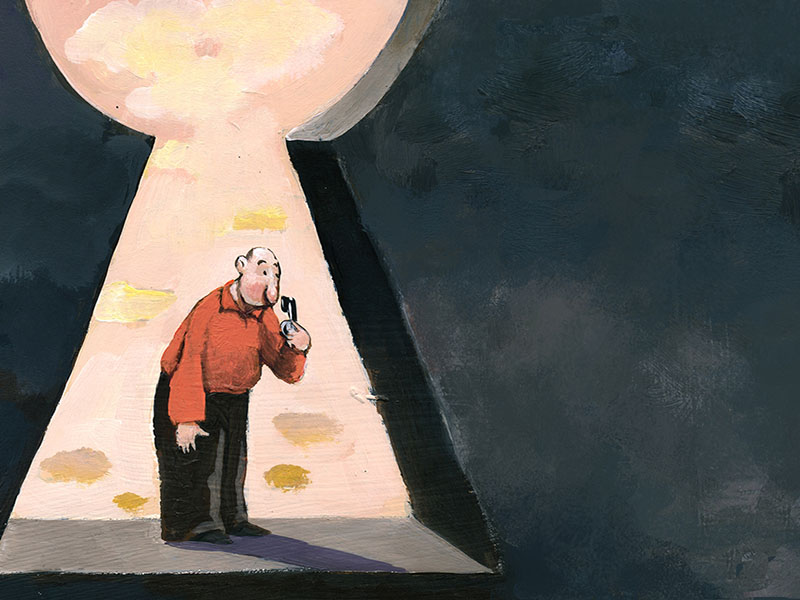
One day Francis went to the office of Wilfred Meynell at the Merry England magazine. At his desk, Mr. Meynell saw the office door open slightly and close, then open and close again. In the doorway, Francis had no shirt beneath his coat, bare feet in his broken shoes, and a soiled and wrinkled manuscript in hand. He was scared. Thankfully for Francis Thompson and for the history of English literature, the impeccably dressed Mr. Meynell looked beyond the surface of Thompson’s broken-down appearance. He read the manuscript with mounting astonishment, helped Francis get into a hospital, and gave him a job. Francis relapsed into addiction several more times between periods of rest and recovery at a monastery in the countryside and bursts of literary productivity, until his death that resulted from the effects of addiction and tuberculosis.

I have personally witnessed dramatic and counter-intuitive ways in which demographics have changed in skilled nursing facilities over the past several years. The general population may be aging, yet the trend nationally has been one of younger adults increasingly being admitted to nursing facilities. A dearth of funding for home-based services, and a lack of available and appropriate residential programs for psychiatric and substance abuse issues are among the factors that contribute to these changes, and those that most directly impact the clinical work I do with these populations.

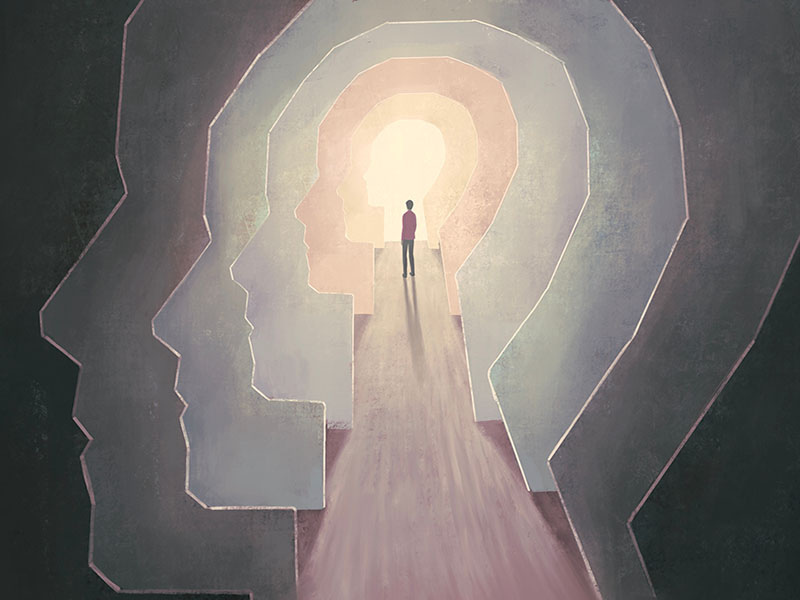
In the nursing facilities where I work, I have encountered relatively young residents with complex medical and psychiatric and substance use disorders. I can attempt to prepare for these doorway encounters, as did Mr. Meynell all those years ago when first meeting Francis Thompson. But as Meynell’s first impression of Thompson was skewed by his streetworn and drug-addled presentation, so, too, might be our own first impression of a younger person whose substance abuse and psychiatric history has taken a toll on their body and mind. Their need to be seen fully as a person is no less than was Thompson’s when he first appeared in Meynell’s doorway. And, like Thompson, each of the residents who present in my clinical doorway is so much more than their respective psychiatric and substance abuse histories.

Every person wants his or her life to turn out well. The person with a substance use problem yearns to be recognized as someone who wants their life to turn out well, and who needs the help of others to rebuild that life. The person we meet might be a creative genius, but that doesn’t matter; they are always an individual human person of infinite value.

Residents I spoke to with a history of addictive illness have offered insightful comments that have guided me in my clinical role at these various nursing facilities.

“Staff make negative assumptions based on a person being homeless and self-medicating,” according to Casey. “It’s hell out on the streets; you get overcome and paranoid sometimes, and you use again,” Rod said. “Don’t tell them ‘Just get off drugs,’ but help them to get a job, a home, and social contacts,” he added. “You know, they once had a job and they were in society once; they need programs to help get back in society.” Casey said that staff should realize that for the newly admitted resident “their body is going through a metamorphosis because they are not drinking or using drugs.”

Trent pointed out that “you’re not relaxed and calm when you come into a nursing facility.” He suggested that too often caregivers have a negative attitude: “You’re busy and irritated, and it makes me irritated and angry.” Trent suggested that “it should be up to the patient if they want to talk about it [addiction].” “Too much pressure and they close up. You feel pressured by people always on your case, and telling you what to do, when you have to figure out what to do; it can be overwhelming, and you can clam up and want to be left alone,” he said.

The individual with a substance use illness will “need a little love; something like a Big Brother program for grown-ups,” said Rod. “Help them get to a place where they can at least have hope,” he said. “It’s going to take love and patience to help them rebuild themselves.” Casey suggested that nursing facilities might offer practical and age-appropriate group activities, and not simply Bingo or crafts. She suggested bringing in persons from the community to offer life skills training on how to budget, how to use the internet, how to interview for a job, how to prepare food, find an apartment, or apply for disability income. “You’ve got to help open doors to encourage people to want to do better: Give someone a reason to get up in the morning; you’re never too old to love to do something new,” she said.

I think we cannot reasonably say, “Let someone else deal with this; I’m not trained or qualified to deal with this kind of problem.” The residents I spoke with pointed out occasional shortcomings of the inpatient addiction treatment programs where they sometimes fruitlessly sought help. Frank was impressed by the practical advice and suggestions he heard during his first alcohol detox admission. He was surprised to hear the same points during his second admission, and then disappointed to find during repeated subsequent admission that “they just talk from the textbook, and they don’t really have something new to say to you.” Frank spoke of a 19-year-old woman who had been through 30 detox admissions—citing the evident insufficiency of the specialized treatment offered. The residents spoke to me about the perceived limited knowledge and understanding of some professionals with specialized credentials for treating persons with addiction. The residents stated that they could encounter negative judgmental attitudes and unhelpful advice as often in specialized in-patient treatment programs as in skilled nursing facilities.

In my own experience working with these residents, I have found it important to encourage fellow clinicians and nurses to acquire additional training and certification, yet not discount the array of skills, knowledge, and personal qualities that they already bring to bear in the service of these residents. Residents with addiction and/or psychiatric disorders tend to have developed acute BS-detectors; they observe us with an X-ray type of vision. The person with an addictive illness has a refined intuitive ability to notice the underlying attitude of the nurse or clinician who encounters them. That capacity typically emerges from the deep emotional wounds of shame that accompany an addiction. The person with the addictive illness feels under a cloud of suspicion and judgment from the first encounter. We should strive to receive that person with a wise and open heart, as well as with a wily awareness of the risks of manipulation that can also be an unfortunate part of the picture. We cannot hide or disguise attitudes of fear or revulsion or judgment from the awareness of the persons we meet and work with.

***

The encounter at the doorway is a two-way process: I encounter my personal attitudes and values and beliefs about illness, addiction, and homelessness as I also meet with a person in need of kindness and patience and practical encouragement. My own genuineness and authenticity and humility have often made the critical difference as I greet the other at the doorway of despair or new opportunity.

Our Masturbation Machines

Our Masturbation Machines

I went to greet Jacob in the waiting room. First impression? Kind.

He was in his early sixties, middleweight, face soft but handsome… aging well enough. He wore the standard-issue Silicon Valley uniform: khakis and a casual button-down shirt. He looked unremarkable. Not like someone with secrets.

As Jacob followed me through the short maze of hallways, I could feel his anxiety like waves rolling off my back. I remembered when I used to get anxious walking patients back to my office. Am I walking too fast? Am I swinging my hips? Does my ass look funny?

It seems so long ago now. I admit I’m a battle-hardened version of my former self, more stoic, possibly more indifferent. Was I a better doctor then, when I knew less and felt more?

We arrived at my office and I shut the door behind him. Gently, I offered him one of two identical, equal-in-height, two-feet-apart, green-cushioned, therapy-sanctioned chairs. He sat. So did I. His eyes took in the room.

My office is ten by fourteen feet, with two windows, a desk with a computer, a sideboard covered with books, and a low table between the chairs. The desk, the sideboard, and the low table are all made of matching reddish-brown wood. The desk is a hand-me-down from my former department chair. It’s cracked down the middle on the inside, where no one else can see it, an apt metaphor for the work I do.

On top of the desk are ten separate piles of paper, perfectly aligned, like an accordion. I am told this gives the appearance of organized efficiency.

The wall décor is a hodgepodge. The requisite diplomas, mostly unframed. Too lazy. A drawing of a cat I found in my neighbor’s garbage, which I took for the frame but kept for the cat. A multicolored tapestry of children playing in and around pagodas, a relic from my time teaching English in China in my twenties. The tapestry has a coffee stain, but it’s only visible if you know what you’re looking for, like a Rorschach.

On display is an assortment of knickknacks, mostly gifts from patients and students. There are books, poems, essays, artwork, postcards, holiday cards, letters, cartoons.

One patient, a gifted artist and musician, gave me a photograph he had taken of the Golden Gate Bridge overlain with his hand-drawn musical notes. He was no longer suicidal when he made it, yet it’s a mournful image, all grays and blacks. Another patient, a beautiful young woman embarrassed by wrinkles that only she saw and no amount of Botox could erase, gave me a clay water pitcher big enough to serve ten.

To the left of my computer, I keep a small print of Albrecht Dürer’s Melencolia 1. In the drawing, Melancholia, personified as a woman, sits in a room surrounded by the neglected tools of industry and time: a protractor, a scale, an hourglass, a hammer. Her starving dog, ribs protruding from his sunken frame, waits patiently and in vain for her to rouse herself.

To the right of my computer, a five-inch clay angel with wings wrought from wire stretches her arms skyward. The word courage is engraved at her feet. She’s a gift from a colleague who was cleaning out her office. A leftover angel. I’ll take it.

I’m grateful for this room of my own. Here, I am suspended out of time, existing in a world of secrets and dreams. But the space is also tinged with sadness and longing. When my patients leave my care, professional boundaries forbid that I contact them.

As real as our relationships are inside my office, they cannot exist outside this space. If I see my patients at the grocery store, I’m hesitant even to say hello lest I declare myself a human being with needs of my own. What, me, eat?

Years ago when I was in my psychiatry residency training, I saw my psychotherapy supervisor outside his office for the first time. He emerged from a shop wearing a trench coat and an Indiana Jones–style fedora. He looked like he’d just stepped off the cover of a J. Peterman catalogue. The experience was jarring.

I’d shared many intimate details of my life with him, and he had counseled me as he would a patient. I had not thought of him as a hat person. To me, it suggested a preoccupation with personal appearance that was at odds with the idealized version I had of him. But most of all, it made me aware of how disconcerting it might be for my own patients to see me outside my office.

I turned to Jacob and began. “What can I help you with?”

Other beginnings I’ve evolved over time include: “Tell me why you’re here,” “What brings you in today,” and even “Start at the beginning, wherever that is for you.”

Jacob looked me over. “I am hoping,” he said in a thick Eastern European accent, “you would be a man.”

I knew then we would be talking about sex.

“Why?” I asked, feigning ignorance.

“Because it might be hard for you, a woman, to hear about my problems.”

“I can assure you I’ve heard almost everything there is to hear.”

“You see,” he stumbled, looking shyly at me, “I have the sex addiction.”

I nodded and settled into my chair. “Go on…”

Every patient is an unopened package, an unread novel, an unexplored land. A patient once described to me how rock-climbing feels: When he’s on the wall, nothing exists but infinite rock face juxtaposed against the finite decision of where next to put each finger and toe. Practicing psychotherapy is not unlike rock climbing. I immerse myself in story, the telling and retelling, and the rest falls away.

I’ve heard many variations on the tales of human suffering, but Jacob’s story shocked me. What disturbed me most was what it implied about the world we live in now, the world we’re leaving to our children.

Jacob started right in with a childhood memory. No preamble. Freud would have been proud.

“I masturbated first time when I was two or three years old,” he said. The memory was vivid for him. I could see it on his face.

“I am on the moon,” he continued, “but it is not really the moon. There is a person there like a God… and I have sexual experience which I don’t recognize…”

I took moon to mean something like the abyss, nowhere and everywhere simultaneously. But what of God? Aren’t we all yearning for something beyond ourselves?

As a young schoolboy, Jacob was a dreamer: buttons out of order, chalk on his hands and sleeves, the first to look out the window during lessons, and the last to leave the classroom for the day. He masturbated regularly by the time he was eight years old. Sometimes alone, sometimes with his best friend. They had not yet learned to be ashamed.

But after his First Communion, he was awakened to the idea of masturbation as a “mortal sin.” From then on, he only masturbated alone, and he visited the Catholic priest of his family’s local church every Friday to confess.

“I masturbate,” he whispered through the latticed opening of the confessional.

“How many times?” asked the priest.

“Every day.”

Pause. “Don’t do it again.”

Jacob stopped talking and looked at me. We shared a small smile of understanding. If such straightforward admonitions solved the problem, I would be out of a job.

Jacob the boy was determined to obey, to be “good,” and so he clenched his fists and didn’t touch himself there. But his resolve only ever lasted two or three days.

“That,” he said, “was the beginning of my double life.”

The term double life is as familiar to me as ST segment elevation is to the cardiologist, Stage IV is to the oncologist, and Hemoglobin A1C is to the endocrinologist. It refers to the addicted person’s secret engagement with drugs, alcohol, or other compulsive behaviors, hidden from view, even in some cases from their own.

Throughout his teens, Jacob returned from school, went to the attic, and masturbated to a drawing of the Greek goddess Aphrodite he had copied from a textbook and hidden between the wooden floorboards. He would later look on this period of his life as a time of innocence.

At eighteen he moved to live with his older sister in the city to study physics and engineering at the university there. His sister was gone much of the day working, and for the first time in his life, he was alone for long stretches. He was lonely.

“So I decided to make a machine…”

“A machine?” I asked, sitting up a little straighter.

“A masturbation machine.”

I hesitated. “I see. How did it work?”

Not unlike Jacob, we are at risk of titillating ourselves to death.

Seventy percent of world global deaths are attributable to modifiable behavioral risk factors like smoking, physical inactivity, and diet. The leading global risks for mortality are high blood pressure (13 percent), tobacco use (9 percent), high blood sugar (6 percent), physical inactivity (6 percent), and obesity (5 percent). In 2013, an estimated 2.1 billion adults were overweight, compared with 857 million in 1980. There are now more people worldwide, except in parts of sub-Saharan Africa and Asia, who are obese than who are underweight.

Rates of addiction are rising the world over. The disease burden attributed to alcohol and illicit drug addiction is 1.5 percent globally, and more than 5 percent in the United States. These data exclude tobacco consumption. Drug of choice varies by country. The US is dominated by illicit drugs, Russia and Eastern Europe by alcohol addiction.

Global deaths from addiction have risen in all age groups between 1990 and 2017, with more than half the deaths occurring in people younger than fifty years of age.

The poor and undereducated, especially those living in rich nations, are most susceptible to the problem of compulsive overconsumption. They have easy access to high-reward, high-potency, high-novelty drugs at the same time that they lack access to meaningful work, safe housing, quality education, affordable health care, and race and class equality before the law. This creates a dangerous nexus of addiction risk.

Princeton economists Anne Case and Angus Deaton have shown that middle-aged white Americans without a college degree are dying younger than their parents, grandparents, and great-grandparents. The top three leading causes of death in this group are drug overdoses, alcohol-related liver disease, and suicides. Case and Deaton have aptly called this phenomenon “deaths of despair.”

Our compulsive overconsumption risks not just our demise and death but also that of our planet.

The world’s natural resources are rapidly diminishing. Economists estimate that in 2040 the world’s natural capital (lands, forests, fisheries, fuels) will be 21 percent less in high-income countries and 17 percent less in poorer countries than today. Meanwhile, carbon emissions will grow by 7 percent in high-income countries and 44 percent in the rest of the world.

We are devouring ourselves.

***

From Dopamine Nation: Finding Balance in the Age of Consumption by Anna Lembke M.D., published by Dutton, an imprint of Penguin Publishing Group, a division of Penguin Random House, LLC. 

Making Clichés Work in Therapy

My work with Nathaniel was focused on the growing intensity of his depression. Things were going badly at work, his intimate relationship was not providing him joy, and he felt increasingly lethargic and unmotivated. His affect was flat and his voice emotionless as he assessed his life through the lens of this depression. I reflected these feelings back to him, showing him the picture he had just painted. Nathaniel seemed to take it in and as we sat with it for a bit and expressed hope that one day he’d get over the sadness. I assured him he would but acknowledged the frustration that comes with not knowing when a bout of depression will end or what can be done to make it end. Nathaniel sighed and said, “I guess the sun'll come out tomorrow.” He groaned and slumped down further down in his seat, as if that phrase had just added rather than reduced the weight of his sadness.

Like what you are reading? For more stimulating stories, thought-provoking articles and new video announcements, sign up for our monthly newsletter.

Phillipa had goals. Our main topic of discussion was dissatisfaction with her career. She was, however, in the process of taking steps to change this. She was exploring other areas of professional interest and talking to people in those fields, preparing both logistically and emotionally to engage in the kind of change she had expressed a desire to experience. After a few sessions in which she felt hopeful and inspired based on positive feedback from friends and family, Phillipa was riding high, until our most recent session, that is, when she learned that the career she most wanted to pursue required an advanced degree that she felt she was not in a position to pursue. Phillipa shook her head forlornly as she verbalized her frustrations, saying, “It just feels like it’s always two steps forward, one step back.”

Ravena craved a committed romantic relationship. We had identified her pattern regarding the development of these types of relationships, and her frustration that they did not end up in the place that she wanted. There was a cycle of intense attraction at first, with both emotional and physical connection, but these enjoyable beginnings always devolved into conflict, with Ravena experiencing difficulty understanding her instincts regarding boundaries and intimacy, and frustration that her instincts seemed to run counter to what she wanted. Ravena became more open to exploring her family of origin and the type of relationship modeling her parents provided, and our work became more about identifying how the best way to work towards positive relationships in the present was to examine the lessons imprinted on her from the past. “I guess I just have to learn to love myself before I can love someone else,” said Ravena, as she rubbed her temples and laughed bitterly in a physical manifestation of the frustration she was feeling inside.

***

These examples of work with clients are both specific to my experience as a therapist and universal to what it means to be human. The vignettes all demonstrate how, when assessing their progress and desires in therapy, clients often come to a point where they express their feelings and insights through cliché, and how the use of that cliché usually has a negative connotation. Why is this? Why does something as simple and universal as a cliché seem to leave such a bad taste in the mouths of these clients?

A cliché is an overused phrase or opinion that can often mimic an original thought or even epiphany. We call something a cliché when we’ve heard it a million times, so often that any meaning it once had has been eclipsed by our collective shrug when we hear it again. We sometimes experience negative thoughts about ourselves when we use these clichés because it implies we are lacking in original thought. And for some reason, to be lacking in original thought is a bad thing. We should suffer in original ways!

In addition, the fact that we are in therapy can color our response to clichés. When our clients are out in the world interacting with friends and family, they might find themselves using a phrase like “It’s always darkest before the dawn” or the classic “It is what it is” and feel okay about it. Or, more specifically, they don’t feel bad about it. The use of a cliché in these situations seems to pass by without much consideration, with no bad emotional taste being left in the cliché user’s mouth. However, in session our clients are at their most vulnerable, and often come in already feeling depressed or anxious or unsettled, and this baseline combined with the triteness of a cliché can make them feel worse. It’s a common reaction, and a wonderful opportunity to explore what these particular clichés mean and why our clients react the way they do, both in terms of what the clichés mean in general and what they mean to them.

Nathaniel seemed more depressed when he said that the sun will come out tomorrow. It seemed that in trying to make himself feel better, he had actually created more material to be depressed about. I mentioned Nathaniel’s mood and his reaction to the cliché, which he immediately responded to, almost eager to talk about how using this particular cliché made him somehow feel worse, even though the intended outcome was the opposite. I spoke a little about the meaning of clichés, how they come into existence, trying to work backwards from their origin to their original intent. We imagined the first person to use this phrase long ago, perhaps to cheer up a sad friend, and how that friend might have reacted. Nathaniel admitted that yes, this long-ago friend must certainly have been cheered up by this realization that the sun will come out the next day. We took turns interpreting what “the sun will come out tomorrow” actually means, both in terms of life in general and Nathaniel’s specific situation. By the end of the conversation, Nathaniel was sitting up in his chair, was more engaged, and spoke with more passion in his voice. I noted this, and Nathaniel admitted that he felt better. Talking more about clichés and how we react to them helped in this case. Our cliché journey had come full circle, from inspirational to trite and back to inspirational again.

Phillipa became frustrated at the first sign of resistance. After weeks of positive feedback and relative success, she would shut down at the first sign of trouble. She took plenty of steps forward, but those one-step-backs were devastating. We examined more closely the cliché about taking two steps forward and one step back, how this fit into a pattern for her like a dance step. When do we usually talk about things in terms of two steps forward, one step back? It’s usually when we have a goal and that goal feels like it’s far off in the distance, and we are slowly getting closer to it but we’re not moving fast enough to get over the frustration of not being there yet. I assured Phillipa that experiencing this cycle could just as easily be construed as a good thing. Two steps forward minus one step back equals a net gain of one step! For Phillipa, the frustration of not reaching the goal was eclipsing the very real process she was making. Our work together became about reframing the cliché as actually taking one step back from a kind of failure into a healthy break on the path of overall progress, as a necessary step in the dance of personal growth. Examining this cliché helped us realize together that the one step back is just as important as the two steps forward, and in the process we normalized that one backward step.

Ravena was so concerned with finding a partner that she had never pictured herself being alone. Just the idea of talking about what it would be like to live life by herself without a partner made her uncomfortable. The cliché about loving oneself became an opportunity to explore the fear that came up when we discussed the idea of being alone. This led to some significant insight into the nature of Ravena’s intimacy issues when relationships started to become serious, and after some time working on these issues, she noted that it was nice to focus only on her and the things under her control rather than on a relationship. In later sessions when Ravena had reflected on some understanding about why she reacted to some issue in “the old way” and recognized how she could change it, I noted that it seemed like she was really learning to love herself. This time the cliché was met with a smile and a knowing laugh.

***

Something about talk therapy I particularly enjoy is when the client and I identify a simple thought, perhaps one that is a part of the very foundation of how we see ourselves, and we turn this thought on its head. We examine it from a different perspective. We ask if this thought is still valid. When this occurs, things clients assumed they already knew transformed into opportunities for self-exploration and growth. I also react similarly when a client uses a cliché in a sad, pessimistic way. We take that seeming truth, turn it on its head, and ask, “Why does this cliché that purports to make us happier make us feel just the opposite? Let’s discuss.” This often results in clients begrudgingly admitting that yes, these clichés do have value, and sure, “maybe I should feel better than I do about using this cliché, and perhaps maybe even feel better about my life in general.” These cliché-dependent clients often benefit from the realization that they don’t have to feel bad about engaging in a cliché or have to necessarily feel better just because they happened upon on in a moment of seeming clarity. Sure, it’s trite, but let’s own that. It’s okay to feel trite. Better trite than depressed! Let’s give ourselves permission to not be original. I like to tell my clients that if they find themselves using clichés more often, it’s not something to sulk about, it’s a good thing. It means they can and often do actually see the light at the end of the tunnel and smell the greener grass on the other side of the street. Using and then mining the clichés can be and often are a sign that they are on the right path!

The Rest of the Story: Digging Beneath the Diagnosis

I remember sitting across from my client, wondering why we couldn’t make any progress with his depression. We had covered the terrain of cognitive distortions, the necessity of making behavioral changes, and even stepped outside the CBT stream in order to address insights he had experienced into the relationship between his childhood and current state of unmotivated listlessness. Nothing seemed to work.

Like what you are reading? For more stimulating stories, thought-provoking articles and new video announcements, sign up for our monthly newsletter.

He didn’t have the kind of sad, angry, irritable depression that practitioners commonly see in clients. His was the kind of depression that stripped him entirely of his energy. For him, it was a daily struggle to get out of bed in the morning, to make his own meals, to take out the garbage, or even to take on the seemingly insurmountable task of doing the laundry. But, I thought, or hoped, that with enough time, support, and psychoeducation, he might begin to budge in the right direction—in any direction. So I put my nose to the grindstone and retreaded familiar ground, covering cognitive distortions once again, revisiting the treatment plan, formulating habit-building strategies, and enlisting social support.

Our clinical stagnation seemed to give way during one session when we began discussing the clients’ interests. He shared that he was a huge sports fan. He religiously checked game stats, participated in online discussion forums, watched basketball, football, and soccer games. He devoutly followed his favorite teams and knew everything about his favorite players and coaches. It was really fascinating to observe the life flood back into my client when talking about this. Following my curiosity, I asked him to estimate how many hours of sports media he was consuming on a daily basis. He guessed that he was consuming upwards of 14 to 15 hours of sports media a day, every day. My jaw hit the floor.

It became apparent to me that my client was not suffering from depression, although his presentation was consistent with MDD, but was in fact addicted to media. So addicted that he had no time, attention, or energy for anything else. And since sports media is so pervasive and readily available in every platform and media outlet imaginable, my client’s addiction was readily fed, monetized, and maximized to the fullest extent. The problem was only worsened by a very forgiving, if not too forgiving, roommate. My client wasn’t working, nor pulling his weight regarding household responsibilities around his apartment. He couldn’t even recall the last time he took out the garbage. I asked if his roommate ever got upset; he said sometimes, but mostly he just ignored it or covered for him (like doing his chores for him and not pressing him on missing rent). That is one forgiving roommate, right?! Sadly, it was also a very enabling roommate. The roommate’s lax standards and minimum expectations were like gasoline to my client’s media addiction fire.

After exploring and reflecting on this new data set, we had a candid conversation—my client was coming to counseling because he wanted something in his life to change. He knew he needed to change. He wasn’t satisfied with the way things were going. Yes, he loved sports and couldn’t get enough of the latest sports news, but at the end of the day, he wasn’t satisfied. He had bigger goals for his life and felt like he was letting himself down by not getting a job, not pursuing his ambitions, and not contributing to the apartment. I put it to him rather bluntly that there wasn’t space in his life for his goals and that his sports media was a form of addiction; one or the other would have to go. He acknowledged that I was right but expressed fear of going “cold turkey” on sports media. So we devised an experiment: if he titrated his consumption of sports-related media down to something more manageable, he would feel more energy and motivation throughout his day? The thought of having more energy to accomplish his goals without the total loss of sports seemed to intrigue him. He committed to running the experiment and would report back his findings next session.

In my career, I haven’t had many spontaneous recoveries, but this, I am pleased and proud to say, was one of them. Something about the experiment clicked for him, and he realized that there was more to life than his media consumption addiction. His dissatisfaction with not making progress on life goals paired with lessened consumption of sport media carved out enough energy and motivation for him to make progress on smaller, more manageable alternate goals, leading to increased self-efficacy. He ran with the motivation boost and parlayed his newfound enthusiasm to accomplish bigger and bigger goals. Even getting outside to retrieve the mail felt good to him. Within a matter of weeks, he was doing household chores, grocery shopping and preparing his own meals, submitting job applications, and reconnecting with friends. I knew our therapeutic relationship was near its end when he got a job and joined a gym. He was feeling good and didn’t see the need for him any longer, for which I was grateful.

***

This clinical experience was an eye-opener for me. It was helpful to step outside the confines of my favored, tried-and-true therapeutic modality and the client’s presumptive diagnosis in order to consider contextual factors that often get ignored. This was the “rest of the story,” as broadcaster and commentator Paul Harvey so famously said, when digging just a bit deeper into the context beneath the headline, or in my case, the context beneath my client’s ostensible depression.

I now make it a regular practice to broach the topics of diet and nutrition, media consumption, social connectedness, feelings about current events, and finances, to name a few. In my better moments, I take time to consider what isn’t manifestly evident in my client’s clinical presentation that may be critical to address in counseling. What have I not thought of or asked about may make the difference for my client. What is going on in their life that they haven’t thought to mention, but may hold the key to their motivation, growth and healing?

Acknowledging the Impact of Cancel Culture on Therapy

As therapists we are taught to shy away from making assumptions, and to do the hard work of bringing to light our patients’ inner thoughts and feelings. Unfortunately, the current social climate has cast a chill on posing such questions. Cancel culture is making its way into therapy sessions, to the detriment of all involved. The antidote to cancel culture is trust, not agreement.

Like what you are reading? For more stimulating stories, thought-provoking articles and new video announcements, sign up for our monthly newsletter.

Cancel culture is a term that is widely used and not always well understood. It is an attempt to ostracize a person or group for behavior or values that another person or group deems to be offensive. It can manifest as shaming on social media or an attempt to have a person fired from a job. To be canceled is to be persona non grata. The problem, of course, is that what is offensive to one person may not be offensive to another person.

Assumptions abound in this current climate, assumptions that can feel like the third rail in therapy and come from both ends of the political spectrum. Living with litmus tests and fear cannot be good for either the therapist or the patient. Working from assumptions, patients may think they know how I vote, how I feel about book banning or the pronoun “they,” but failure to actually explore these issues can lead to misunderstandings. Every patient I saw the day after Donald Trump was elected sat in my waiting room crying. They felt safe, assuming everyone had a similar response to the outcome. In fact, I know I have some patients who voted for Trump and who hold many conservative beliefs.

Increasingly, I find myself in a delicate dance with patients about what is acceptable to say or to ask. Early on in treatment, patients will often curse and then quickly apologize. I assure them that it’s fine with me if they use profane language, and I use it, too, if I sense it is not offensive to the patient. If patients use language that I find offensive, I may challenge them to examine this choice. It can be as simple as referring to grown women as girls or something more dramatic, such as slurs that evoke harmful stereotypes.

Not surprisingly, when patients are speaking freely, they may voice many beliefs which I don’t share. Keeping the focus on the clinical material is critical, but it cannot be divorced from the current culture. I am thinking of one patient in particular who was very angry with his employer, a white woman like myself. As a white man, he felt discriminated against and resented the perceived preferential treatment others were receiving at his company. He accused me of not being able to understand his outrage because as a woman, I must have benefited from similar inclusive policies. Working to maintain respect for one another and keep the focus on his treatment rather than debating the issues of the day was a true challenge for me. There were times that I worried his unbridled anger might be turned against me and hurt my professional reputation.

Agreement is never the goal of therapy, and yet not agreeing with people now feels much riskier. In particular, the discomfort that comes from disagreement extends to fear when there is a true risk that holding a different stance can lead to being “canceled.” For therapists it may come not merely in dropping out of treatment but in the form of bad reviews on social media or complaints raised with therapists’ employers, or, most dramatically, as a threat of malpractice.

The nuanced, complex work of a therapy relationship naturally has ups and downs over time. Having patients leave a session unhappy, or even angry, might be a consequence of treatment, but not necessarily a sign of bad therapy. But if the therapist or patient is biting her tongue in fear of retribution of some kind, it can impede doing our best work. In a related format, we have seen the unfortunate impact of this dynamic in academia, where untenured faculty, consciously or not, give higher grades to students in hopes of getting better course evaluations and saving their jobs.

To mitigate the impact of cancel culture on therapy, I suggest naming it as a real issue early on in the treatment. It may come up because of a patient’s worry about something in their life, such as speaking out within a friend group, or because of how they vet the therapist on certain issues. If either the clinician or the patient find themselves holding back from speaking openly, this needs to be aired out. Certainly, a neutral stance is not always warranted, and true violations of others’ rights deserve some form of consequence. But for that to happen productively, it is best if it can be an in-person conversation without veiled threats.

In the case mentioned above, I set very clear boundaries around the difference between blowing off steam and making personal attacks. I supported my patient’s need to vent his anger and listened carefully to the root of his hurt feelings. At the same time, there were professional boundaries that needed to be respected if we were to continue to work together. I presented this not as a threat, but as a teachable moment. If I couldn’t feel safe in the room, I couldn’t help him.

To reiterate, the antidote to cancel culture is trust. By establishing trust in the therapy relationship, or any relationship for that matter, the opportunity for understanding improves. People are more willing to listen when they feel heard. Opinions may not change, and feelings may still get hurt, but if the relationship has established enough trust, then we can learn from each other and deepen our connections rather than sever them.

Working Therapeutically with Generational Conflict

Conflict between generations in a family is normal and even within bounds, healthy. But strife between loved ones can be painful and distressing, damaging not only some of our most important relationships, but also the self-esteem and sense of well-being of everyone involved. When it occurs between adult clients and their older parents, therapists and clients are sometimes in danger of simply repeating old stories about how the parents failed, disappointed, or abused their children. But it can sometimes be far more therapeutic to use this time to re-evaluate this thinking from a new perspective.

My own non-scientific data gathering from clients, supervisees, students, and colleagues meshes with the results reported in a 2020 article entitled “The Psychology of Family Dynamics Amid the COVID-19 Pandemic” in the Chicago School of Professional Psychology’s Insight magazine. There, the author notes that COVID’s global outbreak, with its accompanying lockdowns, significantly, and often adversely, impacted family relations. Political differences and social anxiety are also impacting families, such that intrafamily responses to COVID and to politics are widening gaps between generations in families all over the world. So much so that there has been a call to expand public health services to address the intergenerational issues with which families increasingly struggle. This was highlighted in a 2020 article entitled “We’re in This Together: Intergenerational Health Policies as an Emerging Public Health Necessity” in Frontiers in Human Dynamics.

A Family in Crisis

Julie* is a married teacher in her late fifties. Her parents are in their eighties. I had worked with Julie when she was much younger to help her deal with a mix of depression and anxiety that she had been struggling with since graduating from college. During our work, her symptoms had improved, she had met the man whom she later married, and she made several important career moves. She came back into therapy for help with some issues related to her teenage son, but before too long, it became clear that she also needed help dealing with her aging parents.

“My dad was a great athlete,” Julie told me. “I learned to respect and care for my own body from him. Mom wasn’t much for exercise, but she was always working in the garden and taking walks. And she cooked healthy meals for us throughout my childhood. But now, Dad just sits in a chair and watches TV all day and orders my mom around. And although she still cooks, it’s mainly mac and cheese, brownies and ice cream—stuff she knows he’ll eat. They’re both overweight now, they both have heart disease, and I can’t see this going anywhere but downhill.”

Julie had tried bringing her concerns to her parents, but each time she did, they both got mad at her. Her dad told her that he was an old man, that he knew he was going to die one of these days, and he was “goddammned going to do what he wanted to do for the first time in his life.” Her mother said Julie should leave him alone—she didn’t want him to get upset and have a heart attack. As was true for many families, Julie’s struggles with her parents escalated during COVID.

“They had a hard time self-isolating during the pandemic,” Julie told me. “Now they’re vaccinated, but I’m afraid they’re not being safe. I’m frightened for them. I kept telling them that if they got sick, what were we going to do? I couldn’t take care of them, because I’d worry about infecting my kids, because we didn’t have a vaccine for teens yet. I was frustrated and angry with them. As usual, they weren’t thinking about anyone but themselves. I kept wanting to shout, ‘What about me? Don’t I count? Don’t I matter to you?’”

A fair amount of our earlier work together had centered around Julie’s childhood relationship with her parents. Initially, she spoke of her parents’ marriage as ideal. “I had a wonderful childhood,” she told me. “So whatever difficulties I’m having now don’t stem from problems growing up.”

She described her father as “bigger than life, a big man, physically, but he was also beloved at work and in the community. When he retired from his job, people giving tributes cried as they talked about how important he was to them personally, how he had helped them move forward in their careers, how he had always been there when they messed up and helped them figure out how to correct a mistake and use it for their own growth, and sometimes for the company’s, too.” After his retirement, he volunteered to coach local football and soccer teams. When she came back to therapy, she still saw him as a special person, telling me that “the kids he coached and their parents all adored him. He played pick-up basketball in the gym with much younger guys up until the minute they shut the gym down because of COVID. He had a weekly coffee klatch with some buddies. He was a busy, active man.”

But Julie’s image of her father changed over the course of our earlier work together. One of the areas that we opened up in that work was her anger at both of her parents. As she told me during that time, “My mom was too docile for him. He was so big, so loud, so stubborn, he needed someone to push back at him. I felt protective of her, and mad at him, so I would stand up to him. We had some pretty big fights. My mom was always trying to get me to back off, leave him alone.”

We could say that much of the work of therapy is, in some ways, about helping clients tell us their life stories, and then helping them understand how their life stories impact who they are, how they live their current lives, and what they struggle with. Most of us have what Esther Perel has called our “go-to-stories,” that is, a story that explains something about us that we go back to over and over again. These stories, which can be as simple as “I was always a go-getter,” or as complex as “I was neglected by my parents my entire life,” can motivate us, give us hope, or leave us feeling helpless and hopeless. In therapy, as Roy Schafer wrote many years ago, we help clients learn how they construct their personal version of their own history, and then we help them start to reconstruct it.

Julie’s go-to-story of a perfect family and a bigger than life dad shifted over the course of her therapy to a more realistic version that she had kept out of her conscious awareness. But unfortunately, as happens perhaps more often than we like to acknowledge, therapy gave her a new go-to-story in which her parents had failed her. Julie’s story about herself changed significantly, so that she was able to move forward as a young adult with a greater sense of agency and self-confidence. She was also able to tap into her anger with less guilt and anxiety. But now that she and her parents were all older, that story was ready to go through another reconstruction.

Rewriting “Go-To” Stories

In the early days of therapy in particular, clients want sympathy for their feelings and their point of view much more than they want to think about what anyone else might be thinking or feeling. But years ago, as I gathered information for my book Daydreaming, I discovered that the stories people were telling me through their daydreams were ways of reflecting on themselves and on other people. Today I see those stories as a form of what Fonagy and other attachment theorists call “mentalizing.” Mentalizing is a process in which a client works to put into words what they imagine another person might be feeling. Children, even adult children, often have difficulty separating their own needs and feelings from what we imagine our parents are thinking and feeling, which can make it difficult to mentalize.

When clients bring in conflicts, I ask them to tell me as much as they can about their ideas about themselves and about other people, including their parents. Following Harry Stack Sullivan’s idea that important truths reside in tiny details, I ask for all of the smallest details they can tell me. At one point, Julie was talking about her teenage daughter’s fights with her dad. I asked her to tell me about one of their arguments. After going into it in great detail, she said, “It’s kind of funny. I’m watching my daughter and my husband struggle to come to grips with the fact that she no longer sees him as having all the answers. I can’t tell who’s suffering more—my husband, who has fallen off of a very high pedestal, or my daughter, who doesn’t know how to think about him as just a person.”

She was silent for a little while, and then she said, “She’s lucky, although she doesn’t know it. My husband is sad, and he’s hurt, but he’s also just proud of her for standing up for herself. I never thought about it this way before, but I wonder if some of that is what went on with my dad. He didn’t have the psychological understanding to talk about any of this, but I did get the feeling that he was proud of me for standing up to him. He’s always made comments about my being more like him than like my mother, but until just now I never thought of that as pride.”

The realization that some of their old conflicts could be seen from a different perspective led Julie to rethink some of her current struggles with her parents. “My dad has always been so strong, so vital. It must be horrible for both of them to see him feeling helpless…and hopeless. No wonder they’re doing stuff they shouldn’t be doing. No wonder they’re eating stuff they shouldn’t be eating. It’s their attempt to get themselves out of this difficult place—and maybe not just the one we’ve all been in during the pandemic. Maybe it’s also about getting older. They would never be able to talk about it, at least not to me. But maybe they’re a little scared about the future. Do they worry about being dependent? Do they hate thinking that my siblings and I will need to take care of them?”

In his classic paper “The Waning of the Oedipus Complex,” Hans Loewald wrote about the difficulty of this change for both parent and child, both of whom lose something as their mutual adoration dissipates in the face of separation and individuation. But, he says, something important is gained by both participants, who can become connected in a different way because of the changes they also mourn. This balance is a fragile one, Loewald tells us, and needs to constantly be negotiated and renegotiated. Therapists can help by encouraging clients to revisit old “go-to-stories” to see if they still hold true, or if they might be revised in any ways based on a client’s changing perspectives on his or her own life.

One day after Julie had begun to consider the struggles with her parents from this new point of view, she said, “I started to think about the fact that they’re in their eighties, they had been expecting life to unfold in a certain way, and suddenly it took a different turn. What were they supposed to do with that, I asked myself? What would I have done in their shoes? And suddenly I realized that they had handled these difficult times really well! Better than some of my friends, even. They’re still together, still talking to each other—more than that, they seem to really love and enjoy one another. That’s pretty amazing all by itself.”

***

Both relationships and identity are, according to the psychoanalyst Stephen Mitchell, an ongoing and ever-changing process. Therapists can help with this process by opening up space for clients to tell their story, and then for them to retell it and revise it as time goes on and they develop into new versions or new variations of themselves. During these shifts, parents, children, friends, and other important people in a client’s life also change; and part of the healing work involves learning and forgetting and learning again that all of us are, as Sullivan once put it, “far more human than otherwise.”

“Insta” Therapy on Social Media: Caveat Emptor

A client whom I had been seeing in couples therapy recently contacted me with an urgent question. She anxiously asked, “Could my husband be cheating?” Catching her breath for the briefest of moments, she explained that she follows various “other” therapists on TikTok and Instagram, so she sent me an email with videos she had viewed from one of their sites. The video was quite concerning to me because the “therapist” did not provide any citations for the material she used and made authoritative, expert-sounding statements about which types of people engage in infidelity. This particular therapist went on, without clear context, to intertwine various concepts from different popular theoretical models. These concepts, which included attachment styles, triangulation, the unconscious, and enmeshment, were drawn from the corresponding theoretical models of Emotionally Focused Therapy, Bowenian Family Systems Theory, Psychoanalytic Theory, and Structural Family Therapy. The resulting statements describing the “typical” unfaithful partner were a discordant patchwork quilt, which from a distance seemed to be an integrated whole, or the blanket prediction a fortune teller might offer—something like “there will be change in your life,” or “you are seeking answers to important questions.” This particular experience, along with other recent similar ones with other clients who have asked follow-up questions about information that they obtained from therapists they follow on social media platforms, has prompted reflection upon some questions related to how social media is the “new self help.” These include:

  • How are our clients to evaluate the credentials of therapists, life coaches, trainees, and even graduate students who post on these social media forums? And, relatedly, what is our ethical/professional obligation (or not) to “educate” our clients in doing so?
  • How can our clients verify whether the content they are reading, and perhaps integrating into their lives, is accurate? And relatedly, what is our role and obligation to help them in doing so, especially if what they are reading is at cross-purposes to the clinical work we are doing with them?
  • What are the clinical implications of having an uninvited co-therapist on our treatment team?
  • When might it be our ethical/legal obligation to report one of these “well-intentioned” clinicians who want to democratize the therapeutic process?
  • How can we explore the influence of these other voices on our clients’ experiences and perceptions? And relatedly, should we? Must we?
  • What is the legal responsibility and ethical obligation of therapists who have followers on these platforms if a person who is not their client follows their “advice” and has an adverse outcome? I have not seen disclaimers on most sites that these sound bites are not a substitute for therapeutic services.
Despite the above concerns, I do believe that there are certain benefits to therapists offering online information and general guidance to their audience, although disclaimers, risks and benefits, and the sources of this information and guidance are important to include. Additionally and once vetted, therapists can offer these sites, their information and videos as they might utilize bibliotherapy or cinematherapy. But in the final analysis, we should both practice and teach our clients the therapeutic version of caveat emptor.

How to Survive Pandemic Pandemonium in Nursing Facilities

“We were left too alone at times, in these incubators of COVID at the nursing home, and we experienced true fear, and that fear is still present for me.”
 

“I’ve learned that if you allow yourself to go arm in arm with someone else, you can really accomplish something.”
 

The COVID-19 pandemic has had a tremendously disruptive impact on multiple aspects of personal life and on society across the United States. Yet the impacts in hospitals and in nursing facilities have been especially catastrophic, with shocking numbers of deaths, and severe effects on care providers.

Like what you are reading? For more stimulating stories, thought-provoking articles and new video announcements, sign up for our monthly newsletter.

Nursing facilities continue to experience dramatic changes because of the pandemic. As a psychotherapist providing treatment in these facilities, I lost many therapy clients to coronavirus, as 20 residents died in this facility, 30 in that, and 36 in another facility, for example.

In the spring of 2020, during the early stages of the pandemic and as the level of risk rose, my employer placed us on a temporary furlough. Many workers at the facilities, though, had to persevere in the face of cascading catastrophes. I felt so relieved to be home and to feel safe, yet I felt guilty to not be in the facilities when the need was greatest. I recall the anxiety I felt upon returning to the devastated facilities as I dressed in surgical gown, mask, face shield, and gloves before entering the buildings—something I’d never done before.

Plastic sheeting covered the entrances into some of the units, and at one facility the doors of residents’ rooms were covered with plastic sheeting with a zipper in the middle. A 55-year-old man with schizophrenia unzipped the plastic as I approached and handed out two dollars, asking if I’d get him a soda from the vending machine in the staff lunchroom.

A 51-year-old female resident had recovered from COVID infection and was aware of many fellow residents having died, yet she asked me if I really thought it (COVID) was real—she was strongly influenced by ill-informed and insincere information she’d gathered on TV and on social media, despite her direct experience. Such fearful spellcasting continues unabated, and I, along with my fellow workers have had to rely on critical thinking skills to help dispel, or de-spell, malign messaging wherever it appears.

As a mental health professional, I know that isolation can be kryptonite for persons experiencing mental health issues, and yet, to protect vulnerable persons from imminent danger, we needed to subject them to unprecedented degrees of isolation—weeks at a time closed in their room, months with no dining room, no group activities, and no family visits.

There was an early rise in mental health and behavioral symptoms in these facilities, and then an unexpected phase of collective self-suppression—passivity and apathy—as an apparent mode of coping. I was puzzled as one resident after the next stated that they were “okay” when they were immersed in this unusually unpleasant and lonely and anxious time. Were they okay or collectively experiencing a blunting of affect as an element of PTSD, or a type of useful detachment linked with dissociation?

It is still too soon to measure or appreciate the scale of the impact, as facilities continue to experience occasional positive tests for staff or residents. Many facilities have achieved a semi-normal state of daily activity, yet staffing has been decimated, and the need for new staff persons too often goes unfilled. Many TV and print news reports have described the negative impact of the pandemic on hospital staffing, yet few have examined the erosion of staffing at nursing facilities.

In some nursing facilities in Massachusetts, we have National Guard men and women in uniform performing non-clinical tasks: helping in the kitchen, folding laundry, and mopping floors, among others. It is wonderful that the Governor of the Commonwealth of Massachusetts has provided this support, yet it is shocking to see their presence and to know how much they are needed. Some facilities are leaning heavily on the National Guard’s men and women, and on expensive and budget-busting agency staffers. From where will the much-needed workers be found when the National Guard departs?

I admire the valiant, and exhausted, workers—the nurses, aides, directors of nursing, administrators, social workers, housekeeping, maintenance, laundry, food service, and floor care workers grinding on daily through risk and hardships. Call them heroes and they’d shake their head and roll their eyes—dead tired and just trying to get on with it, they’d say, instead.

It’s a challenge for my employer to hire enough clinicians to cover the needs for behavioral health service at the nursing facilities. Some clinicians seem to shy away from nursing facilities, and too many psychotherapists have migrated to telehealth jobs. We are still awaiting the phoenix phase of the pandemic, the rebirth of a personal and a shared sense of mission, as individuals recover from severe and sustained burnout.

For this article, I asked two questions of several residents and staff persons at different nursing facilities. Their responses vividly illustrate the range of poignant human reactions.

What has it been like to live through this period of pandemic in the nursing facility?

Resident: “It was a life changing situation. I’ve had to learn to survive—through all my mental issues; it’s been difficult.”

Resident: “It’s been frustrating, because of the repeated COVID testing.”

Director of Nursing: “It has been awful, stressful, and heartbreaking. But it was impressive to see, in the early stages, how all the people in the building came together to take care of the residents. I still feel like I haven’t coped with it, like I have post-traumatic stress disorder. I’m getting better, but I’m not yet coping as well as I want to.”

Director of Social Work: “It has been very traumatizing, actually, with so many residents passing away and being urgently sent out to the hospital in those early days of the pandemic. We had residents getting sick so quickly, and ambulance and fire people who wouldn’t go up to their rooms to get them—we had to rush sick residents down to the lobby in the elevator to get them out.”

Social Worker: “There’s been a heaviness about it, with unending changes and a sense of not-knowing every day, and a lot of fear. But also a lot of people who have stepped up with great compassion. We were left too alone at times, in these incubators of COVID at the nursing home, and we experienced true fear, and that fear is still present for me.”

Director of Nursing: “It has been extremely difficult for me, emotionally and professionally.”

Resident: “It has been a mixed experience. On one hand, I received good care from the aides—at least in the early stages, and when I was sick with COVID, and I got good physical therapy, and that got me walking again. I also got a little insensitivity, at times, because the workers needed to take care of their needs rather than mine, or so it seemed.”

Social Worker: “It has been sad, and challenging. We lost so many residents. Two years ago today, I came down with COVID. When everyone was in isolation we used Facetime, and we took photos of residents and posted them online, and the families were very grateful. But many of those pictures turned out to be the last ones of their family members. It is still very traumatic for me [said with a quavering voice and streaming tears].”

Administrator: “It has been extremely challenging and emotional. I’ll never forget family members visiting their loved ones—separated by glass windows, talking on the phone, and crying. It has been life changing, and points out things we often take for granted.”

What lessons have you learned from coping with the pandemic?

Resident: “To be kind, to ask for help, to reach out to other people, to accept my circumstances for what they are, and that every day is a new adventure.”

Resident: “You just try to keep your distance from people who are coughing and sneezing.”

Resident: “Being ill with COVID was rough for me, and I learned a lot by surviving it. I was grateful to be in a nursing facility rather than an assisted living program because of the greater amount of care I got here.”

Resident: “I guess I’ve learned that you’re stronger than you thought you were—or we all are.”

Social Worker: “I’ve learned that if you allow yourself to go arm in arm with someone else, you can really accomplish something. I’ve learned tolerance, especially around faulty systems, and I’ve learned to be more grateful than I ever have been.”

Director of Nursing: “That it is okay to feel vulnerable, and not strong; and how important is the gift of life, and how family is the priority.”

Director of Social Work: “I have learned the importance of teamwork. It taught us to work together, and to lean on each other for support. It is important to surround ourselves with a support system when dealing with such unfortunate circumstances.”

Nurse’s aide: “I learned more about a new disease, and that added to my knowledge. It has encouraged me more in my job. When I recovered from COVID , it made me stronger, and made me want even more to help people through my work.”

The process of asking these questions of staff and residents was emotionally powerful. It prompted me to spend time reflecting on my own reactions to the pandemic, and it pointed to the need for additional support to help staff persons manage the pandemic’s impact. So I developed a plan for “Pandemic Processing: In Search of Healing” support groups. Management staff at each of the facilities where I work were keenly interested to hold such groups. The meetings start with a simple relaxation exercise, then comments to set the context for conversation, and then a list of uncompleted sentences that act as springboards to the sharing of emotions.

The purpose of the support meetings is to step from coping toward healing. Coping is short-term efforts to function amidst an enduring stressor. Healing is a gradual process leading to lasting relief. Even while we continue to battle this enormous dragon of COVID, we need to reach out to one another and exchange support and encouragement so that we may emerge as stronger, more resilient, and more compassionate individuals—persons readier and more willing to devote themselves to the service of others.

What Root Canal Surgery Taught Me About Being a Therapist

Although I don’t have a full blown case of dental phobia, suffice it to say that I wasn’t looking forward to my root canal surgery that morning. I maturely prepared for the morning’s activity by queuing up a psychotherapy podcast, thinking that listening to it would distract me from the unpleasant sounds and smells of the offending tooth being drilled. While the endodontist had previously assured me that I would feel no pain, my eternal skepticism left me in doubt.

Like what you are reading? For more stimulating stories, thought-provoking articles and new video announcements, sign up for our monthly newsletter.

As the procedure progressed, I found it increasingly difficult to relax—if relaxation is even possible during a root canal. My garbled responses and feeble hand gestures were futile attempts to communicate with the surgery team, and it quickly became clear that my brilliant distract-by-podcast plan wasn’t quite as practical or effective as I had hoped.

So I removed my AirPods, and without a conscious choice, found myself turning my attention inward, focusing on my bodily sensations, and trying to relax as deeply as I could. Although I consider myself fairly attuned to my somatic being—and I use that attunement in my therapeutic work—the length of the procedure and its intensity motivated me to increase and deepen my level of focus.

I first tuned into my breathing, and then into what I can best describe as “energy flow”—although as I write this I worry it will sound a little too “woo-woo.” But whatever one wants to call it, it is something I regularly experience quite viscerally: the sense of energy flowing through my body, often stopping or disappearing at certain locations, such as my waist or hips when seated, but at other times like a creek which goes underground only to resurface later, reappearing in my calves or ankles.

I attended to this current of energy, noticing its ebbs and flows, and its associated sensations: pleasure, tension, openness or closedness, as well as the degree to which I was fully immersed in the experience. Then I began to have images and associations, most particularly related to table tennis, a sport which I’ve been playing for a few years (switching from tennis after developing tennis elbow) and had just played the previous evening at a local club. I’ve been getting coaching from an elderly Salvadoran man who played on his national team half a century ago, and am struggling to take the nice, relaxed forehand topspin shots that I can occasionally execute during our practice sessions and bring them into the matches at our club, only to find myself tightening up during my stroke and hitting the balls into the net. Yet as much as I tell myself that the stakes couldn’t possibly be any lower—what difference does it make if I win or lose one of these matches?—I find it extremely hard to change these habits. And there I was, in that chair, trying to do pretty much the same thing at the receiving end of the endodontist’s drills, picks, and pokes—focus, relax, let it happen.

And here my mind goes off in a number of directions. First, how hard it is to make any changes, and how the essence of who we are is so embodied. Think of anyone you know, and then how they move, whether it’s walking, dancing, or doing one sport or activity. If you see them again 10 or 20 years later, you can probably recognize them just by these movements alone.

And then I think about how we as therapists receive just about zero training in attending to the body, both our own and those of our clients. Sure, we may have been taught at one point how to lead a client in a relaxation or body-focused mindfulness exercise, but that’s likely about it. That’s barely scratching the surface. I realize that in recent years I’m much more attuned to my own bodily sensations when I am doing therapy. Sometimes it’s in the form of an emotional response in my heart or chest or throat, which I assume to be some form of empathic resonance. Often I share it with my client, not as a definitive statement, but merely as an observation, often with a question such as “I notice I feel some emotion swelling up in my chest; am I picking something up from you?” Other times I don’t share it but make a mental note for later consideration. This may take the form of something like, “Hmm, I find myself feeling ___________ (fill in the blank: softer, more vulnerable, tired or restless) with this client and wonder what might be happening between the two of us.”

There are indeed various somatic-oriented “approaches”—but these are far from mainstream, or from being taught in most of the grad programs which focus on “evidence-based” therapies. But there is no firewall between mind and body, and it’s patently absurd that therapeutic approaches should be Balkanized into separate fiefdoms: cognitive vs. emotionally focused vs. somatic. One hears about integration and flexibility as being hallmarks of mental health; if so, we therapists and our battles between theoretical schools aren’t doing a very good job of modeling this.

As I finish this blog a few days later while waiting in the San Francisco airport for our flight to depart after a four-hour delay due to leaking hydraulic fluid, I am grateful that this glitch was discovered on the runway before takeoff. I check into my body and feel the impending relaxation that comes with vacation, despite the false start on the runway. My shoulders are relaxed, my ankles warm, and I feel the energy flowing despite a slight constriction in my crossed legs. I notice a slight sadness, or perhaps melancholy, but am not sure what that’s about. Maybe I’ll sit with that a bit and see what I discover. Or maybe it will just fade away and remain a mystery.

Clients Deal with Ethics Too

If you use the phrase “ethical issues in therapy,” every therapist on the planet will assume you mean the ethics of the therapist—confidentiality, client autonomy, duty to warn. Licensure renewal typically requires ongoing continuing education in ethics. Ethical questions show up in our clinical consultation groups in the form of our obligations to our clients and how we make sure we don’t inadvertently harm them. Ethics and our ethical obligations to both clients and the profession are ubiquitous in the fields of psychotherapy and counseling.

Like what you are reading? For more stimulating stories, thought-provoking articles and new video announcements, sign up for our monthly newsletter.

Here’s a new thought: clients have ethical concerns, too. And a related thought: we therapists have approximately zero training in how to help clients address these ethical concerns. A partial list of ethical dilemmas that clients bring to therapy includes whether to: stay in a difficult marriage or divorce, maintain a secret affair or end it, cut off or stay connected to a difficult parent, tell a non-vaccinated loved one to skip a family gathering or let them come, keep a family secret or reveal it. And then there are ethical issues that the therapist sees but the client may not, such as when a divorced parent is undermining a child’s relationship with a despised and destructive ex-spouse.

As someone trained in the 1970s, I can tell you how I was taught to deal with these ethical dilemmas. Keep the focus on the client’s personal needs and desires (“What do you need to do for you?”) and steer the client away from the other side of their ethical dilemmas—their sense of responsibility to others. In the language of the day, we learned to discourage clients from “shoulding” themselves.

This “do what works for you” paradigm came crashing down for me in the 1990s, when I worked with a distressed, newly-divorced father I’ll call Bruce, who was about to abandon his children by moving away and starting a new life. He had already done the same thing after his first divorce in another part of the country. He came to a session to wrap up our work and say goodbye. I knew I had to try to influence him to do the right thing by his children, but nothing in my training had prepared me for that conversation. What skills could I call on to navigate between the Scylla rock of silent neutrality (“What do you need to do for you now?”) and the Charybdis whirlpool of prescriptive moralizing (“Just do the right thing for your children”)?

That case, along with readings about the cultural impact of “value-free” individualistic psychotherapy, helped me to realize that the therapy field has a blind spot when it comes to ethical issues in the lives of clients. In this context, “ethical issues” refers to client behavior that has consequences for the welfare of others. We either see clients’ ethical struggles in strictly psychological terms, like the punitive superego, or as something we ought to steer clear of lest we impose our values on clients.

A problem with either of these default positions is that they do carry an implicit ethical message: that the only moral stakeholder is the client. An exclusive focus on asking, “What do you need to do for you?” carries the message that complex ethical dilemmas involving tension between self-needs and obligations to others really come down to one dimension: the needs and desires of the self. For years I told clients agonizing over whether to divorce that “your kids will be fine if you do what makes you happy.” My point is that when clients bring us their ethical dilemmas, we are ethical consultants, like it or not. So I decided it was time to get good at it.

In my recent APA-published book, The Ethical Lives of Clients, I articulate five skills in ethical consultation, using the acronym L.E.A.P.-C: Listen, Explore, Affirm, offer Perspective, and (sometimes) Challenge. Therapists use these skills all the time in our work. Now I am applying them to the client’s ethical issues: listening for the client’s sense of how their actions are or potentially are affecting others, exploring their ethical concerns and the roots of those concerns, affirming their willingness to confront an ethical dilemma, offering perspective on the tension between the client’s needs and responsibilities to others, and, in some cases when there is imminent, foreseeable harm, challenging the client to consider the impact of their actions on others.

After decades of doing this work and teaching it to therapists, I am convinced that skillful ethical consultation not only does not drive clients away—a common therapist worry—it empowers them. With Bruce, I listened to and explored his pain and worries, I affirmed him as a father, I offered a perspective on his importance to his children and the likely consequences if he abandoned them, and finally, when he minimized the impact of his exiting their lives, I challenged him by saying that I was worried that he was treating a short term problem (his distress over the divorce and his desire not to have to deal with his ex-wife anymore) by risking long term damage to his children. I offered to be there for him to deal with his current personal crisis, which I was confident he could get through.

Bruce made a decision that had integrity for himself and his children—he stayed with them and later reconnected with his older children from his previous marriage. In the years since that case, I’ve learned that while there is tension in the short run between needs of self and ethical responsibilities to others, in the long run, human flourishing comes from facing the tension and finding authentic ethical integrity. Helping people in this crucible is part of our job as therapists, so let’s get good at it.