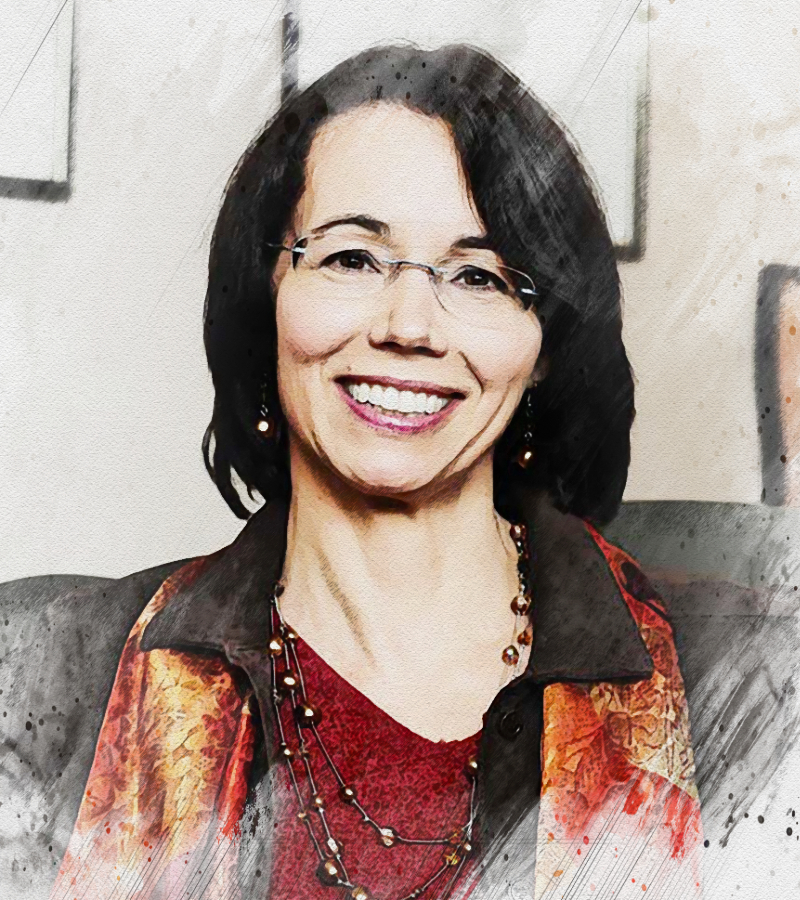
Josh Coleman on the Roadmap to Healing Family Estrangement

Lawrence Rubin: I’m here today with Joshua Coleman, a psychologist in private practice in the San Francisco Bay area, and a senior fellow with the Council on Contemporary Families. He’s the author of numerous articles and book chapters, and has written four books, the most recent of which is The Rules of Estrangement. Welcome, Josh.
Joshua Coleman: Thank you for having me. Pleasure to be here.

The Face of Family Estrangement

LR: I’ll just jump out of the gate by asking you, why do you describe estrangement within families as an epidemic?
JC: Well, there’s a variety of reasons for that. One is, and I don’t know about you in your practice, but in the past few years, my practice, as well as those of my colleagues, has become flooded by clients dealing with this estrangement. Another reason comes from a recent survey by Rin Reszek at Ohio State, who found that 27% of fathers are currently estranged from a child. That’s a new statistic. While we haven’t really been tracking these statistics, non-marital childbirth is also a big cause of estrangement, which is 40% currently compared to 5% in 1960.Divorce is also a very big pathway to estrangement, especially in the wake of more liberalized divorce laws. When you look at the effect of divorce on families once there’s been a divorce, the likelihood of a later estrangement goes way up. This is especially so when you add social media as an amplifier, our cultural emphasis on individualism, influencers talking about the value of going ‘no contact’ after the divorce, and family conflict around politics, especially in the recent election. All these point to a rise in family estrangement, particularly parental.
LR: in the past few years, my practice, as well as those of my colleagues, has become flooded by clients dealing with this estrangementI know the there is a historical rise in divorce. Is there a parallel rise in estrangement with the rising divorce rate?
JC: I don’t think it’s a 1 to 1 relationship, but I think both occur in the culture of individualism, which prioritizes personal happiness, personal growth, protection and mental health. Prior to the 1960s, people would get married to be happy, but more often for financial security, particularly for women as a place to have children. But today, people get married or divorced based on whether that relationship is in line with their ideals for happiness and mental health and the like.The relationships between parents and adult children are constituted in a very similar way, people don’t stay in touch or close to their parents unless it’s in line with their ideals for happiness and mental health. It’s what the British sociologist Anthony Giddens calls pure relationships. Those are relationships that became purely constituted on the basis of whether or not they were inline with that person’s ambitions for happiness and identity. So, it’s a parallel process. I don’t think it’s completely dependent on divorce because there’s many pathways to estrangement.
LR: if the adult child cuts off the parents, they also cut off access to the grandchildren which can cause marital tensions for couples that are still marriedWhy is estrangement so different from other problematic family dynamics?
JC: Because of how disruptive it is to the adult parent and because of the cataclysmic nature of event and its consequences for the rest of the family. Once there’s an estrangement, it isn’t just between that adult child and that parent. It also can cause one set of siblings, or one sibling, to ally with the parent, another with the adult child. Typically, if the adult child cuts off the parents, they also cut off access to the grandchildren which can cause marital tensions for couples that are still married. So, it’s really a cataclysmic event in the whole family system.
LR: In your clinical experience, are there identifiable risk patterns for the eventuality of estrangement?
JC: Divorce is a huge risk, especially when it is accompanied by parental alienation, where one parent poisons a child against the other parent. Untrained or poorly trained therapists sort of assume that every problem in adulthood that can be traced back to a traumatic childhood experience. There seems to be no shortage of those therapists who think everything that is problematic in adulthood is due to some kind of family dysfunction or trauma.Another pathway to estrangement is when the adult child married somebody who’s troubled and says, “choose them or me.” Mental illness in the adult child is also potentially destructive. And last, when parents have been doing something much more psychologically destructive over the years, certain adult children just don’t know any other way to feel separate from the parent beyond cutting them off.
LR: Before we move forward, can you give us a clear definition of estrangement?
JC:  It’s when there is little to no contact. If we’re just thinking of the parent-adult child relationship where there’s little to no contact, and underlying is some kind of, complaint or disruption in the relationship, the adult child is typically the one initiating the estrangement. They determine that it’s better for them not to be in contact with the parent or to grossly limit the contact. Maybe they send a holiday card or something, otherwise they have no contact with their parent.
LR: t’s a complete cut off.
JC: Complete cut off, or a nearly complete cut off. Exactly.
LR: the adult child may not be as motivated to solve the problem as the parent isAnd is the focus of your clinical work mostly on estrangement between adult children and their parents?
JC: Typically, because they’re the ones who are reaching out to me. Occasionally, I’ll have siblings reach out to me, but more typically it’s the parents who are estranged. From their perspective, they’re the ones who are in much more pain. The adult child may have cut off the parent because of their pain, but by the time the parent reaches me, the adult child has concluded that it is in their best interest to estrange their parent. So, the adult child may not be as motivated to solve the problem as the parent is.
LR: Do you have estranged grandparents reaching out to you?
JC: Yeah, and a lot of grandparents say, ‘look, I could probably tolerate estrangement from my child, but not from my grandchildren.’ This feels intolerable, particularly for those who have been actively involved with their grandchildren, as many of these grandparents have been.
LR: This “grandparent alienation syndrome” must be particularly tormenting for them. Have you experienced different cultural manifestations of estrangement?
JC: The data from the largest study, which was by Rin Reczek at Ohio State, found that, for example, Black mothers were the least likely to be estranged. White fathers are the most likely to be estranged. Latino mothers are also less likely to be estranged than White mothers. Fathers in general are very much at risk for estrangement regardless of race.There’s relatively low estrangement in Latin American families as well as Asian American families. And similarly, within Asia, we assume that there’s not a lot of estrangement because the culture of filial obligation is still quite active. So, estrangement tends to predominate in those countries and cultures, like ours, that have high rates of individualism and preoccupation with one’s own happiness and mental health.

Detachment Brokers

LR: That’s interesting. So, there’s a parallel between estrangement and the value particular cultures place on either individualism or commutarianism.
JC: Exactly. Some are much more communitarian, emphasizing the well-being of the family and the group, while others are much more individualistic, like we are here. The sociologist Amy Charlotte calls American individualism ‘adversarial individualism,’ which is the idea that you become an individual through an adversarial relationship with your parent, or you rebel against that. But not all cultures have that kind of adversarial positioning as the way that you become an adult.
LR: You had mentioned earlier that some therapists can actually make things worse.
JC: I think that all therapists want to do good, but some simply don’t think through all of the factors. We have to not only think about the person in the room, but also the related people, because estrangement is a cataclysmic event that affects many beyond the person sitting in front of you. Grandchildren are involved and get cut out from their grandparents’ lives. Siblings typically get divided into those who support the estrangements and those who don’t. It’s also very hard on marriages. It’s easy to get sidetracked into focusing on the mental health of the adult child who is cutting off their parent(s) in the name of self-care and self-protection. We have a rich language in our culture around individualism, but a poverty of language that’s oriented around interconnectedness, interdependence, and care.It’s easy to pathologize someone’s feelings of guilt or responsibility for a parent that may just be a part of their own humanity. By giving them the language and moral permission to cut off a parent without doing due diligence on whether or not that parent really is as hopeless as their client is making them to be, contributes to this kind of atomization.Therapists can contribute to the tearing apart of the fabric of the American family, acting as accelerants to that process. We become what the sociologist Allison Pugh calls detachment brokers in her book, Tumbleweed Society. When we support clients’ absolute need or desire to estrange their parents due to their need for happiness and personal growth, we help them detach from the feelings of obligation, duty, responsibility that prior generations just assumed one should have.

LR: Do you ever encourage or facilitate estrangement as a solution?
JC: The same way that I would never lead the charge into divorce with a couple with minor children because of the long-term consequences, I wouldn’t charge ahead with estrangement either. But I do try to help the person to do their due diligence on the parent. Let’s say the parent who is completely unrepentant and constantly shames the adult child about their sexuality, their identity, who they’ve married, or what their career is every time that adult child is around the parent. It’s sort of hard for me to ethically say, “give them a chance!”But I do think it’s our responsibility to ask them: what other relationships will be impacted if you decide to go no contact, is there some way to sort of have some kind of a relationship where you are protected from their influence, or why don’t we think about why is it so hard on you? A newly reconciled adult child recently suggested to me that, ‘if the adult child is insisting that your parents are the ones that need to change to have a relationship, maybe you’re the one that needs to change.’ I liked that because I don’t think everybody has to stay involved with their parents.I do think parents have a moral obligation to address their children’s complaints and empathize with them and take responsibility. Just like the adult children have a moral obligation to give their parents a chance. I work with parents every day who are suicidal or sobbing in my office, and that really gives you a different view of this.
LR: I imagine the most deeply wounded adult children are the most difficult ones to work with around reconciliation. Can countertransference enter the clinical frame at that juncture?
JC: There have been a few occasions where the adult child was so self-righteous and contemptuous of the parent, despite the parent’s willingness to make amends for their so-called crimes––which were more on the misdemeanor side than the felony side––they remained unforgiving. Even when the parent showed empathy and took responsibility in the ways that I insist that parents do, the adult child remained in this very censorious, self-righteous, lecturing place.There haven’t been very many times when I felt provoked on the parent’s behalf, but there have been a couple times where the adult child was earnest, open and vulnerable, and the parent was not willing to do some basic things at the request of the adult child, like accepting basic limits. The parent was insistent. I just felt like you can’t have it both ways. I remember thinking, ‘You can want to have your child to be in contact with you, but you’re going to have to accept the limits that your child is setting, otherwise, I can’t really encourage your child to stay in contact with you in the way that you want me to.’ The transference is worked on both sides of the equation.

A Roadmap for Change

LR: Is there a roadmap for healing estrangement as you suggest in your book?
JC: Typically, if the parent has reached out to me for the reasons I was just saying, the roadmap begins with taking responsibility and the willingness to make amends. I ask that they try to find the kernel, if not the bushel of truth in their child’s complaints. They can’t use guilt or influence or pressure in the way that maybe their own parents might have used with them, and they can’t explain away their behavior. They have to show some dedication to reconciling. It must come with some sincerity. The challenging part for parents is often that they can’t really identify with what they’re being accused of, particularly since emotional abuse is the most common reason for these estrangements.A lot of parents say, ‘wow, emotional abuse, I would have killed for your childhood.’ The threshold for what gets labeled as emotional abuse is much lower for the adult child than it is for the parents. So, a lot of the roadmap for the parent is just accepting that difference and learning how to understand why the adult child is labeling it as such and not really debating it with them or complaining about it. Instead, that roadmap includes a way to empathize with that and understand that those are the most key aspects.
LR: What about when the road to reconciliation has been damaged by physical/sexual abuse?
JC: You have to go there if you have any chance of healing the relationship. If a parent is lucky enough to get an adult child in the room after that child being a victim of more serious traumas on the parents part, the parent has to be willing to sit there and face all the ways that they have failed their child and how much they hurt and wounded them.And it’s not an easy thing to do, typically, because hurt people hurt people. There is high likelihood that the parent who did the traumatizing was traumatized themselves, but if anything is going to happen, it’s going to be because the parent can take responsibility and do a deeper dive and not sweep it under the rug. And that’s very hard work, especially for the adult child who must expose themselves.
LR: Would you work with the adult child separately from the parent and then together by collaborating with all the players in the same room?
JC: Typically, I will meet with each side separately because I want to see what the obstacles are, what each person’s narrative is, assuming that I think everybody’s ready to go forward, I’ll bring everyone together. I usually don’t keep them separate for more than one session, but not everybody is ready to go forward at the same time. If I think that people are sort of ready to engage, then I’ll do a session separately and then everybody together. I tell parents that this is not marriage therapy. The therapy is around helping the adult child feel like their parent is willing to respect their boundaries and accept versions of their narrative sufficiently that they feel more cared about and understood. It’s not going to be as much about the parent getting to explain their reasons or decisions, at least not early into the therapy. If therapy goes on long enough, and people are healthy enough to have that conversation, then it can happen. But it doesn’t always.
LR: What do you consider to be a successful outcome, and at what point do you say that’s enough for now?
JC: I think when they’ve all had enough time outside of therapy, and they were able, to debrief if there was conflict, and if I feel confident that they have the tools to walk them themselves through the conflict and resolve it. I try to help each person set realistic goals and let them know that they are going to make mistakes going forward. The goal isn’t to be perfect, but instead to communicate around feelings and taking each other’s perspectives so all members feel safe and skilled enough to overcome whatever conflict arises. I don’t want anyone feeling discouraged and helpless.
LR: What protective factors do you look for when working with estrangement? The glimmers of hope that you search for with your therapeutic flashlight?
JC: The biggest one is a capacity for self-reflection on the part of both the parents and the adult children. In the parent, I look for a willingness to take responsibility, the capacity for non-defensiveness, vulnerability, and tolerance for hearing their child(ren)’s complaints without being completely undone. For the adult child, I look for acknowledgment that what they’ve done is difficult for the parent, and that their own issues might have contributed to their decision to estrange them.I look for an adult child to say things like, ‘I acknowledge that I was a really tough kid to raise,’ ‘I’ve been a tough as an adult,’ ‘I can give as well as I get,’ or ‘I know that I have an anger issue.’ Those help me, as the therapist, to feel like, ‘okay, you’re not just here to blame and shame the others.’ It’s about a willingness and ability to come to a shared reality, which is important for these dynamics.
LR: At what point might you suggest stopping with a client?
JC: I’ll keep working with people as long as they want to get somewhere. I don’t usually fire clients. But, for example, if I have an adult child who is just insisting that their parent has to change, and it’s clear to me that the parent has changed as much as they’re going to, my goal would be helping them shift towards radical acceptance, rather than to keep beating their head against the wall. And similarly with a parent, if their adult child is just not willing to reconcile, then it isn’t useful for the parent just to keep trying and banging their head against the reconciliation wall either.
LR: Recognizing not only your own limitations, but those that the family system brings to you.
JC: Exactly! I think an important part of our work is to help people to radically accept what they can’t change and influence. As painful as that is to reckon with.
LR: What does radical acceptance mean in this context?
JC: The term came from Marsha Linehan who developed Dialectical Behavior Therapy. It’s not sort of a soft acceptance, but instead a deep dive that you have to do. She has a great quote that says, ‘the pathway out of hell is your misery.’ It’s a great quote because you must first acknowledge that you’re miserable and accept it and maybe not even hope for change. But it does mean you have to acknowledge that you’re currently in hell. And unless you can really accept that reality, nothing good is going to come of it. The other saying that I like that comes from mindfulness or Buddhism is that pain plus struggle equals suffering. That the more you fight against the pain, the more you’re going to suffer. So, I think those are useful concepts.
LR: In this context, at what point does grief and loss work enter the clinical frame?
JC: Grief work is really part of it. Even if I can’t facilitate a reconciliation, it is important helping parents to feel like, ‘yeah, I think you’ve turned over every stone here.’ At that point, it is important to help them accept it and focus more on their own happiness and well-being, and on other relationships. This would include working on self-compassion while mourning the loss of the relationship that may never be.
LR: In closing, Josh, can someone who’s trained in individual therapy do this kind of work?
JC: If you are an individual therapist, you can’t just sort of suddenly start doing couples therapy. You have to have some facility at keeping two subjectivities in your mind at the same time. You know, being able to, to speak to both people in a way that shows that you’re neutral, even when you’re temporarily siding with one person over the other. I think it’s important to have a sociological framework for this part. You also need to set your own limits and boundaries. Doing family work is a very different sort of orientation and requires a unique skill set.
LR: On that note, I’ll say thanks. Josh, I appreciate the time.
JC: It was my pleasure, Lawrence.
*******
Joshua Coleman, PhD, is a psychologist in private practice in the San Francisco Bay Area and a Senior Fellow with the Council on Contemporary Families, a non-partisan organization of leading sociologists, historians, psychologists and demographers dedicated to providing the press and public with the latest research and best practice findings about American families. He is the author of numerous articles and chapters and has written four books: The Rules of Estrangement (Random House); The Marriage Makeover: Finding Happiness in Imperfect Harmony (St. Martin’s Press); The Lazy Husband: How to Get Men to Do More Parenting and Housework (St. Martin’s Press); When Parents Hurt: Compassionate Strategies When You and Your Grown Child Don’t Get Along (HarperCollins). His website is www.drjoshuacoleman.com/.

Repairing Self-Neglect in Clients with Complex PTSD

The Somatic Legacy of Complex Trauma

People who experienced complex post-traumatic stress disorder (C-PTSD) or ongoing ‘complex’ childhood trauma consisting of neglect, abuse, and invalidation, develop strategies and defenses designed to make sense of the painful truth that their caregivers failed to provide essential emotional and physical attachment needs. These protective strategies, though geared for survival, become obstacles to overall health, self-expression, healthy relationships, and fulfilling careers.

Clients who endured abuse or invalidation during childhood developed exquisite sensitivity to external cues that helped them manage chaotic or unpredictable environments. This hyper-attunement to external inputs, a kind of hypervigilant codependence, evolved while clients were simultaneously repressing internal cues like hunger, thirst, fatigue, toileting, and comfort as a result of needs repeatedly going unmet. It becomes a survival strategy to not feel or acknowledge them. By having suppressed their basic physical needs, these clients experience ongoing internal tension expressed as anxiety and depression, dysregulation, and codependent behaviors.

Growing up surrounded by reactive adults who did not provide functional emotional modeling, clients’ emotional tools are restricted. They became over-focused on external sources of validation which contribute to ongoing anxiety and reactivity. This situation fundamentally disrupts clients’ capacity for implementing self-care and other functional behaviors necessary for a healthy life.

Developing in an unsafe environment, clients’ ongoing somatic experience is of underlying danger and unpredictability. With porous boundaries and distorted perceptions, they look for confirmation of this bias in every interaction, are poised to identify danger, and experience unbearable flooding. This frequently leads to hypersensitivity to criticism and rejection along with perfectionistic tendencies as a defense against chaos.

In multiple cases, I have found that encouraging these clients to pay attention to and satisfy cues like hunger, thirst, physical discomfort, and toilet needs as a primary intervention is transformational. Providing a supportive container to address their needs evokes a crucial new experience in which to foster change.

In session, I routinely encourage clients to make themselves physically comfortable, whether we meet online or in person. My office has yoga mats, pillows, a physioball, chairs, and a long sturdy Pilates table. Throughout sessions, I cue them to check in with their sensations using direct questions with non-threatening words like, “what’s coming up for you now,” “are you still comfortable or do you need to move,” “feel free to adjust, move, or make yourself more comfortable,” “what would feel safer in this moment?” My aim is to highlight internal sensations and give explicit permission to foreground their physical needs over anything else—something that their upbringing did not allow or was not safe for them to do.

Because breathing is foundational to life, breathwork can also be a powerful tool for addressing dysregulation, though it requires careful implementation with Complex PTSD clients. Some clients may find breath-focused exercises triggering due to their trauma—for instance, one of my transgender clients rejected breathwork entirely due to traumatic experiences in a religious cult.

I begin with gentle, non-invasive approaches like observing the difference between nose and mouth breathing to help regulate anxiety. From there, I guide clients to simply notice physical sensations: the feel of air moving through their nostrils, the natural expansion and release of their lungs and abdomen. To demonstrate healthy breathing mechanics, I use a Hoberman Sphere to illustrate what I call “three-dimensional breathing”—showing how the thorax can move in all directions: length, width, and depth.

While advanced breathing techniques like those used in Kriya Yoga can create profound physiological and psychological changes through specific patterns of inhalation, exhalation, and breath retention, my primary goal with CPTSD clients is more fundamental. Simply helping them feel safe enough to take full, unrestricted breaths often begins to release long-held patterns of physical tension and armoring.

Attending to the Body in Therapy

A 23-year-old man in graduate school was recently diagnosed with bipolar disorder and had a history of physical abuse. In session he would frequently jiggle his leg. I noticed this becoming more intense when we discussed an upcoming exam. I used immediacy to bring his attention to his movement and invited him to tune into what his leg might be saying. He expressed anxiety and wanting to flee. I said, “feel free to run out of the room. I will be right here waiting for you whenever you are ready to return.”

Though surprised, he got up and left the room. A few minutes later, he came back, grinning. That completed escape and safe reception upon his return was a lynchpin to his future empowerment and ability to connect with his deepest desires. Further work around hunger ignited a passion for cooking that helped him solidify connections with friends.

During a session with a 19-year-old non-binary client, they revealed that at work they were so overburdened they didn’t urinate for up to 8 hours. When I expressed surprise and concern, they reported their boss often neglected to allow breaks. Not only due to the questionable legality of this situation, but due to this client’s habitual self-neglect, I encouraged them to insist on being allowed to take care of their bathroom needs.

In case clients don’t feel empowered to stand up for their needs, I encourage them to blame it on me, their therapist. In this way, therapy helps them repair personal boundaries caregivers often neglected to help them build. Over the course of our ensuing sessions, this client reported on the transformation they experienced because of this new awareness. Not only were they able to stand up for themselves in other interpersonal situations, they went on to become stronger advocates for animal welfare.

A 45-year-old woman was seeking therapy for chronic illness and overwhelming guilt around leaving her mother and sister, both addicted to methamphetamines. By attending to her basic physical needs, especially hunger and rest, she was able to reframe her “abandoning” of her family into the recognition that as a child, she was abandoned by them.

Paying attention to basic physical needs begins to reverse codependency dynamics of over-focusing outward and under-focusing inward. According to codependence expert Nancy L. Johnston, external focus and emotional suppression are two of the four hallmarks of codependent behavior, along with self-sacrifice and interpersonal control.

***

Helping clients become aware of biological needs is a critical first step in healing. Empowering them to satisfy these needs is the next step in helping them feel safe and grounded enough to pursue life satisfaction. Providing validation for these unmet physical needs can, at times, be challenging. As much as possible, I guide clients in session to check in with their inner experiences. I am repairing the attachment function of attending to a child’s most vital requirements.

My experience has taught me that in cases of childhood neglect and abuse, not only is there the tension of feeling needs but also accompanying grief, shame, and rage elicited by not having needs met by caregivers. Validating and normalizing having needs while providing opportunities to feel and satisfy them mitigates fears evoked by vulnerable feelings. Healing trauma through this attention can repair the split clients were forced to assume when they buried or negated crucial survival needs.

Questions for Thought and Discussion In what ways do you resonate with this author’s premise? In what ways do your PTSD clients neglect their basic bodily needs? How do you integrate these needs into your therapeutic work with these clients?

The Challenge of Therapy During War: Psychotherapy in Ukraine

The Emotional Ravages of War

The ongoing crisis in Ukraine has placed immense psychological strain on its population, creating a heightened need for mental health support amidst war, displacement, and uncertainty. Therapists working in Ukraine face unique challenges requiring resilience, adaptability, and innovative approaches. The war has caused massive, widespread trauma with millions displaced and exposed to violence. Therapists working either face-to-face or remotely with their clients encounter acute and chronic PTSD symptoms, anxiety, depression, and grief due to loss of loved ones, homes, and stability. There is also considerable intergenerational trauma in families with histories of oppression.

While Ukrainians have a history of resilience, the impact of intergenerational trauma and mental health stigma persists. Many of my clients attempt to minimize emotional distress or express it through physical symptoms. They have historically hesitated in seeking help, viewing it as a sign of weakness. However, online therapeutic platforms like Soul Space, the one through which I work, offer easily accessible and safe resources for support and self-help tools that empower these individuals.

The Challenge of Therapy During War

Therapists, such as myself, often face secondary traumatic stress (STS) from absorbing clients’ pain, leading to symptoms similar to PTSD. High caseloads also contribute to burnout and emotional exhaustion. Therapists often work with limited supervision, professional development opportunities, or access to private therapy spaces. Displaced populations pose additional logistical challenges to on-ground clinicians. Balancing professional neutrality with personal feelings about the war, while addressing clients’ immediate needs and maintaining a therapeutic frame, are frequent concerns that challenge clinicians under these circumstances.

While teletherapy has been invaluable to Ukraninans under seige, and has allowed me to support more clients than had I been on the ground, power outages, poor internet connections, and client inexperience with technology often impede its effectiveness. It has also been critical for me to prioritize self-care, emotional hygiene, peer support groups, and supervision to process my own emotional experiences as I serve those devastated by the war. I have also found it useful to limit daily trauma-focused sessions to prevent emotional fatigue. Techniques like grounding and meditation have helped me to maintain strength and clinical endurance.

I have learned to respect clients’ cultural coping mechanisms in order to build trust and support empowerment, resilience, and self-efficacy. I have relied on trauma-informed approaches that begin with safety and stabilization techniques such as grounding exercises and psychoeducation about trauma, while also processing with practical problem-solving to meet clients’ immediate needs. Soul Space provides psychoeducational workshops to maximize reach, provide structured, and self-guided mental health resources.

Case Example

A displaced family of four sought therapy after relocating from a war-affected region. The parents reported anxiety, irritability, and hypervigilance; while the children displayed regressive behaviors and nightmares. My approach required the establishment of safety and routine in therapy, psychoeducation to normalize trauma responses, and activities that built resilience and mutual support. Nighttime relaxation rituals helped the family with wartime-related sleeplessness, while gradually igniting bonds of trust and security due to invasive interruptions of regular routines. The parents practiced simple grounding techniques to contend with their own anxieties.

The parents learned about trauma responses in adults and children, and were increasingly able to reframe the children’s behaviors as survival mechanisms instead of simply seeing them as defiance. Several grounding exercises were also introduced to the children utilizing sensory modalities by asking them to say five things they see, hear, or touch when feeling overwhelmed.

To strengthen family bonds, I introduced therapeutic play and storytelling to allow the children to articulate issues of fear in a safe and imaginative way. The parents were given the chance to have planned conversations to foster emotional conversations and model healthy expressions for fear and grief. We also created a “Family Strengths Tree” where they could record examples of salvaged resilience to remind themselves of their survival capacities.

The family finally began processing their experiences. The children created a storybook representing their journey, necessitating a shift in the focus from fear to resilience. The parents explored their guilt and grief using cognitive processing techniques, reframing self-blame into self-compassion. Throughout the intervention with this family, and as with other wartime displaced clients, I integrated formal online training available through Soul Space with my direct face-to-face work.

During our work together, the family experienced reduced anxiety, improved communication, and renewed hope. The mother’s panic attacks became less frequent, and the father started to emotionally reconnect with his children. The daughter began socializing again, and the son had a drastic decrease in nightmares and bedwetting. Coping mechanisms and family bonds improved. Working with this family, as with others, I have come to rely upon additional training courses in trauma-informed interventions, networking, and the importance of adapting my therapeutic techniques to meet the realities of life in conflict zones, including shorter sessions or combining therapy with referral for humanitarian aid.

Questions for Thought and Discussion

Whether or not you’ve worked with clients in war-torn areas, how do you resonate with the author’s sentiments?

Which of the challenges raised by the author are similar or different from those you have experienced with traumatized clients?

What are some of the core techniques that you have found successful in working with traumatized clients?

Helping Clients to Understand and Overcome Traumatic Reenactment

As a psychotherapist who has specialized in working with trauma victims for almost 40 years, I have experienced many clients who are suffering from traumatic reenactments—the phenomena that occurs when people expose themselves to situations reminiscent of an original trauma, placing themselves at emotional risk or in physical danger in a compulsive mimicking of the past. For example, a woman who was physically abused by her father may continually find herself being attracted to abusive men. A man whose mother emotionally abused him may continually become attracted to women who are overly critical toward him. Yet when I attempt to help these clients make the all-important connection between these current reenactments and past trauma I’m often faced with reactions like, “but I didn’t experience any trauma growing up” or “I’ve already dealt with my past abuse, it’s not still affecting me.” Clients tend to minimize, deny, or “forget” their past trauma experiences.

Why Do People Reenact Trauma?

While reenactments are experienced by many people, those who were traumatized as children (including neglect, abandonment, and abuse) have a tendency to re-enact or relive past trauma more than the average person. Other types of traumas can also create the need to repeat what happened to us as a way of understanding it and bringing closure. This includes acts of nature such as floods, earthquakes, and tornadoes; the death of a loved one; as well as fatal accidents. Several theories have been suggested to explain the phenomenon of traumatic reenactments.

  • Many experts understand reenactments as an attempt to achieving mastery. This means that a traumatized individual reenacts a trauma in order to remember, assimilate, integrate, understand, and heal from the traumatic experience. (1)
  • Some experts perceive reenactments as spontaneous behavioral repetitions of past traumatic events that have never been verbalized or even remembered. For example, Freud noted that individuals who do not remember past traumatic events are “obliged to repeat the repressed material as a contemporary experience instead of … remembering it as something belonging in the past.” (2)
  • Others suggest that reenactments result from the psychological vulnerabilities characteristic of trauma survivors. For example, as a result of a range of ego deficits and poor coping strategies, trauma survivors can become easy prey for victimizers. (3)

Ongoing reenactments usually indicate that a former victim is emotionally stuck and can be interpreted as a “call for help.” They are attempting to work through some aspect of past trauma by repeating it with another person, hoping that this time the result will be different.

We don’t consciously and deliberately set out to repeat a parent’s behavior, get involved with a replica of an abusive or neglectful caregiver, or repeat a trauma over and over. These are unconscious actions on our part. Sigmund Freud stated that such unconscious processes may affect a person’s behavior even though he or she cannot report on them. For example, Freud and his followers believed that dreams and slips of the tongue were really concealed examples of unconscious content too threatening to be confronted directly. Reenactments can be seen as this type of unconscious behavior.

In addition to Freud’s concept of reenactments being a need to repeat the past in order to get a different result, I would add that reenactments are often an unconscious need for people to understand what happened to them and why. Those who are caught up in reenactments are often troubled (consciously and unconsciously) by events that occurred in their past. Some are confused about why people treated them the way they did. Others blame themselves. Still others are in denial about these events. They are overwhelmed by emotions such as shame, anger, fear, and pain, emotions that are often suppressed or repressed. All this confusion and denial work together on an unconscious level, causing them to reenact troubling events in an effort to gain understanding and closure. For example, a girl whose father abandoned her will likely be preoccupied with discovering why he did so and may blame herself in some way. As an adult, this will likely affect her relationships with men, causing her to both doubt her ability to keep a man interested in her and to be attracted to unavailable men.

Reenactments often lead to re-victimization and with it, related feelings of shame, helplessness, and hopelessness. For example, it has been found that women who were sexually abused as children are more likely to be sexually or physically abused in their marriages. Therefore, gaining an understanding and control of reenactments is a primary way to avoid further re-victimization and shaming.

The Reasons Why Clients Deny Having Been Abused

Even though they may suffer from reenactments, some people insist they have not suffered from trauma or are not sure whether they have or not. The reasons for this are many.

Denial and Minimization

Many people don’t label their experiences as traumatic, even when they are. Others minimize the damage an event or series of events had on them. In fact, the majority of trauma victims tend to deny or minimize traumatic experiences. As humans, we will do almost anything to avoid facing the feelings surrounding being traumatized, feelings such as fear, pain, shame, and anger. One of the best ways to avoid such emotions is to deny that the trauma ever happened. For example, even if a client is able to admit to himself that he was physically abused by his father, he may still be in denial about various aspects of the abuse. He may have convinced himself that “it wasn’t all that bad,” (minimization) or that his father didn’t mean to harm him (rationalization). In the case of a client having been sexually abused they may have even convinced themselves that it wasn’t actually abuse because they enjoyed it or because they believe they were the one who initiated it (denial).

Denial is a powerful, unconscious defense mechanism intended to protect us from having to face intense pain and trauma. It can even allow us to block out or “forget” intense pain caused by emotional or physical trauma such as childhood abuse. The denial process is designed to prevent us from facing things that are too painful to face at the time. But it also defends us against the truth and can continue way past the time when it served a positive function.

Former victims of child abuse often deny that they were abused, deny that it caused them any harm, and deny that they need help. The following are the most common reasons why victims of child abuse tend to deny what happened to them and/or minimize the damage it caused them:

  • They don’t want to feel the pain, fear, betrayal, and shame that acknowledging the abuse would cause them to feel. The abuse is either walled off from conscious awareness and memory, so that it did not really happen; or it is minimized, rationalized, and excused, so that whatever did happen was not really abuse. Unable to escape or alter the unbearable reality that they were abused, some children alter it in their mind.
  • They don’t want to admit that they were a helpless victim. It can be humiliating and degrading to acknowledge that another person can overpower you or have control over you. Instead of admitting either of these two things, victims often prefer to take responsibility for the abuse. This is especially true of male victims since males are raised to be tough and strong and to always defend themselves.
  • They don’t want to admit that someone they cared about could harm them and cause them damage. For those who were abused by a family member, a close friend of the family, or an authority figure they respected such as a priest, a teacher, or a coach, to face the fact that they were abused is to experience the sometimes unbearable pain of admitting that someone they respected or loved could treat them in such horrendous ways. The most common way for children to explain behavior on an abuser’s part, especially if it is someone they respect or love, is for them to blame themselves.
  • Another reason some former victims deny that they were ever abused is that they repeated the cycle of abuse by abusing other children. In this situation they may have an investment in believing that parents have a right to discipline their children, even if it causes physical harm. Those who were sexually abused often convince themselves that children are never really “forced or manipulated” into sex with an adult or older child, but they do so willingly and that they get pleasure from doing it. This kind of denial not only keeps former victims from admitting that they themselves were abused but that they became abusive.

Repression vs Suppression

Repression (unconsciously blocking out traumatic events) and suppression (consciously choosing to “forget” traumatic events) are survival skills that help former victims of trauma to move on with their lives instead of being so completely overwhelmed with feelings of fear, shame, or guilt that they can’t function. Unfortunately, these defense mechanisms can make it difficult for clients to allow themselves to remember and process a trauma.

Painful feelings and memories can be very upsetting. Instead of facing them, clients often unconsciously hide them from themselves in hopes of forgetting about them. That does not mean that the memories disappear entirely. They can influence behaviors and can impact our relationships without us realizing it. Most important, repressed memories can show up in our lives in the form of reenactments.

It can be especially painful for clients to admit that someone they loved, and who they believe loved them, could traumatize them by being abusive or neglectful. Sometimes, instead of facing the truth they consciously suppress the memories of what happened. This was the case with my client Chloe:

“It’s not like I ever forgot about the sexual abuse. I just chose to lock it away and throw away the key. I couldn’t handle the fact that my own father, who I loved dearly and who was the only person in my childhood who was kind to me, could harm me in that way—could be so selfish to put his own needs ahead of mine like that.”

Dissociation

Another reason a client may have no memories or only vague memories of a trauma is the common practice of victims to dissociate. Some victims dissociated, while others were traumatized so severely that they lost all memory of the attack—much like car accident victims often experience amnesia after the crash (repression).

According to the Diagnostic and Statistical Manual of Mental Disorders 5th edition, dissociation is a “disruption of and/or discontinuity in the normal integration of consciousness, memory, identity, perception, body representation, motor control and behavior.” Dissociation is a normal phenomenon that everyone has experienced. Examples of mild dissociation include daydreaming, “highway hypnosis,” or “getting lost” in a book or movie, all of which involve “losing touch” with an awareness of one’s immediate surroundings.

During traumatic experience such as crime victimization, abuse, accidents, or other disasters, dissociation can help a person tolerate what might otherwise be too difficult to bear. In situations like these the person may dissociate (detach or disconnect) from the memory of the places, circumstances, and feelings surrounding the overwhelming event, thus mentally escaping from the fear, pain, shame and horror.

When faced with an overwhelming situation from which there is no physical escape, a child may learn to “go away” in their mind. Children typically use this ability as a defense against physical and emotional pain or fear of that pain. By the process of dissociation, thoughts, feelings, memories and perceptions of the trauma can be separated off in the mind. This allows the child to function normally.

For example, when a child is being sexually abused, in order to protect themselves from the repeated invasion of their deepest inner self they may turn off the connection between their mind and body creating the sensation of “leaving one’s body.” This common defense mechanism helps the victim to survive the assault by numbing themselves or otherwise separating themselves from the trauma occurring to the body. In this way, although the child’s body is being violated, the child does not have to actually “feel” what is happening. Many victims have described this situation as “being up on the ceiling, looking down on my own body” as the abuse occurred. It is as though the abuse is not happening to them but just to their body.

While dissociation helps the victim to survive the violation, it can make it difficult to later remember the details of the experience. And it can make it difficult for a victim to come to terms with whether or not they were actually abused. If someone was not in their body when the abuse occurred, it will naturally affect their memory. For example, in the case of sexual abuse, if the person doesn’t “remember” the physical sensations of what the abuser did to their body or what they made to do to the abuser’s body, it can cause them to doubt their memory and add to their tendency to deny what occurred.

Tragically, ongoing traumatic events such as abuse are often not one-time events. For those who are repeatedly exposed to abuse or neglect, especially in childhood, dissociation is an extremely effective coping mechanism or skill. However, it can become a double-edged sword. While it can protect clients from awareness of pain in the short-run, a person who dissociates often may find that in the long-run his or her sense of personal history and identity is affected.

Grounding is a very effective practice to teach clients to help them come out of this dissociative state.

Basic Grounding Exercise

  • Find a quiet place where you will not be disturbed or distracted.
  • Sit up in a chair or on the couch. Put your feet flat on the ground. If you are wearing shoes with heels you will need to take your shoes off so that you can have your feet flat on the ground.
  • With your eyes open, take a few deep breaths. Turn your attention once again to feeling the ground under your feet. Continue your breathing and feeling your feet flat on the ground throughout the exercise.
  • Now, as you continue breathing, clear your eyes and take a look around the room. As you slowly scan the room, notice the colors, shapes, and textures of the objects in the room. If you’d like, scan your eyes around the room moving your neck so you can see a wider view.
  • Bring your focus back to feeling the ground under your feet as you continue to breathe and to notice the different colors, textures and shape of the objects in the room.
  • This grounding exercise will serve several purposes:
  • It brings awareness back to the body, which in turn can prevent being triggered or dissociating.
  • It brings us back to the present, to the here and now; again, a good thing when being catapulted back into the past by a memory or a trigger.
  • Deliberately focusing the attention outside yourself by being visually involved in the world helps bring a person out of a dissociative state and into reality where they can get in touch with their emotions and their memory.

Dissociative Amnesia

Dissociative amnesia is the inability to recall autobiographical information. For example, Betrayal Trauma Theory holds that for incest survivors, dissociative amnesia serves to maintain connection with an attachment figure by excluding knowledge of the abuse (betrayal blindness). This, in turn, reduces or eliminates anxiety about the abuse, at least in the short run.

Betrayal Trauma Theory is based on attachment theory and is consistent with the view that it is adaptive to block from awareness most or all information about abuse (particularly incest) committed by a caregiver. Otherwise, awareness of the abuse would acknowledge the fact that a betrayal occurred, and this acknowledgement would likely endanger the attachment relationship. Betrayal blindness can be viewed as an adaptive reaction to a threat to the attachment relationship with the abuser and thus explains the underlying dissociative amnesia in survivors of incest. Under these circumstances, survivors often are unaware that they were abused, or will justify, or even blame themselves for the abuse. In severe cases, victims often have little or no memory of the abuse or complete betrayal blindness. Under such conditions, dissociation is functional for the victim, at least for a time. (4)

Due to dissociation, dissociative amnesia or betrayal blindness, someone experiencing reenactments may have to trust the fact that they wouldn’t have the symptoms they have and wouldn’t have the deep sense that “something happened” unless they actually experienced a trauma. Other times some education can help clients to come out of denial:

The Lack of Specific Memories

The lack of specific memories can cause former victims to question their sense that something happened to them and even the flashes of memory that they do experience. Let’s compare this lack of specific memories with what often happens when someone has been in a traumatic car accident. Let’s say that you wake up to find yourself in the hospital. You notice that one of your arms is in a sling and that one of your legs is in a cast and that you have cuts and bruises all over your body. There’s no one around and you feel panicked, thinking, “what happened to me?”

Then someone you know comes into your hospital room and tells you that you were in a horrible car accident. You feel shocked because you have absolutely no memory of it. Not only that, but you can’t remember anything just before the accident. Just because you have no memory of the accident doesn’t mean that it didn’t happen, right? You have the broken bones and the bruises to prove it.

The same is true of childhood abuse. A client may not have any memories, but they have the results of the abuse as proof that it actually did happen. They have nightmares, flashbacks, and triggers, and they have self-destructive behaviors. If they were neglected or emotionally abused they may have low self-esteem, a tendency to be self-critical, or a tendency to push people away or, conversely, a fear of abandonment. If they were physically abused, they may have a tendency to be defensive or have rigid posture and a startled reaction when someone comes up behind them. They may have the habit of gritting their teeth, or tension in their jaw from all the repressed anger they are holding. In the case of child sexual abuse, they may have the unexplained pain in their vagina or anus, a negative reaction to being touched on certain parts of their body, powerful reactions when they see a movie about someone being raped or about a child being molested. Certain types of sexual acts or positions, or certain kinds of touches may repulse them, or they may dissociate when they are around certain people, places and things. These are, in essence, their “memories.”

The bottom line is that a client may never have actual “memories” in the sense of being able to “remember” or “recall” actual events. But that doesn’t mean they weren’t abused. Many of the clients I have worked with who do not have tangible memories have other indicators that they were abused. Some have flashbacks, others have what are called “body memories.” Those who were physically abused often have pain in the places where they were beaten, such as their back and buttocks. They often have a “startle reaction” when someone raises their hand in front of them due to the fact that they were slapped or hit in the head so often.

Those who were sexually abused can have pain in their genitals, anus, or breasts for no apparent (or medical) reasons and vaginismus (involuntary contractions of the vaginal muscles preventing penetration or making penetration extremely painful). Still others have such tell-tale symptoms as being repulsed by thoughts of sex, a fear of sex, an inability or repulsion to being touched, obsessive rape fantasies (either of someone forcing sex on you or you forcing yourself on someone else), or sexual addictions.

A Real Compulsion

It is important to understand that traumatized people experience a true compulsion to repeat repressed experiences. Even if the person attempts to keep the memory repressed, there is an opposing need on the part of the psyche to force the repressed material into consciousness. Thus, the repressed and dissociated events emerge to be re-experienced, often in dreams and nightmares (during sleep when conscious control must be let go), and then in waking hours as well. Clinical experience suggests that the compulsion to repeat takes on an almost biologic urgency, such as our need to urinate. We can hold our urine for only so long.

Examples of the Emergence of Repressed and Dissociated Experiences

Flashbacks are the most striking examples of repressed and dissociated trauma, and are frequently observed in clients with posttraumatic disorder, and some dissociative disorders. Flashbacks are involuntary recurrent memories in which an individual has a sudden, usually powerful, re-experiencing of part of a trauma or elements of a past trauma. These experiences are often frightening, catapulting the person back in time.

Those who are experiencing flashbacks are thrust back into the traumatic events both in their dreams and while awake. The reliving of the trauma is experienced as a real and current event. The traumatized person does not feel as if they are remembering the experience but instead, they feel the experience in the present. When someone is experiencing a flashback, they often lose awareness of their surroundings and are thrust back into the trauma, visualizing previous surroundings and people, and feeling they are the same age as when the trauma originally occurred. This points to the ability of the psych to repress and dissociate overwhelming experiences, as well as to bring them back into consciousness with full force.

Implicit Memories
Trauma “memories” often manifest in intense physical, perceptual, and emotional reactions to everyday occurrences and objects (triggers). These emotional and physical responses, called “implicit memories,” keep bringing the trauma alive in a former victim’s body and emotions again and again, often many times a day. Their bodies tense up, their hearts pound, they see horrifying images, and they feel fear, pain or rage. They freeze in fear or feel a sudden wave of painful shame and lose the capacity to speak. They feel an intense impulse to run away and hide from others.

Decades of research on the effects of trauma confirm that overwhelming experiences are less likely to be recalled as a series of images that we can describe or in a clear coherent narrative. Trauma is more likely to be remembered in the form of sensory elements without words—emotions, body sensations, changes in breathing or heart rate, tensing, bracing, collapsing, or just feeling overwhelmed. (5) When implicit memories are evoked by triggers, we re-experience the sense of threat, danger, humiliation or impulses to flee that we experienced at the moment of threat—even if we have no conscious verbal memory of what happened.

Those who insist that they do not remember any trauma often don’t realize that they are, in fact, remembering when they suddenly feel startled or afraid, when they feel shame or self-hatred, or when they start to tremble or shake. Because trauma is remembered emotionally and somatically more than it is remembered in a narrative form that can be expressed verbally, former victims often feel confused, overwhelmed or crazy. Without a memory of words or pictures, they do not recognize that what they are feeling is memory.

Most people also do not realize that we remember in different ways. With the thinking brain we can remember the story of what happened but without a lot of emotion connected to it. With our sensory systems we can remember how something felt. Our bodies might remember the impulses and movements and the physical sensations (tightening, trembling, sinking feelings) experienced at the time.

For example, many former victims feel uncomfortable stating that they were sexually abused because they do not remember whole events. Their memories are fragmented or unclear or consist of a few images, rather than an entire mental video of the events. They doubt themselves and think, “it can’t be true because I don’t remember exactly what happened” or “I must be making this up or I would remember more clearly.” But it is important to explain to clients that trauma cannot be remembered the same way other events are recalled because of the effects trauma has on the brain. When clients feel the impulse to doubt their memory or intuition that something happened to them, remind them that recalling events as a story or narrative is not the only way to remember. They may be remembering a lot more than they think.

Triggers

Your clients may feel surprised to learn how much they remember when they include the feelings, thoughts and physical reactions they experienced when triggered. Generally, a trigger can be defined as any stimulus that causes a reaction, often an emotional response such as anxiety, sadness, panic, feeling overwhelmed, flashbacks, nightmares, or severe emotional distress. A trigger is sufficiently reminiscent of a past event or process that it activates implicit (feelings, sensations, and nonverbal thoughts) or explicit (the what, when, and where of remembered events) memories in the present.

Types of triggers 
There are various types of triggers, including:

  • Sensory: sounds, smells, textures, or physical sensations
  • Time-related: certain times of day or seasons
  • People or places: people or places that remind them of a negative experience
  • Bodily sensations: pain or touch that reminds them of a negative experience
  • Substance-related: cravings or urges to use substances

Clients may also feel surprised to learn that there is an explanation for their seeming “overreaction” to certain things. For example, maybe they aren’t an “angry person,” but are simply experiencing feeling memories of anger that have been triggered when someone is selfish, controlling, or domineering.

Exercise: Discovering Your Triggers

My aim, in part, of writing this article is to help those of you fellow therapists who have clients who can’t make the connection between their past trauma and their current negative patterns of behavior either due to lack of memory, denial or minimization.

The following exercises and lists can help your clients discover their triggers:

  • Begin by asking your clients to notice the events, sensory experiences, or people that tend to trigger them (catapult them into the past, remind them of an abuse experience or some aspect of an abuse experience). For example: those who were traumatized by parental abandonment may become triggered every time a friend doesn’t respond to a phone call or text or every time their partner goes away on a business trip.
  • Next, ask them to begin making a list of these triggers.
  • As time goes by ask your clients if they see patterns regarding the things that trigger them.

Triggers List 

The following is an extensive list of triggers common for those who were traumatized by child abuse, abandonment, and/or neglect. Sharing this list with your clients and asking them to put a check mark next to the items that trigger them will help them become familiar with their triggers and in turn help them make the connection between their past trauma and their present reenactments.

  • Feeling abandoned or rejected
  • The sound of someone crying
  • Criticism
  • Someone being very angry
  • Someone saying mean or abusive things to you
  • Someone yelling at you
  • Someone raising their hand or fist near you
  • Someone threatening to hurt you
  • Mean or dirty looks
  • Seeing violence on TV, at the movies, or on the Internet
  • People in authority
  • Competition
  • Being lied to
  • Someone acting like they are better than you
  • Someone who reminds you of your mother
  • Someone who reminds you of your father
  • Being let down by someone
  • Being laughed at
  • Being accused of something you didn’t do
  • Being ignored
  • Feeling alone

Remind your clients that their symptoms and triggers are their memories. This is what my client Briana figured out after reading the triggers list from above:

“I was shocked to realize how many triggers I experience, almost daily. In some cases, I had been aware that some situations were upsetting for me, but in other cases I was completely surprised when I realized I was being triggered. For example, I’d been aware for a long time that I had abandonment issues due to my mother leaving me all alone with our father. I hated to be alone, and I always reacted strongly when my Dad went somewhere for any period of time. But I had blocked out the memory of what it was like before my mother left me.

When I read “the sound of someone crying,” on the trigger list, I became really upset. I suddenly realized it had always been a trigger for me, and I understood why. I suddenly remembered my mother crying for hours, almost every night. I’d completely blocked that out. Suddenly I not only remembered her crying but the reason she was crying. I remembered hearing my father yelling at her, accusing her of being unfaithful, of being a horrible mother, telling her I would be better off without her. That simple realization and the memory of how often I am triggered by hearing someone cry made it all so clear. My mother left me because she believed what my father had told her. Suddenly it all made sense.

“For years I’ve been reenacting the fact that my mother abandoned me. I always chose men who ended up leaving me or I would push men away who loved me, out of fear that they would abandon me. I knew on some level that it had to do with my mother’s abandoning me. But even knowing that didn’t stop me from behaving the same way. I’d always questioned how my mother could have done such a horrible thing. And I always blamed myself in some way. I assumed that I wasn’t loveable—that my mother couldn’t love me because I was such a bad kid. I acted out a lot as a kid, missing school, getting into trouble at school, that kind of thing. I assumed she left to get away from me, away from all the trouble I was causing.

“But remembering my parents’ constant fighting, and the horrible accusations my father threw at my mother explained it all to me. I knew how it felt to have him throw out accusations like that—he did the same to me all the time. And I knew how hard it was not to believe what he said. I could see how my mother had taken it all in and had come to believe that in fact, I would be better off without her. It wasn’t my fault at all. And it some ways it wasn’t hers’ either. It was my Dad’s emotional abuse that caused her to leave.”

Often, as it was in Briana’s case, what triggers your clients the most could be pointing towards what needs healing. Flashbacks can be messengers reminding us of what happened to us. In that way they should be considered our friends. They help us become aware of memories and feelings we have buried. In Briana’s situation, her reenactments had been due to her mother’s abandonment but more specifically her need to understand why her mother had abandoned her. Once she remembered why her mother left her, she no longer blamed herself and no longer needed to punish herself. She no longer needed to reenact the trauma of abandonment.
***

Hopefully, the information and exercises offered in this article can assist you in helping your clients determine whether they were, indeed, traumatized as a child or adolescent due to the abuse, abandonment or neglect they experienced and why they may be reenacting that trauma.

References

(1) Miller, A. (1984). Thou Shalt Not Be Aware. Meridian.

(2) Freud, S. (1961). Beyond the Pleasure Principle. Norton.

(3) Herman, J.L. (1992). Trauma and Recovery. Basic Books.

(4) Freyd, J. (1998). Betrayal Trauma: The Logic of Forgetting Childhood Abuse. Harvard University Press.

(5) Ogden, P., Minton, K., & Pain, C. (2006). Trauma and the Body: A Sensorimotor Approach to Psychotherapy. W.W. Norton.

©2025, Psychotherapy.net

Healing the Wounds of Trauma through Play

At the time of the disclosure described below, four-year-old Sam, was living with his maternal grandparents. His mother, who had a lengthy history of alcohol and drug problems, was living elsewhere with her boyfriend, and would come to the grandparent’s home to change her clothes and visit briefly with Sam. When the child made his disclosure to his grandmother, she shared it with the family therapist, who then reported it to the Division of Family and Children Services (DCFS). Upon their investigation, Sam’s grandparents became his foster parents. Sam was seen once by a DCFS-referred clinician who reportedly utilized physical restraint, compelling the grandparents to discontinue services. The family therapist referred Sam to me for play therapy. That therapeutic work is described in the following narrative.

A Story of Abuse

Sam and I were playing with his ocean animal rescue toys in our playroom. I had just prepared some snacks and drinks for us. Sam asked me if I wanted to smell his butt. I said, “no!” He said, “I put my finger in my butt, and I smell the stinky,” and laughed. I jokingly told him he would have to wash his hand because of germs and how they could make him sick. Sam said, “I stuck my head in the potty, Daddy told me to do it.” I asked him to show me, so he went to the potty, lifted the lid and put his head down into it. I asked why he did that, and he said, “Daddy told me to and put his hand in my butt. I asked, “Why did Daddy do that,” to which he responded, “I don’t know why Daddy put a toy in my butt.” I asked what toy it was, and he said it was his Daddy’s toy. I asked Sam what it looked like, and he said, “It was a dinosaur, a brown one.” I told Sam if that was true it wasn’t nice, and Daddy should not do that. Sam quickly responded with, “I’m teasing.”

We sat together in silence while I tried to process the information. Then Sam said, “It’s the truth. Nana and I didn’t like it.” I said, “I bet you didn’t. I wouldn’t like that either and it is not OK. If anyone did that to me, I would tell them no and then tell Papa so he could help keep me safe.” I hugged him and told him I was sorry this had happened to him, and it was not OK. He continued to play, and I joined him. After a while I went into the bathroom to cry and gather my emotions.

After Sam’s Papa (his grandfather) got home from work, I told him what Sam said in private, and suggested we did not overreact and just hear what he had to say. I asked Sam if he wanted to share with Papa what he told me about the potty. Sam told Papa, “Daddy put my head in the potty.” Papa said, “Well that is not nice.” Sam said, “Daddy put a dinosaur in my butt.” Again, Papa said, “That’s not nice either, Daddy should not do that.” Sam said, “I didn’t like it!” and I cried hard.” With outstretched arms, Papa told him to come to him, and Sam ran over. Papa cried with Sam, hugging him, and I joined them for a group hug. We all cried. We told Sam he was safe now and it was good that he told us so we could make sure this never happened again. Papa repeated what I said, and Sam leaned out of the hug looking at our faces, cried and hugged us both.

Creating a Safe Environment

Appointments were mostly held on Saturdays or Sundays when no other children were present to reduce the “clinical” feeling and to differentiate the building and the playroom from the previous treatment facility. Following each appointment, the family transitioned to a more spontaneous, non-therapeutic activity to put closure to the session. Having an awareness of what would happen after an appointment helped Sam know there was an end to playtime.

In my clinical experience children processing trauma must process their story (I call it The Twist) from all three perspectives: victim, aggressor, and hero/rescuer. Sam was no exception, and his therapy began in earnest.

My initial appointments with Sam, who was accompanied by his grandmother, focused on establishing the playroom as a safe and fun place, and letting him experience the personal power of coming and going. I never separated grandmother and grandchild, always including her from day one.  

Sam, his Nana, and I often began in the sand tray room. He would chase us around the room with the smelly ghost in his hand. Over several sessions Scooby-Do and his cast of characters joined the smelly ghost. The smelly ghost (held by Sam) was joined by a witch (held by Nana). The witch would fly around the room and scoop up Little Scooby (Sam) who could not cry for help. (How symbolically perfect to represent a nonverbal child at the time of the trauma.)

Nana and I would model alternative responses for Little Scooby: fight, scream, hit, call for help. She, along with a designated good witch, would take the bad witch to rescue Little Scooby. Sam would laugh hysterically and repeat the story as we continued to model different outcomes. One day, the smelly ghost took Little Scooby and flew out of the playroom down the hall into another playroom. Nana and I took our figures and followed! Sam had made the leap from symbolic to experiential!

Sam entered preschool that Fall, and his Nana was providing added support by driving him to and from school. One evening I received a frantic phone call from Nana stating, “Sam’s going backwards!” She added that she had volunteered to help on the school playground daily and on the first day, when it was time for her to leave and for the kids to go into the classroom, Sam ran to her wanting to leave with her saying, “Don’t leave me here Nana, I want to stay with you.” The teacher came and tried to grab Sam’s hand. Sam hid behind me. She tried again and Sam ran from the playground across the field toward the road. The teacher ran after him, and Nana yelled for her to stop, saying, “You are scaring him!” She stopped and I walked towards Sam telling him, “Come to Nana, I am not leaving.” He stopped running. When Sam finally calmed down, all three entered the classroom together. Nana remained in the back of the class until he was OK with her leaving.

When she finished her story, I said. “What more could you ask for? He did everything we have modeled in the sand tray for the past several weeks. He protected himself. He fought. He ran. He cried for help, and you rescued him!”

Taking it Home

Through his transference to his grandmother at home, Sam worked through incidents where his mother had failed to protect or had injured him. As Sam and Nana were building a snowman in the yard, for example, Nana went to brush the snow from his face. Sam flinched and withdrew.

After he flinched, she asked, “Did that scare you?” He nodded yes. “I’m sorry baby, I was just wiping the snow from your face. I didn’t mean to scare you.” He hugged her. Nana told Sam she loved him; he said, “Love you” and went back to building the snowman.

Sam recalled an incident at the kitchen table where his mother hit him on the mouth and drew blood. Nana was present but unable to intervene. Nana responded, “I’m sorry that happened to you Sam. Nana and Papa will not let anything like that happen to you again.”

After an extended visit with his paternal grandparents, getting Sam to sleep was a continual struggle. One evening, Sam became verbally and physically resistant to going to bed. He lost touch with reality and began physically attacking his grandparents. His grandparents placed themselves in a “safe” room. When Sam attempted to enter and could not, they reinforced the need to be safe. This broke the trance state and Sam began crying. His grandparents were able to provide him with comfort and safety. A powerful healing moment of play that would not have occurred in the playroom.

The Playroom

Sam’s most intensive work was done within the safety of the playroom. In role play with Sam and his grandmother, he worked on resolving the issues with his mother. He and his Nana had captured a bad person (me) and placed them in jail. Sam, sword in hand, was guarding the prisoner. Periodically, he would reach into the cell and poke the prisoner with the sword. Sam wearied and handed the sword to his Nana. While he rested, he would signal her to poke the prisoner. Nana asked him why when the prisoner was not doing anything and he responded, “Because you are my very best friend.”

The emotional level of the play suggested it was time to address the trauma he experienced with his father and have his grandfather join the play.

The play themes evolved from the sand tray to a psychodrama where we changed back and forth between witches, vampires, ghosts, werewolves, and zombies on command. Papa when directed would die and did so many times. Sam would play and replay a scene where the vampire would come out at night to bite him. It was gut wrenching to watch this little boy, eyes shut making mouth movements like an infant with no teeth to protect himself in his fight.  

It was intense and physically exhausting as four-year-olds with imaginative powers can be. Because vampire’s sleep by day, we would use the light switch to symbolize day and night to break the trance and regulate his high arousal level. Sam incorporated the light switch into the play quickly and was soon regulating his arousal level by himself.

In his final reenactment, our little vampire was in a sleeping state via light switch. His grandfather had carried him back to the therapy room and laid him on a cushion of pillows. Sam, pretending to sleep, had been lying peacefully and safely in his grandfather’s arms, a smile on his face. Sam jumped up from this peaceful state, grabbed his bottom with both hands and began to shout “A vampire bit my butt. A vampire bit my butt!” In the play the grandparents slew the vampire, and in the present, they reassured him they would protect him and keep him safe.   

Cops and Robbers/From Victim to Hero

In a later phase of our work, therapy took a new direction when Sam and Papa (the good guys), weapons in hand together went looking for the bad guys, (Nana and I). The bad guys were caught and jailed for lengthy periods of time while the good guys did their thing. We would be released to steal things so the good guys could catch us, return what was lost, and put the bad guys away.

Sam’s psychodrama shifted a final time when he incorporated his Nana, Papa, and I into his force of personal power.

When Sam’s play dropped in intensity to a symbolic level, and the family became busy with other things in the community, appointments decreased in frequency. The grandparents had knowledge and understanding of trauma triggers and how they manifested. They had demonstrated many times over the ability to handle traumatic reactions. The treatment ended by mutual agreement.

***

Since this writing, Sam has been legally adopted by his grandparents. He is secure in his attachments to them and surrounded with love, safety, and understanding when trauma triggers activate him. Sam is loving and caring for people and animals, which are his passion. He occasionally has anxiety but has learned that handwork, artwork, playing with figurines, board games, and card games calm him and bring him joy. He talks about his feelings freely and handles feeling overwhelmed by separating himself from whatever it is or requesting quiet time as needed.

We knew immediately after one session with play therapy this was the right treatment for Sam. We are grateful we found the right kind of therapy with Play therapy!

Bethany Brand on the Identification and Treatment of Dissociative Identity Disorder

Lawrence Rubin: Bethany Brand is a professor of psychology at Towson University. She’s an expert in trauma, specializing in trauma related disorders, including post-traumatic stress disorder and dissociative disorders. She also maintains an independent practice in clinical psychology in Towson, Maryland. Doctor Brandt serves on international and national task forces developing guidelines for the assessment and treatment of trauma disorders. Welcome, Bethany. Thank you for joining.

Bethany Brand: Thank you so much for having me.

Right Place, Right Time

LR: What got you interested in dissociative disorders, trauma, and ultimately dissociative identity disorder from a personal perspective?

BB: It was a number of things. One of the early experiences I had as an undergraduate at the University of Michigan was working in a shelter for women who’d been battered, which is what it was called back then—not interpersonal violence like we call it now. I started hearing about trauma and remember being very interested in it. In my first semester of graduate school, I was doing a psychological testing practicum at Johns Hopkins Hospital on the kids’ unit. This was in the late 80s, so many of the kids had been abused or neglected according to their charts. I asked my supervisor how that experience might be reflected in their psych testing—how would they be different? And there we were at Hopkins, one of the premier institutions in our country, and she did not know.

To her credit, she acknowledged that and asked her supervisor, who later gave us this fascinating off-the-cuff talk about trauma and his experience with traumatized kids. It was so compelling that I decided that was what I wanted to do my master’s thesis on. I was lucky enough at the time that Frank Putnam, one of the legends in the field of dissociation, called my graduate program, asking for students who might be willing to volunteer on his project—a longitudinal study of girls who’d been sexually abused. I was incredibly lucky to be at that right place at the right time, working with a pioneer.

To be honest with you, I wasn’t sure about the whole idea of dissociative identity disorder because we didn’t see that in the lab and that was not what we were studying, even though Frank was studying it at the National Institute of Mental Health. When I later went on internship at George Washington University Hospital, a woman there said she had multiple personality disorder, with whom I had done the testing.
The treatment team was a little skeptical, but my supervisor referred me to Judy Armstrong at Sheppard Pratt Hospital in Baltimore who offered to review the data with me. After she did so, she said, “You know what; you actually might have somebody with MPD.” After that, it was just luck because I got a postdoctoral fellowship at Pratt, where they had just opened up a trauma disorders unit, and where I did my dissertation on trauma. I remained there and began working very heavily with folks with DID, and other serious, complex trauma disorders. Right place, right time, and fortunately, amazing training with amazing clinical supervisors.

DID and the Dissociative Spectrum

LR: Before I ask you what readers most likely want to know, which is, “What actually is DID,” why the transition from “multiple personality disorder” as a label to, “dissociative identity disorder?”

BB: There were a lot of reasons, but just to be very brief; by calling it multiple personality disorder, many clinicians thought it was a personality disorder like borderline personality disorder, and it’s not in that category. The experts in the field wanted to emphasize it was a trauma related disorder connected to dissociation, not a disorder of personality. The name change was an attempt to reflect that.

LR: Well, I guess relatedly—and I may get back to my initial question—does the DSM’s characterization of DID as a complex post-traumatic developmental disorder, ‘capture it?’

BB: It’s a terrific start. It’s a foundational start, because it implies that it starts in childhood, which is what developmental disorder means. The research strongly points to very early severe chronic child abuse as the cause. But we also know that there is genetic tendency towards dissociation. And often these clients who end up as individuals who develop DID also have attachment problems because they didn’t have secure attachment. There are multiple things going on, but trauma really has an early childhood foundation.

LR: In your writing, you discuss TRD or trauma related dissociation and suggest that DID is almost always related to early childhood trauma and severe disruption of the attachment relationship. Is there such a thing as a NTRD, or non-trauma related dissociation?

BB: Yes! We all dissociate to some extent, so normal non-pathological dissociation can occur. It can be going into a state of automatic pilot. For example, when we’re driving down the highway and we’re really thinking about something, and barely remember the drive when we get home. Or we’re driving down the highway and we miss our exit because we’re so preoccupied, not because of traffic, but because of our mental disconnection from what we’re doing.

It can also happen at moments of peak spiritual experiences or athletic experiences when people can disconnect from their bodies or feel out of their bodies and have this incredible experience. But none of these experiences interfere with functioning.

LR: I imagine getting lost in a book or a song or a movie or a conversation containing elements of dissociation, but on the left side, or benign side of the spectrum.

BB: Exactly. Those are called absorption, and some people are very prone to absorption. We know from research that the more somebody is prone to absorption, they may be more at risk for dissociation. There’s been some debate over whether absorption should be called dissociation or not? For now, it is understood as one of the lower levels, not-so-problematic types of dissociation, which comes from self-report measures.

LR: Is it clinically useful to think of a dissociative spectrum with absorption type experiences on the left or benign side, and DID as the most extreme and pathological form all the way to the right?

BB: Yes, I think it is. But I’ll say that with awareness that some people living with DID really resent that, because understandably, this was an adaptation to horrendous, overwhelming circumstances. And so, I completely get it and respect that they had a brilliant way of adapting and getting through what would have been just harrowing experiences. The research actually supports exactly what you said.
As I said earlier, all of us dissociate to some extent. And then when you start studying dissociation and different psychological disorders, there’s a range of scores that people have on the different, self-report questionnaires. And it starts out with people having [scores] a little bit above what might be for people who are not struggling with any emotional disorder.

And then it gets at the highest level is folks with DID. And in between, there might be people with eating disorders and maybe borderline personality disorder, because there’s often a lot of trauma in those people’s background, and then you start getting into PTSD. And then the dissociative disorders indeed are at the end with the highest levels of dissociation.

LR: I would think that someone who is engaging in non-suicidal self-injury or someone who is in the middle of an intense food or substance binge is in an acute state that requires a certain amount of dissociation to be able to inflict that level of harm on to yourself.

BB: Is there some dissociation that goes on during those moments? The answer is yes! Often people are somewhat disconnected from their bodies. An example is a client who, with DID or severe dissociation, may be cutting and not feel it and be kind of fascinated with what they’re seeing under their skin, like really extreme cutting with the detachment. And they don’t feel the pain.

LR: Is it possible that someone with DID could be cutting while there’s another element of that personality that’s watching? Am I using the right nomenclature for the other “states?”

BB: There are people in the field that are really pushing for those parts to be called dissociative self-states. In the literature, they’re alternatively called identities, personalities, parts, and alters. We’re really trying to emphasize that whatever they’re called, that they’re all parts of one person. They’re self-states. They’re not different people. That’s why we’re encouraging that name to be adopted in the next DSM.

LR: I find myself gravitating toward more questions that may be more of a popular culture artifact, but I’ve heard that different self-states can have symptoms of a particular medical illness or disease while another is asymptomatic. Is that possible in your experience?

BB: It depends on what illness you’re talking about. We know that, depending on our emotional state, our blood pressure may change, right? And Frank Putnam, who I referred to earlier, did some of the early research showing that different self-states have different EEG patterns.

Simone Reinders in the Netherlands has done a bunch of research studying neurobiological differences among some self-states. She’s tried having professional actors impersonate self-states while they were hooked up with all kinds of biological markers, including brain scans. They could not emulate different self-states.

It’s remarkable. It’s not magic. It’s a disorder that is linked to neurobiological changes and differences. And of course, these different self-states are going to include the traumatized self state, the one that remembers trauma and has all the symptoms that go with that PTSD. When they’re scanned, of course you might expect their heart rate to be much faster and for them to have more activity in their limbic system, versus a part that’s very detached and doesn’t recall that trauma. The heart rate of that self-state is not going to be as elevated. And they’re not going to have the intense amygdala activation.

LR: I can see that if someone is in a moment of active sexual abuse, sexual trauma, that it’s in the body’s interest to down-regulate the heart rate and cortical activation.

BB: Yes. There are studies about that, talking about how animals go into survival mode and, you know, like the faint mode or the feigning death mode. There are some animals that have that response of total disconnection from their bottom up to allow them to survive attack. Well, there’s some parallels with humans that have been horrendously abused repeatedly. Their brains shift into dissociation as a survival mechanism.

Their access to memory can be quite different as well. One of the diagnostic requirements is that there be amnesia for some of their life experiences, that are not due to drugs, alcohol, or head injury. Or they may not remember key autobiographical events, like their own wedding. We call that dissociative amnesia.

LR: What are some of the myths and misconceptions about DID that clinicians should know about?

BB: There are a lot, unfortunately. One is that DID is exceptionally rare. On and across different prevalence studies, at least 1% of the general population meets criteria for DID. That’s the same prevalence rate roughly as bipolar disorder and schizophrenia. So, it’s not rare, but there have been some critics.

Critics of the whole notion of dissociation and DID have been putting it out for a long time in articles that are published in journals. And that has found its way into psychology textbooks that undergrads and grad students read that put forward that myth so that unfortunately, many people, even mental health clinicians, think it’s rare. Another myth put forward by the critics is that DID folks exaggerate their symptoms or are prone to create false memories of abuse.

When you actually compare people with DID to people with PTSD to what are called healthy controls, people who don’t have any emotional problem, and professional actors who try and emulate all of this stuff, there are some studies we’ve done that show that people with DID
are no more likely than people with PTSD to develop false memories.

The important thing that most mental health clinicians have not been trained to know is that they are highly symptomatic across a bunch of different domains. They don’t just have amnesia and different dissociative self-states. They also have PTSD. And we know PTSD is a complicated disorder with 17 potential symptoms. And so, at times they’re flooded with traumatic intrusions, pictures, awful memories, awful nightmares. And then there’s periods where they’re shut down and avoid it because it’s so awful to remember and feel that stuff.

And then there can be incredible periods of irritability and sleeplessness and feeling like they’re an awful person and different from the rest of the world. There’s a lot of research showing that dissociation is very common among people with PTSD. They also have major depression and because living with all these symptoms is so brutally difficult, many of them have substance use problems.

They try to knock out the memories by drinking too much or using drugs. They often also have eating disorders because they have a very difficult time tolerating their bodies. They blame their bodies for their abuse, and so they try and get really big so that nobody’s ever attracted to them or—and they often go back and forth, or they get really anorexic and starve themselves hoping to die or to look unappealing that way.

All of that is shown in the literature. And with regard to feigning DID, one of the ways that you look for malingering is when somebody is reporting too many symptoms or reporting exceedingly severe symptoms. They are much more likely to be classified as potentially malingering on some of the evidence-based measures and interviews for malingering. I’ve developed research that helps mental health clinicians and forensic experts know how to differentiate when somebody has true DID and when somebody is attempting to simulate it.

The critics also don’t really understand complex trauma. They are typically not clinicians or academics. But because so few mental health folks are getting trained in the evidence-based information about DID, they come away with these stereotypes out of textbooks that are just wrong. They’re just flat wrong. And myths.

LR: Is there a short list of the cardinal presentations that differentiate DID from some of the other severe forms of psychopathology?

BB: Back when I was trained, I was taught that if you hear voices, you are psychotic. But more than 75% of people who have DID hear voices.

LR: Schizophrenic?!

BB: Yes, schizophrenia or maybe the psychotic phase of bipolar disorder. I would encourage therapists to not automatically assume that hearing voices means psychosis. There’s a whole bunch of research, including people who don’t have DID, experience voice hearing, and this is strongly associated with trauma exposure. There have been meta-analyses that support this, so I suggest that clinicians always ask every client, no matter the setting, if they have been exposed to trauma. So, learn how to do a good trauma assessment.

If somebody endorses having experienced trauma, then ask about PTSD symptoms and dissociative symptoms. Ask about the different types of dissociative symptoms. Ask about depersonalization. Does the person ever feel numb when they should have feeling? Does the person ever feel like their body doesn’t belong to them? Do they ever see themselves at a distance, like outside of themselves, like they’re watching a movie? Those are three common symptoms of depersonalization, and there’s a range of other symptoms they can ask about, like do you sometimes feel like you’re younger or not your own biological age. Ask about voice hearing.

LR: What’s your gut feeling about why there’s such resistance among clinicians to embrace the reality of DID?

BB: It does sound farfetched, right? But that’s because people are misunderstanding the disorder. It is impossible for people to have multiple people inside themselves. It is impossible. Right. But, Lawrence, you don’t have a little Lawrence running around in your brain, and I don’t have a little Bethany running around in my brain. How do you know you’re not me?

LR: I’ll have to check.

BB: I stump my students when I ask that question. You know who you are because you know that you have a cat and that you’ve been married and lived in Michigan, and that you like Hello Kitty, and that you like certain kinds of music and food, and you have knowledge and memory of family and life experiences. But people with DID don’t always feel like all that.

First of all, they have periods of time missing. And so, they’re confused about who they are and what’s happened in their lives. But they’re not different people inside. Now, I’m going to say that, and some of the readers who have the idea are going to object to what I just said, because some people with DID do feel like they are different people.

That is their perceived experience, but people with DID don’t literally have little people running in their heads either. Our personalities are based on the neural firing of networks in our brains. And like we were saying earlier, there’s a neurobiological pattern that is characteristic for trauma related self-states versus ones that are very detached and don’t remember the trauma.

So, I think a lot of mental health people are mistaken and don’t understand what they have heard. It’s rare and I’ve been told this so many times, “Doctor Brand, I’ve been in the field for 30 or 40 years, and I’ve never seen a DID patient.” But I guarantee you, if they’ve really seen a lot of clients, they actually have, but missed it because perhaps they’re looking for dramatic presentations like Sybil. If it was that obvious, then when people switched states, it would be easy to diagnose. But that’s what movies do to make it look right to the audiences. That is not actually what DID really looks like.

A Tiered Approach to DID Intervention

LR: What is a multi-phasic approach to intervention with DID, and why is it considered the gold standard?

BB: It means that clinicians who work with DID and other serious dissociative disorders are realizing that there needs to be three stages of treatment. When somebody comes into treatment with complex trauma, and especially if it’s very serious, there needs to be an initial stage of stabilization of their symptoms. At this early stage, they may be suicidal, self-harming, drinking and using drugs, or engaging in some other kind of addictive behavior.

They often have really high levels of hospitalization, so they need to learn other ways of regulating themselves that are safe and that they can do out of the hospital. If and when they get stabilized, they begin learning how to regulate emotions in ways that ground them, which is the opposite of dissociation.

Once they’re stable and want to go on to stage two work, we are talking about trauma processing. That’s where they may then talk about some of the trauma so that gradually they can heal from that and not have so many intrusions of nightmares and flashbacks and horrible memories or feeling numb to it.

It’s an awful thing to feel like you’re deadened inside. That would be stage two work, which can take a very long time. So can stage one, by the way. And then comes stage three. For complex trauma—and I’m not just talking DID now—but in general, the person works more on developing their life, their friendships, their career goals; they’re no longer so focused on the past and trauma, but integrating into whatever kind of life and relationships they want.

LR: Is this in line with your “Finding Solid Ground” program?

BB: Yes. The program I’ve created with colleagues called “Finding Solid Ground” is a staged stabilization approach where we help clients learn about, first of all, grounding. But it’s not just for people with DID, but also for people with complex PTSD, and what in the United States is called the dissociative subtype of PTSD.

Our research is showing it helps all these folks, not just DID, but they learn to be more present to their emotions and deal with emotions in healthier ways. They learn about how to deal with PTSD so it’s more contained and not so intrusive so they can sleep better so that they’re not having these awful images pop into their mind and interrupt their functioning all day.

We help them learn to separate past and present. When somebody has very bad PTSD, the brain cannot really distinguish the difference between a flashback and the present moment. It feels to the person it is happening now. So, we teach them how to catch their warning signs that they may start being close to being at risk for intrusions of PTSD, that they might start dissociating, that they might start drifting towards self-harm, and then find ways to get out of that cycle. Among other things, we teach them a little bit about the neurobiology of trauma and that it’s not their fault.

LR: Is integration of self-states the absolute end goal for treatment?

BB: When I first accepted that postdoc at Sheppard Pratt in 1993, the emphasis in the field was integration of personality states. And yet that’s not what I was hearing and seeing was happening very often. I was the leader of a study where we asked experts around the world how many patients had they integrated in their careers. It was small numbers.

That may not sound like a jolt of lightning to readers, but it did lead us to rethink whether that was very achievable for most patients or not?

At the same time, many people living with DID do not want to integrate their parts because they have lived often for decades with these parts. And that helps them function from their perspective. That is who they are. They value their parts, or eventually you hope that therapy can help them learn to respect and value their parts rather than be at war. Some of the self-harm and suicide attempts are about one part trying to kill off another. At the time, they don’t recognize they will all die if they commit suicide. So now I have a different perspective and I think there are different options. I think clients should have the right to choose what they want their endpoint to be.

And that may change over treatment. In the beginning, some clients absolutely say get rid of these parts, but they don’t understand. They can’t. I use the metaphor that you can’t live by cutting out your heart or your liver. And it’s the same thing with self-states. You have survived because of the self-state. You can’t get rid of one. You can learn to work as a coherent collaborative group like a business or a healthy family rather than being at war.

DID and the Family Connection

LR: Are there useful systemic interventions that involve family, spouses, children?

BB: Of course, as a therapist, I’m teaching them, but I don’t want their spouse or partner to be doing therapeutic things. Right! But it gets really messy. If they have children who see them switch, and mom or dad doesn’t seem to remember things they’ve said or done, I find ways to explain DID to the kids in an age-appropriate way.

It is incredibly important that they’re not switching a lot in front of their children. Parents should be consistent no matter what, no matter who they are, whether they have DID, bipolar disorder, or PTSD. Children need consistency. So I would work with a client to help them develop the parenting parts and having them learn to look similarly and act similarly with the kids, so they’re not confusing the kids.

LR: In this context, can a person with DID voluntarily call on another self-state, rather than it “taking over” during a time of crisis or trauma-related moment?

BB: Yes. So that might be something that we’d work on, to go back to that last example, when they’re around their children. You would want them to work towards having parts that can be very supportive, caring, loving, consistent parents. And the parts that are little, that feel as if they are young children, terrorized, traumatized themselves, would be in the back of the mind.

All this is metaphor, however, right? There are no little people, right? But metaphorically, those self-states are taken care of internally so that they are consistent. Same thing with work, same thing when they’re driving.

LR: You said earlier, Bethany, that invariably, dissociative states and DID in particular are born out of severe trauma in childhood and attachment disruptions. At what point might a clinician begin to suspect dissociative identity disorder in childhood?

BB: Really good question. Some of the same symptoms that later develop and become more severe in adulthood can be seen in little children with the beginning stages of a dissociative disorder. One thing I haven’t mentioned is that adults with DID can go into trance states where they’re not responsive to the outer world.

Little kids start showing attention and zoning out. They’re often misdiagnosed as having ADHD. So again, we need all clinicians to be trauma-informed and trained. Not that they’re expecting to see a dissociative kid, but they might, especially if they have symptoms of PTSD like nightmares and flashbacks, or report having imaginary friends. Some talk about that for a second.

Developmentally, it’s normal for children to have imaginary friends. But if imaginary friends start to be frightening, or upsetting, or tell the child to hurt their sibling or a pet, or to destroy their toys, that’s not a “normal” kind of scenario. Little kids usually stop talking about imaginary friends around age seven. But people with DID report that they never went away. Those actually linger as parts of their dissociative self-states.

Keyword, Avoidance!

LR: There are clinicians who believe that if we look hard enough for trauma, we will find it. Is it similar for dissociation and DID?

BB: It might be! During medical training, students commonly think they have all the different disorders. The same thing may be happening in our field. For 26 years, I taught a course on differential diagnosis and interviewing. At the beginning of the class, I warned the students that they were going to be tempted to diagnose themselves along with everybody they loved or hated. It is a normal phase of learning the DSM but I asked them to be respectful and stick to the diagnostic criteria, so they don’t go telling people they’ve got borderline personality disorder.

There is a normal stage of training in which, at least for a while, we may overuse certain concepts as we’re learning them. But again, if clinicians are well-trained in differential diagnosis they will be less likely to overdiagnose certain symptoms and disorders—in this case, dissociation and DID. This is one of my research streams.

There is a lot of research out there, and I’ve written a book about how to assess dissociation and how to distinguish it from other symptoms and disorders. Here is where training is critical. The ways you treat schizophrenia and bipolar disorder are very different from the way you treat DID. Schizophrenia and bipolar are the two disorders that people with DID are most often misdiagnosed with.

People with DID don’t need mood stabilizers or heavy-duty antipsychotics. Instead, you do a trauma-informed stabilization approach. Two of my earliest DID clients were misdiagnosed with schizophrenia and treated accordingly for years. One passed away and gave me permission to share her story. By the time I saw her, she had horrible tardive dyskinesia. She had been disfigured by the treatment for schizophrenia that she didn’t have. Once we started working together, she got a lot better— not cured, but a lot better, and she was much more functional. She had dropped out of school and midway through high school, she went back and became a minister in her community.

LR: What do you see as the core elements of training that need to be incorporated into graduate programs so that DID can be correctly identified, and interventions designed?

BB: Only 8% of APA-approved doctoral programs require a course in trauma. That’s gotta change. Information about trauma should be a required part of graduate training in psychology, social work, and related fields. As part of that training, they also need to learn about dissociation and the range of dissociative disorders, and how you assess for dissociative disorders, and how you do differential diagnosis. And, of course, something about evidence-supported treatment. There’s only one program so far based on randomized controlled trial data that shows it helps people with profound dissociative disorders. But they should hear about that. That should be in the textbooks.

LR: What do you think is contributing to that incredible avoidance by the APA of mandating graduate-level trauma training at graduate level?

BB: A group of us have been pushing for different guidelines about working with complex trauma that finally got approved by the APA this last summer. But there is pushback. And a lot of us think there’s a political issue. Let’s just think about what PTSD means. The required criteria center around avoidance. You nailed it there!

Even people who’ve been traumatized don’t want to think about it. It’s human nature not to want to know, think, and talk about trauma. Believe me, it’s a hard part of my job. I do it, and of course I know how to do it. But hearing the stories of what has happened to little children is incredibly difficult.
And there’s some real doubters out there when it comes to thinking about child abuse. Maybe they should read a little bit about child pornography and child trafficking and how rampant they are, because we’ve got plenty of evidence that that happens. Some individuals report that part of their abuse was being the victims of child pornographers.

So, I think we don’t want to think about that stuff!

LR: Avoidance on a large scale.

BB: Avoidance. You nailed that.

LR: Not to get sidetracked, but I wonder if this is what Bessel van der Kolk experienced when he tried to get his developmental trauma disorder approved by APA.

BB: I’m sure that’s some of it, but not-unshockingly, it likely goes back to financial issues.

LR: It’s hard to imagine.

BB: At this point, the National Institute of Mental Health has never once funded a study of the treatment of DID. So, I have literally had to get donations to fund my studies. Do you think cancer researchers do that? Do you think researchers of any other disorder must have bake sales and pass the plate at college?
Where is the money in trauma right now? It’s in the Veterans Administration. I’ve heard this from various people who work there. They do not recognize DID, and they don’t want anybody in the VA system being diagnosed with DID, because that’s a real problem for our military, right? Everybody there has a dissociative disorder. Although believe me, I have assessed people in that system and helped them get honorary discharge. Anyway, there’s a huge amount of funding that goes to VA research and they emphasize working with adults. They want to keep the soldiers “strong” and ready to go or whatever the branches to ready to fight. Yeah. The childhood trauma.

LR: It’s hard not to introduce politics into conversations at this level. But do you have any concerns about funding for dissociative and other disorders as the incoming administration takes form?

BB: I do, and I think many, many researchers are very concerned about funding for new science research in general. But then when you get into groups like research on women, research on children, research on traumatized people, research on any kind of minorities, but especially LGBTQ groups, people are very worried. My funding has always been a problem. But I do have many generous donors.

Wrapping Up

LR: There’s so many big sales you can have, and winter is coming.

BB: So, we’ll have some hot chocolate sales and some coffee. Yes, there is a group called the International Society for the Study of Trauma and Dissociation (ISSTD). They do lots of multi-level, face-to-face and online training for dissociation and children, adolescents, and adults. They also supported RCT studies for our Finding Solid Ground program.

I’m strongly urging clinicians to learn about that program. We’ve got two books out there. One for people living with the disorder, and one for therapists. Our research shows that the Finding Solid Ground program works best when the therapist knows the program and the clients working with the therapist who knows the program.

LR: Has counter transference entered into your work with any particular client?

BB: For anybody working with complex trauma, there is going to be countertransference and traumatic countertransference. And the client will experience transference. There’ve been times I felt like I wanted to rescue somebody because they’ve had such a hard life. But you’ve got to keep the boundaries strong. I consult with a lot of therapists. One of the mistakes I hear from therapists is they do try and rescue, or they go too far. It’s not uncommon that therapists will see a DID client for free and become very burned out. I don’t ever advise that.

The psychotherapy research shows that people benefit from treatment more if they’re paying something. It’s also common for therapists to alternate between feeling helpless, like the child was back during trauma time, and at other times harsh and mean which the client may experience as harsh and mean, almost like the perpetrator or a non-protective bystander. Those three roles are extremely common in the treatment, so I teach a therapists to watch for that, to work on that, and to make that understood.

Something they actually talk about with their clients so neither get stuck in those spaces and can learn from it. It’s part of the healing, rather than becoming the point where the treatment comes off the rails.

LR: I think that we could talk for hours, Bethany. It’s been a fascinating conversation for me as I hope it was for you. Is there anything I’ve left out?

BB: Yes. There are people out there who have died because of this disorder, but there is hope, even despite the tremendous suffering. It’s important that these people know that they are not alone, and neither are their therapists. It’s important that therapists convey that they’re not alone, it’s not their fault, and that they are not weak or dumb. They don’t have to suffer endlessly, and neither do therapists need to feel powerless. There’s hope.

LR: I think the clinical world is a smarter place for your presence in it. Thank you, Bethany.

BB: Thank you!

Reasons Why Safety Precedes Forgiveness for Survivors of Abuse

When your offender(s) can’t harm you now or in the future, you are safe. Can you forgive them? Like with all aspects of trauma recovery, the answer is not a simple yes or no. Safety isn’t just about the reality of you being safe, but how safe you feel. You might be safe but not feel safe. This is a common experience, as trauma hinders the ability to assess one’s safety accurately. Trauma tells us that we are not safe even when we are. Feeling is just as crucial in trauma recovery as being because these two experiences are often indistinguishable; for us, not feeling safe feels the same as actually not being safe. After World War II ended, forgiveness advocates might have said to Wiesenthal, “You’re safe now. You’ve survived. The Nazis cannot harm you. You should now be able to forgive.” Yet if Wiesenthal experienced trauma and did not feel safe for years after he was liberated, that would have been impossible. Survivors must both be and feel safe before they can genuinely forgive.

Forgiveness Without Safety Harms Survivors

“He’s a monster. He beat me and locked me in my room for days,” Charlie shared during an Alcoholics Anonymous (AA) meeting. “I can’t think about him without feeling angry.” Charlie began using alcohol at age 10 to cope with their stepfather’s emotional and physical abuse. By age 20, they were hospitalized for alcohol poisoning twice and had been arrested for disorderly conduct, as well as for driving under the influence—multiple times. At age 22, Charlie got sober, embraced their identity as nonbinary, and began attending AA meetings daily. AA helped Charlie to understand their trauma and use of alcohol as a coping mechanism, but the forgiveness advocates associated with AA nearly destroyed their recovery. “You need to forgive him,” was the message from Charlie’s AA group members. “If you don’t forgive, you’ll relapse, and if you relapse, you’ll die,” said Charlie’s AA sponsor. The AA group and the sponsor encouraged Charlie to forgive their stepfather by spending time with him. It did not matter to them that the stepfather continued to emotionally abuse Charlie; he often called them “a freak,” “a drunk,” and “a cunt.” The group encouraged Charlie to ignore these harmful words and approach him with compassion and empathy. Charlie followed this advice and spent more time with their stepfather, expressing compassion and empathy in the hopes that this would ignite forgiveness, which they were told would help them recover from trauma and addiction. Instead, this exposure invited further trauma as their stepfather continued to abuse them emotionally and physically, resulting in Charlie needing to be hospitalized with a broken leg and ribs after their stepfather pushed them down a flight of stairs. The AA group’s recommendation to forgive caused Charlie to place themself in unsafe situations, which led to retraumatization. As a result, Charlie stopped attending AA meetings, ended communication with their sponsor, and relapsed days later. Attempting to forgive without safety threatened Charlie’s survival. Some survivors have even been killed due to pressure to forgive their offender(s), which made them feel as if they needed to continue to participate in unsafe relationships. Psychologist Mona Gustafson Affinito writes, “Workers in the field of domestic abuse, for example, are familiar with victims returning to their abusers because they have been advised to ‘forgive’ the perpetrator. Physical and emotional injury, child abuse, and death of both victims and abusers have resulted.” Those who advocate for forgiveness should be aware that their recommendations might contribute to the deaths of survivors who are not safe. “How many battered women, for example, have returned to their batterers for more (and perhaps fatal) abuse because some counselor advised them to keep trying to save the marriage out of love and forgiveness?” asked philosopher Jeffrie G. Murphy. “I do not know what the answer to this question is, but I am worried that the boosters for universal forgiveness may not give ample thought to such issues.” Unfortunately, however, many laypeople and clinicians pressure, encourage, or recommend forgiveness to survivors without considering their safety. Regarding the risks of forgiving when one is not safe, practitioners of forgiveness therapy say that it’s not forgiveness that’s the problem, it’s reconciliation. They argue that reconciliation is to blame when forgiveness occurs without safety. “The argument seems to imply that forgiving is a way for the offender to keep a sinister control over the forgiver. If forgiving led automatically to reconciliation, then the argument would have weight,” write Enright and Fitzgibbons. They clarify their reframe with an example: “Suppose Alice forgives a husband who continues his pattern of abuse. Is she not now open to even deeper abuse? If she misunderstands forgiveness and confuses it with reconciliation, then, yes, she is open to further and dangerous abuse.” Many confuse forgiveness with reconciliation. People rarely know or communicate the distinction between these two concepts, and this mistake can cause harm. Practitioners of forgiveness therapy must be aware that though forgiveness is not reconciliation, forgiveness can lead to reconciliation, which may jeopardize a survivor’s safety. Therefore, all clinicians must provide survivors with psychoeducation regarding the difference between forgiveness and reconciliation and consistently assess the safety of survivors pursuing forgiveness. But at the end of the day, a debate over semantics doesn’t hold much weight when a recommendation to forgive could lead to a survivor’s death. When forgiveness is dangerous, it should not be a part of recovery. Of course, forgiveness without safety does not always lead to death. However, it can still harm in other ways. Forgiveness can encourage repeat offenses rather than deter them, giving the offender(s) the opportunity and incentive to continue their abusive behavior. Psychologist James K. McNulty conducted a study that found that the tendency to forgive correlated with continued psychological and physical aggression in marriage. He found that spouses who were more forgiving experienced greater psychological and physical aggression in their marriages over the first four years when compared to less forgiving spouses, who reported declines in psychological and physical aggression. McNulty expressed concern about how forgiveness can negatively impact relationships, writing that “the tendency to express forgiveness may lead offenders to feel free to offend again by removing unwanted consequences for their behavior (e.g., anger, criticism, rejection, loneliness) that would otherwise discourage reoffending.” Consequences are needed in relationships, but forgiveness can insulate offenders from the consequences of their actions, causing them to reoffend. During the first month of Charlie’s trauma therapy with me, they told me about their experience with their AA group and how their insistence on forgiveness had harmed them by encouraging them to reengage in an unsafe relationship with their stepfather. This prompted me to suggest, “What if you choose a new group that could better meet your needs?” “I can do that?” Charlie asked, surprised. “Why not?” I responded. “Your old AA group was no longer helpful. Why not see if another community could be more beneficial to you at this stage in your recovery?” Charlie hit the ground running, and within two weeks, they found a new AA group and a new sponsor who considered safety, not forgiveness, the top priority. This group asked Charlie questions such as “What do you need to stay sober?” “What works for you?” and “Do you want to forgive him?” Charlie felt accepted by this group, and as a result, they continued participating in AA, which became vital to their recovery. Months later, Charlie decided to estrange themself from their stepfather, which their AA sponsor, the group, and I supported, as Charlie reported that this estrangement was what they needed to feel safe. One year later, they received their one-year AA sobriety coin and have since continued to make considerable gains in their trauma recovery. You need to be and feel safe before you can forgive. If you are currently not safe, you cannot focus on forgiveness. You may be safe but do not feel safe, so forgiveness is currently out of reach for you as well. You may have never felt safe, and the experience of thriving feels foreign. However, it is entirely possible for you to both be and feel safe. The human brain prioritizes survival, but once this priority is met by reestablishing safety, the brain can refocus on thriving (recovery and possibly forgiveness).

Feeling Safe Enough

People often assume that certain types of traumatic experiences (physical or sexual abuse, combat exposure) are more impactful than others (financial, emotional, or spiritual abuse, abandonment, or neglect). Yet, studies indicate that children who experience emotional abuse and neglect develop the same or worse mental health issues as children who experience physical and sexual abuse. Therefore, we cannot assume that one type of traumatic event will have a more or less significant impact on a survivor than another. What’s more, response to trauma is highly dependent on the individual. [edtiquote:we cannot assume that one type of traumatic event will have a more or less significant impact on a survivor than another]I’ve worked with siblings who were close in age and lived in the same home throughout their childhoods, with the same abusive parents. These siblings never have the same experiences or the same trauma responses. They are always different. Comparing your traumatic experience with another’s doesn’t make sense; if trauma were a competition, every survivor would be a winner. All traumatic experiences are significant and valid, and so all types of safety are essential. If you are currently safe but don’t feel safe, you can begin to establish a sense of safety by accepting that all forms of felt safety are necessary. For instance, physical safety is not more or less essential than emotional safety. They are equally important. In the case of the former, you may need to feel that you are not in physical danger, and that the offender(s) or things that cause you harm cannot reach you. For the latter, the feeling of emotional safety might come when you are in an environment in which you can be honest about your emotions without feeling manipulated or invalidated. There is not one form of felt safety that should receive more or less attention or be taken more or less seriously. Every type of safety is essential in your recovery, especially since survivors often report lacking many different forms of safety. It’s common for survivors to report feeling physically, sexually, emotionally, financially, and relationally unsafe. Financial safety is a common theme in trauma recovery, which may be surprising. However, when you take a moment to think about it, it makes a lot of sense that this is so important. In most societies, financial security creates and sustains many other types of safety. Those with financial security can use their resources to support and promote their physical, sexual, spiritual, and emotional safety. Those without financial security are often the most vulnerable to experiencing trauma, less likely to be able to escape their offender(s), and less likely to receive treatment. In addition, those who do not feel financially safe often feel unsafe in other ways. For example, some survivors living in the United States do not feel physically safe because they cannot afford medical treatment if they become ill or experience an accident. Some clinicians believe that you will never feel safe until you are fully engaged in the recovery process. In this view, it is impossible to reestablish safety at the beginning of recovery. Instead, these clinicians promote intense emotional processing interventions, such as forgiveness, before you feel safe or are able to tolerate processing, believing that safety will be reestablished along the way. This line of thinking only makes sense if one believes in the existence of perfect safety, a sense of security that never wavers during the pursuit of recovery. It assumes that once safety is achieved, it never goes away, and thus, the intense recovery process can continue uninterrupted. As nice as this would be, it’s not how recovery from trauma works. Some days you might feel safer than others, and the circumstances of your life can change to bring you closer to or further away from the unsafe situations or relationships you seek to avoid. There is always the possibility of a step back in recovery, and that’s okay. It’s a normal part of recovery. No one feels safe all the time, not even people who haven’t suffered trauma. Safety cannot be a byproduct of recovery, something that happens once you start working. It must be the enduring foundation, and to lay such groundwork, the clinician must work with the survivor to establish safety before anything else. The truth is that recovery comes with safety, not the other way around. Perfect safety is unobtainable, but feeling safe enough is possible. Events and experiences can and will threaten your safety. If you’ve ever had a pet, you’ve probably seen this play out. For instance, imagine your cat is asleep on your lap. Suddenly, the cat jumps up, looks at the corner of the room, and freezes. The cat’s hackles are raised, as if static electricity has made their fur stand up. The cat is in survival mode; they heard something that caused them to feel unsafe. Then, after a few moments, the cat lays back down on your lap and falls asleep. The cat has reestablished a sense of safety and now feels safe enough to refocus on thriving (napping in the open). All organisms have moments of feeling safe (focused on thriving) and moments of feeling unsafe (focused on survival). They go back and forth, course-correcting as they go. The goal for survivors is not to reestablish perfect safety; that is impossible, and they never had it in the first place (none of us do). The goal is to reestablish actual safety and a felt sense of safety, which promotes your survival and makes you feel safe enough to focus on thriving. As you progress in recovery, your clinicians hope to see you become more resilient as your sense of safety increases. Reflections for Survivors Survivors who question the importance of their safety can ask themselves the following:
  • Am I safe? If not, can I prioritize reestablishing safety?
  • Am I feeling unsafe? If so, can I prioritize reestablishing safety?
  • Do I feel physically, emotionally, sexually, relationally, spiritually, or financially unsafe? Do I feel any other type of unsafety?
  • Do I know what I need to support my actual safety and feelings of safety? If so, can I communicate these needs to my clinicians and those in my support system?
  • Can I prioritize my need to feel safe enough over my participation in intense emotional processing interventions such as forgiveness?
Reflections for Clinicians Clinicians working with survivors can ask themselves the following:
  • Do I believe my client’s safety is vital in their ability to progress in recovery?
  • Have I assessed my client for all forms of safety (physical, emotional, sexual, relational, spiritual, financial, etc.)? Am I continuing to assess their safety at all stages of their recovery?
  • Does my client always feel unsafe, or are these feelings triggered by something or someone?
  • Am I helping my client reestablish both actual and feelings of safety?
  • Am I prioritizing my client’s sense of feeling safe enough before introducing processed-based interventions such as forgiveness?
* Reprinted with permission from You Don’t Need to Forgive by Amanda Ann Gregory copyright © 2024 Broadleaf Books

A Unique Mental Health Conference That Supports People With DID

Stationed safely behind my exhibit table at the annual Healing Together conference in Orlando, I observed the attendees milling about the hall. Their dress ran the gamut from business attire to resort wear, to outfits that seemed like Halloween costumes. Some were dressed as children, with ribbons, sparkles, young-style dresses, and fanciful headgear. Others looked like animals of one sort or another. A few pushed carts filled with stuffies or were with emotional service dogs. The weekend-long meeting, then in its 12th year, had just begun, and people were congregating at the snack and non-alcoholic beverage bar. Watching them greet one another enthusiastically, I surmised most were returnees. It was 2022, my first year at the conference, and I knew no one. The outfits disconcerted me most. I understood that they were an expression of dissociative identity disorder (DID), formerly called multiple personality disorder—the focus of the meeting—but I had never seen such an unabashed display, even in support groups.

Inside the DID Support Network

The conference is sponsored by An Infinite Mind, a nonprofit that aims to increase awareness of and education about DID for three constituencies: people who have DID, their supporters (family and friends), and professionals (clinicians and researchers). The hope is that greater understanding of the condition will counter myths and stigma, enable people living with DID to navigate their lives and treatment more effectively, and broaden clinicians’ skills and knowledge. Most medical conferences that offer Continuing Education Units (CEUs) invite presentations from professionals only. The board of An Infinite Mind invites them from all three cohorts, believing each can learn from the others. As someone living with DID—now 82, I was misdiagnosed as schizophrenic in my 20s and didn’t learn I had DID until my 40s—I was there to give a talk about my experiences and to promote my memoir, Losing the Atmosphere.   

Having spent decades trying to hide my neurodivergence—necessary for my dual careers as a librarian and an I.T. systems analyst—I was uncomfortable the entire weekend, though I went through all the proper motions: I spoke with people who stopped at my table, sold books, and gave my talk. In the weeks following the meeting, I tried to make sense of my reaction. In a way, I was like a dog acclimated to living with humans suddenly finding itself in a field of dogs. But where an actual dog would have joyously connected with its fellow creatures, I didn’t dare mingle. Like the legendary sailors who tied themselves to the mast so they wouldn’t succumb to Lorelai’s song, I remained tethered to my exhibit table. Yet something about the meeting drew me back the following year. I was a little more relaxed then, but it wasn’t until my third year, 2024, that I felt completely at ease, able to fully absorb the power of the conference. I would later learn that my timeframe was not uncommon.

A few hours before the 2024 doors officially opened, I entered the exhibit hall with my cart of books and handouts and began looking around for a table with my name on it.  

 “Hi, Vivian! Welcome!”

I turned. “Hi, Jaime!” I said to the founder of An Infinite Mind and the mastermind behind the Healing Together conference.

“Can I give you a hug?” she asked. My hesitation must have been obvious. “An elbow bump?”

We bumped.

She inquired about my train trip from New York, then said, “I know you don’t like crowds, so I put you at the end, near the crafts corner.”

“Thanks.”

She remembered. I was pleased. My first two years were during the Covid pandemic, and I worried about getting sick.  

A pre-school special education teacher, Jaime Pollack received several misdiagnoses, including schizophrenia, before she learned, in 2005, that she had DID. Her search for information about it led her to meet other people with the condition, and, in 2007, to start a peer-led support group. She soon realized they shared similar challenges, chief among them the lack of accurate information. There was an abundance of books and journal articles for clinicians and scientists but little for people who had DID—about what it felt like, how to manage day-to-day situations, how to find appropriate treatment. Believing she could be of more help filling this void, Jaime changed focus and started An Infinite Mind. 

“This is our biggest conference ever,” she said now, pride in her voice. “Would you believe we’re 400 in person and 300 online? From 26 countries! There’s even a group here from Australia!”

“Wow!”

“And people say DID is rare!”   

As I made my way to my table, I felt an inner calm, despite being nervous about my talk the next day. I had come home.

My exhibit set up, I walked around to see what else was on display and to greet people I knew from previous years. There were a few other memoirs, various therapy practices from around the country, a short educational film about DID, workbooks to help you get in touch with your internal parts, DID-themed crafts, a DID writing program, artwork and jewelry created by people with DID, and more.

When the doors opened, the familiar Disney-like parade filled the hall, but now I saw it as a glorious celebration. At Healing Together, you didn’t have to keep your inside selves hidden if you didn’t want to. If your body was 60 but you felt 8, here you could be 8. If a part of you was nonhuman, perhaps an animal, here you could be that animal. And if you were conservatively dressed, as I was, that was OK, too.  

Yet this was a serious conference. My presentation would be one of more than 40 that weekend, a mixture of those based on lived experience and those based on science. A sampling:

  • What One Therapist Wishes She Had Known Seven Years Ago about Treating Clients Who Live with DID
  • One Body, Multiple Eating Disorders
  • Healing from Toxic Shame
  • So, You’re in a Relationship with Someone Who Dissociates. What now?
  • PTSD and DID: Physiological Adaptation in Response to Trauma.
  • When Your Therapist Is Your Whole World (This was my talk, about becoming dependent on my therapist as a step toward healing, then eventually moving on, with my therapist still important but no longer my whole world.)  

All three cohorts were welcome to attend any of the presentations. The only cohort-specific events were the optional lunchtime chat-and-chews. There were four groups:

  • People living with dissociation and dissociative identities
  • Supporters of people living with dissociation and dissociative identities
  • Therapists with dissociation and dissociative identities
  • Therapists who treat dissociation and dissociative identities   

These get-togethers took place simultaneously, so if you identified as belonging to more than one group—there are professionals and supporters who dissociate—you had to choose.

When the first Healing Together conference, held in 2011, was in its planning stages, clinicians discouraged Jaime from going through with it. Bringing together many people with DID could create an unstable situation, they said. Jaime and the board of An Infinite Mind board didn’t agree. Largely plurals themselves, they understood the issues and knew how to address them.

DID is usually caused by ongoing childhood trauma at the hands of someone the child knows well. The trauma can be physical, sexual, emotional, or spiritual. It can be neglect or unpredictable behavior on the part of a caregiver. (For me, it was a combination of physical and emotional trauma and my parents’ unpredictable behavior.)  

Some traumatized children wall off knowledge of the trauma and the feelings associated with it. The resulting lack of awareness allows them to live seemingly normal lives. The splitting is not intentional. It kicks in automatically, a kind of psychic immune system, shielding the child from emotions like pain, anger, terror, shame, and feeling betrayed that would otherwise overwhelm. The child’s internal system may have multiple splits, with each walled-off part, or alter, playing a different role in protecting her. The parts may be of varying ages and sexes; some may be aware of the others, some may not.

This dissociation serves a purpose while the trauma is still ongoing. It becomes problematic when the child grows up, moves away, and is no longer being traumatized. Dividedness is not necessary for the adult’s survival, but her alters, stuck in the past, don’t know that. They are much like the Japanese holdout soldiers who hid in the jungle, ready to fight, long after World War II ended.

The board of An Infinite Mind understood the dynamics of dissociation and switching, particularly the effect of triggers, which can “wake up” alters holding disturbing memories. This is similar to veterans with PTSD who hear a car backfire and react as if they are on the battlefield. The alter who surfaces in response to a trigger may not know what year it is or where they are. What the person with DID most needs when this happens is to become grounded. This means knowing that they are in the safe present, not the unsafe past.

Some ways to facilitate grounding are walking a labyrinth, doing crafts, journaling, and activating the five senses: taste, sight, touch, smell, and sound. The following notice appears on the first page of the 2024 Healing Together agenda:  


Throughout the conference, you can visit our calming and grounding area when you need a break. There are art activities, a quiet space, sensory items, and a walking labyrinth.

Creating a Safe Space

The conference is made into a safe space in other ways, too. The exhibit hall, presentation rooms, and grounding areas are accessible only to those who have registered. No random guest in the hotel complex can wander in. Each presenter is instructed to begin their talk by announcing that it’s OK for attendees to walk out. Confidentiality is stressed. Most presentations are recorded; a few are not, because the presenters asked that they not be. The recordings are available for several weeks after the conference ends, so people can listen to sessions they did not get to attend or re-listen to others. Attendees are on their honor not to share the recordings with anyone who was not at the conference.

One effect of the safe-space bubble is that people with DID, whether dressed conservatively or conspicuously, get a taste of what it feels like to be neurotypical. We can converse in our native language. “We flew in yesterday” is DID-speak for “I flew in yesterday.” We can mention “littles,” and it is understood we are referring to the child parts inside us. We can talk about a particular alter having “body-time,” and everyone knows it means that alter was “out,” or “fronting,” i.e., that was the alter interacting with the world at that moment.

Like Brigadoon, the mythical Scottish village that comes to life one day every 100 years, Healing Together is a place where, for one weekend a year, people with DID get to be mainstream. It’s the attendees who don’t have DID who feel “other.” More than a few people who stopped at my table felt the need to justify their presence by saying, “I don’t have DID, but my daughter does…,” or “I don’t have DID, but I’m a therapist…,” or “I don’t have DID, but I’m buying the book for…”

People living with DID have many hurdles to navigate. One is the diagnosis itself. A fair number of clinicians, believing the condition is rarer than it is, don’t recognize it when they see it—outside of this meeting, people with DID do not generally “dress up.” Someone with DID spends an average of seven years in the mental health system before receiving the correct diagnosis. (For me, it was 30 years.) In fact, DID affects between 1-1.5% of the population. For comparison, schizophrenia affects 0.25-0.64%, and autism 2.8%.   

Another hurdle is finding a therapist. DID is about creating internal silos. Therapy involves breaking down the silo walls so information and feelings, however painful, can be shared among alters. Not many therapists are experienced in doing this difficult and lengthy work. (The search for a therapist with DID expertise took me six years, bringing me into my 50s.)

Still another hurdle is stigma, in large part generated by sensational media portrayals of DID. Among many examples are the 2003 mystery/thriller Identity and the 2016 horror/thriller Split. A physician I once consulted for digestive problems changed from cordial to fearful when he found out I had DID. First, he asked me to wait outside while he made a phone call. Then his receptionist said I could go home, and the doctor would mail me his recommendations. I subsequently sent him an article about DID I had written for New York Magazine, along with a note explaining that people with DID were no more apt to commit violent crimes than anyone in the general population. He apologized by mail, saying my article taught him a lot, but I chose not to see him again.

At Healing Together, people with DID, regardless of how we are dressed, have ordinary conversations, attend meetings, and participate in Q&A sessions as if we are just regular people, which we are. By the end of the weekend, it struck me that I hardly noticed the outfits anymore. And if I closed my eyes when I was talking to someone, I wouldn’t have known whether they were a person with DID, a supporter, or a professional, unless they chose to tell me, or unless they used plural pronouns while referring to themselves.

Though I could have used the grounding area during my first two years, I was too overwhelmed by the conference to seek it out. But in 2024, when my pre-talk nervousness escalated, I made my way to the crafts table. I didn’t know what I was going to draw until I saw a flower appear on the paper that was the hallmark of six-year-old Emily, one of my alters. Feeling calmer, I made another and posted both above my table.

I wasn’t happy with my talk. My pacing was off, and I had to skip the middle and jump to the end to stay within the time frame. Ordinarily, I would have found it hard to hold my head up afterward, yet I continued to be buoyed by the conference and enjoy interacting with the attendees. It wasn’t until the train ride back to New York, with 24 hours of rolling landscape as a buffer between Healing Together and the “real” world, that I understood why.   

***

I consider myself mostly healed—I have reached the stage of “functional multiplicity,” where my DID does not interfere with my having a full and satisfying life in the non-multiple world—but I had never before experienced an environment where I didn’t feel at all different from other people. It was also an environment where, despite my talk, I felt I mattered. Several times during the weekend, people told me they heard me speak in prior years, or had read my book, or had given a copy to their therapist. A feeling common in people with DID is that we are inherently less than, or not as worthy as, “regular” people. In me, that feeling is often buried so deep I am not aware of it. But for the entire weekend, I felt easy in my body in a way I hadn’t known was possible, as if a burden I didn’t know I was carrying had been lifted. Gazing at the trees whizzing by my window, I realized the burden was shame.  

Healing Together is a space where those of us with DID can think of ourselves as having dissociative identities. Full stop. The word “disorder” has no place in the description, being inappropriate for the remarkably creative way our psyches shielded us from the effects of trauma. It is a serious meeting with a generous sprinkling of light moments. My favorite from 2024: When introducing the keynote speaker, Jaime asked attendees to raise their hands if they had dissociative identities. Many hands went up. “So, there’s actually a lot more people in this room than are in this room,” she said to laughter and applause.

I look forward to hearing her introduce the 2025 keynote. 

***


My table in the exhibit hall of the Healing Together conference


The two flowers I drew at the crafts table.  

Editor’s Note: An excerpt from Vivian Conan’s Losing the Atmosphere can be found on Psychotherapy.net. 

The Transformative Power of Empathy in Therapy

Therapy as a Place of Safety and Respite

Each person’s therapeutic process will be unique, as will their stories, experiences, and needs. With that in mind, the approach I take with each of my clients varies. I offer a bespoke approach, tailored to the individual needs of each client, built around their personality and presentation. But regardless of their differences and needs, I will always use, and deeply value softness.

Like what you are reading? For more stimulating stories, thought-provoking articles and new video announcements, sign up for our monthly newsletter.

I have come to realise the immense importance of being gentle with my clients. Life, with all its challenges and hardships, can often leave individuals feeling battered, tired, and worn. Many of them seek therapy in a state of heightened vulnerability. It is during these moments that therapy becomes a sanctuary, one that offers them a soft place to land.

As a therapist, I believe deeply that it is my duty to create an environment of warmth, understanding, and compassion. I recognise that my clients may be carrying heavy burdens, and that it is my role to offer them temporary solace and respite from the outside world. I strive to be a gentle presence, providing a safe space where they can lower their defences and be truly seen and heard.

In this gentle space, I encourage my clients to explore their emotions at their own pace. I do not rush or push them to confront their pain before they are ready. Instead, I hold space for their vulnerability, allowing them to express themselves without judgment or criticism. I offer a listening ear, a compassionate heart, and a genuine desire to understand their experiences.

In moments of distress, I remind my clients that it is okay, and perhaps even necessary, to be gentle with themselves. I encourage self-compassion and self-care as essential tools for navigating life’s challenges. Together, we explore gentle practices such as mindfulness, relaxation techniques, and self-soothing strategies that can provide comfort and support during difficult times.

Being gentle in therapy also means recognising and respecting each client’s unique journey. I understand that what works for one person may not work for another. I adapt my therapeutic approach to meet the needs and preferences of my clients, honouring their autonomy and empowering them in their healing process.

Through gentle guidance and unconditional support, I aim to instil hope in my clients. Life may be hard, but therapy can be a refuge amidst the storm. It is a place where they can find solace, gain clarity, and develop the strength to face their challenges with resilience and grace.

In the gentle space of therapy, I strive to be a source of comfort and empowerment for my clients. I believe in their inherent worth and their capacity for growth and healing. By offering them a soft place to land, I hope to help them navigate life’s complexities with kindness, understanding, and a renewed sense of hope.

As a therapist, I am privileged to witness the incredible resilience and strength of the human spirit. Every day, I can guide individuals on their unique journey towards healing and self-discovery. One such client who stands out in my mind is a past client, Emily.

The Use of Compassion and Kindness in Therapy

When Emily first entered my office, I could sense the weight she carried on her shoulders. Her eyes held a mixture of pain, fear, longing for relief, and a need to understand and be understood. It was clear that she had been through significant hardships and was in desperate need of support.

With empathy as my compass, I created a safe and nonjudgmental space for Emily to explore her emotions and share her story. I listened intently, acknowledging the depth of her pain and validated her experiences. I understood that healing begins with feeling seen and heard, and I made it my priority to provide those for Emily. Emily’s hardships had clearly and profoundly taken their tolls—she was tired, mentally, emotionally, physically, and spiritually.

Through our sessions, I encouraged Emily to delve into her emotions and confront the underlying traumas that had shaped her life. It was not an easy process, as she had built walls of self-protection to shield herself from further pain. However, with gentle guidance, she was gradually willing and increasingly able to navigate through the layers of her past and unravel the patterns that held her back.

As our therapeutic relationship grew, Emily began to trust me and felt safe enough to peel back the layers of her vulnerability. She shared her deepest fears, insecurities, and darkest moments with me. In those moments, I realized the immense responsibility I held as her therapist, and I vowed to hold space for her pain and support her in her journey towards healing. There were moments when Emily faced overwhelming emotions that threatened to consume her. She felt lost, as if she would never find her way out of the darkness. In those moments, I provided a steady presence, a beacon of hope, reminding her that healing takes time and that she was not alone in her struggles.

Together, we explored various therapeutic techniques and coping strategies that would help Emily regain control over her life. We worked on building her resilience, nurturing self-compassion, and cultivating healthier ways of relating to herself and others. It was a collaborative process, and I marvelled at Emily’s courage and determination to confront her pain and grow from it. Over time, her wounds began to heal, and I witnessed her transformation into a resilient and empowered individual. She reclaimed her sense of self-worth and discovered her true potential.

***

Emily’s story serves as a reminder to me of the transformative power of therapy. It reaffirms my belief that every individual has the capacity to heal and grow, given the right support and guidance. As a therapist, I am honoured to walk alongside my clients, witnessing their strength and resilience as they navigate their path towards self-discovery and emotional well-being.

Questions for Thought and Discussion

In what ways is the author's orientation to therapy similar to your own?

How do you assure that therapy will be a place of safety for your clients?

How do you address situations where clients enter therapy feeling very unsafe?  

Can You See Me? Arab Immigrants’ Quests for Identity and Belonging

The multifaceted and emotional aspects of working with Arab immigrants—a community to which I belong—is something I have learned to navigate more effectively through writing. This medium allows me to articulate the ineffable and share my thoughts more sincerely and deeply.

In the coming few paragraphs, I will describe my work with American adolescents of Arab origin, some of which can be found here; my own experience of immigration and mourning; and my experience with an analyst, where the consulting room became a microcosm of world affairs. We both were lost in our own traumas, and our work could not progress. Finally, I will share my present experience in my psychoanalytic treatment in the hopes that these stories can help you better understand Arab clients.  

Between Homelands: Arab Identity and Resilience in the Face of Stereotyping and Discrimination

Although American families of Arab origin come from 22 countries with diverse cultures and backgrounds, it’s important to note that not every Arab is Muslim, and not every Muslim is Arab. Despite these differences, many face common challenges such as acculturation stress, stereotyping, and discrimination. These difficulties have been magnified by the aftermath of September 11, ongoing wars on terror, Islamophobia, pervasive anti-Arab and anti-Palestinian rhetoric, and of the war on Gaza, which has been described by the International Court of Justice as a plausible case of genocide.

The insights I share here are based on anecdotal evidence and are not everyone’s experience. While not every Arab immigrant might relate to my narrative, immigrants from other ethnicities might find similarities.

For first-generation Arab immigrants, acknowledging the profound loss of their homeland and the deep mourning that follows is essential. Furthermore, when we come as refugees, our grief is intensified by the pain, and injustice of being forcibly displaced. Additionally, issues of racism and othering often become more pronounced in their new country.

In addition to mourning and grief, Arab immigrants must balance their love for their adopted land with the awareness that they are often rejected, misjudged, and even disdained. Employing Frantz Fanon’s concept, among the White majority, we become the “phobogenic subject”—a target of racial hatred and anxiety. Imagine, as you hold your children, looking into their eyes filled with dreams and innocence, knowing that in some places, they are not seen for who they truly are but are feared and misunderstood because of these labels. In your heart, they are cherished beyond measure, yet to others, they might only represent fear and prejudice.

In our adopted societies, and even on global and international stages, we Arabs often represent Carol Adams’ “absent referent.” This term, coined by Adams—a vegetarian feminist—illustrates how subjects of oppression are discussed as if they are not present. For animals, it means the pig becomes pork, the cow becomes beef, and the chicken becomes poultry, making our meat consumption more palatable. Similarly, the identity of the Arab is reduced to labels like Muslim, backward, and potential terrorist, as a result the killing of men, women and children, and the leveling of cities becomes acceptable. Arabs are frequently this absent referent, discussed and debated without their actual representation, their narrative or voice, rendering their perspectives and humanity invisible.

It would be wholly insufficient to explore the Arab immigrant experience without delving into Palestine and the relentless war on Gaza. I realize this is a topic that often creates anger and polarization, but it cannot be avoided in this context. Since 1948, Gaza and Palestine have been etched deeply into the Arab psyche, the significance of this tragedy has intensified since October 2023. In my practice, the impact of the war on Gaza is palpable and is a replicated experience of many, if not all, clients who are against the slaughter in Gaza.

For many, if not most of us Arabs, Palestinians and racialized people of color, Gaza looms persistently in our thoughts. The plight of the children, women, and men of the Gaza strip has shattered any remaining veneers of hope, belief, and promises for Arabs and non-Arabs alike: we have come to recognize that racialized colonization is the norm. The so-called universal values of justice and human rights have conspicuously failed us.

For many of us Arabs and other people of color, the situation in Gaza, which has been described by the Israeli historian, Raz Segal, as a textbook case of genocide, has deepened our intolerance for mediocrity and double standards. One cannot advocate for the conservation of sea turtles while remaining silent about genocide, nor can one campaign against global warming without addressing the killing of tens of thousands of civilians. In my practice I increasingly see how Gaza is compelling many of us to reevaluate our actions, career choices, and investments critically: Are they promoting justice and equality for oppressed nations worldwide or merely bolstering oppressors and enriching the affluent?

I vividly recall the dismay when the U.S. persistently ignored calls for a ceasefire and blocked international attempts at halting the carnage. We were not asking for statehood or the start of negotiations—it was a desperate call for the cessation of the killing of children who could be our children, mothers, fathers, brothers, and sisters, who could be us. It was about the basic human plea to halt the slaughter. That such calls did not spur those in power to take decisive action against the atrocities—children maimed, orphaned, and slain in the most brutal manners—was beyond comprehension.

This epiphany has deepened my insight, revealing a painful truth: despite being a mother, a psychoanalyst, a well-established middle-class member of society, and a devoted New Yorker who has served this country for decades, I am perceived differently. Standing beside my White and non-Arab friends and colleagues, a stark realization dawns: “I am not like you.” It is profoundly disconcerting to suddenly see oneself through this lens, to grasp that in the eyes of others, you are not entirely human.

Against this backdrop, immigrant Arab children and families try to adapt. Children and adolescents from American families of Arab descent, especially newly arrived immigrants, tend to excel academically. However, because of this success, they often remain overlooked by research and policy. These young individuals face the challenge of defining their identity in a society that may not fully recognize or understand their history, religion, or customs.

Moreover, adolescence is typically a period marked by separation-individuation—a second phase where the youth begin to distance themselves from their parents, as described by the psychoanalyst Peter Blos. This process can be particularly tumultuous for immigrants, as it may be compounded by their cultural displacement. Such disruptions can cause difficulties in managing emotions and lead to identity confusion, issues that could be alleviated through peer support and opportunities for identity exploration.

Studies have shown that adolescent immigrants often undergo what is termed in the literature as “double mourning,” defined as grieving not only their passage from childhood but also the loss of their homeland and cultural values. This dual loss raises complex questions about loyalty in their new cultural contexts. Additionally, the literature points to significant emotional stress among immigrant adolescents stemming from discrimination, microaggressions, and acculturative stress. These factors adversely affect their social and psychological well-being. Studies focusing on Latino adolescents in North America have highlighted family conflicts and perceived discrimination as major sources of depression and acculturative stress. The role of school environments, including their ethnic makeup and the sense of belonging they foster, is crucial for the mental health of adolescents.   

Literature suggests that immigrant adolescents are prone to emotional stress, exacerbated by discrimination, microaggressions, and stereotyping. Studies highlight that these experiences can lead to a decline in social functioning and an increase psychological distress. Further studies in the United States identify parent-adolescent conflict and perceived discrimination as key cultural risk factors for stress and depression among Latino adolescents. The educational environment, particularly the racial and ethnic composition of schools and students’ perceptions of belonging, also significantly impacts emotional and behavioral issues, indicating potential areas for targeted interventions.

In addition to these challenges, Arab American adolescents face unique pressures such as Islamophobia and negative media portrayals, which can intensify feelings of alienation and cultural dissonance. A study of Arab high school students demonstrated a strong link between perceived discrimination and mental health issues, suggesting a heightened vulnerability among this group.

The Shadow of the Phobogenic Self: Interpellation of An Arab Immigrant

In my work with middle-school-aged boys and girls who, like me, are Arab immigrants, I encountered a reflection of my own “phobogenic” self—an aspect of my identity that, due to its roots in history and heritage, attracts phobic hatred and anxiety. This was not just my experience but also that of my young clients. This recognition brought to light the process of interpellation, a term revived by French Marxist philosopher, Louis Althusser, through which I became identified as the “Arab Immigrant.”

In this role of Arab Immigrant, my subjectivity was shaped not just by personal experience but also significantly by the state and security apparatuses in the United States. These external forces crafted a version of myself that diverged sharply from the person I had been before immigrating to New York. This realization highlighted the profound impact of socio-political contexts on personal identity, particularly for immigrants like myself and my clients, whose selves are constructed at the intersection of past heritage and present circumstances. To understand what I am trying to convey here, consider the image that will come up for you right after I say, “an Arab Immigrant woman.” Other than her image, how do see her life and how she conducts herself in the world?

A Vignette with the Boys: I Am You
For a three-year period, I worked with a group of middle-school-aged Arab immigrant boys. The goal of the group was to help the students adjust to life in the United States. It was the first time I had worked with my own people in a clinical setting and the first time I had worked in my mother tongue. I thought that having lived for so long in the West, I could help the boys in their transition. Instead, they helped me see a part of me I wasn’t aware of.

Early in the treatment, I dreaded the advent of each session. God forbid one of the boys should want to enter the room before the beginning of our meeting, I would eat him with my eyes. I brushed my feelings off as a reaction to the anxiety in the room. I thought the sessions were so difficult that it was understandable that I wouldn’t look forward to meeting the boys. 

The boys, although they came to the sessions willingly, could barely sit still. They fought with each other and with whoever poked his head into the room. It felt impossible to contain them and alleviate their anxiety and mine. For me, they were interpellated Arab immigrant boys in the post-September 11 era. I could only see them through a political lens. My goals for the treatment felt superficial and inauthentic. The anxiety was palpable.

Even to this day, I vividly remember how much it weighed on my chest. I was at a loss. I wished for a manual with clear steps for conducting the treatment. Or perhaps a curriculum of sorts to contain me and the group. Have you ever had a dream where you went to the exam unprepared or perhaps to class in your pajamas? Well, this is how I felt during each session: vulnerable, unprepared, and exposed. For them, I was the White teacher: Although I ran the sessions in Arabic, a language they used among themselves, they spoke to me only in English. In addition, they took liberties that I am certain they wouldn’t have taken with an Arab woman. I conducted the treatment through artwork. If they were not drawing the flag of their country of origin, they would build clay structures that resembled erect penises with testicles or would throw food at each other and make sexually tinged jokes.

My feelings towards the boys and the treatment didn’t change until I presented my work at a case conference, where I was the only Arab and the only immigrant and where I began to experience what W.E.B. De Bois called a “double consciousness” feeling: this sense of always looking at myself through the eyes of others. The audience had only positive statements to offer. Nonetheless, I couldn’t escape my feeling of being an Other.

I couldn’t overlook the fact that we spoke a different language, literally and figuratively. I realized that I did not fool my audience with my Western-looking appearance. I am different. This early feeling of disconnection and alienation came back in full force. I felt as if I had just gotten off the boat. I appreciated that it would be hard for my audience to see through the social, cultural, and political layers between us. But I felt as if the boys and I were specimens for study. We couldn’t be understood intuitively. We needed to be dissected and examined. Something felt so sterile, disconnected, and uncomfortably clean.   

Following the case conference, my feelings for and experience of the boys shifted. I could no longer hide behind the fact that I could pass for a non-Arab. I could no longer project on the boys’ disavowed aspects of my identity. I realized that I had dreaded the sessions because they were making my interpellated self intelligible to me. I had to concede that escaping this self was as impossible as escaping my own skin. The alien feeling I had at the case conference reminded me of how things were when I first landed in New York: scared, alone, and vulnerable. This memory helped me hold the boys in mind (1). I could feel their sense of alienation, experience the lack of warmth they might have felt; taste the dread of living in a land as alien as Mars, and feel heartbroken by seemingly endless losses.

My work with the group was no longer only about the participants’ transition and integration but also about my second chance to connect with my origins. It allowed me to create something of value. From then on, I felt a connection to the boys that could only bring warmth, understanding, and patience to the room. I wish I could tell you that with a magic spell I was able to contain their anxiety and work with them. But no such luck. Our work together had to take its course. I accepted my interpellated self and accepted their stigma and mine.  

A Vignette with Girls: Colonization of the Unconscious Mind
A few years ago, I worked with a group of Arab girls. Most of them wore the hijab, which is a headscarf that covers the hair and exposes the face. Some women who wear the hijab also wear a neutrally colored, loosely fitting long coat, while others only cover their hair and neck and wear Western modest attire.

I showed videos of pertinent issues to engage the students in a dialogue. One such video was a documentary of interviews with five teenagers who immigrated to the United States from various parts of the world. Two of the five interviewees were girls, one wearing the hijab. One of the girls in the group I was working with, whom I will call Houda, shared her reaction to the video. Houda, who wore the hijab, had immigrated to the United States just a year earlier. She was helpful, engaged, and engaging. A group leader’s gift. Houda was clearly upset and deeply touched by the experience of the girl in the video with the head scarf. She told us how the kids in her class often teased her. She said that once, and without warning someone pulled her scarf off. The other girls in the group gasped and looked frozen.  

When she gathered herself again, Houda continued. One day a fellow student asked why she dressed the way she did. Houda explained that she was Muslim, and that Muslims believed that God wanted them to dress like that. The student who had asked her retorted dismissively: “What kind of God is this God that would force you to dress like this?!” Houda related the story with gut-wrenching distress. She was choking, half crying and half laughing, swaying side to side, as if not knowing what to do with the pain. In Arabic, she said, “I wished I could have told her that our God is better than yours. You are idol worshipers.”

I realized then how blinded I had been by the prevailing culture’s values. I thought all along that the hijab was a liability. Following the session, I decided to do an experiment. I wanted to wear the hijab to know how I would feel to carry something so dear, something that sets me apart from most around me. By the way, I want to stress that I come from a secular Christian family. I never wore the hijab growing up, nor was I expected to do so.

That summer was the first time I tried the hijab on. I was taken aback to see myself looking like a conservative Muslim woman. I had a dream after I saw myself in the hijab. To present the dream in context, I need to share a feature of Jordanian society where I grew up: pockets of culture and tradition made of the same substance that, paradoxically, do not seem to link. Although Christians and conservative Muslims live, work together, and have warm a respectful relationship, in Jordan, they don’t always cross paths socially. In fact, it is quite unlikely for my Jordanian family to have close or intimate relations with a conservative Muslim family: in a sense, they just do not speak the same language.  

I was taken aback, therefore, when I had the following dream. I dreamt that I was back in Jordan. It was winter and the weather was rainy and dreary. Streets flooded, mud everywhere. The kind of day that makes you not want to leave the house except in emergency.

The apartment was boisterous and alive with the sounds of children, blasting radio and the cling-clang of some culinary project in the kitchen. Freshly washed laundry was spread out on every open piece of furniture. The humidity and the aroma of home-cooked food sapped every bit of fresh air. The place felt uncomfortable and tedious. Nothing was going on except chores. No playdates to relieve you from the screeches of your quarreling children, or the hope of a lighthearted adult conversation.  

The bell rang. A middle-aged woman was at the door. She was wearing a conservative Muslim dress, head scarf, and long neutral-colored coat. She was softly walking towards me. She brought with her the hope of a pleasant chat and her three children, who would entertain mine and give me peace and quiet. My sister and brother were there. They greeted her as if they knew her. I felt I should have known who she was. I felt I was expected to greet her warmly. After all, she made the extra effort on a bad day and dragged her children along to greet me and welcome me back to Jordan.

When I woke up, I realized that this woman was no one else but me. She is my interpellated Arab immigrant self. I might believe that I am an Arab Christian or think that this made any difference in my social encounters. Christian, Muslim, white, brown, or green, my internalized sense of myself is that of a Muslim woman with a headscarf, and long neutral-colored coat. I am that woman in the mirror, shackled with tradition, fighting for recognition, gasping to rise above the stigma of her heritage. I felt sad and ashamed. Ashamed that I had dismissed and rebuffed her. I denied her existence. On which peg in my New York life does she fit? Among my American welcoming friends, she could be terribly misunderstood. I thought that no matter how hard I might have tried to explain her, tried to bring her into focus, her image will always be blurred and unclear.  

From that moment onward, I began to see how my thinking was colonized. In my article Through the Trump Looking Glass into Alice’s Wander Land: on meeting the House Palestinian I use Malcolm X’s analogy of the House vs. Field Negro to describe how I was the House Palestinian I noticed how often in my work with my people, my thinking and ways of functioning come from a colonized mind. I delivered a keynote address at the National Institute for Psychotherapies annual conference. In a 16-page essay, I repeat the word Christian seven times. I repeat it as if it were an important part of my life when I rarely, if ever, visit a church, and my connection to Christianity is mostly through Christmas gifts and Easter eggs. But on some unconscious level, I felt I needed to claim this religion, perhaps to identify with my aggressor, to tell them that “I am like you,” or, tragically, to disidentify from my own people: to the hijab, a liability is in itself colonial thinking.  

At this point in my life, I refuse to refer to myself other than a Palestinian or an Arab. I believe religion began to be used to fragment our societies because bonding together and our collective power can be formidable.

Immigrant’s Mourning: Peter Pan’s Neverland

I have wanted for a long time to claim that Arab immigrants and refugees have a unique position in terms of our struggle to adapt to life in the United States, especially regarding the history of Arab-West relations and the political issues I outlined above. I yearned to claim that the Arabs had it worse than anyone else, that our pain was more chronic, our longing more tender, our losses irretrievable, and our weeping inconsolable. But I couldn’t. Alas, the DSM-5-TR does not come with a diagnosis a la carte; there is no such thing as Arab Generalized Anxiety Disorder, Russian Paranoid Schizophrenia, or Character Disorder Français. The symptoms are the same, but the causes are different. To paraphrase Tolstoy, every happy immigrant is the same, but every unhappy immigrant is unhappy in their own way. Nonetheless, we are a particularly racialized and demonized minority. We are indeed the phobogenic subject.

Arabs might arrive in the United States as refugees escaping a war-torn homeland or an oppressive regime oppression, such as Palestine, Syria, Yemen, Sudan, and Iraq. Usually, their trip to the US is difficult: in addition to having to uproot themselves and abruptly and without permission, leave family and loved ones behind, they have to find a safe passage to their adopted homeland. When they arrive, they have to adjust to a strange land, language, smells, and faces. In addition, often they have to contend with below-the-poverty-line lives: someone who might have been a well-established office manager in his home country, because of language restrictions, would end up washing dishes for three dollars an hour, barely making ends meet.

In addition to the anguish, sadness, and hardship, they must be in a society that judges them, sees them in one light, and often disrespects them and their heritage. Considering that most of us Arabs are of the Muslim faith, Islamophobia and misrepresentation of the Islamic teachings tarnish a treasure Muslim immigrants hold dearly. A faith built on surrender and respect is misperceived and manipulated and misrepresented by politicians and mainstream media. Consequently, something you hold dearly, a book that is your blueprint for good and patient living, wrongly becomes deformed and ugly. The Arab Muslim immigrant is left heartbroken and dissociated from a logic that does not make sense.

The experience of immigrants, in general, tends to include periods of mourning. I once felt that immigration was like a never-ending funeral—an infinite procession of losses—relationships interrupted, events not attended, words left unsaid, memories that cannot be recaptured… A world and life are gone forever, but they are undying in my mind. I likened this experience to Peter Pan and his Neverland (2). Peter was an immigrant; he left his home in Kensington Gardens in search of a better life.

He told Wendy that one night, when he was still in the crib, “father and mother [were] talking about what [he] was to be when [he] became a man. …” He rejected their plans and left the crib and ran to Kensington Gardens, where he lived for a “long, long time among the fairies.” But, one day, Peter Pan dreamt that his mother was crying, and he knew exactly what she was missing—a hug from her “splendid Peter would quickly make her smile.” He felt sure of it, and so eager was he to be “nestling in her arms that this time he flew straight to the window, which was always open for him.” But the window was closed, and “there were iron bars.” He had to fly back, sobbing, to the Gardens, and “he never saw his dear mother again” (3).

Peter lives on the Island of Neverland, which is make-believe, and everything that happens there is also make-believe—time moves in circles, no one ages, and most of the events are pretend. He comes across as a superhero, an invincible boy who does not want to grow up. Peter likes to portray himself as independent and self-sufficient. He claims he “had not the slightest desire” to have a mother, because he thought mothers “over-rated.” The lost boys were only allowed to talk about mothers in his absence, because the subject had been forbidden by Peter as silly. When he is away, the boys express their love—and longing—for their mothers: “[All] I remember about my mother,” Nibs, one of the lost boys, said, “is that she often said to father, ‘Oh, how I wish I had a chequebook of my own!’ I don’t know what a ‘chequebook’ is, but I should just love to give my mother one.”

Despite his claims of self-sufficiency, however, Peter longed for a mother. Every night, he snuck into Wendy’s house to listen to her mother’s bedtime stories, which he would relay to the lost boys in Neverland.

Part of the immigrant’s psyche, like Peter Pan, lives in a “Neverland,” a make-believe imaginary space. There, relatives do not age, his mother still expects him for Sunday lunch, the dog waits for him at the door, and his friends look for him on the weekends. It is where he is understood without explanations, where he does not need to spell out his name or pronounce it, where his actions and reactions are just the way they should be, where everyone looks familiar, and where he safely blends into the background. Like Peter, the immigrant does not want to grow out of his Neverland, nor accept that his country, as he knew it, is no longer there. He does not want to mourn, for doing so means losing home forever.   

The immigrant is unaware that the interpersonal scene back in his home country is not the same. Time did not stand still: his friends aged, and their roles changed; parents, siblings, and cousins moved on, and the space that he once occupied is now filled with someone or something else (there is already “another little boy sleeping in [the] bed,” to use Peter’s metaphor). The immigrant is left suspended, never landing—a spectator to the events behind barred windows and painfully aware that even if he wanted to go back, he could not.

For the immigrant, visits to his home of origin become a harsh reminder of his mortality and insignificance in the schema of life. The memories he has of himself back then, of the person he developed into—the one who “came from nothing, progressed from a primitive and physical state of being to a symbolic one” (4)—do not exist and there is no proof that he ever existed. He left no traces behind. The memories and emotional experiences he holds are nowhere to be found.

In my experience, the immigrant’s trajectory entails an effort to assuage the pain of leaving “no traces … behind” by creating something that can be productive in the new land and applauded in the old one. It has to be successful enough to make an impact back home, so he won’t be forgotten, valuable enough to mend the rupture (real or perceived) created by his departure, and desired by others enough to give him a sense of still being needed.

Just as Nibs wanted to get his mother a “chequebook,” the immigrant wants to bring back proof that the losses were worthwhile and his love for his homeland is unrelenting. Thus, to view the pain and longing as pathological and to attempt to heal it before the immigrant is ready feels to him like murder—as if separation will kill the person he once was. It is to deny that he ever belonged to a group. To move quickly past the wound robs the immigrant of the energy that propels him to harvest the fruits of severing his ties.

Just as Peter and the lost boys left their mothers behind, the immigrant leaves his mother figure—their motherland and all its symbols—behind. In the New World, they struggle with the loss of psychological existence as a member of the larger group with whom they share a permanent sense of continuity in terms of the past, the present, and the future. Accepted ways of self-expression and old adaptation mechanisms must be shed: they are, at worst, dangerous and threatening; at best, they are unique or exotic.

Freud wrote that one mourns his lost object by separating from it, “bit by bit.” At times, the immigrant’s “bit by bit” mourning of his homeland is seemingly perpetual. For all intents and purposes, his love object is not dead: the country is still there, his parents call regularly, his friends stay in touch, and he can reach his siblings anytime. But he mourns the loss of his country on every significant occasion that takes place there. He might rejoice in a sibling’s wedding, but he will not know the little stories and many encounters that kindled the couple’s love; he might be sad that an uncle died, but he cannot and will not miss the uncle the same way others will. His presence at the funeral or his letter of condolence is that of an outsider; he is the undesignated mourner, unable to soothe or be soothed.

When the immigrant arrives in the new world, he spends much of his psychic energy adjusting and adapting. Unconsciously, he survives on the mistaken belief that his “secure base” is stable, and he can “refuel” anytime.

Speaking of my personal experience, my emotional connection to my country was like Peter Pan’s Neverland—a make-believe space where people never age, and time goes round in circles. My house is just as I left it the day, I moved out more than 40 years ago—as if my teenage siblings are still waving goodbye, as if my friends look for me every weekend, my mother waits for me for Sunday coffee, and my father is no older than I am now. But my sister and brother are parents now, my father passed away, and my friends are busy with new commitments. I am only a spectator behind the barred windows to events that move me, but I can’t touch. To use Peter’s metaphor, there is another baby in my bed.

For many, especially Palestinians, returning home can be a jarring experience, a stark revelation in black and white of all that has been lost, how life has irrevocably changed through no fault of their own. Your home is occupied by someone else, the streets you walked on as a child are barred for you, your neighborhood and your streets have been renamed, and the shop down the corner is now a supermarket that has been built on top of the ruins of most of your neighborhood. “I’m trying to understand why the sight of my son standing near the gate of the house, on a bench stretching to catch a closer glimpse of the garden, shattered my heart”

Recently, my son and I visited Palestine. One winter morning, we went to see my mother’s home in West Jerusalem—the home she lost in 1948. I arrived to find everything as she had described: the big stone construction, the arched balcony, the two staircases, and the lemon tree. It was all there. I longed to nestle under the tree, climb the stairs, or perhaps stand on the balcony. Of course, I could not; this was no longer my home. To this day, I’m trying to understand why the sight of my son standing near the gate of the house, on a bench stretching to catch a closer glimpse of the garden, shattered my heart. Perhaps it felt like he, too, was mourning, dreaming, and wondering what could have been. Or perhaps it was the sense of powerlessness to protect my son’s rights, his dreams, and his wishes.

Radioactive Identifications and the Psychoanalytic Frame

The psychoanalyst Wilfred Bion recommended that we approach treatment without “memory, understanding, desire, or expectation” (5). Is that possible when the intersubjective space is flooded with trauma, hurt, grief, and rage—when it is drenched with sociopolitical forces beyond the control of the clinical couple? Can we hold the psychoanalytic situation when the power differential is not only between expert and client, but also between colonizer and colonized, terrorist and terrorized?

In such circumstances, any communication between the clinical dyad, even silence, Bion argued, is liable to create “an emotional storm.” To sail safely through this storm, the analyst needs to maintain clear thinking. But if the situation becomes too unpleasant, the clinician might opt for other forms of escape, such as sleeping or becoming unconscious. I would argue, based on the personal experience I describe in an article I wrote a few years ago, entitled “Where the Holocaust and Al-Nakba Met: Radioactive Identifications and the Psychoanalytic Frame,” that under circumstances such as those above, it is nearly impossible to do anything more than make “the best of a bad job,” as Bion noted.

In my article mentioned above, I delved into the intersection of historical trauma, psychoanalytic treatment, and sociopolitical influences through my personal experience. As someone of Palestinian heritage, I engaged in therapy with a Jewish analyst, the descendant of Holocaust survivors. Our interactions became deeply influenced by the respective historical traumas associated with our backgrounds—mine with the Palestinian displacement known as Al-Nakba and his with the Holocaust.

The concept of “radioactive identifications,” first introduced by Yolanda Gampel, is central to understanding the dynamics within our therapeutic sessions. These identifications refer to psychic remnants from memories of extreme social violence that remain potent and disruptive. In our therapy, these identifications manifested through various interactions, complicating the therapeutic process.

I worked for a little over two years with an analyst whom, in a paper published, I call Dr. Shamone. I chose Dr. Shamone, a queer Jewish analyst opposed to the American Psychological Association’s complicity in torture, hoping he would understand the experience of being an Other. I was unaware of his anti-Palestinian beliefs at the time. Our early sessions were promising; I felt comforted and believed he was genuinely interested in my well-being.

However, a few months into our sessions, Dr. Shamone accused me of vandalizing his air-conditioner with graffiti. He believed the scribble, which looked like a combination of our names, was my doing, likening it to the act of “teenage lovers.” I could not believe what I was hearing. I sat in utter shock and dismay. I felt my heart shatter into a million pieces. I could not speak. My eyes were welling up. I felt overwhelmed with sadness, disbelief, and powerlessness. Who am I to this man? I wondered. How does he see me? Which part of me comes across as an irresponsible, immature woman who acts like an adolescent? Which part of me seems like a potential vandal and someone who would break the law so nonchalantly?

I spent the time between this session and the next researching the graffiti. Could it be an artist who scribbled on people’s air-conditioners? What could this word be? At the next session, I told him I thought the word on the air-conditioner could have been “Lakshmana,” which is part of the name of an organization called LifeChange. Dr. Shamone acknowledged that a week before the session, someone researching this organization visited him while writing a critical piece on the organization, accusing it of harming those who join it. It didn’t occur to me to ask him why it was that he accused me instead of wondering whether the researcher or someone belonging to that organization was responsible.

I am a Palestinian, but not a Terrorist

I entered psychoanalytic treatment with Dr. Shamone about 13 years after the September 11 tragedy. At the time, I thought the difficulties I faced had more to do with being an Arab from the Muslim world in an environment that demonized and feared people like me. On a conscious level, I was, of course, aware of my heritage but did not realize the extent to which radioactive identifications with intergenerational trauma and global events could affect the treatment. In the consulting room of Dr. Shamone, such identifications seeped between us — formless, odorless, and deadly.

Dr. Shamone began to struggle to keep himself awake during the sessions. Halfway into our meetings, he would become drowsy, his eyes would close, and his head would hang over his chest. At first, I felt as if I needed to protect him. I did not want to embarrass him. When I saw him dozing off, I would look away, pretending I had not noticed. One day, I came in with a bunch of chocolate bars. He wondered if I had a crush on him; perhaps chocolate was a sign of love. I said, ‘‘No, it is just that chocolate contains caffeine.’’ He responded, “You know, you are right, I gave up coffee a while ago.” I smiled and thanked him for accepting my gift. I thought then that his sleepiness was perhaps nothing personal, but caffeine withdrawal symptoms.

During this period, persisting to the end of our treatment, our relationship seemed to oscillate between a waltz, a judo fight, and an extended Amy Goodman interview. Dr. Shamone was only able to remain engaged and present when the discussion centered around Middle East politics. But when issues of everyday life took the place of politics, and topics such as my boyfriend, children, or work took center stage, he would feel drowsy and doze off. It was as if this monster between us was too much to bear if it wasn’t being continuously addressed. The monster had to be front and center; when it was hidden, the atmosphere became heavy and pregnant with unuttered statements. This dynamic continued for over a year.

Finally, I began to take his sleepiness personally. I felt this way because it was then that I began sharing my childhood trauma. I told him that I would feel hurt when he fell asleep and did not know what to do with that. Other times I would tease him; as soon as I entered his office, I would ask, “Are you going to doze off today?” This question usually worked, and he would stay awake.

Dr. Shamone felt certain that I was bringing something to the room that was making it hard for him to stay awake. He said at times what I was saying felt confusing, which made him lose concentration. But his conclusion shed no light on anything useful. Now I wonder if his sleepiness was a way to evade the reality of our dynamic, a flight from his feelings about me, or a way to escape from a traumatic memory that was being triggered by me.

Perhaps it was I who held unbearable trauma that he sensed and could not handle. Maybe he could not bear feeling responsible, at least in some way, for the trauma that led to my damaged mother. Or, perhaps, this was a parallel process to what Palestinians experience their predicament unrecognizable, their lives ungrievable, and seemingly on the road to annihilation. At the same time, the world dozes off on the sidelines.

During that period, I began to censor myself with Dr. Shamone. The analysis stopped being about my internal process and growth, but about how to keep Dr. Shamone engaged, about what material to bring in so he would remain present.

As I considered ending our work together, Dr. Shamone suggested, “Make sure your next analyst is not Jewish.” When I expressed my hurt, he added that I might harbor murderous intentions and come to the session with a weapon. This statement was a final blow, making me feel utterly alienated and unsafe.

In one of our last sessions, I told him about the fictitious traits I endowed him with when I approached him for treatment. I said, “I thought you would not be supportive of the Israeli government. I imagined that you were pro-Palestine.”

“Of course, I would be supportive of Israel! If things get tough for me here, I could always move there and be accepted.” I responded with a heavy heart. “Will you be living in my grandmother’s house?”

With a confused look on his face, he was quiet for a moment. Then he said in a thoughtful tone, “Sometimes we hurt each other.”

Back to the Present: My Journey with My Current Jewish Analyst

About two years ago, I began working with a supervisor to enhance my skills as a couple’s counselor. The supervisor was incredibly thoughtful, kind, and down-to-earth, with no pretenses, just analytic love and acceptance. Our connection transcended a mere supervisory relationship, embodying profound care and hope for my well-being on this life’s journey. Consequently, I decided to engage in personal analysis instead. While we sometimes focus on supervision, our interactions are primarily a therapeutic dyad.

Having previously worked with Dr. Shamone and had this painful experience, with my present analyst, I immediately brought up Palestine after expressing my desire to become his analysand. He reflected, “If you had asked me 20 years ago, my response would have been different. Now, I understand the situation on a much deeper level.” I have been with my current analyst for over two years now, experiencing significant personal growth and feeling deeply grateful for his attentiveness and presence. When the war on Gaza began, he would check in on me regularly, even outside our sessions, to ensure nothing was overlooked and to express his concern during those difficult times.

Contrary to Dr. Shamone’s advice, my current Jewish analyst has become one of the most important and healing people in my life. I continue to work with him because he is an honest and caring witness to my life and genuinely cares about me. Each session enriches my understanding of how to live authentically and trust myself as a therapist. Like my analyst, I strive to be authentic, helpful, and deeply caring with my clients.

Reflecting on my experience now, several years following the termination of treatment with Dr. Shamone and having this analytic experience with my present analyst, I find it insufficient and too generous to attribute my ex-analyst’s action solely to radioactive identifications. I have come to believe that my ex-analyst’s behavior was not just professionally unethical but overtly racist. His demeanor and actions towards me perpetuated a narrative that cast me in the role of a terrorist, devoid of an unconscious—my words came with subtitles I did not write.

Can You See Me?

Remember the experiment I mentioned earlier about wearing the hijab myself? On several occasions, I would wear the hijab and go about New York streets, watching for reactions. On my first trip, I discovered that there was a social network hidden in plain sight. Women wearing the hijab and men who seemed to be Middle Eastern or South Asian acknowledged my existence. They greeted me with a look, a gentle nod or some gesture, as if to say: I am here for you. I see you. I am like you. I realized how much I had been missing. That I have brothers, sisters, and a family I never tapped into. On other occasions, and for no apparent reason, my projections left me anxious and feeling in danger. I was worried someone would intentionally push me or pretend to be tripping and bump into me, or that I might be lynched in plain sight.

One summer, I had foot surgery and had to use crutches. During those times, when I traveled around New York in Western dress, I felt taken care of by many. For example, I never lacked a seat on the subway. Riders would rush to give me theirs. Dressed like a Muslim woman, I felt as if they looked right through me. As if I didn’t exist. Crutches or no crutches, they didn’t know what to do with me. I did not feel discriminated against per se, I just felt invisible.

A feeling of sadness and loneliness took me over. My Palestinian or Arab self is a charged topic. I, therefore, often enter my social encounters edging to be seen, but opting to hide.

I realized that there is a point that my dear psychoanalyst cannot enter;

I wish I could let him in. Perhaps I can hum a tune of a song he’d remember.

I wish he could smell the air of my land, see the beauty in desert roads, rundown houses, and joyfully running barefoot children with smudged clothes.

I wish he could taste the food I miss and know my teenage friends who are grandparents.

I wish I could mention the name of a neighborhood and he’d tell me about the streetlamp that stood there.

I wish he could laugh at my Arabic jokes, know a poem or two, or remember a public holiday.
But I don’t want to share my misunderstood traditions—I don’t want to find out how peculiar they seem to him.

I don’t want to introduce him to my beloved Palestine, I am afraid I might find out that he can’t understand the endless heartbreak I experience daily.

I don’t want to share my wish to remain in Neverland, where time goes round in circles, where no one ages, and where my siblings are still waving goodbye. I don’t want him to tell me that no such land exists.

I don’t want to uncover my inner world and end up being a specimen—dissected by his skilled psychoanalytic blade and disjointedly reassembled.

I really don’t want him to see me, all of me. I just want him to sit with me, hold my pain, blow on my wounds, and just answer “yes” when I ask him:

Can you see me!?

References

(1) Allen, J. G., Fonagy, P., & Bateman, A. W. (2008). Mentalizing in clinical practice. American Psychiatric Publishing, Inc.

(2) Barrie, J. (1911). Peter Pan. Barnes & Noble Classics.

(3) Kelley-Laine, K. (2004). The metaphors we live by. In J. Szekacs-Weisz & I. Ward (Eds.), Lost Childhood and the Language of Exile (pp. 89-103). Karnac Books.

(4) Becker, E. (1973). The Denial of Death. Free Press.

(5) Bion, W. (1970) Attention and Interpretation. Tavistock.


©2024, Psychotherapy.net