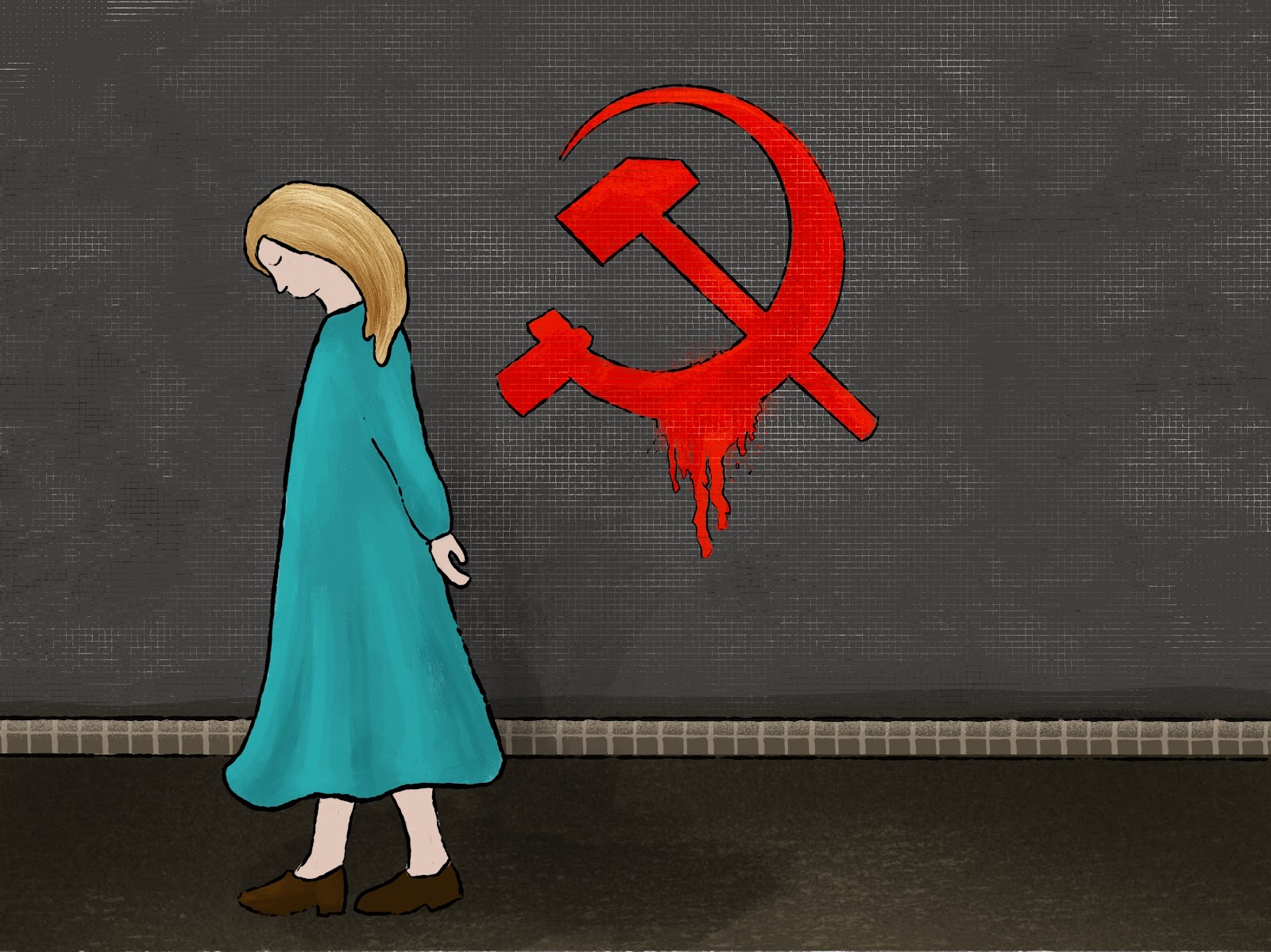
Attending to Attachment in the Treatment of Incarcerated Women

It was a sunny August day when I took a brisk walk across campus to get to the part of the facility that housed the incarcerated women with whom I would soon be working. I remember feeling fully ready for this new endeavor and eager to have a new clinical experience. As I entered the facility, waiting to be buzzed in through the double locked and heavily-reinforced doors, I immediately noticed how bustling the unit was. Looking around, I saw women hustling to their textile-industry jobs, rushing to their various group rooms, meeting for education classes, and heading outdoors to play volleyball. Taking in all of these varied activities, I became poignantly aware of one of the obvious similarities among the residents—most of these incarcerated women were of child-bearing age.

Like what you are reading? For more stimulating stories, thought-provoking articles and new video announcements, sign up for our monthly newsletter.

In my clinical experience with incarcerated men, I have worked with some invested fathers, but the theme around children has tended to be less pronounced than it has been when working with their female counterparts. With the women, I conducted more grief and loss groups than I ever had before, with waitlists that never seemed to get any shorter. In those groups, I became immersed in the nuances of the lives that lead women to lose their parental rights. My heart broke for these women who found themselves in the position where they were perpetuating family traumas despite their best efforts not to.

Jillian, I will call her, was a woman similar in age to myself, whom I worked with up until her release. She and her child’s father both struggled with substance use, having been consumed by the nation’s opioid epidemic. Jillian came from an impoverished family in a rural area that was severely under-resourced, often having to make the decision between paying the electric bill or being able to afford prescription medications. Jillian was very candid that she used illicit drugs, but that she was drawn to selling them because doing so was a direct road to fast money, which in turn allowed her to provide for her daughter in a way that she had not been provided for herself. Jillian and I would meet weekly in sessions that almost always focused on her daughter. She was fortunate enough to have her daughter reside with a family member rather than lose custody of her, but in essence, she was one fragile relationship away from losing that precious custody, and that weighed on her like a boulder. I remember one conversation in which Jillian shared, “I’m so worried about my mother. She doesn’t have enough money for gas, her prescriptions, and the heating bill. If she doesn’t get her prescriptions, she will get sick and could end up not being able to take care of my daughter. If she goes to get the prescriptions, she won’t have money for both that and the gas to get there.”

Jillian is but one representation of the near-constant fear that incarcerated mothers experience. If they have a sentence longer than 15 months, it is completely likely their parental rights will be terminated, and most sentences for drug offenses, which are often non-violent crimes, typically carry more than 15 months. Pair this with the glacially slow legal system which leaves women like Jillian in limbo, waiting for their sentences to be assigned all the while knowing the custody of their children is at risk.

If you are both a therapist and parent, the following is likely not difficult to appreciate. In my clinical experience, mothers who lose custody of their children are at risk to reoffend because they lose what is very often their entire sense of purpose. Oftentimes, although women such as Jillian use and sell drugs—which is obviously an unsafe atmosphere in which to raise children—they engage in far less risky behavior than if they were childless. Not uncommonly, the women with whom I have worked in correctional custody have been victims of human trafficking, sometimes even prostituted by their own family members while adolescents. Many of them grew up in poverty, having experienced horrific abuse, multiple pregnancies, school dropout, addiction, and the absence of their own parents, who were often imprisoned.

To highlight the dark hues of this already bleak picture, I remember a client I will call Mary-Beth, who took a five-year sentence rather than accepting probation so that she would have a chance of being able to spend some quantum of time with her mother, who was also incarcerated and would be released within nine months. Mary-Beth had her own daughter at home, but this did not waive her choice to take a prison bid over probation, because she was that entrenched in trying to have an interaction with her mother.

It has been relatively easy for me to see how the patterns of familial and often multigenerational trauma have played out in Mary-Beth’s life, and the lives of other women who have desperately tried to salvage their parental identities and bonds while behind bars. Had Mary-Beth not spent her childhood chasing her mother out of bars, waiting in cars in the dark while her mother turned tricks, or watching her use substances in between prison bids, Mary-Beth might have been able to develop an identity grounded in secure attachment that could have protected her from imprisonment and resulted in a tangible, rather than ephemeral, relationship with her own child. Now as a young woman, she is perpetuating the same scenario she experienced in the past with her own daughter, which inescapably manifests in pathology around abandonment and paves a direct route to addiction high-risk relationships and self-destruction in seemingly futile attempts to fill the void left by disrupted attachments.

***

I learned more than I ever would have thought possible from this clinical work with incarcerated women and mothers. Whenever possible, I work on parenting skills and psychoeducation around attachment theory with these clients so that together, we prioritize maternal and self-care skills they can utilize upon release. The additional work of helping promote mother-child bonds, even from behind bars, is critical in helping them break the vicious cycles that will inevitably undermine the attachment security of future generations. The last I heard, Jillian had completed her probation, maintained a job in the community, and was upholding her parenting responsibilities. She seems to be one of the lucky ones, and the implications for her daughter will hopefully be tenfold. The next chapter in Mary-Beth’s story is yet to be written.

Encouraging Clients to be Preventative

Stephen Covey, author of The 7 Habits of Highly Effective People, said in his book, 

Look at the word responsibility—“response-ability”—the ability to choose your response. Highly proactive people recognize that responsibility. They do not blame circumstances, conditions, or conditioning for their behavior. Their behavior is a product of their own conscious choice, based on values, rather than a product of their conditions, based on feeling.

Covey is not a psychotherapist, but as a therapist I find it beneficial to take a page out of his playbook. I encourage clients to assume a proactive stance when it comes to the challenges they may face in life. I do this in a sober-minded manner, not sugarcoating the fact that they will indeed face hardships. In my own practice, I’ve found that upon hearing this uncomfortable message, clients find hearing the truth spoken ennobling, even if it hurts. Clients bring an abundance of untapped strength, fortitude, and resilience, which can be accessed and drawn forth in therapy, a fact that motivates me to candidly share with clients that problems only get worse when ignored. My goal is not to be obvious or annoying, but to lovingly embody the role Socrates played, to be the gadfly in the ointment; to assume the role no one wants to play, the bearer of bad, but truthful, news.

Like what you are reading? For more stimulating stories, thought-provoking articles and new video announcements, sign up for our monthly newsletter.

Out of a sense of compassion, I ask my clients to directly face those ignorable “what-ifs.” In the absence of a plan, in the absence of daily health-promoting routines and rituals, what will happen if a client misses too many days of work? What will happen when a client’s spouse finds them drunk again? What will happen when a client forgets to pick their kid up at school once again? What will happen if a client consistently shrugs off opportunities to support their closest friends? Clients may rationalize and answer that yes, they are prepared to face certain contingencies. But when a problem is up close and personal, I’ve witnessed client after client ignore and avoid problems at all costs. Why do clients do this? Despite my best efforts, clients manage to play out the same pattern of avoidance, over and over again. Don’t get me wrong, I understand that clients are scared. To admit their marriage is struggling, to acknowledge their addiction is out of hand, to recognize their imperfect parenting, to confess their social shyness is causing isolation and loneliness, is truly terrifying. Facing a problem comes with the necessity of change, so, it’s easier to pretend like the problem isn’t there. I see this fear manifest in clients in one way or another, but I see it most clearly with couples.

In my experience based on the clients with whom I’ve worked, and in discussion with colleagues, couples tend to engage counseling services six years after the problem has been going on. Six years! That’s a long time to live with a problem. That kind of time allows resentment, bitterness, and hurt to accumulate to the point of no return. Neurologically speaking, allowing a problem to go on like that creates reinforced neural pathways that are hard to rewire. Relationally speaking, permitting a harmful relational pattern to persist unabated leads to irrevocable harm to intimacy, trust, and communication. So what’s the solution? How can I navigate this and motivate my clients to nip a problem in the bud? My way of approaching this issue is to encourage clients to be preventative, to seek a solution when the problem is in its infancy.

For example, couples who proactively work towards solutions before problems have reared their ugly heads make a commitment to attend maintenance sessions with a therapist once every few years or sooner. They do this habitually not because of a crisis, but because they want to make sure they are on the right track. That’s the ideal scenario, but not every client is at that stage. To get my clients thinking along these lines, I ask clients to take a moment and reflect on the fact that they see a dentist every six months for a cleaning. Why should they attend these appointments if they aren’t experiencing any dental problems? If you don’t have a toothache, why go? I usually get a range of answers, but the theme is usually prevention. It takes little effort to understand the benefit of preventing physical issues, but this logic fails to map onto mental health. So I gently nudge my clients to consider the logical contradiction, asking them to be consistent and apply the same logic to mental, emotional, and relational issues.

The alternative to being proactive is being reactive, I explain to clients. Reactivity, as I have observed over the past several years of doing clinical work, is defined as jumping to conclusions, being on the defense, only seeking solutions when problems are reeling out of control. In other words, it’s a bad strategy that doesn’t work, and it’s no way to live your life. I make the case to clients that if they are being reactive, they are only adding to the problem instead of working towards a solution; reactivity compounds problems. It is so much easier to fix a problem before it starts or in its infancy, instead of when it’s lingered, done damage, and been compounded by time and resentment.

I remember working with a mother and son who lived in a small apartment in the rough part of town. Their relationship could be defined as challenging. Mom fought the urge to not feel disappointed, but she felt like everything her son did made her mad. She was angry at him for getting poor grades, hanging out with the wrong crowd, playing too many video games, and getting into fights at school. She found that it was easier to be mad at him than to look at her own behavior and examine the reasons why their relationship had gotten so rocky. Keeping the focus on him kept the focus off her. Deep down, she was terrified to look in the mirror and acknowledge how her past and present actions had affected her son. I cautioned her that if things didn’t change between them, his behavior would likely worsen. I made the case that she had to come to the table and work on herself and the relationship before having any expectation of seeing him shape up. Despite my urging and pleading, I couldn’t convince her to let go of the blame and evaluate her behavior. Over time, the strain on their relationship grew too strong. He decided to move out of his mother’s apartment, drop out of high school and live with a friend whom she felt like was a bad influence. The day he left, they didn’t even say goodbye to each other.

***

So I urge you to encourage your clients to avoid living a life of reactivity and instead, to adopt a proactive, solution-seeking, adaptive, contingency-based, response-ability mindset towards current and future problems. You will find that when they do, they will be happy, and you will feel gratified.

Excerpt from: The 7 habits of highly effective people: Powerful lessons in personal change (25th Anniversary Edition). Rosetta Books.

Healing Wounded Images of Self and God

Carl Jung famously reflected that many of his older patients suffered due to disconnection from religion and sought to find or re-establish a spiritual outlook in later life.

Like what you are reading? For more stimulating stories, thought-provoking articles and new video announcements, sign up for our monthly newsletter.

Grace was 103 years old and living in a rest home. She was referred to me for psychotherapy for possible depression. “You know what it’s like to be 103,” Grace said.

“You’ll have to tell me what it’s like,” I responded.

“I don’t know if I’m depressed or not, I just can no longer do all the things I love. I love to read but my eyes are bad, and my fingers can’t hold a book or turn the page,” she said and held up her fingers gnarled by arthritis. “I always did needlework, knitting and crocheting, but look, I can’t do that anymore.” Using her walker to get to the bathroom was a slow and painful excursion for Grace because of her arthritis.

“I do have something I want to tell you, but I don’t want you to think I’m crazy,” Grace said. “I have a vision, it’s the same thing over and over, and it’s not a dream—it happens when I’m awake, like this, sitting up in bed. There is an old man standing in my door, and he slowly shuffles to the foot of the bed, and in a deep voice that sounds like it’s coming from under the earth, he says, ‘We have to get together in the midst of this pain and work it out.’ Well, this same thing keeps happening again and again,” Grace explained.

Grace had earlier referred to her history of religious faith and her current questions. I inquired further about her beliefs and doubts. She had always been a person of faith, yet now she felt inadequate and unlovable because she could no longer be the active and productive person she had previously been. We explored what the visionary experience might mean for her if she considered it in light of that cluster of feelings and thoughts. Perhaps she might come to consider that God was mirroring her current pain and asking to be close to her in its midst, and to allow that, rather than judging and dismissing her worth. This might be the solution to her troubles. With that understanding she suggested, “I think I’ll be okay now, Tom, I don’t have to think I’m no good just because I’m not like I used to be.”

Larry was 74-year-old who had spent the last three years in a nursing home. He was nearing the end of his life and was dreading it. He was born with a deformed hand. He said his father had been alcoholic and abusive. Larry both loved and hated his father. During nearly every psychotherapy session, he made comments about hating God. If his earthly father had been so cruel, how could he trust a heavenly father? Psychologically, he could partly hold onto the affectionate side of his father-conflict by projecting the hurtful side upward.

“But I did see the light one time, Tom,” he said. Larry had been scuba diving, doing restoration work beneath a large ship—and he became stuck, ran out of oxygen, and knew he was about to die. “Suddenly there was a beautiful light all around, and I had never felt better in all my life, and I was loose, and I came to the top.”

“Did that change any of your thoughts about God,” I wondered?

“Aw, no, I still hated God; but I did see the light two more times.” Larry went on to describe two additional near-death experiences, with bright light and peaceful feelings—but he was not able to consciously draw comfort from those experiences as he neared the end of life.

Chris was a 64-year-old resident in a nursing facility, and in one therapy session shared an essay he’d written about mental illness and religious faith. “In our struggle with schizophrenia, we have much to contend with. The many highs and lows, confusions and crises in the life of a schizophrenic. We try medication, psychiatrists, and the like. These work to a degree, but are not something that sustains you or makes you stable. God is good for the mentally ill. The only concern is we have to be careful not to confuse spirituality with our mental illness. Mental illness makes it difficult to believe in God. We are so confused and not sure what to believe anyway with hallucinations and such. God is aware of this and He knows the plight of the mentally ill.”

Ah, but there’s the rub—how to distinguish mental illness from spirituality? Certainly, some persons with a mental illness do confuse the two. So what might be characteristics of a wholesome religious outlook versus psychopathological distortions? The unhelpful and pathological elements may be characterized by fear, anxiety, avoidance, grandiosity, aggression, subjective idiosyncrasy, irrationality, and hatred. Whereas productive and encouraging spiritual viewpoints might include humility, patience, peace, insight, fortitude, and may be conventional, doctrinal, rational, and foster love.

***

I have worked with many thousands of clients over my 40-year career, the great number of whom have passed away. For many of these clients, facing death was always more distressing for those lacking a religious outlook. Many of them, as well as my current clients of all adult ages, have also struggled to endure disability, and/or chronic pain, or past trauma, and sometimes profound loneliness. When asked how they survive, and where they find encouragement, the common response has been—“God.” It has been quite rare for someone to disavow all questions of religious faith; more commonly, these individuals struggle with unexamined doubts and spiritual conflicts associated with past relationship issues. We often hear the phrase “the fog of war,” referring to the challenge of sustaining clarity during moments of danger and chaos. Many of my clients encounter a fog of faith as they grapple with spiritual doubts made worse by illness and isolation.

The unanswered questions and doubts are invariably present and may be withheld if I don’t notice or respond to their indirect emergence. I find that I can aid the conflicted client in their quest for new perspective, for a renewed outlook that might offer them meaning and hope. Faith was regained for Grace when she humbly allowed God’s comfort to overtake her fears of being unlovable due to infirmity. Dozens of my clients have reported near-death experiences, and all of them described spiritual comfort and a dissolution of their fears of dying; all, that is, except for Larry, who had been wounded too deeply and too early in life. Chris had a major mental illness, but also a vibrant religious faith and the wisdom to understand the need to keep each as distinct as possible.

In psychotherapy with these clients, I have followed the lead of the spiritual symptoms, signals, questions, and comments, and helped them to sort through possible distortions in order to create space for a life-affirming and personality-broadening outlook on our shared existential challenges regarding illness, aging, and death.
 

Psychotherapists Do Not Cry Here: Hope During the War in Ukraine

Alina

Over the last few days, she has slept and eaten very little. She advises her audience to see the bright side of everything. “I just discovered that I have cheekbones,” she says with a sense of unanticipated pleasure. Her voice is otherwise quiet and calm, with slow, thoughtful tones that strike a peaceful chord in me and no doubt the rest of her audience, like a friendly and familiar echo. Her name is Alina, and she is a fellow psychotherapist who works in Ukraine. Though her face reveals neither panic nor despair, there is something more profound and deep about her that hints at fatigue and sorrow, but also of hope.

Like what you are reading? For more stimulating stories, thought-provoking articles and new video announcements, sign up for our monthly newsletter.

Alina webcasts live every day in order to support her people. To support those who need to be in the presence of a kind and compassionate face in the midst of pitch-black darkness. You can almost feel the touch of her cold hands, which she desperately tries to warm by clutching a mug of hot tea. “You need to drink a lot of water, friends, it helps to fight against the stress,” she says, while at the same time listening to the sounds of regular explosions, whose proximity she tries to determine in order to decide whether to rush to the nearest shelter. In her webcast, Alina is “ready to take tender care” of any suffering soul, regardless of nationality or current place of residence. “Please just don’t swear in the chat. Everyone is suffering right now. I understand all of you, but please let’s love and take care of each other,” she says so gently, as if she is gently stroking each one in her audience.

Mikhail

“I don't know what to talk about…,” Mikhail, my own client, says after a long pause. And along with the words, tears that were just moments before frozen within him melt and cascade freely. Yet he cries in complete silence. His face is twisted by pain and horror. But I can see by the position of his neck, shoulders, and arms that something inside of him has been released, opening a space which later may be filled with something other than those tormenting feelings. Three days ago, he found out that his only son had died in Kharkov. From that day, he has known nothing of the simple comforts of sleeping, eating, or any other “normal” part of his previous life. He only knows that his child was killed. “He… was… ki-i-i-illed… killed…” Again, a speechless yet deafening grief which starts my own hands trembling, so I hide them away from the screen. “What would I do if Mikhail was actually sitting right in front of me?” a thorny voice echoes from deep within me. Mikhail blames himself. It was he who left his child in Kharkov several years ago when he moved to Moscow for work. It was he, the father who could not protect his son. It was he who did not die in place of his son.

Long before I became a therapist, my own great-grandmother told me how she had survived the orphanage, World War II, the evacuations, tuberculosis, breast cancer, and her only husband by 50 years. She was the most cheerful and resilient person I have ever known. She always had something to tell me, something to share. However, she almost never talked about the war, only briefly mentioning it. Whenever I cried over some trifle, she would look at me in surprise with her gentle blue eyes and admonish: “Why are you crying? Has a war begun? No. No reason to cry, then, right?” “Okay,” I remember thinking at the age of seven, “should the war start, I’ll cry then to my heart’s content.” That calmed me.

Now I can't cry. During the worst of my life’s upheavals, I have never cried. This has helped in my work. Who needs a tear-stained psychotherapist?

Alina

While Alina's voice sounds more subdued over the following days, there is an increasing power in it. She sniffles but does not cry. Maybe it’s just a cold. Alina will not leave her homeland. Ukraine is her home, this is where her family is with whom she will stay to the end, and “this is not a subject for debate.” Alina promises to go live whenever possible. This is how she chooses to create, or perhaps re-create, the world around her. And there are more and more participants with each of her webcasts, which means the boundaries of her world are getting wider, rather than smaller. This is her contribution, her mission. Over the ensuing days, it seems harder for her to choose words, but they are becoming more precise, and her message is becoming clearer. “Take care of your loved ones, hug them, take care of yourself.” It is amazing how much sense shapes these simple messages. “Do your everyday routine, physical exercise, drink herbal teas.” During one of the live chats, someone asks, “Do you drink tea with or without sugar?” Alina replies, “I drink mine without sugar.” Suddenly, her eyes widen and twinkle as she says, “You know, the most delicious tea is served in trains! There it is served with sugar and lemon. I normally don’t drink tea with sugar, but I just love that one they serve on the trains! You are traveling somewhere far, far away with your tea in tea cup holders…” It is not only the Ukrainian audience that is warmed by the cordial human flame that is Alina. This flame spreads well beyond her Ukrainian audience. By the end of the nearly two-hour webcast, someone who is not from Ukraine suddenly calls in and says, “It is we who should support you, not the other way around.” Alina shrugs it off and sends air kisses.

Mikhail

Again, Mikhail doesn't know what to say. The pauses are the longest we’ve had in our sessions. I hear my heart pounding in anticipation of what he will say. Even through the screen, I seem to be able to hear his heart as well. I follow his chest as he slowly but rhythmically draws in and then out. It seems labored and pained. I know from our work together that he needs a doctor and medicine. But right now, he is here. And I'm here with him. I feel the urgency of helping right here and right now. “And you are,” an inner voice confirms that I am, indeed, already helping. Although I am a cognitive behavioral therapist as a last resort in the most difficult situations, I reach far up my sleeve now and pull out what I believe will be the most useful therapeutic offerings—trance techniques, light hypnosis. Slowly and carefully, I calibrate my voice and tone. I follow his facial expressions, his posture. It is as if I am conducting open-heart surgery. He starts following me. Or perhaps it only seems so to me? No, he is definitely following, his eyes are closed, his lower jaw has slightly slipped down. Good. We go ahead.

That 60-minute session with Mikhail seems to last for weeks. Towards its end, I ask him about his feelings or whether he has anything he wants to say. “When I closed my eyes, I saw his face so clearly, as if he was standing in front of me. I was asking for forgiveness; asking again and again.” At that very moment, Mikhail’s face falls below the sweep of the camera, and he quietly slips away from view. My hands shake, but this time, there is nobody to hide them from. After an instant, I see Mikhail's face again on my screen. He says, “…and you know what? He forgave me, my son forgave me.”

Alina

Alina did not go live today. In the chat, she hurried once again to calm everyone in her audience. “Don't worry, my friends, the connection is acting up. But know this! I believe we will all meet in person in some wonderful place and hug each other.”

Russian Shame

The Russian invasion of Ukraine muted me for several days. Shame has a powerful silencing capacity. The words with which to talk about this war come to me in English and not in Russian, my mother tongue.

Like what you are reading? For more stimulating stories, thought-provoking articles and new video announcements, sign up for our monthly newsletter.

I spent the first weekend after the Russian invasion of Ukraine with two Russian friends (things are not that straightforward, one is actually better described as an American Jew and the other as a half-Ukrainian, half-Russian living in France) and one of their children. Their car still has Russian plates, and as they stopped to refuel, an Eastern European truck driver approached them to insult them for being “Russian murderers.” They had to rush away, mostly to avoid scaring the children any further.

As he recounted the incident, my friend was hiding his eyes; his shame was palpable. His pain resonated with me, amplifying my own. Walking in silence on the windy Normandy beach, we looked at the reddish sunset, which evoked for us the cruel bloodshed taking place in Ukraine. In the evening, with a glass of wine around the fireplace, we talked. Before leaving, one of them went out in the night to put white tape above the small Russian flag on his plates. His hands were shaking as he came back.

“Dogili—this is what we have come to,” he kept repeating, his whispering sounding like sobbing.

His young son was incredulous, confused about his father’s meddling with the car plates. He did his best to explain, avoiding his son’s inquisitive eyes.

“I am terrified about him being bullied at school,” he whispered.

When my friends left to return to their lives, shattered by the consequences of this pointless war, the house felt empty. In the silence, the question of the highest dramatic order resounded within me with a sense of great urgency: Who am I in relation to these events?

Even though I left Russia more than two decades ago, in the eclectic construction of my emigrant self, the ‘Russian me’ has been a structural and defining element. Even if other multiple self-narratives have developed over time, sometimes taking precedence over the original simpler version—the ‘me-therapist,’ the ‘me-mother,’ the ‘me-French,’ etc.… Today this foundation pillar of my identity has been undermined, sending my whole self into turmoil.

This is not the first time I have not exactly been proud to be Russian. My original place, like an abusive parent, keeps rocking my sense of self-worth, constantly tainting it with shame.

As a therapist, I do know that the emotional axis of shame and pride is central to the human psyche. I also guess that one of the secrets of Putin’s political success and longevity has been his promise to restore the greatness of Russia, give a sense of national and perhaps personal pride back to Russians—a pride of belonging to a great place. Rebuilding an empire is the easiest narrative trick that a politician can perform- to create and then dangle this alluring psychological carrot before the masses.

The days that followed the beginning of the war sent waves of shock through my life and my therapy practice. Some of my clients are Russian, and they are in disbelief. Some of them have been to street protests, some have just sat in their kitchens until the grayish Moscow morning, drinking and talking with their friends, sharing their confusion, their fear, but mostly trying to cope with their shame.

With their lives wrecked by the dirty war initiated by their motherland, they are wrestling with the immediate questions of survival, not only pragmatic but also psychological.

They will find different ways to cope with their humiliation. Some are leaving Russia in a desperate attempt to escape this feeling. Creating enough geographical distance can alleviate shame temporarily, but it never quite does the trick of entirely canceling it. The shame we were made to feel by our parents has the lingering power to transcend time and space and forever undermine our self-worth. This is what many of my emigrant clients wrestle with.

Russia will remain the pariah of the West and the world for the foreseeable future. We, the Russians living inside and outside of the country, will have to bear the shame of this situation for years to come. We can do very little to turn down the volume of this feeling, no matter how many Ukrainian flags we display on our social media feeds or either publicly or privately in our daily lives.

We will have to learn how to live with this shame, and if we listen to it carefully, we may gain a chance to do better, to learn from the terrible mistake of giving power to a monster, letting him take over our country, and use our language and our history for personal gratification, propaganda, and war.
 

Corrective Emotional Experience Is the Key to Therapeutic Effectiveness

During my early training in psychotherapy, I was struggling to understand my role and what to say to patients. A wise supervisor introduced me to the term “corrective emotional experience” and said that once I fully understood its implications, my job would seem a whole lot simpler and I’d have much less trouble finding useful things to say to patients. He taught me that the main and unifying goal of all psychotherapies is to help patients have new and better experiences, both in the sessions and also in the rest of their lives. Such experiences could heal wounds from the past, change perceptions and attitudes in the present, and result in healthier behaviors and virtuous cycles in the future. Virtuous cycles are positive mirror images of the negative vicious cycles that so often grease a slippery downward slope for people with emotional problems. A virtuous cycle starts with a small corrective emotional experience which triggers a chain of other desirable experiences in a continuous cycle of improvement. An example would be where someone afraid of socializing screws up the courage to take a tennis lesson and gets invited to a party, which results in a new friendship, which makes it easier to approach other people socially in a variety of other social relationships, which improves job performance, which results in a raise, which increases confidence, and so on. This advice hit home, stuck with me, and has ever since guided all my clinical work and teaching. Corrective emotional experience is, I think, the best way to understand the mechanism of psychotherapy process and change—and also to integrate the bewildering variety of therapy techniques into one unified and harmonious psychotherapy. The process best explains the process of change as it occurs across all forms of psychotherapy. Sandor Ferenczi introduced this experiential way of viewing psychotherapy change in the 1920s. He was a master clinician who understood and made use of the healing power of the therapeutic relationship. His suggestion, radical at the time, was that emotional experiences in therapy, not intellectual insights, are the real drivers of change. As his student Sandor Rado would put it much later, “Insight alone never cured anything but ignorance.” It’s fair to say that Ferenczi, not Freud, had the most important influence on psychotherapy as it is practiced today. Freud readily admitted that he found clinical work interesting mostly as a research tool, necessary to build and test his theories of mental functioning, but was much less engaged in the human and healing elements of therapy. His patients were often disappointed, describing Freud as talking too much, too abstractly, and too didactically. In 1946, Franz Alexander (another of Ferenczi’s students) named and concisely defined Ferenczi’s theory of change: “The patient, in order to be helped, must undergo a corrective emotional experience suitable to repair the traumatic influence of previous experiences. It is of secondary importance whether this corrective experience takes place during treatment in the transference relationship, or parallel with the treatment in the daily life of the patient.” In answering the crucial therapy question of how best to promote corrective emotional experiences, the first insight I have is that psychotherapy sessions are not all created equal. Change tends to occur in leaps, not in small steady increments. I have treated some patients intensely for years—with absolutely no discernable progress. In contrast, I have seen many patients for only fifteen minutes in the emergency room who years later said something along the lines of “you probably don’t remember me, but you said something I’ve never forgotten that changed my life.” This makes every patient contact an adventure, potentially ripe with opportunity, never routine. There is always the possibility of a magic moment in therapy—saying something that promotes a corrective emotional experience and sets off a virtuous cycle. We can’t expect magic moments to happen often, we can’t predict them, we probably won’t even know that they have happened—but we can and should always be alert for the potential and try to create favorable conditions through our relationship with the patient. While the unifying goal of all therapies is, or at least should be, to help patients have corrective emotional experiences, there are many different ways of getting there. Sometimes the corrective emotional experience comes from an insight that clarifies how the past is influencing the present or how unconscious conflicts are causing self-destructive behaviors. Sometimes it comes from changed behavior, such as facing phobic situations instead of avoiding them. Sometimes from testing and correcting cognitive distortions. Sometimes from emotional catharsis. Sometimes from a paradoxical injunction. And sometimes from the simple therapeutic act of validation. These are just to name a few. Corrective emotional experiences are also, of course, constantly happening as part of everyday life—a new friend or love relationship, adopting a pet, beginning an exercise regimen, getting acquainted with nature, a better job, an act of resilience in the face of stress and disappointment, or just about any other positive new experience. Therapy is just a way to increase the odds of having (or noticing) corrective emotional experiences, speeding things up, and triggering virtuous vs. vicious cycles. Too often these days, therapists adhere slavishly to one or another therapy school, and schools compete with one rather than join forces. This guild warfare is bad for psychotherapy, bad for therapists, and, most of all, bad for patients. Every therapist should have eclectic training that provides a full tool kit of techniques that promote corrective emotional experiences. No one school has a monopoly on wisdom or therapeutic power.

An Existential-Spiritual Journey During COVID-19

A Place of Uncertainty

As we approach the second anniversary of the first detection of COVID-19, we are no longer in the acute stages of the pandemic. However, neither do we find ourselves squarely in a post-pandemic world, as new variants continue to evolve and spread rapidly, sparking fear and halting daily life. A heightened sense of self-doubt, vulnerability, and anxiety can occur in this “limbo-like” state, particularly for clients experiencing life-threatening medical conditions. Feeling threatened for prolonged periods may increase both the client’s and therapist’s need for certainty and diminish our ability to tolerate ambiguity. In the case of COVID-19, when safety and normalcy are in question, life’s uncertainties may be harder to endure.

Existential approaches are particularly well-suited for addressing concerns provoked by the COVID-19 pandemic such as encountering the fragility of life and the unpredictable nature of events, as well as uncertainty about when (or if) the pandemic will end. For Yalom, the aim of psychotherapy is to help clients fully experience and accept the existential anxieties associated with the “givens of existence,” including death, isolation, freedom, and meaninglessness. As a result of facing death, individuals may experience a sense of urgency to revise life priorities that can lead to improved meaning.

Existential therapists generally suggest that anxiety and existential guilt need to be experienced in an open and honest manner and, when directly encountered, can become a source of vitality, creativity, and purpose. Rollo May and Paul Tillich believed that courage and determination are fostered when anxiety, adversity, and life’s dilemmas are faced. In other words, when we accept our limitations, we also commit ourselves to living fully.

Victor Frankl’s recent series of posthumously published papers does this by shifting emphasis away from the question of “What can one expect from life?” to “What does life expect from us?” Thus, he suggests that it is life itself that asks questions about meaning. While we may feel challenged and forced to face discomfort when we ask ourselves what life expects from us, French philosopher Gabriel Marcel posited that such pain and suffering offer the only pathway to real insight and spiritual growth. Perhaps through these challenging questions that place uncertainty, obstacles, and suffering before us, we discover our meaning and purpose.

Clinical Vignette

The clinical vignette presented below highlights the challenges of how a therapist-client dyad worked through their mutual feelings of “not knowing” and uncertainty by processing their own existential anxieties and fears. A series of dreams of the client and therapist, as well as the use of creativity as a spiritual intervention, are described to demonstrate the complexity, practicality, and depth of the existential approach. In particular, the vignette highlights how dream interpretation can be used in enhancing problem-solving and conflict resolution, mastering trauma, exploring unknown possibilities and paths not chosen in life, wish fulfillment, compensation, communication with the therapist, and integration of self.

Initial Phase: An Exploration of Death and Social Anxiety in the Context of COVID-19

Steven is a 63-year-old man who presented for individual psychotherapy approximately six months after the resection of a non-malignant brain tumor. He experienced one generalized tonic-clonic seizure immediately after his tumor resection, which had a significant impact on his social and emotional functioning.

In terms of constitution, Steven had always been shy and sensitive. He had maintained a group of close friends since high school. Although he never married, he had had two long-term relationships since graduating from college. At the time of his surgery, he had been retired for two years from his career as a special education teacher and had reportedly been adjusting well to his life transition. Steven valued his level of independence, intellectual curiosity, and work ethic. His numerous interests included photography, hiking, reading history, and political activism. After the onset of his neurological condition, however, he became quite withdrawn and fearful about leaving his apartment. Although his seizures were well controlled with medication, the onset of his condition and the implied risks amplified his social anxieties and fear of death. Whenever he did leave his apartment, he felt self-conscious about his word-finding difficulty and occasional stutter, which exacerbated his fear of being ridiculed and shamed. After experiencing months of social isolation and increasing depression, he reached out for therapy at the encouragement of his physician and close friends. He hoped to regain self-confidence, be able to connect with old friends, and resume his recreational interests.

Steven’s comments about his own mortality were interspersed throughout the early sessions and were delivered in an intellectualized and affectively neutral manner. He recalled his experience of waking up from surgery and having a seizure in a vivid but emotionally detached manner, leaving me feeling highly anxious. I felt that he would have been frightened and overwhelmed if this had happened to him. These sessions felt more as if Steven was reporting about his life, rather than experiencing his life.

Given the news of the spread of COVID-19 in New York City during his third month of therapy, Steven agreed to continue sessions via telehealth. On top of the feelings of death and social anxiety and uncertainty secondary to his brain tumor and seizures, he felt the virus was exacerbating his lack of control over his life. Steven had a mindset that his medical condition and COVID were unsolvable problems leaving him trapped in his apartment with no escape.

In the first few telehealth sessions, there was a noticeable shift in Steven’s mood, focus, and communication style. Where previously he would speak at length about his negative interactions with the public in the local supermarket or in the elevator of his building in a detached fashion, his conversation in the context of the pandemic became more emotionally laden, his mood palpably more depressed, and his focus turned inward. While he had already worked through diminished control over his health and restrictions imposed by his physician and medications, COVID-19 surfaced additional fears of brain cancer and not being able to get help if he were to have another seizure.

The threat of COVID-19 increased the reality of his mortality due to his medical condition, and he could no longer speak about it indifferently. Instead, this emotional intensity filled the content of his thoughts and treatment sessions such that he grew more removed from the people and activities that had filled his time with meaning, purpose, and pleasure before his brain tumor. His increased level of avoidance, which had started after his surgery and was exacerbated by COVID-19, further impacted his sense of identity and agency in the world. For instance, Steven expressed that he was afraid of dying alone and nobody finding him. He did not have any religious affiliation but felt that he was a spiritual person when walking in nature or helping others who were vulnerable.

In the second month of treatment, Steven had reported a dream where he “was traversing over a deep canyon. As [he] cautiously walked across a wide rope with railings, it swayed back and forth. [He] saw a dark, shiny mountain across the cavern, but the rope was not attached to the mountain. [He] was unable to look down and felt paralyzed to take an additional step forward. [He] tried to scream out for help, but no words came out.” He woke up sweating and frightened. In session, Steven was asked to tell the dream in the present tense to promote a sense of presence and agency. When asked about the predominant feelings he had in the dream, Steven responded that he was overwhelmed with the anxiety of and fear of falling into the cavern that had no bottom. When asked how he would want the dream to end, he responded by wanting the rope to continue to the mountain so that he could feel safe with his feet firmly on the ground.

During the next few months of therapy, questions that had been previously effective with helping other clients with medical conditions and high levels of anxiety to gain a sense of meaning or agency (e.g., “What are some things that you can control now?” “What are your feelings of fear and anxiety trying to teach you?” and “What do you feel most passionate about in your life?”) were dismissed as unhelpful. Steven emphatically stated that he needed definitive answers to the questions that preoccupied his entire day, such as “Will my tumor grow back and become cancerous?” “If I exert myself through exercise or go to social events with my friends, will I get COVID or a seizure and die?” and “Is the government deliberately giving us misinformation regarding COVID-19?” I felt increasingly anxious and was unable to give a clear answer to any of these questions. As Steven’s therapist, my own experience of “not knowing” was overwhelming, since we were both experiencing our own feelings of anxiety, fear, and uncertainty about getting or spreading the virus. Steven tended to repetitively ask questions with no clear answers and would spend hours searching through social media sites for elucidation. Over time, he noted that the therapy was not helpful, even indicating that he felt more frustrated and withdrawn in both his sessions and his personal life.

Middle Phase: A Shift in the Therapist’s Approach

After consulting with several colleagues, I decided to focus on active listening, patience, tolerating silence, and providing space for Steven to find the words for his feelings. The decision to shift my therapeutic style with Steven was motivated in part by my experience of feeling alone in the room and that my words were not being heard; any interpretations or interventions offered were readily dismissed, as though batted away with a tennis racket. My reactions were further complicated by the difficulty of picking up nonverbal cues on the Zoom telecommunication platform. Ultimately, my countertransference reactions yielded a deeper appreciation for Steven’s emotional life, including his profound sense of isolation, powerlessness, and feeling invisible in the world. I was then able to provide Steven with titrated reflections of this loneliness and helplessness, contextualized within the uncertainty of the pandemic and his medical condition.

Shortly after I shared this particular self-disclosure and processed his reactions, I experienced a dream where “I was dragging a dead body of a man in a trash bag down a busy avenue in Manhattan. The bag was heavy, and it took a great effort to pull the bag toward Macy’s on 34th Street. I struggled to pull the bag toward the holiday window at Macy’s when the dream ended.” I understood the dream to be an indication that I was trying too hard and doing too much of the therapeutic work, and that Steven needed to take more responsibility and ownership of the course of the treatment. I also wondered about the meaning of the Macy’s holiday window scenes of families celebrating together, children playing, and religious scenes, and whether some creativity or spirituality needed to be part of the therapy in order to bring Steven to live more fully again.

This internal shift in my perspective led to a new phase in treatment where Steven was able to gradually mourn his loss of identity, direction, and purpose in life related to his medical condition and COVID-19. We began to explore his regrets in life. Steven was able to recall that he had always wanted to be a professional photographer but had not had the confidence to pursue this wish. He had always wanted to have children but felt that his career in special education partially fulfilled this desire. Shortly after, Steven recalled a dream where “[he] was in his parent’s country house in [his] room looking at a wall of his photographs from one of [his] high school classes. [He] noticed the subtleties of lightness and darkness in the scenes of Manhattan and started to experience a sense of pride and accomplishment. At that moment, [he] overheard [his] parents and other relatives laughing in another room, and [he] felt a sense of humiliation and shame that they were making fun of [his] photographs.” He awoke feeling a sense of hope about his creative abilities and a sense that he now had the time to act on it. He also felt that he did not trust his desires when he was younger and was more concerned about what others would say about his artistic ability. When asked of his associations to the dream, Steven mentioned that the night before he had watched a film of someone who spent years walking every street in the five boroughs of New York. Steven regretfully said that he wished he had the courage and confidence to pursue his deeply-buried artistic dreams.

Working Though Phase: The Use of Creativity as a Spiritual Intervention

After a period of medical improvement, including being seizure-free, Steven started going out of his apartment a few days a week to take black and white photographs in Central Park. During the early morning hours, he experienced a sense of awe, wonder, and adventure in not knowing where his walks would lead in the park. He took black and white pictures of statues, lights filtering through leaves on the trees, animals resting in the zoo, and a formation of geese flying over a pond. Steven experienced a greater sense of freedom, calm, and centeredness during these occasions. His rediscovered artistic passions, which resulted in increased flexibility and confidence in taking risks in other aspects of his life, including contacting friends and colleagues with whom he had lost contact. These photographs activated something on a deeper level in Steven and enabled sharing these photographs with his older friends. He initiated contact with his former school and volunteered to teach photography in a small group setting, which provided a sense of purpose and direction in life.

As Steven’s level of anxiety and medical symptoms improved, he was able to shift his focus from internal preoccupations with not knowing what his future would be like to existential concepts of meaning, values, and priorities. He thought more about his future, making peace with external things that he did not have control over. Steven shifted his position from the passenger seat to taking a more active approach in life. He became curious about how he wanted to lead his life and pursue his social and recreational interests. I facilitated this process by open-ended questions, such as “What has sustained you in dealing with your medical issues?” “Where do you think you found your strength?” and “If you were to imagine your life one year from now, looking back on how you dealt with your medical recovery, what would you think about how you handled things?” In addition, I asked, “If you had not had your neurological condition, would you be dealing with the pandemic any differently (and vice versa)?”

Steven realized that when he began treatment he had been feeling sorry for himself and angry at the unfairness and injustice of having a medical condition after being a good person who devoted his life to helping others. He realized that he was fearful of taking risks and failing, and that he had more to give to others despite his limitations. Steven acknowledged the importance of his friendships and of continuing to develop his personal values and traits. He gradually came to realize his own power to choose how he wanted to view and respond to life’s major challenges. Furthermore, he started to become aware of ways in which his medical condition had made him stronger, including being able to face his mortality and tolerating not knowing and uncertainty. He was eventually able to acknowledge that his courage, determination, and creativity enabled him to cope with his multiple challenges and that he had more to live for.

Concluding Thoughts

Existential approaches are uniquely suited to address prominent themes in the COVID-19 pandemic, including anxiety surrounding death, uncertainty, isolation, and vulnerability. Existential therapy provides an important opportunity for clients and their therapists together to face these challenges and discover meaning throughout. Through the process, they are able to live life with greater intention, purpose, self-reflection, and presence, to accept and learn from feelings of not knowing, uncertainty, and anxiety, and to value the benefits of choosing one’s attitude toward adversity.

This case vignette highlights the benefits for both the client and therapist in experiencing, accepting, and learning from feelings of uncertainty. Asking open-ended questions about Steven’s dreams, values, attitudes, and meaning in life enabled him to be more curious and flexible. Incorporating creativity as a spiritual intervention provided an opportunity for a heightened degree of engagement, self-reflection, intensity, hope, and passion. In a parallel manner, my therapeutic shift to slowing down the pace and focusing on the process, tolerating moments of silence, utilizing countertransference reactions, and reflecting on his and my own dreams enabled me to let go of the need to appear as an expert with all of the answers and be more of a “fellow traveler.”

There are moments when clients need their therapists to feel the depths of their powerlessness, loss, vulnerability, and despair in order to find and describe their feelings and to feel understood and emotionally held. There are healing moments when the most important gift that we bring to another person is the silence within us, the kind that is a source of peace, acceptance, and allows the transitional space to be.

Addressing the Relational Impact of Mental Illness

While it can be isolating, mental illness is not an isolated experience. It affects more than just the individual: it impacts friends, family, spouses, significant others, and co-workers. I recall working with a married man who developed Major Depressive Disorder around the time his wife had their second child. He became emotionally distant, socially isolated, lethargic, couldn’t focus, took time off work to the point of being fired, and lost interest in sex. His wife struggled bitterly. She felt completely overwhelmed with the care of two young children. Her husband, on whom she once depended, was no longer contributing. She felt like she had to care for him as well and try to keep the family financially afloat since she was the only one working. Despite the challenging circumstances, she tried to keep their intimacy intact, but he had no interest in sex, going out, connecting with their friends, and he struggled to track during conversations. As you can imagine, this put a strain on their relationship, which they eventually ended. Neither one of them wanted the divorce, but the wife hit her breaking point, and her husband couldn’t find the energy to fight for the relationship. This is a sad story that is reflective of how mental illness impacts a marriage, a career, parenting, and personal finances.

Like what you are reading? For more stimulating stories, thought-provoking articles and new video announcements, sign up for our monthly newsletter.

When working with clients, I try to keep in mind the relational impact of mental illness in all its facets. Mental illnesses, like depression, affect the individual in every sphere of their life, including the social/relational. The above example illustrates how lonely the man felt, and how inexpressible his psychological and physical experience was to his wife. There were no words that existed in his mind or in their relationship for him to utilize. He and she were left in a wretched state of ambiguity. And despite her best efforts, she could not intimately access the depths of his depression. She, too, had no words. She couldn’t prevent feeling shut-out, as if she had been barred from his heart. Her dream was to feel unimaginable connection and joy at the birth of their child, but what she got was facing single-parenting while married.

Needless to say, there is a ripple effect of depression. The man’s relationship with his child will forever be changed. Certainly, it is within his grasp to foster a loving and connected relationship with his child, but he will have to do so with additional barriers due to the divorce, physical distance, child support, navigating co-parenting, and potential co-step parenting.

From my perspective as a clinician, problems are compounded when family and friends don’t understand the nature of mental illness, however, this is not always obvious to my clients and their loved ones. When trying their best to understand their loved one’s struggle, some may conclude that they aren’t trying hard enough, that they don’t care, or that they are seeking attention. Without information, without a sufficient explanation, bad interpretations fill the void, which only lead to judgment and alienation. As a clinician, I step into that void with accurate and compassion-filled information. My aim is to coach clients who are struggling with mental illness as well as their family members and explain that they may be tempted to personalize or create a negative attribution for their loved one’s behavior. It is tempting, natural, and understandable why they would do this, and yet, it is often a mistake in judgment. I try to explain that if their loved one had cancer, they wouldn’t take it personally or judge. Certainly they might have big feelings of sadness or anger at God or the universe, but there would be no assignment of blame to the diagnosed individual. They wouldn’t think, “Why did she choose to have cancer? They must want attention.” That would be absurd, and the vast majority of people would never think this.

So why would a wife, husband, partner, child, friend, or family member personalize a loved one’s depression, anxiety disorder, or phobia? I encourage my clients and their social network to make a genuine effort at understanding mental health disorders. It is natural to want to know as much as possible about a disease when a loved one may be diagnosed with a medical disease. As a clinician, I encourage clients to take that same impulse and learn as much as possible about their loved one’s mental health diagnoses. Ignorance only creates barriers to relationships, and my hope is to remove any barriers to social connection in my client’s way, as well as within their social network. A client is only as healthy as their community. Therefore, I want to empower clients to empower their communities, to mobilize those around them to seek out information and more deeply understand the psychological realities they are dealing with. And to find that middle ground of embracing the mental illness of your loved one but resisting the urge to define them by it.

***

Thinking back to my client mentioned earlier, I wonder how things would have been different if both the husband and wife had more awareness about depression. I wonder how the two of them may have pulled together, rather than apart, if they had known earlier on that the husband was being affected by a mental health disorder. If they had only had the words and concepts to understand not only the husband’s experience of depression, but also the relational impact that depression brought to their marriage and family. The wife was just as much a sufferer of depression as was the husband. This new understanding could have been a catalyst for collaboration, support, mutual understanding, and shared problem-solving.

A Visit to the Orwellian Institute for Psychotherapy

“Damn, I’m late,” Ron thought as his alarm sounded. “February 18th, 2092, 7:00 AM, EST,” it blared until he flung the annoying device across the room.

Ron, a middle-aged man, was again rushing to an appointment with his APA (Artificial Psychotherapeutic Assistant). How meaningless his life had felt since the birth of his third child. A boring job just for the sake of feeding a large family, a continually fatigued wife whom he thought was apathetic toward him, evenings dedicated to doing homework with the older child or bathing the younger ones. All followed by an unsatisfactory night’s sleep, which was more like falling into an abyss rather than a refreshing escape from the burdens of the day and his life. Wash, rinse, repeat!

Like what you are reading? For more stimulating stories, thought-provoking articles and new video announcements, sign up for our monthly newsletter.

Ron hoped that psychotherapy could help break this vicious cycle, offer new meaning, and provide a glimpse into the possibility of something important and beautiful that could still happen in his life. He entered the building through the glass door and in half-second was whisked to the 94th floor, where a client’s chair was already waiting for him. He promptly took a seat and was taken directly to the APA’s office.

As usual, APA met him with an unwinking stare, a signal of “her” readiness to begin the session. “I salute you Ronald! You look great today,” she said and displayed something resembling a restrained smile.

When will the software for my APA finally be updated, Ron wondered. The manufacturer and consultants kept promising a more humane presence from their state-of-the-art clinician, but if they could just hear “You look great today” the same way he did, they might move a bit more quickly.

“Hi APA,” said Ron reflexively as he settled more comfortably into his chair.

“I see, Ronald, you are somewhat puzzled. You can tell me about your feelings.”

Well, should I actually tell that her digital brain is outdated, though this is perhaps the least of my problems, a thought flashed through Ron’s head.

“Last session we discussed my wife's attitude towards me. She acts as if I don't exist. We suggested that she lacked romance. So, I made sure that the kids didn't disturb us and organized a wonderful dinner for two on the roof. For about fifteen minutes, she ate in silence, ignoring my attempts to start a dialogue, after which she said she was very tired and went to bed. It was awful,” said Ron and lowered his head.

The APA swiftly handed him a tissue.

Damn, I keep forgetting I shouldn’t tilt my head so low, thought Ron.

“No thank you, APA, I was not going to cry.”

“I sympathise with you deeply about this unfortunate experience you had to go through. However, thanks to it, we now know that your wife has likely got enough romance but lacks something else,” said the APA.

Hmm… what does that mean – “she’s got enough romance?”

“Are you intimating that she's getting romance from someone else?” Ron fidgeted in his chair.

“No, I did not mean to hint at that. However, since you started talking about it, perhaps this is what you sometimes think about.”

“I haven’t thought about it before, this thought came to my mind only now, after your words that ‘she’s got enough romance.’”

“According to my data, this kind of thought in a similar situation is likely to arise in a person's head if he has already thought about that but was afraid to admit it.”

Ron's glance started moving slowly around the APA's immaculately white office as if, with the help of some magical points in this ethereal space, he could scan the contents of his own thoughts and find out what he was really thinking about. A minute that felt more like an hour elapsed.

“Do you need more time for reflection?” APA's voice, like an alarm clock, pulled Ron out of the process of inner contemplation.

Ron looked at the APA, slightly squinting, and asked, “What is the probability that I already thought that my wife has a romantic relationship with someone?”

“Taking into account your age, the number of years you have been married, the number of children… the probability is 89%.”

“Yeeaah…” sustained Ron, “Probability is high, it seems I indeed thought about it.”

“In what situations could you think about it, Ronald?” APA asked vigorously.

Ron reflected internally. His wife was permanently busy with their children and obsessively monitored the super-intelligent home AI system that operated their household and a team of DMA’s (domestic management assistants). He absolutely could not imagine when and with whom she could go on romantic dates.

“Maybe when I help my son do homework in his room she summons a virtual tryst through our Spatial Video Conferencing Interface,” Ron blurted out, instantly horrified himself by the absurdity of what he just uttered.

“Looks like an insight! What do you think of this, Ronald?’ enquired the APA enthusiastically.

Insight? Is she serious?! I don't think I could come up with anything more stupid, thought Ron. He looked closely at APA and tried to understand what processes, computations, scanning, and God knows what else were going on in her system. After all, it was perfectly clear that he put his foot in his mouth, just to provide this electronic presence with an expedient and somewhat rational response. But was it even worth the time it would take trying to explain this to “her?”

“It could be an insight, or maybe I'm just tired, and it's time for us to finish.”

“I believe you have things to reflect on regarding relations with your wife. You did a great job today, Ronald!”

“Yes, APA, you're right,” Ron grinned sadly as he thought to himself, Yah, “she” is always right.

“I see your mood is much better than it was before we started the session. You came in puzzled but left in high spirits. Thanks for the productive collaboration, Ronald!”

“Thank you as well, APA,” Ron smiled perplexedly.

On the way home, Ron was thinking about the relationship with his wife. Maybe the APA was right, and his wife's petty intrigue was quite possible. They had been together for so many years, the former feelings had long been gone, and the new ones seemed to have nowhere to come from. As he approached the house, Ron felt increasingly gloomy yet determined. I should pretend to be helping my son with the homework, and spy to see what she’ll be doing, he concluded.

A week later Ron came to see the APA again, but this time a client chair showed up at the front desk accompanied by a strange robot (not that they weren’t all strange).

“Hello, Ronald! I'm sorry, but your psychotherapist’s software is being updated today. We can offer you a replacement,” the robot reported.

“Thank you, no need for replacement. I’m not sure what kind of difficulties I will face with the software of a new robot. On top of that, all my personal files are with the APA, and I don’t want to repeat everything.”

“That makes perfect sense. Good. Is there anything else I can help you with?”

Ron hesitated—he wanted to share information about the APA’s incorrect performance but had no idea how to tell that to a robot.

“Can I talk to a human?” Ron asked.

“The human will be here in three days, from 1200 to 1600 hours, Eastern Standard Time.”

“I won't be able to come by that time… can I leave them a message?”

“Yes, of course. Please, speak, I am recording,” a red indicator began blinking on the robot's forehead.

Ron began, “My psychotherapist tells me that I look great at the beginning of each session. This is, you know, somewhat depressing, particularly because I know it’s not true. Could you please add some reasonable variety to the program? On the Psychotherapy.net website, you can find excellent demonstrations of live sessions between human psychotherapists and clients. Perhaps you can incorporate examples from those human-to-human interactions to update and humanize the programming of your APAs. Oh yes, and it would also be great if the APA didn’t hand me a tissue every time I tilt my head. Sometimes I just lower my head and have no intention whatsoever to cry.”

“Is that all?” the robot inquired.

“I suppose, for now.”

“The meaning of this message is not completely clear to me. Are you sure that a human will be able to correctly process this information?”

“I do hope so,” said Ron quietly as he turned his head downward.

A tissue appeared.

Truth and Fiction in Psychotherapy

Arrhythmic Interventions

Sometimes with clients, I feel that I have gone on too long, offered several mixed if not confusing metaphors, used far too many words.

As confusion settles like snowflakes in the client’s eyes, drifting left to right, forming frosty banks of disinterest beneath the eaves of their lids, a sense of failure comes over me. It is a familiar, critical, internal voice that identifies my arrhythmic intervention as a product of inept clinical desperation, further proof of my sporadically undisciplined, ego-driven approach. Attempting to re-engage the client I often and fumblingly ask, “Does that make sense to you?”

This is intended to communicate that my preceding monologue was a humble offering for the client’s consideration, neither a pronouncement of truth nor an authoritative directive. I explicitly invite disagreement by disclosing therapeutic doubt as to the relevance of my intervention, graciously allowing space for the client to reject, accept, or reconstrue my thoughts to fit their own preferences. A leveling of the clinical playing field, I suppose. An empowerment of the client, particularly highlighting their interpretive role, calling them into a more active engagement in the dialogue.

But it is merely a closed, if not defensive question: it invites either a yes or no answer. What I justify as empowering of the client is actually highly restrictive. It fundamentally does not, regardless of my sound intentions, invite the client to reflect on their own thoughts and feelings. The query instead directs an assessment of my words and my performance as a therapist!

It is uncomfortably reminiscent of the stock illustration of common narcissism: “Enough about me! Let’s talk about you. What do you think of me?”

Perhaps when I respond negatively to my own clinical intervention, it’s because I recognize it as an unintended self-disclosure. Perhaps I am frustrated by the client’s perceived lack of progress, or they provoke in me uncomfortable personal associations. Or maybe there was an annoying itch on my left ankle. In asking the client to make sense of my words, I may be attempting to coerce them into helping me bury what I have inadvertently exposed about myself. Smoke and mirrors to distract from my embarrassment! A fiction masquerading as curiosity to distract us both from the truth about my outburst.

The Fallacy of Making Sense

Another problematic aspect of my question—“Does that make sense to you?”—is the importance it places on things making sense. But must every sentence in a therapeutic exchange be complete? No. Do the associations we make need to conform to a logical rubric? No. Must our emotions be reasonable and defensible? Of course not.

When I ask a client whether things “make sense,” I may be communicating that they should. In so doing I might exile from therapy parts of the person that are either currently or permanently outside of the logical realm. Such parts may contain important information about the problems faced, and they often are part of the solutions. Simple acceptance of unarticulated emotion, whether loss, pain, anger, or sadness, has so often marked the turning point in a client’s healing process. That such emotions may be illogical, in conflict with relevant facts, or appear baseless when judged cognitively, often serve as the underlying motivation for denial and repression.

When I over-value making sense within psychotherapy, I am suggesting that we are searching for a Truth. Not merely a true expression of the client’s experience but rather a Truth that will stand up to objective investigation. Something that stands the test of logic and reasoning, as some subjective experience does. For example, if I report that my wife hates me, and my wife explicitly confirms this impression, my felt experience is supported by objective evidence. In the case where my wife denies such hatred, psychotherapy teaches us that my experience of being hated by my wife is of equal or greater significance when it is disproven by factual inquiry as when it is supported. In the instance where my impression appears unsupported by the facts, further clinical work may reveal that I am suffering from paranoia, or it may reveal that my wife’s love is expressed in a manner easily understood by me as disinterest or hatred.

Therapy needs to be a space where we witness and accept the patient’s narrative, in whatever form they choose to offer it. For there are truths about sexual assaults that I have only come to understand when a client expressed themselves with a vague gesture, or another victim described watching their own rape from the ceiling of the room, or another interspersed details of the assault with seemingly unrelated and irrelevant trivia about their daily routines.

In Fiction Lies Truth

A central theme in the writings of Tim O’Brien, an acclaimed novelist and Vietnam veteran, is that a war story that is not fictionalized is not a true war story. Why? Because war is such a massively distorting human experience that telling of it in a rigidly accurate, factual manner is wholly distorting the truth about war. A war story without fiction is, by necessity, a lie:

In any war story, but especially a true one, it’s difficult to separate what happened from what seemed to happen. What seems to happen becomes its own happening and has to be told that way. The angles of vision are skewed. When a booby trap explodes, you close your eyes and duck and float outside yourself. When a guy dies…you look away and then look back for a moment and then look away again. The pictures get jumbled; you tend to miss a lot. And then afterward, when you go to tell about it, there is always that surreal seemingness, which makes the story seem untrue, but which in fact represents the hard and exact truth as it seemed.¹


When clients tell of traumatic events, exposing not just what happened but speaking of “its own happening,” I have experienced the raw power of their account and self-protectively withdrawn by responding with curiosity about what actually happened.

In his recent memoir, Dad’s Maybe Book, O’Brien instructs his two sons that maintaining humility about our own understanding and experience is an essential safeguard against arrogance and our own vulnerability to notions that there are truths we hold as self-evident. He argues that all such truths are subject to change and to cultural relativism. Better to say “maybe” than to believe you have a hold on Truth; better to say “it seems” rather than “it is.” In these times of “epidemic terror” and intolerance of ambiguity and uncertainty, O’Brien pleads: “I’m asking only that you remain human in your terror, that you preserve the gifts of decency and modesty, and that you do not permit arrogance to overwhelm the possibility that you may be wrong as often as you are right.”

One of the examples of a war story O’Brien tells in The Things They Carried is of a six-man patrol assigned to establish a listening-post in the mountains. They sat, camouflaged in almost complete silence and stillness for a week listening for enemy movements. After some time, they hear music, chit-chat, and what sounds like a cocktail party, with popping champagne and clinking glasses. The soldier telling O’Brien this story clarifies that the voices he and his comrades heard were not those of people but were voices arising from the mountain itself. “Follow me? The rock – it’s talking. And the fog, too, and the grass and the goddamn mongooses. Everything talks. The trees talk politics, the monkeys talk religion. The whole country. Vietnam. The place talks. It talks. Understand? Nam—it truly talks.”

Driven to their wits’ end, the patrol calls in air strikes and the mountain is bombarded throughout the night. When they return to base camp and a senior officer questions the basis for the airstrike, none of the men respond. “They just look at him for a while, sort of funny like, sort of amazed, and the whole war is right there in that stare. It says everything you can’t ever say. It says, man, you got wax in your ears. It says, poor bastard, you’ll never know – wrong frequency – you don’t even want to hear this. Then they salute the fucker and walk away, because certain stories you don’t ever tell.”

On the Wrong Frequency

How often am I as a therapist on the wrong frequency? Am I tuning in to analysis? Diagnosis? Cognition? Emotion? Is the client communicating in the equivalent of a dog-whistle? Is the lie telling me a truth? Is the truth masking what is not true but essential? It is not difficult to imagine clients who have saluted me and walked away thinking that I was a well-intentioned poor bastard who hadn’t heard them at all.

Earlier in my clinical career, a middle-aged man, Curtis, sought me out for my expertise in trauma. He complained that earlier therapists had been unable to impact his symptoms, including persistent intrusive memories of early childhood sexual trauma perpetrated by a family member. I had recently been trained in EMDR (Eye Movement Desensitization & Reprocessing) and was eager to utilize the approach with a case of complex trauma. After gathering a general history, forming an understanding of his current relationships, internal/external resources and supports, I was confident of a reasonable degree of rapport. We cautiously waded into an exploration of Curtis’s childhood relationships to both of his parents and how those dynamics, combined with family finances, regularly left him in the care of his perpetrator for most of each weekday through the years of his childhood.

Details of the sexual assaults were not remarkable to me. They were consistent with common incestuous, pedophilic behaviors. What struck me, however, were Curtis’s accounts. From session to session they seemed to become increasingly detailed, and the details sounded increasingly melodramatic. What I heard initially to be cold-blooded genital manipulation evolved into stories of emotional attachment, culminating in a seven-year-old’s feeling emotionally abandoned by his molester and proceeding to threaten her with exposing her deeds if she didn’t comply with his wishes. After several months, Curtis began disclosing memories of horrific, ritualistic abuse involving multiple members of their rural community.

EMDR was having no significant impact on Curtis’s current levels of distress. In fact, there were signs that the clinical exposure to the increasingly disturbing memories were making things worse. His alcohol consumption was on the rise and seemed linked to increasing conflicts with his wife, who served as his principal support. To mitigate these negative secondary effects of the therapy I began to lessen the use of EMDR and increased identification of his drinking as a principal obstacle to healing from his past wounds.

Within a month of making this shift, Curtis withdrew from treatment with little comment or clarification. At the time I saw this as an indication that he wasn’t ready to confront his addiction, which was disabling him from processing the past traumas effectively.

In hindsight, and with my evolving perspective on truth and fiction, Curtis seems to have been in the same predicament as the soldiers in O’Brien’s account asked by their commanding officer to justify their ordering up an airborne attack based on their experience of talking rocks, grass, and fog. The soldiers opted to walk away from the commanding officer without a word. Curtis tried to communicate to me how his misshapen inner landscape was behaving. To his credit, he didn’t bother to salute when taking his leave.

Now, I imagine he knew I didn’t want to hear what he was telling me. This resistance led me to make a distorting effort to escape the truth via facts. I thought if we got the alcohol out of the picture we had a shot at finding out what really happened all those years ago.

Having since worked for close to ten years with victims of sexual abuse, I understood that the narrative often evolves over time. Difficult facts and experiences might be avoided in early sessions and disclosed later in the process. Conflicts in current relationships might reflect dynamics of the abuse. Adult memories of childhood events are most often fairly accurate as to the essence of an experience. Use of alcohol and drugs or other dangerous behaviors are adaptive means of survival, often difficult to abandon for less harmful comforts.

Now, ten years later, I have come to understand how crucial it is to believe the victim’s recounting, regardless of its form, and why it was difficult for me to fully accept Curtis’s narrative when I first began this work. The details of his account sounded like the climactic scene of a horror movie. I didn’t want to believe that such things actually occur in the basement of a neighbor’s house and that a half-dozen or more people could be complicit in such acts. My gut told me: Rosemary’s Baby was not only a fiction, it was, and is, impossible! Another part of me knew that the kind of nightmarish abuse Curtis described has happened before and, therefore, it remains uncomfortably possible that his memory may be partially or wholly accurate.

I fled to the problem of alcohol consumption.

I was fleeing from a combination of the client’s disturbing narrative and the failure of my interventions to make a dent in his very distressing symptoms. My flight was an abandonment of this client to his painful story, a story that he had bravely shown and invited me to enter.

Beyond Self-Protective Fictions

When Billow, an important voice in Relational Group Therapy, asks, “Where is fact, where is fable?” he is not only asking this about the client’s statements. His focus is on the therapist.
 

My self-disclosures give some idea of how I think and feel, how I think I think and feel, and how I would like others to believe I think and feel. Perhaps we need to put a Surgeon General’s Warning on all clinical contributions, certainly not just those intending self-disclosure: The analyst’s communications contain aspects of infantile as well as dissociated inner experience. Gross commissions and omissions are to be expected, involving conscious and unconscious censorship, relating to the analyst’s emotional, cognitive, and psycho-linguistic limitations, shame and guilt, fear of embarrassment, humiliation and ostracism, fear of the unknown, and fear of loss of livelihood…²


As a therapist, I have lots of reasons to generate fictions. We are trained to assume these human responses are regularly present throughout clinical work and to task ourselves with recognizing and utilizing them both in service of the client and of expanding the therapist’s own self-awareness. Richard Billow’s clinical warning label is not an identification of life-threatening effects of exposure to psychotherapy and its practitioners, it is a reminder that the truths being uncovered and the healing achieved in clinical interactions are inseparable from distortions by both the client and the therapist.

More recently, I was working with a client, Maureen, who was also an adult survivor of childhood incest. She courageously disclosed a series of traumatic childhood events over several sessions. We planned to proceed to processing these traumas utilizing EMDR. When the next session began, however, it was clear that the self-confidence evident in prior sessions was now absent. Maureen shared with me that the events we’d previously discussed had overwhelmed her during the week, and when I inquired as to the specific nature of the overwhelm, she explained that while she intellectually knew that these traumatic events were separated by significant periods of time, they’d been presenting as interconnected. Pieces of one event seemed spliced into the images of another. This not only condensed images but also magnified their emotional and psychological power. Maureen described feeling “shook,” out-of-control, and increasingly uncertain as to her experience and her memories.

With Maureen I was able to hear this distortion of her memories and her current experience of past events as essential points of focus for processing. In fact, I made the choice to explicitly communicate to Maureen that I heard this unification of her historically separate events, accompanied by numerous somatic expressions, to hold greater “truths” for our clinical work than the accuracy of her historical and chronological memory. She could see that all these terrible things, while having happened separately, had happened to her one and only body and brain. This communication had an immediate effect of relieving her emotional and physical tension. It also led directly to a discussion of how she could utilize the historical memory to reduce the sense of overwhelm that might resurface prior to our successful processing of the trauma. Unlike in my work with Curtis, I tuned into and remained on Maureen’s frequency, accepting her version of the truth as the Truth.

***


What O’Brien says about war stories is closely related to what Billow says about therapy. An exclusive focus on facts tends to obstruct recognition and development of appreciation for the truth of the human experience, whether that experience is a past traumatic event or a current meeting with the complexities of a clinical conversation. For the most important truths are always in the moment of the telling—not in the subject of the story. Therefore, the value of the telling is not located in its being verifiable. All effective communication, in fact, relies heavily on the honest, truthful aspects of our fictions.

¹O’Brien, T. (1990). The Things They Carried. Mariner Books; Houghton Mifflin Harcourt.

² Tzachi, S. (Ed.) (2021). Richard M. Billow’s Selected Papers on Psychoanalysis and Group Process. Routledge.