Migration is a far more complex experience than simply moving from one country to another. In many cases, it often requires learning a new language, understanding and integrating the written and unwritten rules of their new society, and navigating the confusing and sometimes conflicting expectations of this new culture. While the process is a forward-looking one that requires assimilation and acculturation, it inevitably involves looking back on all that was sacrificed and lost. Clinicians working with displaced clients need culturally sensitive clinical skills, as well as the ability to mitigate the compassion fatigue that comes when working in the presence of hopelessness, fear, and trauma.
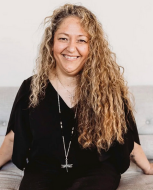
After migrating to the United States at age sixteen with her mother and siblings, Liliana Baylon knows first-hand the challenges and risks that migration entail. Having become the cultural broker for her own family, she experienced the pressures of acculturation and assimilation, and the grief that accompanies leaving behind one’s homeland. Described by moderator Travis Heath as a “perpetual learner,” Baylon’s work has been dedicated to helping migrant children and families navigate their own journeys, with an emphasis on social justice and honoring cultural traditions.
In this webinar replay, you will learn how to recognize and attend to the individualized therapeutic goals of migrant clients. Baylon breaks down the layers of migration trauma, cultural considerations for adapting clinical approaches, and common barriers to compassionate care. So, cross the borders of knowledge with us, and come away more fully prepared to work effectively with your migrant clients during these troubling times.