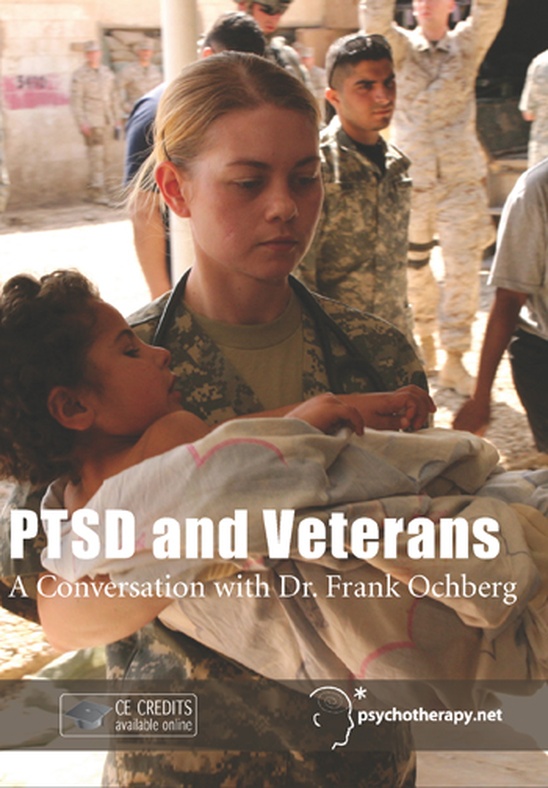
PTSD and Veterans: A Conversation with Dr. Frank Ochberg
Video
with
Frank Ochberg, MD
Video

PTSD and Veterans: A Conversation with Dr. Frank Ochberg

Leading expert Frank Ochberg discusses what every therapist needs to know when treating vets with PTSD--what resources they already have in their professional toolkit that they can draw on, and what new skills are needed.   Video length: 59m
Buy a Membership
COURSE DETAILS

Overview

How do we help veterans who are returning from war with PTSD? Dr. Frank Ochberg, a leading authority on PTSD, shares his experiences, seasoned insights and suggestions in this intimate conversation with reporter Mike Walters.

Mental health practitioners treat a variety of clients coping with trauma. Dr. Ochberg points out that we can draw on these experiences to treat veterans returning from war, as he shares his insights regarding common symptoms to look out for and the importance of building trust and other aspects of the patient-therapist relationship. He then explains techniques he has developed that help his clients work through the trauma and adapt to civilian life. Ultimately, Dr. Ochberg delivers a message of hope: Although the damaging impact of PTSD is severe, it remains completely treatable by those who are up to the challenge, and it is a privilege for all therapists to work with these brave men and women

About the Experts

Frank Ochberg, MD
Expert

Frank Ochberg, MD

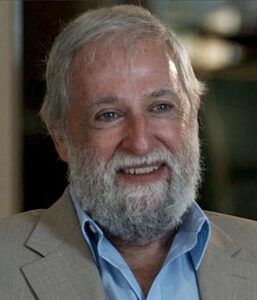
Frank Ochberg, MD has been a leading authority on the treatment of Post-Traumatic Stress Disorder since the 1960s and helped define PTSD for its inclusion in the DSM. He has received many awards for his work, most recently the Lifetime Achievement Award from the International Society for Traumatic Stress Studies. He founded Gift From Within and is a professor of psychiatry at Michigan State University.

View full profile

Disclosures

Frank Ochberg was compensated for his contribution. None of his books or additional offerings are required for any of the Psychotherapy.net content. Should such materials be referenced, it is as an additional resource.

This Disclosure Statement has been designed to meet accreditation standards; Psychotherapy.net does its best to mitigate potential conflicts of interest and eliminate bias in all areas of content. Psychotherapy.net offers training for cost but has no financial or other relationships to disclose. Additionally, there is no commercial support for this activity. None of the planners or any employee at Psychotherapy.net who has worked on this educational activity has relevant financial relationship(s) to disclose with ineligible companies.

Psychotherapy.net defines ineligible companies as those whose primary business is producing, marketing, selling, re-selling, or distributing healthcare products used by or on patients. There is no minimum financial threshold; individuals must disclose all financial relationships, regardless of the amount, with ineligible companies. We ask that all contributors disclose any and all financial relationships they have with any ineligible companies whether the individual views them as relevant to the education or not. Each experts’ specific disclosures can be found in their biography.

It Takes a Team: Integrating Behavioral Health into Primary Care Settings
  • Video

It Takes a Team: Integrating Behavioral Health into Primary Care Settings

Experiential Therapy
  • Video

Experiential Therapy

Trauma & Attachment Issues
  • Video

Trauma & Attachment Issues

The Story of Child Art Therapy in the United States
  • Video

The Story of Child Art Therapy in the United States

Psychotherapy with Gay, Lesbian and Bisexual Clients 3: Relationships, Families and Couples Counseling
  • Video

Psychotherapy with Gay, Lesbian and Bisexual Clients 3: Relationships, Families and Couples Counseling